
حفظ الأجنة بالتبريد: تجميد الأجنة للحمل

حفظ الأجنة بالتبريد: تجميد الأجنة للحمل

Written by DivinHeal Editorial Contributor, Rahul Kumar, Embryologist | Medically Reviewed by Dr Indu Priya, Gynecologist(MD) Published on: 2026-01-26
تجميد الأجنة: تجميد الأجنة البشرية للحمل المستقبلي
تجميد الأجنة هو أمر يسمع عنه الكثيرون لأول مرة خلال علاج الإخصاب في المختبر (IVF) وغالبًا ما يكون ذلك في خضم محادثة مرهقة بالفعل. يبدو الأمر تقنيًا وبالنسبة لمعظم المرضى يثير تساؤلات أكثر مما يقدم إجابات. في جوهره، يعني ببساطة تجميد الأجنة البشرية حتى يمكن استخدامها لاحقًا للحمل.
بالنسبة للمريضات القادمات من إثيوبيا إلى الهند لتلقي علاج الخصوبة، غالبًا ما يكون تجميد الأجنة جزءًا من خطة أطول ومدروسة بعناية. إنه يخلق فسحة للتنفس. وقت للتعافي، ومساحة للتفكير، وحرية العودة للحمل عندما تشعر الحياة بمزيد من الاستقرار. إن فهم ما يحدث فعليًا أثناء تجميد الأجنة يمكن أن يجعل العملية أقل ترويعًا بكثير.
خطط رحلتي
أخبرنا بحالتك وميزانيتك — يقوم الذكاء الاصطناعي لدينا بمطابقة الوجهة والمستشفى والطبيب ومسار التأشيرة المناسب
فهم تجميد الأجنة
يشير تجميد الأجنة إلى عملية تجميد الأجنة التي تم إنشاؤها من خلال الإخصاب في المختبر (IVF) وتخزينها لاستخدامها في المستقبل. يتم الاحتفاظ بهذه الأجنة في درجات حرارة منخفضة للغاية، مما يوقف تطورها دون حدوث ضرر نشط.
خلال الإخصاب في المختبر (IVF)، يتم تخصيب البويضات بالحيوانات المنوية في بيئة معملية. إذا تطورت أجنة سليمة، قد يوصي الأطباء بنقل واحد أو أكثر إلى الرحم على الفور. ومع ذلك، في كثير من الحالات، يتم حفظ الأجنة المتبقية من خلال تجميد الأجنة حتى يمكن استخدامها لاحقًا.
تختلف هذه العملية عن تجميد البويضات. تجميد البويضات يتضمن حفظ البويضات غير المخصبة، بينما يتضمن تجميد الأجنة حفظ الأجنة التي تحتوي بالفعل على مادة وراثية من كلا الشريكين. هذا التمييز مهم طبيًا وعاطفيًا للعديد من المرضى.
غالبًا ما يسأل الناس عما إذا كان هذا النهج غير معتاد. إنه ليس كذلك. اليوم، يعد تجميد الأجنة جزءًا روتينيًا وراسخًا من رعاية الإخصاب في المختبر (IVF)، خاصة عندما يتضمن تخطيط العلاج أكثر من مرحلة واحدة.
لماذا يتم تجميد الأجنة أثناء علاج الإخصاب في المختبر (IVF)
لا يتم تجميد الأجنة كخطوة افتراضية. عادة ما يكون هناك سبب طبي أو عملي واضح وراء القرار.
في بعض دورات الإخصاب في المختبر (IVF)، لا يكون نقل الأجنة فورًا هو الخيار الأفضل للجسم. في حالات أخرى، قد يرغب المرضى أو يحتاجون إلى تأخير الحمل. يجعل تجميد الأجنة ذلك ممكنًا دون تكرار عملية الإخصاب في المختبر (IVF) بالكامل مرة أخرى لاحقًا.
يمكن عادة تجميد الأجنة بأمان بمجرد وصولها إلى مراحل معينة من التطور، شريطة أن يتم الإجراء في مختبر إخصاب في المختبر (IVF) مجهز جيدًا تحت إشراف متخصص. يتيح ذلك للأطباء حماية جودة الجنين مع منح المرضى مزيدًا من التحكم في التوقيت.
أسباب طبية لتجميد الأجنة
يوصي الأطباء أحيانًا بتجميد الأجنة لأن الجسم يحتاج إلى مزيد من الوقت.
قد تكون مستويات الهرمونات أعلى من المثالية أو قد لا تكون بطانة الرحم جاهزة بعد للانغراس. في هذه الحالات، يساعد تجميد الأجنة على تجنب نقلها في ظروف أقل ملاءمة.
يستخدم تجميد الأجنة أيضًا بشكل شائع عند التخطيط للاختبار الجيني. يتم تجميد الأجنة أثناء مراجعة نتائج الاختبار، مما يتيح اتخاذ القرارات بعناية بدلاً من التسرع.
أسباب شخصية أو عملية
ليس كل سبب لتجميد الأجنة طبيًا.
يحتاج بعض المرضى إلى وقت للتعافي جسديًا أو عاطفيًا بعد الإخصاب في المختبر (IVF). قد يكون لدى آخرين التزامات عمل أو مسؤوليات عائلية أو اعتبارات سفر تجعل الحمل الفوري صعبًا. بالنسبة للمرضى الدوليين، غالبًا ما يبدو العودة إلى الوطن قبل الحمل هو الخيار الأسهل.
عند القيام به وفقًا للبروتوكولات الطبية المعمول بها، يدعم تجميد الأجنة هذه القرارات الشخصية دون الإضرار بجودة الجنين.
كيف يعمل تجميد الأجنة البشرية
يتبع تجميد الأجنة البشرية عملية دقيقة ومراقبة عن كثب. في حين أن العلم وراءها متقدم، فإن القصد واضح وهو حفظ الجنين بأمان حتى يصبح جاهزًا للاستخدام.
بعد الإخصاب، تنمو الأجنة في المختبر لعدة أيام. يراقب أخصائيو الأجنة تطورها عن كثب، وينظرون إلى كيفية انقسام الخلايا وكيف يتقدم الجنين. يتم اختيار الأجنة التي تستوفي معايير جودة محددة فقط للتجميد.
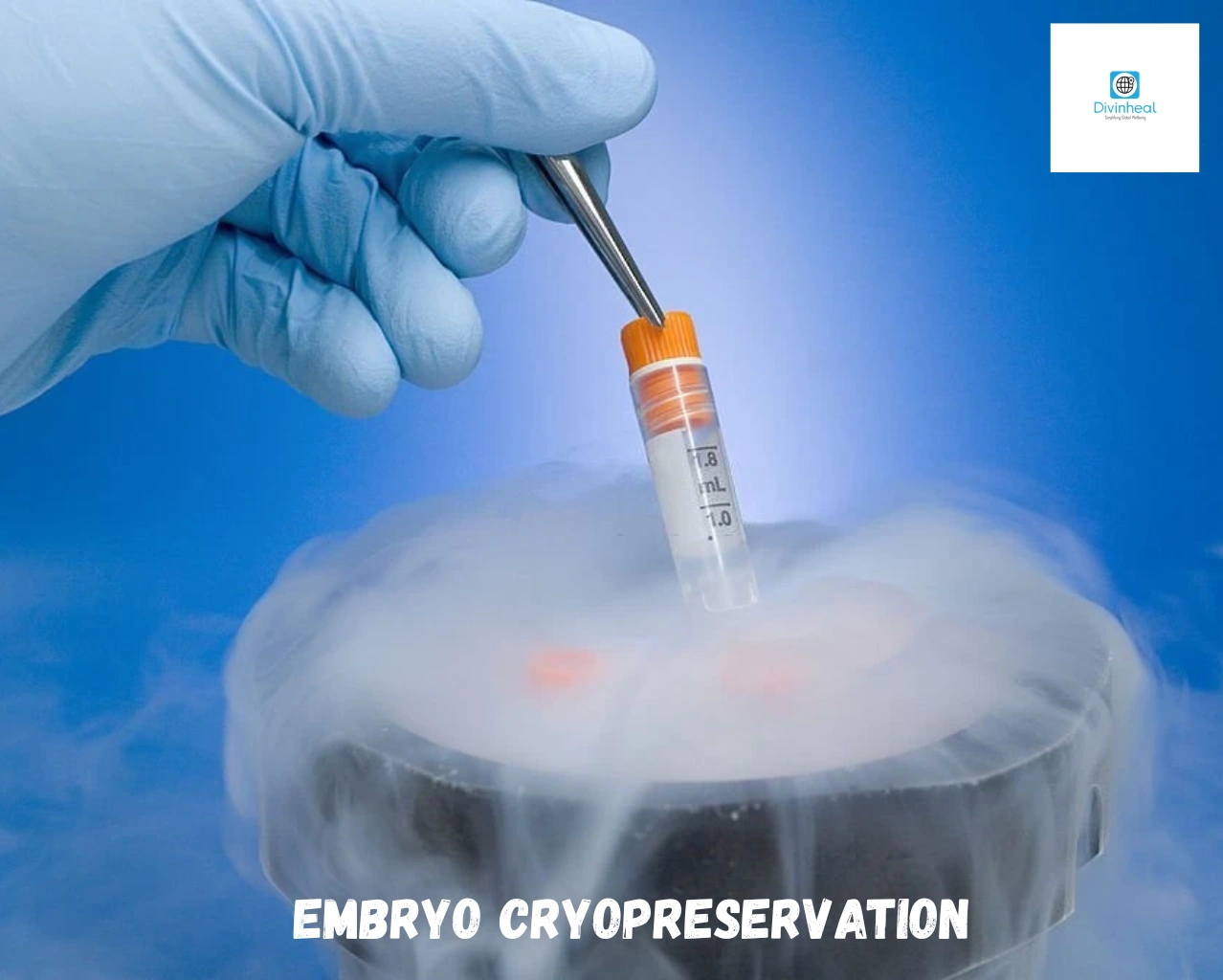
تستخدم معظم مراكز الخصوبة طريقة تعرف باسم التزجيج. تتضمن هذه التقنية تبريد الأجنة بسرعة كبيرة، مما يقلل من خطر تكون بلورات الجليد التي يمكن أن تلحق الضرر بالخلايا.
بمجرد تجميد الأجنة، يتم تخزينها في حاويات آمنة مملوءة بالنيتروجين السائل. تتم مراقبة أنظمة التخزين هذه باستمرار للحفاظ على ظروف مستقرة حتى يتم إذابة الأجنة للنقل.
في أي مرحلة يمكن تجميد الأجنة؟
يمكن تجميد الأجنة في أكثر من مرحلة واحدة من التطور اعتمادًا على كيفية نموها في المختبر.
يتم تجميد بعض الأجنة في اليوم الثالث عندما تتكون من عدد قليل من الخلايا. يتم تجميد البعض الآخر في اليوم الخامس أو السادس فيما يعرف بمرحلة الكيسة الأريمية.
تجميد الكيسة الأريمية أكثر شيوعًا اليوم لأن الأجنة في هذه المرحلة أظهرت إمكانات تطور أقوى. يقرر الأطباء متى يتم التجميد بناءً على جودة الجنين وملاحظات المختبر وعوامل المريض الفردية.
لا يصل كل جنين إلى مرحلة مناسبة للتجميد. هذا هو السبب في أن المراقبة المخبرية من ذوي الخبرة تلعب دورًا مهمًا في العملية.
هل الأجنة البشرية المجمدة آمنة للحمل المستقبلي؟
يظهر هذا السؤال تقريبًا في كل مرة تتم فيها مناقشة تجميد الأجنة. تعتبر الأجنة البشرية المجمدة آمنة بشكل عام للحمل المستقبلي عند التعامل معها من قبل مختبرات الخصوبة ذات الخبرة، على الرغم من أن النتائج قد تختلف.
عند إذابة الأجنة، ينجو العديد منها ويستمر في التطور بشكل طبيعي. تعتمد نتائج الحمل على عدة عوامل بما في ذلك جودة الجنين، وعمر المريضة وقت استرجاع البويضات، وصحة الرحم، والخلفية الطبية العامة.
من المهم أن نكون واضحين بشأن التوقعات. لا يمكن لأي علاج للخصوبة أن يضمن الحمل. يهدف التجميد إلى الحفاظ على إمكانات الجنين في وقت تجميده، ولكن النتائج المستقبلية لا تزال تعتمد على عوامل سريرية متعددة.
هذا هو السبب في أن الخبرة المخبرية مهمة. يتم تشجيع المرضى على التحدث بصراحة مع أخصائي الخصوبة لديهم حول معايير المختبر وبروتوكولات التعامل.
كم من الوقت يمكن تجميد الأجنة؟
يمكن أن تبقى الأجنة مجمدة لسنوات عديدة دون ضرر نشط عند تخزينها في ظروف مناسبة. لا يُعتقد أن فترة التخزين تضر بالأجنة طالما يتم الحفاظ على معايير مخبرية صارمة باستمرار.
تعتمد مدة تخزين الأجنة على الإرشادات الطبية واللوائح المحلية وموافقة المريض. يعود بعض المرضى للنقل في غضون بضعة أشهر، بينما يعود آخرون بعد عدة سنوات.
يقلق الكثير من الناس من أن الانتظار لفترة طويلة قد يقلل من فرص النجاح. من الناحية العملية، عادة ما يكون لعمر المريضة وقت إنشاء الأجنة تأثير أكبر من طول فترة التخزين نفسها.
بالنسبة للمريضات غير المستعدات للحمل على الفور، يمكن أن يوفر حفظ الأجنة الطمأنينة والمرونة.
حفظ الأجنة للمرضى الإثيوبيين الذين يختارون الهند
يختار العديد من المرضى الإثيوبيين الهند لعلاج الخصوبة بسبب الأخصائيين ذوي الخبرة ومختبرات الإخصاب في المختبر (IVF) الراسخة. يتم تضمين حفظ الأجنة بشكل شائع في تخطيط العلاج للمرضى الدوليين.
يقوم بعض المرضى بتجميد الأجنة خلال زيارتهم الأولى ويعودون إلى الوطن قبل الحمل. يمكن أن يقلل هذا النهج من الحاجة إلى دورات تحفيز المبيض المتكررة لاحقًا.
مراكز الخصوبة الهندية مألوفة مع تخزين الأجنة على المدى الطويل للمرضى من الخارج. يتم مناقشة خطط العلاج عادة مسبقًا بحيث تكون التوقعات واضحة منذ البداية.
غالبًا ما يراجع المرضى عملية علاج الإخصاب في المختبر في الهند لفهم أفضل لكيفية تناسب تجميد الأجنة مع رحلة العلاج الأوسع. يساعد DivinHeal في توجيه المرضى خلال هذه الخطوات وتنسيق الرعاية مع مراكز الخصوبة الموثوقة.
ماذا يحدث للأجنة بعد التجميد؟
بمجرد تجميد الأجنة، يتم وضع علامات عليها بعناية وتخزينها تحت أنظمة مراقبة صارمة. يتم فحص ظروف التخزين باستمرار لضمان استقرار درجة الحرارة.
يملأ المرضى نماذج موافقة تحدد مدة التخزين وخيارات التجديد وقرارات الاستخدام المستقبلي. تساعد هذه المستندات في توضيح الخيارات والمسؤوليات لكل من المرضى والعيادات.
تبقى الأجنة مخزنة حتى يقرر المرضى استخدامها أو تمديد التخزين أو اتخاذ قرارات شخصية أخرى بالتشاور مع طبيبهم.
يمكن أن تكون هذه المرحلة عاطفية للعديد من الناس. تستغرق العيادات عادة وقتًا لشرح الخيارات حتى لا يشعر المرضى بالضغط أو عدم اليقين.
استخدام الأجنة المجمدة للحمل لاحقًا
عندما يشعر المرضى بالاستعداد، يتم استخدام الأجنة المجمدة من خلال دورة نقل الأجنة المجمدة. بالمقارنة مع دورة الإخصاب في المختبر (IVF) الكاملة، تكون هذه العملية غالبًا أبسط.
يتم تحضير الرحم باستخدام الأدوية لدعم الانغراس. بمجرد أن يكون التوقيت مناسبًا، يتم إذابة الجنين ونقله تحت إشراف طبي.
يصف العديد من المرضى هذه المرحلة بأنها أقل تطلبًا جسديًا وأكثر تركيزًا على الاستعداد العاطفي والتوقيت.
فهم دورة نقل الأجنة المجمدة مسبقًا غالبًا ما يساعد المرضى على الشعور بمزيد من الهدوء والاستعداد عند عودتهم.
مخاوف المرضى الشائعة حول تجميد الأجنة
الشعور بعدم اليقين بشأن تجميد الأجنة أمر شائع جدًا. تنبع معظم المخاوف من عدم اليقين بدلاً من الإجراء نفسه.
غالبًا ما يقلق المرضى بشأن تلف الجنين أو السلامة على المدى الطويل أو ما إذا كان التجميد يقلل من فرص الحمل. هذه الأسئلة طبيعية تمامًا وعادة ما يتم تناولها أثناء الاستشارة.
يمكن أن تخفف التفسيرات الواضحة والصادقة من الأطباء الكثير من هذا القلق. يساعد طرح الأسئلة مبكرًا المرضى على اتخاذ القرارات دون الشعور بالاندفاع.
الدعم العاطفي خلال هذه المرحلة لا يقل أهمية عن الرعاية الطبية.
كيف يدعم DivinHeal المرضى خلال تجميد الأجنة
يركز DivinHeal على التوجيه لا الضغط. يتلقى المرضى معلومات واضحة ومتوازنة حتى يتمكنوا من اتخاذ القرار الذي يناسبهم.
بالنسبة للمرضى الإثيوبيين، يساعد DivinHeal في شرح خطوات العلاج والجداول الزمنية والتنسيق مع مراكز الخصوبة في الهند.
لا ينتهي الدعم بعد الزيارة الأولى. بالنسبة للمرضى الذين يخططون لنقل الأجنة في المستقبل، يساعد التوجيه المستمر في الحفاظ على الوضوح والثقة.
يراجع العديد من المرضى أيضًا رعاية الإخصاب في المختبر في الهند للمرضى الإثيوبيين لفهم كيفية عمل تنسيق العلاج عبر الحدود.
حاسبة التكلفة
أعرف علاجي — أرني التكلفة من 3 مستشفيات
الخلاصة
يسمح تجميد الأجنة للمرضى بالمرور عبر علاج الخصوبة بمزيد من المرونة وأقل إلحاحًا. من خلال تجميد الأجنة بأمان، يمكن للمرضى أخذ الوقت الذي يحتاجونه مع إبقاء خيارات الحمل المستقبلية مفتوحة.
بالنسبة للمرضى المسافرين من إثيوبيا إلى الهند، غالبًا ما يجلب هذا النهج الطمأنينة خلال رحلة تتطلب الكثير عاطفياً. مع فرق الخصوبة ذات الخبرة والتوجيه الواضح، يصبح حفظ الأجنة جزءًا مدروسًا من تخطيط الأسرة على المدى الطويل.
إذا كان تجميد الأجنة جزءًا من رحلتك نحو الخصوبة، فإن الحصول على معلومات ثابتة ودعم موثوق يمكن أن يجعل العملية أقل إرهاقًا. يساعد DivinHeal المرضى على فهم خياراتهم وتنسيق الرعاية في الهند وتخطيط جداول العلاج الزمنية بطريقة هادئة ومستنيرة ومحترمة.
خطط رحلتي
أخبرنا بحالتك وميزانيتك — يقوم الذكاء الاصطناعي لدينا بمطابقة الوجهة والمستشفى والطبيب ومسار التأشيرة المناسب
حاسبة التكلفة
أعرف علاجي — أرني التكلفة من 3 مستشفيات
Recommended Article

أفضل أطباء أطفال الأنابيب في حيدر أباد | أفضل علاج للخصوبة
Doctors for Nephrology: Find Kidney Care Specialists
أفضل الأطباء في تشيناي - احجز مواعيد واحصل على العلاج
Best Embryo Freezing Hospitals in Hyderabad: Care Guide
Hospitals for reproductive surgery: Compare options
Hospitals in Gurugram: Guide to Quality Facilities
IVF Treatment in Haryana | Cost, Hospitals & Doctors
TAVR (Transcatheter Aortic Valve Replacement) cost in New Delhi
Tonsillectomy & Adenoidectomy Success Rate in Mumbai
Facelift & Anti-Aging Procedures in Chennai for Ethiopia Patients | Cost, Hospitals
Written by DivinHeal Editorial Contributor, Rahul Kumar, Embryologist | Medically Reviewed by Dr Indu Priya, Gynecologist(MD) Published on: 2026-01-26
خطط رحلتي
أخبرنا بحالتك وميزانيتك — يقوم الذكاء الاصطناعي لدينا بمطابقة الوجهة والمستشفى والطبيب ومسار التأشيرة المناسب
حاسبة التكلفة
أعرف علاجي — أرني التكلفة من 3 مستشفيات
الحجز مع ديفين هيل
احصل على استشارة مجانية لفهم خيارات العلاج الخاصة بك
Recommended Article
أفضل أطباء أطفال الأنابيب في حيدر أباد | أفضل علاج للخصوبة
Doctors for Nephrology: Find Kidney Care Specialists
أفضل الأطباء في تشيناي - احجز مواعيد واحصل على العلاج
Best Embryo Freezing Hospitals in Hyderabad: Care Guide
Hospitals for reproductive surgery: Compare options
Hospitals in Gurugram: Guide to Quality Facilities
IVF Treatment in Haryana | Cost, Hospitals & Doctors
TAVR (Transcatheter Aortic Valve Replacement) cost in New Delhi
Tonsillectomy & Adenoidectomy Success Rate in Mumbai
Facelift & Anti-Aging Procedures in Chennai for Ethiopia Patients | Cost, Hospitals
من الاستشارة إلى التعافي،
خطوة بخطوة
مطابقة الأخصائيين الخبراء
نربطك بأفضل الخبراء الطبيين تقييمًا في العالم.
شبكة مستشفيات معتمدة
الوصول إلى مرافق رعاية صحية معتمدة من JCI وNABH.
تنسيق سفر متكامل
مساعدة ميسّرة في التأشيرة والإقامة والنقل المحلي.
رعاية شخصية على مدار الساعة
مستشارو مرضى مخصصون يدعمونك في كل خطوة.
إرشاد الرحلة
إرشاد كامل من بداية رحلة علاج المريض حتى نهايتها.
مطابقة الأخصائيين الخبراء
نربطك بأفضل الخبراء الطبيين تقييمًا في العالم.
كل ما
تحتاج إلى معرفته اليوم
تصفح هذه الأسئلة الشائعة لفهم منصتنا الطبية التي تركز على رعاية المرضى بشكل أفضل.
غالبًا ما يمكن تجميد الأجنة بأمان باستخدام طرق حديثة مثل التزجيج، وذلك عندما يتم تنفيذ الإجراء من قبل عيادات ذات خبرة تتبع بروتوكولات طبية معتمدة. تعتمد السلامة على جودة الأجنة، وخبرة المختبر، والتعامل الدقيق في كل مرحلة.
نعم، أصبح حفظ الأجنة بالتبريد الآن جزءًا روتينيًا من عملية التلقيح الاصطناعي في العديد من مراكز الخصوبة. وهو يسمح بتخطيط العلاج بعناية أكبر ويساعد على تجنب نقل الأجنة عندما لا تكون الظروف مثالية.
التجميد بحد ذاته لا يقلل عادة من إمكانات الجنين عند إجرائه بشكل صحيح. يعتمد نجاح الحمل بشكل أكبر على جودة الجنين وصحة الرحم وعمر المريضة وقت سحب البويضات.
نعم، يمكن تجميد الأجنة واستخدامها بعد سنوات إذا تم تخزينها في ظروف مناسبة. يعود العديد من المرضى بعد عدة سنوات ويستخدمون الأجنة التي تم إنشاؤها خلال دورات الإخصاب السابقة.
تجميد الأجنة غالبًا ما يكون مفيدًا للمرضى الدوليين. فهو يسمح بتوزيع العلاج على زيارات متعددة ويقلل من ضغط إكمال كل شيء في رحلة واحدة.
ينبغي أن يسأل المرضى عن خبرة المختبر، وطرق التجميد، وسياسات التخزين، وخيارات الموافقة، وتخطيط النقل المستقبلي. أخصائي الخصوبة هو الأنسب لتقديم المشورة بناءً على التاريخ الطبي الفردي.
Ideally,egg quality is the best before the age of 35, with its peak usually in the mid-to-late 20s.That said, many women successfully freeze and use embryos in their late 30s. After 40, egg quality falls more sharply. Fewer healthy embryos are typically retrieved per cycle. An AMH (anti-Müllerian hormone) blood test will give you a clearer picture of your current ovarian reserve before you decide.
For a standard FET cycle, you will usually need to stay in India for about 10–15 days. This time covers your pre-transfer monitoring scans (2–3 visits over 5–7 days), the transfer procedure, a day of rest, and a little extra time for travel. Some patients in the Gulf or Southeast Asia split the trip into two shorter stays: one for monitoring and one for transfer. Divinheal will plan your schedule around your clinic's protocol.
Divinheal’s team does a formal medical handover to your local GP or fertility clinic once you are back. You will have your transfer report, embryo photos, medicine list, and the Indian doctor’s contact details. If you have urgent symptoms - severe cramping, heavy bleeding, fever - go directly to your nearest hospital. For non-urgent questions, your Divinheal coordinator stays available for 4 weeks post-transfer.
Every clinic in Divinheal’s network is NABH-accredited, has published outcome data, and has been visited in person by Divinheal’s medical director. Clinics are reviewed each year and removed from the network if quality metrics drop. You will receive a clinic fact sheet before you choose - including live birth rates, lab certification, and the treating doctor’s qualifications.
تجميد الأجنة لا يقلل عادةً من فرص الحمل المستقبلية عند إجرائه بشكل صحيح. يسمح بحدوث الحمل لاحقًا في وقت قد يكون أكثر ملاءمة للظروف الصحية أو الشخصية.
يمكن تخزين الأجنة المجمدة لسنوات عديدة دون تلف نشط عند حفظها في ظروف مناسبة. تعتمد مدة التخزين على المشورة الطبية واللوائح المحلية وموافقة المريض، بدلاً من الاعتماد على حد زمني ثابت.
هل لا تزال لديك المزيد من الأسئلة؟
احجز مكالمة مع فريقنا الودود لتتعرف على كيفية تبسيط DivineHeal لرحلتك العلاجية.








