
Immunotherapy & CAR-T Cell Therapy Treatment in Chennai for Bangladesh
Need Personalized Advice?
Our medical experts are ready to answer your questions and guide you through your treatment options.
Our medical experts are ready to answer your questions and guide you through your treatment options.
For many patients in Bangladesh facing complex cancer diagnoses, the thought of advanced therapies like Immunotherapy and CAR-T Cell Therapy can bring both hope and uncertainty. The search for effective, high-quality treatment often extends beyond national borders, driven by the desire for the best possible outcomes. Understanding where to find such specialized care is a significant concern.
Patients seeking leading-edge cancer treatments frequently turn their attention to medical hubs known for innovation and expertise. Chennai, in particular, stands out as a preferred destination. Its established healthcare infrastructure, advanced medical technology, and a concentration of highly skilled oncologists specializing in these novel therapies make it a compelling choice for international patients.
Trust in Chennai's medical ecosystem is built upon its world-class hospitals and a dedicated cadre of cancer specialists. These institutions are equipped to handle the intricate protocols of Immunotherapy and CAR-T Cell Therapy, offering not just treatment but also comprehensive patient coordination. This includes support for follow-up care, ensuring a seamless experience within the city’s medical facilities.
Chennai provides a structured environment for advanced cancer treatments, ensuring thorough medical management.
Considering advanced cancer treatment? Connect with our patient advisors for guidance on options in Chennai.
Immunotherapy is a revolutionary cancer treatment that leverages the body's own immune system to fight cancer cells. Unlike traditional chemotherapy that attacks cancer cells directly, immunotherapy helps the immune system recognize and destroy them more effectively. CAR-T Cell Therapy, a specialized form of immunotherapy, involves genetically modifying a patient's own T-cells (a type of immune cell) in a laboratory to specifically target and kill cancer cells. These modified cells are then infused back into the patient, offering a highly personalized and potent attack against certain types of cancer, particularly hematological malignancies like some leukemias and lymphomas.
Different forms of immunotherapy work in unique ways to combat cancer:
The precise procedure for these advanced therapies depends significantly on the specific diagnosis, the type of immunotherapy, and the patient's overall health condition. Each treatment plan is highly individualized.
Immunotherapy drugs are typically administered intravenously (through a vein) in cycles. Each cycle involves a period of treatment followed by a rest period, allowing the body to recover and the immune system to respond. The frequency and duration of these cycles vary depending on the specific drug, the type of cancer, and how the patient tolerates the treatment. Many immunotherapy infusions can be given in an outpatient setting, but close monitoring is always essential.
Recovery from Immunotherapy and CAR-T Cell Therapy is highly individualized and varies based on the specific treatment, the patient's general health, and the side effects experienced. For immunotherapy, recovery periods between cycles are often managed at home, with regular hospital visits for infusions and monitoring. CAR-T Cell therapy requires an initial inpatient stay of several weeks for close observation of immediate side effects like Cytokine Release Syndrome or neurotoxicity. After discharge, continued close follow-up with the oncology team is crucial for both therapies, involving regular check-ups, blood tests, and imaging to monitor treatment response and manage any long-term effects. Patients may have restrictions on certain activities or travel for a period.
The success rates for Immunotherapy and CAR-T Cell Therapy vary significantly depending on the specific type of cancer, its stage, previous treatments, and individual patient factors. While these therapies have shown remarkable outcomes, including durable remissions for some patients, they are not universally effective. For certain hematological malignancies, CAR-T Cell therapy has demonstrated high remission rates in patients who had limited options. Immunotherapies have significantly improved survival for various solid tumors. Outcomes are measured by progression-free survival, overall survival, and complete or partial remission rates. Long-term expectations are continuously evolving as research progresses, offering renewed hope for extended disease control.
The cost of advanced cancer treatments like Immunotherapy and CAR-T Cell Therapy in Chennai is influenced by several factors. These include the specific hospital chosen (its infrastructure and reputation), the experience of the treating specialists, the exact type and number of immunotherapy cycles or the CAR-T cell product used, the duration of hospitalization, and any additional supportive care or management of side effects.
A broad estimate for Immunotherapy in Chennai can range from INR 2,00,000 to INR 6,00,000 per cycle. CAR-T Cell Therapy, being a highly specialized and complex procedure, is considerably more expensive, often ranging from INR 1,50,00,000 to INR 4,00,00,000. These figures are approximate and can vary.
Patients from abroad often find Chennai offers a significant cost advantage for these advanced therapies without compromising on quality or technology. The table below illustrates how costs in Chennai compare to other global medical destinations for similar treatments.
| Location | Immunotherapy (per cycle) | CAR-T Cell Therapy (full treatment) |
|---|---|---|
| Chennai, India | INR 2,00,000 - 6,00,000 | INR 1,50,00,000 - 4,00,00,000 |
| USA | USD 10,000 - 30,000 | USD 400,000 - 800,000 |
| United Kingdom | GBP 8,000 - 20,000 | GBP 250,000 - 500,000 |
| Singapore | SGD 12,000 - 35,000 | SGD 300,000 - 600,000 |
| Germany | EUR 7,000 - 18,000 | EUR 200,000 - 450,000 |
Ready to take the next step towards your advanced cancer treatment in Chennai? We are here to help.
Understanding the path forward for Immunotherapy and CAR-T Cell Therapy can provide clarity and hope.
India offers premium medical procedures at affordable prices. Discover our most popular treatments, delivered by the country's finest doctors.
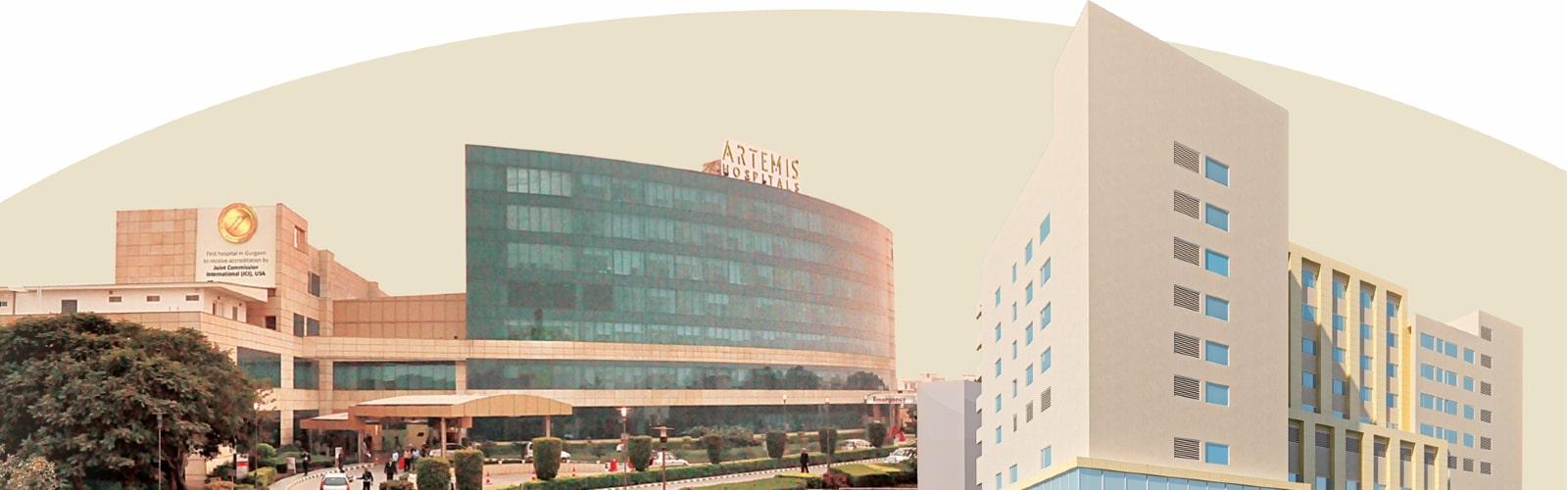
Sector 51, Gurugram, Haryana, India
Artemis Hospital
Meet our team of highly qualified and experienced medical professionals dedicated to providing the best healthcare services.

Sr. Consultant
Medical Oncology & Hematology
New Delhi
14+ Years
Experience
Artemis Hospital
Hospital
1500
Fees

Director
Medical Oncology & Haemato-Oncology
New Delhi
34+ Years
Experience
Apolo Delhi
Hospital
1500
Fees
Get Personalized Medical Treatment Options From India's Top Hospitals. Our Medical Experts Are Ready To Assist You Every Step Of The Way.