
Immunotherapy & CAR-T Cell Therapy Treatment in India for Nigeria
Need Personalized Advice?
Our medical experts are ready to answer your questions and guide you through your treatment options.
Our medical experts are ready to answer your questions and guide you through your treatment options.
Nigerian patients often face the profound challenge of advanced cancer, seeking the most effective treatments available globally. The complexities of options like Immunotherapy and CAR-T Cell Therapy, combined with concerns about access and cost, can make this journey feel overwhelming.
Many families look beyond their borders for advanced care, recognizing India as a leading destination. India offers a nationwide network of top-tier medical facilities and specialists proficient in cutting-edge cancer treatments, ensuring comprehensive care is accessible across multiple major cities.
The trust in India's medical system stems from its internationally accredited hospitals and highly experienced specialists. Patients benefit from a healthcare environment that prioritizes advanced treatment protocols and patient safety, supported by robust medical infrastructure throughout the country.
Is India the right choice for your advanced cancer treatment journey?
Immunotherapy is a groundbreaking cancer treatment that harnesses the body's own immune system to fight cancer cells. Unlike chemotherapy or radiation, it doesn't directly attack cancer cells but rather stimulates the immune system to recognize and destroy them more effectively. CAR-T Cell Therapy, a specialized form of immunotherapy, involves genetically engineering a patient's T-cells to specifically target and kill cancer cells. These therapies represent significant advancements, particularly for certain types of advanced or relapsed cancers, offering new hope where conventional treatments may have failed.
The precise procedure for Immunotherapy and CAR-T Cell Therapy varies based on the specific type of treatment and the patient's individual cancer profile. However, general steps are followed to ensure effective delivery.
For many immunotherapy treatments, the process typically involves intravenous infusions. Patients receive specific drugs, often checkpoint inhibitors or monoclonal antibodies, over several sessions. Each session usually lasts a few hours, and the treatments are often spaced weeks apart, allowing the immune system time to respond. Regular monitoring is crucial to assess effectiveness and manage any side effects.
CAR-T Cell Therapy is a more complex multi-step process:
The recovery process following Immunotherapy and CAR-T Cell Therapy is highly individual and depends on the specific treatment and how the body responds. For standard immunotherapy, patients may experience fatigue, flu-like symptoms, or skin reactions, which are usually managed with supportive care. Recovery typically involves regular follow-up appointments to monitor for treatment effectiveness and manage any lingering side effects. For CAR-T Cell Therapy, patients require closer observation, often in a hospital setting for several weeks after infusion. Potential side effects like Cytokine Release Syndrome (CRS) or neurotoxicity are closely monitored and treated. Long-term follow-up care is essential to track progress, ensure overall well-being, and address any late-onset complications, which may include rehabilitation or ongoing medication management.
The success rates for Immunotherapy and CAR-T Cell Therapy vary significantly based on the type of cancer, its stage, prior treatments, and the patient's overall health. For certain lymphomas and leukemias, CAR-T therapy has shown remarkable success, achieving durable remissions in patients who had exhausted other options. Immunotherapy has also transformed treatment for advanced melanoma, lung, and kidney cancers, with many patients experiencing prolonged survival. While not every patient achieves a complete cure, these therapies often provide significant disease control, improve quality of life, and extend life expectancy. Long-term outcomes continue to be studied as these treatments become more widespread.
Our team is here to guide you through every step. Connect with us for a personalized consultation.
The cost of Immunotherapy and CAR-T Cell Therapy in India is considerably more affordable compared to Western countries, without compromising on quality or outcomes. Several factors influence the total expense, including the specific type of immunotherapy or CAR-T cell product used, the hospital's infrastructure and reputation, the specialist's fees, the duration of hospital stay, and the need for any supportive treatments or extensive post-therapy care. India offers a competitive environment for these advanced treatments.
Generally, a full course of Immunotherapy in India can range from INR 8,00,000 to INR 30,00,000, while CAR-T Cell Therapy, being a more complex and personalized treatment, typically starts from INR 1,50,00,000 and can go up to INR 4,00,00,000 or more, depending on the specific therapy and patient needs.
| City | Immunotherapy (INR) | CAR-T Cell Therapy (INR) |
|---|---|---|
| Delhi | 8,50,000 - 28,00,000 | 1,60,00,000 - 3,80,00,000 |
| Mumbai | 9,00,000 - 30,00,000 | 1,70,00,000 - 4,00,00,000 |
| Chennai | 8,00,000 - 27,00,000 | 1,50,00,000 - 3,70,00,000 |
| Bangalore | 8,80,000 - 29,00,000 | 1,65,00,000 - 3,90,00,000 |
| Hyderabad | 8,20,000 - 27,50,000 | 1,55,00,000 - 3,75,00,000 |
| Kolkata | 7,80,000 - 26,00,000 | 1,45,00,000 - 3,60,00,000 |
| Ahmedabad | 7,50,000 - 25,00,000 | 1,40,00,000 - 3,50,00,000 |
| Pune | 8,00,000 - 27,00,000 | 1,50,00,000 - 3,70,00,000 |
| Country | Immunotherapy (USD) | CAR-T Cell Therapy (USD) |
|---|---|---|
| India | $10,000 - $35,000 | $180,000 - $480,000 |
| USA | $100,000 - $250,000+ | $400,000 - $600,000+ |
| United Kingdom | $80,000 - $180,000+ | $350,000 - $550,000+ |
| Germany | $70,000 - $160,000+ | $300,000 - $500,000+ |
| Singapore | $60,000 - $150,000+ | $280,000 - $450,000+ |
| Nigeria | $20,000 - $60,000 | Not widely available / Much higher if specific programs exist |
Reach out today for more details on Immunotherapy and CAR-T Cell Therapy in India. Your health is our priority.
Understanding your options for advanced cancer care is a crucial step. India offers world-class Immunotherapy and CAR-T Cell Therapy, blending innovative medical science with compassionate, cost-effective care.
India offers premium medical procedures at affordable prices. Discover our most popular treatments, delivered by the country's finest doctors.
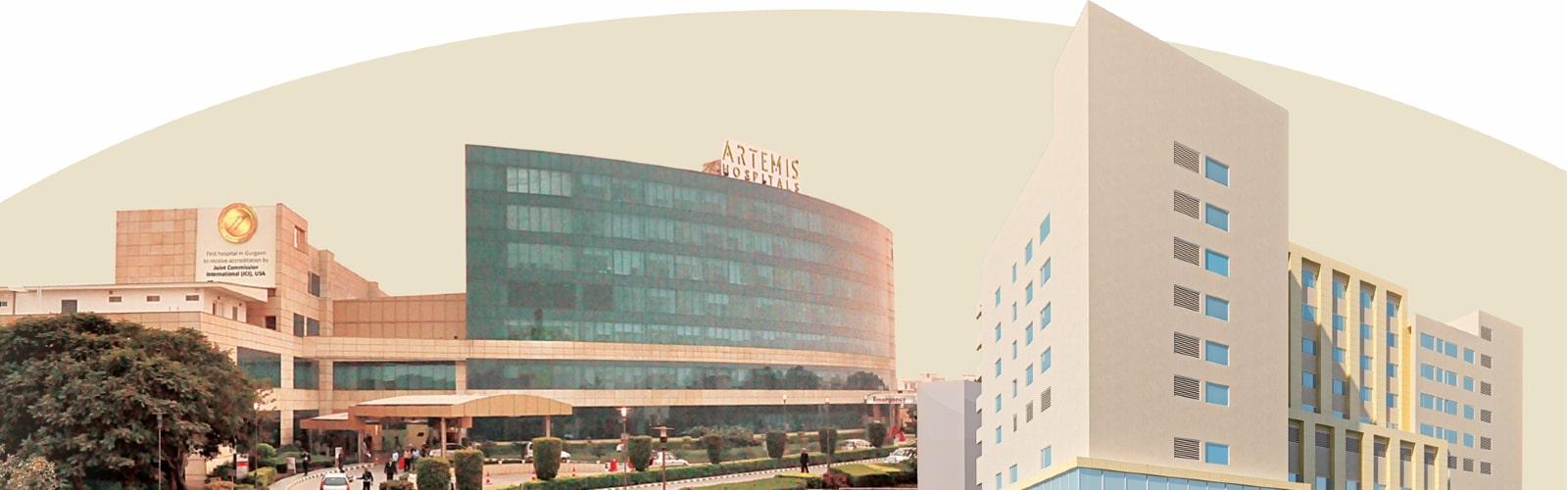
Sector 51, Gurugram, Haryana, India
Artemis Hospital
Meet our team of highly qualified and experienced medical professionals dedicated to providing the best healthcare services.

Consultant
Paediatric Neurology
Haryana
9+ Years
Experience
Artemis Hospital
Hospital
1500
Fees

Sr. Consultant
Medical Oncology & Hematology
New Delhi
14+ Years
Experience
Artemis Hospital
Hospital
1500
Fees

Chairman - Cardiology
Cardiology
New Delhi
41+ Years
Experience
Max Hospital,Gurgaon
Hospital
1500
Fees

Director
Medical Oncology & Haemato-Oncology
New Delhi
34+ Years
Experience
Apolo Delhi
Hospital
1500
Fees
Get Personalized Medical Treatment Options From India's Top Hospitals. Our Medical Experts Are Ready To Assist You Every Step Of The Way.