
Immunotherapy & CAR-T Cell Therapy Treatment in India for UAE
Need Personalized Advice?
Our medical experts are ready to answer your questions and guide you through your treatment options.
Our medical experts are ready to answer your questions and guide you through your treatment options.
Navigating complex advanced cancer treatments like Immunotherapy and CAR-T Cell Therapy can be daunting for patients from the UAE, raising questions about accessibility, expertise, and potential outcomes. Facing such a critical health decision often brings concerns about finding the best care without compromising quality or financial stability.
Many patients seeking highly specialized cancer treatments consider international options. India has rapidly emerged as a prominent destination, recognized for its advanced medical infrastructure and a wide network of specialized cancer centers equipped to deliver these cutting-edge therapies. The country's commitment to medical innovation draws global attention.
India’s established healthcare ecosystem includes numerous NABH and JCI-accredited hospitals and globally trained oncologists. This comprehensive system instills confidence, offering accessible, high-quality care across various metropolitan hubs, ensuring patients receive diligent attention from diagnosis through recovery.
Are you exploring India for your Immunotherapy and CAR-T Cell Therapy journey?
Immunotherapy represents a groundbreaking approach in cancer treatment, harnessing the body's own immune system to identify and destroy cancer cells. Unlike traditional chemotherapy, which directly attacks cancer cells, immunotherapy works by enhancing or restoring the immune system's natural ability to fight the disease. This can involve various methods, such as using checkpoint inhibitors to unblock immune cells, or delivering antibodies that target specific cancer markers. CAR-T Cell Therapy is an advanced, personalized form of immunotherapy. It involves collecting a patient's T-cells, genetically engineering them in a laboratory to produce chimeric antigen receptors (CARs) that specifically recognize and bind to proteins on cancer cells, and then infusing these modified cells back into the patient. This allows the reprogrammed T-cells to effectively locate and eliminate cancer, offering a highly targeted and potent treatment option for certain types of blood cancers and increasingly, solid tumors.
Immunotherapy encompasses several categories, each designed to activate or restore the immune system’s anti-cancer capabilities:
The specific procedure for Immunotherapy and CAR-T Cell Therapy varies considerably based on the type of cancer, the chosen therapy, and the individual patient's health and treatment plan.
Standard immunotherapy drugs, such as checkpoint inhibitors or monoclonal antibodies, are typically administered intravenously (IV infusion) in an outpatient setting. The frequency and duration of these infusions depend on the specific drug, cancer type, and patient response. Patients receive the medication through a drip, similar to chemotherapy, and are closely monitored for any immediate reactions. Treatment cycles usually last several weeks, with regular breaks, continuing for months or even years as long as the treatment is effective and side effects are manageable.
CAR-T Cell Therapy is a multi-step process requiring hospitalization for certain phases:
The recovery process for Immunotherapy and CAR-T Cell Therapy varies. For standard immunotherapy, patients may experience fatigue, skin reactions, or gastrointestinal issues, which are managed with supportive care. Recovery generally allows for outpatient management and a relatively normal daily routine, though long-term monitoring for delayed side effects is essential. For CAR-T Cell Therapy, the initial recovery involves a significant hospital stay, typically several weeks, to manage acute side effects like Cytokine Release Syndrome (CRS) and neurotoxicity. After hospital discharge, patients require close outpatient follow-up for several months, often involving weekly appointments. Restrictions on driving and strenuous activities are common during this period. Full recovery can take several months to a year, with ongoing monitoring for delayed toxicities and sustained treatment response. Physical and occupational therapy may be recommended to regain strength and function.
The success rates for Immunotherapy and CAR-T Cell Therapy vary significantly based on the type and stage of cancer, specific mutations present, previous treatments, and overall patient health. For many advanced cancers, immunotherapy offers the potential for durable responses and long-term remission, even in cases where conventional treatments have failed. Response rates can range from 20% to 60% or more depending on the cancer type. CAR-T Cell Therapy, particularly for relapsed/refractory B-cell lymphomas and acute lymphoblastic leukemia, has demonstrated remarkable success, achieving complete remission rates of 50-80% in some patient populations. However, not all patients respond, and some may experience disease progression. Long-term outcomes continue to be evaluated as these therapies become more widely available.
The cost of advanced cancer treatments like Immunotherapy and CAR-T Cell Therapy in India is highly variable. It is influenced by several factors including the specific type of immunotherapy or CAR-T cell product used, the number of cycles or infusions required, the duration of hospitalization, the chosen hospital's accreditation and facilities, the specialist's fees, and the need for supportive medications or management of side effects. India offers a significantly more affordable option compared to Western countries, often without compromising on treatment quality or technology.
Generally, a single cycle of standard Immunotherapy in India can range from INR 15,00,000 to INR 45,00,000. For the highly specialized and complex CAR-T Cell Therapy, the cost is substantially higher, typically ranging from INR 2,00,00,000 to INR 4,00,00,000 or more per treatment.
| City | Immunotherapy (INR) | CAR-T Cell Therapy (INR) |
|---|---|---|
| Delhi | 16,00,000 - 45,00,000 | 2,20,00,000 - 4,00,00,000+ |
| Mumbai | 17,00,000 - 48,00,000 | 2,30,00,000 - 4,20,00,000+ |
| Chennai | 15,50,000 - 44,00,000 | 2,10,00,000 - 3,90,00,000+ |
| Bangalore | 16,50,000 - 46,00,000 | 2,25,00,000 - 4,10,00,000+ |
| Hyderabad | 15,00,000 - 43,00,000 | 2,00,00,000 - 3,80,00,000+ |
| Ahmedabad | 14,50,000 - 42,00,000 | 1,95,00,000 - 3,70,00,000+ |
| Kolkata | 14,00,000 - 41,00,000 | 1,90,00,000 - 3,60,00,000+ |
| Pune | 15,00,000 - 43,00,000 | 2,00,00,000 - 3,80,00,000+ |
| Country | Immunotherapy (USD) | CAR-T Cell Therapy (USD) |
|---|---|---|
| India | $18,000 - $55,000 | $250,000 - $500,000+ |
| United States | $120,000 - $250,000+ | $400,000 - $700,000+ |
| United Kingdom | $80,000 - $180,000+ | $350,000 - $600,000+ |
| Germany | $70,000 - $160,000+ | $300,000 - $550,000+ |
| Singapore | $90,000 - $200,000+ | $380,000 - $650,000+ |
Choosing advanced cancer treatment is a significant decision. India offers world-class care, and our team is here to support you at every stage, from initial inquiry to post-treatment follow-up, ensuring a smooth and confident journey.
India offers premium medical procedures at affordable prices. Discover our most popular treatments, delivered by the country's finest doctors.
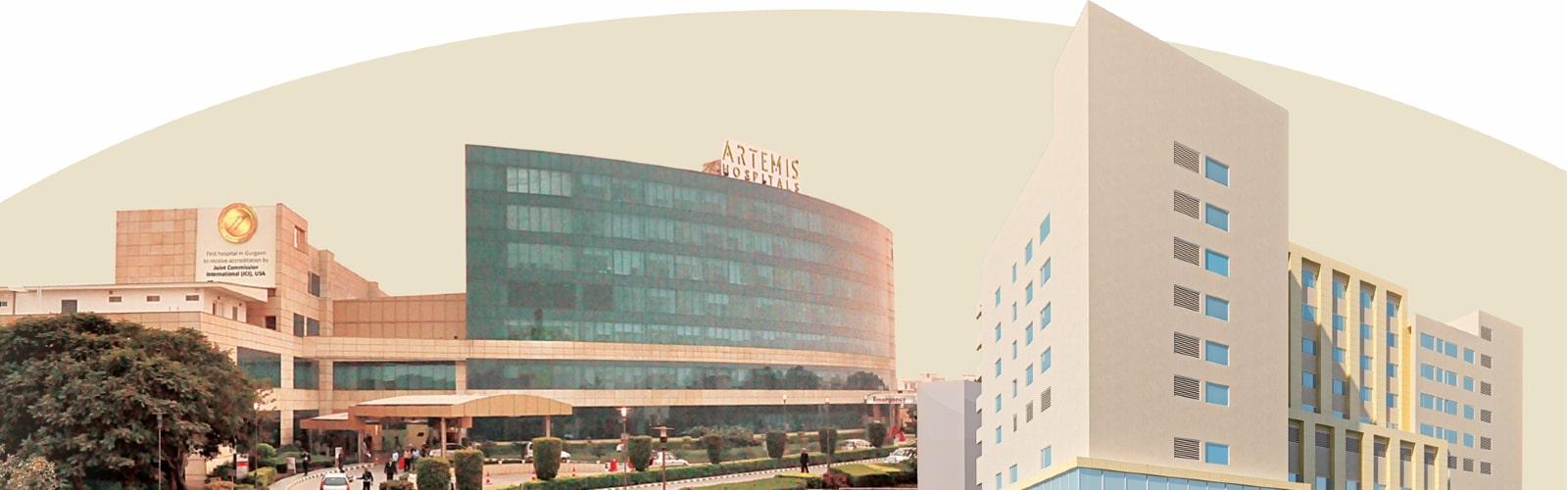
Sector 51, Gurugram, Haryana, India
Artemis Hospital
Meet our team of highly qualified and experienced medical professionals dedicated to providing the best healthcare services.

Sr. Consultant
Medical Oncology & Hematology
New Delhi
14+ Years
Experience
Artemis Hospital
Hospital
1500
Fees

Director
Medical Oncology & Haemato-Oncology
New Delhi
34+ Years
Experience
Apolo Delhi
Hospital
1500
Fees
Get Personalized Medical Treatment Options From India's Top Hospitals. Our Medical Experts Are Ready To Assist You Every Step Of The Way.