
Immunotherapy & CAR-T Cell Therapy Treatment in New Delhi for Bangladesh
Need Personalized Advice?
Our medical experts are ready to answer your questions and guide you through your treatment options.
Our medical experts are ready to answer your questions and guide you through your treatment options.
For many patients in Bangladesh facing complex cancer diagnoses, the prospect of advanced treatments like Immunotherapy or CAR-T Cell Therapy can bring a mix of hope and significant concern. The availability, expertise, and comprehensive care required for such sophisticated procedures often lead families to explore options beyond their home country.
Patients seeking cutting-edge solutions increasingly look towards New Delhi. The city has emerged as a key medical hub, offering an environment where specialized cancer care is both accessible and highly coordinated. This focus allows for dedicated attention to intricate treatment plans and patient needs.
New Delhi's medical infrastructure includes numerous JCI-accredited hospitals and renowned oncology specialists who are proficient in these advanced therapies. The commitment to maintaining international medical standards within the city's hospitals provides a reliable setting for patients seeking long-term care and follow-up.
New Delhi provides a comprehensive and trustworthy destination for specialized cancer treatments.
Immunotherapy is a revolutionary cancer treatment that harnesses the body's own immune system to fight cancer cells. Instead of directly attacking cancer, it stimulates the immune system to recognize and destroy malignant cells. CAR-T Cell Therapy is a highly specialized form of immunotherapy where a patient's T-cells (a type of immune cell) are collected, genetically engineered in a lab to produce chimeric antigen receptors (CARs), and then reinfused into the patient. These modified CAR T-cells are specifically designed to find and eliminate cancer cells expressing a particular antigen, offering a targeted and potent attack against certain types of blood cancers and solid tumors.
Immunotherapy encompasses several approaches:
CAR-T Cell Therapy is a distinct T-cell transfer method, primarily targeting:
The exact procedure for Immunotherapy and CAR-T Cell Therapy is tailored to the individual patient, their specific cancer type, and overall health.
Immunotherapy usually involves intravenous infusions of drugs on an outpatient basis over several weeks or months. The specific drug, dosage, and frequency depend on the type of immunotherapy, the cancer type, and the patient’s response. Regular monitoring is crucial to manage potential side effects and assess treatment effectiveness.
Connect with leading oncologists in New Delhi for personalized treatment plans.
Get a Free Expert Opinion Today
Recovery from Immunotherapy and especially CAR-T Cell Therapy requires careful management and can vary greatly. For general immunotherapy, patients might experience fatigue, skin reactions, or gastrointestinal issues, which are managed with supportive care. For CAR-T Cell Therapy, the initial recovery period in the hospital typically lasts several weeks due to the risk of significant side effects like Cytokine Release Syndrome (CRS) and neurotoxicity. Patients require close monitoring by a specialized medical team. After discharge, continued outpatient follow-up is essential to track progress, manage late-onset side effects, and monitor for any signs of recurrence. Long-term follow-up can extend for years, including regular check-ups, blood tests, and scans. Rehabilitation, often involving nutritional support and physical therapy, helps patients regain strength and quality of life.
The success rates for Immunotherapy and CAR-T Cell Therapy are highly variable, depending on the type of cancer, its stage, previous treatments, and individual patient factors. While these therapies have shown remarkable outcomes in specific advanced cancers, leading to long-term remissions for some, they are not universally effective. Immunotherapy can achieve durable responses in a significant minority of patients for various solid tumors. CAR-T Cell Therapy, particularly, has shown high remission rates in certain refractory blood cancers, but not all patients respond, and some may relapse. Long-term outcomes are still being studied, but for many, these treatments offer a new lease on life where other options have failed.
The cost of advanced cancer treatments like Immunotherapy and CAR-T Cell Therapy in New Delhi is influenced by several factors. These include the specific type of therapy chosen, the duration and number of cycles required, the hospital's reputation and facilities, the experience level of the treating specialists, and any additional supportive care needed throughout the treatment journey.
A broad estimate for Immunotherapy and CAR-T Cell Therapy in New Delhi can range significantly due to the therapy's complexity and personalized nature.
Patients from Bangladesh often find New Delhi's medical costs substantially more affordable compared to Western countries, without compromising on quality of care. This makes New Delhi a highly attractive option for specialized treatments.
| Location | Estimated Cost Range (USD) |
|---|---|
| New Delhi, India | $50,000 - $150,000 |
| United States | $300,000 - $700,000+ |
| United Kingdom | $200,000 - $500,000 |
| Germany | $180,000 - $450,000 |
| Singapore | $150,000 - $400,000 |
Ready to explore advanced cancer care? We are here to guide you every step of the way.
Contact Us for a Consultation
Navigating complex cancer treatments can be challenging, but with the right guidance and support, a path to recovery is within reach in New Delhi.
India offers premium medical procedures at affordable prices. Discover our most popular treatments, delivered by the country's finest doctors.
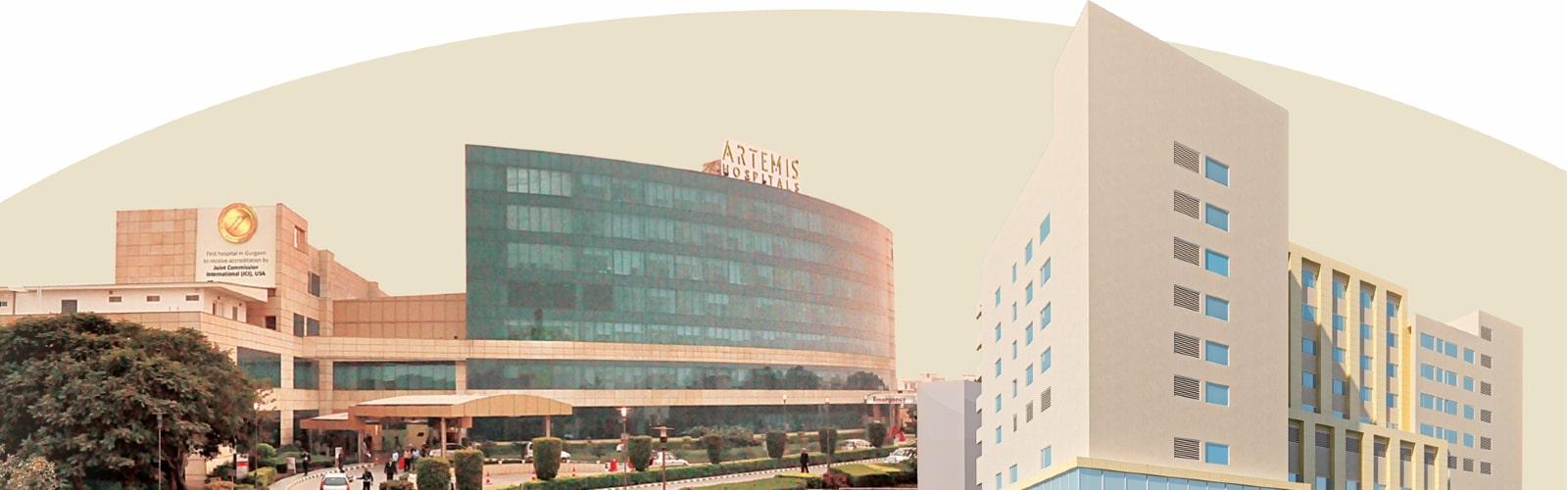
Sector 51, Gurugram, Haryana, India
Artemis Hospital
Meet our team of highly qualified and experienced medical professionals dedicated to providing the best healthcare services.

Sr. Consultant
Medical Oncology & Hematology
New Delhi
14+ Years
Experience
Artemis Hospital
Hospital
1500
Fees

Director
Medical Oncology & Haemato-Oncology
New Delhi
34+ Years
Experience
Apolo Delhi
Hospital
1500
Fees
Get Personalized Medical Treatment Options From India's Top Hospitals. Our Medical Experts Are Ready To Assist You Every Step Of The Way.