
Immunotherapy & CAR-T Cell Therapy Treatment in New Delhi for Iraq
Need Personalized Advice?
Our medical experts are ready to answer your questions and guide you through your treatment options.
Our medical experts are ready to answer your questions and guide you through your treatment options.
Iraqi families often face complex decisions when a loved one needs advanced cancer treatment like Immunotherapy or CAR-T Cell Therapy. The search for hope, quality care, and affordability can feel overwhelming, especially when local options are limited for such specialized procedures.
New Delhi has emerged as a preferred destination for specialized medical care, drawing patients from across the globe. Its integrated healthcare environment and coordinated patient services provide a clear pathway for those seeking world-class treatments beyond their home country.
The city boasts a network of internationally accredited hospitals and highly skilled specialists who excel in complex therapies. Patients benefit from advanced medical infrastructure and streamlined processes that ensure continuity of care and effective post-treatment support within this metropolitan hub.
Is New Delhi the right choice for your Immunotherapy or CAR-T Cell Therapy journey?
Immunotherapy and CAR-T Cell Therapy represent revolutionary approaches to cancer treatment, leveraging the body's own immune system to fight malignant cells. Immunotherapy works by boosting the immune system's natural ability to recognize and destroy cancer. This can involve using drugs to unblock immune cells that are being "hidden" by cancer, or by supplying the body with synthetic immune components. CAR-T Cell Therapy, a specific type of immunotherapy, involves collecting a patient's T-cells, genetically modifying them in a lab to produce special receptors called Chimeric Antigen Receptors (CARs), and then infusing these enhanced cells back into the patient. These CAR-T cells are specifically engineered to target and eliminate cancer cells. Both therapies offer significant hope, particularly for patients with advanced or refractory cancers who have exhausted conventional treatment options.
Immunotherapy encompasses several categories, each designed to activate the immune system differently:
CAR-T Cell Therapy primarily targets specific blood cancers, though research is expanding its use:
The administration method for Immunotherapy and CAR-T Cell Therapy varies based on the specific type of treatment and the patient's individual condition.
Most immunotherapies are given intravenously (IV), meaning the medication is infused directly into a vein. These infusions are typically administered in cycles over several weeks or months. Each cycle may involve daily, weekly, or bi-weekly infusions, depending on the drug and treatment plan. Patients usually receive these treatments in an outpatient clinic setting, under the close supervision of medical staff to monitor for any immediate reactions or side effects.
CAR-T Cell Therapy is a more complex multi-step process:
Recovery from immunotherapy can vary greatly, with some patients experiencing minimal disruption to their daily lives, while others may manage side effects for an extended period. For CAR-T Cell Therapy, the initial recovery period involves intensive inpatient monitoring, often for 2-4 weeks, to manage potential severe side effects such like Cytokine Release Syndrome (CRS) or neurotoxicity. Patients will then need close outpatient follow-up for several months, including regular blood tests and consultations. Long-term recovery involves continued monitoring for late side effects, managing fatigue, and gradual return to normal activities. Adherence to follow-up schedules and a supportive care plan is crucial for optimal outcomes.
The success rates for Immunotherapy and CAR-T Cell Therapy are highly variable, depending on the type of cancer, its stage, the patient's overall health, and the specific therapy used. For certain advanced blood cancers, CAR-T Cell Therapy can achieve complete remission rates ranging from 40% to 70%, with some patients experiencing durable, long-term remission. Immunotherapies for solid tumors can lead to significant shrinkage or stabilization of tumors in a subset of patients, and in some cases, prolonged survival. Outcomes vary significantly, and not all patients respond equally well. A dedicated medical team in New Delhi provides comprehensive evaluation and personalized treatment plans to maximize the chances of a positive outcome.
The cost of advanced cancer treatments like Immunotherapy and CAR-T Cell Therapy in New Delhi is influenced by several factors. These include the specific type and number of immunotherapy cycles, the complexity and brand of CAR-T cell product, the hospital chosen, the experience of the specialist team, the length of hospital stay, and any required supportive care or management of side effects.
For Immunotherapy, a single cycle can range from INR 2,50,000 to INR 6,00,000, with a full course often involving multiple cycles. CAR-T Cell Therapy, being a highly specialized and complex procedure, typically ranges from INR 2,00,00,000 to INR 4,00,00,000 in New Delhi.
New Delhi offers a compelling advantage in terms of cost efficiency for these cutting-edge treatments without compromising on quality. The table below illustrates the approximate cost comparison for Immunotherapy and CAR-T Cell Therapy in New Delhi against major global medical hubs.
| Location | Immunotherapy (per cycle) - USD (approx.) | CAR-T Cell Therapy - USD (approx.) |
|---|---|---|
| New Delhi, India | $3,000 - $7,000 | $250,000 - $480,000 |
| USA | $10,000 - $25,000+ | $500,000 - $750,000+ |
| United Kingdom | $8,000 - $20,000+ | $400,000 - $650,000+ |
| Germany | $7,000 - $18,000+ | $380,000 - $600,000+ |
| Singapore | $6,000 - $15,000+ | $350,000 - $550,000+ |
Connect with our patient care team in New Delhi to discuss your treatment options and receive a personalized cost estimate.
Reach out to our experts in New Delhi for personalized medical advice and begin your journey towards advanced cancer care.
New Delhi's leading medical facilities are prepared to offer advanced Immunotherapy and CAR-T Cell Therapy, providing hope and quality care for patients from Iraq.
India offers premium medical procedures at affordable prices. Discover our most popular treatments, delivered by the country's finest doctors.
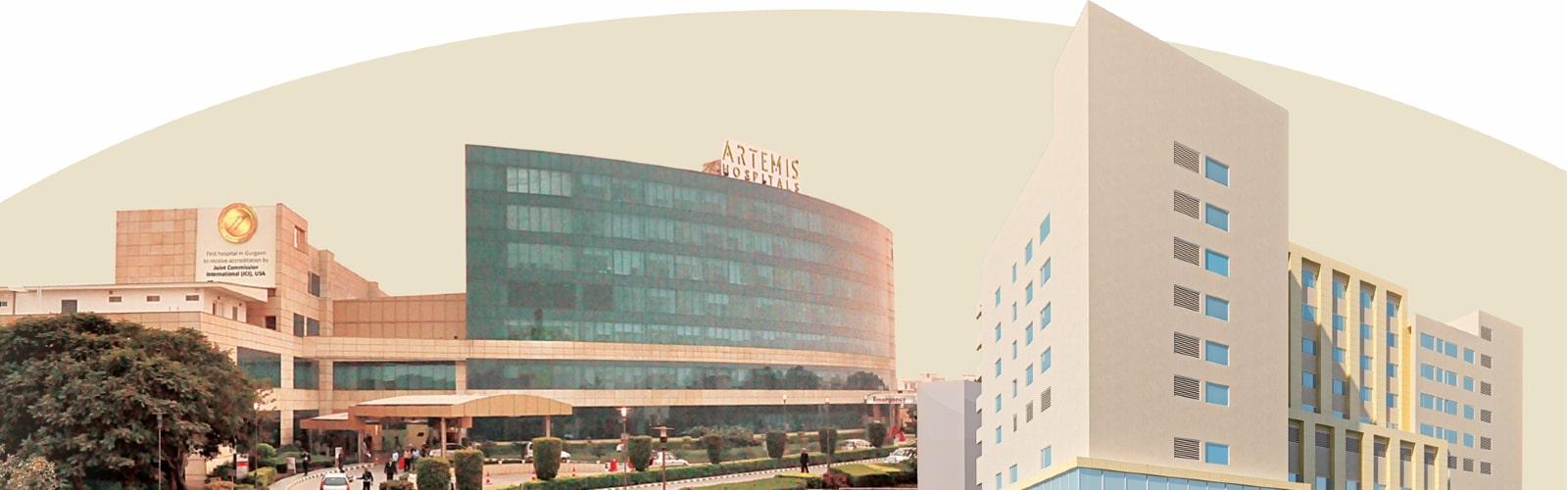
Sector 51, Gurugram, Haryana, India
Artemis Hospital
Meet our team of highly qualified and experienced medical professionals dedicated to providing the best healthcare services.

Sr. Consultant
Medical Oncology & Hematology
New Delhi
14+ Years
Experience
Artemis Hospital
Hospital
1500
Fees

Director
Medical Oncology & Haemato-Oncology
New Delhi
34+ Years
Experience
Apolo Delhi
Hospital
1500
Fees
Get Personalized Medical Treatment Options From India's Top Hospitals. Our Medical Experts Are Ready To Assist You Every Step Of The Way.