
Immunotherapy & CAR-T Cell Therapy Treatment in Pune for UAE
Need Personalized Advice?
Our medical experts are ready to answer your questions and guide you through your treatment options.
Our medical experts are ready to answer your questions and guide you through your treatment options.
UAE patients facing complex cancer diagnoses often grapple with uncertainty about advanced treatment options like Immunotherapy and CAR-T Cell Therapy. Concerns about access to cutting-edge care, finding highly specialized medical teams, and ensuring comprehensive support can be overwhelming. The search for effective, compassionate solutions frequently extends beyond national borders.
Many individuals exploring innovative cancer treatments find Pune to be a compelling choice. This city offers a robust medical ecosystem with a growing reputation for advanced oncology care. Patients from the UAE appreciate Pune's specialized facilities and the coordinated approach to managing intricate treatment protocols.
Pune's hospitals and oncology specialists have established expertise in delivering sophisticated therapies. The medical infrastructure supports seamless patient journeys, from initial consultation through treatment and recovery. Trust is built on the city's commitment to high clinical standards and patient-centric care.
Could Pune be the right city for your advanced cancer treatment?
Immunotherapy harnesses the body's own immune system to identify and destroy cancer cells. Unlike traditional chemotherapy that attacks cancer cells directly, immunotherapy trains or enhances the immune system to fight the disease more effectively. CAR-T Cell Therapy is a highly specialized form of immunotherapy where a patient's T-cells are genetically modified in a lab to produce chimeric antigen receptors (CARs) that specifically bind to proteins on cancer cells, enabling the engineered T-cells to target and eliminate them. These therapies represent significant advancements in oncology, offering hope for patients with specific types of advanced or relapsed cancers.
Checkpoint Inhibitors: These medications block proteins (checkpoints) on immune cells or cancer cells that prevent the immune system from attacking the cancer. By blocking these checkpoints, the immune system can better recognize and destroy tumor cells.
Monoclonal Antibodies: Laboratory-produced molecules engineered to serve as substitute antibodies that can restore, enhance, or mimic the immune system's attack on cancer cells. They target specific antigens found on cancer cells.
CAR-T Cell Therapy: A personalized treatment where a patient's T-cells are collected, modified in a lab to target cancer, multiplied, and then infused back into the patient. This therapy is currently approved for certain blood cancers like lymphomas and leukemias.
Oncolytic Viruses: Viruses that are engineered to infect and destroy cancer cells while sparing healthy tissues. They also stimulate an anti-tumor immune response within the body.
Cytokine Therapy: Uses cytokines, which are proteins that help boost the immune system. Examples include interleukins and interferons, which can help immune cells grow and become more active against cancer.
The exact approach for Immunotherapy or CAR-T Cell Therapy is tailored to each patient's cancer type, stage, and overall health status.
Immunotherapy drugs are typically administered intravenously, similar to chemotherapy. Treatment cycles vary depending on the specific drug and cancer type, often involving infusions every few weeks over several months or longer. Each infusion session usually lasts from 30 minutes to a few hours, after which the patient can usually return home. Regular monitoring for side effects is crucial throughout the treatment period.
CAR-T Cell Therapy is a multi-step process. First, T-cells are collected from the patient's blood through apheresis, a procedure similar to blood donation. These cells are then sent to a specialized lab where they are genetically engineered to express CARs and multiplied. This manufacturing process can take several weeks. During this waiting period, the patient may undergo a course of chemotherapy to prepare their body. Once ready, the modified CAR-T cells are infused back into the patient, typically as a single infusion. Post-infusion, patients require intensive monitoring in a specialized unit for several weeks to manage potential side effects like Cytokine Release Syndrome (CRS) or neurotoxicity.
The recovery process following Immunotherapy or CAR-T Cell Therapy is highly individualized. For immunotherapy, patients may experience fatigue, skin rashes, or digestive issues, which are managed with supportive care. Recovery generally involves regular follow-up appointments to monitor for treatment response and manage any ongoing immune-related adverse events. For CAR-T Cell Therapy, the initial recovery period is more intense, often requiring hospitalization for several weeks post-infusion to closely watch for severe side effects such as Cytokine Release Syndrome (CRS) or neurotoxicity. Long-term follow-up is essential for both therapies to assess sustained response, manage late-onset side effects, and monitor the overall health and immune function of the patient. Rehabilitation and psychological support may also be part of the comprehensive recovery plan.
The success rates for Immunotherapy and CAR-T Cell Therapy vary considerably based on the specific cancer type, its stage, the patient's overall health, and prior treatments. In some cases, these therapies can lead to durable remissions and significantly improve quality of life. For CAR-T Cell Therapy, particularly in certain relapsed/refractory blood cancers, success rates can be high, with many patients achieving complete remission. However, these therapies are not universally effective for all patients or cancer types, and individual responses can differ widely. Ongoing research continues to refine these treatments, aiming to expand their applicability and improve overall outcomes for a broader range of cancers.
Considering advanced cancer treatment? Connect with Pune's top oncologists.
Get a personalized treatment plan and cost estimate today.
The cost of Immunotherapy and CAR-T Cell Therapy in Pune depends on several factors, including the specific type of immunotherapy drug or CAR-T product used, the duration of treatment, the chosen hospital's facilities, the specialist's fees, and any additional supportive care required.
Generally, immunotherapy in Pune can range from approximately INR 8,00,000 to INR 25,00,000 per cycle. CAR-T Cell Therapy, being a more complex and personalized treatment, typically starts from INR 1,50,00,000 and can go upwards of INR 3,00,00,000.
Patients from the UAE often find Pune offers a significantly more affordable option for advanced cancer treatments without compromising on quality or expertise. Below is a general comparison of estimated costs.
| Location | Estimated Cost (USD) |
|---|---|
| Pune, India | $50,000 - $150,000 (Immunotherapy) $180,000 - $360,000+ (CAR-T) |
| United States | $300,000 - $700,000 (Immunotherapy) $500,000 - $1,000,000+ (CAR-T) |
| United Kingdom | $200,000 - $500,000 (Immunotherapy) $300,000 - $700,000 (CAR-T) |
| Singapore | $150,000 - $400,000 (Immunotherapy) $250,000 - $600,000 (CAR-T) |
| Germany | $180,000 - $450,000 (Immunotherapy) $280,000 - $650,000 (CAR-T) |
Pune offers a blend of expert medical care and a supportive environment for patients seeking advanced Immunotherapy and CAR-T Cell Therapy. Take the decisive step towards exploring your treatment options with trusted specialists.
Explore leading hospitals and specialists in Pune for your cancer treatment.
Request a free consultation and personalized medical opinion.
India offers premium medical procedures at affordable prices. Discover our most popular treatments, delivered by the country's finest doctors.
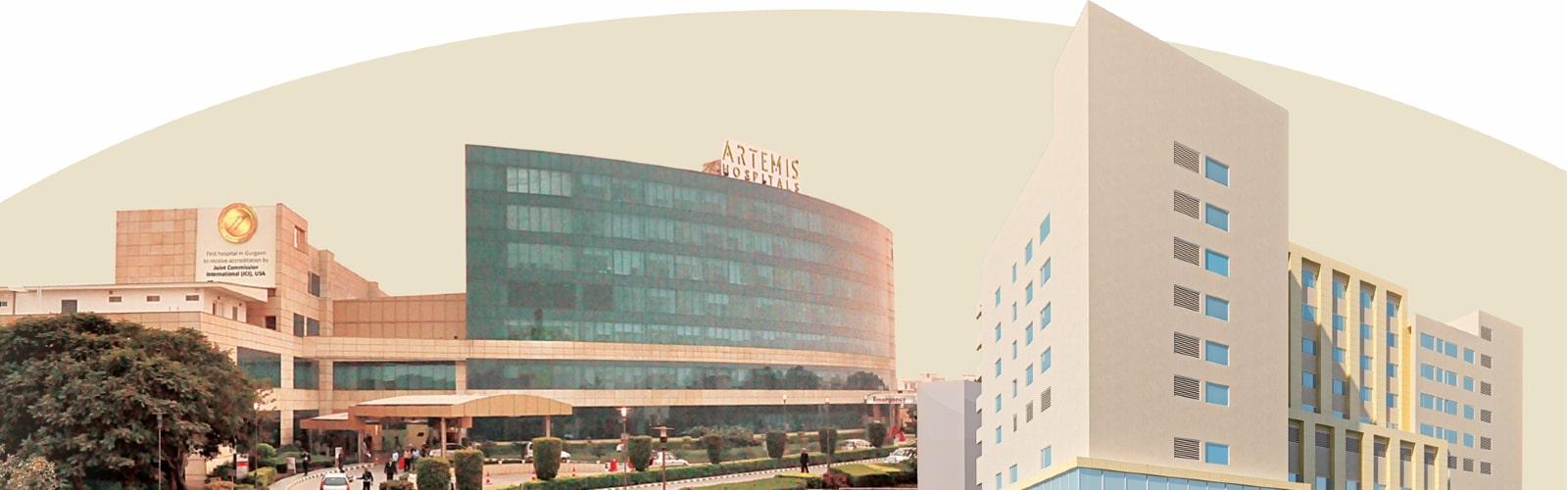
Sector 51, Gurugram, Haryana, India
Artemis Hospital
Meet our team of highly qualified and experienced medical professionals dedicated to providing the best healthcare services.

Sr. Consultant
Medical Oncology & Hematology
New Delhi
14+ Years
Experience
Artemis Hospital
Hospital
1500
Fees

Director
Medical Oncology & Haemato-Oncology
New Delhi
34+ Years
Experience
Apolo Delhi
Hospital
1500
Fees
Get Personalized Medical Treatment Options From India's Top Hospitals. Our Medical Experts Are Ready To Assist You Every Step Of The Way.