
Minimally Invasive Coronary Artery Bypass Surgery (MICS CABG) Treatment in New Delhi for Iraq
Need Personalized Advice?
Our medical experts are ready to answer your questions and guide you through your treatment options.
Our medical experts are ready to answer your questions and guide you through your treatment options.
Facing a critical heart condition can bring immense worry, especially for patients from Iraq considering Minimally Invasive Coronary Artery Bypass Surgery (MICS CABG). The search for high-quality, accessible cardiac care beyond national borders often involves questions about surgical outcomes, recovery, and overall patient experience in a new environment.
Many international patients, including those from Iraq, explore destinations like New Delhi for complex medical treatments. This city stands out as a leading medical hub in Asia, offering a robust healthcare infrastructure. Patients often choose New Delhi for its specialized cardiac centers and well-coordinated medical travel support.
Trust in New Delhi's medical system is built on its accredited hospitals, which house advanced technology and world-class cardiac specialists. These facilities provide comprehensive care, from initial consultation to post-operative follow-ups, ensuring a seamless treatment journey for all international visitors.
Is New Delhi the right destination for your advanced heart surgery needs?
Minimally Invasive Coronary Artery Bypass Surgery, or MICS CABG, is an advanced cardiac procedure designed to restore blood flow to the heart muscle. Unlike traditional open-heart surgery, which requires a large incision and splitting the breastbone, MICS CABG uses a smaller incision on the side of the chest. This less invasive approach aims to reduce pain, minimize scarring, and shorten recovery times for patients suffering from blocked coronary arteries, improving their heart function and overall quality of life.
While MICS CABG itself is a specific technique, variations exist based on the surgical approach and tools used. These methods are tailored to individual patient needs and the complexity of their coronary artery disease.
The precise steps for MICS CABG depend on the patient's specific condition and the surgeon's chosen technique.
After general anesthesia, the surgeon makes a small incision, typically 3-5 inches, on the left side of the chest. This incision is made between the ribs, avoiding the need to cut through the breastbone. Specialized instruments are then inserted to access the heart. The surgeon carefully harvests a healthy blood vessel, often the internal mammary artery from within the chest, to create a bypass around the blocked coronary artery. Once the graft is in place and sutured, ensuring proper blood flow, the incision is closed with layers of sutures and surgical staples. Drains may be placed temporarily to remove fluid.
Recovery after MICS CABG is generally quicker than traditional CABG due to the smaller incision and less trauma to the chest wall. Patients typically spend a few days in the intensive care unit, followed by several days in a regular hospital room. Pain management is crucial during the initial recovery. Most patients can return to light activities within 2-3 weeks and gradually resume normal routines over 4-6 weeks. Full recovery, including participation in a cardiac rehabilitation program, can take several months, focusing on exercise, diet, and lifestyle changes to support long-term heart health.
Surgical Site Infection: As with any surgery, there is a small risk of infection at the incision site, managed with sterile techniques and antibiotics.
Bleeding: Minor bleeding can occur during or after surgery, sometimes requiring transfusions.
Heart Rhythm Irregularities: Temporary abnormal heart rhythms are common but usually resolve.
Stroke or Heart Attack: Though rare, these serious complications can occur, especially in patients with pre-existing conditions.
Lung Complications: Such as pneumonia or fluid accumulation, more common in patients with respiratory issues.
Graft Failure: In some instances, the bypass graft may not remain open, potentially requiring further intervention.
MICS CABG generally boasts high success rates, often comparable to traditional CABG, with studies indicating graft patency (remaining open) rates exceeding 90% at ten years. Individual outcomes vary significantly based on the patient's age, overall health, severity of heart disease, and adherence to post-operative care. Long-term success is greatly influenced by lifestyle modifications and ongoing medical management to prevent new blockages.
Connect with leading cardiac specialists in New Delhi for a personalized MICS CABG consultation.
The cost of Minimally Invasive Coronary Artery Bypass Surgery (MICS CABG) in New Delhi is influenced by several factors. These include the chosen hospital's accreditation and facilities, the experience level of the cardiac surgeon, the specific surgical approach (e.g., off-pump vs. on-pump), the duration of hospital stay, and any additional medical complications or treatments required.
Generally, MICS CABG in New Delhi can range from INR 6,50,000 to INR 12,00,000.
New Delhi offers a compelling cost advantage for MICS CABG when compared to many Western countries, without compromising on quality or outcomes. This makes it an attractive option for international patients seeking high-value medical care.
| Location | Estimated Cost (USD) |
|---|---|
| New Delhi, India | $8,000 - $15,000 |
| USA | $50,000 - $100,000+ |
| United Kingdom | $40,000 - $70,000 |
| Singapore | $30,000 - $60,000 |
| Thailand | $25,000 - $45,000 |
| Germany | $45,000 - $80,000 |
Reach out today to explore MICS CABG options in New Delhi and receive a tailored treatment plan.
Choosing MICS CABG in New Delhi offers advanced cardiac care with expert support for patients from Iraq. Your path to a healthier heart is within reach.
India offers premium medical procedures at affordable prices. Discover our most popular treatments, delivered by the country's finest doctors.

Sector 51, Gurugram, Haryana, India
Artemis Hospital
Meet our team of highly qualified and experienced medical professionals dedicated to providing the best healthcare services.

Sr. Consultant - Urology & Kidney Transplant Program (Unit I)
Organ Transplant, Urology
New Delhi
8+ Years
Experience
Artemis Hospital
Hospital
1500
Fees

Sr. Consultant
Internal Medicine
New Delhi
12+ Years
Experience
Artemis Hospital
Hospital
1500
Fees

Chief and Unit Head - Orthopaedics (Unit III)
Orthopaedic Surgery, Orthopaedics, Robotic Surgery
New Delhi
20+ Years
Experience
Artemis Hospital
Hospital
1500
Fees

Chairperson, Adult Cardiac Surgery & Heart - Lung Transplant
Cardio Thoracic and Vascular Surgery, Vascular Surgery
New Delhi
34+ Years
Experience
Artemis Hospital
Hospital
1500
Fees
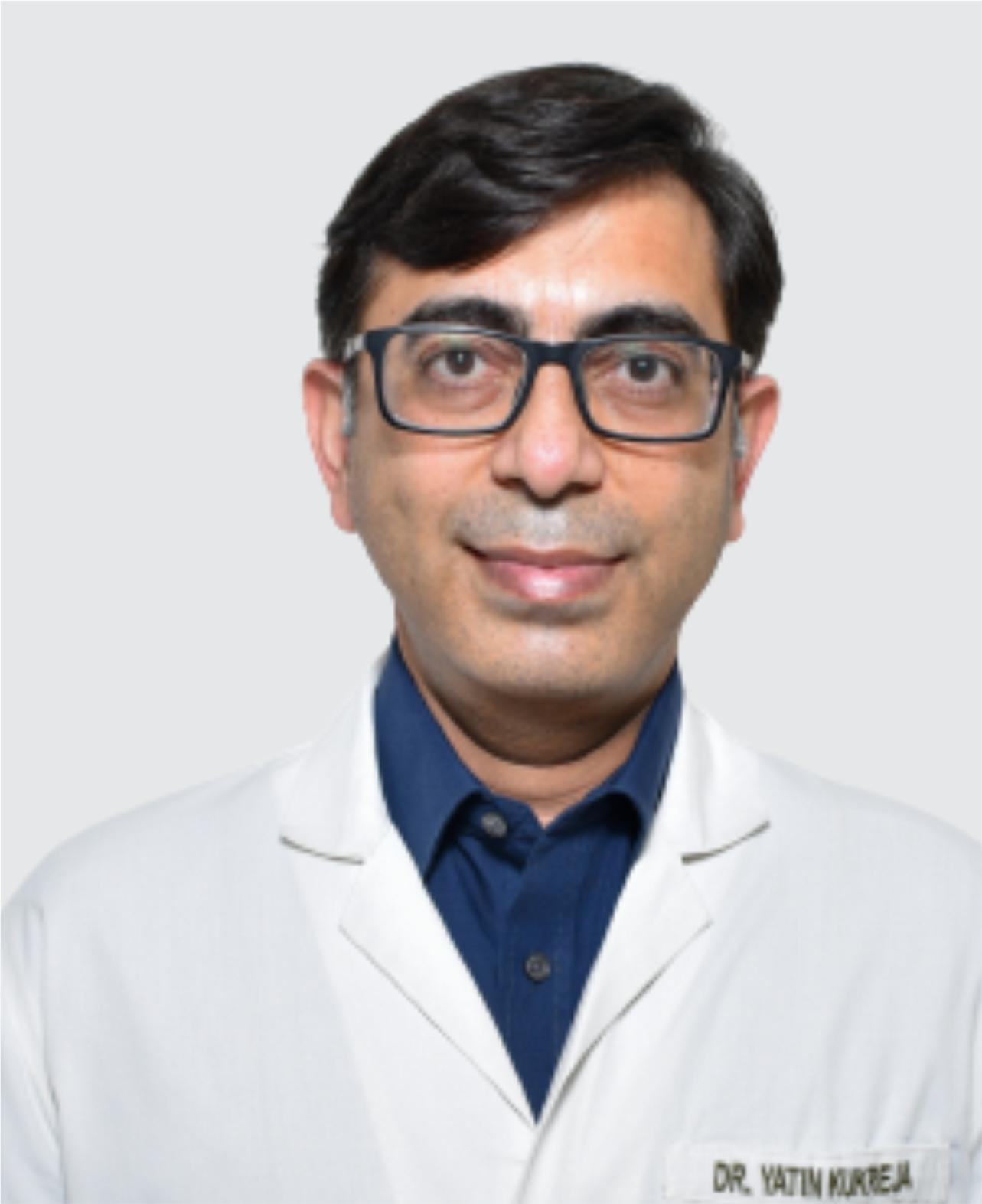
Director
Cardiology
New Delhi
14+ Years
Experience
Artemis Hospital
Hospital
1500
Fees

Vice Chairman, Cardiac Sciences, Cardiology, Interventional Cardiology, Cardiac Electrophysiology-Pacemaker & Director & HOD (Interventional Cardiology) at Max Super Speciality Hospital, Shalimar Bagh, Delhi
Interventional Cardiology
New Delhi
26+ Years
Experience
Max Hospital,Gurgaon
Hospital
1500
Fees
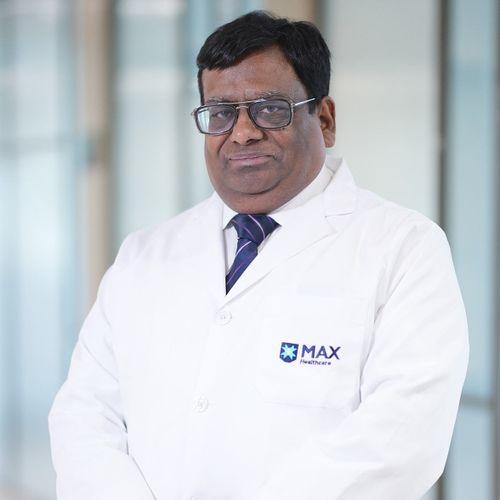
Director - CTVS
Cardiac Surgery
New Delhi
27+ Years
Experience
Apolo Delhi
Hospital
1500
Fees

Associate Director - CTVS (Cardiothoracic and Vascular Surgery)
Cardiothoracic and Vascular Surgery
New Delhi
26+ Years
Experience
Apolo Delhi
Hospital
1500
Fees

Associate Director
Cardiac Surgery
New Delhi
24+ Years
Experience
Apolo Delhi
Hospital
1500
Fees
Senior Consultant, Cardiac Surgery
Cardiac Surgery
New Delhi
18+ Years
Experience
Apolo Delhi
Hospital
1500
Fees
Get Personalized Medical Treatment Options From India's Top Hospitals. Our Medical Experts Are Ready To Assist You Every Step Of The Way.