
بحاجة لنصيحة شخصية؟
خبراؤنا الطبيون جاهزون للإجابة عن أسئلتك وإرشادك خلال خيارات العلاج.
خبراؤنا الطبيون جاهزون للإجابة عن أسئلتك وإرشادك خلال خيارات العلاج.
For patients in Bangladesh facing severe knee pain and limited mobility, the thought of extensive surgery can bring considerable worry. Concerns about finding advanced treatment options, skilled specialists, and affordable care often arise when considering a major procedure like knee replacement.
Many individuals seek medical solutions beyond their home country to access cutting-edge technology and comprehensive care. Hyderabad, known for its leading medical infrastructure, has emerged as a preferred destination for such specialized treatments, offering a blend of expertise and modern facilities.
Hyderabad’s medical ecosystem builds trust through its globally accredited hospitals and experienced orthopedic surgeons. The city provides a structured care environment, ensuring seamless coordination for international patients, from initial consultation to post-operative follow-ups within the same city.
Hyderabad offers advanced robotic knee replacement options with integrated patient support.
Robotic Knee Replacement Surgery is a highly advanced procedure designed to replace a damaged knee joint with artificial implants. Unlike conventional methods, it utilizes robotic assistance to achieve unparalleled precision during the bone preparation and implant positioning stages. This technology helps surgeons create a personalized surgical plan based on the patient's unique anatomy, leading to better alignment and potentially improved long-term outcomes and function. It aims to alleviate chronic knee pain, restore mobility, and improve the quality of life for individuals suffering from severe joint damage.
Different approaches exist for knee replacement, depending on the extent of damage:
The specific procedure for robotic knee replacement depends on the patient's condition, the extent of joint damage, and the surgeon’s chosen surgical plan.
Robotic knee replacement typically involves several key stages:
Before surgery, a 3D model of the patient's knee is created using CT scans. This allows the surgeon to precisely plan the implant size and placement, ensuring optimal alignment and fit, unique to the patient's anatomy.
The patient receives either general or spinal anesthesia. An incision is made over the knee to access the joint. The robotic system is then activated and calibrated with the patient’s knee to match the pre-operative 3D plan.
The surgeon uses a handheld robotic arm, which provides real-time visual and tactile feedback. This guidance ensures highly accurate bone cuts, removing only the damaged portions of the bone and preparing the surfaces for the artificial implants. The robot prevents cuts outside the planned boundaries, enhancing safety.
Once the bones are precisely prepared, the artificial knee components (typically made of metal and plastic) are securely cemented or pressed into place on the femur and tibia. If needed, the kneecap surface may also be replaced.
The surgeon checks the knee's range of motion and stability, then closes the incision using sutures or staples. A sterile dressing is applied.
Recovery from robotic knee replacement surgery typically begins immediately with pain management and mobilization. Patients usually start walking with assistance within a day or two. A structured physical therapy program is crucial and continues for several weeks to months, focusing on restoring strength, flexibility, and range of motion. Restrictions often include avoiding heavy lifting and high-impact activities for a period. Follow-up appointments with the surgeon are scheduled to monitor healing and progress. Full recovery and return to normal activities can take several months, varying from person to person.
Robotic knee replacement surgery boasts high success rates, with many patients experiencing significant pain relief and improved function. Success often depends on factors like patient compliance with physical therapy, overall health, and the surgeon's expertise. While most patients achieve excellent long-term outcomes, individual results can vary. Implants are designed to last 15-20 years or more, and continuous advancements in surgical techniques and materials further enhance these expectations.
The cost of Robotic Knee Replacement in Hyderabad can vary based on several factors. These include the choice of hospital (private vs. corporate), the experience and reputation of the orthopedic surgeon, the specific type of implant used, the duration of hospital stay, and the extent of post-operative rehabilitation required. The technology used by the robotic system itself can also influence the overall cost.
Generally, the cost for Robotic Knee Replacement Surgery in Hyderabad can range from INR 4,00,000 to INR 7,50,000, depending on these variables.
Hyderabad offers competitive pricing for advanced medical procedures like robotic knee replacement, making it an attractive option for international patients seeking high-quality care at a more accessible cost.
| Location | Estimated Cost (USD) |
| Hyderabad, India | $5,000 - $9,500 |
| United States | $35,000 - $60,000 |
| United Kingdom | $20,000 - $35,000 |
| Singapore | $15,000 - $25,000 |
| Thailand | $10,000 - $18,000 |
Considering Robotic Knee Replacement in Hyderabad? Reach out today for personalized guidance and hospital comparisons tailored to your needs.
Start your journey towards a pain-free life with advanced robotic knee replacement options in Hyderabad.
Connect with our expert team to explore your treatment possibilities and plan your visit to Hyderabad for a healthier future.
India offers premium medical procedures at affordable prices. Discover our most popular treatments, delivered by the country's finest doctors.
Meet our team of highly qualified and experienced medical professionals dedicated to providing the best healthcare services.
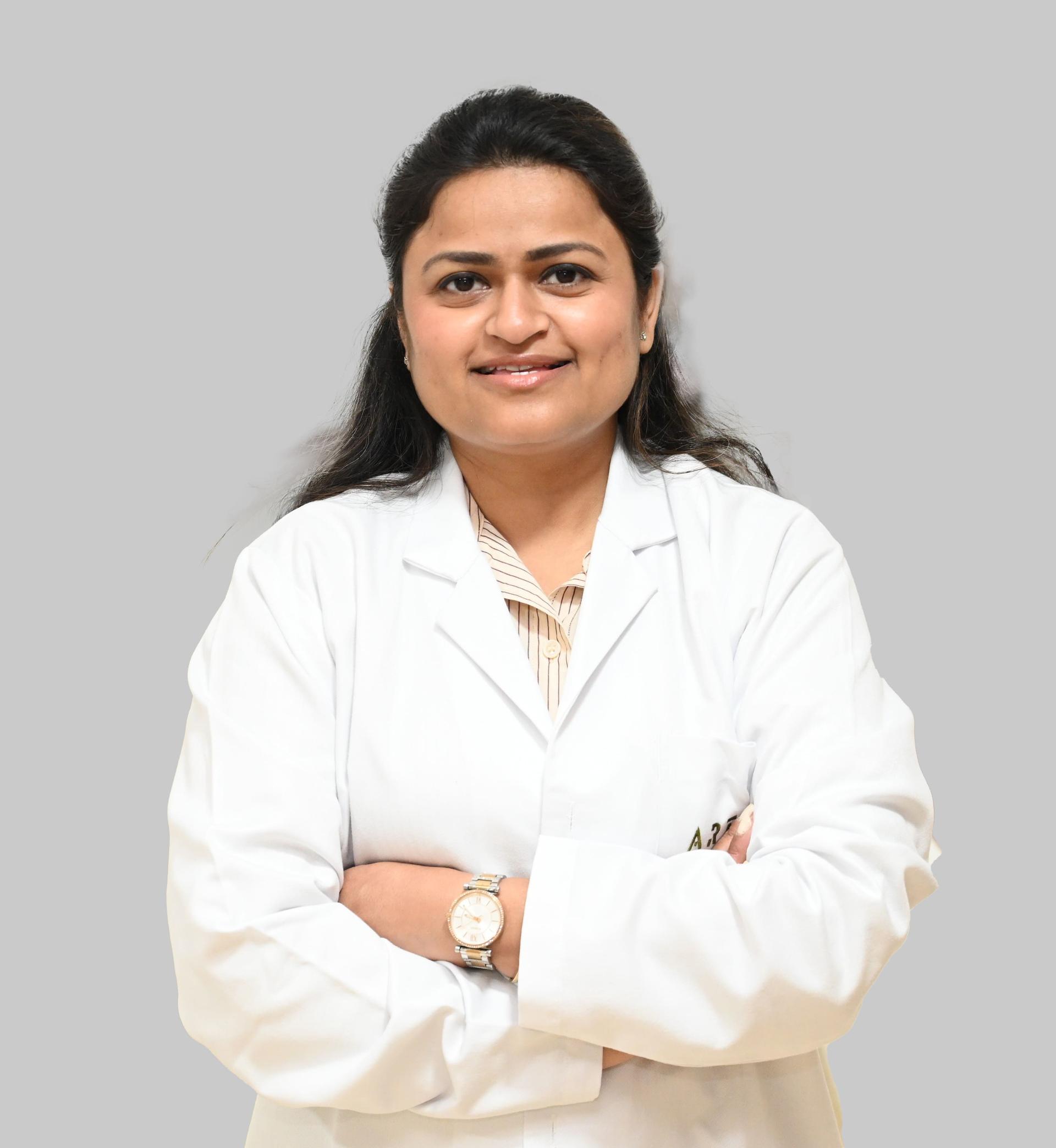
Consultant - Physiotherapy and Rehabilitation Centre
Physiotherapy and Rehabilitation Centre
New Delhi
10+ Years
Experience
Artemis Hospital
Hospital
1500
Fees
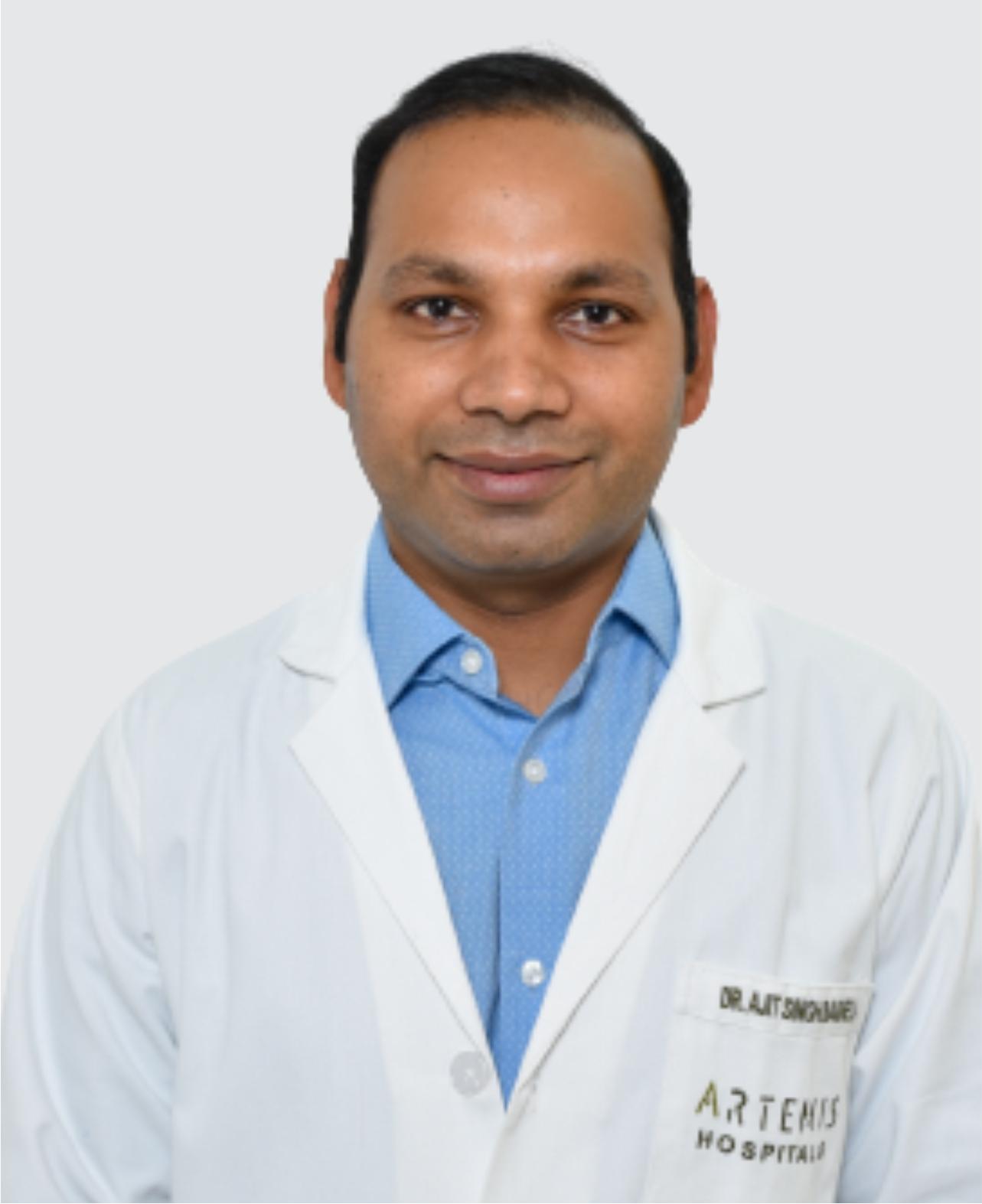
Sr. Consultant - Paediatric Neurology
Paediatric Neurology
New Delhi
9+ Years
Experience
Artemis Hospital
Hospital
1500
Fees

Consultant - Orthopaedics and Hip and Knee Arthroplasty
Orthopaedics, Hip and Knee Arthroplasty, Joint Replacement, Sports Medicine
New Delhi
12+ Years
Experience
Artemis Hospital
Hospital
1500
Fees

Director & Head - Orthopaedics & Joint Replacement
Orthopaedics
New Delhi
24+ Years
Experience
Apolo Delhi
Hospital
1500
Fees

Chief - Hematology, Oncology & Bone Marrow Transplant
Clinical Hematology, Hematologic Oncology, Bone Marrow Transplantation
New Delhi
15+ Years
Experience
Artemis Hospital
Hospital
1500
Fees

Chief
Paediatric
New Delhi
15+ Years
Experience
Artemis Hospital
Hospital
1500
Fees

Head - General, MI & Bariatric Surgery (Unit IV)
General & Minimally Invasive Surgery
New Delhi
25+ Years
Experience
Artemis Hospital
Hospital
1500
Fees
Director
Orthopaedics
New Delhi
12+ Years
Experience
Apolo Delhi
Hospital
1500
Fees

Unit Chief - Interventional Cardiology & Electrophysiology
Cardiology, Electrophysiology, Interventional Cardiology
New Delhi
15+ Years
Experience
Artemis Hospital
Hospital
1500
Fees

Chairperson
Radiology
New Delhi
28+ Years
Experience
Artemis Hospital
Hospital
1500
Fees
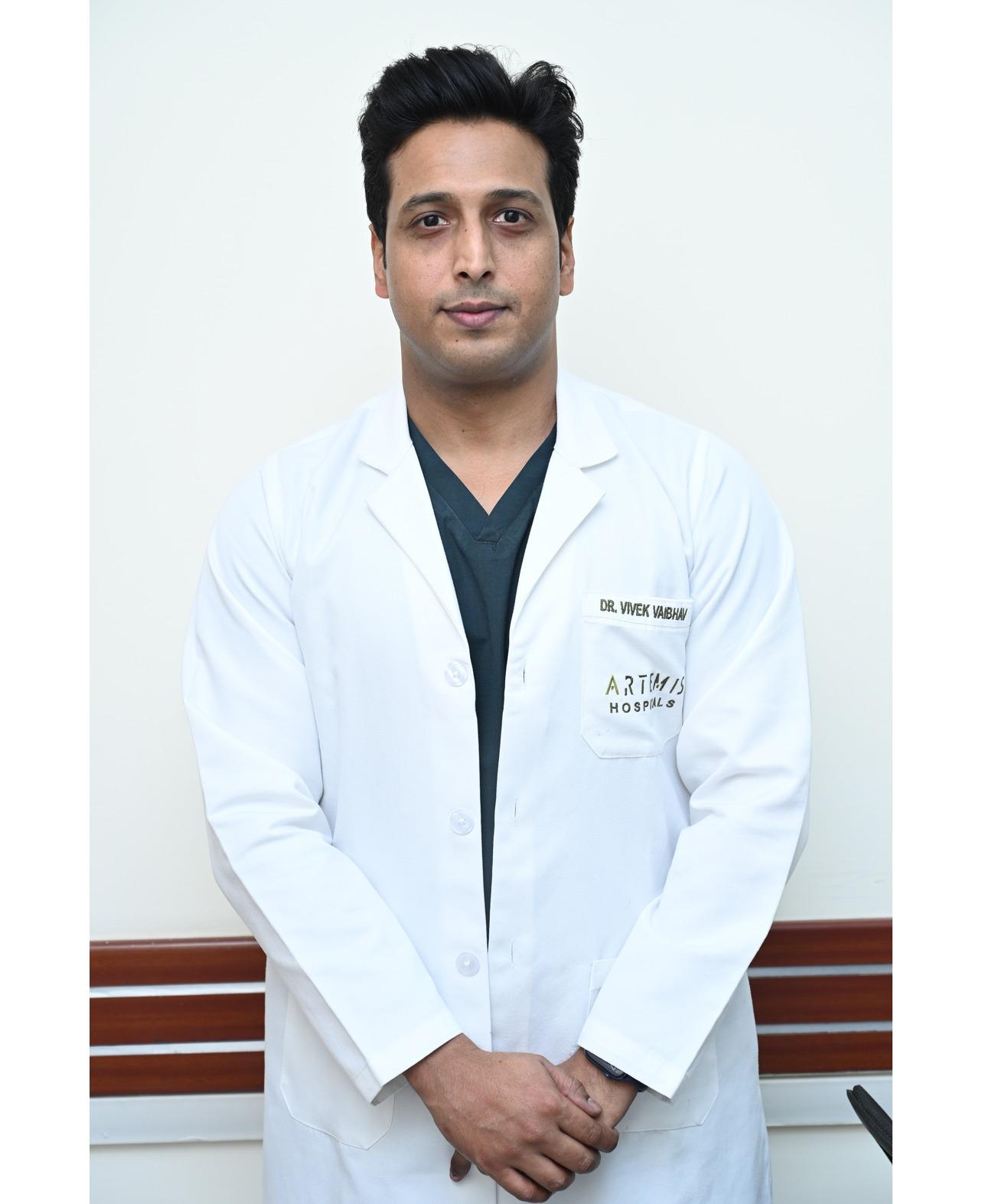
Consultant
Orthopaedic Surgery, Orthopaedics
New Delhi
10+ Years
Experience
Artemis Hospital
Hospital
1500
Fees
Chairperson - Orthopaedics Program & Chief – Robotic Joint Replacement & Arthroscopy Surgery
Orthopaedics, Robotic Surgery
New Delhi
15+ Years
Experience
Artemis Hospital
Hospital
1500
Fees
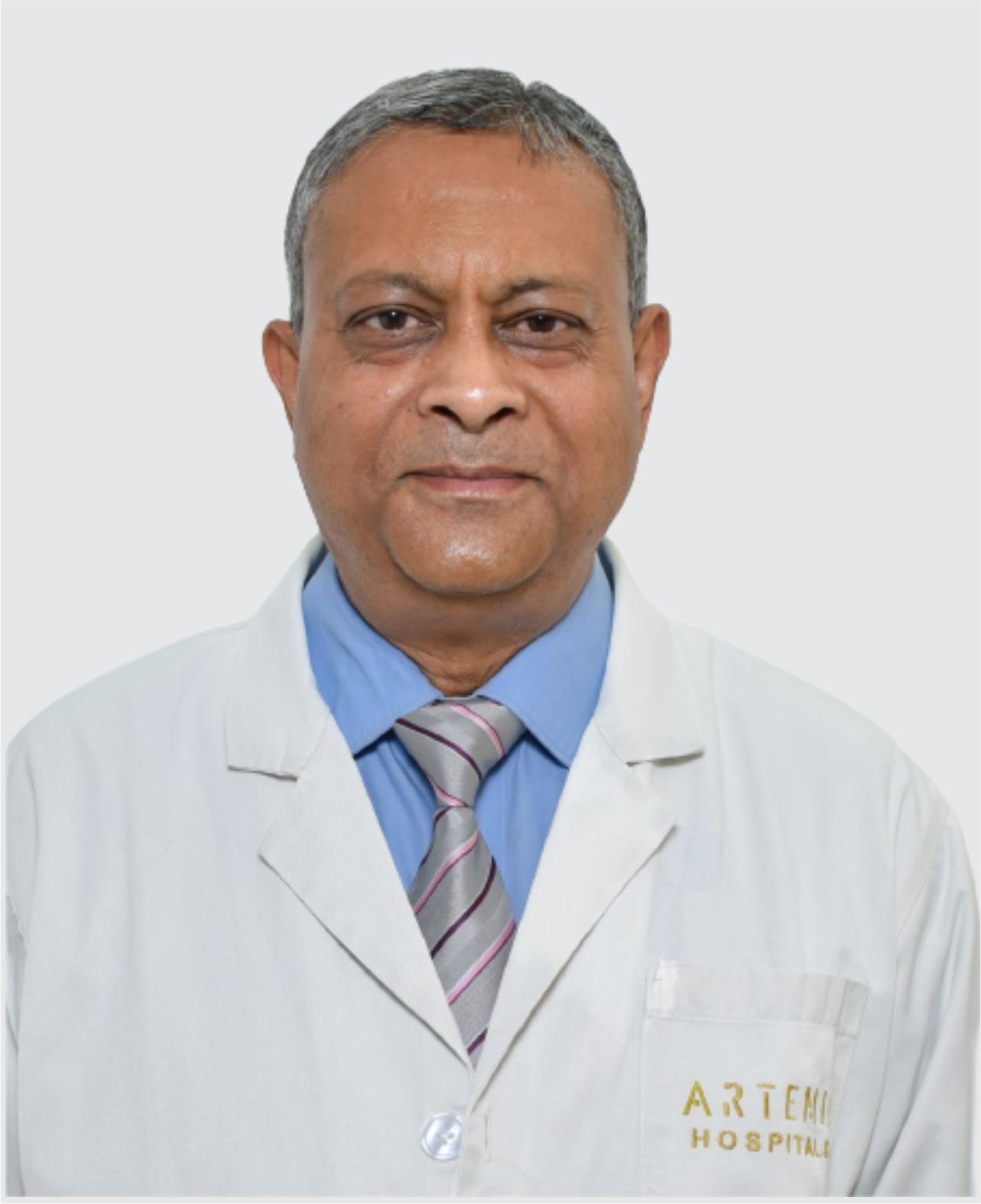
Chief - Nephrology (Unit II)
Kidney Transplant, Nephrology
New Delhi
15+ Years
Experience
Artemis Hospital
Hospital
1500
Fees
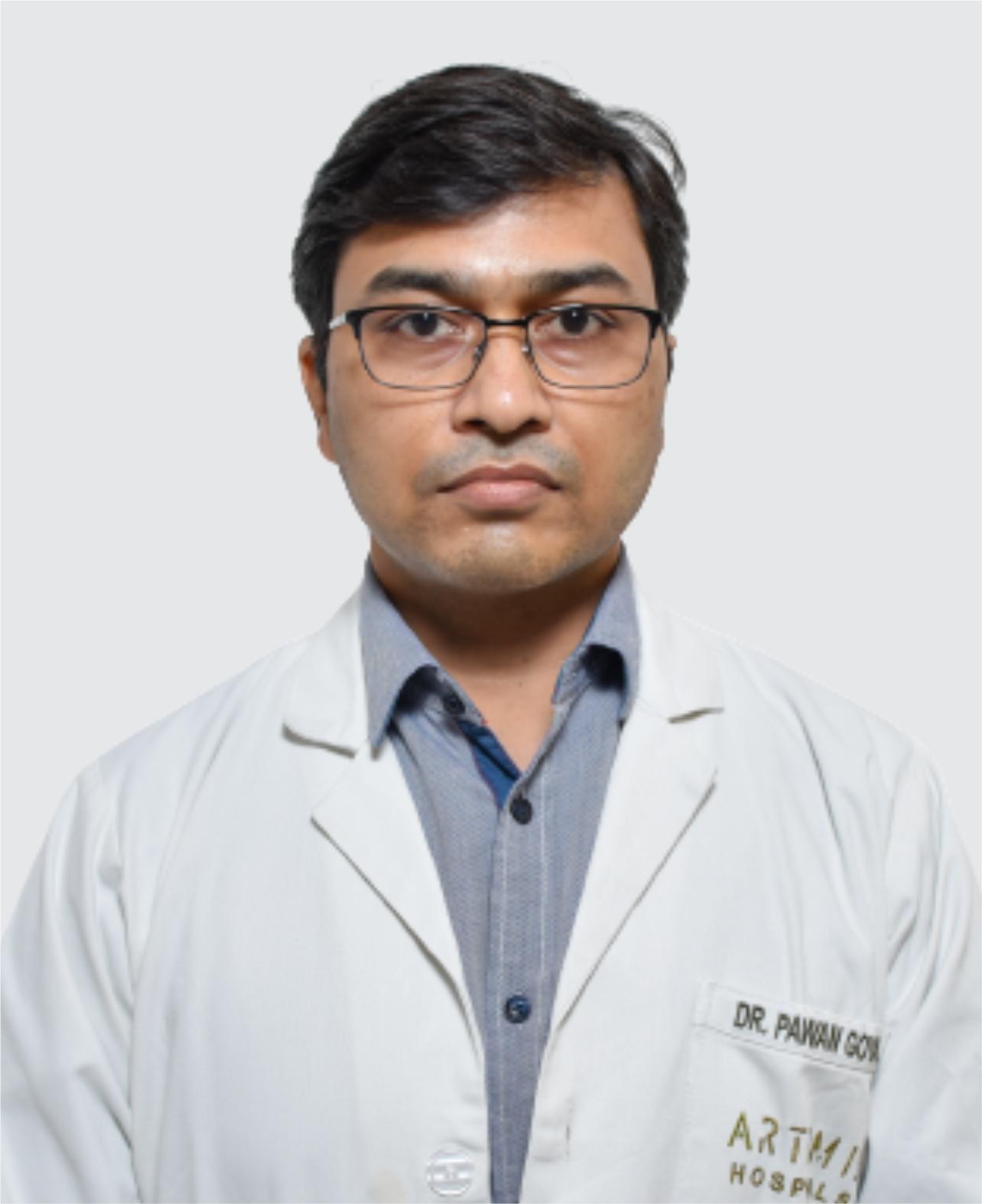
Director & Head
Orthopaedics & Joint Replacement
New Delhi
22+ Years
Experience
Artemis Hospital
Hospital
1500
Fees
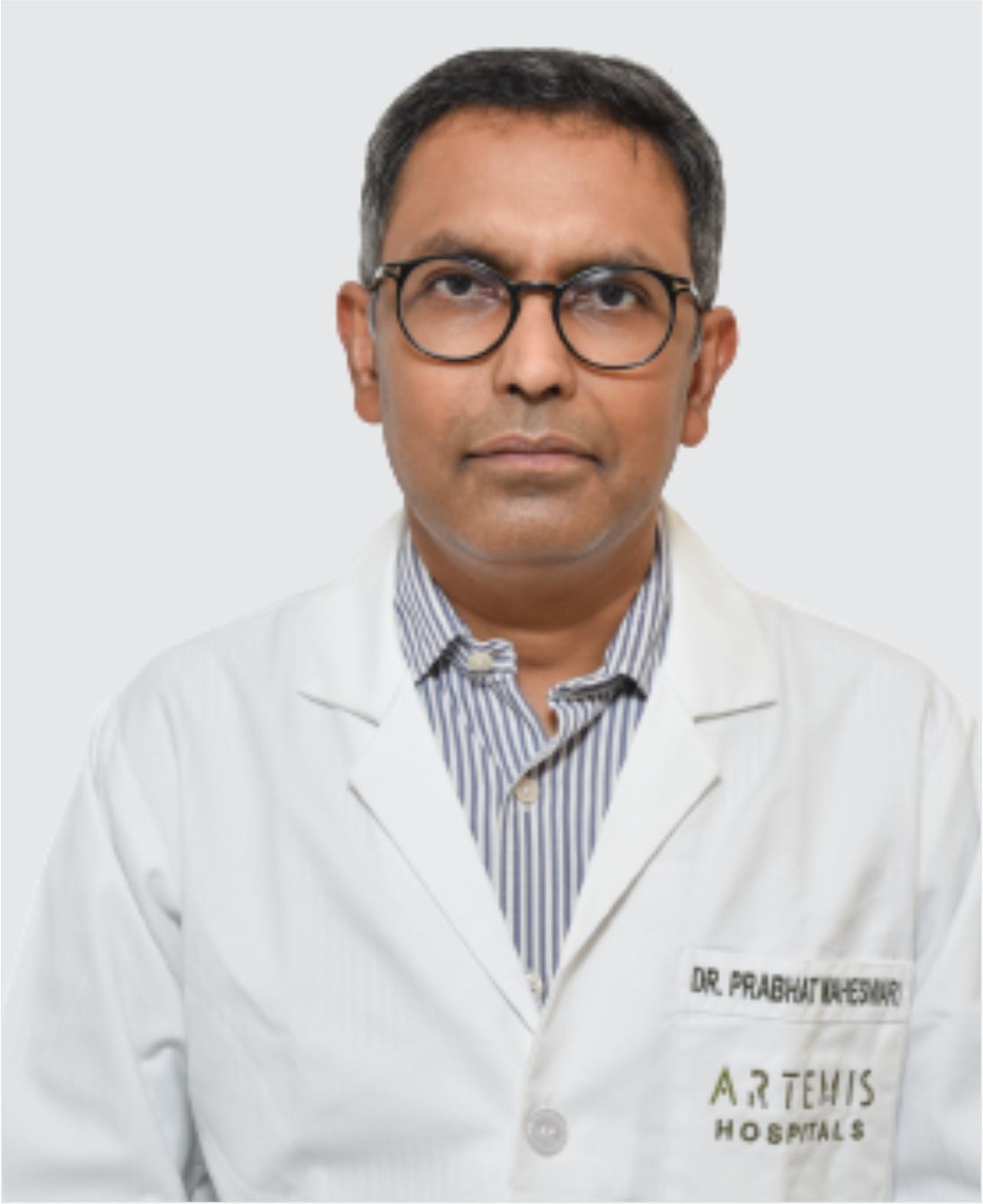
Director - Orthopaedics & Joint Replacement
Orthopaedics & Joint Replacement
New Delhi
24+ Years
Experience
Artemis Hospital
Hospital
1500
Fees
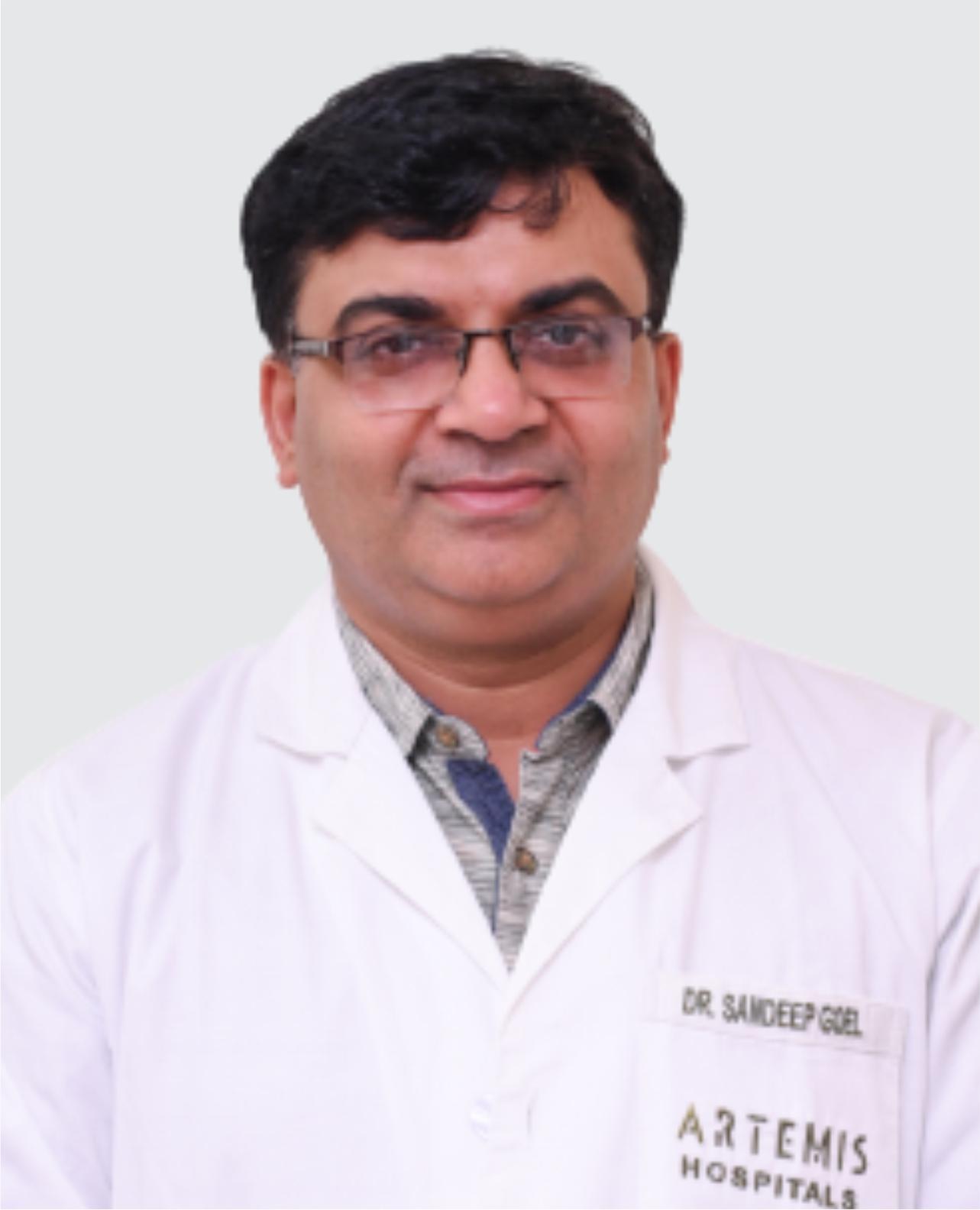
Director
Orthopaedics & Joint Replacement
New Delhi
22+ Years
Experience
Artemis Hospital
Hospital
1500
Fees
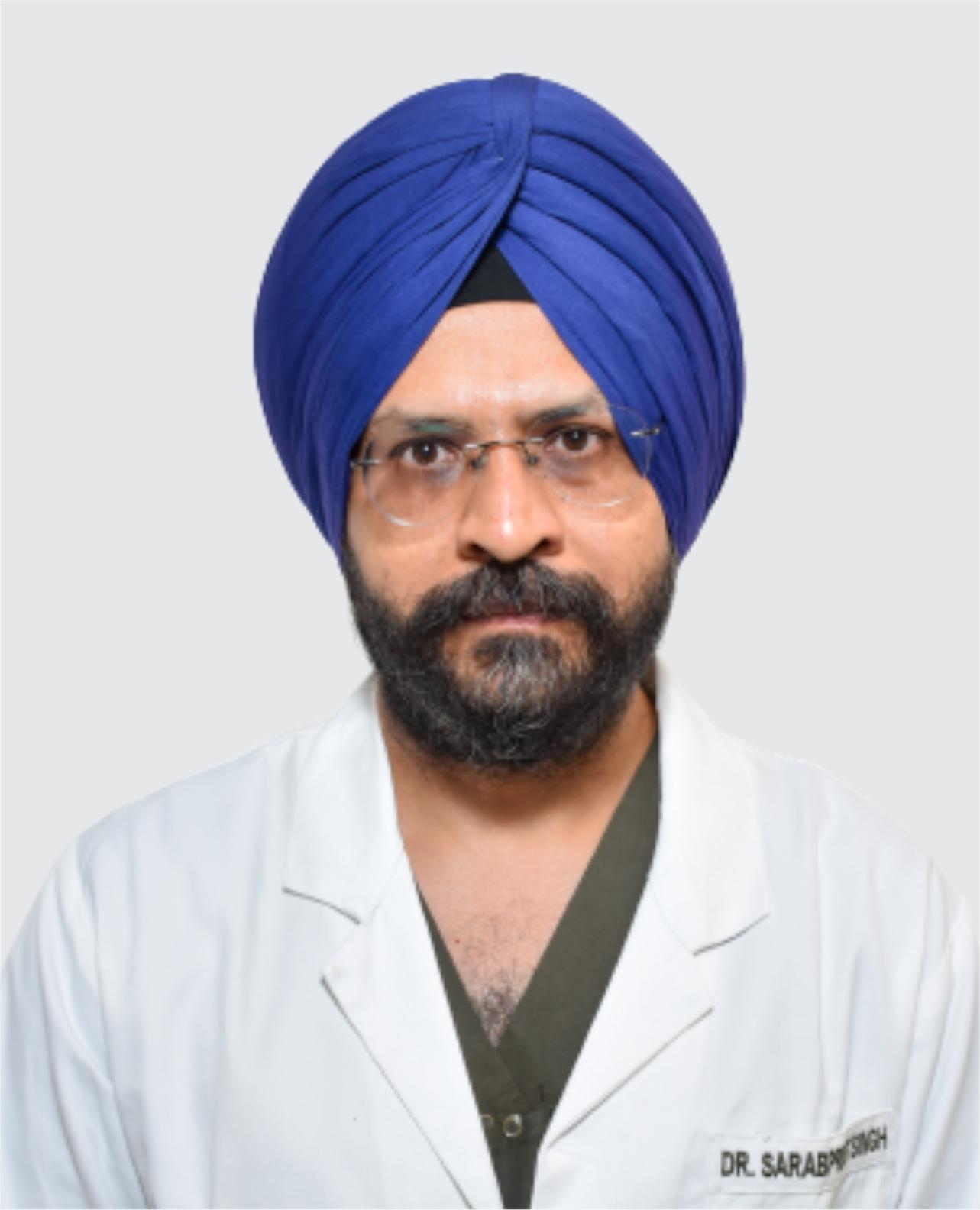
Director - Orthopaedics & Joint Replacement
Orthopaedics
New Delhi
13+ Years
Experience
Artemis Hospital
Hospital
1500
Fees
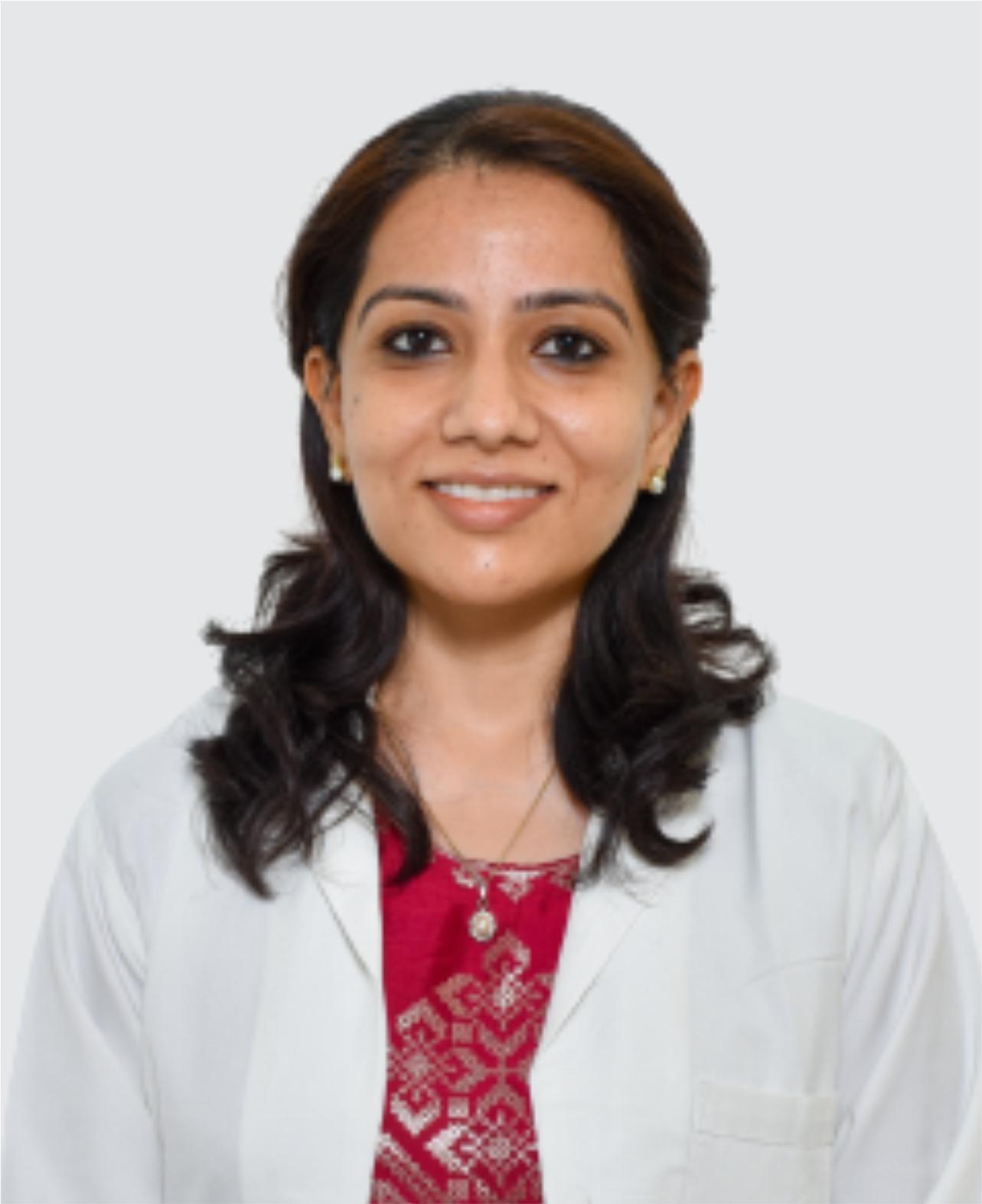
Sr. Consultant
Diabetes & Endocrinology, Paediatric, Paediatric & Adolescent Endocrinology
New Delhi
15+ Years
Experience
Artemis Hospital
Hospital
1500
Fees
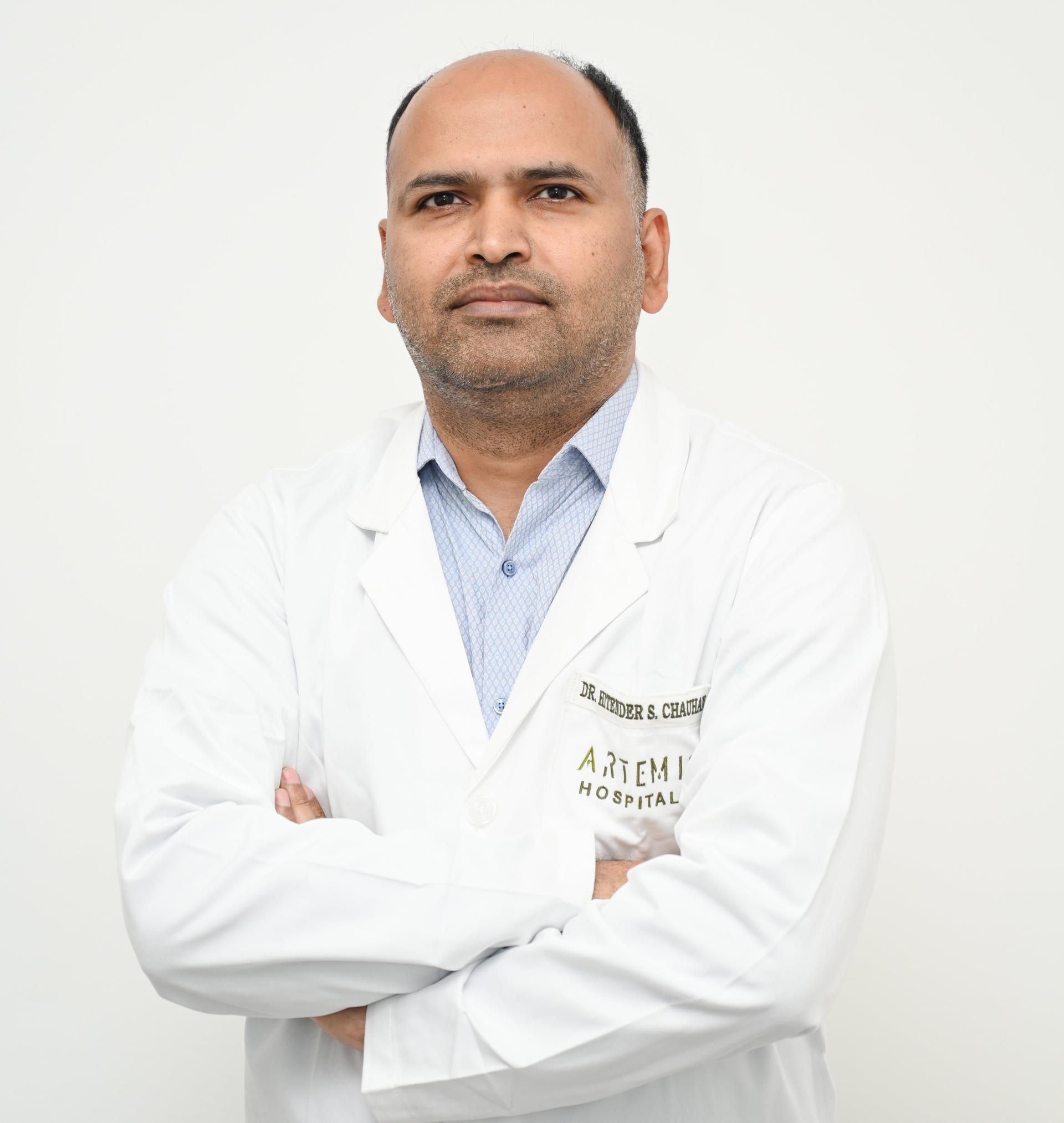
Director & Chief of Orthopaedics
Orthopaedics & Joint Replacement
New Delhi
16+ Years
Experience
Artemis Hospital
Hospital
1500
Fees
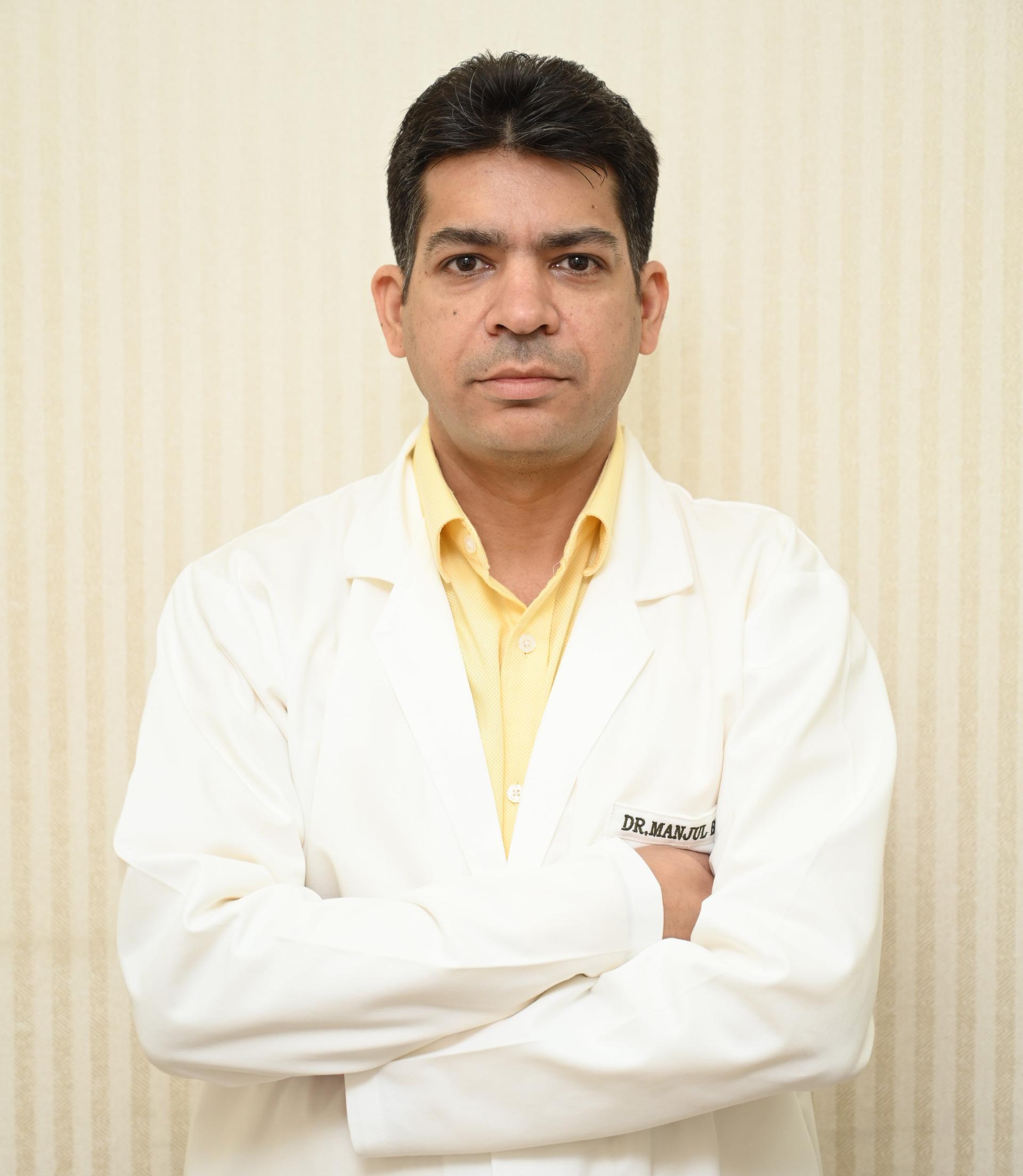
Director - Orthopaedics & Joint Replacement
Orthopaedics
New Delhi
24+ Years
Experience
Artemis Hospital
Hospital
1500
Fees
Director
Orthopaedics & Joint Replacement
New Delhi
24+ Years
Experience
Apolo Delhi
Hospital
1500
Fees
Director & Head
Joint Replacement Surgery
New Delhi
23+ Years
Experience
Apolo Delhi
Hospital
1500
Fees
Director & Head - Orthopaedics
Orthopaedics
New Delhi
22+ Years
Experience
Apolo Delhi
Hospital
1500
Fees
Group Chairman - Urology & Chairman - Centre of Excellence of Prostate & Urological Cancers and Male Health
Urology, Kidney Transplant, Uro-Oncology, Robotic Surgery
New Delhi
40+ Years
Experience
Max Hospital,Gurgaon
Hospital
1500
Fees
Group Chairman & Chief Surgeon - Orthopaedics, Joints and Robotic Surgery, and Chief Advisor to Max Healthcare Institute Limited
Orthopaedics & Joint Replacement, Arthroscopy & Sports Injury, Robotic Surgery, Trauma Management
New Delhi
40+ Years
Experience
Max Hospital,Gurgaon
Hospital
1500
Fees
Chairman - Max Centre for Liver & Biliary Sciences
Liver Transplant and Biliary Sciences, Surgical Gastroenterology, Hepatopancreaticobiliary Oncology
New Delhi
36+ Years
Experience
Max Hospital,Gurgaon
Hospital
1500
Fees
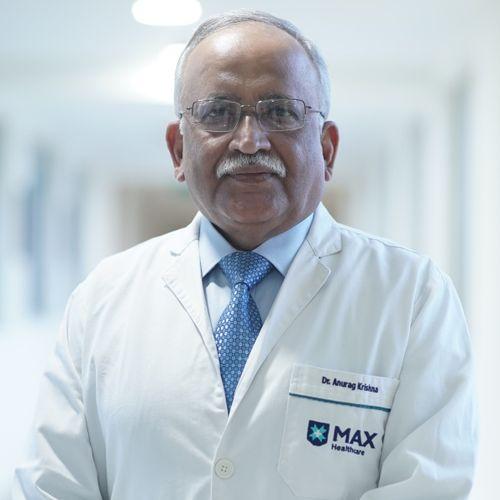
Director & Head of Pediatric Services, Max Healthcare
Pediatric Surgery
New Delhi
30+ Years
Experience
Max Hospital,Gurgaon
Hospital
1500
Fees
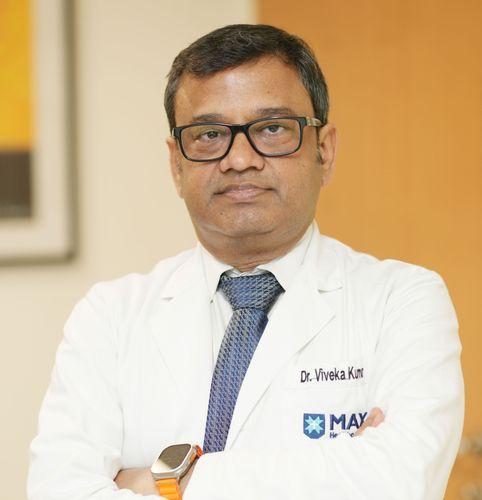
Not Specified
TAVI, Structural Heart, Interventional Cardiology, Electrophysiology & Devices
New Delhi
15+ Years
Experience
Max Hospital,Gurgaon
Hospital
1500
Fees
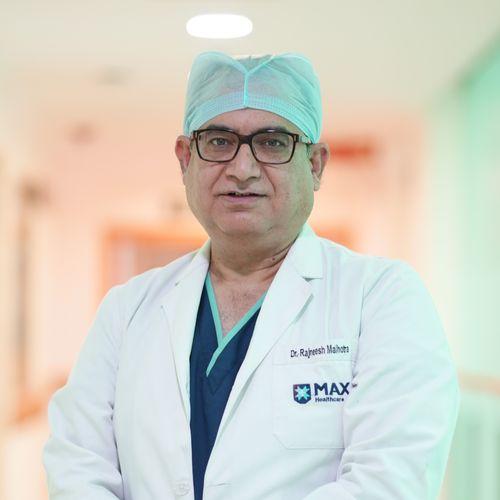
Chairman & Head - CTVS
Cardiac Surgery, Robotic Surgery, CTVS
New Delhi
33+ Years
Experience
Max Hospital,Gurgaon
Hospital
1500
Fees
Formerly Executive Director & HOD, Non-Invasive Cardiology, Escorts Heart Institute, New Delhi
Cardiology
New Delhi
15+ Years
Experience
Max Hospital,Gurgaon
Hospital
1500
Fees
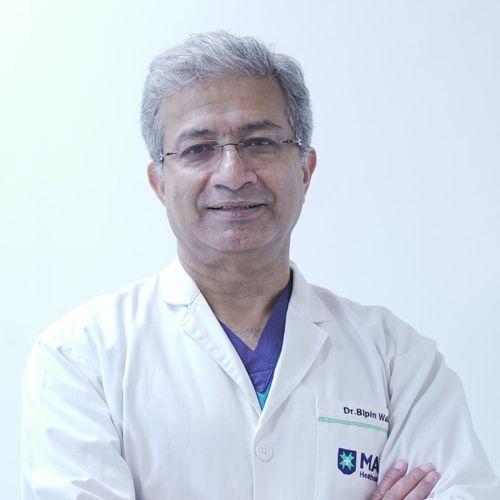
Chairman & Head – Neurosurgery & Neurospine
Neurosurgery, Neurosciences, Spine Surgery
New Delhi
28+ Years
Experience
Max Hospital,Gurgaon
Hospital
1500
Fees
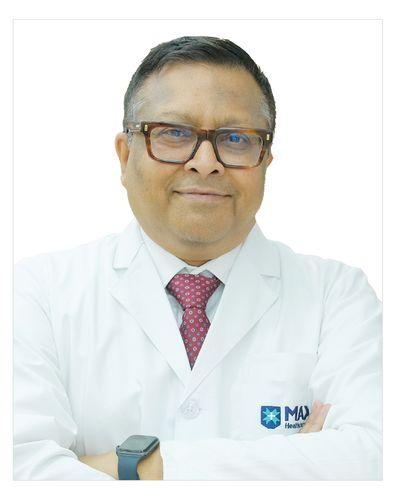
Principal Director - Radiation Oncology
Radiation Oncology
New Delhi
24+ Years
Experience
Max Hospital,Gurgaon
Hospital
1500
Fees
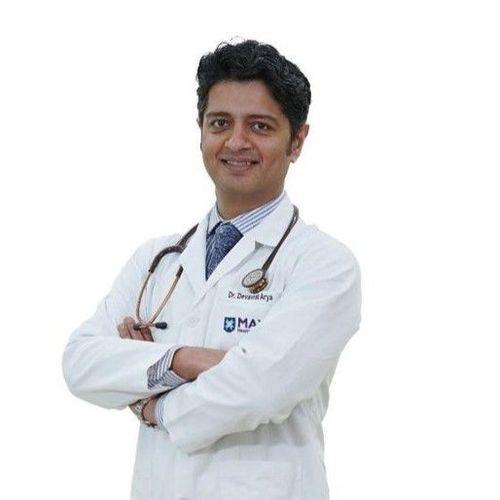
Principal Director - Medical Oncology
Medical Oncology
New Delhi
20+ Years
Experience
Max Hospital,Gurgaon
Hospital
1500
Fees
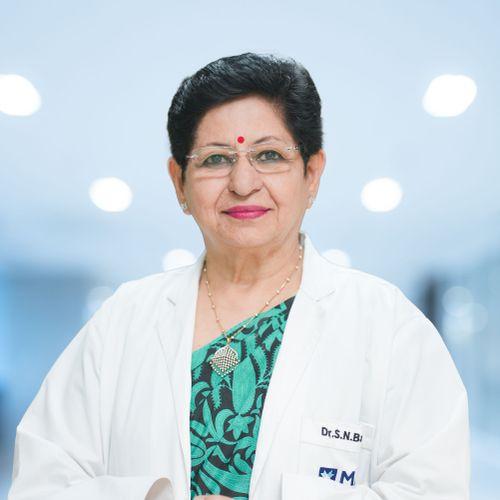
Senior Consultant, Obstetrics & Gynaecology
Obstetrics & Gynaecology, Infertility & IVF Specialist
New Delhi
33+ Years
Experience
Max Hospital,Gurgaon
Hospital
1500
Fees
Principal Director & HOD - Department of ENT
ENT(Ear Nose Throat)
New Delhi
20+ Years
Experience
Max Hospital,Gurgaon
Hospital
1500
Fees
Principal Director, Aesthetic And Reconstructive Surgery
Plastic & Reconstructive Surgery
New Delhi
30+ Years
Experience
Max Hospital,Gurgaon
Hospital
1500
Fees
Principal Director & Head - Clinical Hepatology
Gastroenterology, Hepatology, Liver Transplant & Biliary Sciences
New Delhi
23+ Years
Experience
Max Hospital,Gurgaon
Hospital
1500
Fees
Principal Director - Department of Mental Health and Behavioural Sciences
Mental Health and Behavioral Sciences
New Delhi
27+ Years
Experience
Max Hospital,Gurgaon
Hospital
1500
Fees
Senior Director
Orthopaedics & Joint Replacement
New Delhi
21+ Years
Experience
Apolo Delhi
Hospital
1500
Fees
Chairman - Orthopaedics
Orthopaedics
New Delhi
30+ Years
Experience
Apolo Delhi
Hospital
1500
Fees
Chairman - Orthopaedics
Orthopaedics
New Delhi
40+ Years
Experience
Apolo Delhi
Hospital
1500
Fees
Director - Orthopaedics, Joint Replacement & Spine Surgery
Orthopaedics, Joint Replacement, Arthroscopy, Complex Trauma, Spine Surgery
New Delhi
24+ Years
Experience
Apolo Delhi
Hospital
1500
Fees

Senior Consultant
Orthopaedics, Joint Replacement & Spine Surgery
New Delhi
25+ Years
Experience
Apolo Delhi
Hospital
1500
Fees
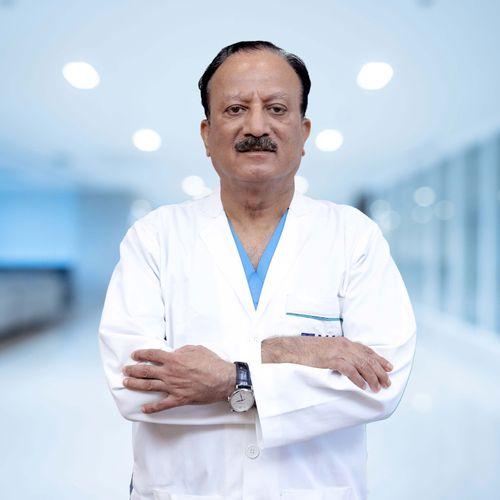
Sr. Consultant
Orthopaedics
New Delhi
37+ Years
Experience
Apolo Delhi
Hospital
1500
Fees
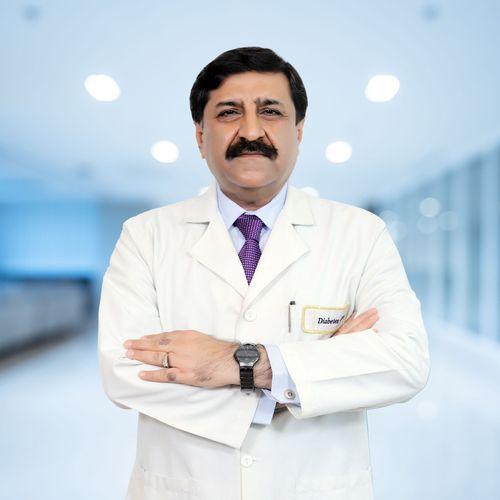
Principal Consultant - Orthopaedics, Joint Replacement & Spine Surgery
Orthopaedics
New Delhi
24+ Years
Experience
Apolo Delhi
Hospital
1500
Fees
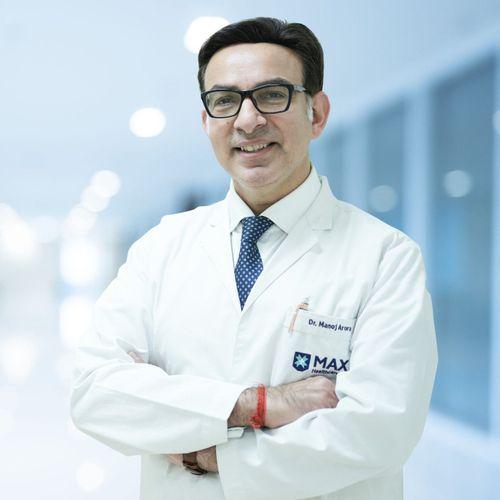
Principal Consultant
Orthopaedics and Joint Replacement
New Delhi
28+ Years
Experience
Apolo Delhi
Hospital
1500
Fees
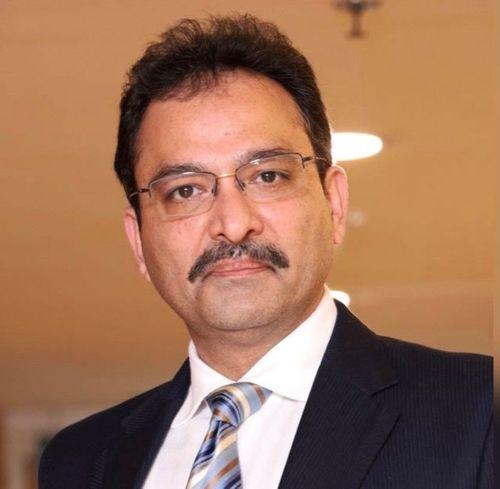
Senior Director
Orthopaedics
New Delhi
24+ Years
Experience
Apolo Delhi
Hospital
1500
Fees
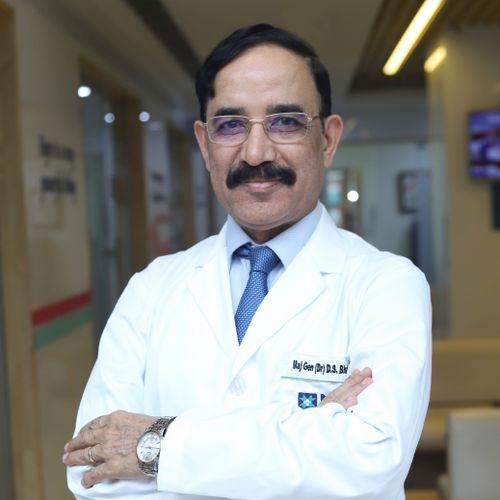
Director - Orthopaedics & Joint Replacement
Orthopaedics & Joint Replacement
New Delhi
45+ Years
Experience
Apolo Delhi
Hospital
1500
Fees
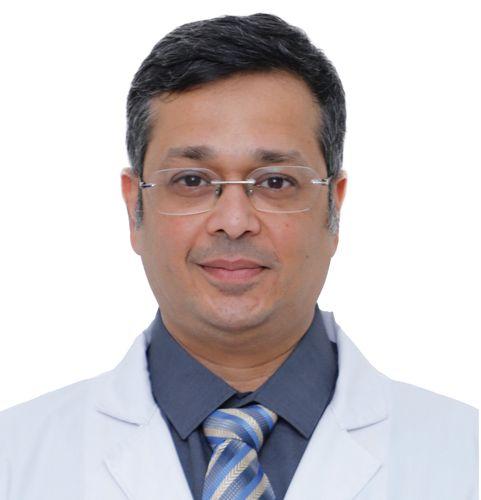
Director - Orthopaedics and Joint Replacement
Orthopaedics and Joint Replacement
New Delhi
29+ Years
Experience
Apolo Delhi
Hospital
1500
Fees
Senior Consultant
Orthopaedics
New Delhi
19+ Years
Experience
Apolo Delhi
Hospital
1500
Fees
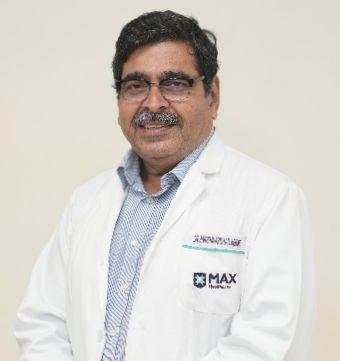
Chairman - Orthopaedics
Orthopaedics and Joint Replacement
New Delhi
40+ Years
Experience
Apolo Delhi
Hospital
1500
Fees
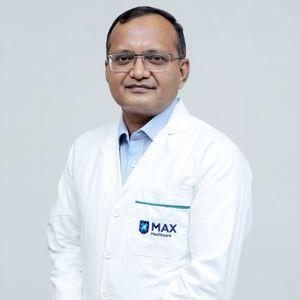
Chairman
Orthopaedics
New Delhi
30+ Years
Experience
Apolo Delhi
Hospital
1500
Fees
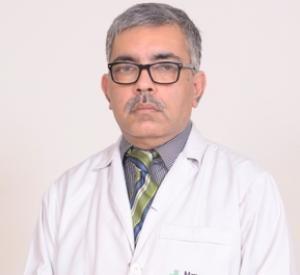
Director
Orthopaedics
New Delhi
20+ Years
Experience
Apolo Delhi
Hospital
1500
Fees
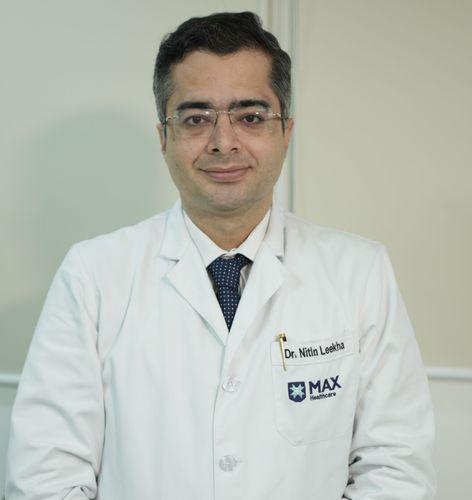
Director
Orthopaedics
New Delhi
15+ Years
Experience
Apolo Delhi
Hospital
1500
Fees
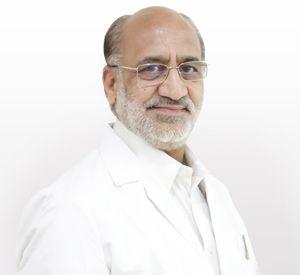
Director & Head - Orthopaedics
Orthopaedics
New Delhi
25+ Years
Experience
Apolo Delhi
Hospital
1500
Fees
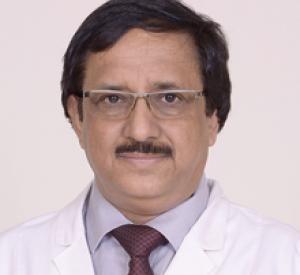
Chairman
Orthopaedics
New Delhi
25+ Years
Experience
Apolo Delhi
Hospital
1500
Fees
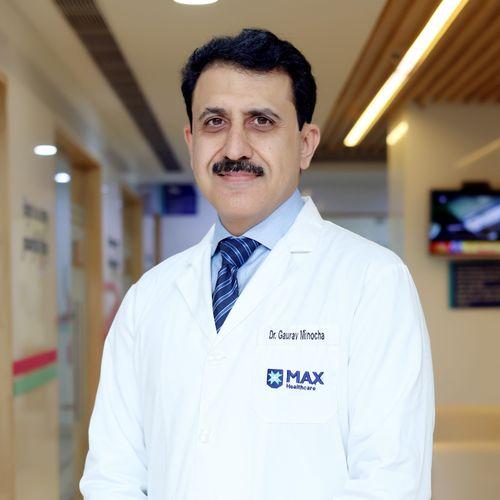
Director
Orthopaedics & Joint Replacement
New Delhi
17+ Years
Experience
Apolo Delhi
Hospital
1500
Fees
Director
Orthopaedics
New Delhi
20+ Years
Experience
Apolo Delhi
Hospital
1500
Fees
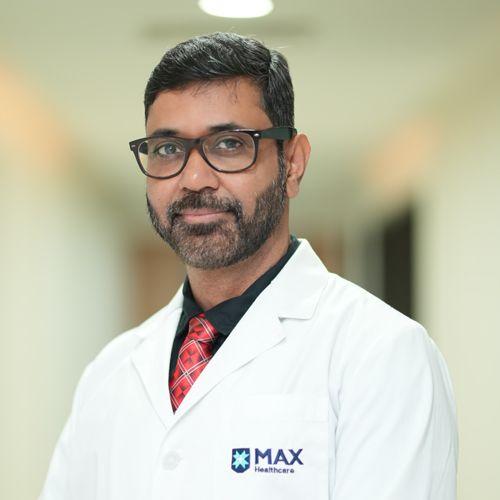
Director
Orthopaedics
New Delhi
18+ Years
Experience
Apolo Delhi
Hospital
1500
Fees
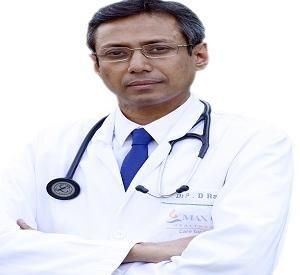
Director & Head
Orthopaedics
New Delhi
15+ Years
Experience
Apolo Delhi
Hospital
1500
Fees
Director
Orthopaedics
New Delhi
15+ Years
Experience
Apolo Delhi
Hospital
1500
Fees
احصل على خيارات علاجية شخصية من أفضل مستشفيات الهند. خبراؤنا الطبيون جاهزون لمساعدتك في كل خطوة.