
بحاجة لنصيحة شخصية؟
خبراؤنا الطبيون جاهزون للإجابة عن أسئلتك وإرشادك خلال خيارات العلاج.
خبراؤنا الطبيون جاهزون للإجابة عن أسئلتك وإرشادك خلال خيارات العلاج.
For patients in Bangladesh facing severe knee pain and mobility issues, considering advanced surgical options like robotic knee replacement can bring both hope and uncertainty. The search for high-quality, specialized care often leads beyond local borders, seeking solutions that promise better outcomes and faster recovery.
India has emerged as a preferred destination for medical treatments, including intricate orthopedic procedures. Patients from Bangladesh increasingly choose India due to its geographical proximity, cultural similarities, and the availability of world-class medical infrastructure across multiple cities, offering diverse choices.
The Indian healthcare system is recognized for its advanced hospitals, highly skilled orthopedic surgeons, and adoption of cutting-edge technology like robotics in joint replacement surgeries. This nationwide network of medical excellence provides a robust and trustworthy environment for international patients seeking specialized care.
India offers a comprehensive and accessible option for advanced knee care.
Robotic knee replacement surgery is an advanced orthopedic procedure where robotic assistance is used to perform a total or partial knee replacement. This technology allows surgeons to achieve highly precise bone cuts and implant positioning, tailored exactly to the patient's unique anatomy. The robotic arm assists the surgeon by providing real-time data and visual guidance, enhancing the accuracy and reproducibility of the procedure. It aims to improve surgical outcomes, potentially leading to better function, reduced pain, and a more natural feel for the new knee joint.
While the core procedure remains knee replacement with robotic assistance, variations include:
The robotic knee replacement procedure is carefully planned and executed to ensure optimal outcomes, with steps varying slightly based on the specific robotic system and patient needs.
A CT scan of the patient's knee is performed to create a detailed 3D model. This model allows the surgeon to virtually plan the surgery, determining the precise size, placement, and alignment of the knee implants customized for the patient's anatomy.
The patient receives anesthesia, typically general anesthesia or spinal anesthesia with sedation, ensuring comfort and pain-free experience throughout the surgery.
A small incision is made over the knee to expose the joint. The robotic system uses optical trackers attached to the bones to provide real-time information on knee movement and position.
The surgeon guides the robotic arm, which precisely removes the damaged bone and cartilage based on the pre-operative plan. The robotic system provides haptic feedback, preventing the surgeon from cutting outside the planned area, ensuring unparalleled accuracy.
Once the bone surfaces are prepared, the artificial knee implants are securely positioned and cemented. The robotic system assists in ensuring the perfect alignment and balance of the new joint.
The surgical site is then closed with sutures, and a sterile dressing is applied. The patient is moved to a recovery area for close monitoring.
Recovery from robotic knee replacement surgery typically involves a hospital stay of 3-5 days. Physical therapy begins almost immediately, sometimes even on the day of surgery, focusing on gentle movements and weight-bearing exercises. Patients are usually able to walk with assistance within a day or two. Full recovery, including significant strength and mobility return, can take several weeks to a few months. Adherence to rehabilitation exercises, pain management, and follow-up appointments are crucial for successful long-term outcomes and a smooth return to daily activities.
Robotic knee replacement surgery boasts high success rates, with many patients experiencing significant pain relief and improved mobility. Studies indicate success rates exceeding 90-95% for pain reduction and functional improvement, with implants lasting 15-20 years or more. Individual outcomes can vary based on factors such as patient health, adherence to rehabilitation, and the surgeon's experience. Long-term expectations generally include reduced pain, increased range of motion, and an enhanced quality of life.
The cost of robotic knee replacement surgery in India is influenced by several factors, including the choice of hospital, the surgeon's experience, the specific robotic system used, the type of implant, the duration of hospital stay, and the need for additional medical services or post-operative rehabilitation. India generally offers significantly more affordable options compared to many Western countries, making it an attractive destination for patients seeking advanced care.
For Bangladeshi patients, Robotic Knee Replacement Surgery in India can range from INR 4,50,000 to INR 8,00,000 (approximately USD 5,500 to USD 9,700), depending on the factors mentioned. This cost is notably lower than in Bangladesh for comparable advanced robotic technology.
| City | Estimated Cost (INR) |
|---|---|
| Delhi / NCR | 5,00,000 - 8,00,000 |
| Mumbai | 5,50,000 - 8,50,000 |
| Chennai | 4,80,000 - 7,80,000 |
| Bengaluru | 5,20,000 - 8,20,000 |
| Hyderabad | 4,70,000 - 7,70,000 |
| Kolkata | 4,50,000 - 7,50,000 |
| Ahmedabad | 4,60,000 - 7,60,000 |
| Pune | 4,90,000 - 7,90,000 |
| Country | Estimated Cost (USD) |
|---|---|
| United States | 35,000 - 60,000 |
| United Kingdom | 20,000 - 35,000 |
| Germany | 18,000 - 30,000 |
| Singapore | 15,000 - 25,000 |
| Thailand | 10,000 - 18,000 |
| India | 5,500 - 9,700 |
Choosing robotic knee replacement in India means opting for advanced care and dedicated support.
India offers premium medical procedures at affordable prices. Discover our most popular treatments, delivered by the country's finest doctors.
Meet our team of highly qualified and experienced medical professionals dedicated to providing the best healthcare services.
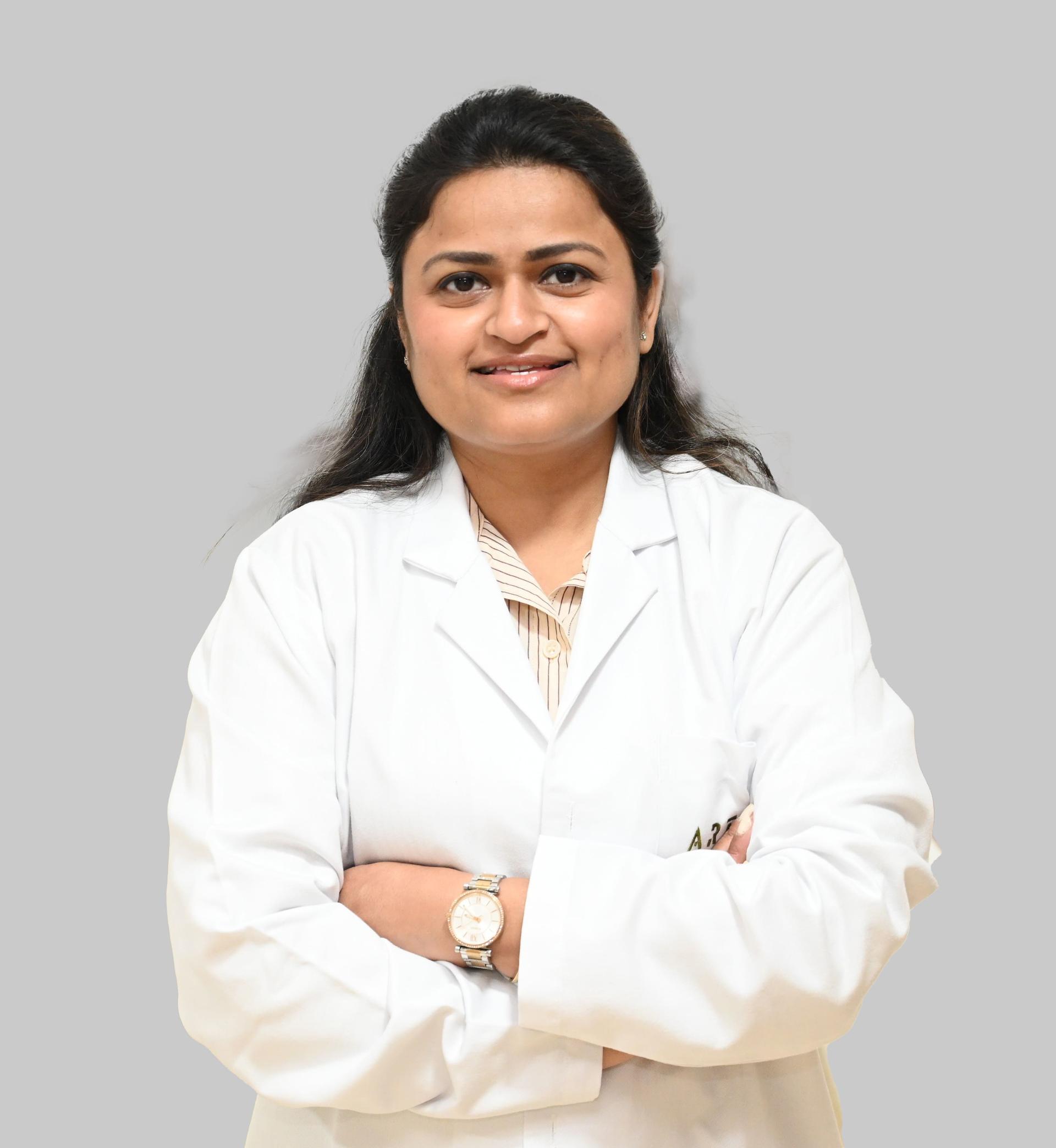
Consultant - Physiotherapy and Rehabilitation Centre
Physiotherapy and Rehabilitation Centre
New Delhi
10+ Years
Experience
Artemis Hospital
Hospital
1500
Fees
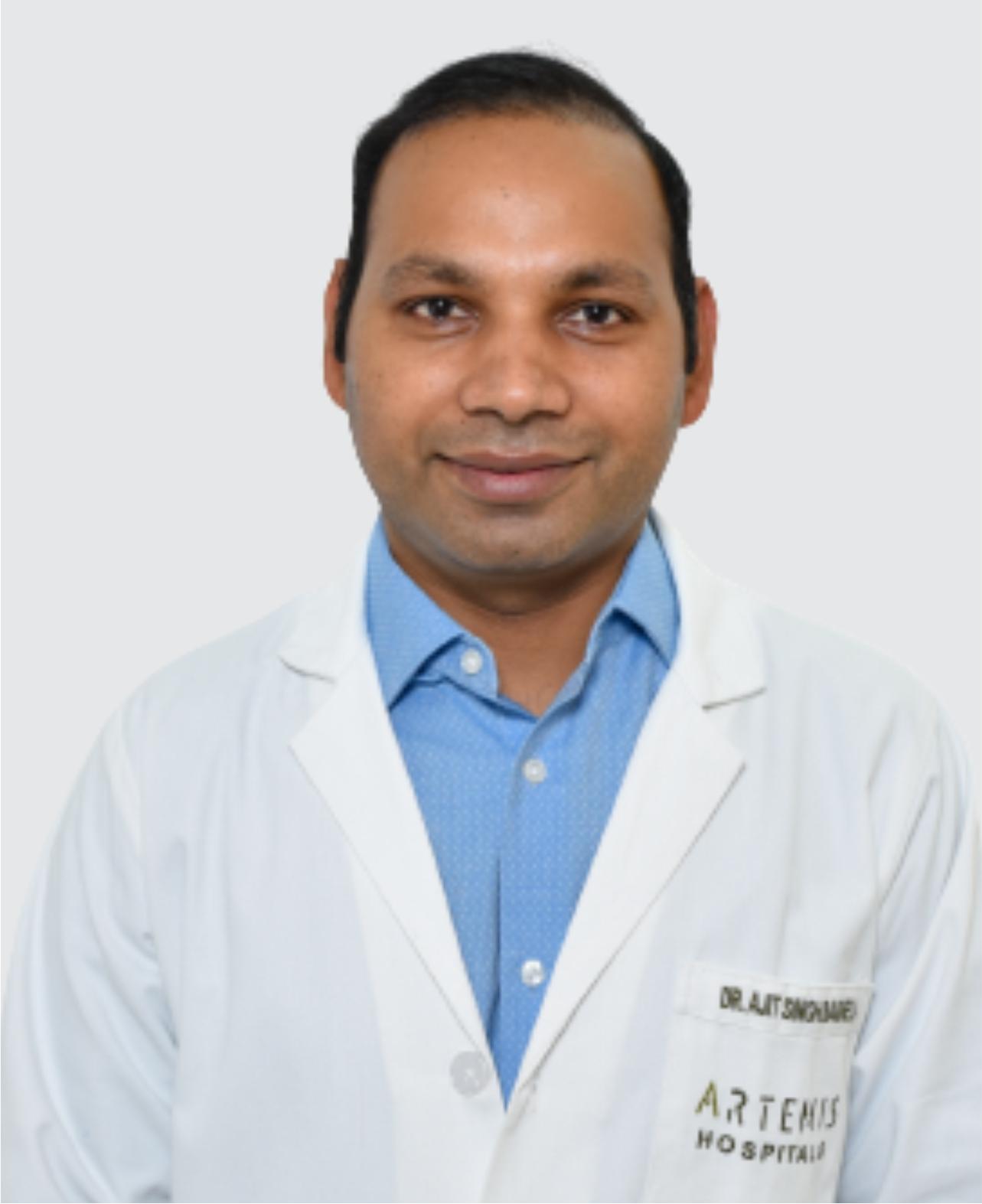
Sr. Consultant - Paediatric Neurology
Paediatric Neurology
New Delhi
9+ Years
Experience
Artemis Hospital
Hospital
1500
Fees

Consultant - Orthopaedics and Hip and Knee Arthroplasty
Orthopaedics, Hip and Knee Arthroplasty, Joint Replacement, Sports Medicine
New Delhi
12+ Years
Experience
Artemis Hospital
Hospital
1500
Fees

Director & Head - Orthopaedics & Joint Replacement
Orthopaedics
New Delhi
24+ Years
Experience
Apolo Delhi
Hospital
1500
Fees

Chief - Hematology, Oncology & Bone Marrow Transplant
Clinical Hematology, Hematologic Oncology, Bone Marrow Transplantation
New Delhi
15+ Years
Experience
Artemis Hospital
Hospital
1500
Fees

Chief
Paediatric
New Delhi
15+ Years
Experience
Artemis Hospital
Hospital
1500
Fees

Head - General, MI & Bariatric Surgery (Unit IV)
General & Minimally Invasive Surgery
New Delhi
25+ Years
Experience
Artemis Hospital
Hospital
1500
Fees
Director
Orthopaedics
New Delhi
12+ Years
Experience
Apolo Delhi
Hospital
1500
Fees

Unit Chief - Interventional Cardiology & Electrophysiology
Cardiology, Electrophysiology, Interventional Cardiology
New Delhi
15+ Years
Experience
Artemis Hospital
Hospital
1500
Fees

Chairperson
Radiology
New Delhi
28+ Years
Experience
Artemis Hospital
Hospital
1500
Fees
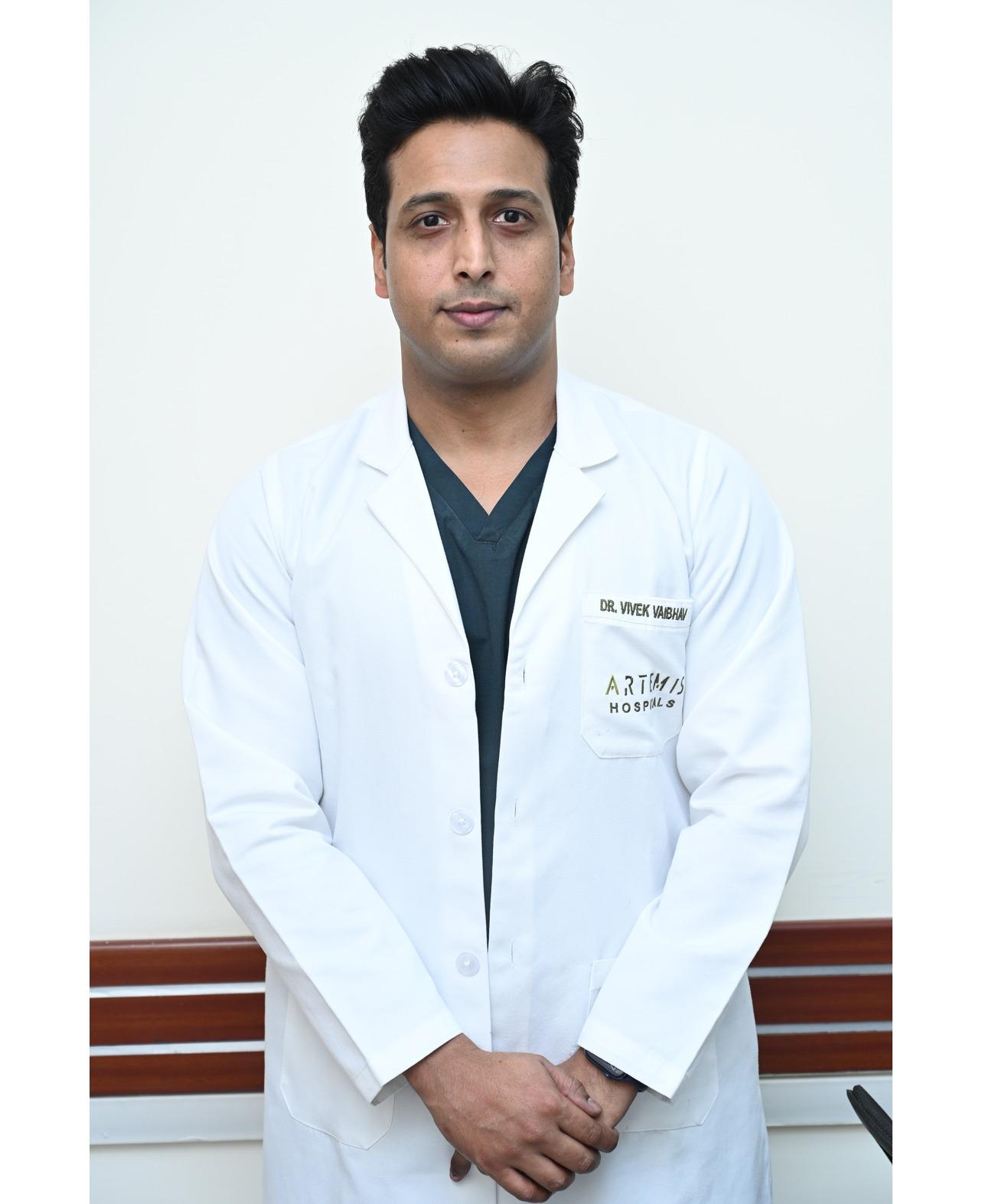
Consultant
Orthopaedic Surgery, Orthopaedics
New Delhi
10+ Years
Experience
Artemis Hospital
Hospital
1500
Fees
Chairperson - Orthopaedics Program & Chief – Robotic Joint Replacement & Arthroscopy Surgery
Orthopaedics, Robotic Surgery
New Delhi
15+ Years
Experience
Artemis Hospital
Hospital
1500
Fees
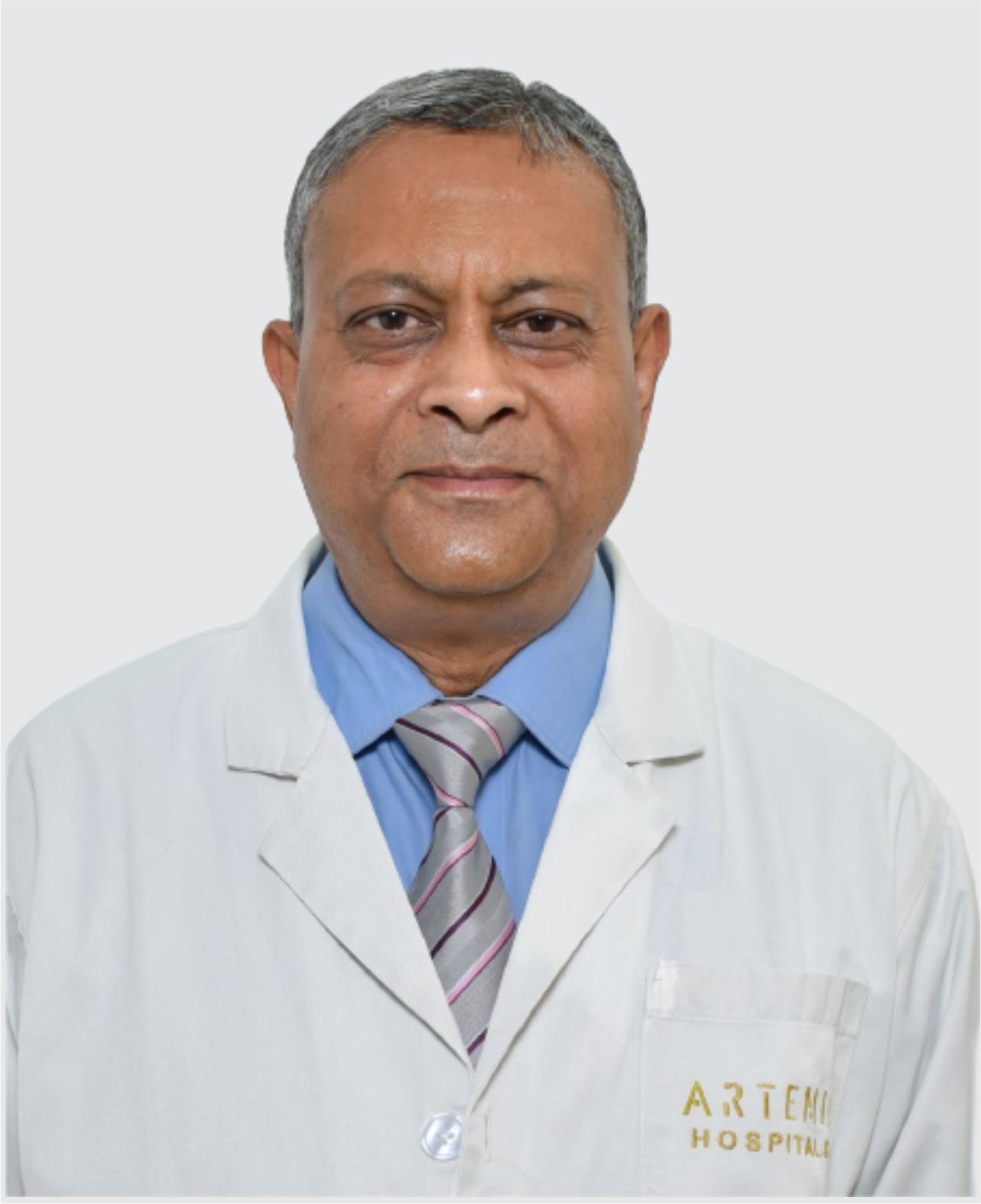
Chief - Nephrology (Unit II)
Kidney Transplant, Nephrology
New Delhi
15+ Years
Experience
Artemis Hospital
Hospital
1500
Fees
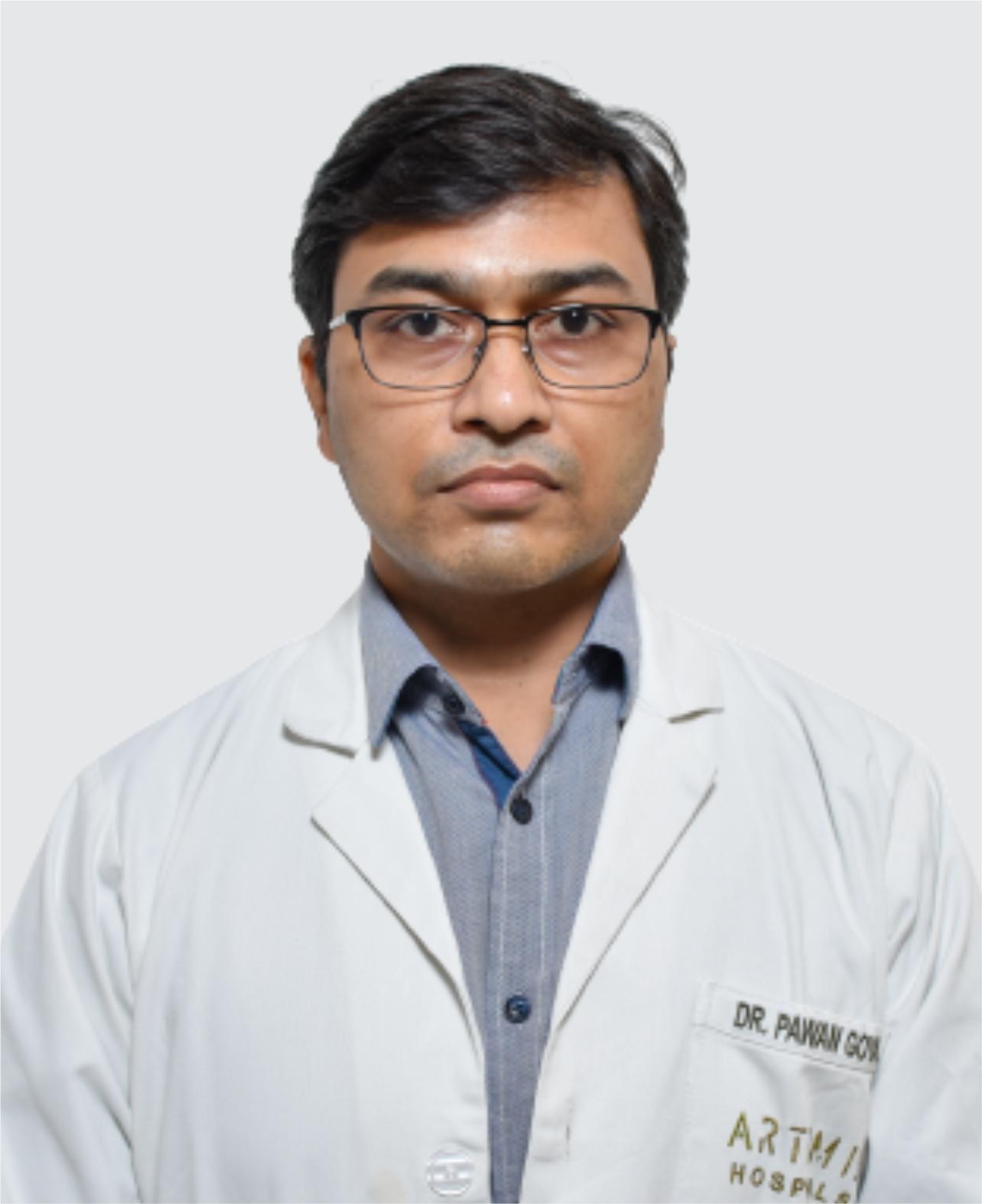
Director & Head
Orthopaedics & Joint Replacement
New Delhi
22+ Years
Experience
Artemis Hospital
Hospital
1500
Fees
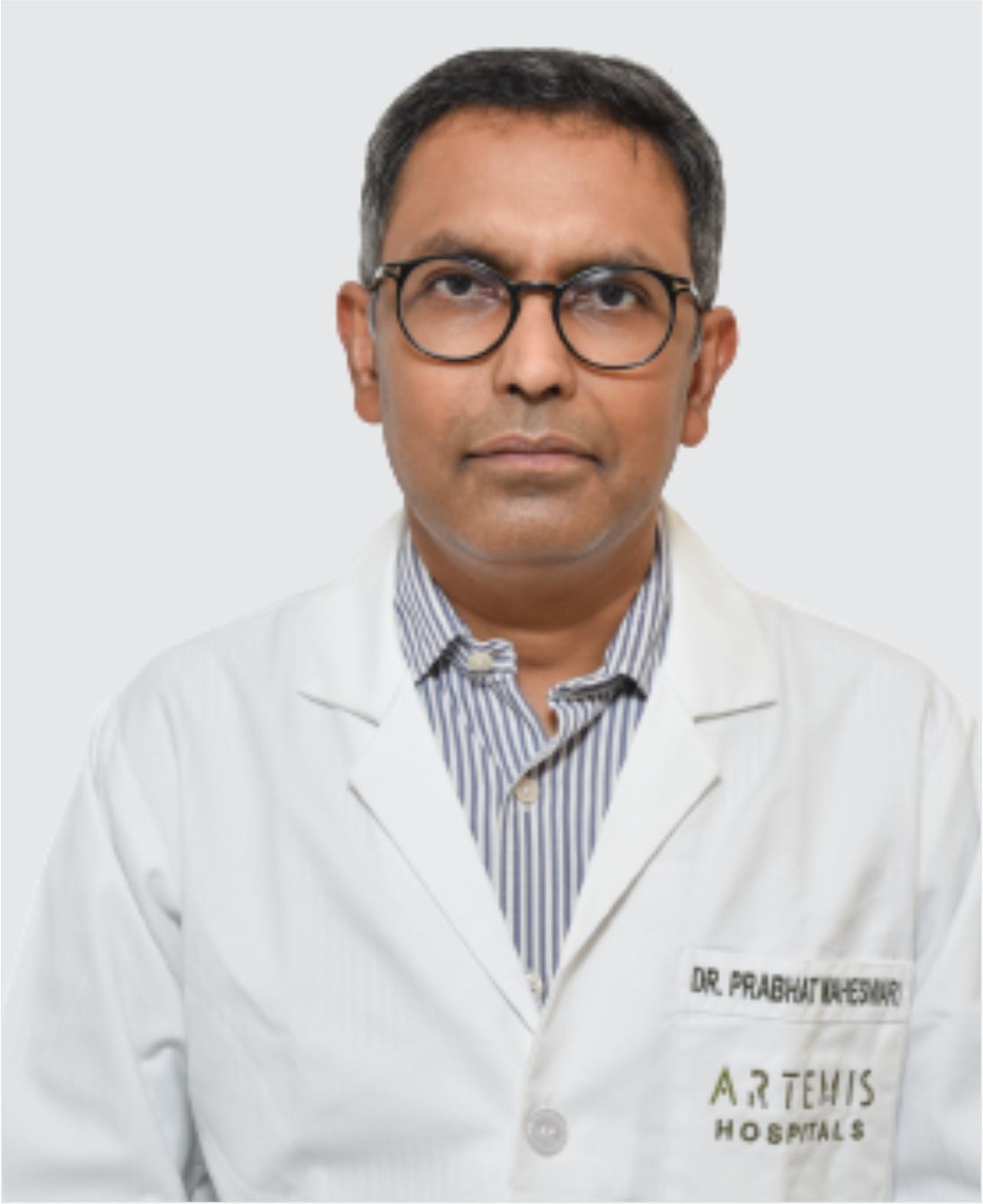
Director - Orthopaedics & Joint Replacement
Orthopaedics & Joint Replacement
New Delhi
24+ Years
Experience
Artemis Hospital
Hospital
1500
Fees
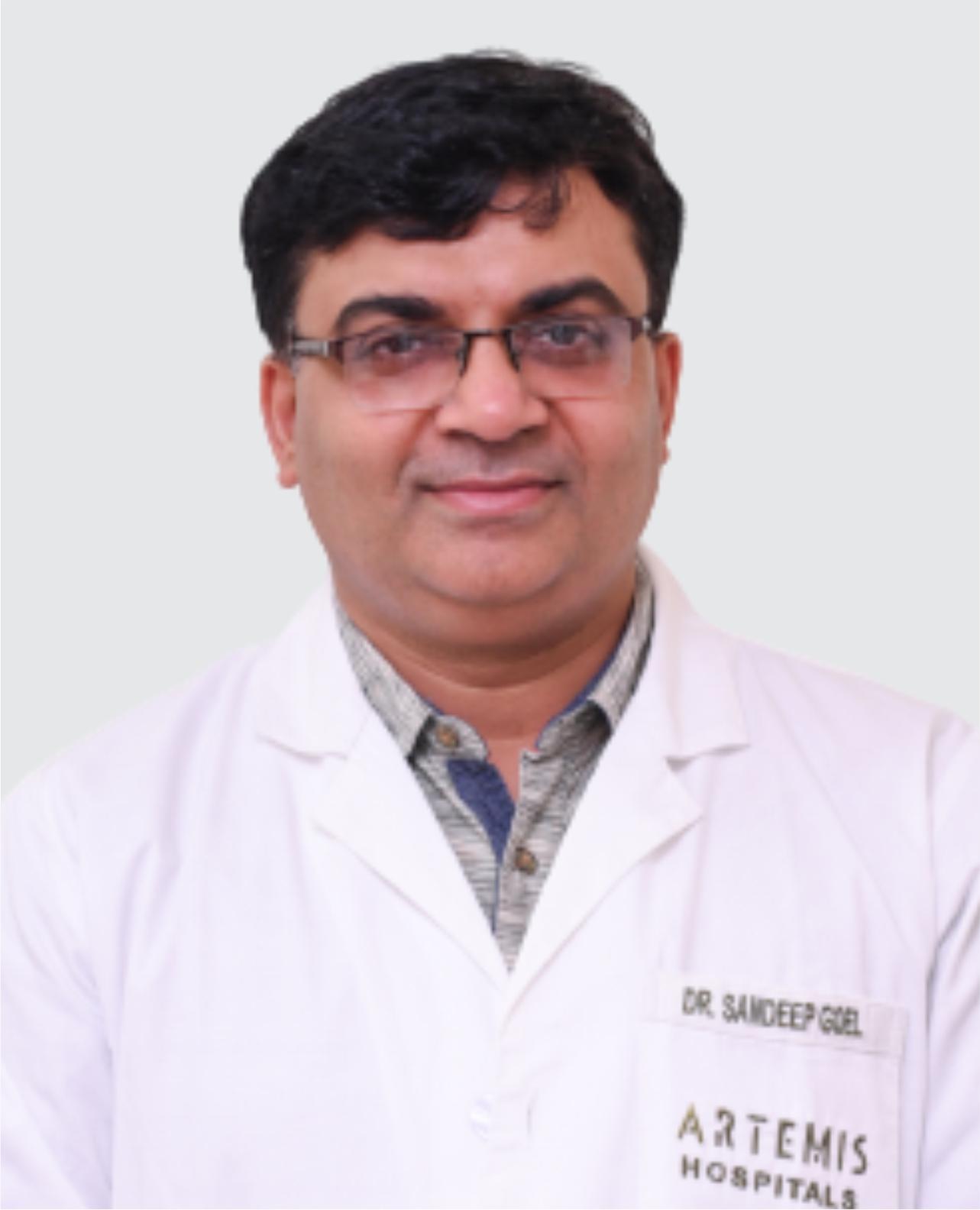
Director
Orthopaedics & Joint Replacement
New Delhi
22+ Years
Experience
Artemis Hospital
Hospital
1500
Fees
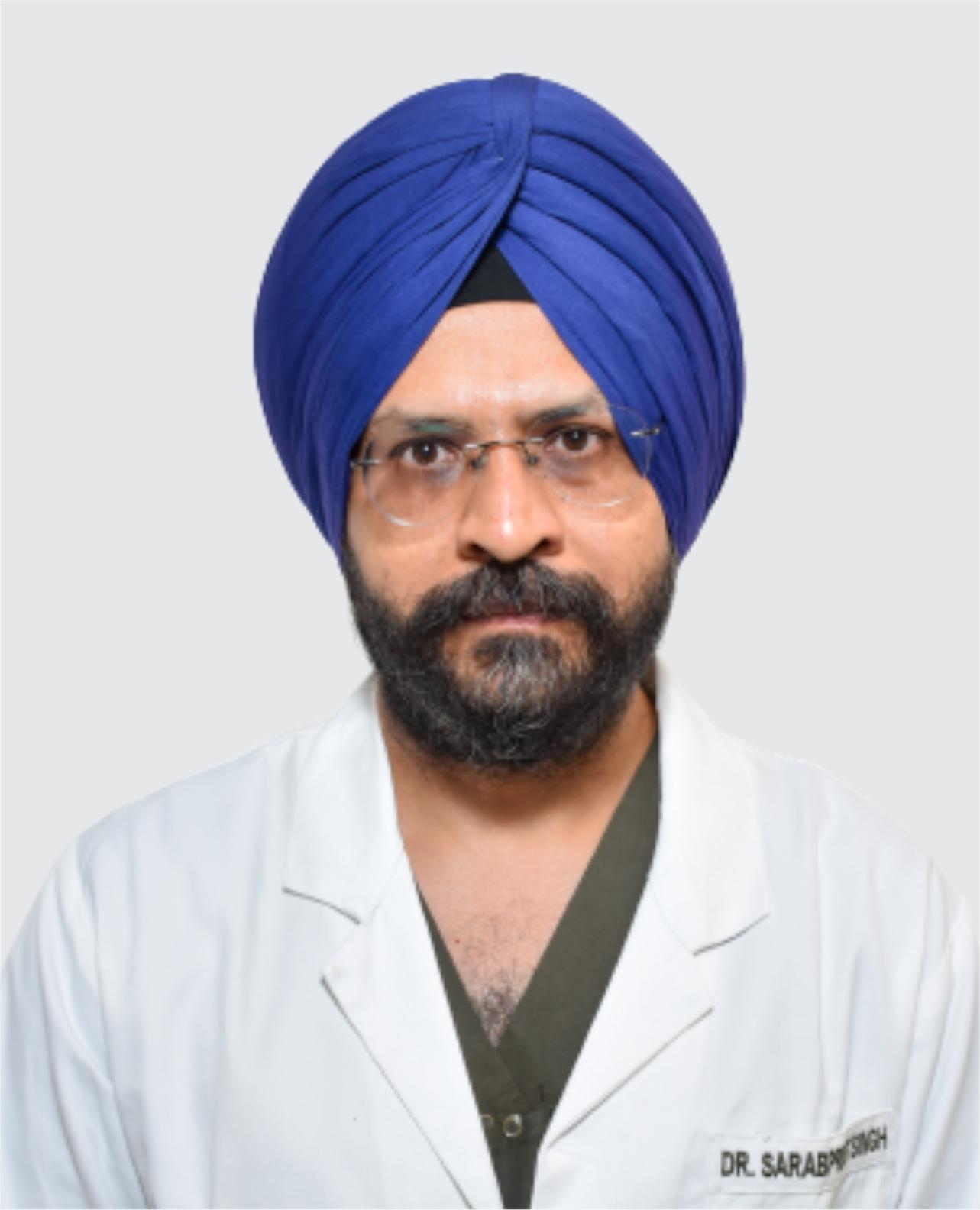
Director - Orthopaedics & Joint Replacement
Orthopaedics
New Delhi
13+ Years
Experience
Artemis Hospital
Hospital
1500
Fees
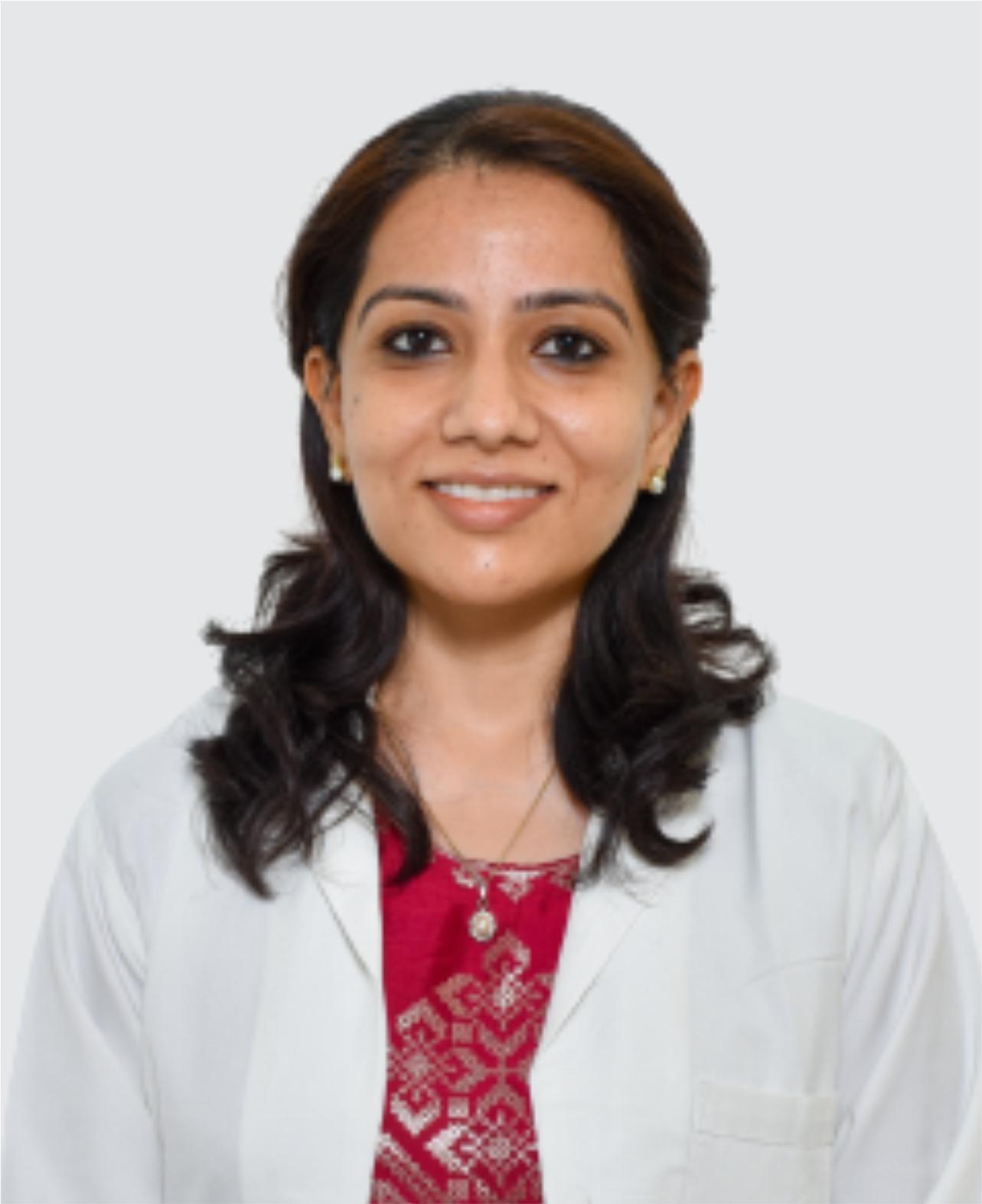
Sr. Consultant
Diabetes & Endocrinology, Paediatric, Paediatric & Adolescent Endocrinology
New Delhi
15+ Years
Experience
Artemis Hospital
Hospital
1500
Fees
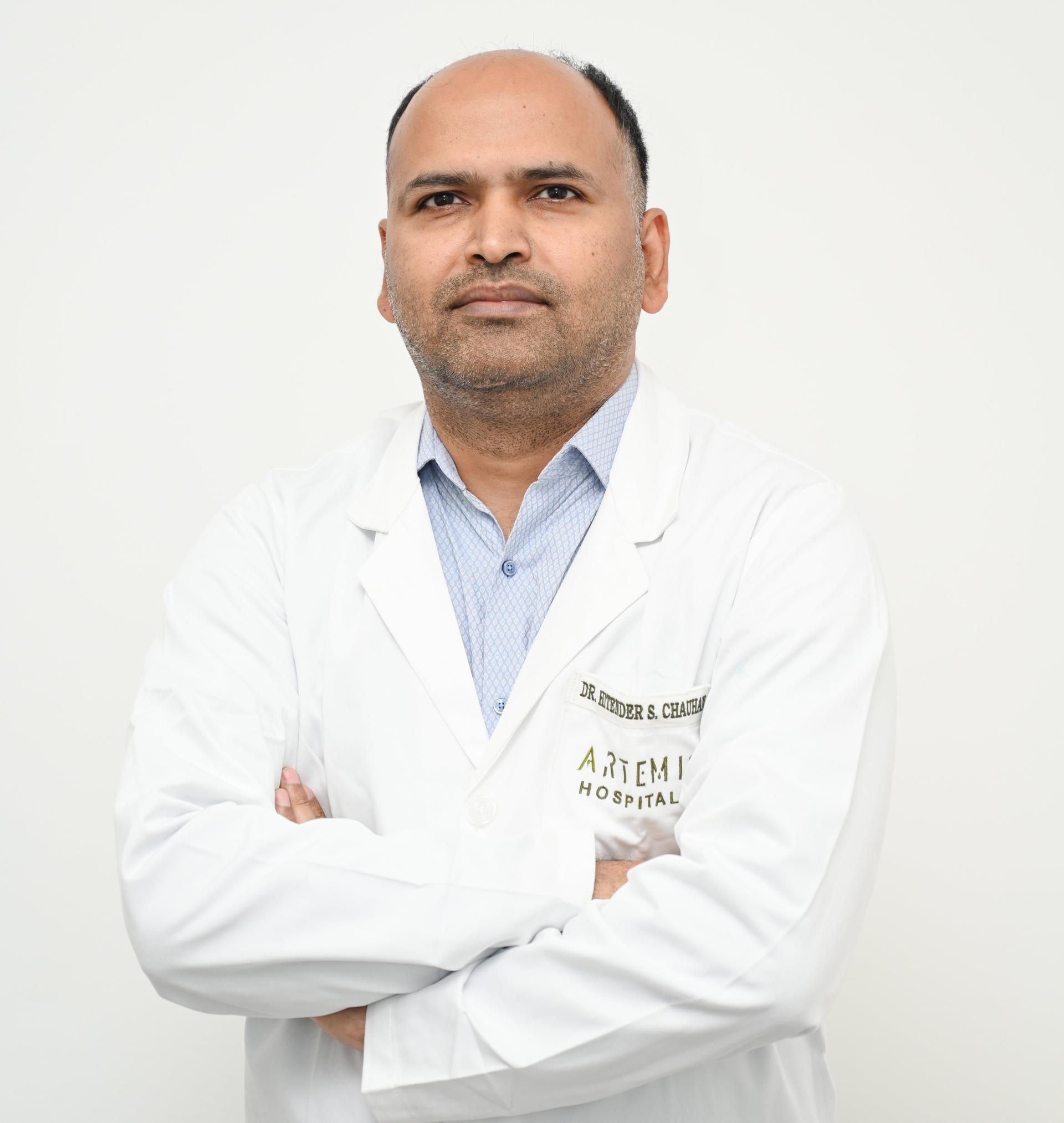
Director & Chief of Orthopaedics
Orthopaedics & Joint Replacement
New Delhi
16+ Years
Experience
Artemis Hospital
Hospital
1500
Fees
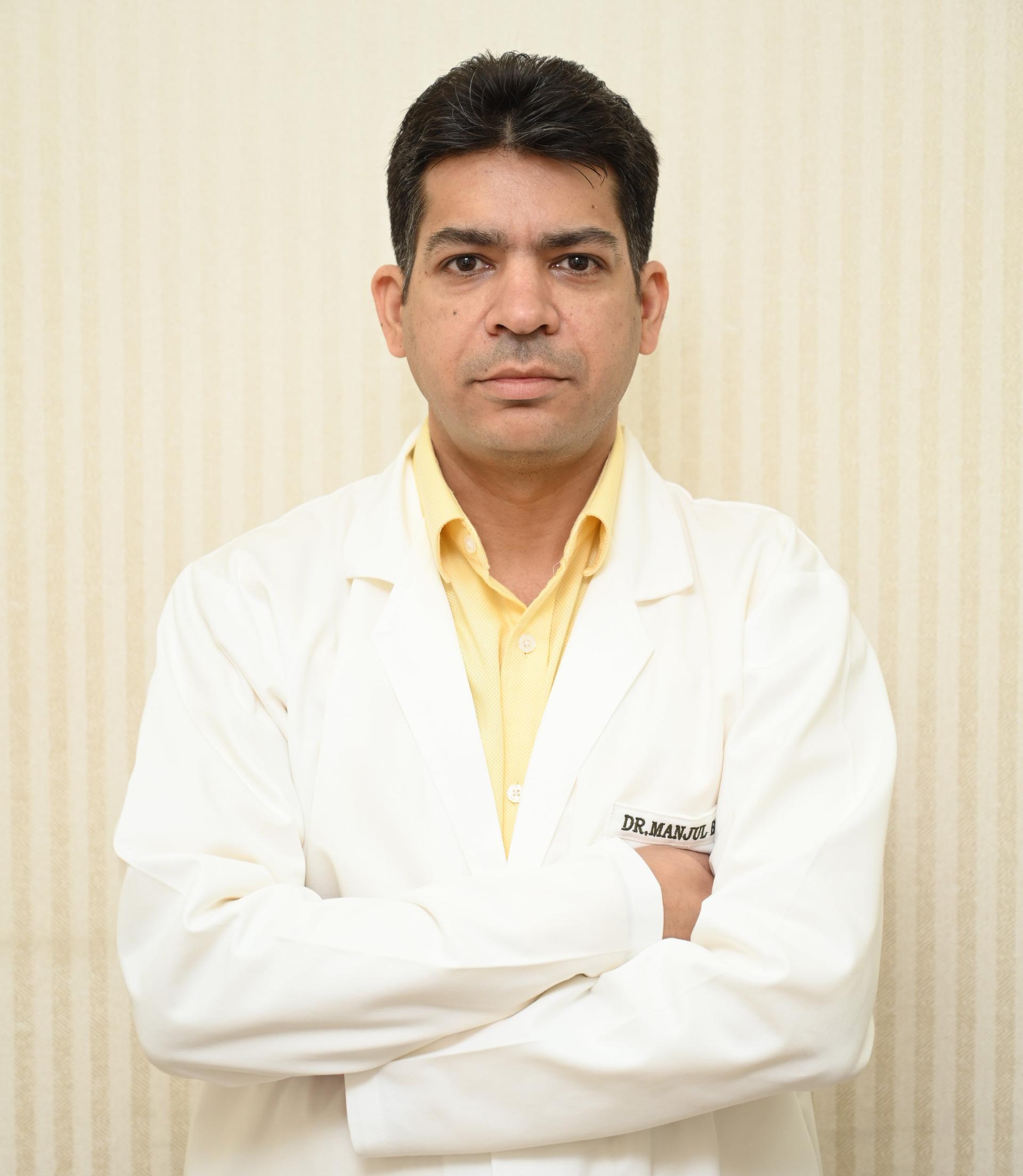
Director - Orthopaedics & Joint Replacement
Orthopaedics
New Delhi
24+ Years
Experience
Artemis Hospital
Hospital
1500
Fees
Director
Orthopaedics & Joint Replacement
New Delhi
24+ Years
Experience
Apolo Delhi
Hospital
1500
Fees
Director & Head
Joint Replacement Surgery
New Delhi
23+ Years
Experience
Apolo Delhi
Hospital
1500
Fees
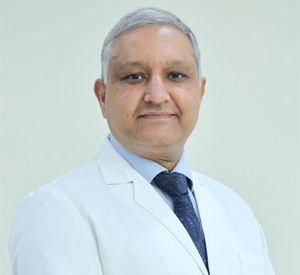
Director & Head - Orthopaedics
Orthopaedics
New Delhi
22+ Years
Experience
Apolo Delhi
Hospital
1500
Fees
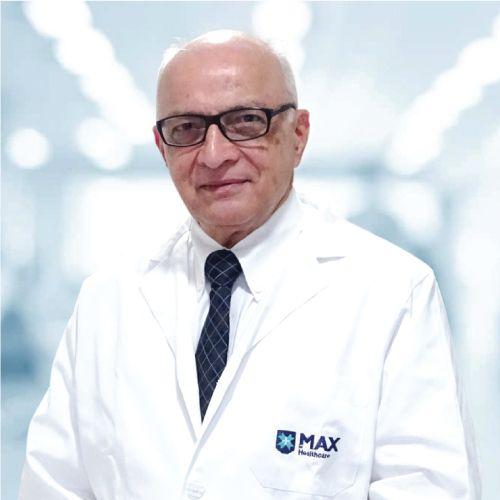
Group Chairman - Urology & Chairman - Centre of Excellence of Prostate & Urological Cancers and Male Health
Urology, Kidney Transplant, Uro-Oncology, Robotic Surgery
New Delhi
40+ Years
Experience
Max Hospital,Gurgaon
Hospital
1500
Fees
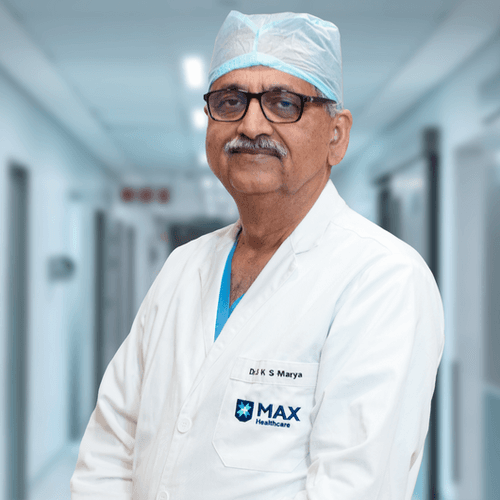
Group Chairman & Chief Surgeon - Orthopaedics, Joints and Robotic Surgery, and Chief Advisor to Max Healthcare Institute Limited
Orthopaedics & Joint Replacement, Arthroscopy & Sports Injury, Robotic Surgery, Trauma Management
New Delhi
40+ Years
Experience
Max Hospital,Gurgaon
Hospital
1500
Fees
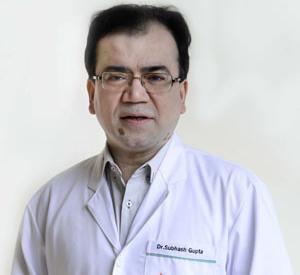
Chairman - Max Centre for Liver & Biliary Sciences
Liver Transplant and Biliary Sciences, Surgical Gastroenterology, Hepatopancreaticobiliary Oncology
New Delhi
36+ Years
Experience
Max Hospital,Gurgaon
Hospital
1500
Fees
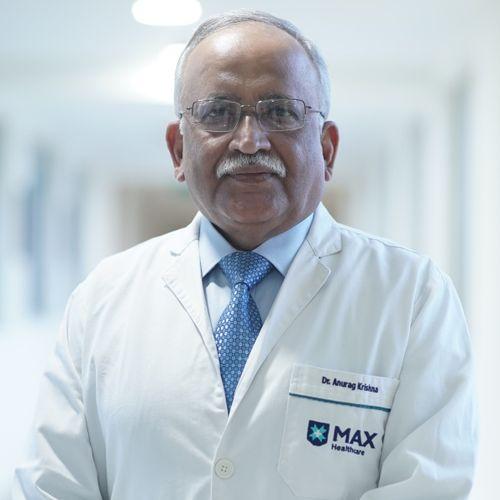
Director & Head of Pediatric Services, Max Healthcare
Pediatric Surgery
New Delhi
30+ Years
Experience
Max Hospital,Gurgaon
Hospital
1500
Fees
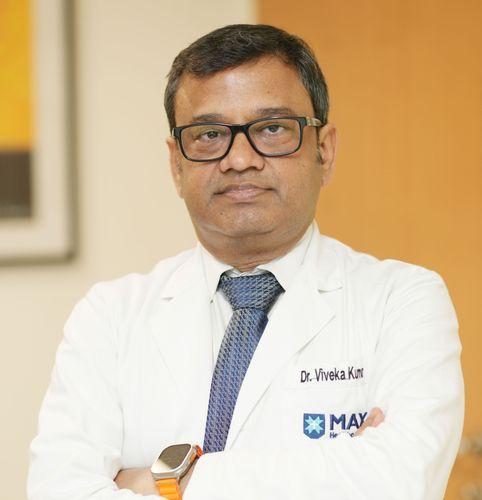
Not Specified
TAVI, Structural Heart, Interventional Cardiology, Electrophysiology & Devices
New Delhi
15+ Years
Experience
Max Hospital,Gurgaon
Hospital
1500
Fees
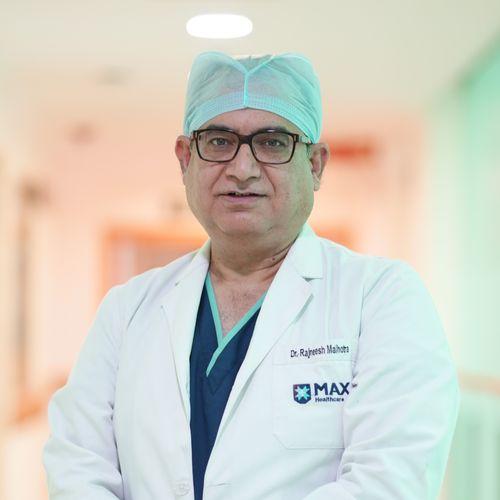
Chairman & Head - CTVS
Cardiac Surgery, Robotic Surgery, CTVS
New Delhi
33+ Years
Experience
Max Hospital,Gurgaon
Hospital
1500
Fees
Formerly Executive Director & HOD, Non-Invasive Cardiology, Escorts Heart Institute, New Delhi
Cardiology
New Delhi
15+ Years
Experience
Max Hospital,Gurgaon
Hospital
1500
Fees
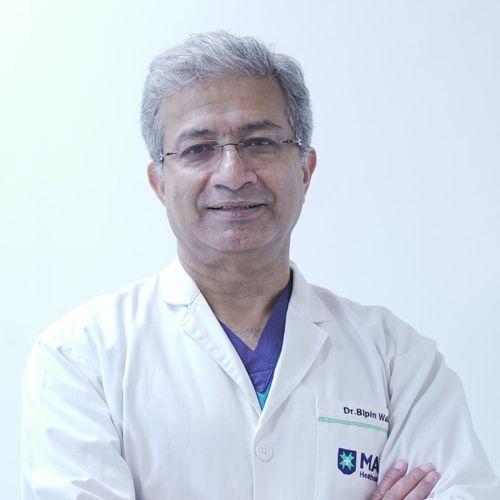
Chairman & Head – Neurosurgery & Neurospine
Neurosurgery, Neurosciences, Spine Surgery
New Delhi
28+ Years
Experience
Max Hospital,Gurgaon
Hospital
1500
Fees
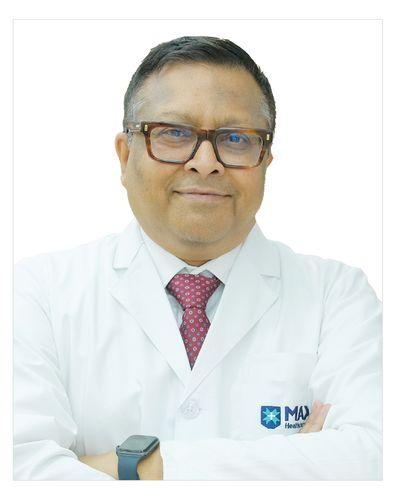
Principal Director - Radiation Oncology
Radiation Oncology
New Delhi
24+ Years
Experience
Max Hospital,Gurgaon
Hospital
1500
Fees
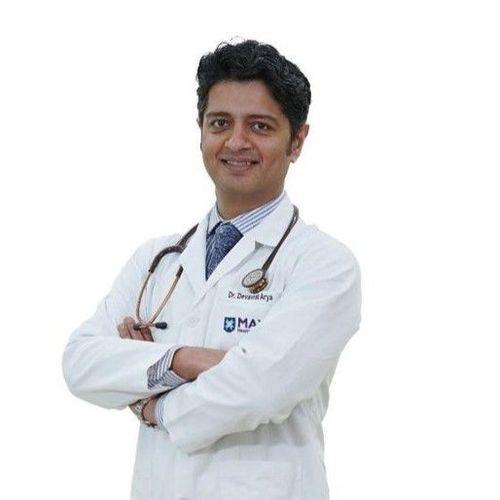
Principal Director - Medical Oncology
Medical Oncology
New Delhi
20+ Years
Experience
Max Hospital,Gurgaon
Hospital
1500
Fees
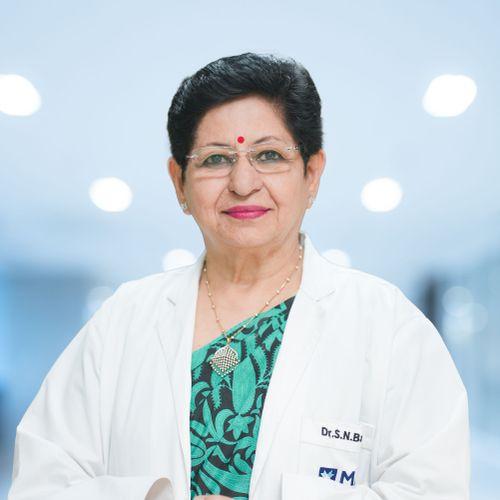
Senior Consultant, Obstetrics & Gynaecology
Obstetrics & Gynaecology, Infertility & IVF Specialist
New Delhi
33+ Years
Experience
Max Hospital,Gurgaon
Hospital
1500
Fees
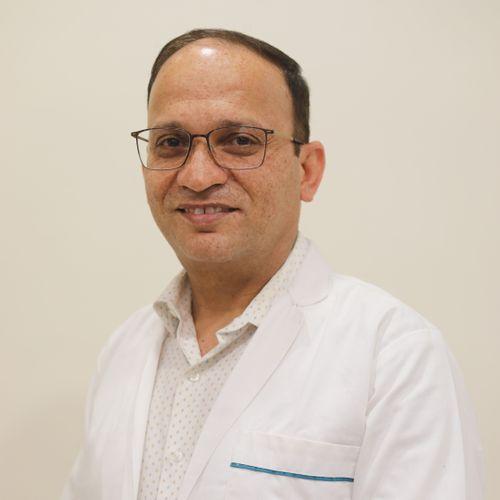
Principal Director & HOD - Department of ENT
ENT(Ear Nose Throat)
New Delhi
20+ Years
Experience
Max Hospital,Gurgaon
Hospital
1500
Fees
Principal Director, Aesthetic And Reconstructive Surgery
Plastic & Reconstructive Surgery
New Delhi
30+ Years
Experience
Max Hospital,Gurgaon
Hospital
1500
Fees
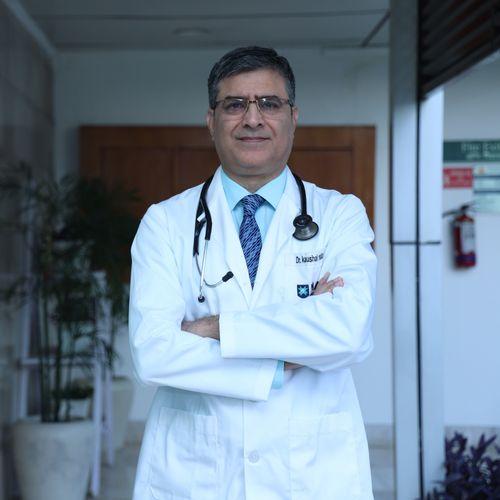
Principal Director & Head - Clinical Hepatology
Gastroenterology, Hepatology, Liver Transplant & Biliary Sciences
New Delhi
23+ Years
Experience
Max Hospital,Gurgaon
Hospital
1500
Fees
Principal Director - Department of Mental Health and Behavioural Sciences
Mental Health and Behavioral Sciences
New Delhi
27+ Years
Experience
Max Hospital,Gurgaon
Hospital
1500
Fees
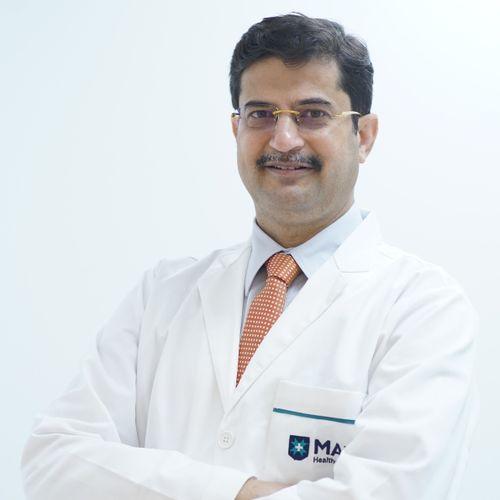
Senior Director
Orthopaedics & Joint Replacement
New Delhi
21+ Years
Experience
Apolo Delhi
Hospital
1500
Fees
Chairman - Orthopaedics
Orthopaedics
New Delhi
30+ Years
Experience
Apolo Delhi
Hospital
1500
Fees
Chairman - Orthopaedics
Orthopaedics
New Delhi
40+ Years
Experience
Apolo Delhi
Hospital
1500
Fees
Director - Orthopaedics, Joint Replacement & Spine Surgery
Orthopaedics, Joint Replacement, Arthroscopy, Complex Trauma, Spine Surgery
New Delhi
24+ Years
Experience
Apolo Delhi
Hospital
1500
Fees

Senior Consultant
Orthopaedics, Joint Replacement & Spine Surgery
New Delhi
25+ Years
Experience
Apolo Delhi
Hospital
1500
Fees
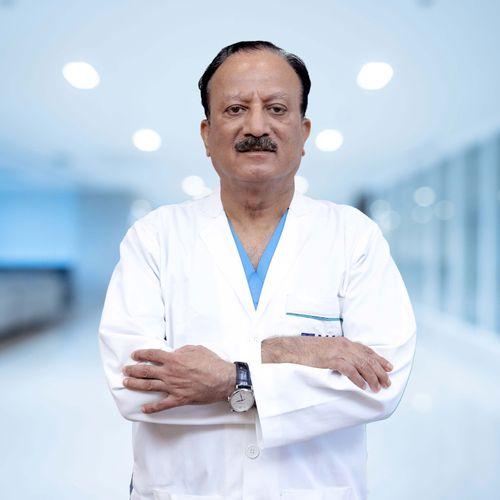
Sr. Consultant
Orthopaedics
New Delhi
37+ Years
Experience
Apolo Delhi
Hospital
1500
Fees
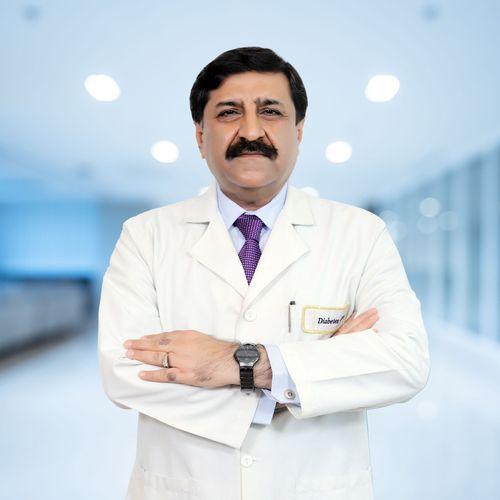
Principal Consultant - Orthopaedics, Joint Replacement & Spine Surgery
Orthopaedics
New Delhi
24+ Years
Experience
Apolo Delhi
Hospital
1500
Fees
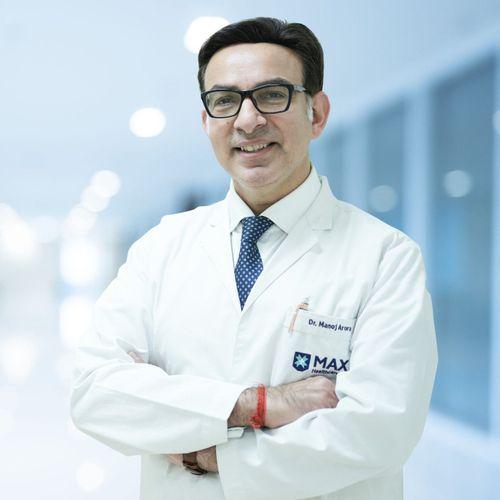
Principal Consultant
Orthopaedics and Joint Replacement
New Delhi
28+ Years
Experience
Apolo Delhi
Hospital
1500
Fees
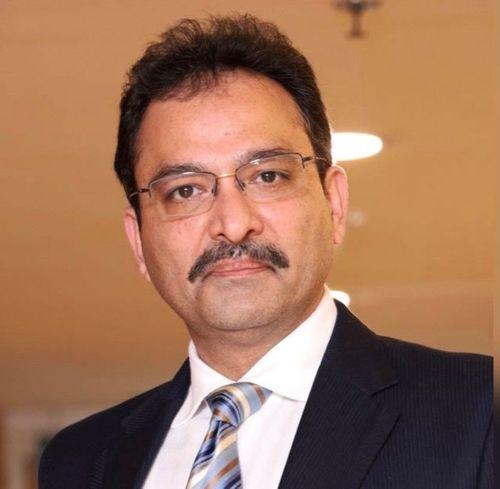
Senior Director
Orthopaedics
New Delhi
24+ Years
Experience
Apolo Delhi
Hospital
1500
Fees
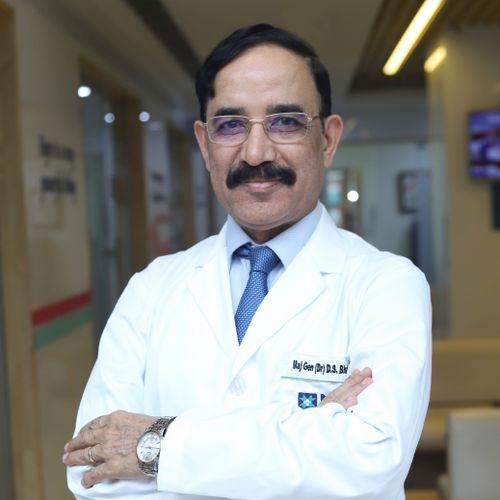
Director - Orthopaedics & Joint Replacement
Orthopaedics & Joint Replacement
New Delhi
45+ Years
Experience
Apolo Delhi
Hospital
1500
Fees
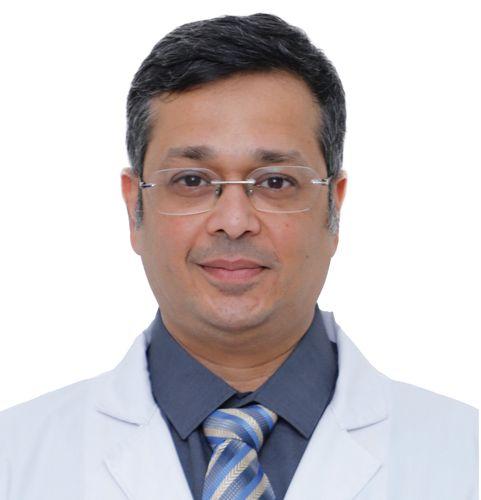
Director - Orthopaedics and Joint Replacement
Orthopaedics and Joint Replacement
New Delhi
29+ Years
Experience
Apolo Delhi
Hospital
1500
Fees
Senior Consultant
Orthopaedics
New Delhi
19+ Years
Experience
Apolo Delhi
Hospital
1500
Fees
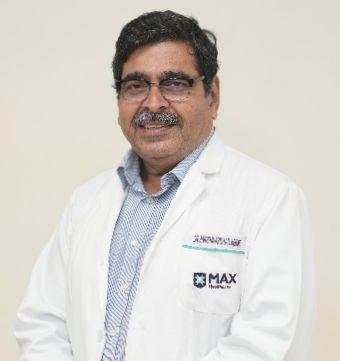
Chairman - Orthopaedics
Orthopaedics and Joint Replacement
New Delhi
40+ Years
Experience
Apolo Delhi
Hospital
1500
Fees
Chairman
Orthopaedics
New Delhi
30+ Years
Experience
Apolo Delhi
Hospital
1500
Fees
Director
Orthopaedics
New Delhi
20+ Years
Experience
Apolo Delhi
Hospital
1500
Fees
Director
Orthopaedics
New Delhi
15+ Years
Experience
Apolo Delhi
Hospital
1500
Fees
Director & Head - Orthopaedics
Orthopaedics
New Delhi
25+ Years
Experience
Apolo Delhi
Hospital
1500
Fees
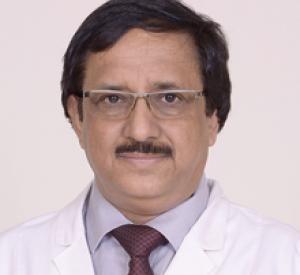
Chairman
Orthopaedics
New Delhi
25+ Years
Experience
Apolo Delhi
Hospital
1500
Fees
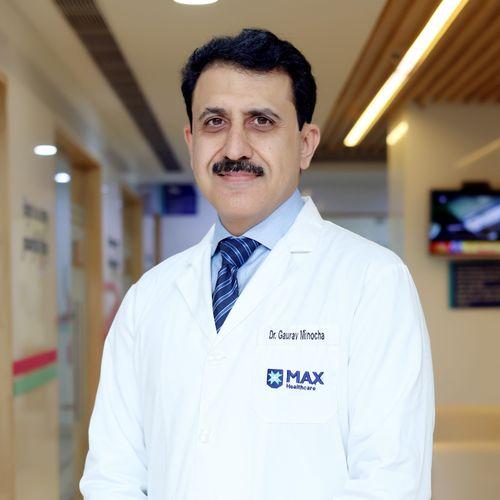
Director
Orthopaedics & Joint Replacement
New Delhi
17+ Years
Experience
Apolo Delhi
Hospital
1500
Fees
Director
Orthopaedics
New Delhi
20+ Years
Experience
Apolo Delhi
Hospital
1500
Fees
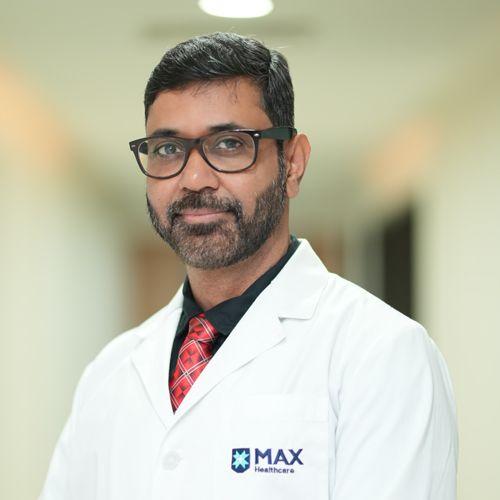
Director
Orthopaedics
New Delhi
18+ Years
Experience
Apolo Delhi
Hospital
1500
Fees
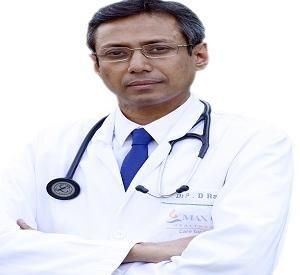
Director & Head
Orthopaedics
New Delhi
15+ Years
Experience
Apolo Delhi
Hospital
1500
Fees
Director
Orthopaedics
New Delhi
15+ Years
Experience
Apolo Delhi
Hospital
1500
Fees
احصل على خيارات علاجية شخصية من أفضل مستشفيات الهند. خبراؤنا الطبيون جاهزون لمساعدتك في كل خطوة.