
Spinal Cord Stimulation Treatment in Gurugram for Bangladesh
Need Personalized Advice?
Our medical experts are ready to answer your questions and guide you through your treatment options.
Our medical experts are ready to answer your questions and guide you through your treatment options.
For many individuals in Bangladesh experiencing persistent, debilitating pain, the prospect of finding lasting relief can be a significant challenge. When conventional treatments fall short, exploring advanced interventions like Spinal Cord Stimulation naturally raises questions about access, expertise, and quality of care.
This leads a growing number of patients to consider seeking treatment in established medical centers such as those found in Gurugram, India. The city is recognized for its specialized pain management facilities and the availability of integrated care pathways designed to streamline the treatment process for international visitors.
Gurugram's hospitals are equipped with advanced technology and staffed by experienced neurosurgeons and pain specialists. These medical institutions offer comprehensive treatment plans and ensure a supportive environment for patients, with a focus on ease of follow-up and coordinated care within the city.
Gurugram presents a robust medical destination for Spinal Cord Stimulation treatment.
Spinal Cord Stimulation (SCS) is an advanced pain management technique used to alleviate chronic neuropathic pain that has not responded to other treatments. It involves implanting a small device, similar to a pacemaker, under the skin, usually in the abdomen or upper buttock. This device delivers mild electrical pulses to the spinal cord through thin wires called leads. These pulses interfere with the pain signals traveling to the brain, replacing pain with a tingling sensation, or in newer systems, no sensation at all. The goal is to significantly reduce pain, improve function, and enhance quality of life, allowing patients to decrease reliance on oral pain medications.
Different SCS systems are available, tailored to individual patient needs and pain profiles:
The Spinal Cord Stimulation procedure typically involves two stages: a temporary trial followed by permanent implantation if the trial is successful.
During the trial, thin insulated wires (leads) are carefully inserted into the epidural space near the spinal cord, usually under local anesthesia and mild sedation. The leads are connected to an external battery worn on a belt. Patients undergo a trial period, typically 3-7 days, to evaluate pain reduction and comfort. If pain relief is satisfactory (usually 50% or more), the permanent system is considered.
If the trial is successful, a second surgical procedure is performed. The permanent leads are precisely positioned in the epidural space. A small incision is made, usually in the abdomen or upper buttock, to implant the pulse generator (battery) just under the skin. The leads are then connected to this internal generator. The entire system is then programmed by a specialist to deliver optimal stimulation settings, which can often be adjusted by the patient using a remote control.
After the permanent implantation, recovery typically involves a few weeks of restricted activity to allow the leads and device to settle. Patients are usually advised to avoid bending, lifting, or twisting for a period. Pain at the incision site is common and managed with medication. Physical therapy may be recommended to regain strength and flexibility. Regular follow-up appointments with the pain specialist are crucial for monitoring the device's effectiveness, adjusting programming as needed, and managing any potential issues. Most patients gradually resume their daily activities and experience ongoing pain relief, which improves with consistent management.
The success rate for Spinal Cord Stimulation varies, with many patients achieving a 50% or greater reduction in pain. Long-term outcomes are influenced by factors such as the type of pain, patient selection, surgical technique, and consistent follow-up care. While SCS is highly effective for many, some may experience waning effectiveness over time, requiring programming adjustments or system revisions. The goal is always to provide substantial pain relief and improve the patient's functional capacity and overall quality of life.
Connect with leading pain management specialists in Gurugram to explore if Spinal Cord Stimulation is the right solution for you.
The cost of Spinal Cord Stimulation in Gurugram can vary based on several factors, including the specific type of SCS system implanted, the hospital chosen, the surgeon's fees, the duration of hospital stay, and any additional diagnostic tests or rehabilitation required. Newer, more advanced SCS technologies might also influence the overall expense.
In Gurugram, the estimated cost for Spinal Cord Stimulation typically ranges from approximately INR 10,00,000 to INR 25,00,000.
Gurugram offers a highly competitive pricing structure for Spinal Cord Stimulation while maintaining international standards of care. Below is a general comparison of costs.
| Location | Estimated Cost (USD) |
|---|---|
| Gurugram, India | $12,000 - $30,000 |
| United States | $50,000 - $150,000 |
| United Kingdom | $40,000 - $80,000 |
| Thailand | $25,000 - $45,000 |
Reach out today for personalized guidance on Spinal Cord Stimulation in Gurugram and take the first step towards managing your chronic pain effectively.
Choosing Spinal Cord Stimulation is a significant decision. With expert care in Gurugram, patients can look forward to a structured and supportive journey toward chronic pain management.
India offers premium medical procedures at affordable prices. Discover our most popular treatments, delivered by the country's finest doctors.
Meet our team of highly qualified and experienced medical professionals dedicated to providing the best healthcare services.
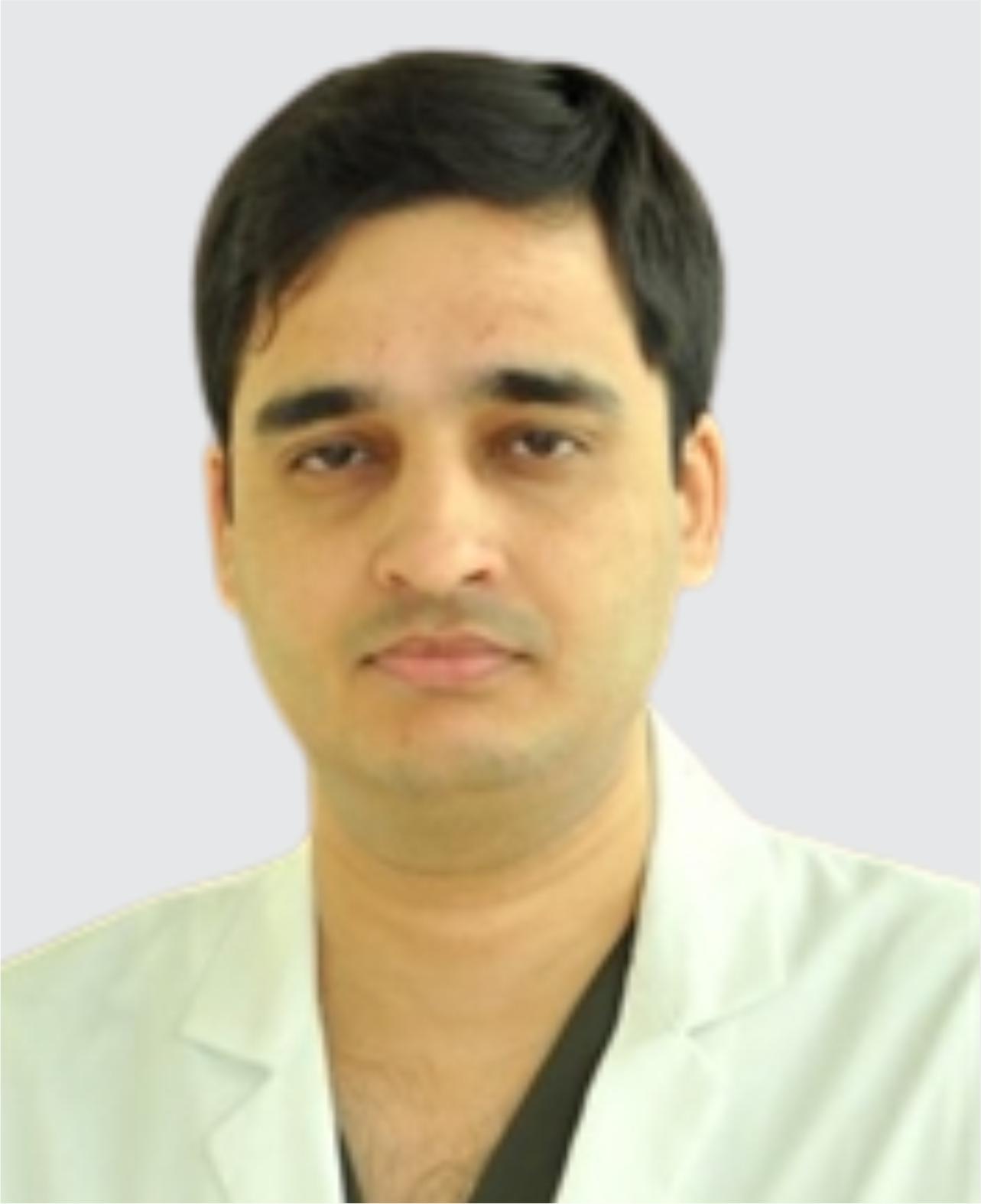
Sr. Consultant - Anaesthesia, Critical Care & Pain Management
Anaesthesia, Critical Care, Pain Management
New Delhi
15+ Years
Experience
Artemis Hospital
Hospital
1500
Fees
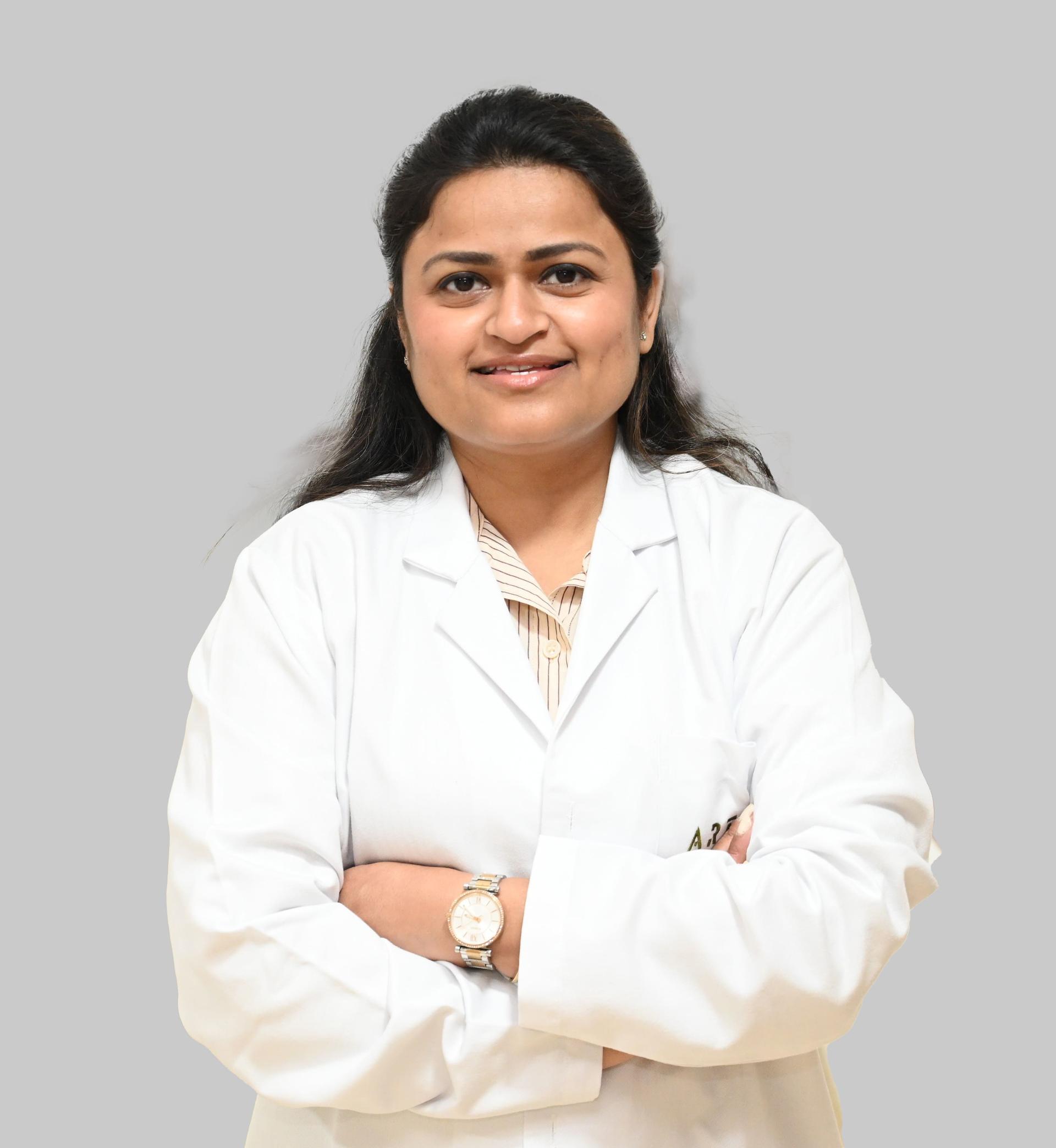
Consultant - Physiotherapy and Rehabilitation Centre
Physiotherapy and Rehabilitation Centre
New Delhi
10+ Years
Experience
Artemis Hospital
Hospital
1500
Fees
Principal Director - Pulmonology
Pulmonology
New Delhi
40+ Years
Experience
Max Hospital,Gurgaon
Hospital
1500
Fees
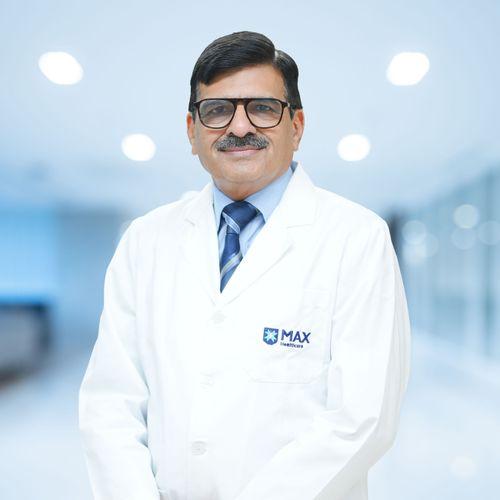
Director
Neurosciences
New Delhi
14+ Years
Experience
Apolo Delhi
Hospital
1500
Fees
Director
Neuroscience
New Delhi
17+ Years
Experience
Apolo Delhi
Hospital
1500
Fees
Get Personalized Medical Treatment Options From India's Top Hospitals. Our Medical Experts Are Ready To Assist You Every Step Of The Way.