
Minimally Invasive Spine Surgery Treatment in Bengaluru for Bangladesh
Need Personalized Advice?
Our medical experts are ready to answer your questions and guide you through your treatment options.
Our medical experts are ready to answer your questions and guide you through your treatment options.
Patients from Bangladesh facing persistent back pain or spinal issues often worry about complex surgical interventions and extended recovery times. The concern for finding specialized treatment that offers both advanced techniques and effective outcomes without prohibitive costs is a common thought.
Many individuals consider looking beyond their borders for healthcare solutions. Bengaluru stands out as a preferred choice due to its established medical infrastructure, access to highly skilled spine specialists, and integrated care coordination tailored for international patients.
The city’s renowned hospitals and dedicated spine centers foster an environment of trust, focusing on patient safety and personalized care. This ensures smooth follow-ups and comprehensive medical attention throughout the treatment journey within Bengaluru.
Bengaluru offers a well-established pathway for advanced spine care.
Considering Minimally Invasive Spine Surgery in Bengaluru? Connect with us for a personalized consultation.
Minimally Invasive Spine Surgery (MIS) is a set of advanced techniques designed to treat various spinal conditions through smaller incisions compared to traditional open surgery. This approach uses specialized instruments, tiny cameras, and image guidance systems, allowing surgeons to work precisely without causing extensive damage to surrounding muscles and tissues. MIS aims to reduce pain, minimize blood loss, shorten hospital stays, and accelerate recovery, addressing issues like herniated discs, spinal stenosis, and instability.
The specific steps for Minimally Invasive Spine Surgery vary greatly depending on the patient's condition and the precise surgical plan developed by the surgeon.
Generally, the procedure involves several key stages:
Recovery from Minimally Invasive Spine Surgery is generally faster than traditional open procedures. Patients typically experience a shorter hospital stay, often discharged within one to three days. Early mobilization is encouraged, usually within hours of surgery, with assistance. Pain management protocols are put in place to ensure comfort. Physical therapy is a crucial component of recovery, starting with gentle exercises and gradually progressing to strengthen core muscles and improve flexibility. Patients are usually advised to avoid heavy lifting, twisting, and prolonged sitting for several weeks. Follow-up appointments with the surgeon are scheduled to monitor healing and assess progress, with a gradual return to normal activities over several weeks to months.
The success rates for Minimally Invasive Spine Surgery are generally very high, often ranging from 85% to 95% for many common procedures like microdiscectomy and laminectomy. These outcomes include significant reduction in pain and improvement in functional mobility. The exact results can vary based on the specific condition being treated, the patient's overall health, the surgeon's experience, and adherence to post-operative rehabilitation. Many patients experience long-term relief and a substantial improvement in their quality of life.
The cost of Minimally Invasive Spine Surgery in Bengaluru can vary based on several factors. These include the specific type of procedure performed, the complexity of the condition, the chosen hospital's facilities and reputation, the surgeon's fees, the duration of hospital stay, and the cost of implants or specialized equipment required. Additionally, pre-operative investigations and post-operative rehabilitation expenses contribute to the overall cost.
| Location | Estimated Cost (USD) |
|---|---|
| Bengaluru, India | $4,200 - $9,600 |
| United States | $30,000 - $60,000 |
| United Kingdom | $19,000 - $38,000 |
| Singapore | $18,500 - $37,000 |
| Thailand | $11,000 - $22,000 |
Need precise cost estimates for your MIS Spine Surgery in Bengaluru? Contact us for a detailed quote.
We are here to provide clear guidance and support as you consider Minimally Invasive Spine Surgery in Bengaluru.
India offers premium medical procedures at affordable prices. Discover our most popular treatments, delivered by the country's finest doctors.
Meet our team of highly qualified and experienced medical professionals dedicated to providing the best healthcare services.
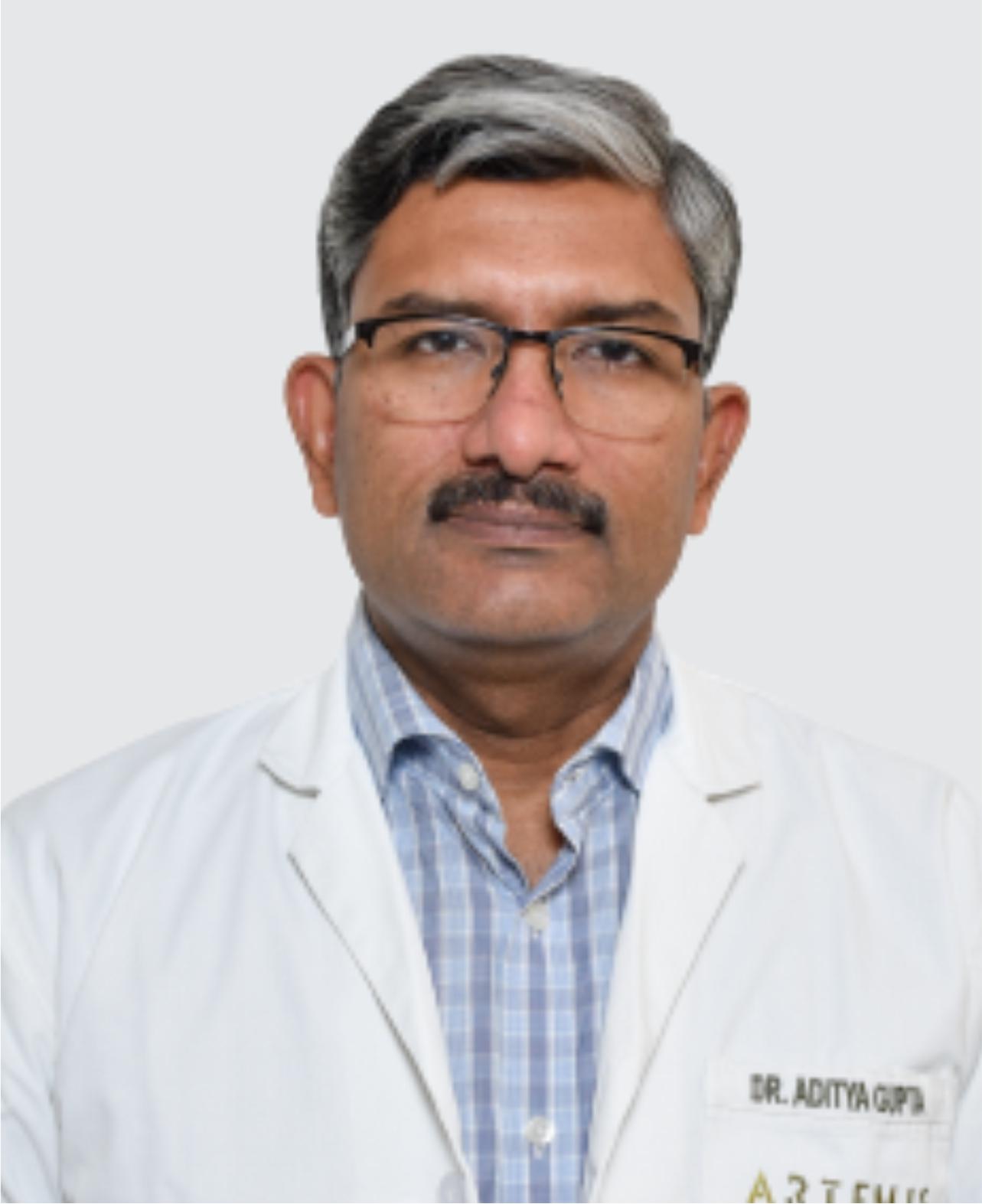
Chairperson - Neurosurgery & CNS Radiosurgery & Co-Chief - Cyberknife Centre, Artemis Hospitals, Gurgaon
Neurosurgeon
Haryana
32+ Years
Experience
Artemis Hospital
Hospital
1500
Fees
Sr. Consultant - Anaesthesia, Critical Care & Pain Management
Anaesthesia, Critical Care, Pain Management
New Delhi
15+ Years
Experience
Artemis Hospital
Hospital
1500
Fees

Deputy Chief - Medical Services & Chairperson -Department of Blood Centre and Transfusion medicine
Blood Centre & Transfusion Medicine
New Delhi
33+ Years
Experience
Artemis Hospital
Hospital
1500
Fees
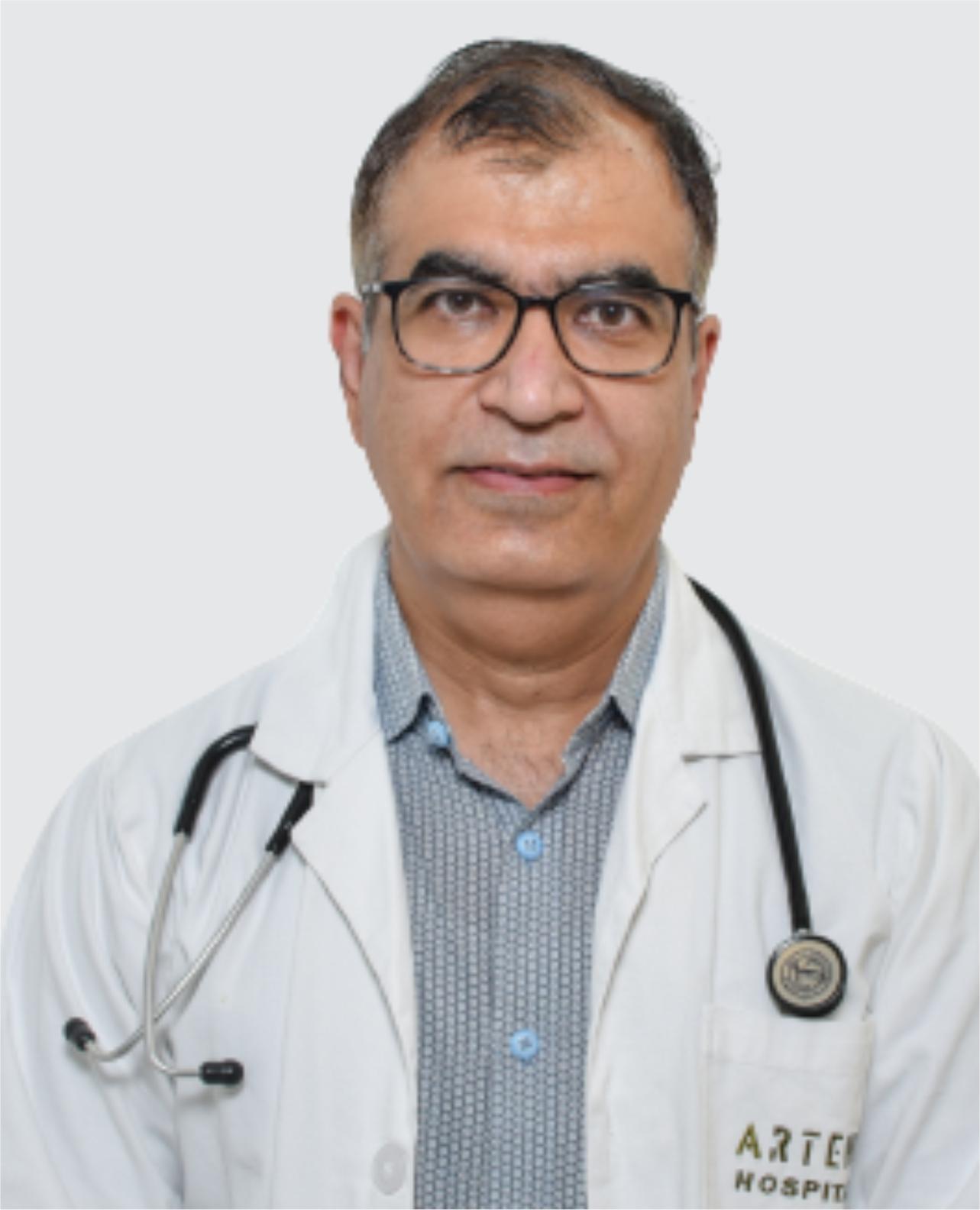
Chief
Paediatric
New Delhi
15+ Years
Experience
Artemis Hospital
Hospital
1500
Fees
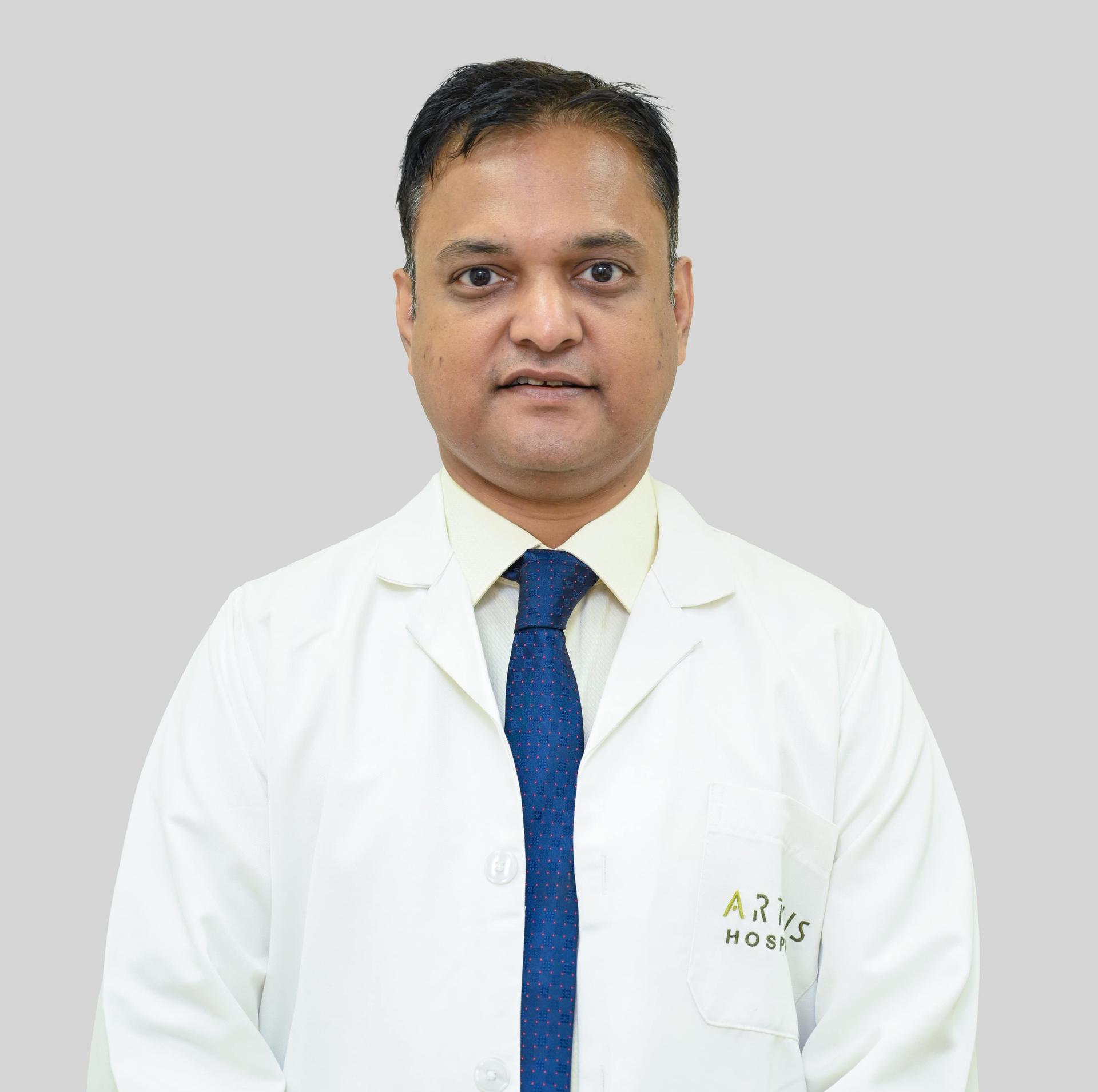
Head - General, MI & Bariatric Surgery (Unit IV)
General & Minimally Invasive Surgery
New Delhi
25+ Years
Experience
Artemis Hospital
Hospital
1500
Fees

Principal Lead - Physiotherapy
Physiotherapy and Rehabilitation
New Delhi
13+ Years
Experience
Artemis Hospital
Hospital
1500
Fees
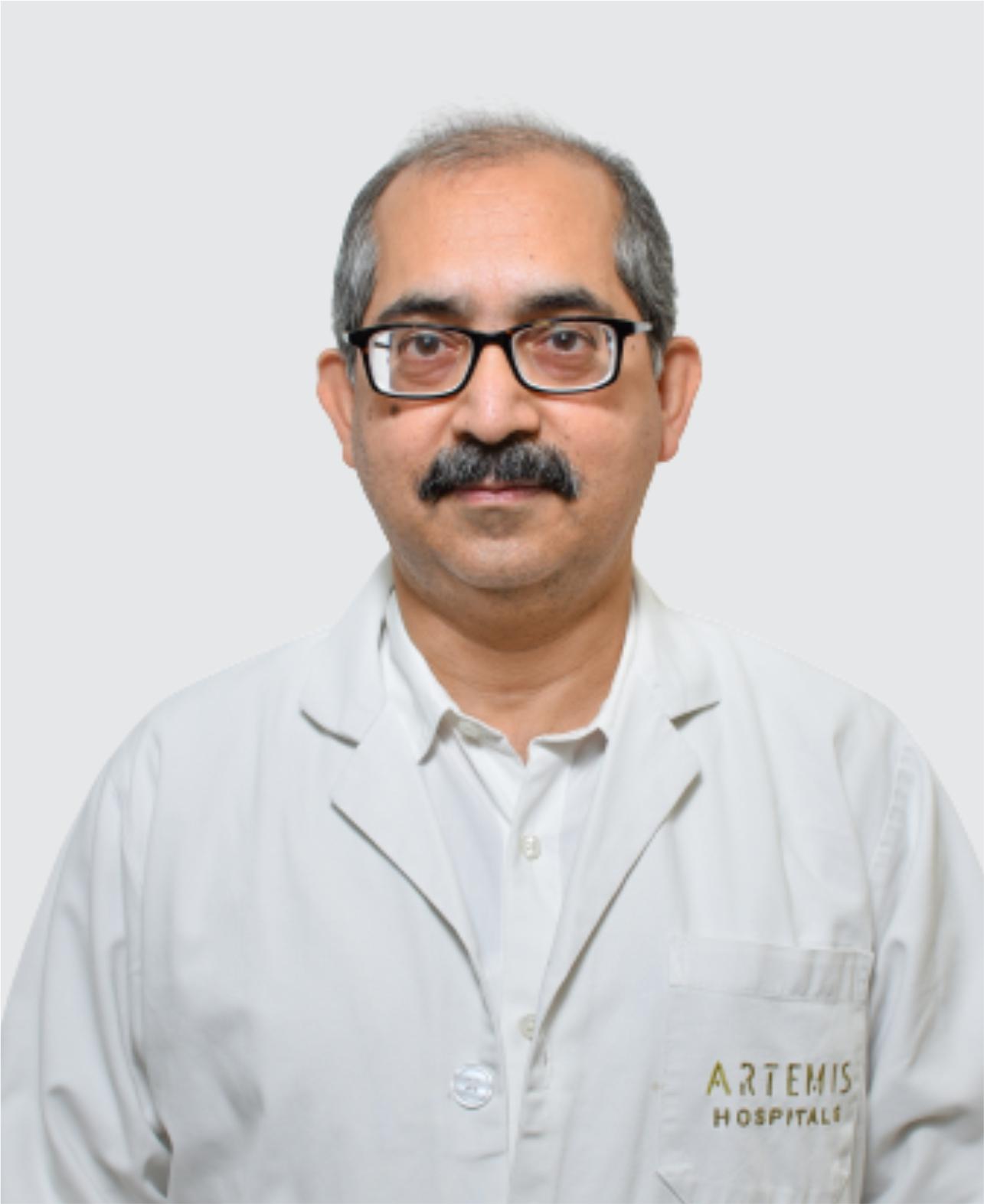
Chairperson
Radiology
New Delhi
28+ Years
Experience
Artemis Hospital
Hospital
1500
Fees
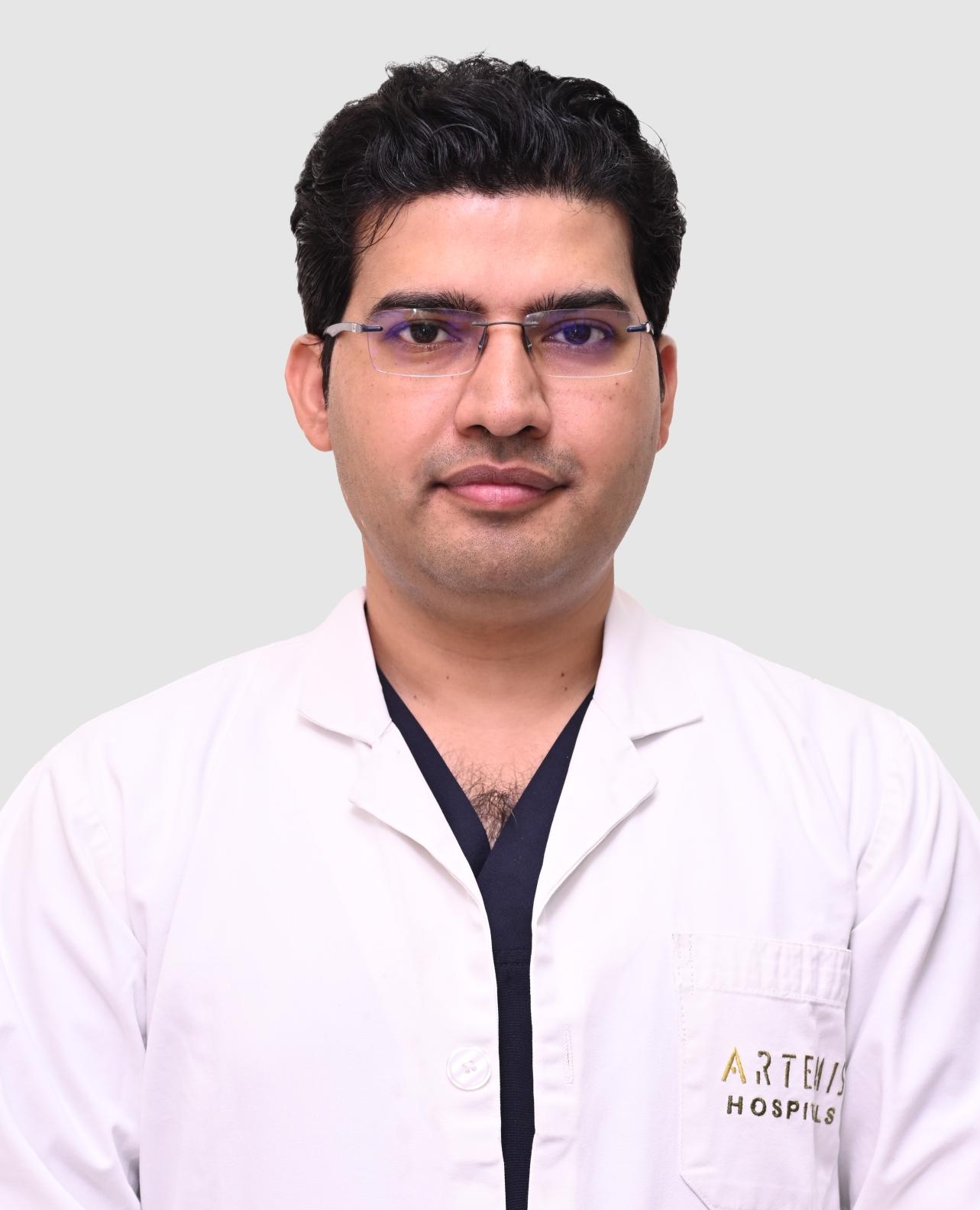
Consultant - Orthopaedics & Spine Surgery
Orthopaedic & Spine Surgery
New Delhi
10+ Years
Experience
Artemis Hospital
Hospital
1500
Fees
Consultant - Orthopaedics & Spine Surgery
Orthopaedic and Spine Surgery
New Delhi
10+ Years
Experience
Artemis Hospital
Hospital
1500
Fees
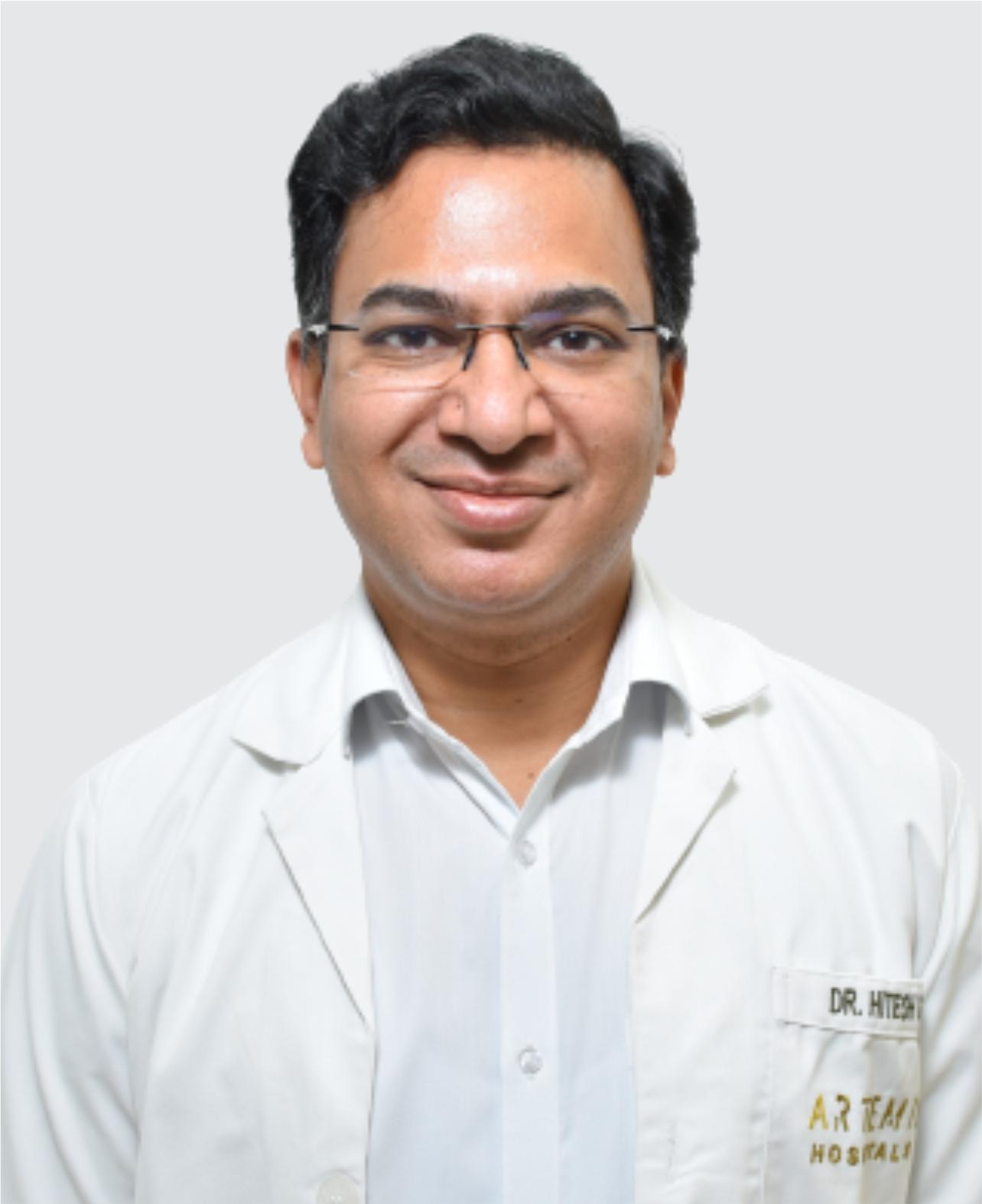
Head - Ortho Spine Surgery
Spine Surgery, Orthopaedic Surgery
New Delhi
15+ Years
Experience
Artemis Hospital
Hospital
1500
Fees
Get Personalized Medical Treatment Options From India's Top Hospitals. Our Medical Experts Are Ready To Assist You Every Step Of The Way.