
Minimally Invasive Spine Surgery Treatment in Gurugram for Ethiopia
Need Personalized Advice?
Our medical experts are ready to answer your questions and guide you through your treatment options.
Our medical experts are ready to answer your questions and guide you through your treatment options.
Patients in Ethiopia seeking advanced solutions for persistent back or neck pain often face difficult choices. The prospect of traveling abroad for complex procedures like Minimally Invasive Spine Surgery can bring concerns about finding expert care, understanding the process, and managing costs effectively.
Many individuals considering spinal intervention look towards international healthcare hubs. Gurugram stands out as a preferred destination, recognized for its modern medical infrastructure and a focus on high-quality patient coordination for those traveling from other countries.
The healthcare ecosystem within Gurugram is built on established medical facilities and a team of highly skilled spine specialists. Patients can find reassurance in the city's commitment to delivering comprehensive care, from initial consultation to post-operative follow-ups, all designed for a seamless experience.
Could Gurugram offer the specialized spine care you need?
Minimally Invasive Spine Surgery, or MISS, refers to surgical techniques that use smaller incisions and specialized instruments to treat spinal conditions. Unlike traditional open surgery, MISS involves navigating between muscles rather than cutting through them, which often leads to less tissue damage, reduced blood loss, and a quicker recovery period. These advanced procedures address various issues such as herniated discs, spinal stenosis, and instability, aiming to alleviate pain and restore function with less post-operative discomfort.
Minimally Invasive Spine Surgery encompasses several techniques tailored to specific spinal problems:
The specific approach for Minimally Invasive Spine Surgery varies based on your condition and the surgical plan outlined by your surgeon.
Generally, MISS involves these key steps:
Recovery from Minimally Invasive Spine Surgery is generally faster and less painful compared to traditional open spine surgery. Most patients can expect a hospital stay of 1-3 days. You will be encouraged to walk soon after surgery, often within hours. Pain management will be provided, and a customized physical therapy program typically begins shortly after discharge. Restrictions on lifting, bending, and twisting will be advised for a period, usually several weeks, to allow for proper healing. Regular follow-up appointments with your surgeon are crucial to monitor your progress and adjust your recovery plan. Full recovery and return to normal activities can take anywhere from a few weeks to a few months, depending on the complexity of the surgery and individual patient factors.
Minimally Invasive Spine Surgery generally boasts high success rates for appropriate candidates, with many patients experiencing significant pain relief and improved quality of life. Success depends on various factors, including the specific condition being treated, the surgeon's experience, adherence to post-operative instructions, and the patient's overall health and commitment to rehabilitation. While individual outcomes vary, most patients can expect a considerable reduction in pain and a return to many daily activities. Long-term expectations typically involve managing any underlying spinal conditions with continued exercises and healthy lifestyle choices.
The cost of Minimally Invasive Spine Surgery in Gurugram can vary significantly based on several factors. These include the specific type of minimally invasive procedure performed, the reputation and accreditation of the hospital, the experience and fees of the lead surgeon, the duration of hospital stay, and the need for any specialized implants or post-operative rehabilitation.
In Gurugram, the estimated cost for Minimally Invasive Spine Surgery typically ranges from INR 4,50,000 to INR 9,00,000.
Gurugram offers a highly competitive pricing structure for advanced spine surgeries without compromising on quality or technology. Below is a comparison of typical costs for similar procedures in different parts of the world.
| Location | Estimated Cost (USD) |
|---|---|
| Gurugram, India | $5,500 - $11,000 |
| United States | $30,000 - $60,000 |
| United Kingdom | $20,000 - $45,000 |
| Thailand | $8,000 - $18,000 |
| Turkey | $7,000 - $15,000 |
Taking the next step towards better spinal health in Gurugram is a journey we are here to support every step of the way.
India offers premium medical procedures at affordable prices. Discover our most popular treatments, delivered by the country's finest doctors.
Meet our team of highly qualified and experienced medical professionals dedicated to providing the best healthcare services.
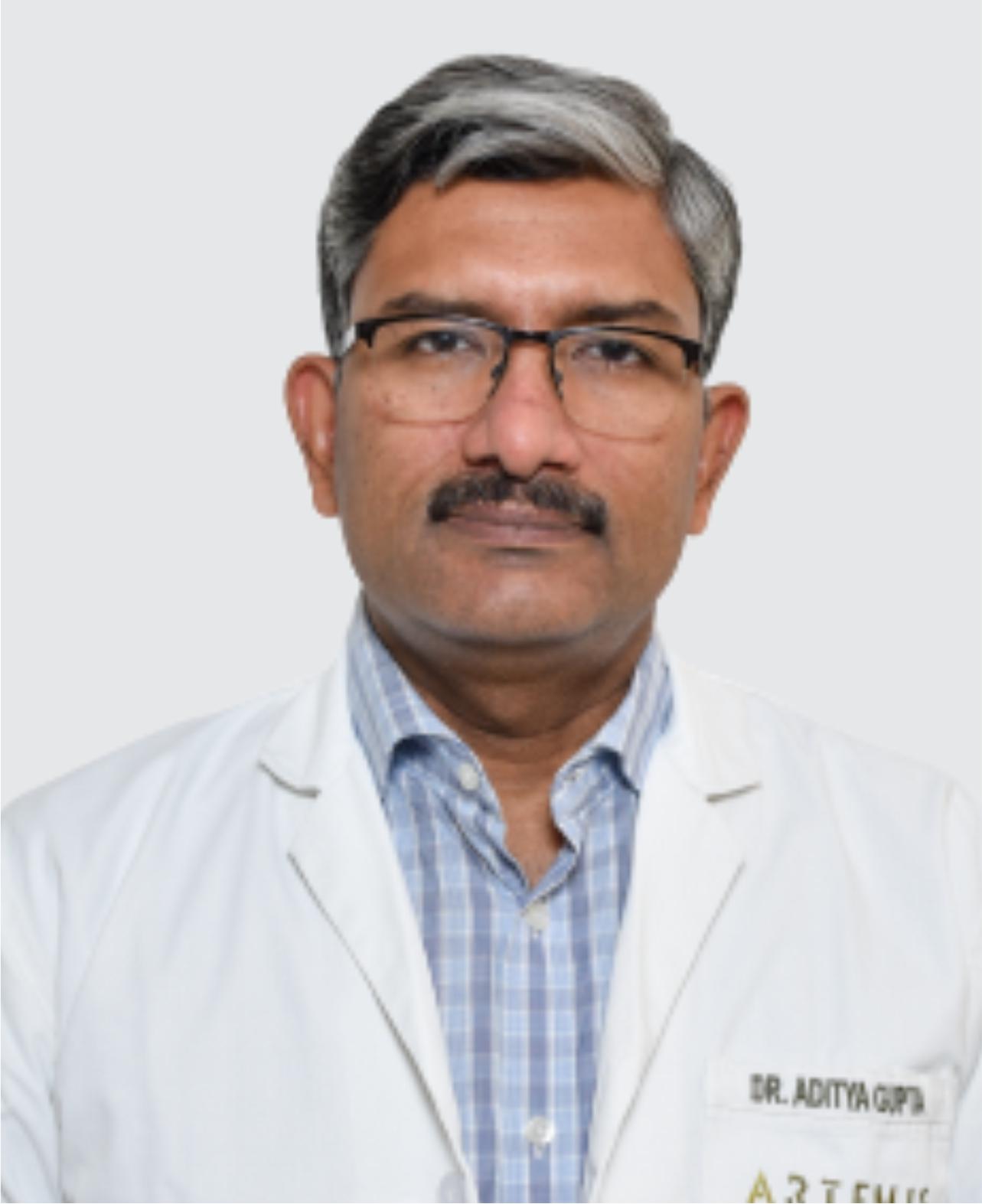
Chairperson - Neurosurgery & CNS Radiosurgery & Co-Chief - Cyberknife Centre, Artemis Hospitals, Gurgaon
Neurosurgeon
Haryana
32+ Years
Experience
Artemis Hospital
Hospital
1500
Fees
Sr. Consultant - Anaesthesia, Critical Care & Pain Management
Anaesthesia, Critical Care, Pain Management
New Delhi
15+ Years
Experience
Artemis Hospital
Hospital
1500
Fees
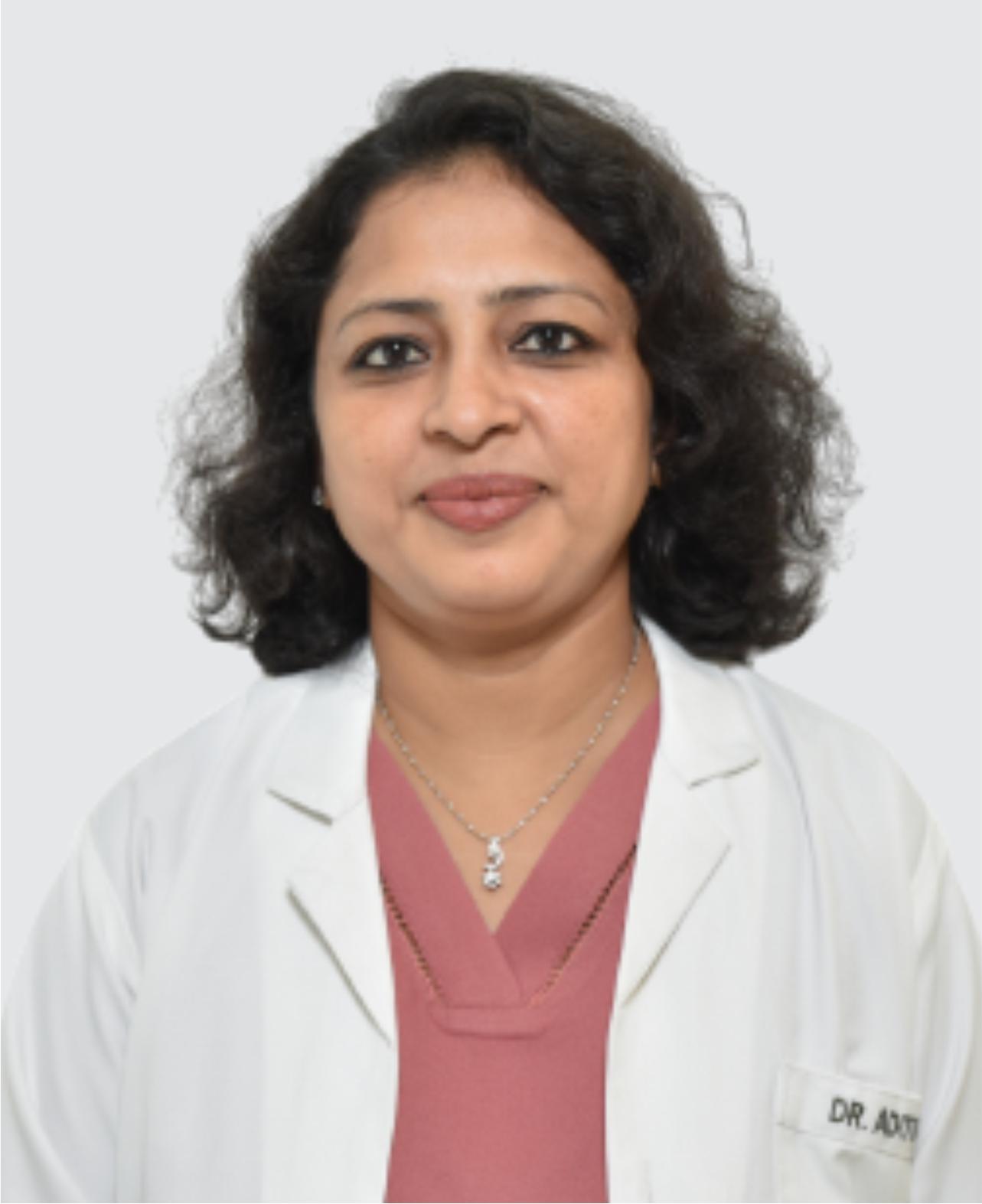
Sr. Consultant – Women Imaging
Radiology
New Delhi
15+ Years
Experience
Artemis Hospital
Hospital
1500
Fees

Deputy Chief - Medical Services & Chairperson -Department of Blood Centre and Transfusion medicine
Blood Centre & Transfusion Medicine
New Delhi
33+ Years
Experience
Artemis Hospital
Hospital
1500
Fees
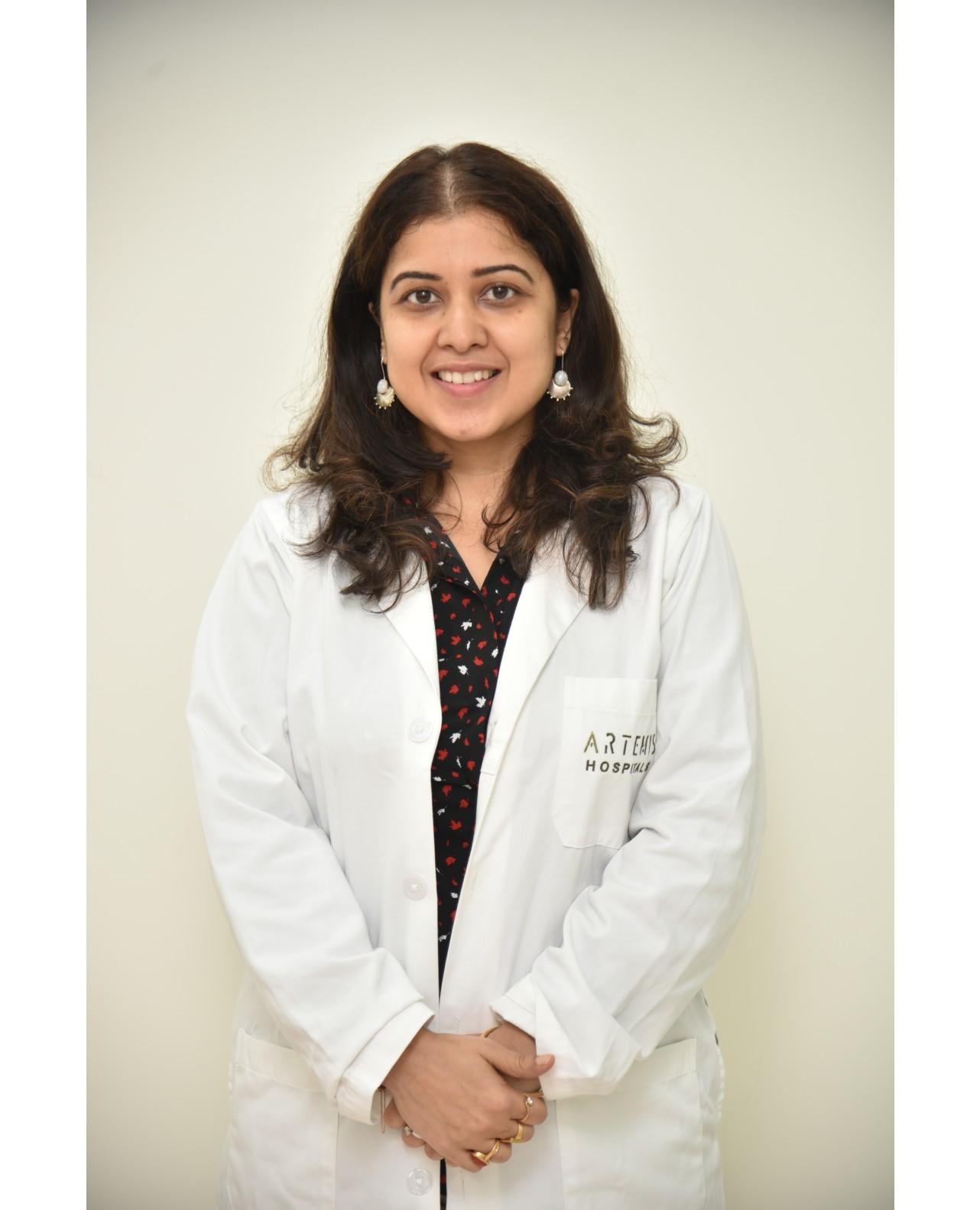
Co-Head Psychological Services
Mental Health and Behavioural Sciences
New Delhi
15+ Years
Experience
Artemis Hospital
Hospital
1500
Fees
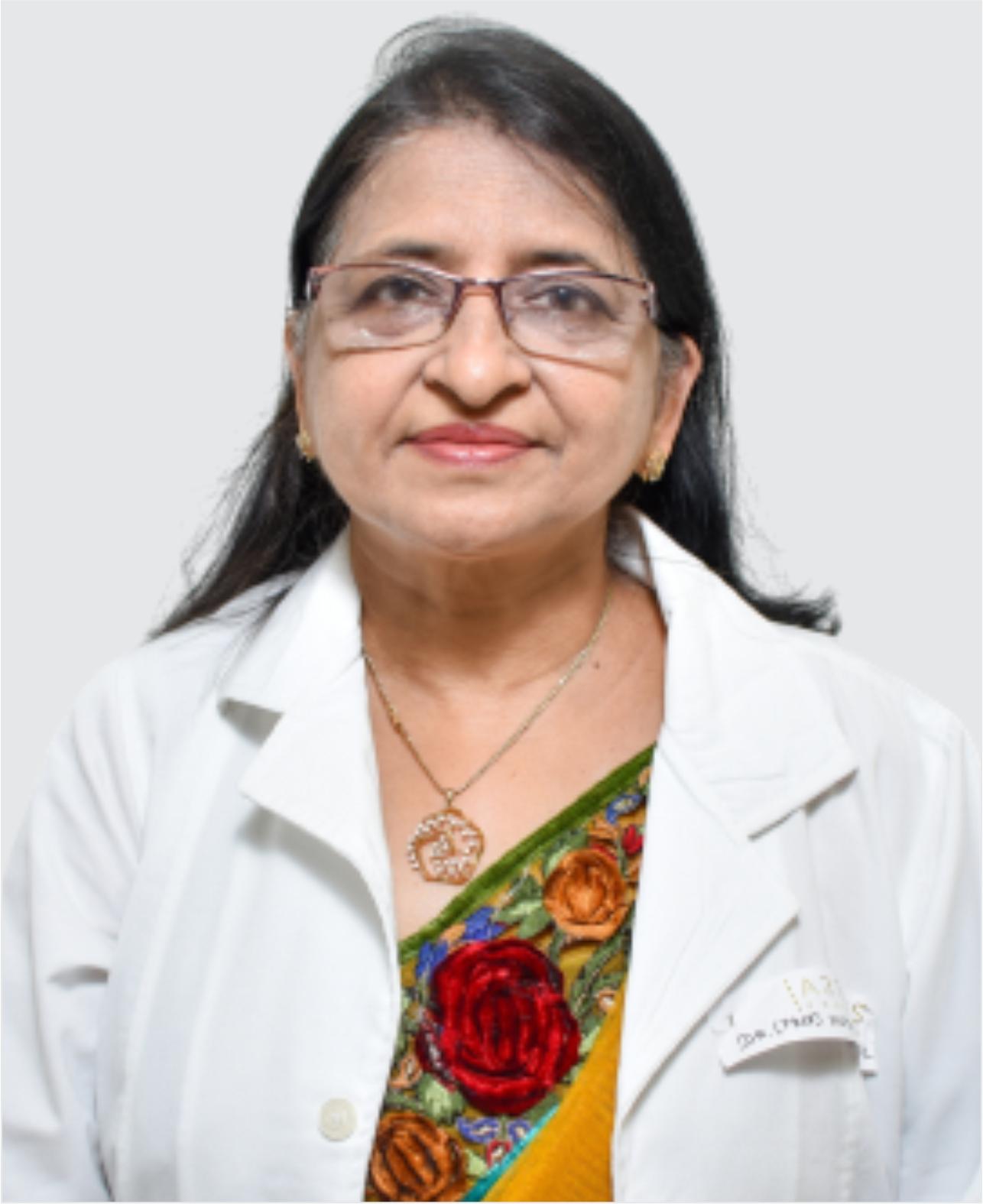
Head of Department - Gynae Endocrinology & DNB Program Director - Obs & Gynae
Gynaecological Endocrinology, Maternity, Obstetrics & Gynaecology
New Delhi
35+ Years
Experience
Artemis Hospital
Hospital
1500
Fees

Senior Consultant - ENT
ENT and Head & Neck Surgery
New Delhi
24+ Years
Experience
Artemis Hospital
Hospital
1500
Fees
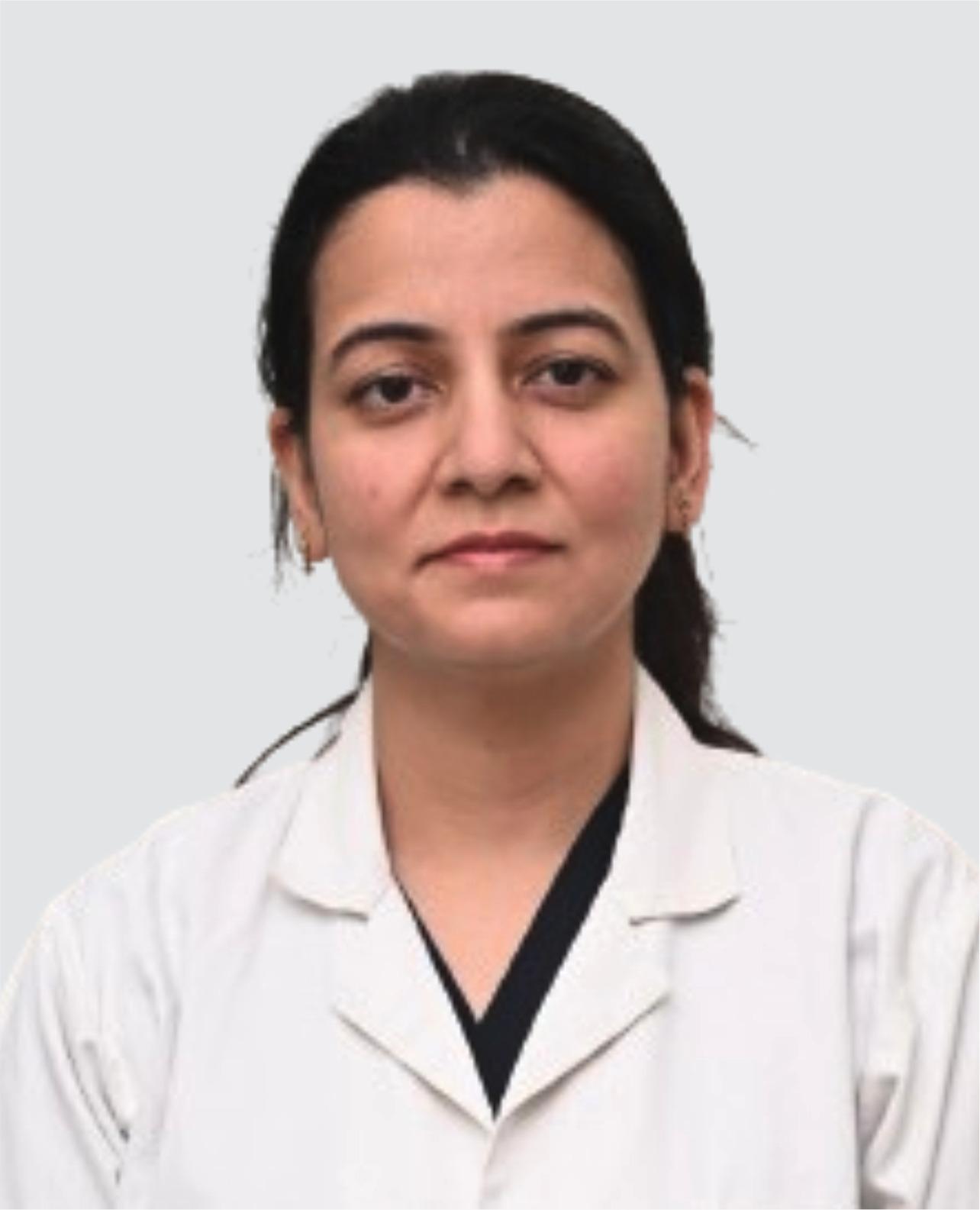
Consultant (Head & Neck Surgery) - Surgical Oncology
Head and Neck Surgical Oncology
New Delhi
10+ Years
Experience
Artemis Hospital
Hospital
1500
Fees
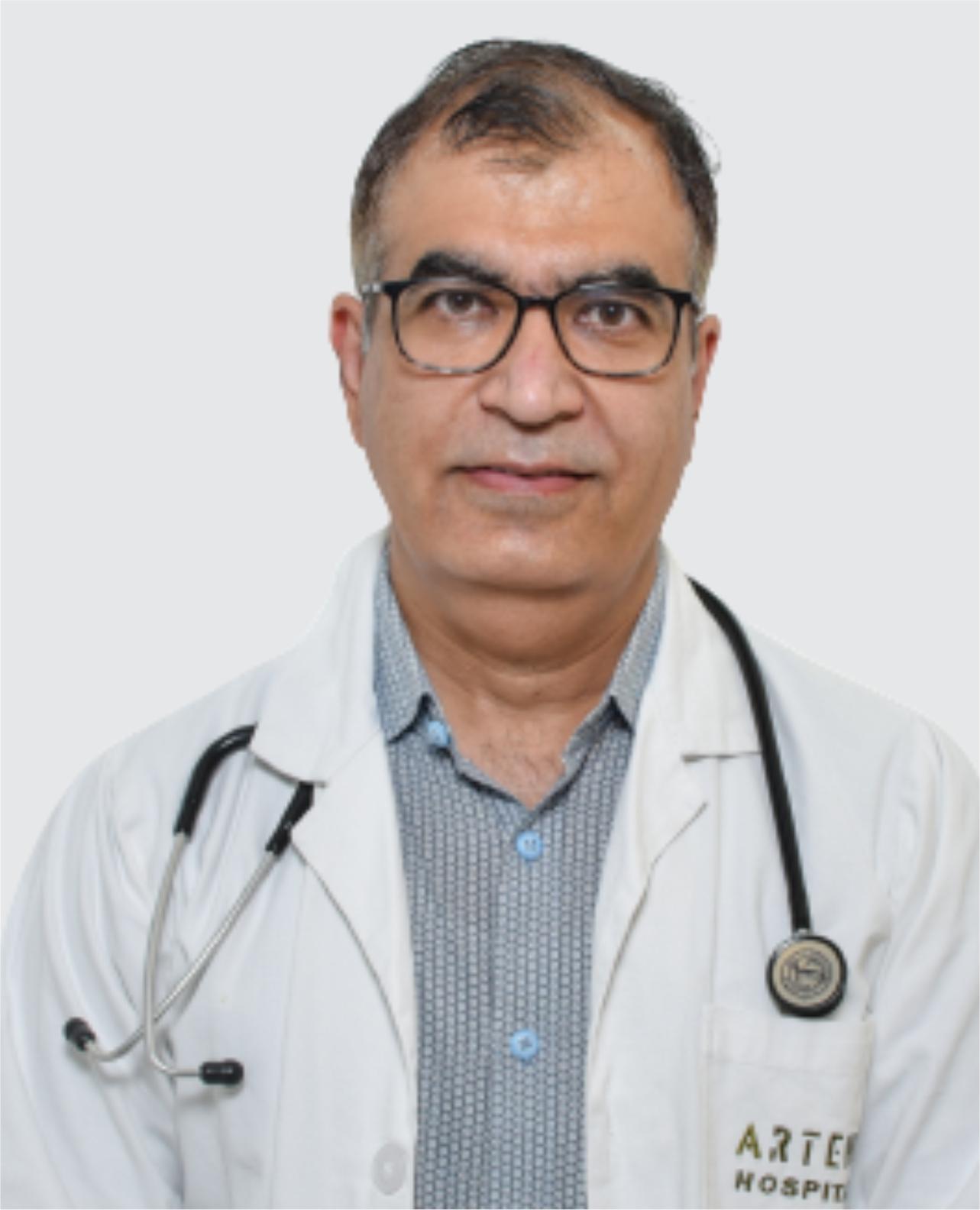
Chief
Paediatric
New Delhi
15+ Years
Experience
Artemis Hospital
Hospital
1500
Fees
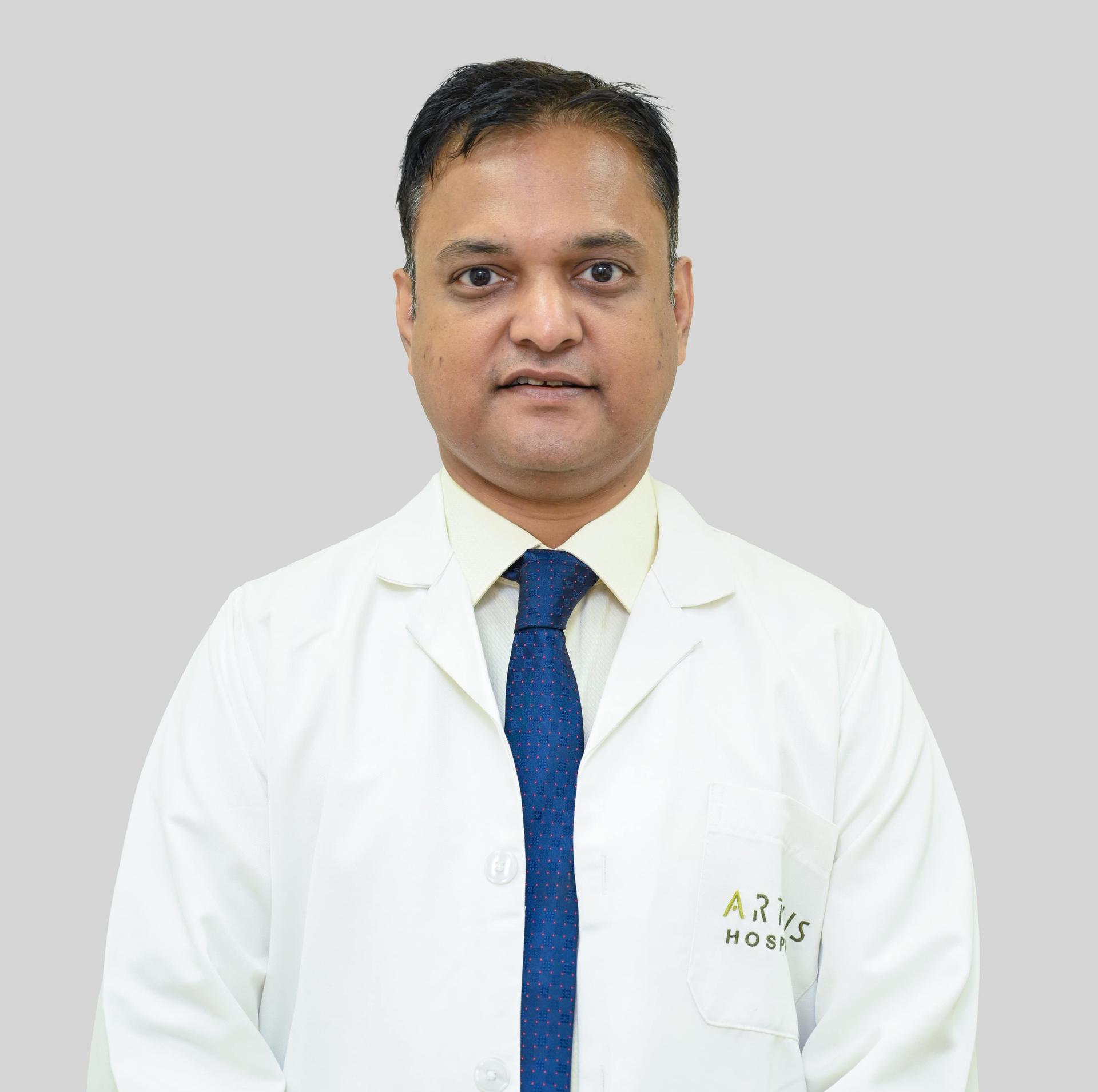
Head - General, MI & Bariatric Surgery (Unit IV)
General & Minimally Invasive Surgery
New Delhi
25+ Years
Experience
Artemis Hospital
Hospital
1500
Fees
Get Personalized Medical Treatment Options From India's Top Hospitals. Our Medical Experts Are Ready To Assist You Every Step Of The Way.