
TAVR (Transcatheter Aortic Valve Replacement) Treatment in Chennai for Ethiopia
Need Personalized Advice?
Our medical experts are ready to answer your questions and guide you through your treatment options.
Our medical experts are ready to answer your questions and guide you through your treatment options.
For Ethiopian patients facing complex heart valve conditions, the journey to finding advanced medical care can feel overwhelming. Concerns about accessing specialized procedures like TAVR, coupled with questions about quality and affordability, often lead individuals to seek options beyond their home country.
Chennai has emerged as a preferred destination for high-end cardiac interventions. Patients often choose this city for its well-established medical infrastructure, its concentration of experienced heart specialists, and its reputation for delivering advanced cardiac care with efficient coordination.
The hospitals in Chennai boast state-of-the-art facilities and dedicated TAVR teams, offering comprehensive treatment pathways from initial consultation to post-procedure follow-up. Patients benefit from expert medical guidance and integrated care environments tailored for international visitors.
Could Chennai be the optimal choice for your TAVR treatment?
Transcatheter Aortic Valve Replacement (TAVR), sometimes called TAVI (Transcatheter Aortic Valve Implantation), is a less invasive procedure to replace a narrowed aortic valve that fails to open properly (aortic stenosis). Instead of open-heart surgery, TAVR involves inserting a new valve through a catheter, typically guided from a small incision in the leg, and expanding it within the existing diseased valve. This restores normal blood flow out of the heart and throughout the body.
While TAVR itself is a specific procedure, the approach to delivering the new valve can vary:
The TAVR procedure is carefully planned for each patient, determining the best approach for valve delivery and ensuring optimal outcomes.
Patients receive either general anesthesia or conscious sedation. The access site, typically the groin, is cleaned and prepared. The medical team continuously monitors heart rate, blood pressure, and oxygen levels.
A small incision is made, and a catheter is gently guided through a blood vessel, usually the femoral artery, up to the heart. Special imaging (fluoroscopy) helps the cardiologist navigate the catheter precisely to the diseased aortic valve.
The compressed replacement valve, mounted on a balloon or self-expanding frame, is advanced through the catheter. Once correctly positioned within the old valve, it is deployed. The new valve then takes over the function of the diseased valve, ensuring proper blood flow.
After the new valve is securely in place and functioning well, the catheter is carefully withdrawn, and the incision site is closed. Patients are then moved to a recovery area for close observation.
Following TAVR, patients typically spend a few days in the hospital for monitoring. Recovery time is generally shorter than open-heart surgery. Patients are encouraged to begin light walking soon after the procedure. Restrictions on heavy lifting and strenuous activities are common for a few weeks. Medication adherence is crucial, and regular follow-up appointments with the cardiologist are scheduled to monitor valve function and overall heart health. Cardiac rehabilitation might be recommended to aid a smooth return to daily activities and improve long-term well-being.
TAVR has demonstrated high success rates in improving symptoms and survival for eligible patients. The vast majority experience significant relief from aortic stenosis symptoms, leading to an improved quality of life. Outcomes can vary based on individual patient health, the severity of the condition, and the expertise of the medical team. Long-term studies show good durability of the TAVR valves, though ongoing monitoring is essential for sustained health.
The cost of TAVR in Chennai is influenced by several factors, including the chosen hospital's reputation, the specific type of artificial valve used, the complexity of the patient's condition, the length of hospital stay, and the specialist's fees. Chennai's medical facilities offer a range of options, allowing patients to find care that fits both their medical needs and budget.
While precise figures vary, a TAVR procedure in Chennai can typically range from INR 1,800,000 to INR 3,000,000. This estimate generally includes the procedure itself, hospital stay, and initial consultations.
Chennai offers a compelling option for TAVR, combining advanced medical care with competitive pricing, especially when compared to Western countries. Below is an approximate comparison:
| Destination | Estimated TAVR Cost (USD) |
|---|---|
| Chennai, India | $22,000 - $36,000 |
| USA | $50,000 - $80,000+ |
| United Kingdom | $45,000 - $70,000 |
| Singapore | $40,000 - $60,000 |
| Thailand | $30,000 - $45,000 |
| Turkey | $25,000 - $40,000 |
Reach out to our patient support team for a personalized cost estimate and hospital recommendations tailored to your needs.
Connect with us today for expert guidance!
Connect with leading TAVR specialists in Chennai. Our team can help you navigate treatment choices and provide all necessary information.
Begin your consultation today!
Chennai's expert medical teams are prepared to guide you through your TAVR treatment with compassionate care and advanced medical solutions.
India offers premium medical procedures at affordable prices. Discover our most popular treatments, delivered by the country's finest doctors.

Sector 51, Gurugram, Haryana, India
Artemis Hospital
Meet our team of highly qualified and experienced medical professionals dedicated to providing the best healthcare services.
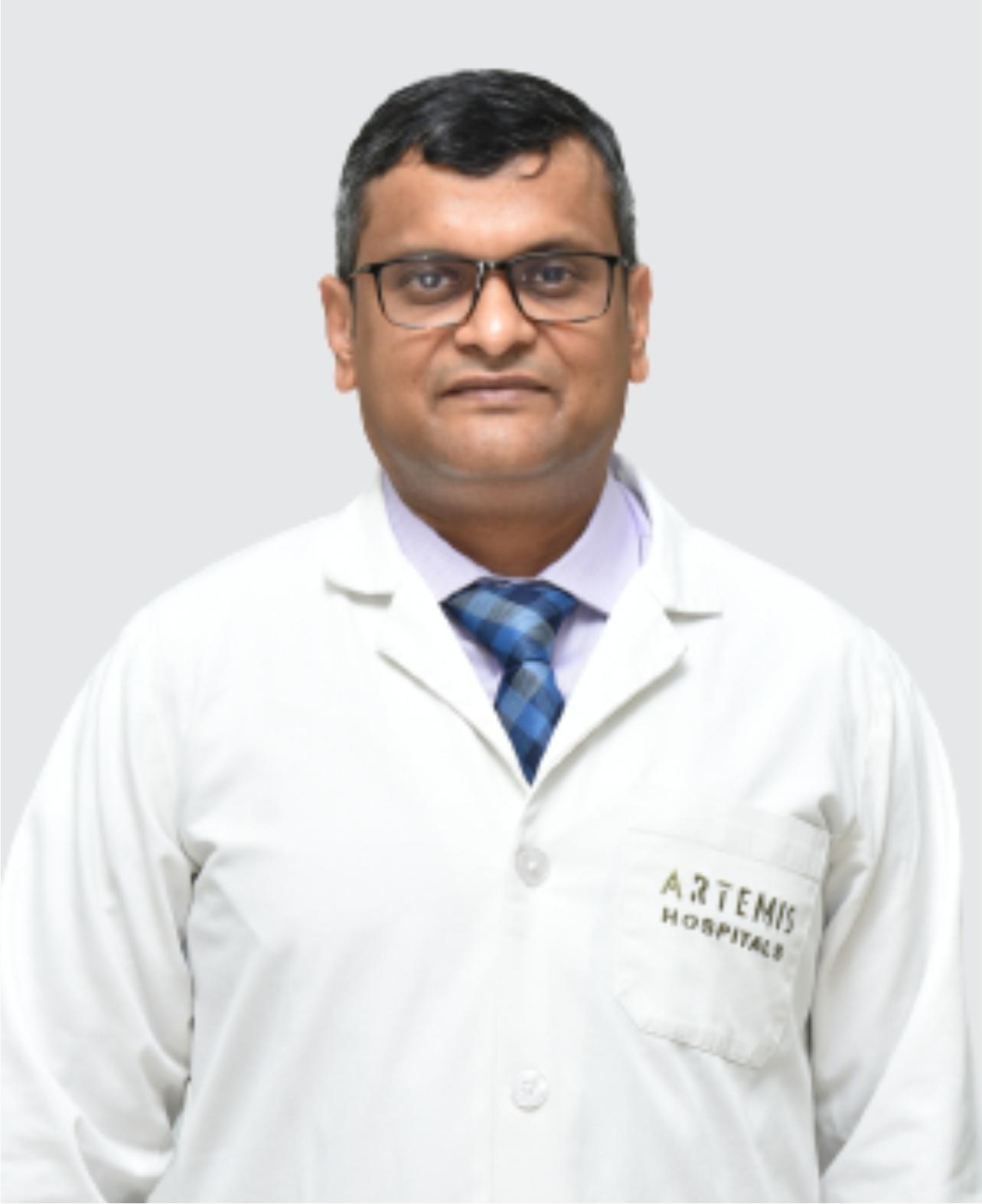
Chief Cath Lab & TAVI (Unit I), Director TAVI/TAVR and Structural Heart Disease and Senior Consultant Cardiology
Cardiology, Interventional Cardiology, TAVI / TAVR & Structural Heart Diseases
New Delhi
16+ Years
Experience
Artemis Hospital
Hospital
1500
Fees
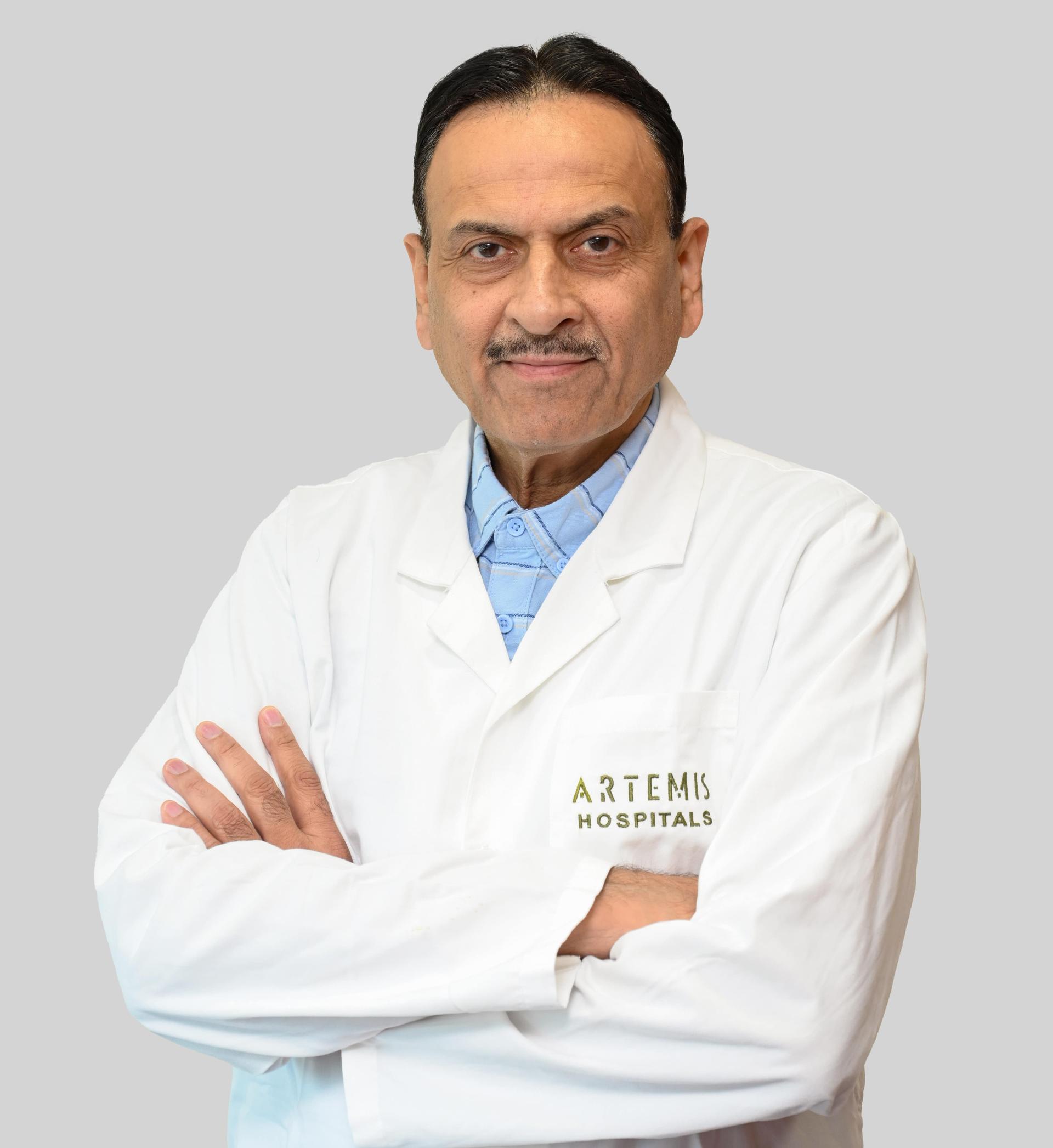
Chief Cardiology (Unit IV)
Cardiology
New Delhi
30+ Years
Experience
Artemis Hospital
Hospital
1500
Fees

Sr. Consultant – Women Imaging
Radiology
New Delhi
15+ Years
Experience
Artemis Hospital
Hospital
1500
Fees
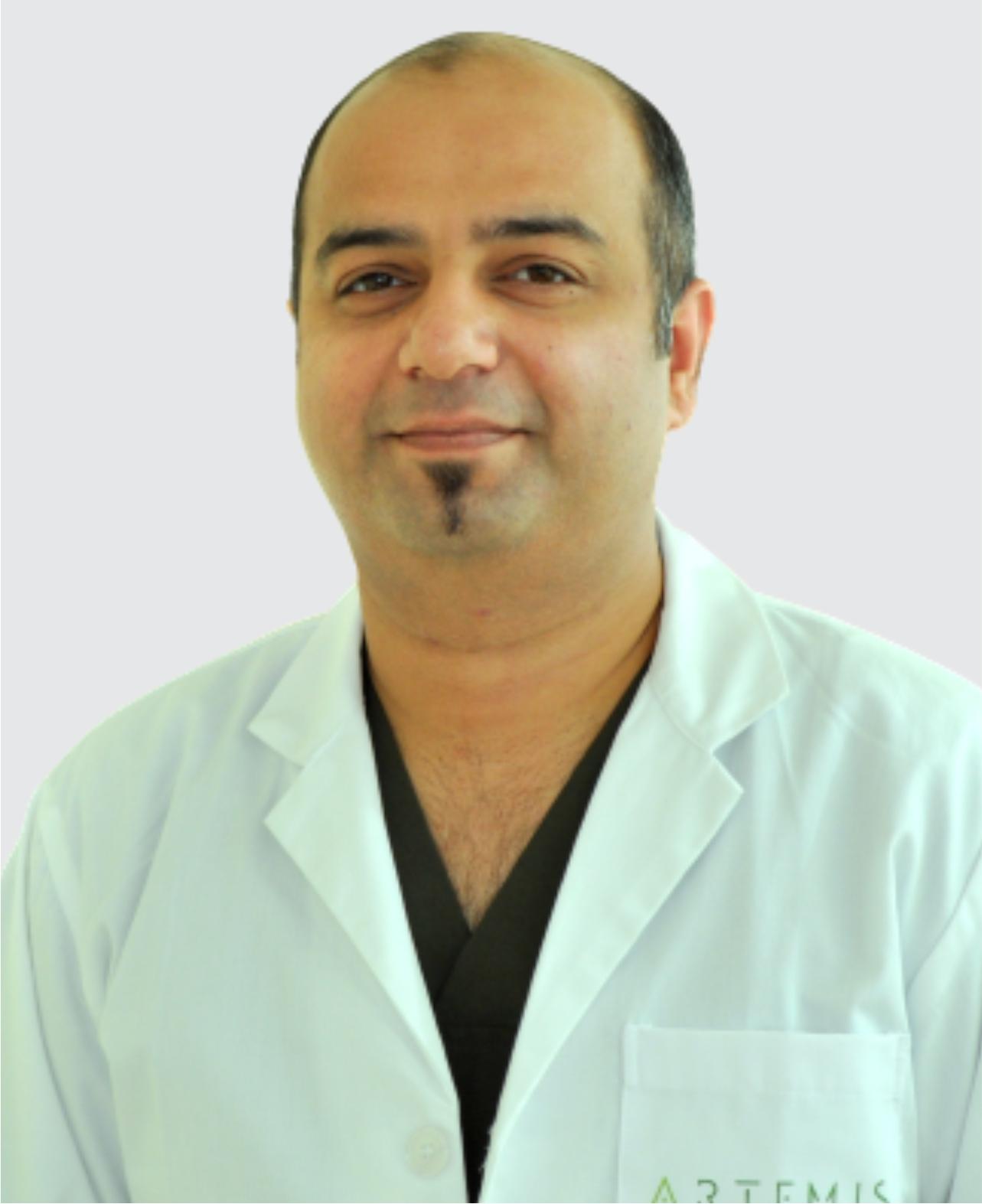
Principal Consultant - Anaesthesia
Anaesthesia
New Delhi
15+ Years
Experience
Artemis Hospital
Hospital
1500
Fees

Sr. Consultant - Urology & Kidney Transplant Program (Unit I)
Organ Transplant, Urology
New Delhi
8+ Years
Experience
Artemis Hospital
Hospital
1500
Fees
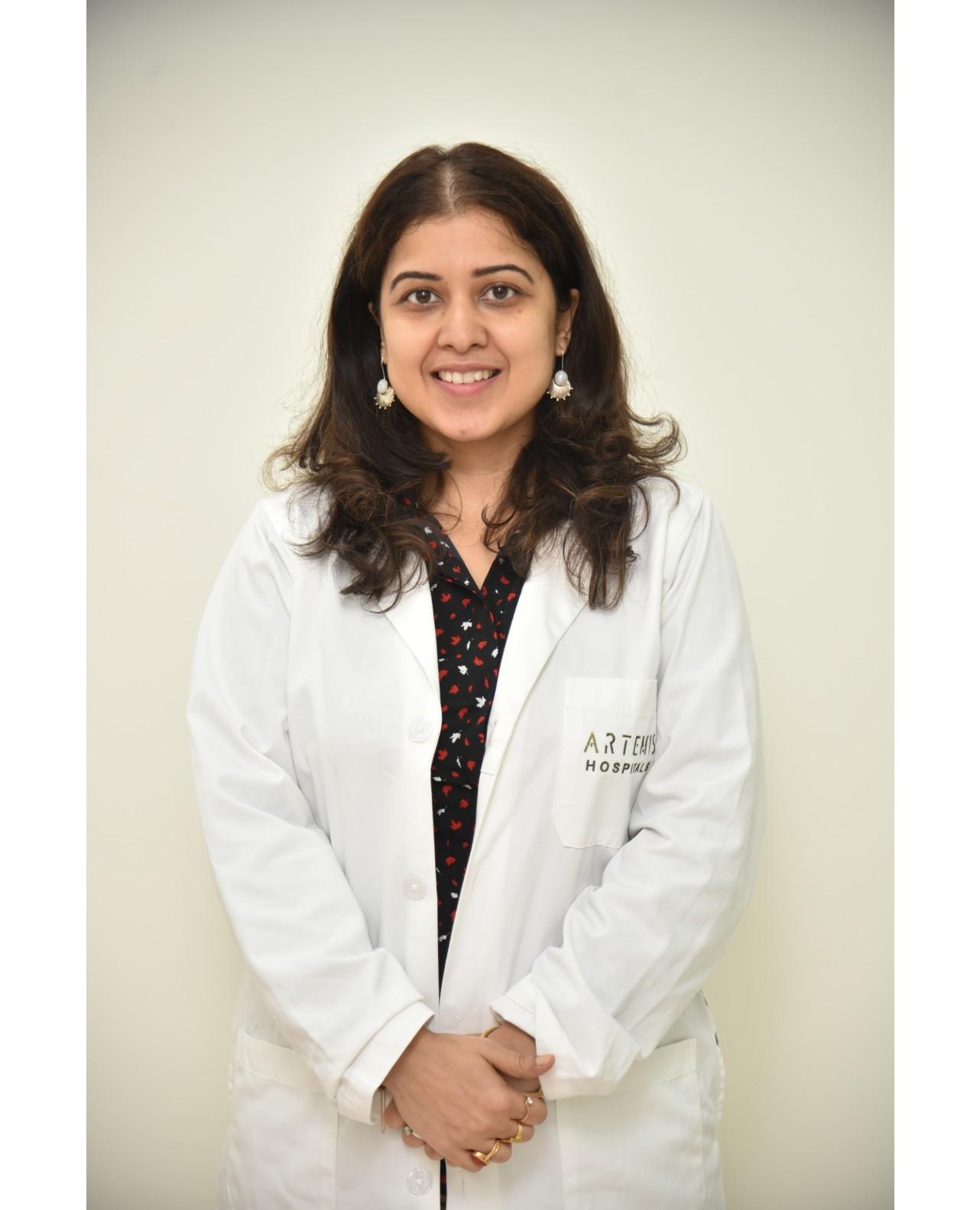
Co-Head Psychological Services
Mental Health and Behavioural Sciences
New Delhi
15+ Years
Experience
Artemis Hospital
Hospital
1500
Fees
Head of Department - Gynae Endocrinology & DNB Program Director - Obs & Gynae
Gynaecological Endocrinology, Maternity, Obstetrics & Gynaecology
New Delhi
35+ Years
Experience
Artemis Hospital
Hospital
1500
Fees

Sr. Consultant
Internal Medicine
New Delhi
12+ Years
Experience
Artemis Hospital
Hospital
1500
Fees

Senior Consultant - ENT
ENT and Head & Neck Surgery
New Delhi
24+ Years
Experience
Artemis Hospital
Hospital
1500
Fees

Consultant (Head & Neck Surgery) - Surgical Oncology
Head and Neck Surgical Oncology
New Delhi
10+ Years
Experience
Artemis Hospital
Hospital
1500
Fees
Get Personalized Medical Treatment Options From India's Top Hospitals. Our Medical Experts Are Ready To Assist You Every Step Of The Way.