
Capsule Endoscopy Treatment in India for Bangladesh
Need Personalized Advice?
Our medical experts are ready to answer your questions and guide you through your treatment options.
About
Capsule Endoscopy in India for Bangladesh Patients | Cost & Hospitals
Patients from Bangladesh often seek advanced diagnostic clarity for persistent digestive issues that conventional methods struggle to uncover. The search for a non-invasive, precise way to understand their condition, without extensive discomfort, can be a primary concern.
Many individuals are now looking beyond their immediate borders for specialized diagnostic options and expert medical guidance. India has emerged as a preferred destination, offering cutting-edge medical technology and highly skilled gastroenterologists readily available across its major cities.
The Indian healthcare system is recognized for its robust infrastructure, accredited hospitals, and a broad network of experienced medical professionals. Patients can confidently access high standards of diagnostic accuracy and comprehensive care nationwide, ensuring peace of mind.
India provides a reliable and accessible pathway to advanced medical investigations.
What is Capsule Endoscopy?
Capsule endoscopy is a sophisticated, non-invasive procedure designed to visualize the entire small bowel and sometimes other parts of the gastrointestinal tract. Patients simply swallow a vitamin-sized capsule containing a miniature camera. This capsule then travels naturally through the digestive system, capturing thousands of high-resolution images. These images are transmitted wirelessly to a portable recording device worn by the patient, allowing doctors to meticulously examine the lining of the digestive tract for abnormalities that might be missed by conventional endoscopic techniques.
Applications of Capsule Endoscopy Procedures
While the core process of capsule endoscopy involves a camera pill, its application can be tailored and specialized based on the specific area of the digestive system targeted and the diagnostic objectives:
- Small Bowel Capsule Endoscopy: This is the most common form, specifically designed to investigate the small intestine for issues like obscure gastrointestinal bleeding, Crohn's disease, celiac disease, or detecting tumors and polyps in this often hard-to-reach area.
- Colon Capsule Endoscopy: An advanced application focused on examining the large intestine. It serves as an alternative or supplementary tool for colon cancer screening and polyp detection in suitable patients.
- Esophageal Capsule Endoscopy: Used less frequently, this involves capsules designed to specifically image the esophagus to assess conditions such as gastroesophageal reflux disease (GERD) or Barrett's esophagus.
- Pan-Enteric Imaging: In select complex cases, certain capsules are designed to provide a more comprehensive view across multiple sections of the digestive tract, offering a broader diagnostic overview.
When is Capsule Endoscopy Recommended?
- Unexplained gastrointestinal bleeding where other tests have not found the source.
- Symptoms suggestive of Crohn's disease or other inflammatory bowel conditions.
- Investigation of celiac disease or malabsorption issues.
- Detection of tumors, polyps, or other lesions in the small intestine.
- Monitoring known conditions or evaluating the effectiveness of treatment.
- Screening for colon polyps in specific patient groups who cannot undergo traditional colonoscopy.
Pre-Procedure Evaluation for Capsule Endoscopy
- Medical History Review: A thorough discussion of your symptoms, past medical conditions, and any medications you are currently taking.
- Physical Examination: A general health check-up to ensure you are suitable for the procedure.
- Blood Tests: Routine blood work to assess overall health and rule out other underlying conditions.
- Prior Imaging/Endoscopies: Review of any previous endoscopy, colonoscopy, or imaging scans to guide the procedure.
- Bowel Preparation Instructions: Detailed guidance on fasting and taking specific laxatives or clear liquids to cleanse the bowel, ensuring clear visibility for the camera.
How is Capsule Endoscopy Performed?
The procedure for capsule endoscopy is straightforward and typically completed in an outpatient setting, with specific steps ensuring optimal imaging.
The Day of the Procedure
- You will arrive at the clinic after completing the required fasting and bowel preparation.
- A small, lightweight data recorder and sensor array will be attached to your abdomen or worn on a belt.
- You will then swallow the tiny capsule, which is easily ingested with a small amount of water.
During the Procedure
- Once swallowed, the capsule begins capturing images immediately as it travels through your digestive tract, powered by an internal battery.
- You can usually go about most of your normal daily activities while the capsule is working, avoiding strenuous exercise or activities that might interfere with the recording.
- You will receive instructions on when you can resume drinking and eating after a few hours.
After the Procedure
- After approximately eight to twelve hours, or as instructed, you will return the data recorder to the clinic.
- The capsule itself will pass naturally out of your body with a bowel movement, typically within a few days, and does not need to be retrieved.
- The captured images are then downloaded from the recorder and reviewed by a specialist gastroenterologist.
Recovery Process After Capsule Endoscopy
Recovery from capsule endoscopy is generally very simple and immediate, as it is a non-invasive procedure. Most patients can return to their normal diet and daily activities shortly after the data recorder is removed. There are no incisions, anesthesia after-effects, or sedation to recover from. You might experience a sensation of the capsule passing, but it is typically unnoticed. The primary aspect of recovery involves awaiting the detailed analysis of the thousands of images captured by the capsule.
Considering Capsule Endoscopy in India?
Connect with leading specialists and learn about advanced diagnostic options tailored for international patients.
Risks and Success Rates of Capsule Endoscopy
- Capsule Retention: The most significant, though rare, risk is the capsule becoming stuck in a narrowed part of the digestive tract, potentially requiring endoscopic or surgical removal. This is more common in patients with pre-existing strictures or blockages.
- Misdiagnosis or Missed Lesions: While highly effective, there is a small chance the capsule might miss certain lesions or provide unclear images, especially if bowel preparation was inadequate.
- Data Recorder Malfunction: Technical issues with the recording device, though uncommon, can sometimes affect image capture.
Capsule endoscopy boasts a high success rate in visualizing the small bowel and identifying sources of obscure bleeding or inflammatory conditions. Its effectiveness is particularly notable in detecting abnormalities that are beyond the reach of traditional endoscopes. Success rates for clear visualization and diagnostic yield are often above 85-90%, varying based on the specific condition being investigated and thoroughness of preparation. Long-term outcomes are directly tied to the accurate diagnosis and subsequent appropriate treatment plan initiated by the findings.
Cost of Capsule Endoscopy in India
The cost of capsule endoscopy in India is generally more affordable than in many Western countries, yet it still offers high-quality diagnostic services. Several factors influence the final cost, including the specific hospital (private vs. corporate), the consultant gastroenterologist's fees, the type of capsule used (small bowel, colon), and any additional tests or consultations required.
Typically, the cost for a Capsule Endoscopy procedure in India can range from approximately INR 15,000 to INR 30,000.
Capsule Endoscopy Cost Across Major Indian Cities
| City in India | Estimated Cost Range (INR) |
|---|---|
| Delhi | 18,000 - 28,000 |
| Mumbai | 20,000 - 30,000 |
| Chennai | 17,000 - 27,000 |
| Bangalore | 19,000 - 29,000 |
| Hyderabad | 16,000 - 26,000 |
| Kolkata | 15,000 - 25,000 |
| Ahmedabad | 16,000 - 26,000 |
| Pune | 18,000 - 28,000 |
Global Comparison of Capsule Endoscopy Costs
| Country | Estimated Cost Range (USD) |
|---|---|
| India | 200 - 400 |
| United States | 1,500 - 3,000 |
| United Kingdom | 1,200 - 2,500 |
| Singapore | 1,000 - 2,000 |
| Thailand | 800 - 1,500 |
| Turkey | 600 - 1,200 |
Comprehensive Support Services for Your Medical Visit
- Personalized Treatment Plans: Tailored diagnostic and care pathways based on your specific health needs and medical history.
- Travel and Accommodation Assistance: Help with flight bookings, visa procedures, and arranging comfortable stays in India.
- Language Interpreters: Professional interpreters available to ensure clear communication between you and your medical team.
- Dedicated Patient Coordinator: A single point of contact to assist with all your appointments, inquiries, and logistical needs throughout your journey.
- Post-Procedure Follow-up: Coordination for necessary follow-up consultations and medical reports for your local doctors.
Essential Documents for Your Capsule Endoscopy Visit
- Valid Passport and Visa: Ensure your travel documents are up-to-date and appropriate for medical tourism in India.
- Medical Reports: Bring all relevant previous diagnostic reports, doctor's notes, and medical history.
- Referral Letter: If applicable, a letter from your referring physician outlining your condition and the reason for the procedure.
- Medication List: A comprehensive list of all current medications, including dosages and frequency.
- Proof of Funds: Documentation to demonstrate financial capability for your medical expenses and stay.
Key Preparation Steps Before Your Arrival
- Initial Consultation: Engage in a tele-consultation with an Indian specialist to discuss your case and confirm the need for capsule endoscopy.
- Travel Arrangements: Finalize your flight tickets, accommodation, and airport transfers well in advance.
- Health Check-ups: Complete any recommended pre-travel health checks from your local doctor.
- Bowel Preparation: Understand and adhere strictly to the detailed dietary and cleansing instructions provided by the hospital before your procedure.
- Medication Review: Discuss with your doctor which regular medications you should continue or temporarily stop before the procedure.
Aftercare and Follow-up Guidance
- Resuming Normal Activities: You can typically return to your usual diet and daily routine immediately after the capsule has been swallowed and the data recorder returned.
- Monitoring Bowel Movements: No special action is needed for the capsule's passage, as it will be naturally expelled.
- Results Discussion: A follow-up appointment will be scheduled with your gastroenterologist to discuss the findings from the capsule endoscopy and formulate a treatment plan if necessary.
- Medication Adjustments: Any changes to your current medications based on the diagnostic findings will be advised by your doctor.
- International Coordination: Assistance with transmitting your detailed medical reports and follow-up recommendations to your referring physician in Bangladesh.
Ready to Explore Your Diagnostic Options?
Reach out today for personalized assistance and comprehensive information on Capsule Endoscopy in India.
Take the Next Step Towards Digestive Health Clarity
Understanding your digestive health is crucial, and India provides advanced, accessible options for patients seeking clear diagnostic answers.
Hospitals Offering this treatment
India offers premium medical procedures at affordable prices. Discover our most popular treatments, delivered by the country's finest doctors.
Meet Our Doctors
Meet our team of highly qualified and experienced medical professionals dedicated to providing the best healthcare services.
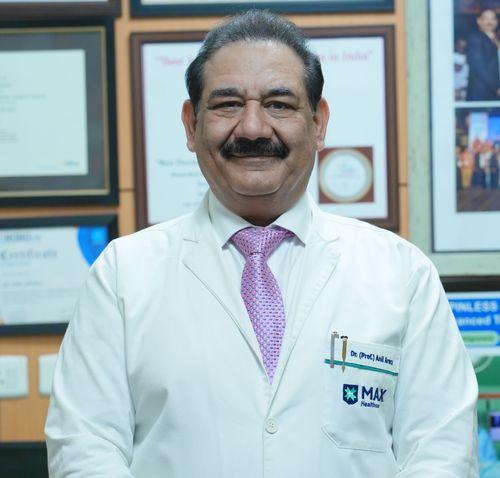
Dr. (Prof.) Anil Arora
Professor & Robotic Joint Replacement Surgeon
Orthopaedic & Robotic Joint Replacement Surgery
New Delhi
33+ Years
Experience
Max Hospital,Gurgaon
Hospital
1500
Fees
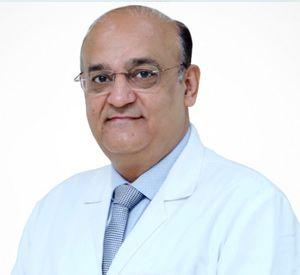
Dr. Neeraj Bhalla
Senior Director, Cardiology Department
Interventional Cardiology
New Delhi
15+ Years
Experience
Max Hospital,Gurgaon
Hospital
1500
Fees
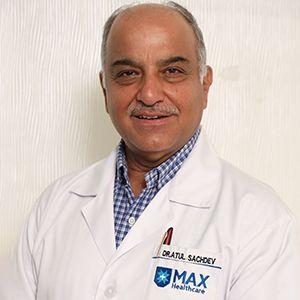
Dr. Atul Sachdev
Principal Consultant
Gastroenterology
New Delhi
25+ Years
Experience
Apolo Delhi
Hospital
1500
Fees
Dr. Vivek Saxena
Director
Gastroenterology & Therapeutic Endoscopy
New Delhi
20+ Years
Experience
Apolo Delhi
Hospital
1500
Fees
Related Links
Other Treatment related Information
- Capsule Endoscopy cost in Chennai
- Capsule Endoscopy cost in India
- Capsule Endoscopy cost in Hyderabad
- Capsule Endoscopy cost in Bengaluru
- Capsule Endoscopy cost in Haryana
- Capsule Endoscopy cost in Pune
- Capsule Endoscopy cost in Mumbai
- Capsule Endoscopy cost in New Delhi
- Capsule Endoscopy Success Rate in Mumbai
- Capsule Endoscopy Success Rate in Bengaluru
- Capsule Endoscopy Success Rate in New Delhi
- Capsule Endoscopy Success Rate in Haryana
- Capsule Endoscopy Success Rate in Chennai
- Capsule Endoscopy Success Rate in Pune
- Capsule Endoscopy Success Rate in Hyderabad
- Capsule Endoscopy Success Rate in India
- Best Capsule Endoscopy Doctors in New Delhi
- Best Capsule Endoscopy Doctors in Mumbai
- Best Capsule Endoscopy Doctors in Chennai
- Best Capsule Endoscopy Doctors in India
Ready To Start Your Healing Journey?
Get Personalized Medical Treatment Options From India's Top Hospitals. Our Medical Experts Are Ready To Assist You Every Step Of The Way.