
Capsule Endoscopy Treatment in India for Ethiopia
Need Personalized Advice?
Our medical experts are ready to answer your questions and guide you through your treatment options.
About
Capsule Endoscopy in India for Ethiopian Patients | Cost & Care
Many patients from Ethiopia facing persistent digestive discomfort or unexplained internal issues often wonder about the best path to an accurate diagnosis. The uncertainty surrounding symptoms like bleeding or chronic pain can be overwhelming, making clear answers a top priority.
Seeking advanced medical care beyond national borders is a common decision for those needing specialized diagnostic tools. India stands out as a leading destination, offering a breadth of expertise and technology, with advanced diagnostic services available across multiple major cities, making quality care accessible.
India’s medical infrastructure has earned global trust, featuring a network of internationally accredited hospitals and highly skilled specialists. Patients benefit from comprehensive treatment plans and a commitment to patient-centered care, ensuring thorough investigations and reliable outcomes.
Could India be the ideal place for your diagnostic journey?
What is Capsule Endoscopy and How Does it Work?
Capsule endoscopy is a non-invasive diagnostic procedure that uses a tiny, disposable wireless camera, housed within a vitamin-sized capsule, to take pictures of the inside of your digestive tract. After you swallow it, the capsule travels naturally through your esophagus, stomach, and small intestine, transmitting images to a recorder worn on your belt. This allows doctors to thoroughly examine areas that traditional endoscopy cannot easily reach, particularly the small bowel, to identify abnormalities like bleeding, inflammation, or polyps without discomfort.
Are There Different Types of Capsule Endoscopy?
While the fundamental technology is similar, capsule endoscopy is primarily distinguished by the area of the digestive tract it is designed to examine:
- Small Bowel Capsule Endoscopy: This is the most common type, specifically designed to visualize the entire small intestine. It helps diagnose unexplained bleeding, Crohn's disease, celiac disease, and tumors.
- Colon Capsule Endoscopy: This newer generation capsule is larger and designed for examining the colon. It serves as an alternative to traditional colonoscopy for specific patient groups, particularly those who cannot undergo a conventional procedure.
- Esophageal Capsule Endoscopy: A less common variation focused on the esophagus, primarily used for screening conditions like Barrett's esophagus.
When Might You Need a Capsule Endoscopy?
- Unexplained gastrointestinal bleeding, often leading to anemia.
- Diagnosis and monitoring of Crohn's disease or other inflammatory bowel conditions.
- Detection of small bowel tumors or polyps.
- Evaluation of celiac disease complications.
- Investigation of chronic abdominal pain or diarrhea.
- Assessment of malabsorption disorders.
- Screening for hereditary polyposis syndromes.
What Happens During Pre-Capsule Endoscopy Evaluation?
- A detailed review of your medical history and current symptoms.
- Physical examination by a gastroenterologist.
- Blood tests to check for anemia or other related conditions.
- Discussion of all medications you are currently taking.
- Clear instructions on dietary restrictions and bowel preparation, usually involving a liquid diet and laxatives the day before the procedure.
- Answers to any questions you may have about the process.
How is a Capsule Endoscopy Procedure Performed?
The capsule endoscopy procedure is straightforward and non-invasive, allowing for detailed internal imaging without traditional endoscopy.
Day of Procedure
On the morning of your procedure, after following the fasting instructions, you will arrive at the hospital or clinic. A small sensor array will be attached to your abdomen, connected to a data recorder worn on a belt around your waist. This recorder will collect the images transmitted by the capsule.
Swallowing the Capsule
You will then swallow the small capsule with a glass of water. It is generally easy to swallow and causes no discomfort. Once swallowed, you can leave the clinic and go about most of your normal daily activities.
During the Examination
The capsule will travel through your digestive system, taking thousands of images over approximately 8 to 12 hours. You will need to avoid strenuous activity, heavy lifting, or anything that might disconnect the sensor array. You will also receive instructions on when you can resume drinking and eating light meals.
Data Retrieval and Capsule Passage
After the designated recording period, you will return the data recorder to the clinic. The images will then be downloaded and reviewed by your gastroenterologist. The capsule is designed to pass naturally and painlessly through your stool, usually within 24 to 72 hours, and does not need to be retrieved.
What is the Recovery Process After Capsule Endoscopy?
Recovery from a capsule endoscopy is minimal as it is a non-invasive procedure. You can usually return to your normal daily routine immediately after the capsule is swallowed. There are no restrictions on movement, though strenuous exercise might be discouraged to ensure data recorder stability. You will be advised on when to resume your regular diet, typically a few hours after swallowing the capsule. The main aspect of "recovery" involves waiting for the capsule to pass naturally and for the doctor to analyze the images. Your doctor will schedule a follow-up appointment to discuss the findings and determine any necessary next steps.
What Are the Risks and Success Rates of Capsule Endoscopy?
- A very rare occurrence of capsule retention within the digestive tract, usually in cases of pre-existing strictures or narrowing.
- Slight possibility of images not being clear enough due to inadequate bowel preparation or rapid capsule transit.
- Minimal risk of abdominal discomfort, bloating, or nausea, which typically resolves quickly.
- Extremely low risk of aspiration if the capsule is swallowed incorrectly.
Capsule endoscopy boasts a high success rate in providing clear images of the small intestine, significantly aiding in diagnosing conditions previously difficult to detect. Diagnostic yields are often above 80% for identifying sources of obscure gastrointestinal bleeding and for assessing inflammatory bowel disease activity. Results can vary based on the completeness of bowel preparation, the patient's individual gut motility, and the specific condition being investigated. Long-term expectations depend on the findings; if abnormalities are detected, further medical or interventional treatment will be planned accordingly.
Understanding the Cost of Capsule Endoscopy in India
The cost of capsule endoscopy in India can vary depending on several factors. These include the reputation and accreditation of the hospital, the experience level of the gastroenterologist, the specific technology used (e.g., small bowel vs. colon capsule), and whether the procedure is part of a larger diagnostic package. Compared to many Western nations and even regions like Ethiopia, India offers highly competitive pricing without compromising on quality or advanced medical facilities.
Generally, the cost for a capsule endoscopy in India ranges from approximately INR 40,000 to INR 80,000.
Capsule Endoscopy Cost Across Major Indian Cities
| Indian City | Estimated Cost Range (INR) |
|---|---|
| Delhi | 45,000 - 75,000 |
| Mumbai | 50,000 - 80,000 |
| Chennai | 40,000 - 70,000 |
| Bangalore | 48,000 - 78,000 |
| Hyderabad | 42,000 - 72,000 |
| Kolkata | 40,000 - 68,000 |
| Ahmedabad | 38,000 - 65,000 |
Comparing Capsule Endoscopy Costs: India vs. Other Countries
| Country | Estimated Cost Range (USD) |
|---|---|
| India | 500 - 1000 |
| United States | 2,500 - 4,500 |
| United Kingdom | 1,800 - 3,500 |
| Thailand | 800 - 1,500 |
| Singapore | 1,200 - 2,200 |
| UAE | 1,000 - 2,000 |
How We Support Ethiopian Patients During Their Medical Journey
- Assistance with medical visa application and invitation letters.
- Personalized travel planning and flight booking guidance.
- Arrangements for comfortable accommodation near the hospital.
- Provision of language interpreters for clear communication.
- Coordination of airport transfers and local transportation.
- Guidance for post-treatment follow-up and return travel.
What Essential Documents Do You Need to Bring?
- Valid passport and Indian medical visa.
- All relevant medical reports, imaging scans, and previous test results from Ethiopia.
- Referral letters from your primary physician, if applicable.
- A list of current medications with dosages.
- Proof of funds or insurance for medical expenses.
Preparing for Your Capsule Endoscopy in India
- Complete your medical pre-evaluation and share all necessary records.
- Finalize your travel itinerary and accommodation well in advance.
- Discuss any dietary restrictions or medication adjustments with your doctor.
- Ensure you have a clear understanding of the bowel preparation required.
- Plan for a comfortable and relaxed environment on the day of your procedure.
After Your Capsule Endoscopy: What Comes Next?
- Attend your scheduled follow-up appointment with the gastroenterologist to discuss the results.
- Adhere to any dietary or lifestyle recommendations provided based on the findings.
- Monitor for the natural passage of the capsule, which should occur within a few days.
- Follow the doctor's instructions for any further diagnostic tests or treatments.
- Ensure you have a comprehensive medical report to take back to Ethiopia for your local doctor.
Ready to Find Clarity for Your Digestive Health?
Take the first step towards an accurate diagnosis and effective treatment. Connect with our expert team today.
Hospitals Offering this treatment
India offers premium medical procedures at affordable prices. Discover our most popular treatments, delivered by the country's finest doctors.
Meet Our Doctors
Meet our team of highly qualified and experienced medical professionals dedicated to providing the best healthcare services.
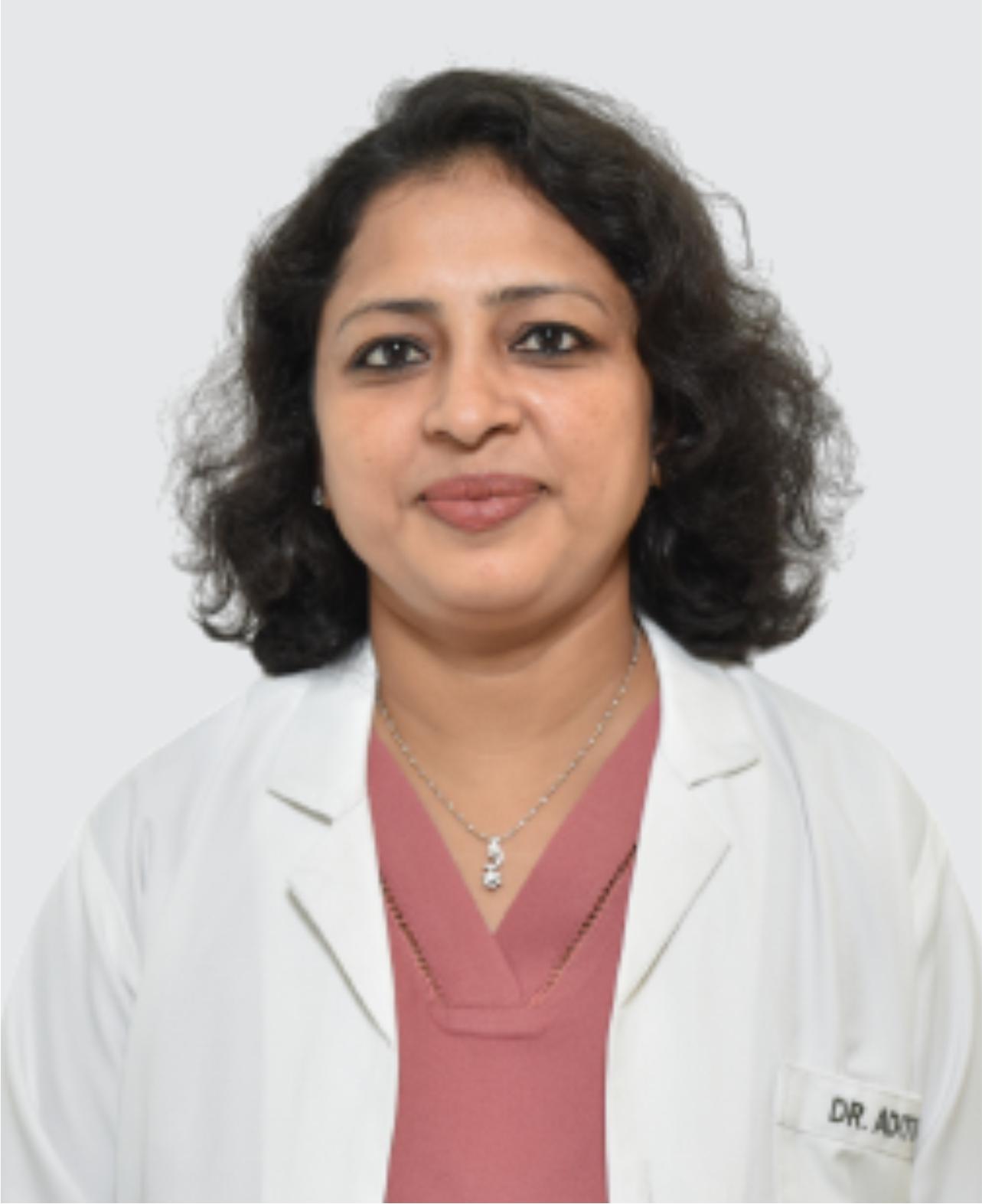
Dr Aditi Dixit
Sr. Consultant – Women Imaging
Radiology
New Delhi
15+ Years
Experience
Artemis Hospital
Hospital
1500
Fees
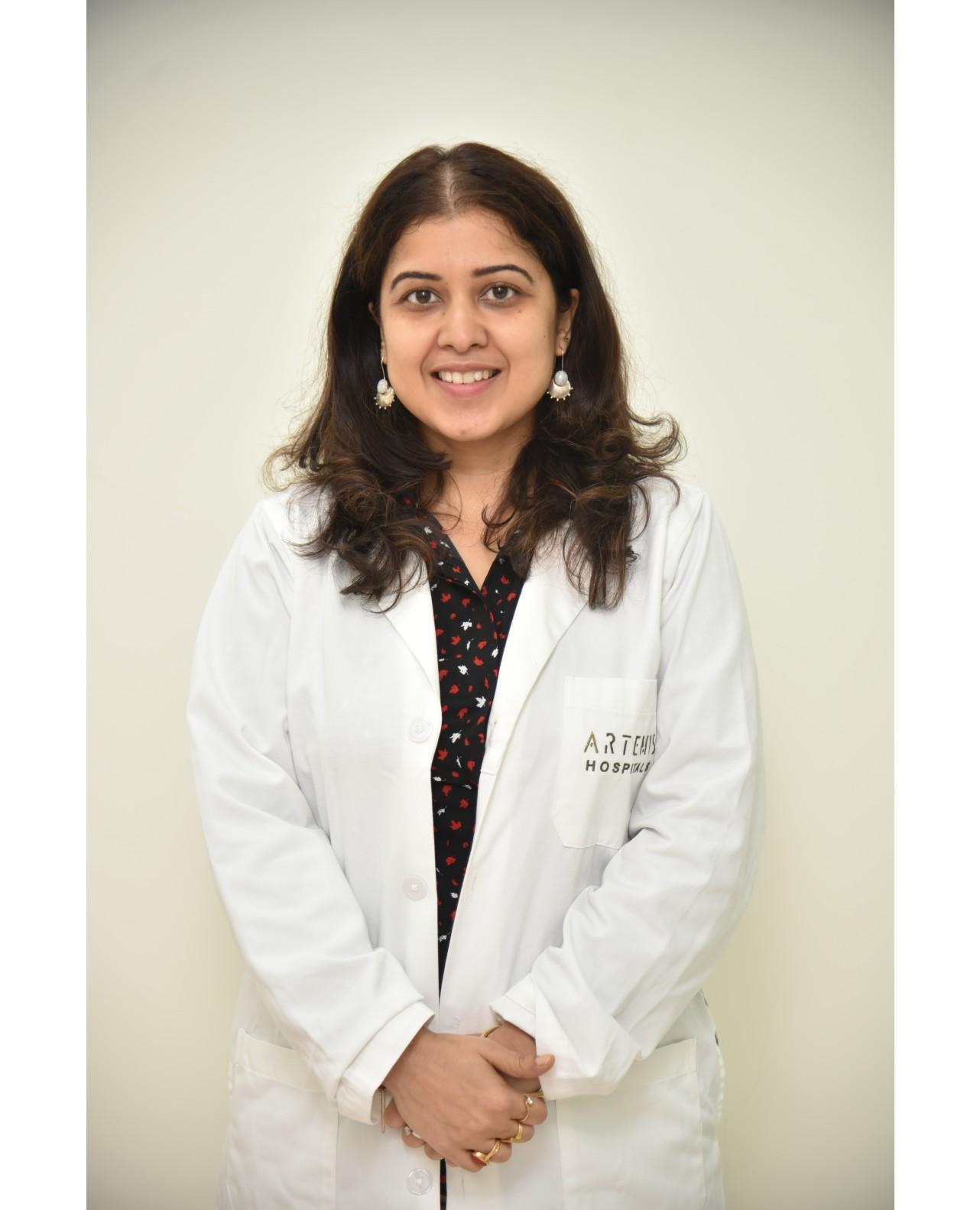
Dr Chandrima Misra M
Co-Head Psychological Services
Mental Health and Behavioural Sciences
New Delhi
15+ Years
Experience
Artemis Hospital
Hospital
1500
Fees
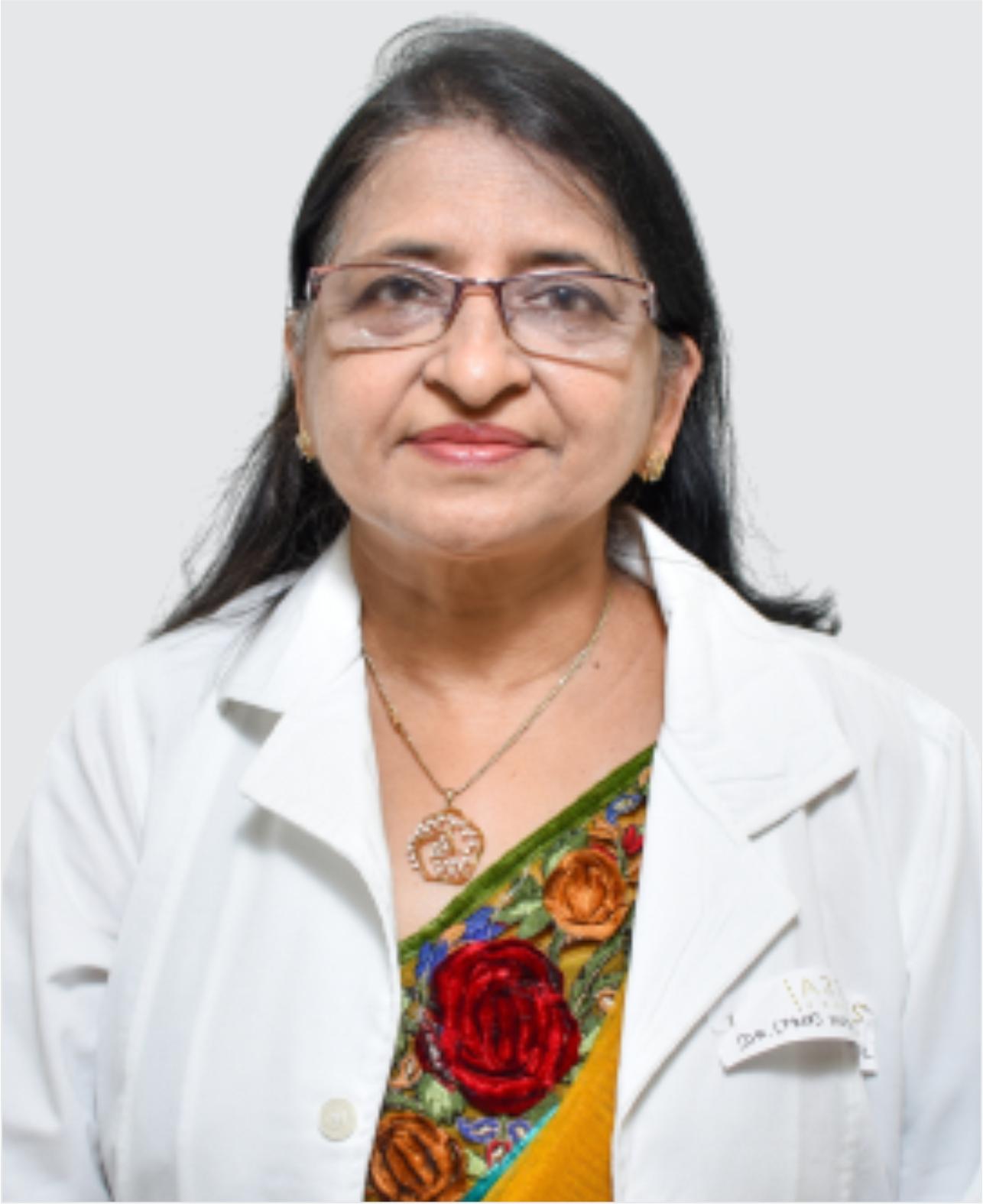
Dr. Nutan Agarwal
Head of Department - Gynae Endocrinology & DNB Program Director - Obs & Gynae
Gynaecological Endocrinology, Maternity, Obstetrics & Gynaecology
New Delhi
35+ Years
Experience
Artemis Hospital
Hospital
1500
Fees
Dr. Poonam Gautam
Senior Consultant - ENT
ENT and Head & Neck Surgery
New Delhi
24+ Years
Experience
Artemis Hospital
Hospital
1500
Fees
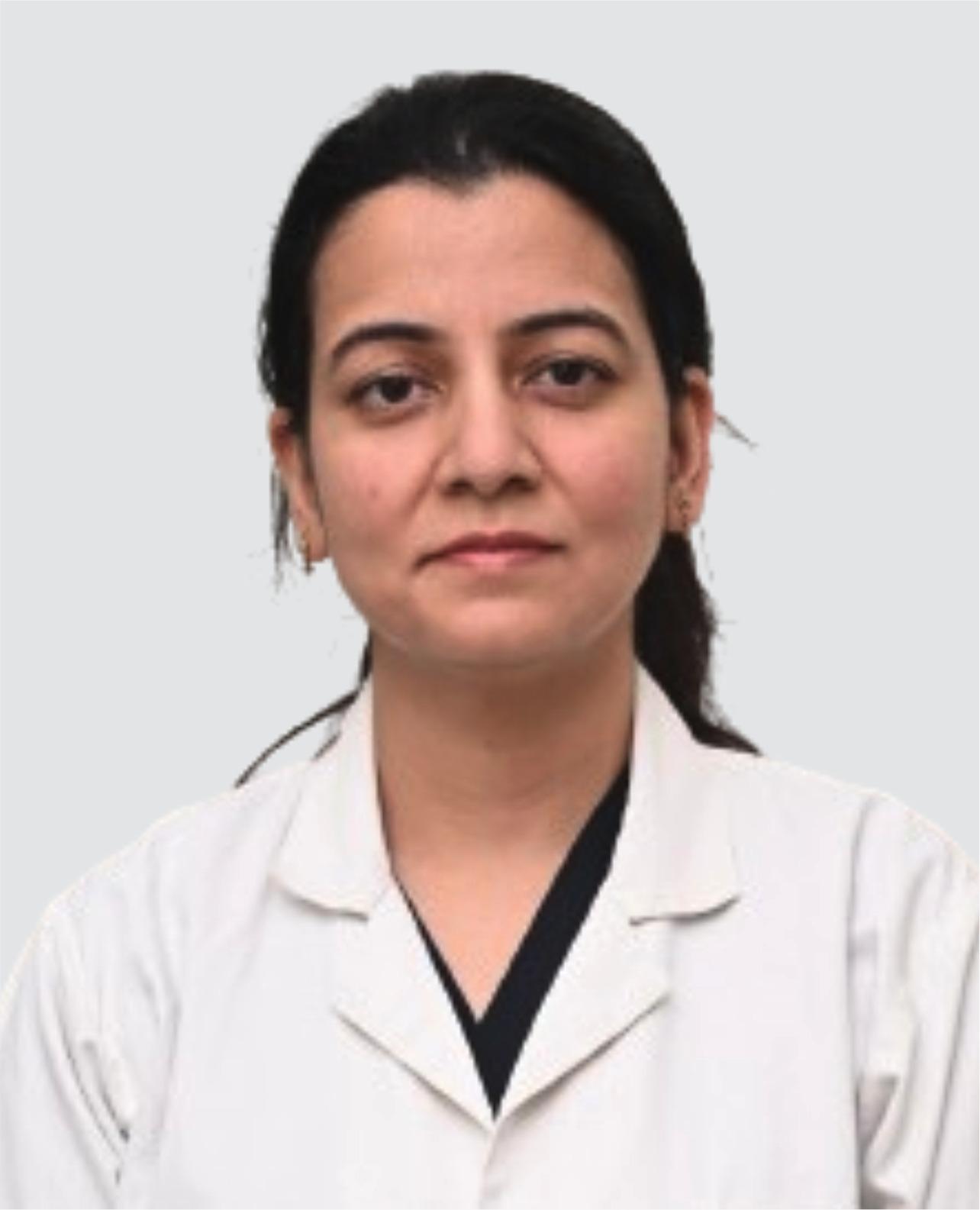
Dr. Priyanka Raina
Consultant (Head & Neck Surgery) - Surgical Oncology
Head and Neck Surgical Oncology
New Delhi
10+ Years
Experience
Artemis Hospital
Hospital
1500
Fees
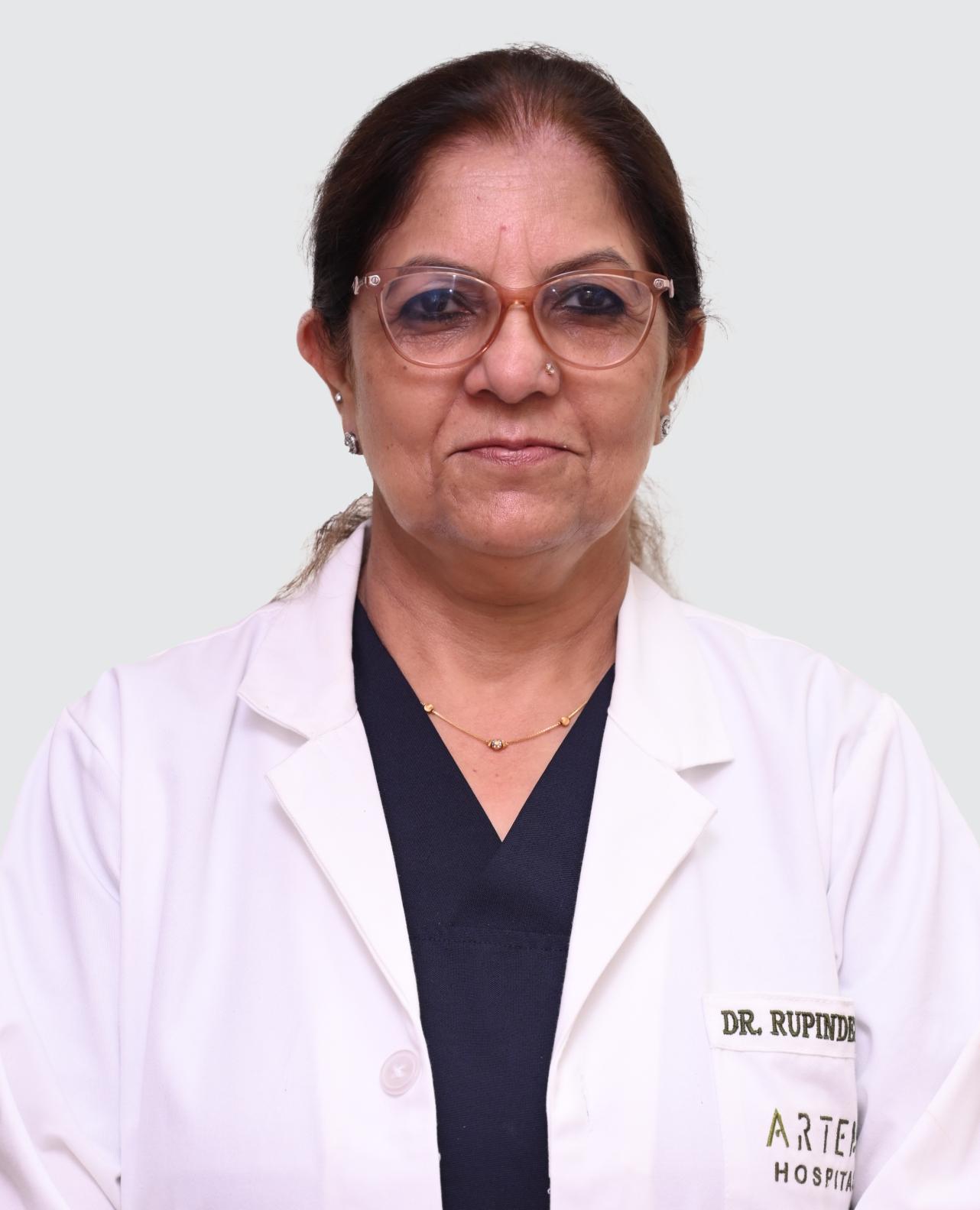
Dr. Rupinder Sekhon
Chairperson - Gynae Oncology
Gynaecological Oncology
New Delhi
16+ Years
Experience
Artemis Hospital
Hospital
1500
Fees
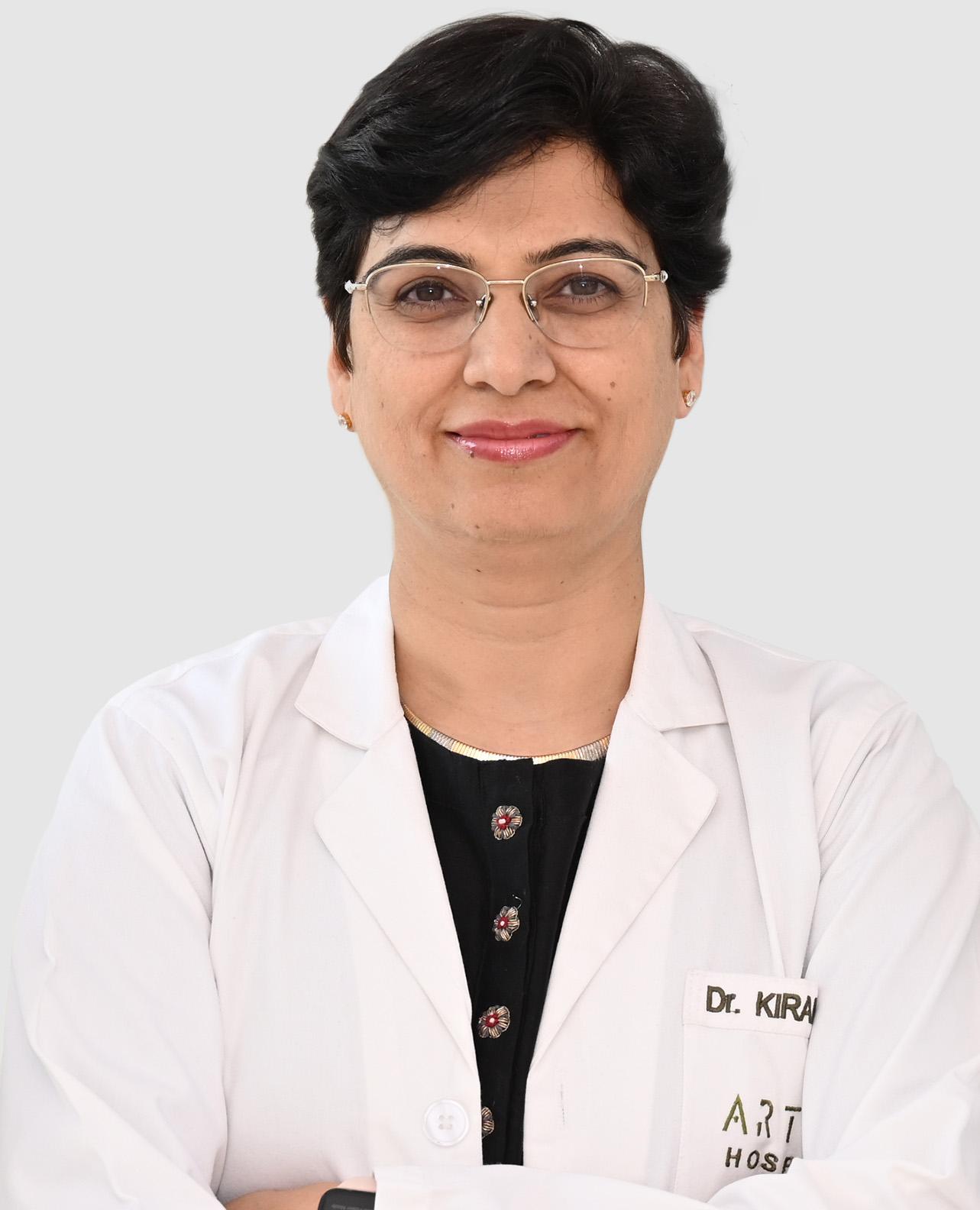
Dr. Kiran Arora
Unit Head - Reproductive Medicine (Unit II)
IVF, Reproductive Medicine, Obstetrics & Gynecology
New Delhi
20+ Years
Experience
Artemis Hospital
Hospital
1500
Fees
Nidhi Jain
Sr. Consultant - Obs & Gynae
Maternity, Obstetrics & Gynaecology
New Delhi
15+ Years
Experience
Artemis Hospital
Hospital
1500
Fees

Dr. Nidhi Rajotia
Unit Head - Obs & Gynae
Maternity, Obstetrics & Gynaecology
New Delhi
19+ Years
Experience
Artemis Hospital
Hospital
1500
Fees
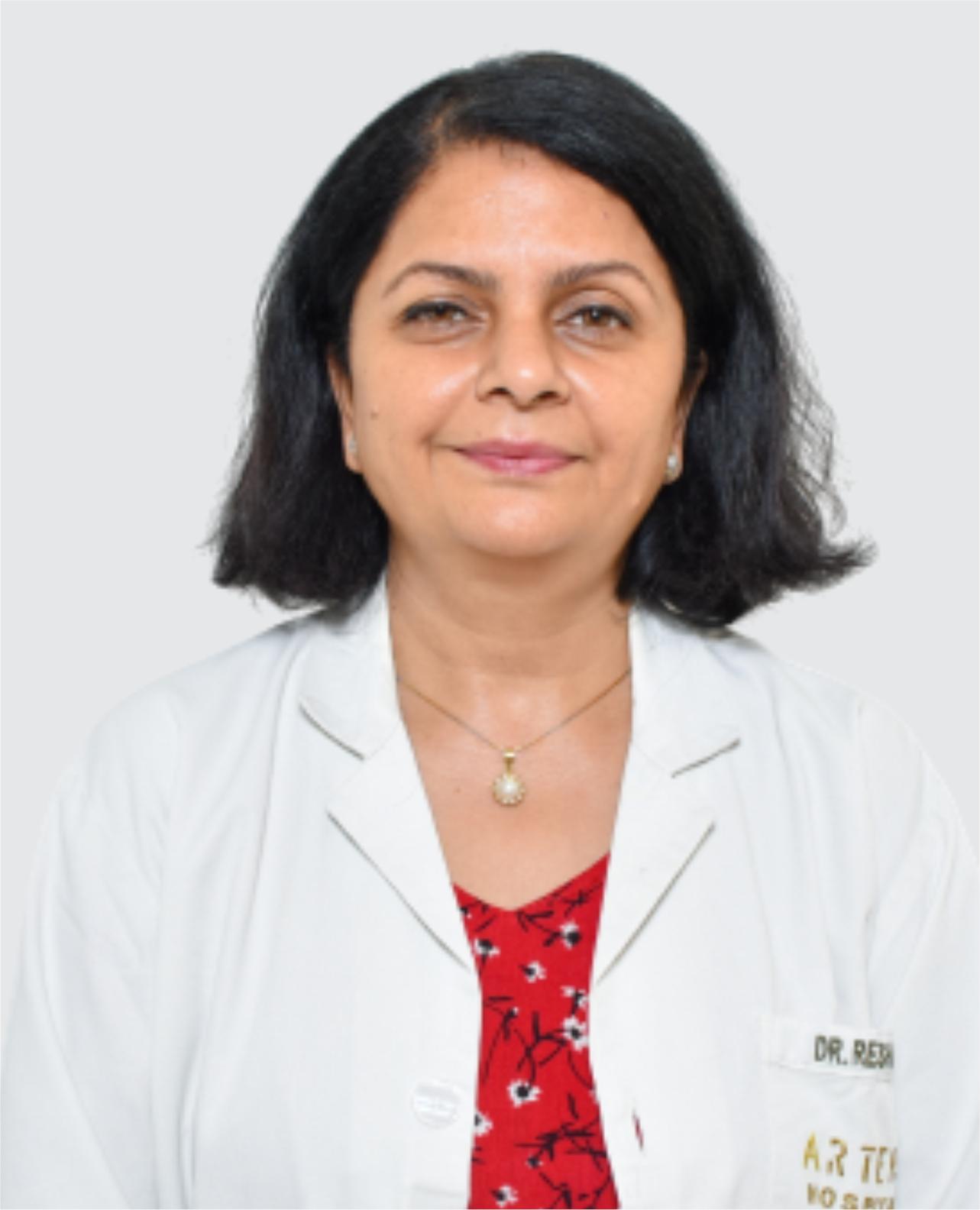
Dr. Reshma Tewari
Director
Obstetrics and Gynaecology
New Delhi
19+ Years
Experience
Artemis Hospital
Hospital
1500
Fees
Related Links
Other Treatment related Information
- Capsule Endoscopy cost in Chennai
- Capsule Endoscopy cost in India
- Capsule Endoscopy cost in Hyderabad
- Capsule Endoscopy cost in Bengaluru
- Capsule Endoscopy cost in Haryana
- Capsule Endoscopy cost in Pune
- Capsule Endoscopy cost in Mumbai
- Capsule Endoscopy cost in New Delhi
- Capsule Endoscopy Success Rate in Mumbai
- Capsule Endoscopy Success Rate in Bengaluru
- Capsule Endoscopy Success Rate in New Delhi
- Capsule Endoscopy Success Rate in Haryana
- Capsule Endoscopy Success Rate in Chennai
- Capsule Endoscopy Success Rate in Pune
- Capsule Endoscopy Success Rate in Hyderabad
- Capsule Endoscopy Success Rate in India
- Best Capsule Endoscopy Doctors in New Delhi
- Best Capsule Endoscopy Doctors in Mumbai
- Best Capsule Endoscopy Doctors in Chennai
- Best Capsule Endoscopy Doctors in India
Ready To Start Your Healing Journey?
Get Personalized Medical Treatment Options From India's Top Hospitals. Our Medical Experts Are Ready To Assist You Every Step Of The Way.