Cerebral Palsy Treatment in Chennai for Ethiopia
Need Personalized Advice?
Our medical experts are ready to answer your questions and guide you through your treatment options.
About
Cerebral Palsy Treatment in Chennai for Ethiopian Patients
Families in Ethiopia facing a Cerebral Palsy diagnosis often seek specialized care beyond local availability. The journey can be challenging, filled with uncertainty about effective treatments, access to expert medical teams, and the overall support system required for long-term management.
Many patients and their caregivers consider Chennai, India, for its established reputation in neurological care and rehabilitation. The city offers a unique blend of advanced medical technology, experienced pediatric neurologists, and comprehensive rehabilitation centers specifically tailored for complex conditions like Cerebral Palsy.
Chennai's medical ecosystem provides a cohesive approach, ensuring seamless coordination between diagnostic services, therapeutic interventions, and ongoing support. This integrated care environment fosters trust and provides comfort for international patients, knowing their child's health journey is well-managed within the city.
Is Chennai the right choice for your child's Cerebral Palsy care?
What is Cerebral Palsy?
Cerebral Palsy is a group of permanent movement disorders that appear in early childhood. It is caused by non-progressive damage or abnormal development in the parts of the brain that control movement, balance, and posture. While the brain damage itself does not worsen, the symptoms can change over time. It affects muscle tone, coordination, and motor skills, varying widely in severity among individuals.
What are the Types of Cerebral Palsy Treatment?
Physical Therapy
Core to CP management, physical therapy focuses on improving muscle strength, flexibility, balance, and motor skills through exercises, stretching, and specialized equipment to enhance mobility.
Occupational Therapy
This therapy helps individuals develop skills needed for daily living activities such as eating, dressing, and writing. It enhances fine motor coordination and independence.
Speech and Language Therapy
Essential for those with communication difficulties, this therapy improves speech clarity, swallowing function, and teaches alternative communication methods when necessary.
Medication Management
Certain medications can help manage symptoms like muscle spasticity, pain, and seizures. These often include muscle relaxants, anti-seizure drugs, and Botox injections.
Orthopedic Surgery
Surgical interventions may correct deformities, lengthen muscles, release tendons, or perform bone realignments to improve posture and reduce pain.
Assistive Devices
Use of braces, wheelchairs, walkers, and other adaptive equipment to support mobility, communication, and independence in daily activities.
When is Cerebral Palsy Treatment Required?
- Delayed developmental milestones in infants (e.g., sitting, crawling, walking).
- Stiffness in limbs or trunk (spasticity) or floppiness (hypotonia).
- Difficulty with fine motor skills and coordination.
- Problems with balance and posture.
- Speech difficulties or challenges with swallowing.
- Abnormal reflexes or involuntary movements.
- Persistent problems with walking or performing daily tasks.
How is Cerebral Palsy Evaluated Before Treatment?
- Detailed medical history, including birth history and early development.
- Comprehensive physical and neurological examination.
- Magnetic Resonance Imaging (MRI) or Computed Tomography (CT) scan of the brain.
- Electroencephalogram (EEG) if seizures are suspected.
- Developmental assessments to gauge cognitive and motor skill levels.
- Gait analysis for individuals with walking difficulties.
- Vision and hearing tests to identify associated sensory impairments.
How is Cerebral Palsy Treatment Performed?
The approach to Cerebral Palsy treatment is highly individualized, tailored to the specific type and severity of the condition, and the unique needs of each patient. It often involves a multidisciplinary team.
Therapeutic Interventions
This forms the cornerstone of treatment, involving regular sessions of physical, occupational, and speech therapy. Therapists guide patients through exercises, stretches, and activities designed to improve motor skills, strength, balance, and communication. Therapy can be intense and long-term, requiring consistent effort.
Medication Administration
Medications are used to manage specific symptoms. Oral medications like baclofen or diazepam can reduce spasticity. Botox injections are often used to target specific spastic muscles. Anti-epileptic drugs manage seizures if present. Pain relievers address discomfort.
Surgical Procedures
Orthopedic surgeries may be performed to lengthen tight muscles and tendons, correct bone deformities, or stabilize joints. Selective Dorsal Rhizotomy (SDR) is a neurosurgical procedure that can reduce severe spasticity in the legs by cutting specific nerve fibers in the spinal cord.
Assistive Technologies
Patients are often fitted with orthotics like ankle-foot orthoses (AFOs) to support limbs. Mobility aids such as walkers, crutches, or wheelchairs are prescribed as needed. Communication devices assist those with speech impairments.
What Does the Recovery Process Entail for Cerebral Palsy?
Recovery from Cerebral Palsy treatment is an ongoing journey rather than a finite period. It involves consistent adherence to therapy schedules, home exercise programs, and regular follow-up appointments with specialists. Progress varies significantly and focuses on maximizing functional independence and quality of life. Rehabilitation, adaptive strategies, and family support are integral to achieving long-term outcomes and managing daily challenges effectively.
What are the Risks and Success Rates of Cerebral Palsy Treatment?
- Potential for infection or bleeding following surgical procedures.
- Adverse reactions to anesthesia or medications.
- Risk of limited or no significant functional improvement from certain interventions.
- Long-term discomfort or pain if spasticity is not adequately managed.
- Complications such as pressure sores from immobility or casts.
The success of Cerebral Palsy treatment is measured by improvements in mobility, function, pain reduction, and overall quality of life. Success rates vary widely depending on the individual's condition, the specific treatments employed, and the consistency of therapy. While there is no cure for the brain damage, effective management can significantly enhance a person's abilities and independence, enabling many to lead fulfilling lives. Early intervention and a comprehensive, integrated approach yield the most favorable long-term outcomes.
What is the Cost of Cerebral Palsy Treatment in Chennai?
The cost of managing Cerebral Palsy in Chennai depends heavily on the severity of the condition, the specific combination of therapies required, the duration of treatment, and the hospital chosen. This includes diagnostic tests, doctor consultations, medication, rehabilitation sessions, and potentially surgical interventions. Specialist fees and advanced technological support also influence the overall expenditure.
For an initial phase of intensive Cerebral Palsy management and therapy, patients can expect costs to range from approximately INR 400,000 to INR 1,200,000.
Cerebral Palsy Treatment Cost Comparison: Chennai vs. Other Regions
Chennai offers significantly more affordable, high-quality Cerebral Palsy treatment compared to many developed nations, without compromising on medical standards or rehabilitation excellence.
| Region | Estimated Cost Range (USD) |
|---|---|
| Chennai, India | $5,000 - $15,000 (initial intensive phase) |
| United States | $50,000 - $150,000+ |
| United Kingdom | $30,000 - $90,000+ |
| Australia | $40,000 - $120,000+ |
| Singapore | $25,000 - $75,000+ |
Ready to Discuss Your Child's Treatment Plan?
Contact us today for a personalized consultation regarding Cerebral Palsy treatment options and cost estimates in Chennai.
What Support is Available for Your Treatment Journey?
- Dedicated patient coordinator to assist with all travel and medical logistics.
- Visa and accommodation assistance for international patients and families.
- Language interpretation services to ensure clear communication.
- Airport transfers and local transportation arrangements.
- Guidance on local amenities and cultural information.
- Post-treatment follow-up coordination and remote consultations.
What Documents Do Ethiopian Patients Need for Treatment?
- Valid passport and medical visa for India.
- Copy of the patient's medical reports, scans, and diagnostic results.
- Referral letter from a local doctor, if available.
- Proof of address in Ethiopia and travel insurance details.
- Financial documents or proof of funds for treatment expenses.
How Should You Prepare for Cerebral Palsy Treatment?
- Organize all current medical records and bring them to Chennai.
- Discuss any ongoing medications or allergies with the medical team.
- Arrange for comfortable and accessible accommodation in Chennai.
- Plan for a caregiver to accompany the patient throughout the treatment period.
- Ensure necessary vaccinations and health clearances before travel.
- Familiarize yourself with Chennai's local transport and facilities.
What Happens After Cerebral Palsy Treatment?
- Detailed discharge instructions for home care and ongoing therapy.
- Prescription for any necessary medications and rehabilitation equipment.
- Schedule for follow-up appointments, both in-person and tele-consultations.
- Guidance on diet, exercise, and lifestyle adjustments for long-term management.
- Support resources for families to continue care effectively back home.
- Assistance with travel arrangements for returning to Ethiopia.
Start Your Child's Path to Improved Health Today
Reach out to our patient care team to begin planning your visit to Chennai for Cerebral Palsy treatment.
Ready to Explore Treatment Options in Chennai?
Chennai offers a hopeful pathway for Ethiopian families seeking advanced and compassionate Cerebral Palsy care. Take the next step towards a brighter future for your child.
Hospitals Offering this treatment
India offers premium medical procedures at affordable prices. Discover our most popular treatments, delivered by the country's finest doctors.
Meet Our Doctors
Meet our team of highly qualified and experienced medical professionals dedicated to providing the best healthcare services.

Dr. Ajit Singh Baghela
Consultant
Paediatric Neurology
Haryana
9+ Years
Experience
Artemis Hospital
Hospital
1500
Fees
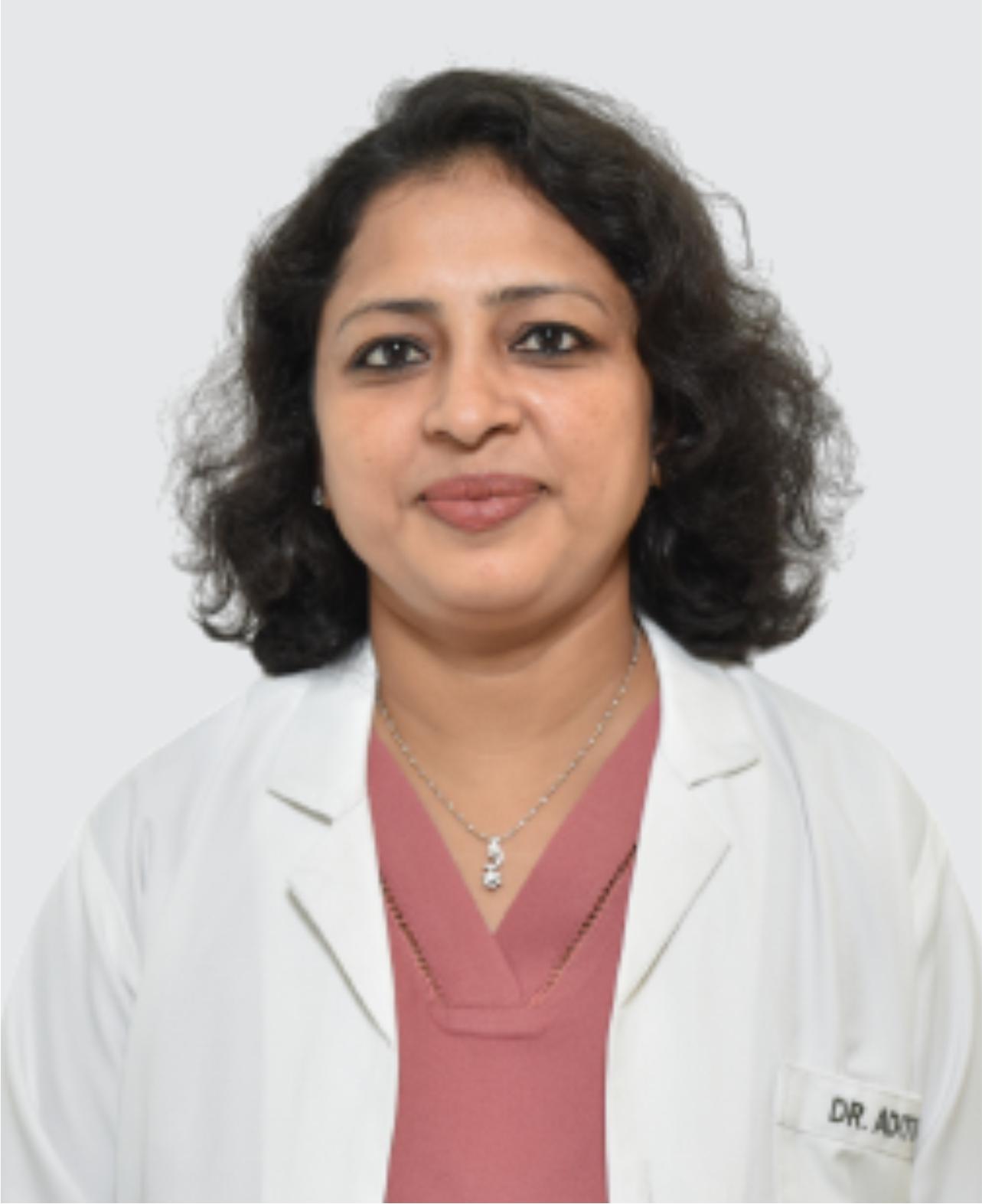
Dr Aditi Dixit
Sr. Consultant – Women Imaging
Radiology
New Delhi
15+ Years
Experience
Artemis Hospital
Hospital
1500
Fees

Dr Chandrima Misra M
Co-Head Psychological Services
Mental Health and Behavioural Sciences
New Delhi
15+ Years
Experience
Artemis Hospital
Hospital
1500
Fees
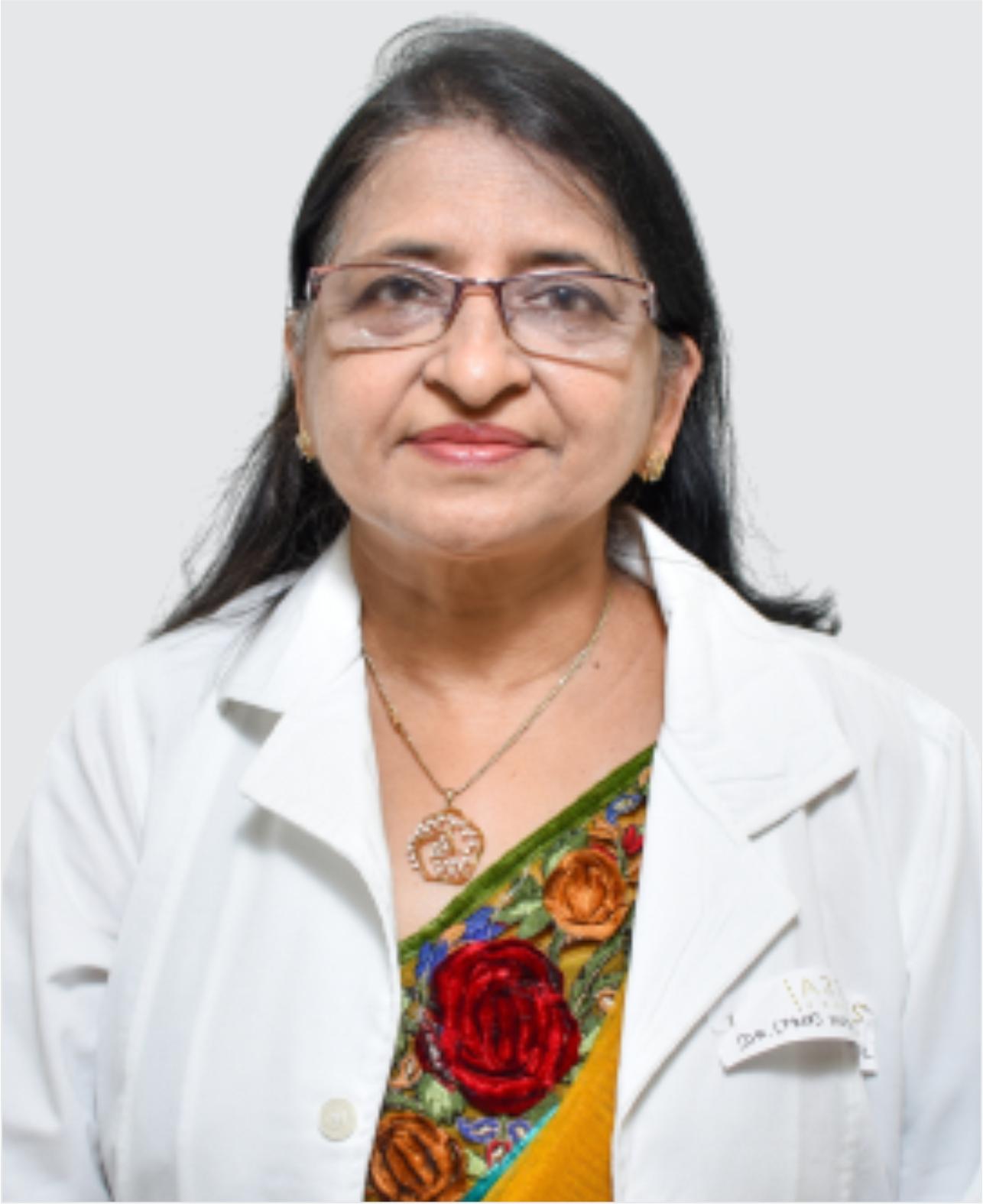
Dr. Nutan Agarwal
Head of Department - Gynae Endocrinology & DNB Program Director - Obs & Gynae
Gynaecological Endocrinology, Maternity, Obstetrics & Gynaecology
New Delhi
35+ Years
Experience
Artemis Hospital
Hospital
1500
Fees
Dr. Poonam Gautam
Senior Consultant - ENT
ENT and Head & Neck Surgery
New Delhi
24+ Years
Experience
Artemis Hospital
Hospital
1500
Fees
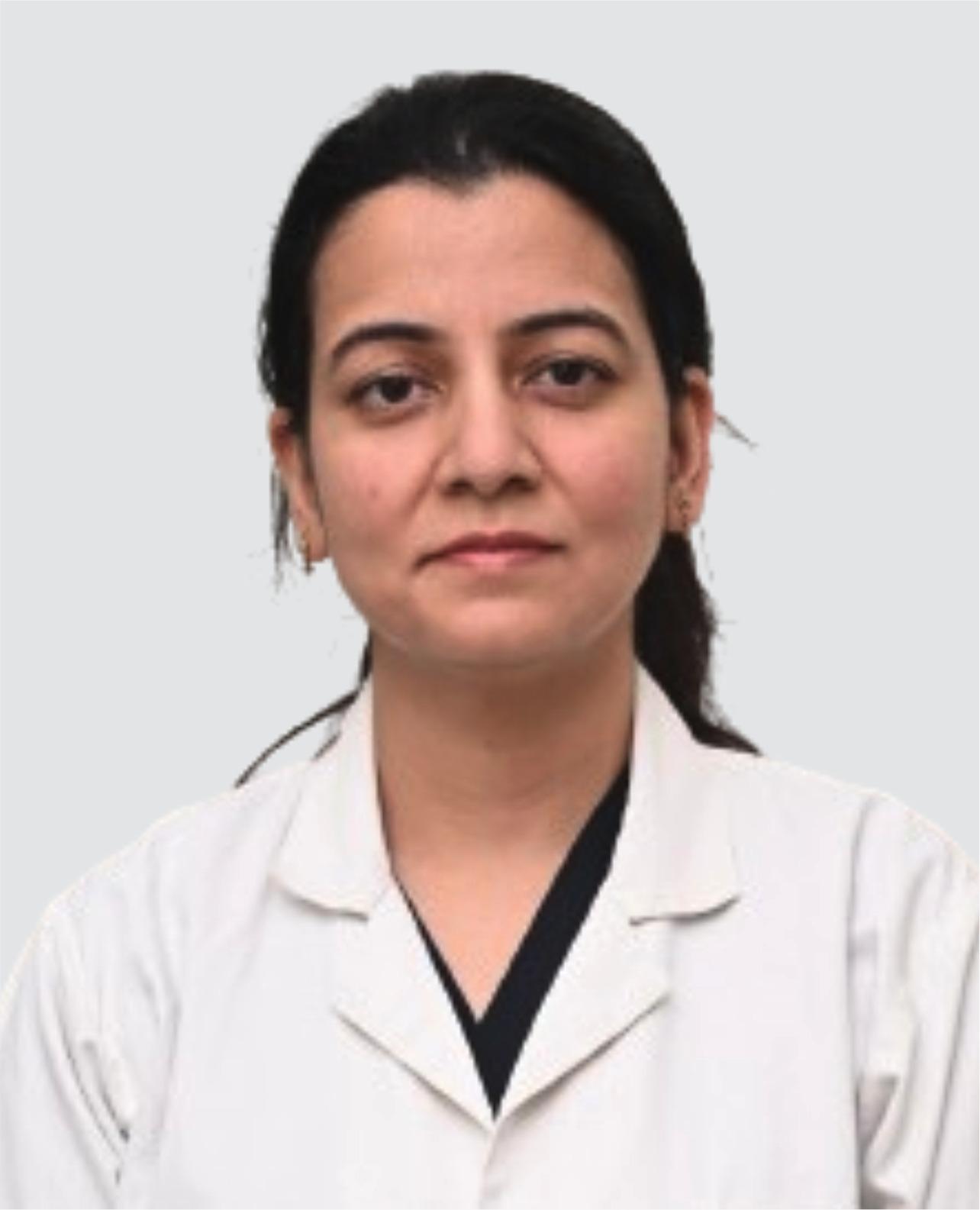
Dr. Priyanka Raina
Consultant (Head & Neck Surgery) - Surgical Oncology
Head and Neck Surgical Oncology
New Delhi
10+ Years
Experience
Artemis Hospital
Hospital
1500
Fees
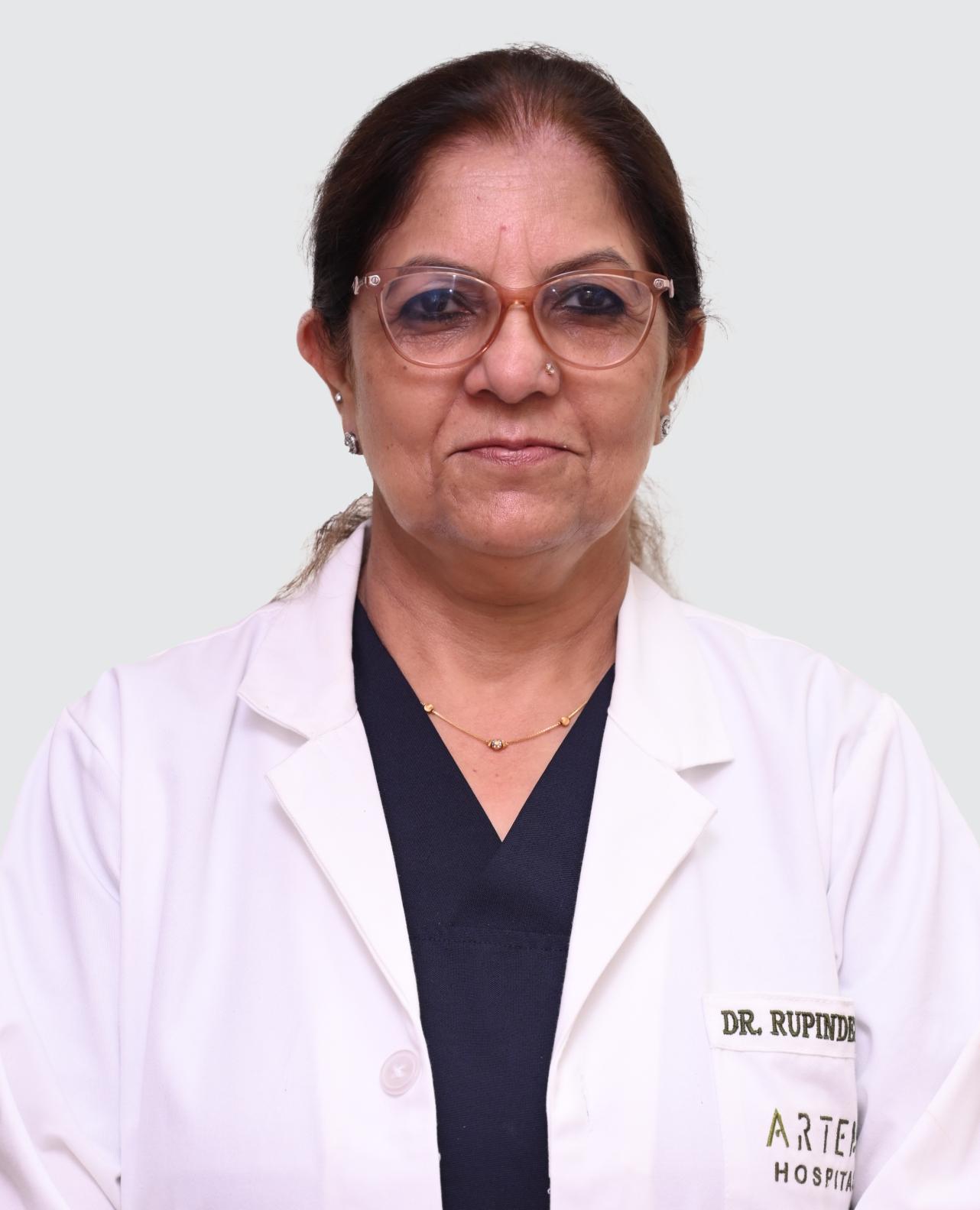
Dr. Rupinder Sekhon
Chairperson - Gynae Oncology
Gynaecological Oncology
New Delhi
16+ Years
Experience
Artemis Hospital
Hospital
1500
Fees
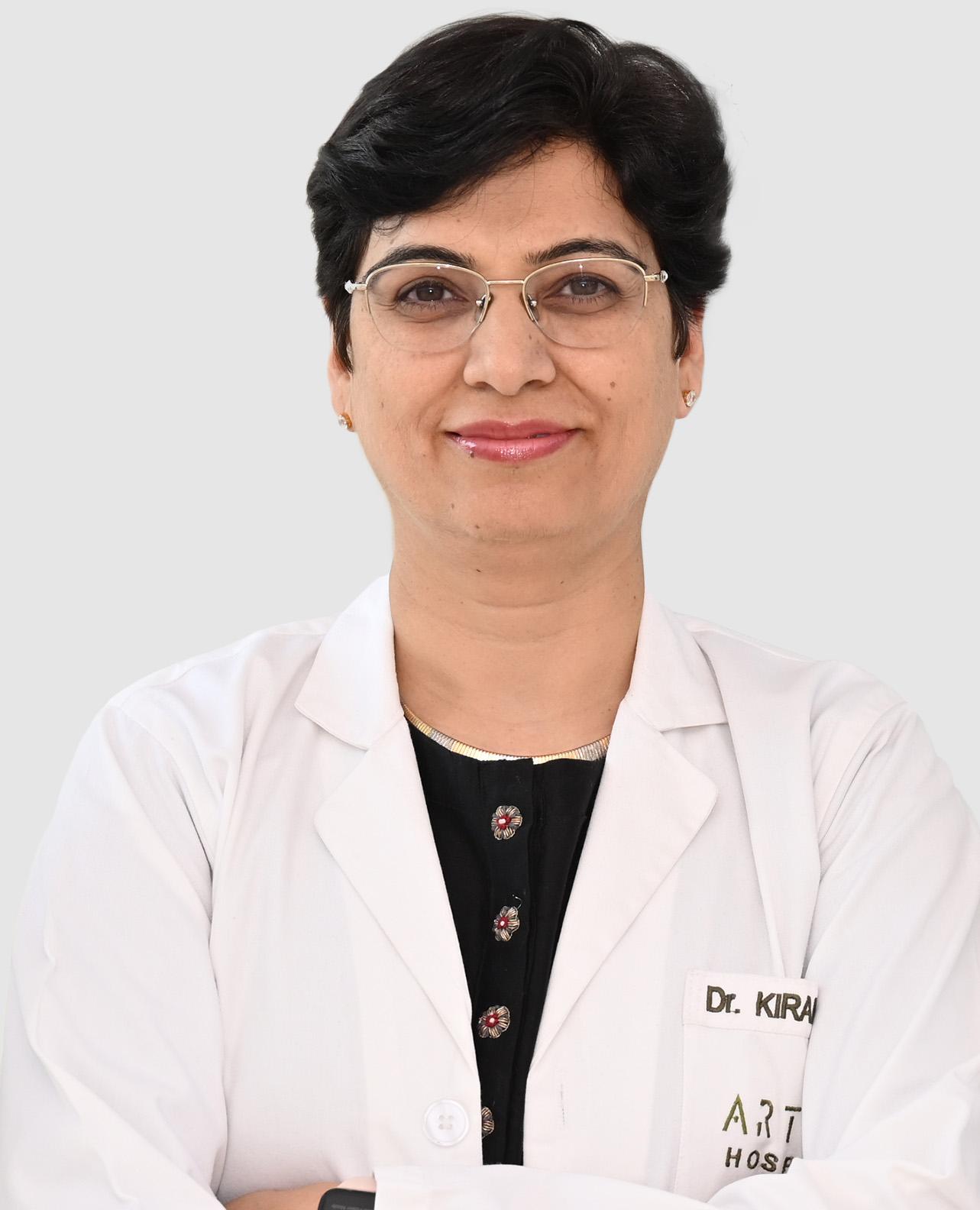
Dr. Kiran Arora
Unit Head - Reproductive Medicine (Unit II)
IVF, Reproductive Medicine, Obstetrics & Gynecology
New Delhi
20+ Years
Experience
Artemis Hospital
Hospital
1500
Fees
Nidhi Jain
Sr. Consultant - Obs & Gynae
Maternity, Obstetrics & Gynaecology
New Delhi
15+ Years
Experience
Artemis Hospital
Hospital
1500
Fees

Dr. Nidhi Rajotia
Unit Head - Obs & Gynae
Maternity, Obstetrics & Gynaecology
New Delhi
19+ Years
Experience
Artemis Hospital
Hospital
1500
Fees
Related Links
Other Treatment related Information
- Cerebral Palsy cost in Chennai
- Cerebral Palsy cost in Mumbai
- Cerebral Palsy cost in Bengaluru
- Cerebral Palsy cost in India
- Cerebral Palsy cost in Hyderabad
- Cerebral Palsy cost in Pune
- Cerebral Palsy cost in New Delhi
- Cerebral Palsy cost in Haryana
- Cerebral Palsy Success Rate in Hyderabad
- Cerebral Palsy Success Rate in Mumbai
- Cerebral Palsy Success Rate in New Delhi
- Cerebral Palsy Success Rate in Haryana
- Cerebral Palsy Success Rate in Pune
- Cerebral Palsy Success Rate in India
- Cerebral Palsy Success Rate in Chennai
- Cerebral Palsy Success Rate in Bengaluru
- Best Cerebral Palsy Doctors in Mumbai
- Best Cerebral Palsy Doctors in India
- Best Cerebral Palsy Doctors in Gurugram
- Best Cerebral Palsy Doctors in Pune
Ready To Start Your Healing Journey?
Get Personalized Medical Treatment Options From India's Top Hospitals. Our Medical Experts Are Ready To Assist You Every Step Of The Way.