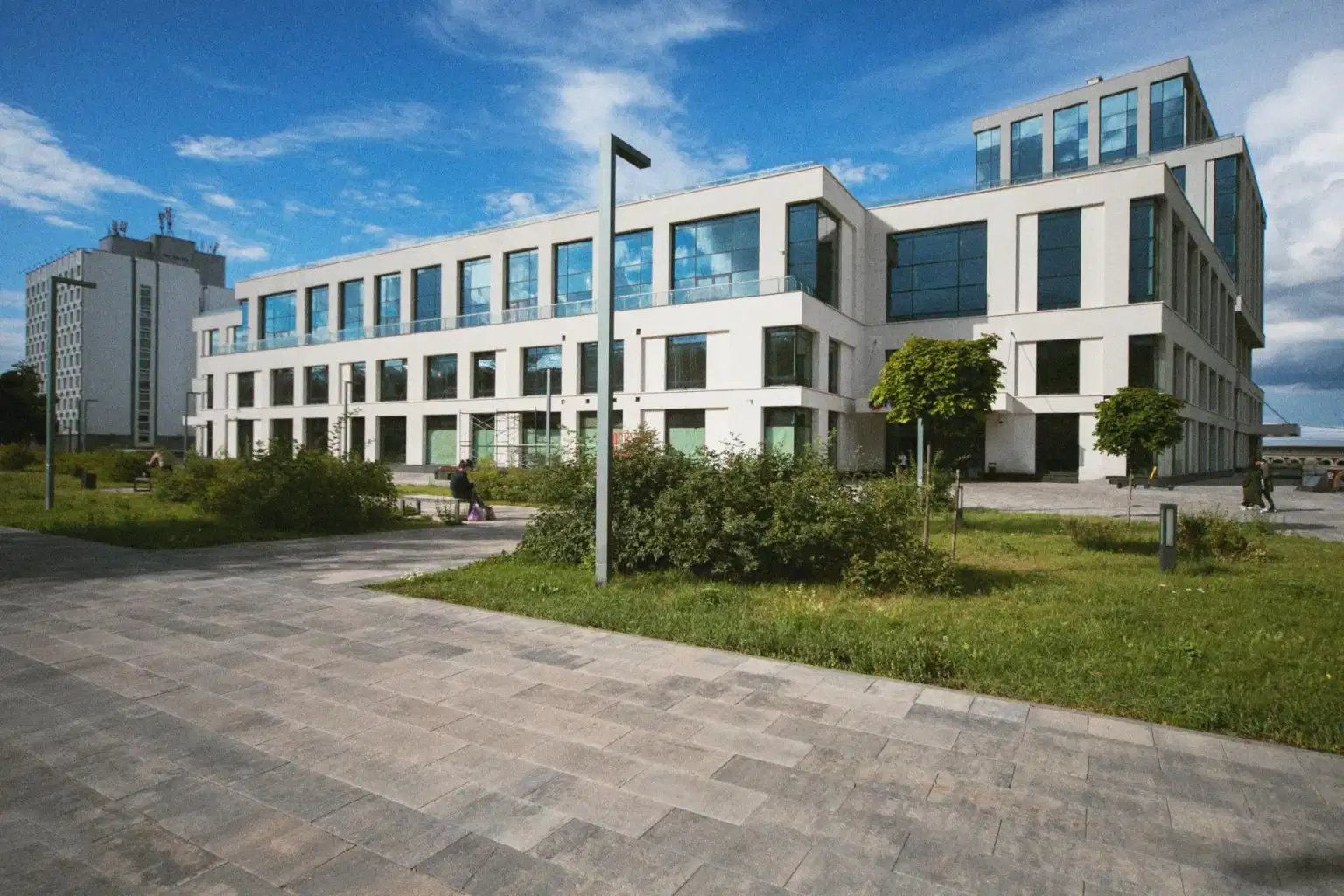
Cerebral Palsy Success Rate in Haryana
Need Personalized Advice?
Our medical experts are ready to answer your questions and guide you through your treatment options.
About
Cerebral Palsy Success Rate in Haryana Explained
Understanding the Cerebral Palsy success rate in Haryana is crucial for families navigating healthcare decisions. Success in managing Cerebral Palsy focuses on maximizing functional abilities and enhancing quality of life, rather than a cure. These outcomes depend significantly on the intervention methods, the child's specific condition, and individual patient profiles. Haryana offers diverse treatment options for comprehensive care.
Cerebral Palsy outcomes in Haryana are reviewed by comparing aggregated clinical data from various institutions. This helps in understanding the effectiveness of different approaches within the region. Success rates are evaluated based on treatment-level impact, acknowledging that outcomes vary by the type and severity of Cerebral Palsy, the timing of intervention, and each patient's unique health profile.
Defining Success for Cerebral Palsy Outcomes
For Cerebral Palsy, "success" is defined by tangible improvements in motor skills, communication, cognitive function, and daily living activities. It encompasses enhanced mobility, better speech, reduced spasticity, and greater independence. This includes the ability to participate more fully in school and social life, reflecting significant functional improvement and improved long-term quality of life, rather than a complete recovery from the condition itself.
Cerebral Palsy Intervention Outcome Breakdown
Success rates vary depending on treatment approach and patient factors in Cerebral Palsy management.
| Treatment Type / Category | Typical Use Case | Functional Improvement Rate Range (%) | What Success Indicates |
|---|---|---|---|
| Physical Therapy | Improving motor skills, balance, and gait | 60%–85% | Enhanced mobility, reduced spasticity, improved posture |
| Occupational Therapy | Developing daily living skills, fine motor coordination | 55%–80% | Increased independence in self-care, fine motor task completion |
| Speech and Language Therapy | Improving communication, feeding, and swallowing | 50%–75% | Clearer speech, effective communication methods, safer feeding |
| Medication Management | Controlling spasticity, seizures, associated pain | 65%–90% | Reduced symptoms, improved comfort, better functional movement |
| Orthopedic Surgery | Correcting deformities, improving joint function | 70%–90% | Increased range of motion, improved walking ability, pain relief |
Cerebral Palsy Survival Rate by Age in Haryana and Recovery Trends
The Cerebral Palsy survival rate in Haryana, much like global trends, is influenced by the severity of the condition and the presence of associated health issues. Early and consistent intervention significantly impacts long-term functional outcomes and life expectancy. Understanding `stage wise Cerebral Palsy survival rate in Haryana` requires considering the GMFCS levels, which classify motor function. These outcomes generally align with internationally observed clinical trends, emphasizing the critical role of early, comprehensive care in improving life quality.
| Age Group / Patient Category | Primary Focus of Intervention | Functional Gain/Stability Rate Range (%) |
|---|---|---|
| Early Childhood (0-5 years) | Early intervention programs, motor development | 70%–90% |
| School Age (6-12 years) | Mobility, academic integration, self-care skills | 60%–80% |
| Adolescence (13-18 years) | Independence, vocational skills, transition to adulthood | 55%–75% |
| Adulthood (18+ years) | Maintaining function, managing secondary complications, quality of life | 50%–70% |
Haryana's Cerebral Palsy Outcomes: India vs. Global Standards
Cerebral Palsy success rate in Haryana, India, is comparable with international standards when similar evidence-based protocols, advanced technology, and appropriate patient selection criteria are applied. Leading centers such as AIIMS, PGI Chandigarh, and major institutes across India follow evidence-based protocols. This ensures that patients in Haryana can access care aligned with global best practices for managing Cerebral Palsy.
| Country | Functional Improvement Rate Range (%) |
|---|---|
| India (Haryana) | 55%–85% |
| United States | 60%–90% |
| United Kingdom | 58%–88% |
| Canada | 57%–87% |
| Australia | 59%–89% |
| Germany | 62%–90% |
These indicative success rates are not guaranteed outcomes, as individual results can vary significantly. They depend on the specific patient's condition, the chosen treatment approach, and adherence to therapy.
Factors Influencing Cerebral Palsy Outcomes
- Severity and Type of Cerebral Palsy: The extent of motor impairment and the specific type (e.g., spastic, dyskinetic) profoundly affect potential outcomes.
- Timing of Intervention: Earlier diagnosis and commencement of therapies generally lead to more significant functional gains and better long-term development.
- Presence of Co-occurring Conditions: Associated challenges like epilepsy, vision/hearing impairments, or intellectual disabilities can influence the overall success rate.
- Consistency and Intensity of Therapy: Regular adherence to physical, occupational, and speech therapies is crucial for sustained improvement.
- Family Support and Environment: A supportive home environment and active family involvement play a vital role in a child's progress and adaptation.
- Access to Specialized Care: Availability of experienced multidisciplinary teams, advanced equipment, and specialized programs impacts comprehensive management.
Data Sources & Methodology for Outcome Assessment
- National and regional health registries provide aggregated data on patient demographics and long-term follow-up statistics.
- Peer-reviewed medical studies from leading research institutions contribute insights into specific intervention efficacy and outcome trends.
- Aggregated multi-hospital outcome data, collected from various healthcare providers, offers a broader perspective on real-world treatment effectiveness.
- Clinical guidelines and consensus statements from neurological and rehabilitation associations inform the benchmarks for treatment success.
Informed Choices for Cerebral Palsy
Understanding Cerebral Palsy outcomes is vital for patients and families. Informed decisions, based on clear data and expert guidance, empower individuals to pursue the most beneficial care pathways for managing the condition effectively.
Hospitals Offering this treatment
India offers premium medical procedures at affordable prices. Discover our most popular treatments, delivered by the country's finest doctors.
Meet Our Doctors
Meet our team of highly qualified and experienced medical professionals dedicated to providing the best healthcare services.
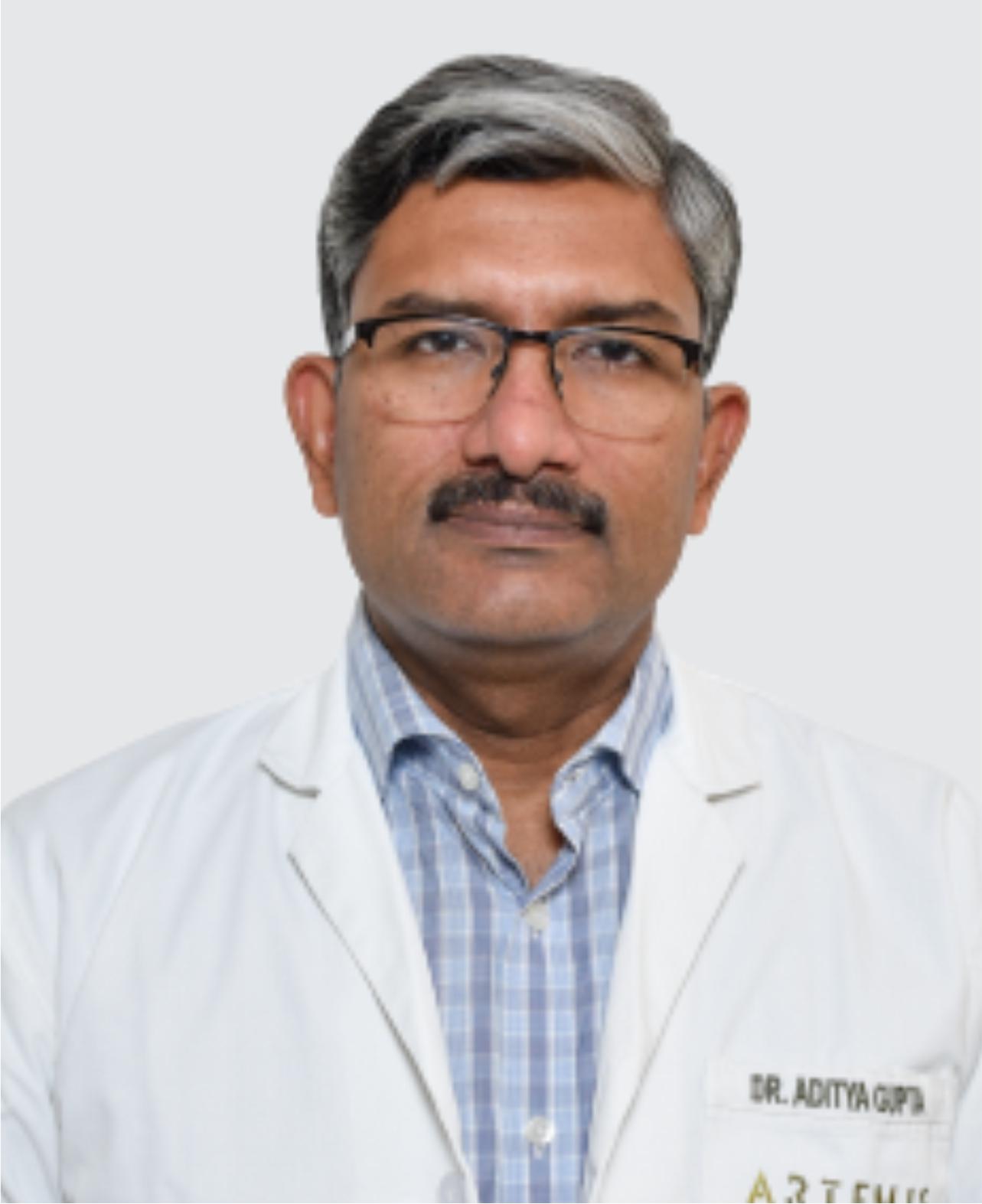
Dr. Aditya Gupta
Chairperson - Neurosurgery & CNS Radiosurgery & Co-Chief - Cyberknife Centre, Artemis Hospitals, Gurgaon
Neurosurgeon
Haryana
32+ Years
Experience
Artemis Hospital
Hospital
1500
Fees

Dr. Abhinandan Mukhopadhyay
Sr. Consultant - Urology & Kidney Transplant Program (Unit I)
Urology, Kidney Transplant, Urological Cancers
Haryana
8+ Years
Experience
Artemis Hospital
Hospital
1500
Fees

Aditi Dixit
Sr. Consultant – Women Imaging
Radiology (Specializing in Women's Imaging)
Haryana
15+ Years
Experience
Artemis Hospital
Hospital
1500
Fees

Dr. Ajit Singh Baghela
Consultant
Paediatric Neurology
Haryana
9+ Years
Experience
Artemis Hospital
Hospital
1500
Fees

Amit Jassal
Sr. Consultant - Anaesthesia
Anaesthesia
Haryana
15+ Years
Experience
Artemis Hospital
Hospital
1500
Fees
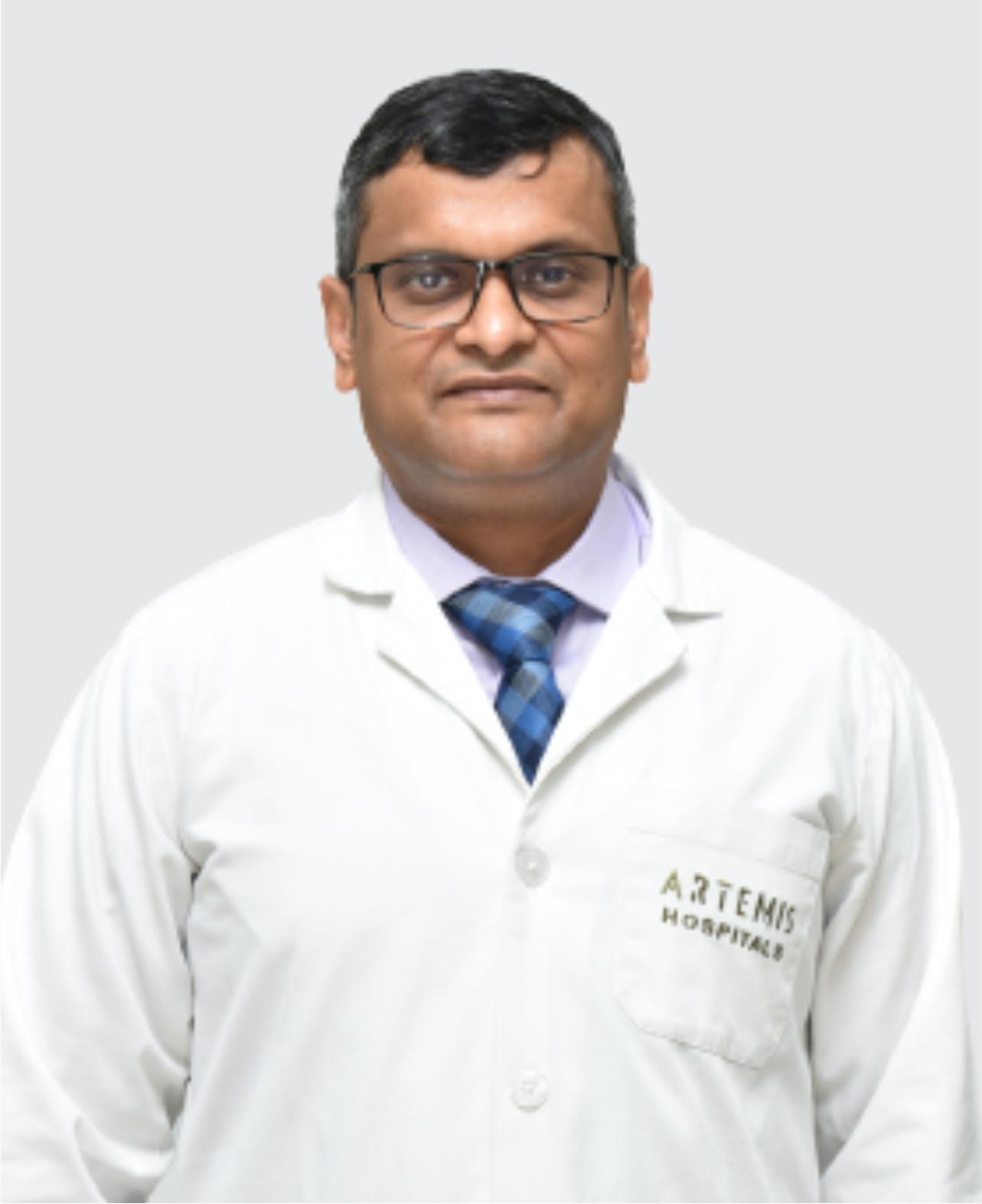
Dr. Amit Kumar Chaurasia
Chief Cath Lab & TAVI (Unit I), Director TAVI/TAVR and Structural Heart Disease and Senior Consultant Cardiology
Cardiology, Interventional Cardiology, TAVI / TAVR & Structural Heart Diseases
New Delhi
16+ Years
Experience
Artemis Hospital
Hospital
1500
Fees

Anjana Kharbanda
Sr. Consultant - Emergency
Emergency & Trauma Services
New Delhi
22+ Years
Experience
Artemis Hospital
Hospital
1500
Fees
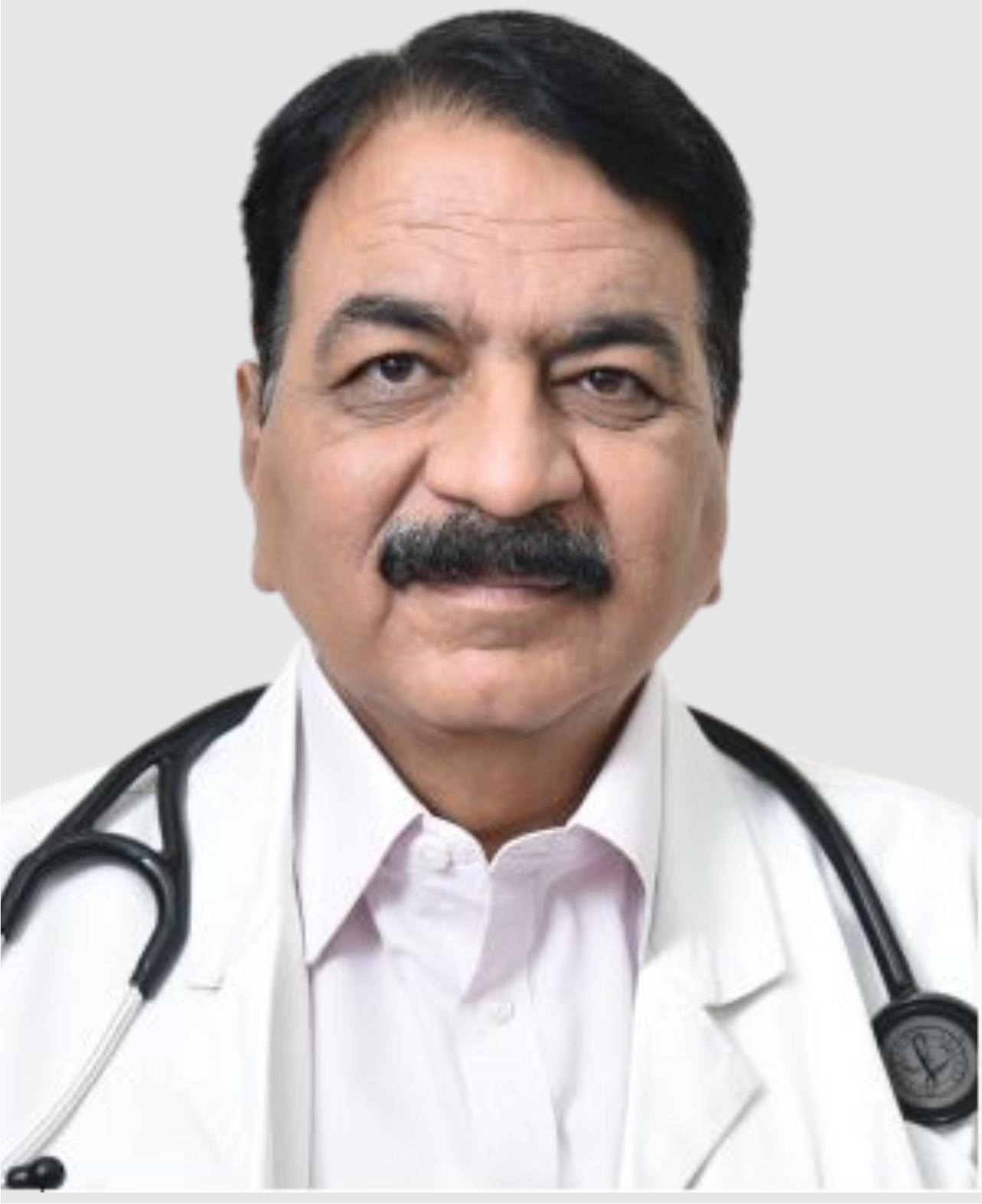
Dr. (Col) B Kalra
Associate Chief - Cardiology (NIC)
Cardiology
New Delhi
18+ Years
Experience
Artemis Hospital
Hospital
1500
Fees
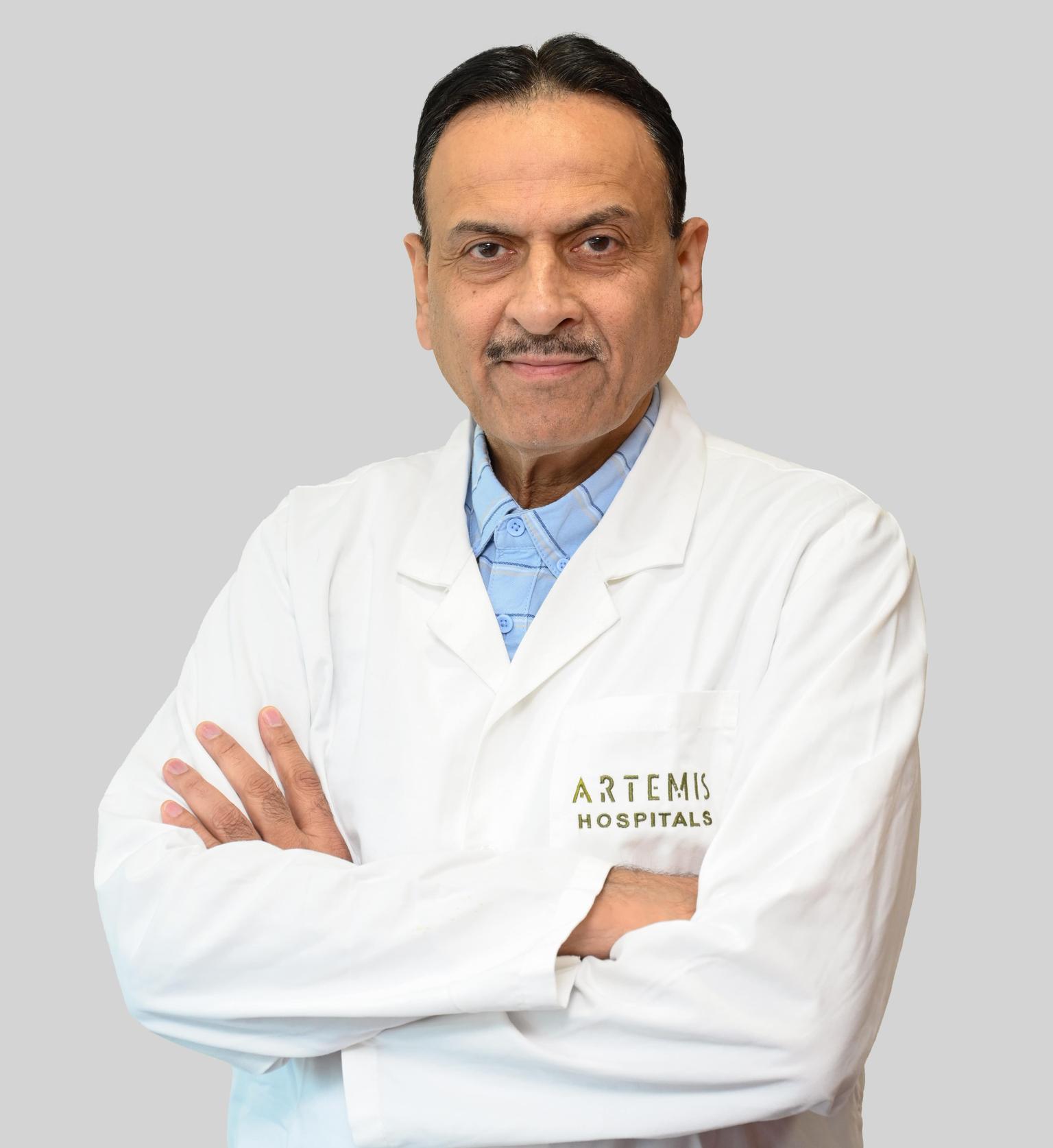
Dr. D.K. Jhamb
Chief Cardiology (Unit IV)
Cardiology
New Delhi
30+ Years
Experience
Artemis Hospital
Hospital
1500
Fees
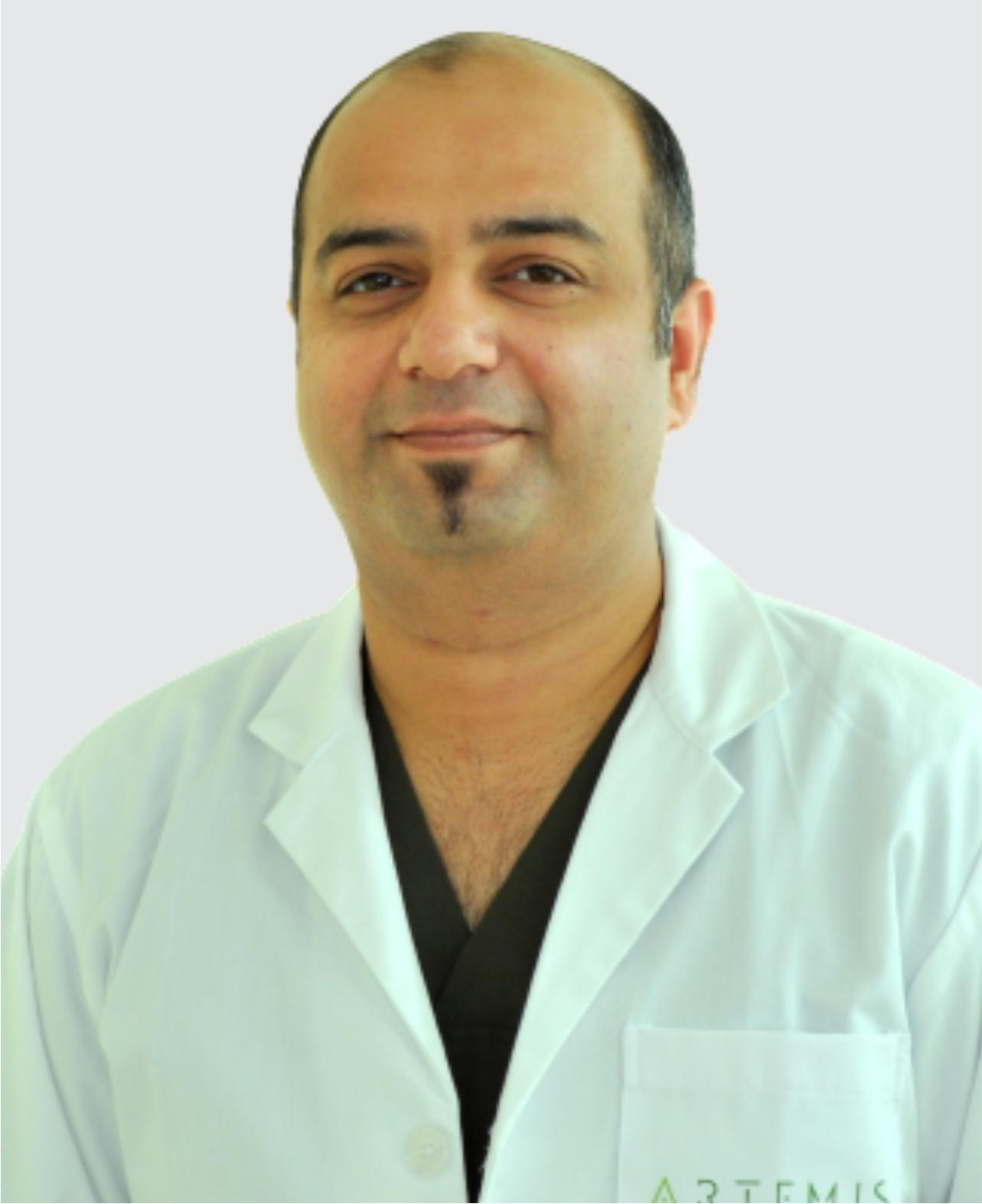
Dr Amit Jassal
Principal Consultant - Anaesthesia
Anaesthesia
New Delhi
15+ Years
Experience
Artemis Hospital
Hospital
1500
Fees
Related Links
Other Treatment related Information
Ready To Start Your Healing Journey?
Get Personalized Medical Treatment Options From India's Top Hospitals. Our Medical Experts Are Ready To Assist You Every Step Of The Way.