
embryo biopsy Treatment in New Delhi for Ethiopia
Need Personalized Advice?
Our medical experts are ready to answer your questions and guide you through your treatment options.
About
Embryo Biopsy in New Delhi for Ethiopian Patients
For Ethiopian patients considering advanced fertility treatments, the path to parenthood can present complex questions. Concerns about specialized procedures like embryo biopsy often revolve around finding expert care, understanding the process, and ensuring the best possible outcomes, which might seem challenging from a distance.
Many international patients, including those from Ethiopia, increasingly look towards New Delhi as a preferred destination. The city offers a well-developed medical infrastructure with reputable fertility clinics and specialists, providing a coordinated environment for complex procedures within a supportive setting.
Trust in New Delhi’s medical institutions stems from their commitment to high standards, experienced embryologists, and state-of-the-art laboratory facilities. Patients can find comfort in the specialized care available, with the added benefit of streamlined follow-ups and comprehensive support within the city.
New Delhi provides a reliable option for those seeking embryo biopsy and related fertility services.
What is Embryo Biopsy?
Embryo biopsy is a delicate procedure performed during In Vitro Fertilization (IVF) to remove a few cells from an embryo for genetic testing. This allows for the screening of chromosomal abnormalities or specific genetic diseases before the embryo is implanted into the uterus. The primary goal is to identify healthy embryos, increasing the chances of a successful pregnancy and reducing the risk of genetic disorders in the child. It is a critical step in preimplantation genetic testing (PGT), offering valuable insights into embryo health.
How is Embryo Biopsy Performed?
Embryo biopsy techniques differ based on the developmental stage of the embryo:
- Blastomere Biopsy: Performed on Day 3 embryos, typically involving the removal of one or two cells (blastomeres).
- Trophectoderm Biopsy: This is the most common and preferred method, performed on Day 5 or Day 6 embryos (blastocysts). It involves taking cells from the trophectoderm, which will later form the placenta, leaving the inner cell mass (which forms the fetus) undisturbed.
- Polar Body Biopsy: Less common now, this involves removing cells from the oocyte before fertilization, primarily used for maternal genetic conditions.
- Laser-Assisted Biopsy: A precise laser is often used to create a small opening in the embryo's outer shell (zona pellucida) to facilitate cell removal with minimal manipulation.
- Micromanipulation Techniques: Highly skilled embryologists use specialized equipment to carefully extract the cells without harming the embryo's development potential.
When is Embryo Biopsy Recommended?
- To screen for chromosomal abnormalities (PGT-A or PGS) in cases of recurrent miscarriages or advanced maternal age.
- To identify specific single-gene disorders (PGT-M or PGD) when parents are known carriers of genetic diseases like cystic fibrosis or sickle cell anemia.
- For structural chromosomal rearrangements (PGT-SR) in parents with balanced translocations.
- When there's a history of previous failed IVF cycles or implantation failures.
- To select embryos free of a specific genetic condition for couples with known inherited conditions.
- To improve the success rates of IVF by transferring only euploid (chromosomally normal) embryos.
Preparing for Embryo Biopsy
- Comprehensive fertility assessment for both partners, including hormone levels and semen analysis.
- Genetic counseling to understand the risks and benefits of PGT and discuss inherited conditions.
- Parental genetic screening to identify specific mutations or chromosomal rearrangements.
- Uterine evaluation to ensure optimal conditions for embryo transfer later.
- Discussion with the fertility specialist to create a personalized IVF and PGT treatment plan.
The Embryo Biopsy Procedure Steps
The embryo biopsy procedure is an intricate process performed in a specialized embryology lab, typically as part of an IVF cycle.
Embryo Development and Culture
Following fertilization in an IVF cycle, embryos are cultured in an incubator. For trophectoderm biopsy, embryos are typically grown to the blastocyst stage (Day 5 or Day 6), where they have developed distinct inner cell mass and outer trophectoderm cells.
Biopsy Technique
Under high magnification, an embryologist uses a laser to create a small opening in the zona pellucida, the outer shell of the blastocyst. A few trophectoderm cells are then gently aspirated and separated from the embryo using a micro-pipette. The embryo remains intact.
Genetic Analysis
The biopsied cells are carefully packaged and sent to a specialized genetics laboratory for analysis. The genetic testing can take several days or weeks, depending on the type of PGT being performed.
Embryo Freezing or Transfer
After the biopsy, the embryos are typically cryopreserved (frozen) while awaiting the genetic test results. Once results are available and a healthy, euploid embryo is identified, it can then be thawed and transferred into the patient's uterus in a subsequent cycle.
What Happens After Embryo Biopsy?
For the patient, the "recovery" from embryo biopsy mainly refers to the period after the egg retrieval and before the potential embryo transfer. The biopsied embryos themselves recover quickly and are then frozen. The primary focus for the patient during this time is awaiting genetic results and preparing for a future frozen embryo transfer (FET) cycle. This typically involves hormone preparation and uterine lining monitoring, guided by the fertility specialist. No specific physical restrictions are usually required for the patient directly due to the biopsy itself.
Understanding Risks and Success in Embryo Biopsy
- A small risk of damage to the embryo during the biopsy procedure, potentially affecting its viability.
- The possibility of obtaining no diagnostic result from the genetic analysis, requiring re-biopsy or transfer without PGT.
- Mosaicism, where an embryo contains both normal and abnormal cells, which can complicate interpretation and transfer decisions.
- The chance of misdiagnosis, though rare, where the PGT result does not accurately reflect the embryo's genetic status.
- Potential for a slight reduction in embryo implantation rates following biopsy and freezing, compared to fresh transfers.
Success rates for embryo biopsy, when combined with PGT, are generally high in terms of identifying chromosomally normal embryos. The aim of PGT is to select the best quality embryos for transfer, which can significantly improve live birth rates per transfer and reduce miscarriage rates, especially in certain patient populations. However, individual outcomes vary based on factors like maternal age, underlying fertility issues, embryo quality, and the specific genetic condition being screened. Long-term expectations focus on achieving a healthy pregnancy and birth free of the targeted genetic condition.
Ready to Discuss Your Options?
Connect with top fertility specialists in New Delhi to learn more about embryo biopsy and personalized treatment plans.
Cost of Embryo Biopsy in New Delhi
The cost of embryo biopsy in New Delhi is influenced by several factors, including the reputation of the fertility clinic, the experience of the embryologist, the specific PGT tests required, and whether it's part of a full IVF cycle. The technology used in the lab and the extent of genetic analysis also play a role in the overall expense.
In New Delhi, the cost for embryo biopsy (excluding the full IVF cycle and genetic testing fees) generally ranges from approximately INR 45,000 to INR 75,000 per embryo batch.
Embryo Biopsy Costs in New Delhi vs. Other Global Destinations
New Delhi offers a cost-effective alternative for embryo biopsy compared to many Western countries, without compromising on quality or advanced medical facilities.
| Location | Estimated Cost (USD) |
|---|---|
| New Delhi, India | $550 - $900 |
| USA | $2,000 - $4,000 |
| United Kingdom | $1,500 - $3,000 |
| Thailand | $1,000 - $2,000 |
Comprehensive Support for Your Medical Journey in New Delhi
- Dedicated patient coordinators to assist with appointment scheduling and logistical planning.
- Guidance for visa application processes and required travel documents for Ethiopian patients.
- Assistance with finding suitable accommodation options near your chosen fertility clinic.
- Arrangements for airport transfers and local transportation within New Delhi.
- Access to language support or interpreters if needed during consultations and procedures.
- Follow-up care coordination and remote consultations post-treatment, if applicable.
Key Documents for Your Medical Visit to New Delhi
- A valid passport with sufficient validity for your intended stay.
- Medical visa for India, specifically for medical treatment.
- Detailed medical history, previous fertility treatment records, and relevant test results.
- Referral letters from your local doctor, if applicable.
- Proof of funds to cover your treatment and stay.
- Any required permits for specific medication or medical devices.
Preparing for Your Embryo Biopsy Procedure
- Follow all medication instructions provided by your fertility specialist prior to egg retrieval.
- Maintain open communication with your clinic regarding your cycle progression and any concerns.
- Ensure you understand the schedule for egg retrieval and subsequent embryo development.
- Arrange for a companion if necessary for support during your fertility treatment journey.
- Plan your travel to New Delhi well in advance to avoid last-minute stress.
Guidance for Your Recovery and Next Steps
- Adhere to all post-egg retrieval care instructions from your medical team.
- Maintain regular communication with the clinic for updates on your embryo's progress and genetic test results.
- Discuss the timing and preparation for your frozen embryo transfer cycle with your specialist.
- Focus on general well-being, nutrition, and stress management during the waiting period.
- Plan for any necessary follow-up consultations, either in New Delhi or remotely from Ethiopia.
Ready to Explore Your Options in New Delhi?
Considering embryo biopsy in New Delhi can be a significant step in your fertility journey, offering advanced care and supportive services.
Start Your Consultation
Reach out today to connect with leading fertility clinics in New Delhi and take the next step toward your family goals.
Hospitals Offering this treatment
India offers premium medical procedures at affordable prices. Discover our most popular treatments, delivered by the country's finest doctors.
Meet Our Doctors
Meet our team of highly qualified and experienced medical professionals dedicated to providing the best healthcare services.
Dr Aditi Dixit
Sr. Consultant – Women Imaging
Radiology
New Delhi
15+ Years
Experience
Artemis Hospital
Hospital
1500
Fees
Dr Chandrima Misra M
Co-Head Psychological Services
Mental Health and Behavioural Sciences
New Delhi
15+ Years
Experience
Artemis Hospital
Hospital
1500
Fees
Dr. Nutan Agarwal
Head of Department - Gynae Endocrinology & DNB Program Director - Obs & Gynae
Gynaecological Endocrinology, Maternity, Obstetrics & Gynaecology
New Delhi
35+ Years
Experience
Artemis Hospital
Hospital
1500
Fees
Dr. Poonam Gautam
Senior Consultant - ENT
ENT and Head & Neck Surgery
New Delhi
24+ Years
Experience
Artemis Hospital
Hospital
1500
Fees
Dr. Priyanka Raina
Consultant (Head & Neck Surgery) - Surgical Oncology
Head and Neck Surgical Oncology
New Delhi
10+ Years
Experience
Artemis Hospital
Hospital
1500
Fees
Dr. Rupinder Sekhon
Chairperson - Gynae Oncology
Gynaecological Oncology
New Delhi
16+ Years
Experience
Artemis Hospital
Hospital
1500
Fees
Dr. Kiran Arora
Unit Head - Reproductive Medicine (Unit II)
IVF, Reproductive Medicine, Obstetrics & Gynecology
New Delhi
20+ Years
Experience
Artemis Hospital
Hospital
1500
Fees
Nidhi Jain
Sr. Consultant - Obs & Gynae
Maternity, Obstetrics & Gynaecology
New Delhi
15+ Years
Experience
Artemis Hospital
Hospital
1500
Fees

Dr. Nidhi Rajotia
Unit Head - Obs & Gynae
Maternity, Obstetrics & Gynaecology
New Delhi
19+ Years
Experience
Artemis Hospital
Hospital
1500
Fees
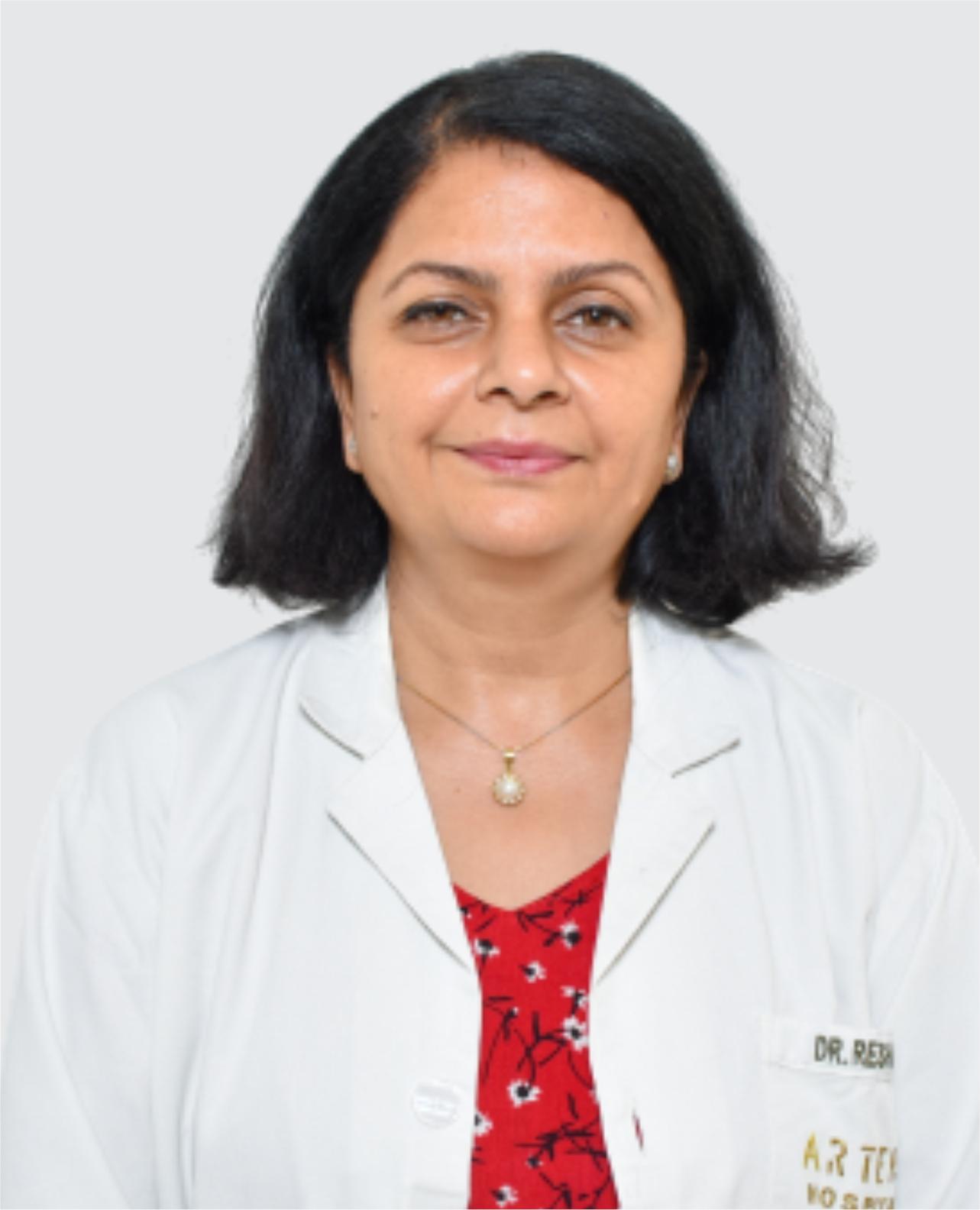
Dr. Reshma Tewari
Director
Obstetrics and Gynaecology
New Delhi
19+ Years
Experience
Artemis Hospital
Hospital
1500
Fees
Related Links
Recent Blogs
Other Treatment related Information
- embryo biopsy cost in Chennai
- embryo biopsy cost in Haryana
- embryo biopsy cost in Pune
- embryo biopsy cost in India
- embryo biopsy cost in Hyderabad
- embryo biopsy cost in Mumbai
- embryo biopsy cost in New Delhi
- embryo biopsy cost in Bengaluru
- embryo biopsy Success Rate in Haryana
- embryo biopsy Success Rate in Hyderabad
- embryo biopsy Success Rate in Pune
- embryo biopsy Success Rate in New Delhi
- embryo biopsy Success Rate in India
- embryo biopsy Success Rate in Chennai
- embryo biopsy Success Rate in Mumbai
- embryo biopsy Success Rate in Bengaluru
- Best embryo biopsy Doctors in Mumbai
- Best embryo biopsy Doctors in Chennai
- Best embryo biopsy Doctors in Bengaluru
Ready To Start Your Healing Journey?
Get Personalized Medical Treatment Options From India's Top Hospitals. Our Medical Experts Are Ready To Assist You Every Step Of The Way.