
Gastroenterology Treatment in India for Ethiopia
Need Personalized Advice?
Our medical experts are ready to answer your questions and guide you through your treatment options.
About
Gastroenterology Treatment in India for Ethiopian Patients
Many patients from Ethiopia facing digestive health issues often feel uncertain about where to find advanced and affordable care. The complexity of conditions like persistent abdominal pain or chronic bowel problems can be daunting, leading to a search for effective solutions outside their home country.
India has emerged as a preferred destination for medical treatment, drawing patients globally for its excellent healthcare infrastructure. Across its major cities, patients discover a robust network of hospitals and clinics equipped to handle diverse medical needs, including complex gastroenterological conditions.
The trust in India's medical system stems from highly skilled specialists and advanced technology available nationwide. Patients receive comprehensive care, from initial diagnosis to recovery, supported by international accreditation standards and a focus on patient safety.
Considering India for your gastroenterology care, what are your next steps?
Ready to explore advanced gastroenterology treatment in India?
Connect with us to begin your journey toward better health.
What is Gastroenterology?
Gastroenterology is a medical specialty focused on the digestive system and its disorders. This includes the esophagus, stomach, small intestine, large intestine, rectum, liver, gallbladder, pancreas, and bile ducts. Gastroenterologists diagnose and treat a wide range of conditions, from common issues like acid reflux to complex diseases such as inflammatory bowel disease and liver cirrhosis, ensuring the entire digestive process functions correctly.
Types of Gastroenterology Treatments
Gastroenterology treatments are diverse, tailored to the specific condition and patient needs:
- Medical Management: Prescription medications for conditions like GERD, peptic ulcers, IBS, and inflammatory bowel disease. This includes antibiotics, acid reducers, anti-inflammatory drugs, and biologics.
- Endoscopic Procedures: Minimally invasive techniques using a flexible tube with a camera. Examples include gastroscopy, colonoscopy, ERCP (Endoscopic Retrograde Cholangiopancreatography), and endoscopic ultrasound for diagnosis and treatment.
- Dietary and Lifestyle Modifications: Guidance on specific diets, nutritional support, and lifestyle changes to manage digestive symptoms, particularly for conditions like celiac disease or irritable bowel syndrome.
- Surgical Interventions: For severe cases or conditions not treatable by other means, such as gallstone removal, tumor resections, hernia repair, or bariatric surgery for obesity-related digestive issues.
- Advanced Therapies: Specialized treatments for liver diseases, pancreatic disorders, and complex motility issues, including liver transplantation evaluation and management of chronic pancreatitis.
When is Gastroenterology Treatment Required?
- Persistent abdominal pain or discomfort
- Chronic heartburn or acid reflux (GERD)
- Difficulty swallowing (dysphagia)
- Unexplained weight loss
- Chronic diarrhea or constipation
- Blood in stool or black, tarry stools
- Jaundice (yellowing of skin or eyes)
- Nausea and vomiting that does not resolve
- Changes in bowel habits
- Symptoms of liver disease or pancreatic issues
Pre-Treatment Evaluation for Digestive Conditions
- Medical History and Physical Exam: A thorough review of symptoms, past illnesses, and a physical assessment.
- Blood Tests: To check for inflammation, infection, liver function, pancreatic enzymes, and nutritional deficiencies.
- Stool Tests: To detect infections, blood, or abnormalities in digestion.
- Imaging Studies: Such as ultrasound, CT scans, MRI, or X-rays to visualize organs of the digestive system.
- Endoscopic Procedures: Gastroscopy, colonoscopy, or sigmoidoscopy to directly examine the lining of the digestive tract and take biopsies.
- Breath Tests: For conditions like H. pylori infection or lactose intolerance.
- Manometry Studies: To assess the function and pressure of the esophagus or other parts of the digestive tract.
How Gastroenterology Treatment is Performed
The approach to gastroenterology treatment varies significantly based on the diagnosed condition, its severity, and the patient's overall health. Treatments range from medication to complex surgical procedures.
Medical Management and Lifestyle
For many common digestive issues, treatment involves prescribed medications to manage symptoms, reduce inflammation, or eradicate infections. This is often combined with dietary modifications, stress management, and lifestyle changes guided by nutritionists and therapists. Regular follow ups are essential to adjust treatment as needed.
Endoscopic Procedures
Many gastroenterological issues are diagnosed and treated using endoscopy. For example, during a colonoscopy, polyps can be removed to prevent colon cancer. ERCP is used to treat bile duct and pancreatic duct issues, such as removing gallstones or placing stents. These are typically outpatient procedures performed under sedation.
Surgical Interventions
When medical or endoscopic treatments are insufficient, surgery may be necessary. This can involve procedures such as cholecystectomy (gallbladder removal), appendectomy, bowel resection for inflammatory bowel disease or cancer, or fundoplication for severe GERD. Surgeries can be traditional open procedures or minimally invasive laparoscopic techniques, leading to faster recovery times.
Recovery Process in Gastroenterology Treatment
The recovery process after gastroenterology treatment depends greatly on the specific procedure performed. For medical management, recovery involves adherence to medication schedules and dietary plans, with gradual improvement of symptoms. After endoscopic procedures, patients typically recover within a few hours to a day, often returning to normal activities quickly. Surgical recovery is more involved, requiring several days in the hospital and a few weeks for full recovery at home. This period involves pain management, wound care, gradual return to diet, and physical activity restrictions. Follow-up appointments are crucial to monitor healing, adjust medications, and ensure a smooth return to digestive health.
Risks and Success Rates
- General Risks: Common to many medical procedures, including infection, bleeding, or adverse reactions to anesthesia.
- Procedure-Specific Risks: For endoscopy, there is a small risk of perforation of the digestive tract. For surgery, risks can include leakage from surgical sites or organ damage.
- Medication Side Effects: Digestive upset, allergic reactions, or other systemic effects depending on the drug.
- Recurrence of Condition: Some chronic conditions like IBS or IBD may recur even after successful treatment, requiring ongoing management.
The success rates for gastroenterology treatments in India are generally high, especially for common conditions. For example, endoscopic procedures like polyp removal have very high success rates in preventing cancer. Medical management for conditions like GERD or ulcers often brings significant symptom relief. Surgical outcomes are also excellent due to advanced techniques and experienced specialists. Overall success depends on the specific condition, its severity, the patient's adherence to treatment, and their overall health. Long-term outcomes are continuously monitored to ensure sustained relief and quality of life.
Cost of Gastroenterology Treatment in India
The cost of gastroenterology treatment in India is significantly lower compared to many Western countries, without compromising on quality. Several factors influence the final cost, including the specific condition being treated, the complexity of the procedure, the hospital chosen (public versus private, accreditation level), the specialist's fees, the duration of hospital stay, and any required post-treatment care or medications. India offers a range of options suitable for various budgets.
Generally, the cost for a typical gastroenterology treatment or procedure in India can range from INR 1,50,000 to INR 6,00,000, depending on the intervention.
Gastroenterology Treatment Costs in Major Indian Cities (INR)
| City | Cost Range (INR) |
|---|---|
| Delhi | 1,80,000 - 5,50,000 |
| Mumbai | 2,00,000 - 6,00,000 |
| Chennai | 1,70,000 - 5,20,000 |
| Bangalore | 1,90,000 - 5,80,000 |
| Hyderabad | 1,60,000 - 5,00,000 |
| Kolkata | 1,50,000 - 4,80,000 |
| Ahmedabad | 1,50,000 - 4,70,000 |
Global Comparison of Gastroenterology Treatment Costs (USD)
| Country | Estimated Cost Range (USD) |
|---|---|
| India | 1,800 - 7,200 |
| Ethiopia | 5,000 - 15,000 |
| United States | 15,000 - 40,000+ |
| United Kingdom | 10,000 - 25,000 |
| Thailand | 3,000 - 9,000 |
Comprehensive Support for Your Medical Journey
- Dedicated patient coordinators to assist with appointments and logistics.
- Assistance with visa applications and travel arrangements to India.
- Language interpretation services to ensure clear communication.
- Accommodation recommendations for patients and their accompanying family members.
- Guidance on local transportation and daily needs during your stay.
- Pre and post treatment support, including follow up coordination.
Essential Documents for Your Visit to India
- A valid passport with sufficient validity for your intended stay.
- A medical visa for India, specifically issued for treatment purposes.
- All relevant medical reports, previous test results, and doctor's notes in English.
- Proof of funds to cover your treatment and living expenses.
- Travel insurance documents, if applicable.
- A letter from your referring doctor in Ethiopia detailing your condition.
Preparing for Your Gastroenterology Treatment
- Ensure all necessary medical records are compiled and ready for review.
- Discuss any current medications with your doctor for pre-treatment adjustments.
- Arrange for a companion to travel with you, if possible, for support.
- Understand the pre-procedure dietary or fasting instructions provided by your doctor.
- Plan your travel itinerary to allow for adequate rest before your medical consultations.
- Communicate any specific dietary restrictions or allergies to your care team in advance.
Guidance for Your Post-Treatment Recovery
- Follow all discharge instructions carefully, including medication schedules and wound care.
- Adhere to any prescribed dietary plans or restrictions for digestive healing.
- Attend all scheduled follow-up appointments with your gastroenterologist.
- Limit strenuous activities as advised, gradually increasing physical activity.
- Monitor for any unusual symptoms or complications and report them immediately.
- Stay hydrated and maintain good nutrition to support the body's healing process.
Seeking specialized gastroenterology care?
Let us help you connect with India's leading medical experts.
Ready to Explore Your Healthcare Options?
Take the first step towards better digestive health by reaching out today.
Hospitals Offering this treatment
India offers premium medical procedures at affordable prices. Discover our most popular treatments, delivered by the country's finest doctors.
Meet Our Doctors
Meet our team of highly qualified and experienced medical professionals dedicated to providing the best healthcare services.
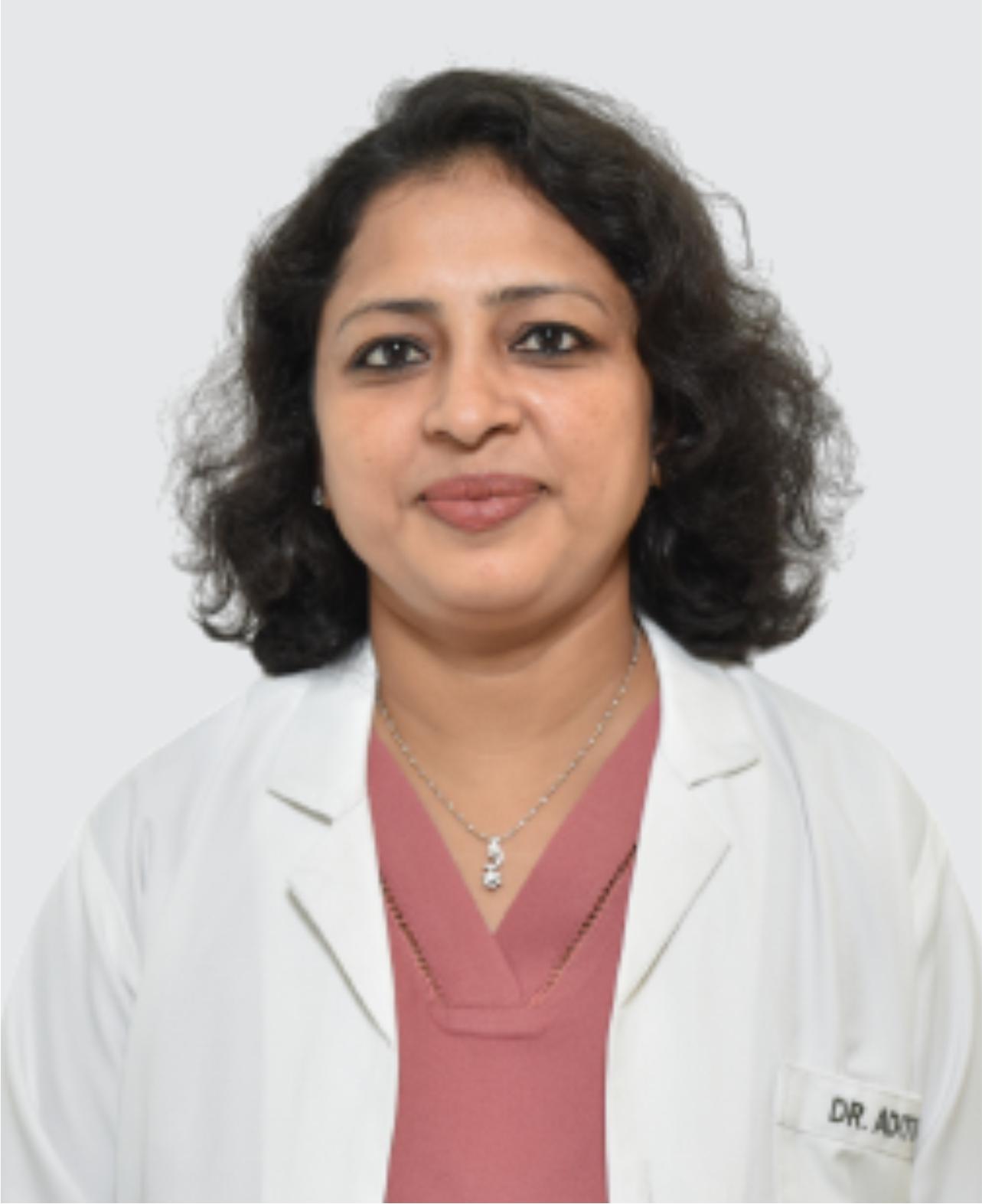
Dr Aditi Dixit
Sr. Consultant – Women Imaging
Radiology
New Delhi
15+ Years
Experience
Artemis Hospital
Hospital
1500
Fees
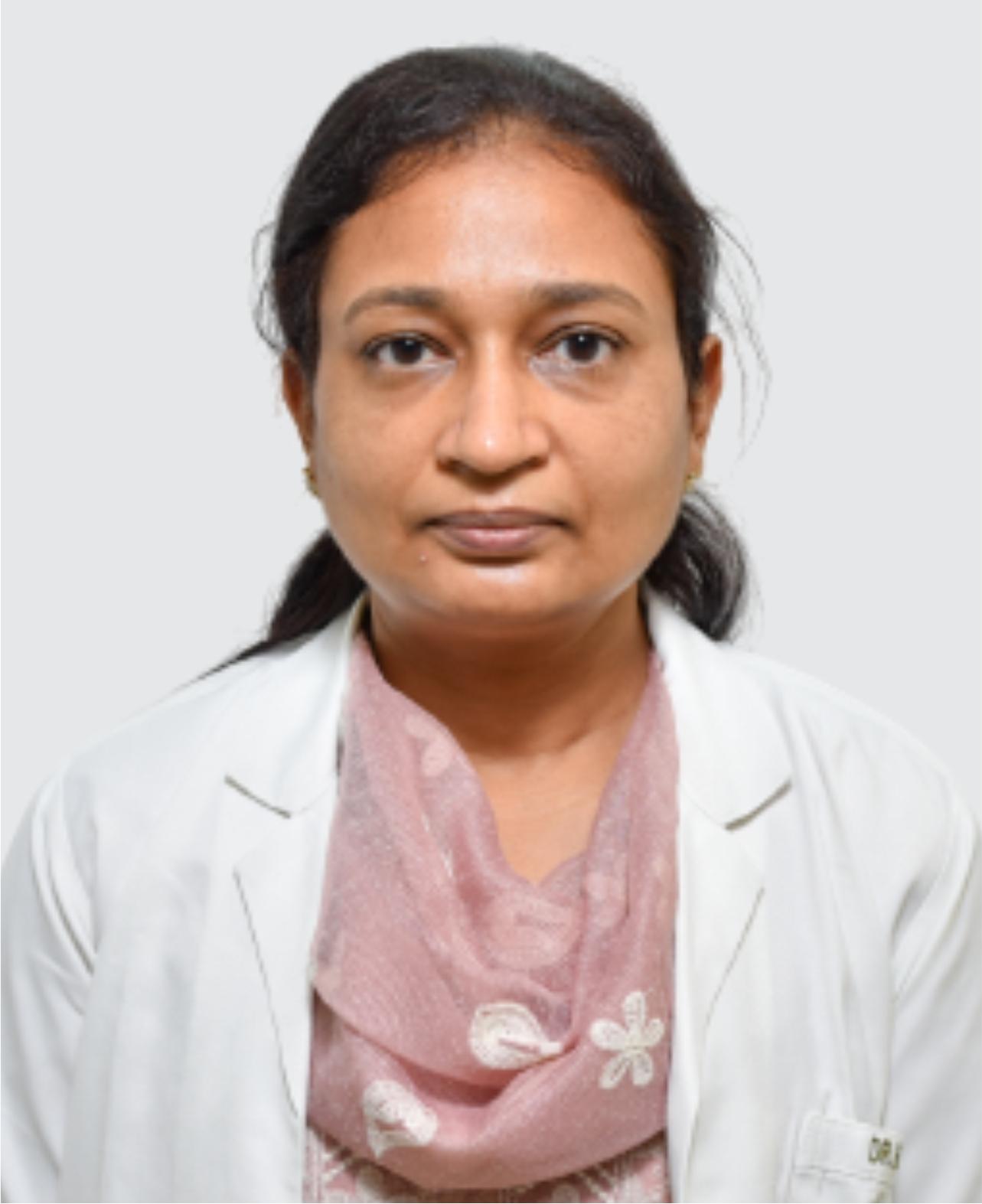
Dr. Deepa Goel
Head - Histopathology & Cytology Lab
Laboratory Services
New Delhi
21+ Years
Experience
Artemis Hospital
Hospital
1500
Fees
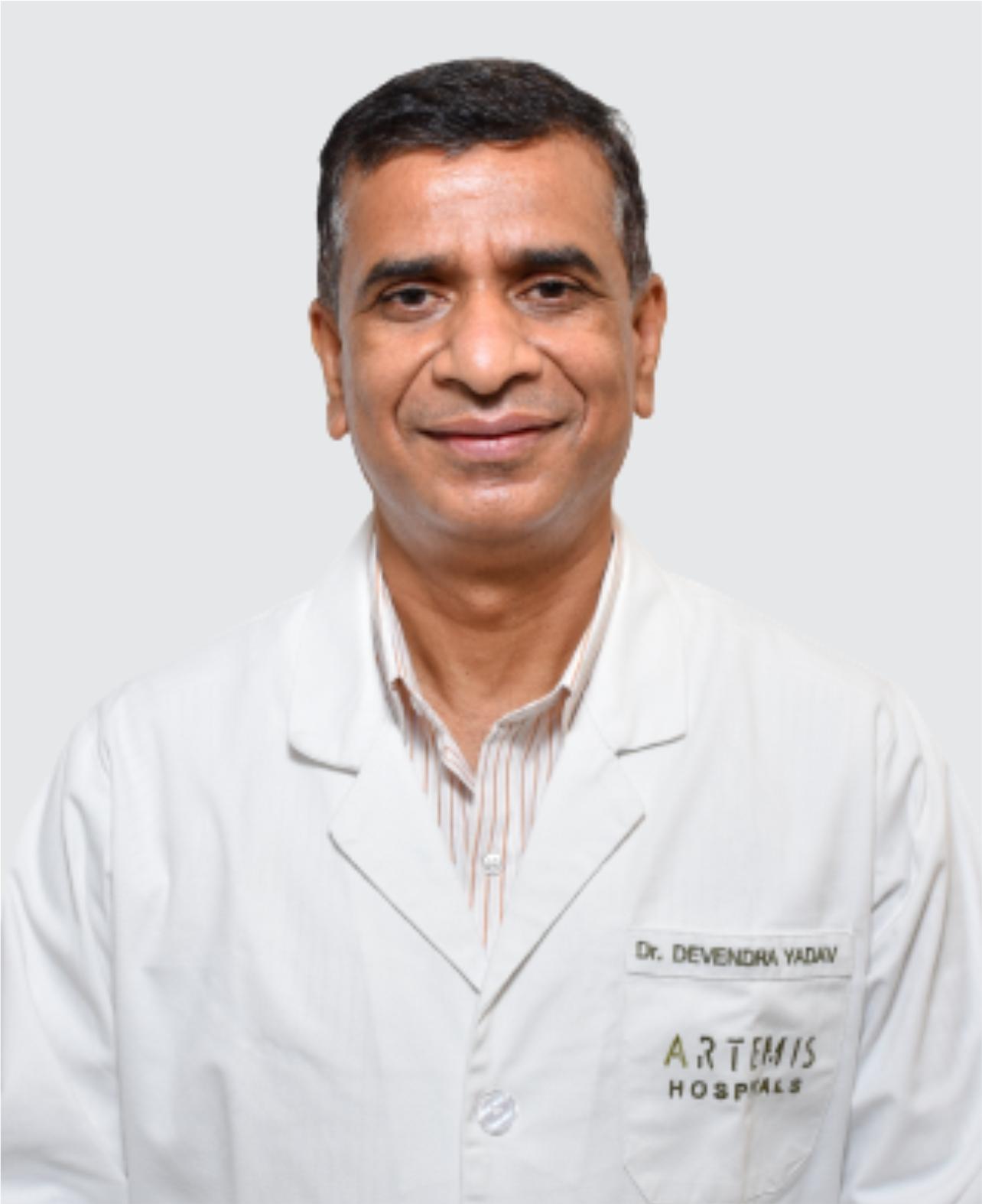
Dr. Devender Yadav
Senior Consultant - Orthopedics (Unit VI)
Orthopaedics
New Delhi
10+ Years
Experience
Artemis Hospital
Hospital
1500
Fees

Dr Chandrima Misra M
Co-Head Psychological Services
Mental Health and Behavioural Sciences
New Delhi
15+ Years
Experience
Artemis Hospital
Hospital
1500
Fees
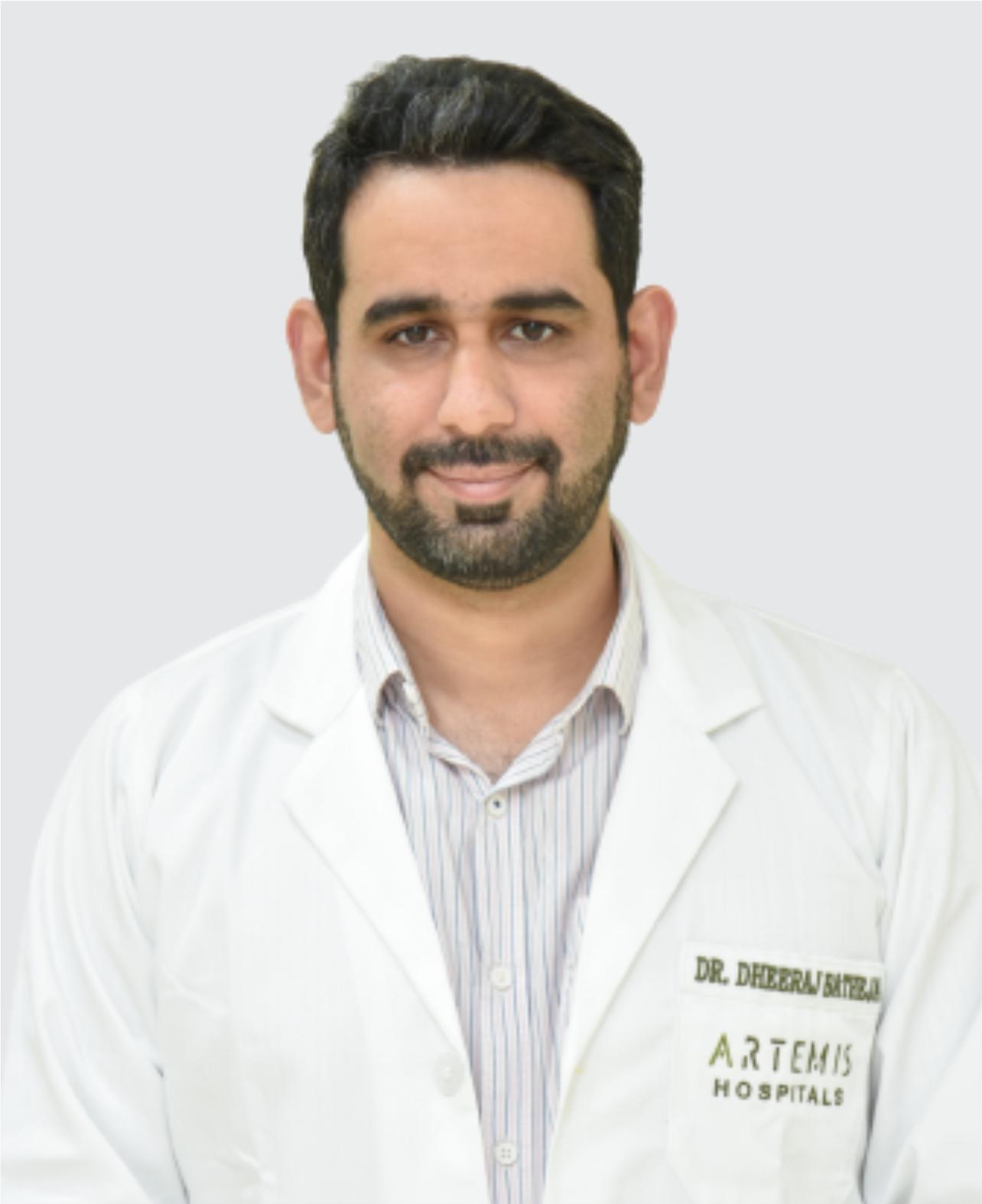
Dr. Dheeraj Batheja
Senior Consultant - Ortho Spine Surgery
Orthopaedic Surgery, Spine Surgery
New Delhi
12+ Years
Experience
Artemis Hospital
Hospital
1500
Fees

Dr. Nutan Agarwal
Head of Department - Gynae Endocrinology & DNB Program Director - Obs & Gynae
Gynaecological Endocrinology, Maternity, Obstetrics & Gynaecology
New Delhi
35+ Years
Experience
Artemis Hospital
Hospital
1500
Fees
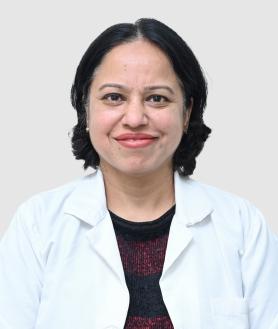
Dr. Poonam Gautam
Senior Consultant - ENT
ENT and Head & Neck Surgery
New Delhi
24+ Years
Experience
Artemis Hospital
Hospital
1500
Fees

Dr. Pradeep Kumar Singh
Head - Cosmetic & Plastic Surgery
Cosmetic & Plastic Surgery
New Delhi
17+ Years
Experience
Artemis Hospital
Hospital
1500
Fees
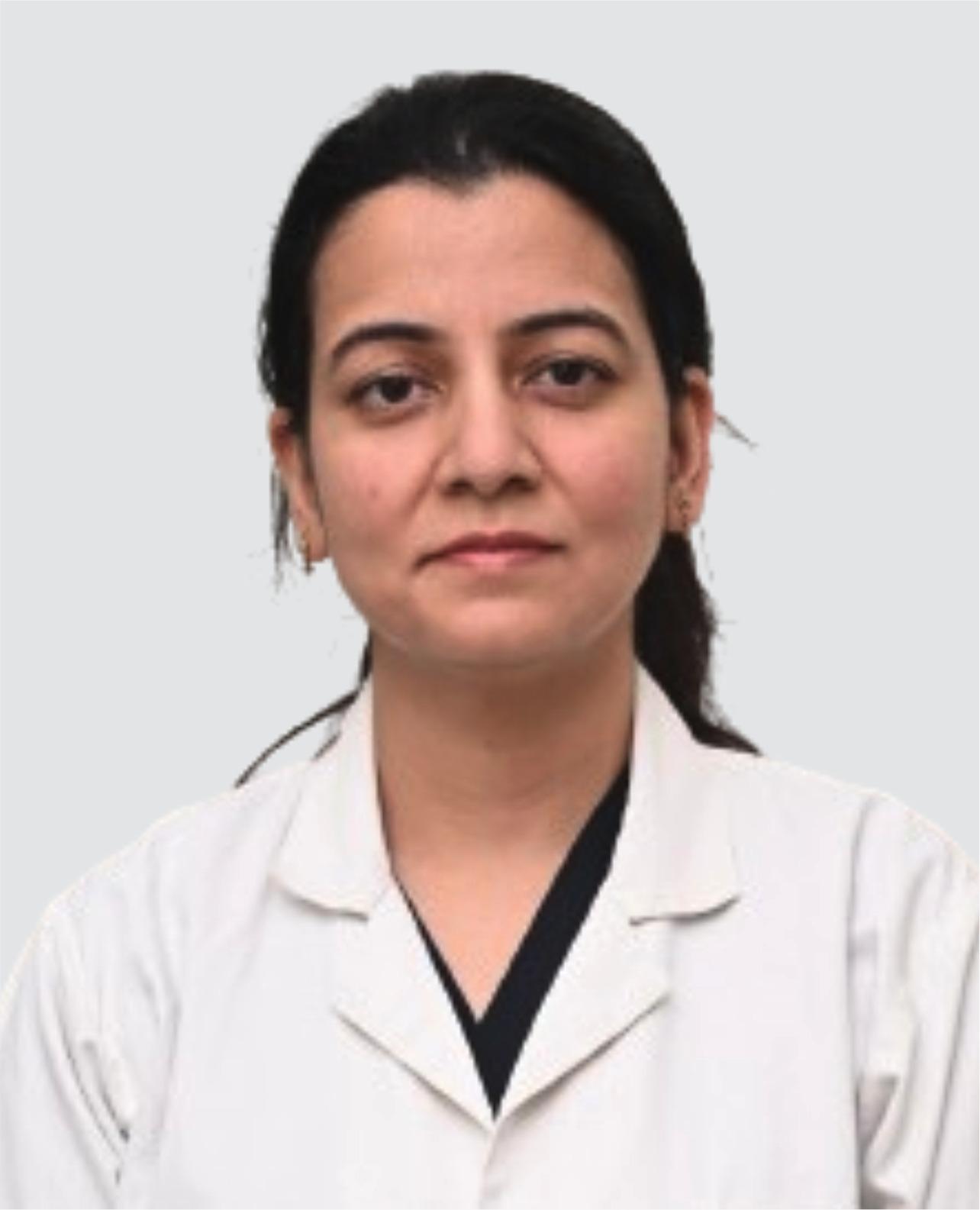
Dr. Priyanka Raina
Consultant (Head & Neck Surgery) - Surgical Oncology
Head and Neck Surgical Oncology
New Delhi
10+ Years
Experience
Artemis Hospital
Hospital
1500
Fees
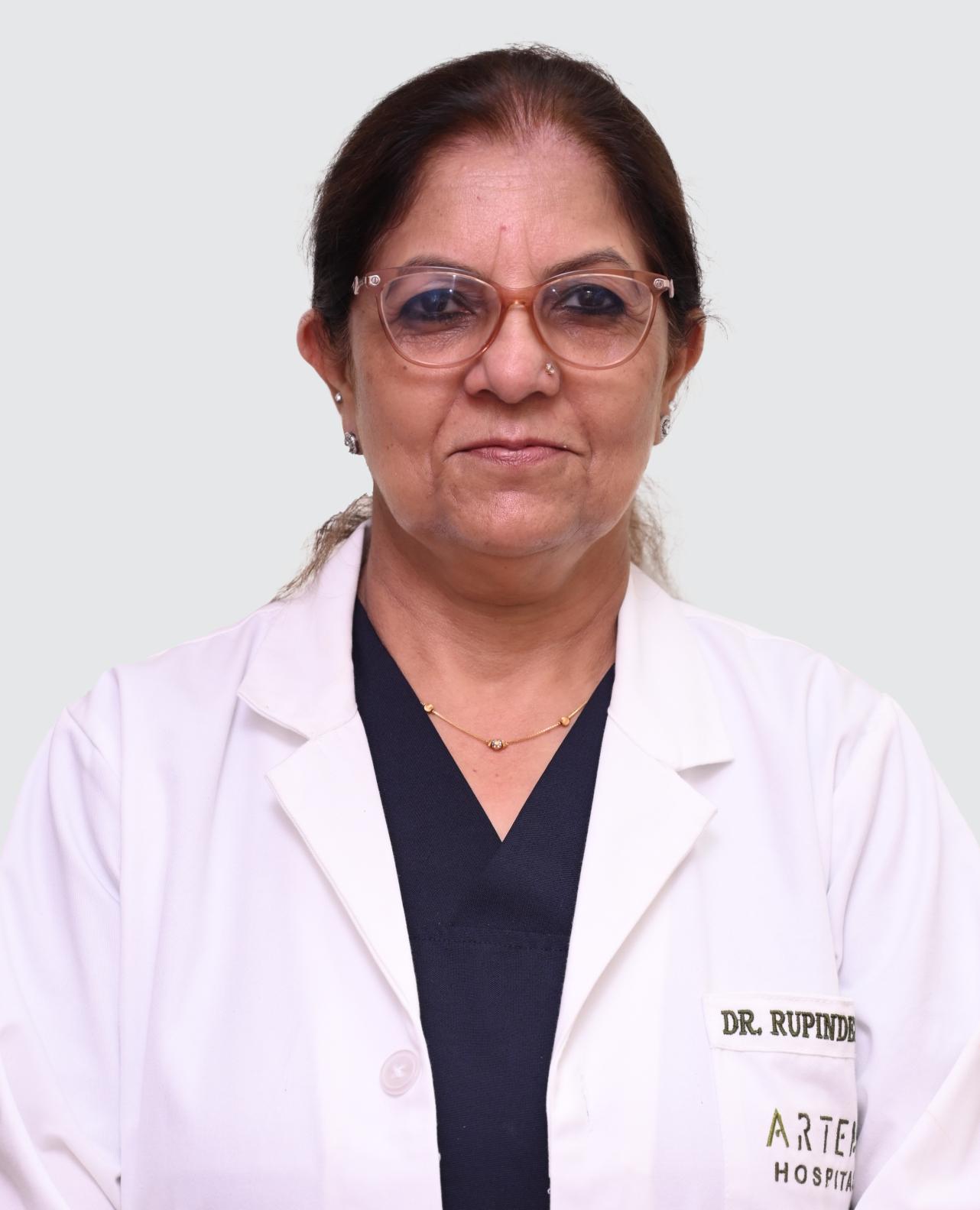
Dr. Rupinder Sekhon
Chairperson - Gynae Oncology
Gynaecological Oncology
New Delhi
16+ Years
Experience
Artemis Hospital
Hospital
1500
Fees
Related Links
Other Treatment related Information
Ready To Start Your Healing Journey?
Get Personalized Medical Treatment Options From India's Top Hospitals. Our Medical Experts Are Ready To Assist You Every Step Of The Way.