
Gastroenterology Treatment in India for Nigeria
Need Personalized Advice?
Our medical experts are ready to answer your questions and guide you through your treatment options.
About
Gastroenterology Treatment in India for Nigerian Patients
For many patients in Nigeria facing complex digestive health issues, finding specialized and affordable gastroenterology care can be a significant challenge. Concerns about access to advanced diagnostics, experienced specialists, and the overall cost of treatment often lead individuals to explore medical options beyond their home country.
India has emerged as a preferred destination for international patients seeking high-quality gastroenterology treatment. With its modern hospitals, English-speaking medical staff, and comprehensive care facilities spread across various cities, India offers a compelling blend of expertise and value for those requiring advanced digestive health solutions.
The Indian healthcare system is well-regarded for its network of super-specialty hospitals and a large pool of highly trained gastroenterologists. These facilities provide cutting-edge technology and evidence-based treatment protocols, ensuring patients receive care that meets global standards for a wide range of gastrointestinal conditions.
Is India the right choice for your gastroenterology treatment needs?
What is Gastroenterology?
Gastroenterology is a medical specialty focused on the health of the digestive system and its associated organs. This includes the esophagus, stomach, small intestine, large intestine (colon), rectum, pancreas, gallbladder, bile ducts, and liver. Gastroenterologists diagnose and treat a wide array of conditions affecting these organs, from common issues like acid reflux and irritable bowel syndrome to complex diseases such as inflammatory bowel disease, liver cirrhosis, and gastrointestinal cancers, aiming to restore proper function and alleviate discomfort.
What Types of Gastroenterology Treatments Are Available?
Gastroenterology treatments encompass various approaches tailored to specific conditions:
- Medical Management: Prescription medications to control symptoms, reduce inflammation, or eradicate infections.
- Endoscopic Procedures: Minimally invasive techniques using a flexible tube with a camera (endoscope) for diagnosis (biopsy, imaging) and treatment (polypectomy, stent placement, variceal ligation).
- Dietary and Lifestyle Modifications: Personalized guidance on nutrition, exercise, and stress management to support digestive health.
- Surgical Interventions: Procedures performed for conditions that cannot be managed medically or endoscopically, such as tumor removal, repair of hernias, or organ transplantation.
- Specialized Therapies: Advanced treatments like biological therapies for autoimmune conditions, specific enzyme replacements, or nutritional support for malabsorption issues.
When Is Gastroenterology Treatment Necessary?
- Persistent abdominal pain, cramping, or discomfort.
- Chronic indigestion, heartburn, or acid reflux that does not respond to over-the-counter remedies.
- Changes in bowel habits, such as chronic diarrhea, constipation, or alternating patterns.
- Unexplained weight loss or difficulty maintaining weight.
- Presence of blood in stool or black, tarry stools.
- Yellowing of the skin or eyes (jaundice).
- Difficulty swallowing or a sensation of food sticking in the throat.
- Abnormal liver function test results.
- Screening for gastrointestinal cancers, such as colonoscopy for colon cancer.
What Evaluations Are Needed Before Treatment?
- Comprehensive Medical History and Physical Examination: Review of symptoms, past medical conditions, and lifestyle.
- Blood Tests: To check for inflammation, infection, anemia, liver function, kidney function, and specific markers.
- Stool Tests: To detect infections, blood, or malabsorption issues.
- Endoscopy and Colonoscopy: Visual examination of the upper and lower digestive tracts with tissue biopsies as needed.
- Imaging Scans: Including ultrasound, CT scans, MRI, or X-rays with contrast to visualize organs and detect abnormalities.
- pH Monitoring and Manometry: Tests to assess esophageal function and acid reflux.
- Breath Tests: For detecting conditions like bacterial overgrowth or lactose intolerance.
How Are Gastroenterology Treatments Performed?
The approach to gastroenterology treatment varies significantly based on the specific condition, its severity, and the patient's overall health.
Medical Management and Lifestyle Changes
Many gastrointestinal conditions are effectively managed with medications, which may include antacids, proton pump inhibitors, antibiotics, anti-inflammatory drugs, or immunosuppressants. These are often combined with specific dietary recommendations, stress reduction techniques, and other lifestyle adjustments tailored by the gastroenterologist to the patient's diagnosis.
Endoscopic and Minimally Invasive Procedures
For diagnosis and treatment of conditions within the digestive tract, endoscopic procedures are commonly used. These involve inserting a thin, flexible tube with a camera into the body, through which small instruments can be passed to perform biopsies, remove polyps, stop bleeding, dilate strictures, or place stents. Examples include gastroscopy, colonoscopy, ERCP (Endoscopic Retrograde Cholangiopancreatography), and capsule endoscopy.
Surgical Interventions
When medical or endoscopic treatments are insufficient, surgical options become necessary. This could involve removing diseased parts of the intestine, repairing hernias, removing gallbladder stones, or performing liver transplantation for end-stage liver disease. Modern surgical techniques often favor minimally invasive (laparoscopic) approaches to reduce recovery time and discomfort.
What Does Recovery from Gastroenterology Treatment Involve?
Recovery from gastroenterology treatment varies widely based on the specific procedure or therapy received. For medical management and minor endoscopic procedures, recovery is usually swift, involving temporary dietary restrictions and rest. More invasive procedures or surgeries require a longer healing period, often including a hospital stay for monitoring, pain management, and early mobilization. Patients may need to follow specific dietary guidelines, take prescribed medications, and gradually return to normal activities. Regular follow-up appointments with the gastroenterologist are crucial to monitor progress, adjust treatment plans, and ensure long-term digestive health. Rehabilitation, including dietary counseling or physical therapy, may be recommended to support a full recovery.
What Are the Risks and Success Rates?
- Infection at the site of intervention or general systemic infection.
- Bleeding, either internal or from surgical incisions.
- Adverse reactions to anesthesia or medications.
- Perforation or injury to the digestive tract organs during endoscopic or surgical procedures.
- Persistent symptoms or recurrence of the underlying condition.
- Specific complications related to organ function, such as liver or pancreatic issues.
The success rates for gastroenterology treatments in India are generally high, especially at specialized centers, often ranging from 80% to over 95% depending on the specific condition and treatment method. Outcomes can vary significantly based on factors such as the patient's overall health, the stage and type of their condition, adherence to post-treatment care, and the expertise of the medical team. Long-term expectations are usually positive with proper management and follow-up, aiming for improved quality of life and sustained digestive health.
How Much Does Gastroenterology Treatment Cost in India?
The cost of gastroenterology treatment in India is a significant factor attracting international patients, offering a fraction of the cost found in many Western countries without compromising on quality. Various elements influence the final cost, including the specific diagnosis, the type of treatment required (medical, endoscopic, or surgical), the hospital's facility (premium or standard), the specialist's fees, the duration of hospital stay, and any advanced technology or specialized medications used.
The cost for gastroenterology treatments in India can range significantly, typically from INR 2,00,000 to INR 15,00,000, depending on the complexity of the condition and the chosen treatment path.
Comparative Gastroenterology Treatment Costs Across Indian Cities
| Indian City | Estimated Cost Range (INR) |
|---|---|
| Delhi | ₹2,50,000 - ₹14,00,000 |
| Mumbai | ₹3,00,000 - ₹15,00,000 |
| Chennai | ₹2,20,000 - ₹13,50,000 |
| Bengaluru | ₹2,70,000 - ₹14,50,000 |
| Hyderabad | ₹2,30,000 - ₹13,80,000 |
| Kolkata | ₹2,00,000 - ₹12,50,000 |
| Ahmedabad | ₹2,10,000 - ₹13,00,000 |
India vs. Global Gastroenterology Treatment Costs
| Country | Estimated Cost Range (USD) |
|---|---|
| India | $2,500 - $18,000 |
| USA | $20,000 - $80,000 |
| United Kingdom | $15,000 - $60,000 |
| United Arab Emirates | $10,000 - $45,000 |
| Nigeria | $7,000 - $30,000 |
Dedicated Support for Your Medical Journey in India
- Visa and Travel Assistance: Guidance through the medical visa application process and coordination of travel arrangements.
- Accommodation and Local Transport: Assistance with booking suitable lodging near the hospital and arranging airport transfers.
- Language Support: Access to interpreters if needed, ensuring clear communication with medical staff.
- Medical Records Management: Help in organizing and sharing your medical history with Indian specialists.
- Post-Treatment Follow-up Planning: Coordination of virtual consultations or local care options for your recovery period back in Nigeria.
Essential Documents for Your Gastroenterology Treatment
- A valid passport and Indian medical visa.
- Comprehensive medical reports, including diagnostic scans, lab results, and previous treatment summaries.
- A doctor's referral letter or an official medical invitation letter from the Indian hospital.
- Proof of financial capability to cover treatment and travel expenses.
- Any required health insurance documents.
Preparing for Your Gastroenterology Care in India
- Initial Consultations: Engage in teleconsultations with Indian gastroenterologists to discuss your case and treatment options.
- Medical Clearances: Complete any necessary pre-travel health checks or vaccinations as advised.
- Medication Review: Discuss all current medications with your doctor, including supplements, to understand what to continue or stop.
- Dietary Adjustments: Follow any specific dietary instructions provided by your medical team before your arrival.
- Travel Logistics: Confirm all travel dates, accommodation, and local transport arrangements well in advance.
Guidance for Your Recovery After Gastroenterology Treatment
- Adherence to Medication: Take all prescribed medicines exactly as instructed by your gastroenterologist.
- Dietary Guidelines: Follow the recommended post-treatment diet, which may involve temporary restrictions or specific nutritional plans.
- Activity Levels: Gradually resume physical activities, avoiding strenuous efforts until cleared by your doctor.
- Wound Care: For surgical patients, meticulous care of any incision sites to prevent infection.
- Scheduled Follow-ups: Attend all post-operative or post-procedure appointments, whether in person or via teleconsultation.
- Symptom Monitoring: Be vigilant for any unusual symptoms or complications and report them immediately to your care team.
Ready to Explore Treatment Options in India?
Embark on your journey toward better digestive health with confidence. India's world-class gastroenterology care awaits, offering advanced solutions with compassionate support.
Hospitals Offering this treatment
India offers premium medical procedures at affordable prices. Discover our most popular treatments, delivered by the country's finest doctors.
Meet Our Doctors
Meet our team of highly qualified and experienced medical professionals dedicated to providing the best healthcare services.

Dr. Ajit Singh Baghela
Consultant
Paediatric Neurology
Haryana
9+ Years
Experience
Artemis Hospital
Hospital
1500
Fees

Dr. Deepa Goel
Head - Histopathology & Cytology Lab
Laboratory Services
New Delhi
21+ Years
Experience
Artemis Hospital
Hospital
1500
Fees

Dr. Devender Yadav
Senior Consultant - Orthopedics (Unit VI)
Orthopaedics
New Delhi
10+ Years
Experience
Artemis Hospital
Hospital
1500
Fees
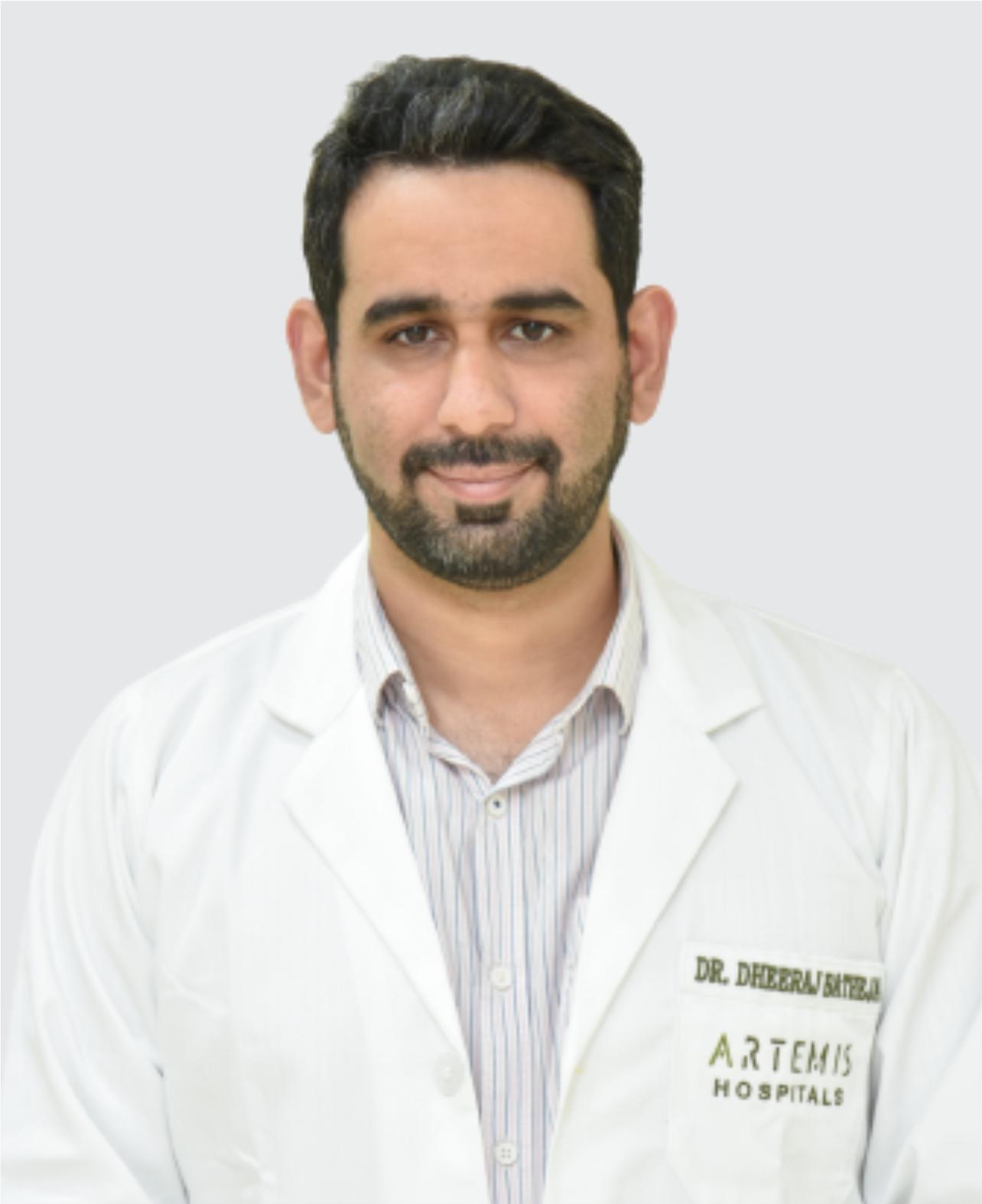
Dr. Dheeraj Batheja
Senior Consultant - Ortho Spine Surgery
Orthopaedic Surgery, Spine Surgery
New Delhi
12+ Years
Experience
Artemis Hospital
Hospital
1500
Fees

Dr. Pradeep Kumar Singh
Head - Cosmetic & Plastic Surgery
Cosmetic & Plastic Surgery
New Delhi
17+ Years
Experience
Artemis Hospital
Hospital
1500
Fees
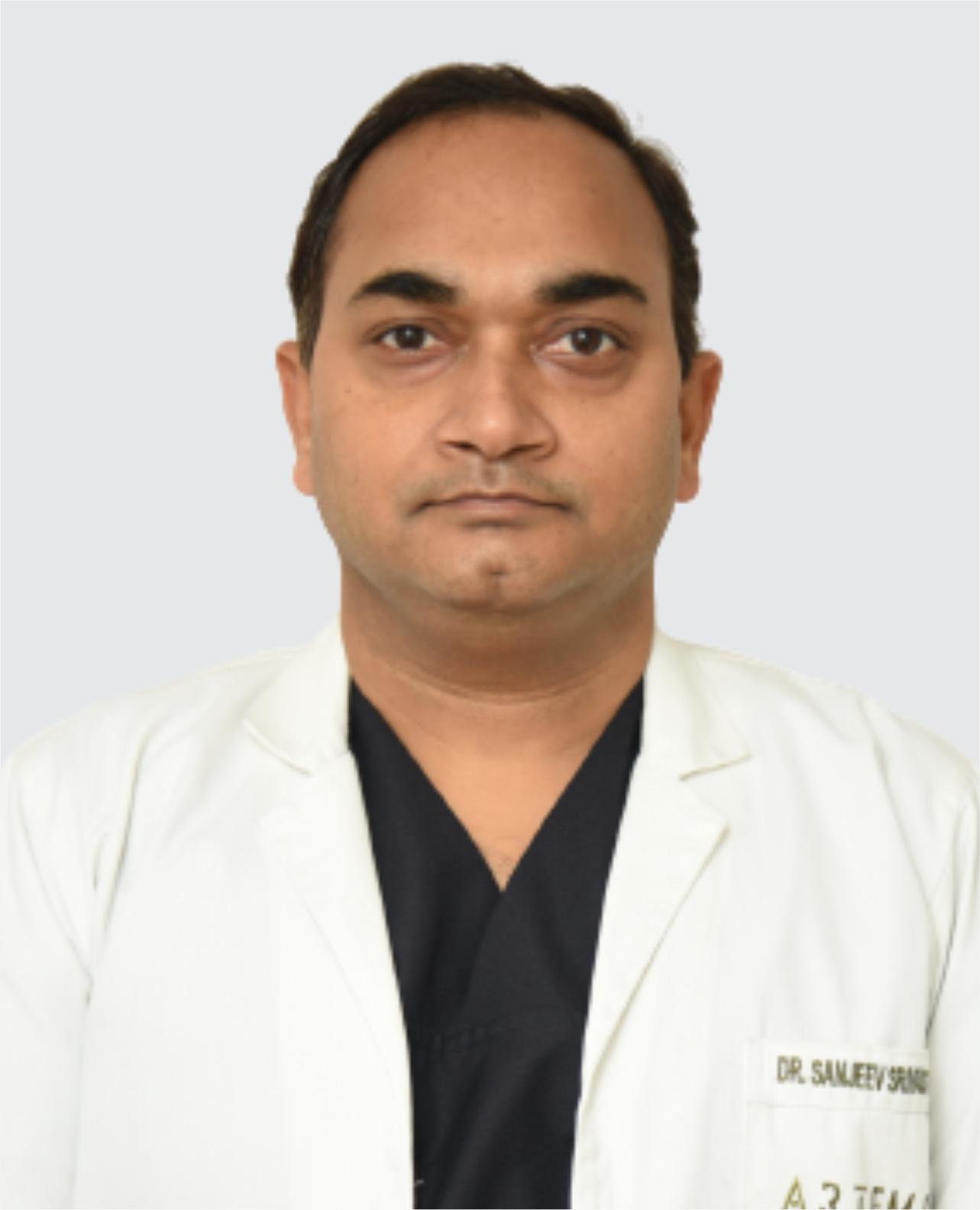
Dr. Sanjeev Srivastava
Sr. Consultant
Neurosurgery
New Delhi
23+ Years
Experience
Artemis Hospital
Hospital
1500
Fees

Dr. Suresh Chhabra
Sr. Consultant & Unit Incharge (Unit III)
General & Minimally Invasive Surgery
New Delhi
37+ Years
Experience
Artemis Hospital
Hospital
1500
Fees

Dr. Tapan Singh Chauhan
Sr. Consultant - Surgical Oncology, Robotics, GI & HPB, Gynae & Peritoneal Surface Oncology
Oncology, Robotic Surgery
New Delhi
15+ Years
Experience
Artemis Hospital
Hospital
1500
Fees

Dr. Giriraj Bora
Chief - Liver Transplant & Sr. Consultant - GI & HPB Surgery
Liver and Biliary Sciences, Organ Transplant
New Delhi
15+ Years
Experience
Artemis Hospital
Hospital
1500
Fees

Nandini Vasdev
Head Lab medicine – Head Histopathology & Cytology
Laboratory Services
New Delhi
24+ Years
Experience
Artemis Hospital
Hospital
1500
Fees
Related Links
Other Treatment related Information
Ready To Start Your Healing Journey?
Get Personalized Medical Treatment Options From India's Top Hospitals. Our Medical Experts Are Ready To Assist You Every Step Of The Way.