
heart failure surgery Treatment in Chennai for UAE
Need Personalized Advice?
Our medical experts are ready to answer your questions and guide you through your treatment options.
About
Heart Failure Surgery in Chennai for UAE Patients
Patients from the UAE facing a heart failure diagnosis often experience significant uncertainty. The prospect of complex surgery can raise concerns about access to specialized care, finding the right experts, and managing treatment abroad.
Many individuals seek medical solutions beyond their home country to access advanced treatments or manage healthcare costs. Chennai has emerged as a preferred destination, offering a focused environment for high-quality cardiac care and well-coordinated patient services.
Chennai's hospitals boast a strong reputation for cardiac excellence, housing highly skilled heart surgeons and dedicated medical teams. The city's medical infrastructure supports comprehensive patient journeys, ensuring seamless integration of specialist care and necessary follow-ups.
Chennai provides a reliable and accessible option for heart failure surgery.
What is Heart Failure Surgery?
Heart failure surgery refers to a range of surgical procedures performed to treat severe heart failure, a condition where the heart cannot pump enough blood to meet the body's needs. These surgeries aim to improve the heart's function, relieve symptoms, and enhance a patient's quality of life. The specific procedure depends on the underlying cause and severity of the heart failure, often involving repair or replacement of damaged heart structures.
What Are the Types of Heart Failure Surgery?
Heart failure treatment can involve several surgical and advanced procedural approaches:
- Coronary Artery Bypass Grafting (CABG): Improves blood flow to the heart muscle when arteries are blocked, often a cause of heart failure.
- Heart Valve Repair or Replacement: Addresses heart failure caused by faulty heart valves that do not open or close properly.
- Implantable Cardioverter-Defibrillator (ICD) or Cardiac Resynchronization Therapy (CRT): Devices implanted to regulate heart rhythm or improve pumping efficiency in certain types of heart failure.
- Ventricular Assist Devices (VADs): Mechanical pumps implanted to help the weakened heart pump blood to the body, often as a bridge to transplant or as long-term support.
- Heart Transplant: The replacement of a diseased heart with a healthy donor heart, considered for end-stage heart failure when other treatments are no longer effective.
- Minimally Invasive Approaches: Some procedures can be performed with smaller incisions, leading to quicker recovery.
When is Heart Failure Surgery Required?
- When medical therapies no longer effectively manage symptoms of heart failure.
- Presence of severe coronary artery disease causing significant heart dysfunction.
- Diagnosis of advanced heart valve disease contributing to heart failure.
- Life-threatening arrhythmias despite medication, requiring device implantation.
- Deteriorating heart function impacting daily activities and quality of life.
- Cardiogenic shock or other acute, life-threatening heart failure episodes.
- Specific structural heart defects that contribute to the heart's inability to pump blood efficiently.
How is Heart Failure Diagnosed Before Surgery?
- Comprehensive physical examination and review of medical history.
- Blood tests, including complete blood count, kidney function, and cardiac biomarkers.
- Electrocardiogram (ECG) to assess heart's electrical activity.
- Echocardiogram to visualize heart structure and pumping function.
- Chest X-ray to check for fluid in the lungs or heart enlargement.
- Cardiac catheterization or angiography to evaluate coronary arteries and heart pressures.
- Stress tests to observe heart function under exertion.
- MRI or CT scans of the heart for detailed imaging of cardiac structures.
How is Heart Failure Surgery Performed?
The specific surgical approach for heart failure varies significantly based on the patient's diagnosis and overall health. A detailed treatment plan is developed by a team of cardiac specialists.
Coronary Artery Bypass Grafting (CABG)
During CABG, healthy blood vessels from another part of the body are used to bypass blocked coronary arteries, restoring blood flow to the heart muscle. This procedure typically involves open-heart surgery, but minimally invasive options may be available for some patients.
Valve Repair or Replacement
Damaged heart valves can be repaired using techniques such as annuloplasty or valvuloplasty. If repair is not possible, the valve is replaced with a mechanical or biological prosthetic valve. These procedures can be performed through open-heart surgery or transcatheter methods for certain conditions.
Implantation of Devices (ICD/CRT)
An ICD or CRT device is surgically placed under the skin near the collarbone, with wires threaded into the heart. These devices monitor heart rhythms and deliver electrical impulses to correct irregular beats or improve the heart's pumping synchronicity.
Ventricular Assist Device (VAD) Implantation
A VAD is a mechanical pump surgically implanted to support the failing heart. It helps pump blood from the heart to the rest of the body, reducing the workload on the weakened ventricle. This is a complex open-heart procedure.
Heart Transplant
In a heart transplant, the diseased heart is removed and replaced with a healthy donor heart. This is a major open-heart surgical procedure performed by a specialized cardiac transplant team.
Ready to Explore Treatment Options in Chennai?
Connect with our patient support team to discuss your heart failure surgery needs. We can help you understand procedures, hospital choices, and initial steps for your medical journey in Chennai.
What Does Recovery After Heart Failure Surgery Involve?
Recovery from heart failure surgery is a gradual process that typically begins in the intensive care unit. Patients will spend several days in the hospital, followed by a period of recuperation at home or in a rehabilitation facility. The recovery timeline varies significantly based on the type of surgery, individual health, and any complications. It usually involves pain management, wound care, cardiac rehabilitation, and strict adherence to medication schedules. Physical activity is gradually increased, and regular follow-up appointments with cardiologists are crucial to monitor heart function and adjust care plans.
What Are the Risks and Success Rates of Heart Failure Surgery?
- Potential for bleeding or infection at the surgical site.
- Risk of stroke, heart attack, or kidney dysfunction.
- Complications related to anesthesia or device malfunction.
- Possibility of rejection for heart transplant patients.
- Need for extended rehabilitation and lifestyle adjustments.
- Risk of abnormal heart rhythms (arrhythmias).
- Pulmonary complications like pneumonia or breathing difficulties.
The success rates for heart failure surgery vary widely depending on the specific procedure, the patient's overall health, and the stage of heart failure. For procedures like CABG or valve repair, success rates are generally high in improving symptoms and prolonging life. VADs offer significant improvement in quality of life and survival for eligible patients. Heart transplant outcomes have also greatly improved, with many patients enjoying extended lives, though long-term management of immunosuppression is required. Individual results are influenced by factors like adherence to post-operative care and ongoing medical management.
What is the Cost of Heart Failure Surgery in Chennai?
The cost of heart failure surgery in Chennai is influenced by several factors. These include the specific type of surgery performed, the choice of hospital and its facilities, the experience level of the surgical team, the duration of hospital stay, and any additional post-operative care or rehabilitation required. The complexity of the patient's condition and the technology utilized also play a significant role in the overall expenditure.
For heart failure surgery in Chennai, costs can generally range from approximately INR 4,00,000 to INR 25,00,000 or more, depending on the intervention.
Comparing Heart Failure Surgery Costs in Chennai
Chennai offers highly competitive pricing for heart failure surgery compared to many developed nations, without compromising on quality or advanced medical care. This makes Chennai a cost-effective option for international patients seeking specialized cardiac treatment.
| Location | Estimated Cost (USD) |
|---|---|
| Chennai, India | $5,000 – $30,000 |
| United States | $50,000 – $200,000+ |
| United Kingdom | $40,000 – $150,000+ |
| Singapore | $35,000 – $120,000+ |
| Germany | $30,000 – $100,000+ |
| Thailand | $15,000 – $60,000+ |
Comprehensive Support Services for Your Medical Visit
- Detailed consultation with leading cardiac surgeons in Chennai.
- Assistance with travel arrangements and local accommodation.
- Guidance on visa applications and medical travel requirements.
- Dedicated patient coordinators for seamless communication.
- Arrangements for airport transfers and local transportation.
- Support for language interpretation services during your stay.
Essential Papers for Your Medical Journey to Chennai
- Valid passport and medical visa for entry into India.
- Copies of all relevant medical reports, scans, and doctor's notes.
- Referral letter from your local physician, if applicable.
- Proof of financial capacity for treatment costs.
- Contact details for next of kin or emergency contacts.
- List of current medications, including dosages.
Preparing for Your Heart Surgery in Chennai
- Follow all pre-operative dietary and medication instructions from your cardiac team.
- Arrange for a companion to accompany you for support during your stay.
- Ensure all necessary documents are prepared and easily accessible.
- Plan for adequate recovery time in Chennai before considering travel back.
- Discuss any pre-existing health conditions or allergies with your doctors.
- Undertake any recommended pre-surgical physical conditioning.
Aftercare and Follow-Up Guidance for Recovery
- Adhere strictly to prescribed medications and dosage schedules.
- Follow the cardiac rehabilitation program provided by your specialists.
- Attend all scheduled follow-up appointments in Chennai or virtually.
- Monitor surgical incisions for any signs of infection or complications.
- Gradually resume physical activity as advised by your medical team.
- Maintain a heart-healthy diet and lifestyle changes.
Connect with Chennai's Top Cardiac Specialists
Start your consultation today. Our team will help you gather quotes, understand hospital options, and facilitate your appointment with leading heart surgeons in Chennai.
Taking Your Next Step Towards Better Heart Health
Considering heart failure surgery in Chennai provides a pathway to advanced care and renewed well-being.
Hospitals Offering this treatment
India offers premium medical procedures at affordable prices. Discover our most popular treatments, delivered by the country's finest doctors.

Al Zahra Hospital, Dubai
Sheikh Zayed Road, Al Barsha 1, Dubai, UAE
Al Zahra Hospital, Dubai

Burjeel Medical City, Abu Dhabi
28th Street, Mohammed Bin Zayed City, Abu Dhabi, UAE
Burjeel Medical City, Abu Dhabi

Burjeel Hospital, Dubai
Dubai, UAE (part of Burjeel Holdings network)
Burjeel Hospital, Dubai
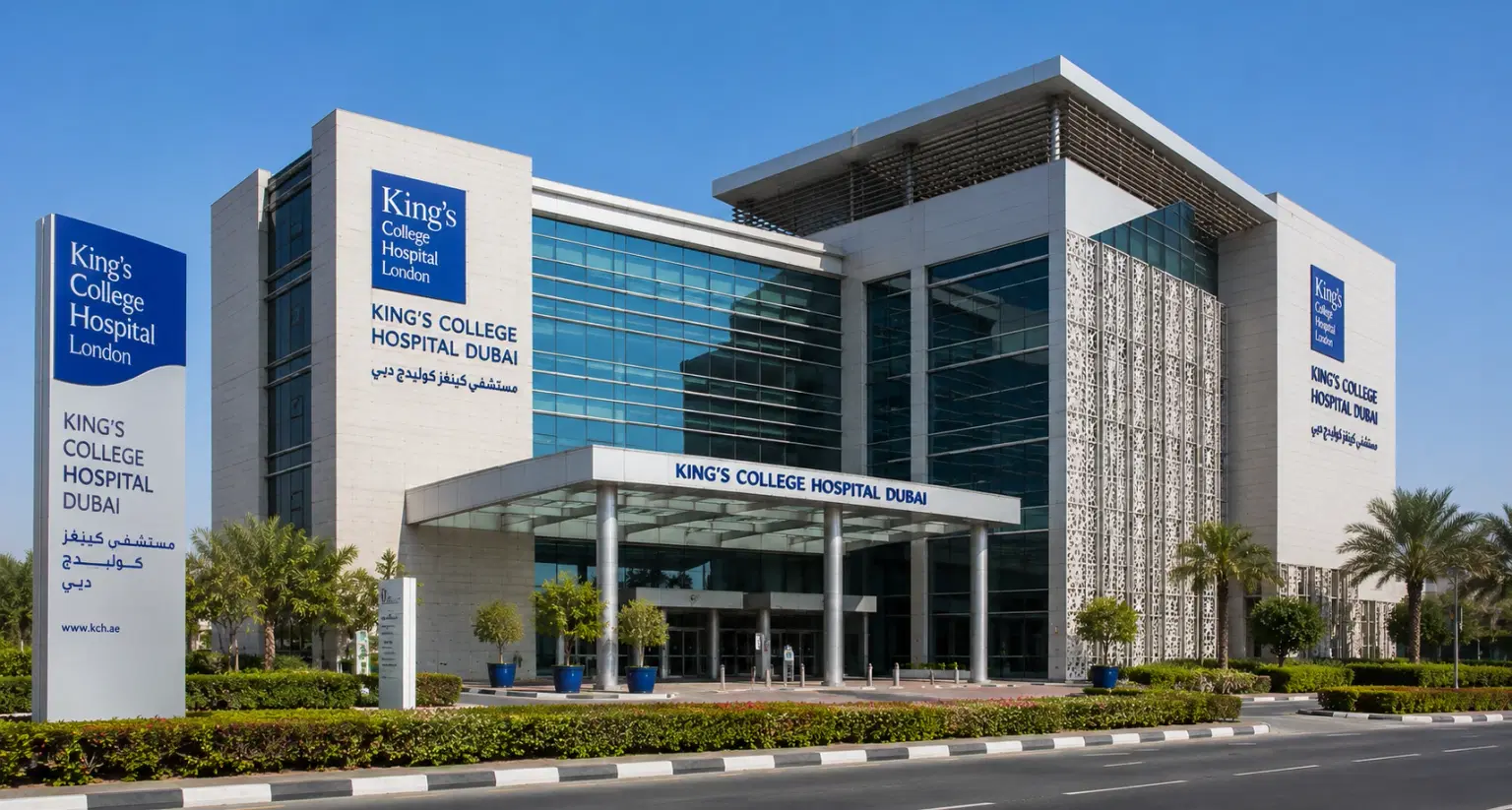
King's College Hospital, Dubai
Dubai Hills, Mohammed Bin Rashid City, Dubai, UAE
King's College Hospital, Dubai
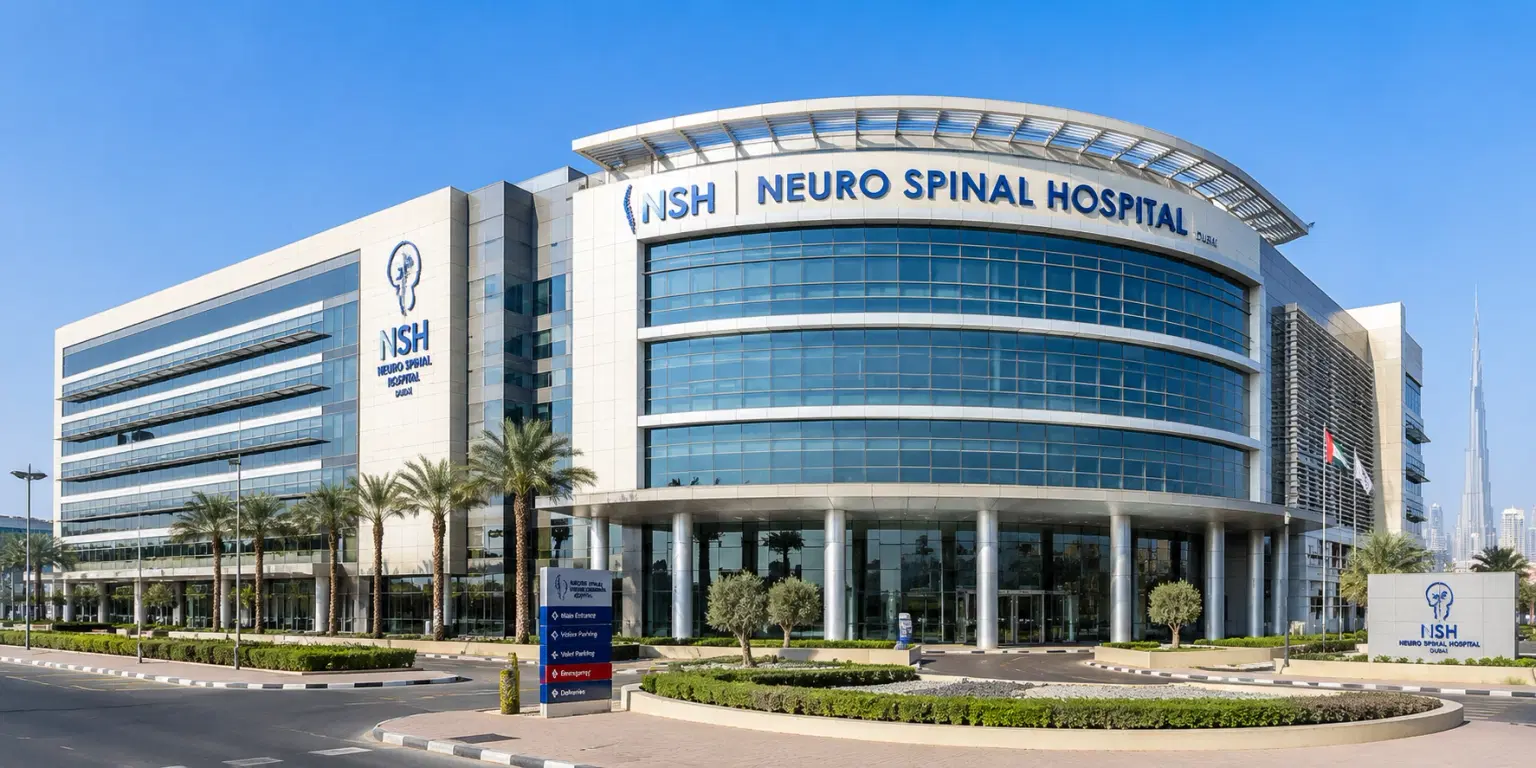
Neuro Spinal Hospital (NSH), Dubai
Dubai Science Park, Umm Suqeim St, Al Barsha South, Dubai, UAE
Neuro Spinal Hospital (NSH), Dubai

HMS Al Garhoud Hospital, Dubai
Al Garhoud Street, Al Garhoud, Dubai, UAE
HMS Al Garhoud Hospital, Dubai
Meet Our Doctors
Meet our team of highly qualified and experienced medical professionals dedicated to providing the best healthcare services.
Related Links
Other Treatment related Information
- heart failure surgery cost in Mumbai
- heart failure surgery cost in Pune
- heart failure surgery cost in Hyderabad
- heart failure surgery cost in Chennai
- heart failure surgery cost in Haryana
- heart failure surgery cost in India
- heart failure surgery cost in New Delhi
- heart failure surgery cost in Bengaluru
- heart failure surgery Success Rate in Hyderabad
- heart failure surgery Success Rate in Bengaluru
- heart failure surgery Success Rate in Haryana
- heart failure surgery Success Rate in Chennai
- heart failure surgery Success Rate in India
- heart failure surgery Success Rate in Mumbai
- heart failure surgery Success Rate in New Delhi
- heart failure surgery Success Rate in Pune
- Best heart failure surgery Doctors in Gurugram
- Best heart failure surgery Doctors in Bengaluru
- Best heart failure surgery Doctors in Chennai
- Best heart failure surgery Doctors in Mumbai
Ready To Start Your Healing Journey?
Get Personalized Medical Treatment Options From India's Top Hospitals. Our Medical Experts Are Ready To Assist You Every Step Of The Way.