
heart failure surgery Treatment in New Delhi for UAE
Need Personalized Advice?
Our medical experts are ready to answer your questions and guide you through your treatment options.
About
Heart Failure Surgery in New Delhi for UAE Patients
For patients in the UAE facing heart failure, the prospect of complex surgery can bring significant anxiety. Concerns often arise regarding access to advanced medical care, the expertise of surgeons, and managing the entire treatment process far from home. These worries are natural when considering such a critical health decision.
Many international patients, including those from the UAE, seek medical care beyond their borders for various reasons. New Delhi stands out as a preferred destination due to its high concentration of multispecialty hospitals. The city offers a well-developed healthcare infrastructure, making it easier to coordinate comprehensive treatment.
New Delhi's medical reputation is built on its leading heart centers and highly skilled cardiac surgeons. These facilities are equipped with modern technology and follow international medical standards. Patients can expect a seamless experience with specialized teams handling all aspects of heart failure surgery and recovery within the city.
New Delhi provides a robust and accessible environment for advanced heart care.
What is Heart Failure Surgery?
Heart failure surgery refers to a range of procedures performed to improve the function of a weakened heart or to replace it entirely. This is required when the heart cannot pump enough blood to meet the body's needs. The goal is to relieve symptoms, extend life, and enhance the patient's quality of living by restoring efficient blood flow or providing mechanical support. Procedures can range from repairing heart valves to implanting devices that help the heart pump, or in severe cases, performing a heart transplant.
What Types of Heart Failure Surgery Are Available?
Heart failure surgery encompasses several different approaches:
- Coronary Artery Bypass Grafting (CABG): Improves blood flow to the heart muscle when arteries are blocked.
- Heart Valve Repair or Replacement: Corrects issues with valves that are not opening or closing properly.
- Implantable Cardioverter Defibrillator (ICD) or Pacemaker Insertion: Devices that help regulate heart rhythm and prevent sudden cardiac arrest.
- Ventricular Assist Device (VAD) Implantation: Mechanical pumps that assist the heart in moving blood, often a bridge to transplant or destination therapy.
- Heart Transplant: Replacing a diseased heart with a healthy donor heart, reserved for end stage heart failure.
- Cardiac Resynchronization Therapy (CRT): A type of pacemaker that helps the heart's chambers beat in a more coordinated way.
When is Heart Failure Surgery Required?
- Severe symptoms despite medication and lifestyle changes, such as extreme shortness of breath, fatigue, and swelling.
- Advanced coronary artery disease causing significant heart muscle damage.
- Critical heart valve disease that cannot be managed medically.
- Recurrent life threatening arrhythmias that devices like pacemakers can address.
- When the heart's pumping efficiency, or ejection fraction, is severely reduced.
- In cases where life expectancy is significantly shortened without surgical intervention.
- As a necessary step before or in conjunction with a heart transplant evaluation.
What Pre-Treatment Evaluation is Needed?
- Comprehensive medical history review and physical examination.
- Blood tests including complete blood count, kidney and liver function, and electrolytes.
- Electrocardiogram (ECG) to assess heart electrical activity.
- Echocardiogram (Echo) to visualize heart structure and function.
- Stress tests or cardiac catheterization to evaluate coronary artery health.
- Chest X ray to check lung and heart size.
- MRI or CT scans of the heart for detailed imaging.
- Pulmonary function tests to assess lung health, especially for major surgery.
- Psychological evaluation to assess readiness for long term care, particularly for transplants or VADs.
How is Heart Failure Surgery Performed?
The specific surgical procedure depends on the individual's condition and the chosen treatment plan. Each type of heart failure surgery follows a detailed protocol tailored to the patient's needs.
Coronary Artery Bypass Grafting (CABG)
During CABG, healthy blood vessels are taken from another part of the body, such as the leg or chest, and grafted to bypass blocked coronary arteries. This restores blood flow to the heart muscle. It is typically performed under general anesthesia, and the heart may be stopped temporarily with a heart lung machine.
Heart Valve Surgery
For valve repair, surgeons might reshape the valve, reattach leaflets, or insert supportive rings. For replacement, a damaged valve is removed and replaced with either a mechanical or biological valve. These procedures also usually require general anesthesia and often involve opening the chest.
Ventricular Assist Device (VAD) Implantation
A VAD is a mechanical pump implanted into the chest and connected to the heart to help it pump blood. The device has an external power source and controller worn by the patient. This complex surgery helps stabilize patients awaiting a heart transplant or serves as a permanent solution.
Heart Transplant
A heart transplant is a major operation where a diseased heart is removed and replaced with a healthy donor heart. This procedure is reserved for patients with end stage heart failure who have no other viable treatment options. It requires careful matching of donor and recipient, followed by lifelong immunosuppressant therapy.
What is the Recovery Process Like?
Recovery from heart failure surgery varies significantly based on the procedure performed. Patients typically spend several days to weeks in the hospital, beginning in an intensive care unit. Healing involves managing pain, monitoring vital signs, and gradually increasing physical activity. Cardiac rehabilitation is often a crucial part of recovery, helping patients regain strength and function through supervised exercise and education. Long term recovery can take months, requiring regular follow up appointments, medication adherence, and lifestyle adjustments.
What Are the Risks and Success Rates?
- Infection at the surgical site or within the body.
- Bleeding during or after the procedure.
- Blood clots that could lead to stroke or pulmonary embolism.
- Heart rhythm problems (arrhythmias).
- Kidney dysfunction or failure.
- Respiratory complications, such as pneumonia.
- Adverse reactions to anesthesia.
- Failure of the implanted device or rejection of a transplanted organ.
The success rates for heart failure surgery vary widely depending on the type of procedure, the patient's overall health, and the severity of their heart failure. For less invasive procedures like CABG or valve repair, success rates are generally high, improving symptoms and prolonging life for many years. With advanced procedures like VAD implantation or heart transplant, success rates have improved significantly due to medical advancements, though they involve greater risks. Long term outcomes are influenced by diligent post operative care and patient adherence to medical advice.
Cost of Heart Failure Surgery in New Delhi
The cost of heart failure surgery in New Delhi is influenced by several factors. These include the specific type of surgery required, the chosen hospital's facilities and reputation, the experience of the cardiac surgeon, and the duration of hospital stay. Additional costs may arise from pre operative diagnostic tests, post operative care, medications, and rehabilitation.
A broad estimate for heart failure surgery in New Delhi can range from INR 6,00,000 to INR 25,00,000 or more, depending on complexity.
Receive a personalized cost estimate for your heart failure surgery in New Delhi.
Connect with our patient support team for detailed information.
Compare Heart Failure Surgery Costs: New Delhi vs. Global
New Delhi offers competitive pricing for heart failure surgery compared to many developed nations, without compromising on quality or advanced medical care.
| Location | Estimated Cost (USD) |
|---|---|
| New Delhi, India | $8,000 - $30,000 |
| USA | $80,000 - $200,000 |
| UK | $50,000 - $120,000 |
| Germany | $45,000 - $100,000 |
| Singapore | $40,000 - $90,000 |
| Australia | $60,000 - $150,000 |
Comprehensive Support Services for International Patients
- Personalized medical guidance and treatment plan coordination.
- Assistance with appointment scheduling and hospital admissions.
- Support for visa applications and travel arrangements.
- Accommodation recommendations for patients and accompanying family.
- Dedicated interpreter services for effective communication.
- Airport transfers and local transportation assistance.
- Post treatment follow up care coordination and remote consultations.
Essential Documents for Your Medical Journey
- Valid passport and medical visa.
- All relevant medical records, including diagnostic reports and treatment history.
- Doctor's referral letter or recommendation for heart failure surgery.
- Proof of financial capability or insurance coverage.
- Emergency contact information for family members.
- List of current medications with dosages.
Preparing for Your Heart Failure Surgery in New Delhi
- Complete all necessary pre operative tests as instructed by your medical team.
- Follow dietary and medication guidelines provided by your doctor.
- Arrange for a companion to accompany you throughout your stay.
- Ensure all travel documents and medical records are organized and accessible.
- Discuss any concerns or questions with your care coordinator.
- Plan for adequate recovery time in New Delhi before returning home.
Guidance for Recovery and Aftercare
- Adhere strictly to all prescribed medications and dosages.
- Participate actively in any recommended cardiac rehabilitation program.
- Attend all scheduled follow up appointments with your medical team.
- Monitor for any signs of complications and report them immediately.
- Gradually increase physical activity as advised by your doctor.
- Maintain a heart healthy diet and lifestyle changes.
- Ensure proper wound care if applicable, to prevent infection.
Ready to Explore Your Treatment Options?
Begin your path to better heart health by connecting with our expert team today.
Learn more about heart failure surgery options in New Delhi.
Reach out now for a confidential medical consultation.
Hospitals Offering this treatment
India offers premium medical procedures at affordable prices. Discover our most popular treatments, delivered by the country's finest doctors.

Al Zahra Hospital, Dubai
Sheikh Zayed Road, Al Barsha 1, Dubai, UAE
Al Zahra Hospital, Dubai
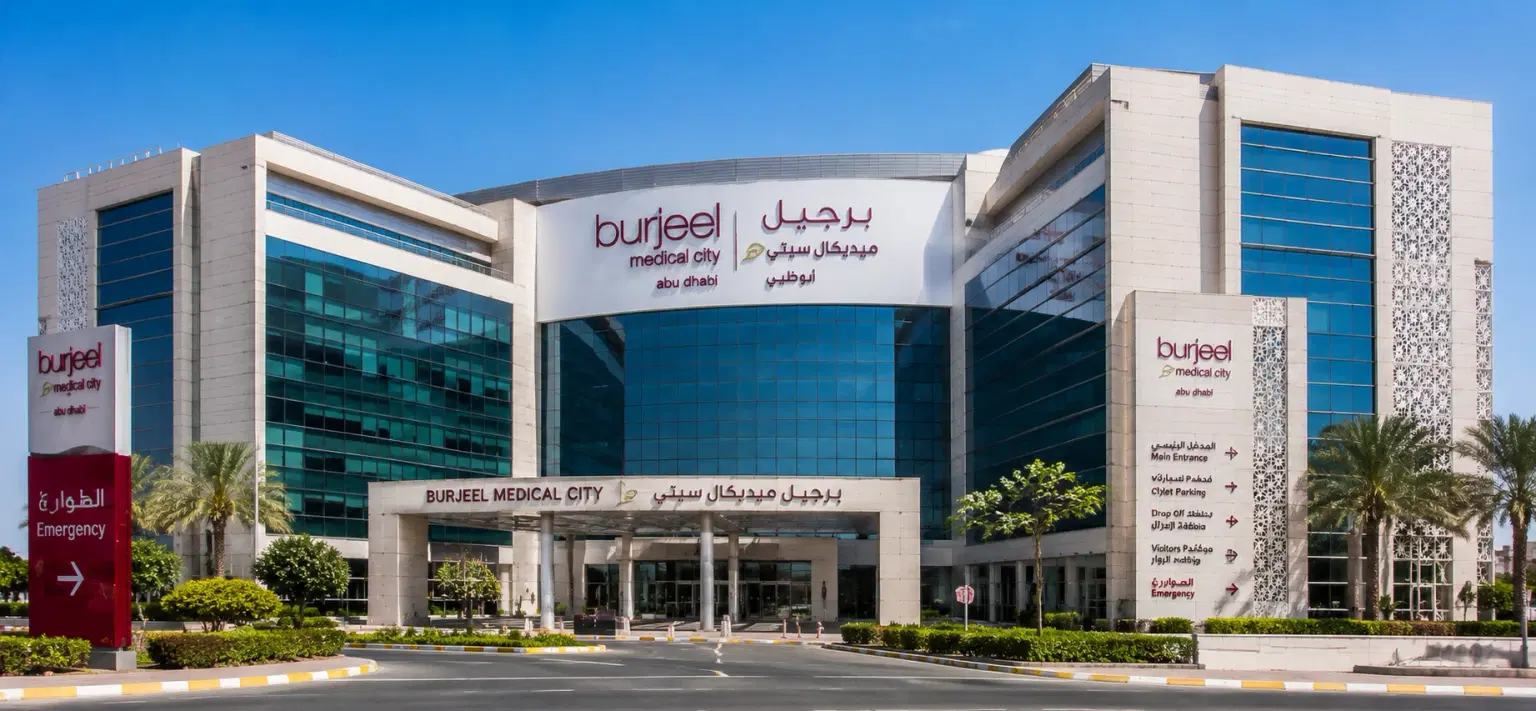
Burjeel Medical City, Abu Dhabi
28th Street, Mohammed Bin Zayed City, Abu Dhabi, UAE
Burjeel Medical City, Abu Dhabi

Burjeel Hospital, Dubai
Dubai, UAE (part of Burjeel Holdings network)
Burjeel Hospital, Dubai
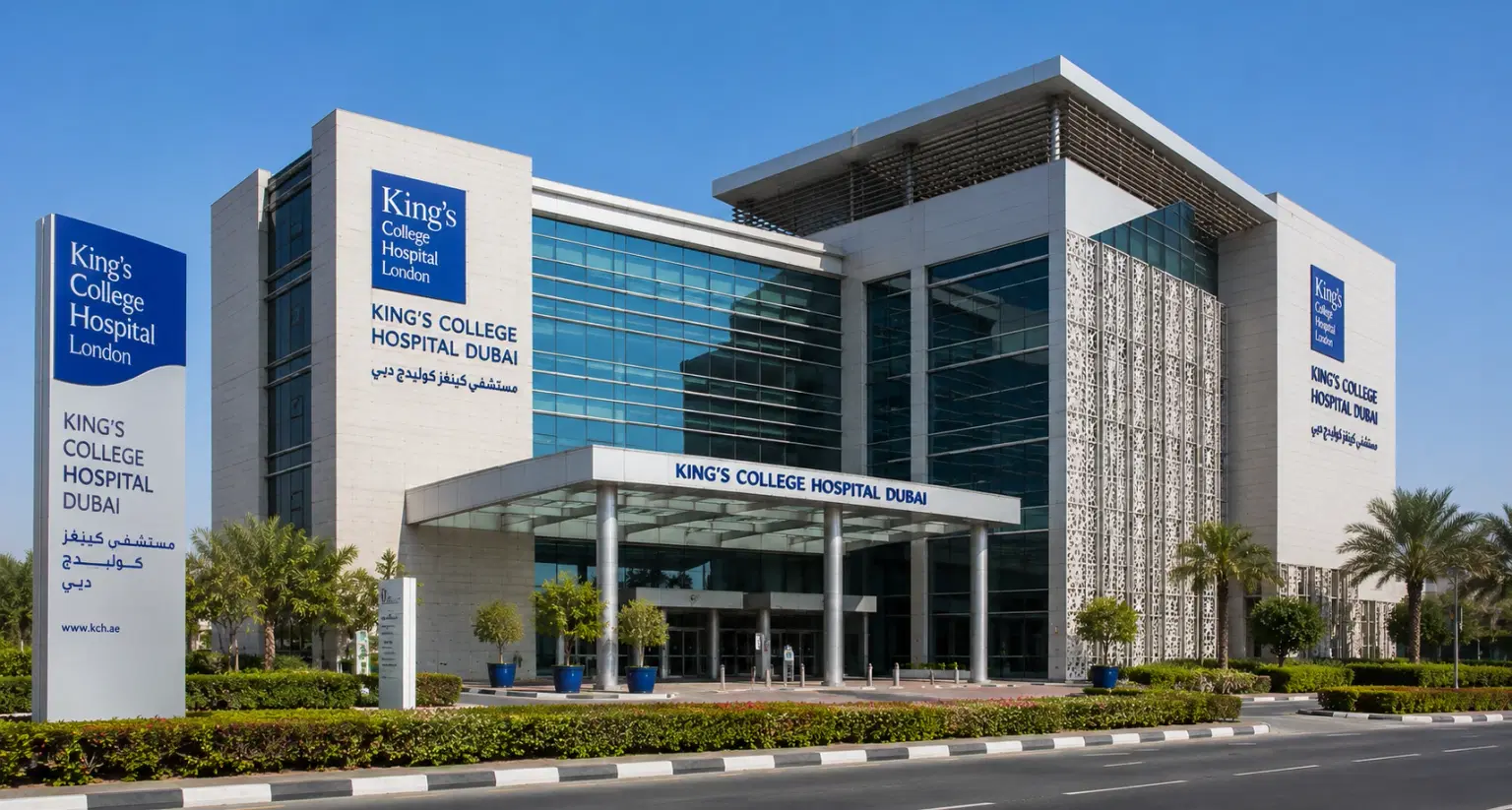
King's College Hospital, Dubai
Dubai Hills, Mohammed Bin Rashid City, Dubai, UAE
King's College Hospital, Dubai
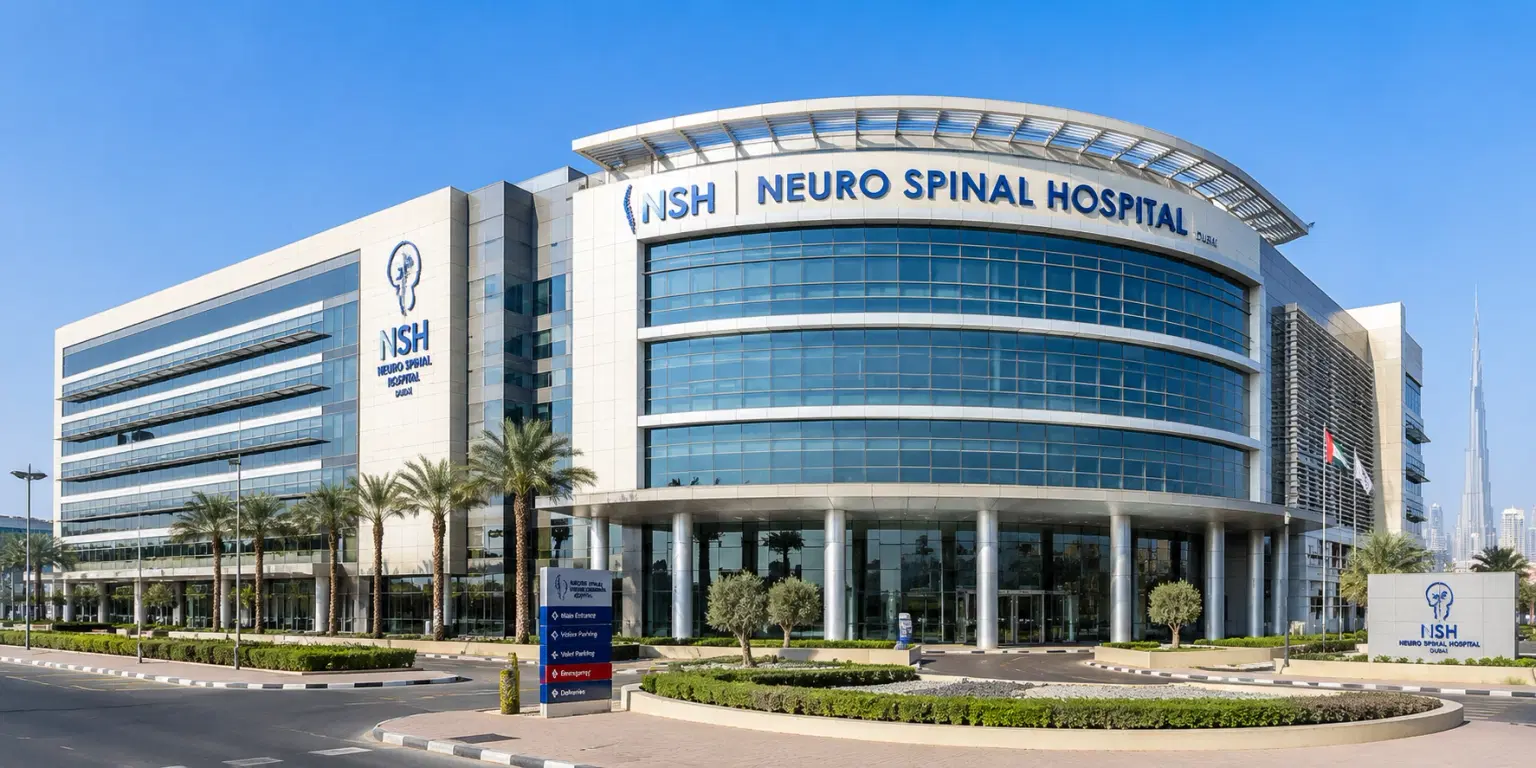
Neuro Spinal Hospital (NSH), Dubai
Dubai Science Park, Umm Suqeim St, Al Barsha South, Dubai, UAE
Neuro Spinal Hospital (NSH), Dubai

HMS Al Garhoud Hospital, Dubai
Al Garhoud Street, Al Garhoud, Dubai, UAE
HMS Al Garhoud Hospital, Dubai
Meet Our Doctors
Meet our team of highly qualified and experienced medical professionals dedicated to providing the best healthcare services.
Related Links
Other Treatment related Information
- heart failure surgery cost in Mumbai
- heart failure surgery cost in Pune
- heart failure surgery cost in Hyderabad
- heart failure surgery cost in Chennai
- heart failure surgery cost in Haryana
- heart failure surgery cost in India
- heart failure surgery cost in New Delhi
- heart failure surgery cost in Bengaluru
- heart failure surgery Success Rate in Hyderabad
- heart failure surgery Success Rate in Bengaluru
- heart failure surgery Success Rate in Haryana
- heart failure surgery Success Rate in Chennai
- heart failure surgery Success Rate in India
- heart failure surgery Success Rate in Mumbai
- heart failure surgery Success Rate in New Delhi
- heart failure surgery Success Rate in Pune
- Best heart failure surgery Doctors in Gurugram
- Best heart failure surgery Doctors in Bengaluru
- Best heart failure surgery Doctors in Chennai
- Best heart failure surgery Doctors in Mumbai
Ready To Start Your Healing Journey?
Get Personalized Medical Treatment Options From India's Top Hospitals. Our Medical Experts Are Ready To Assist You Every Step Of The Way.