
Intracytoplasmic Sperm Injection (ICSI) Treatment in India
Need Personalized Advice?
Our medical experts are ready to answer your questions and guide you through your treatment options.
About
Intracytoplasmic Sperm Injection (ICSI) Treatment in India | Medical Scope & Care
Intracytoplasmic Sperm Injection (ICSI) is an advanced fertility treatment. It is a specialized form of In Vitro Fertilization (IVF). ICSI directly injects a single sperm into an egg. This procedure addresses severe male infertility factors. It significantly improves fertilization chances.
Patients from various countries seek ICSI in India. Many from Kenya face limited local fertility options. Those in Nigeria benefit from India's advanced technology. Patients from Bangladesh find quality care at lower costs. Individuals from Nepal access specialized expertise. Gulf region residents, like those from UAE, seek cost-effective, high-standard treatment. India offers an accessible solution for their family planning goals.
India boasts world-class fertility centers. These facilities utilize cutting-edge reproductive technologies. Experienced embryologists perform intricate procedures. The country offers comprehensive patient care. Ethical practices are a cornerstone of treatment. India's medical infrastructure supports high success rates.
Indications for ICSI Treatment
- Severe male factor infertility is a primary reason. This includes low sperm count or poor motility.
- Abnormal sperm morphology also indicates ICSI use.
- Previous IVF cycles with poor or no fertilization.
- Sperm retrieved surgically from the testes or epididymis. This is for obstructive azoospermia.
- Using frozen sperm for fertilization.
- Preimplantation Genetic Testing (PGT) often accompanies ICSI.
The ICSI Procedure: A Key Step in Fertility Treatment
Pre-Treatment Evaluation for ICSI
- Both partners undergo a comprehensive fertility assessment.
- Semen analysis evaluates sperm count, motility, and morphology.
- Female hormone profiles include FSH, LH, estrogen, and AMH.
- Ultrasound examination checks the female reproductive organs.
- Infectious disease screening is mandatory for both partners.
- Genetic screening, such as karyotyping, may be recommended.
Understanding the ICSI Procedure
The ICSI process involves several precise steps. First, mature eggs are collected. Sperm are prepared and a single healthy sperm is selected. Using a microscopic needle, this sperm is injected into the cytoplasm of each egg. These fertilized eggs become embryos. Embryos are then cultured in the laboratory. Finally, the best embryo(s) are transferred into the uterus. This aims to achieve pregnancy.
Recovery and Post-Procedure Care
Recovery after ICSI generally aligns with standard IVF. Following egg retrieval, a short rest period is advisable. Patients receive instructions for post-transfer care. Mild discomfort is common. Strenuous activities should be avoided. A pregnancy test is typically done two weeks after embryo transfer. Emotional support is crucial during this waiting phase.
Potential Risks of ICSI
- Ovarian Hyperstimulation Syndrome (OHSS) is a potential risk.
- Multiple pregnancies can occur with embryo transfer.
- There is a rare chance of egg damage during the injection.
- Ectopic pregnancy, where the embryo implants outside the uterus.
- A low fertilization rate, despite the direct injection.
- Slightly increased risk of congenital abnormalities in offspring, though rare.
ICSI Success Rates in India
The Intracytoplasmic Sperm Injection (ICSI) success rate in India is competitive. It varies based on several factors. Female age is a significant determinant. The underlying cause of infertility plays a role. Clinic expertise and laboratory quality are crucial. The quality of eggs and sperm also impacts outcomes. India's leading fertility centers report high success percentages. These are comparable to international standards.
Cost of Intracytoplasmic Sperm Injection (ICSI) in India
The cost of Intracytoplasmic Sperm Injection (ICSI) in India is notably affordable. This makes high-quality treatment accessible. Pricing can vary between cities and clinics. The overall package usually includes medication and procedures.
| Treatment Component | Estimated Cost Range (USD) | Details Included |
|---|---|---|
| ICSI Cycle (Base) | $3,000 - $6,000 | Includes egg retrieval, sperm preparation, microinjection, embryo culture, embryo transfer. |
| Medications (Stimulation) | $1,000 - $2,500 | Hormonal drugs for ovarian stimulation. Varies by dosage and duration. |
| Diagnostic Tests | $300 - $800 | Initial evaluations, blood tests, ultrasounds, semen analysis. |
| Surgical Sperm Retrieval (if needed) | $800 - $1,500 | Procedures like TESA or PESA for sperm collection. |
| Embryo Freezing (Optional) | $500 - $1,000 | For surplus embryos, including initial storage fee. |
This estimated cost of Intracytoplasmic Sperm Injection (ICSI) in India provides a general idea. For precise figures, direct consultation with clinics is essential. Factors affecting the total cost include specific medication protocols. Additional services like genetic testing also impact pricing.
Specialists for Intracytoplasmic Sperm Injection (ICSI) in India
India has many highly qualified specialists for Intracytoplasmic Sperm Injection (ICSI) procedures. These fertility experts are often reproductive endocrinologists. They have extensive experience in assisted reproductive technologies. Many have international training and affiliations. They work with skilled embryologists and support staff. This multidisciplinary approach ensures comprehensive care. India's fertility clinics often house these top professionals.
Intracytoplasmic Sperm Injection (ICSI) Treatment in India offers a robust solution. Patients seeking advanced fertility care find exceptional value. India combines expert medical personnel with modern facilities. It provides cost-effective treatment with high success rates. This makes India a compelling choice for global patients.
Hospitals Offering this treatment
India offers premium medical procedures at affordable prices. Discover our most popular treatments, delivered by the country's finest doctors.
Meet Our Doctors
Meet our team of highly qualified and experienced medical professionals dedicated to providing the best healthcare services.
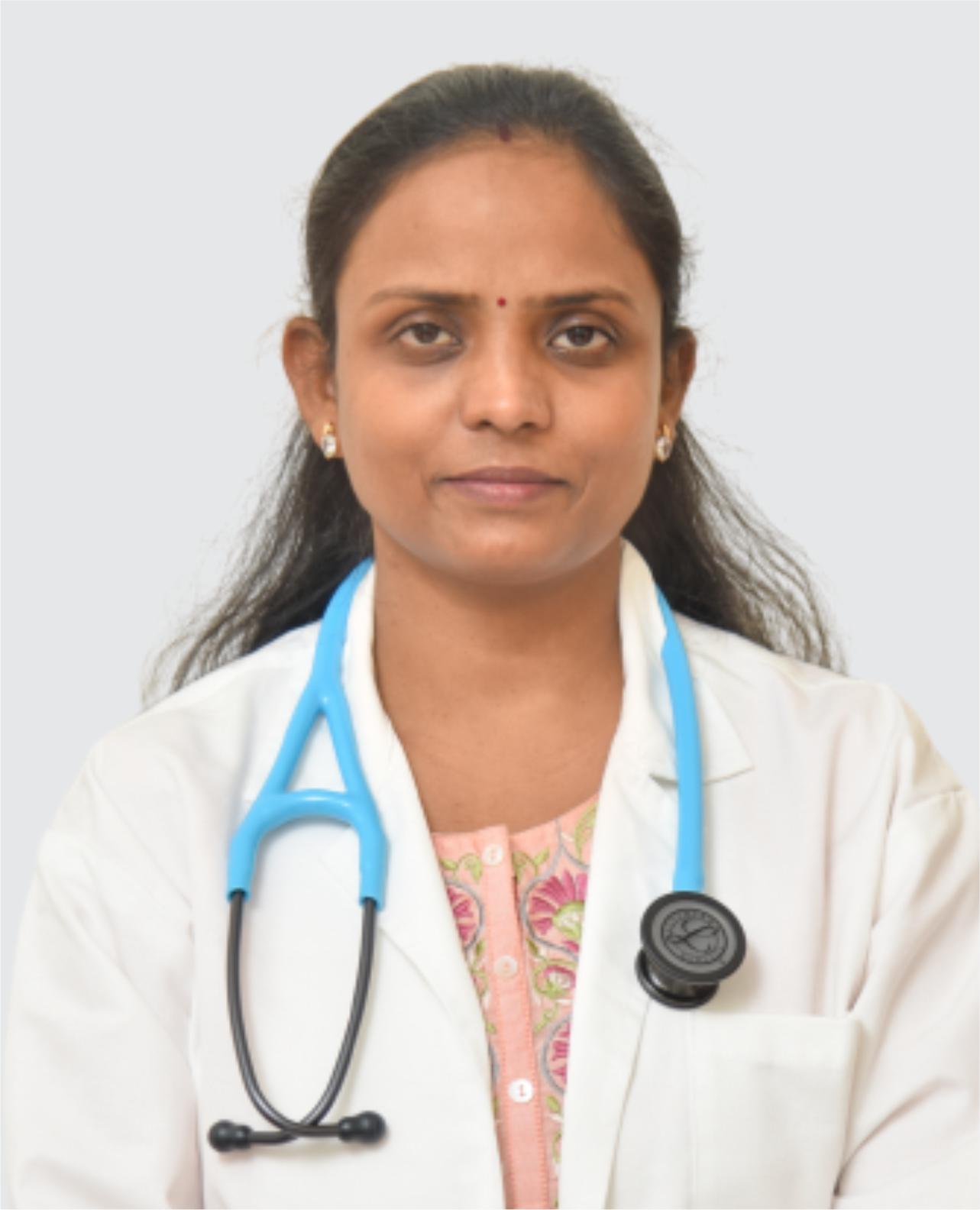
Dr. Anju Singh
Consultant - Pediatric Rheumatology
Pediatric Rheumatology
New Delhi
13+ Years
Experience
Artemis Hospital
Hospital
1500
Fees
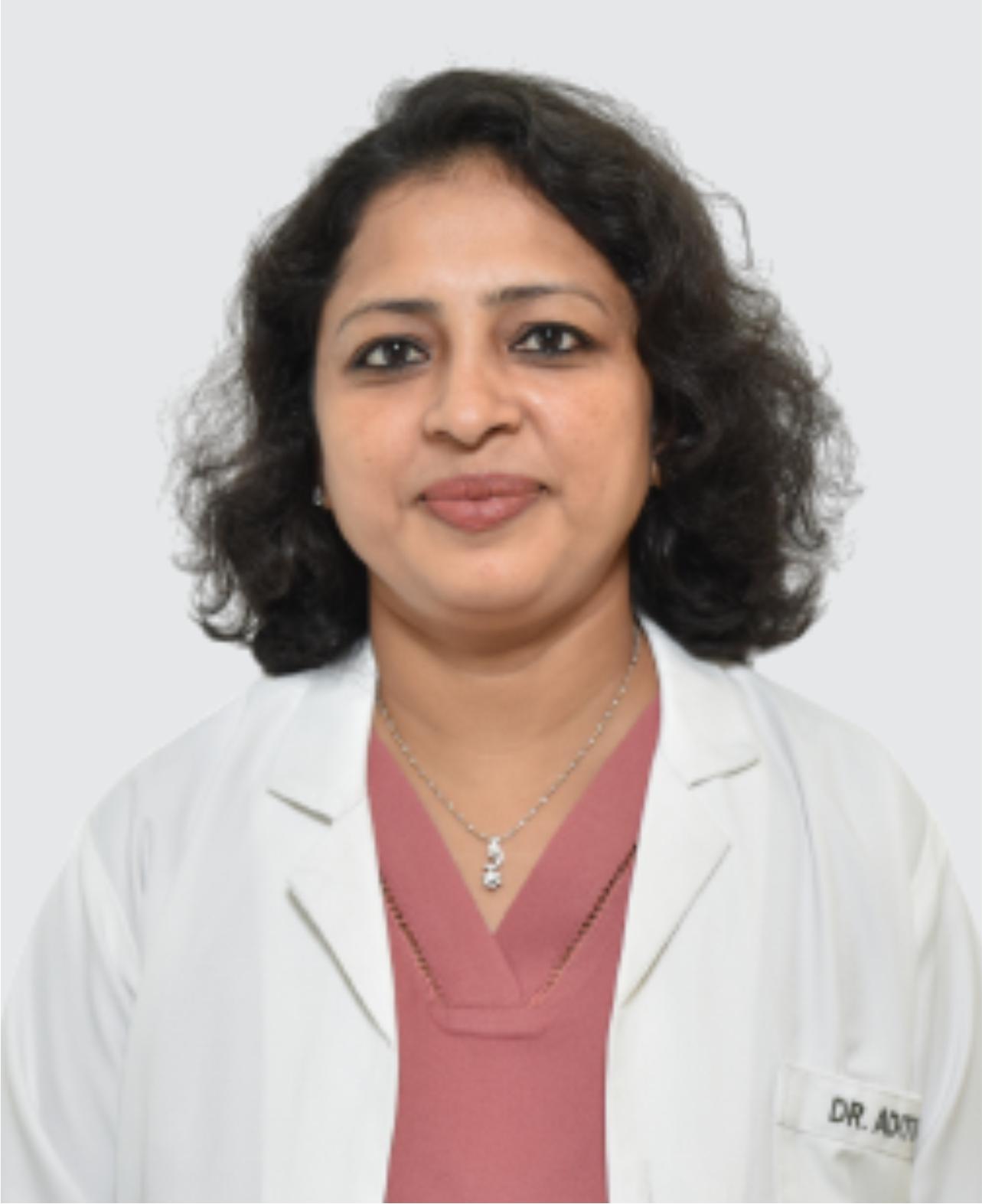
Dr Aditi Dixit
Sr. Consultant – Women Imaging
Radiology
New Delhi
15+ Years
Experience
Artemis Hospital
Hospital
1500
Fees
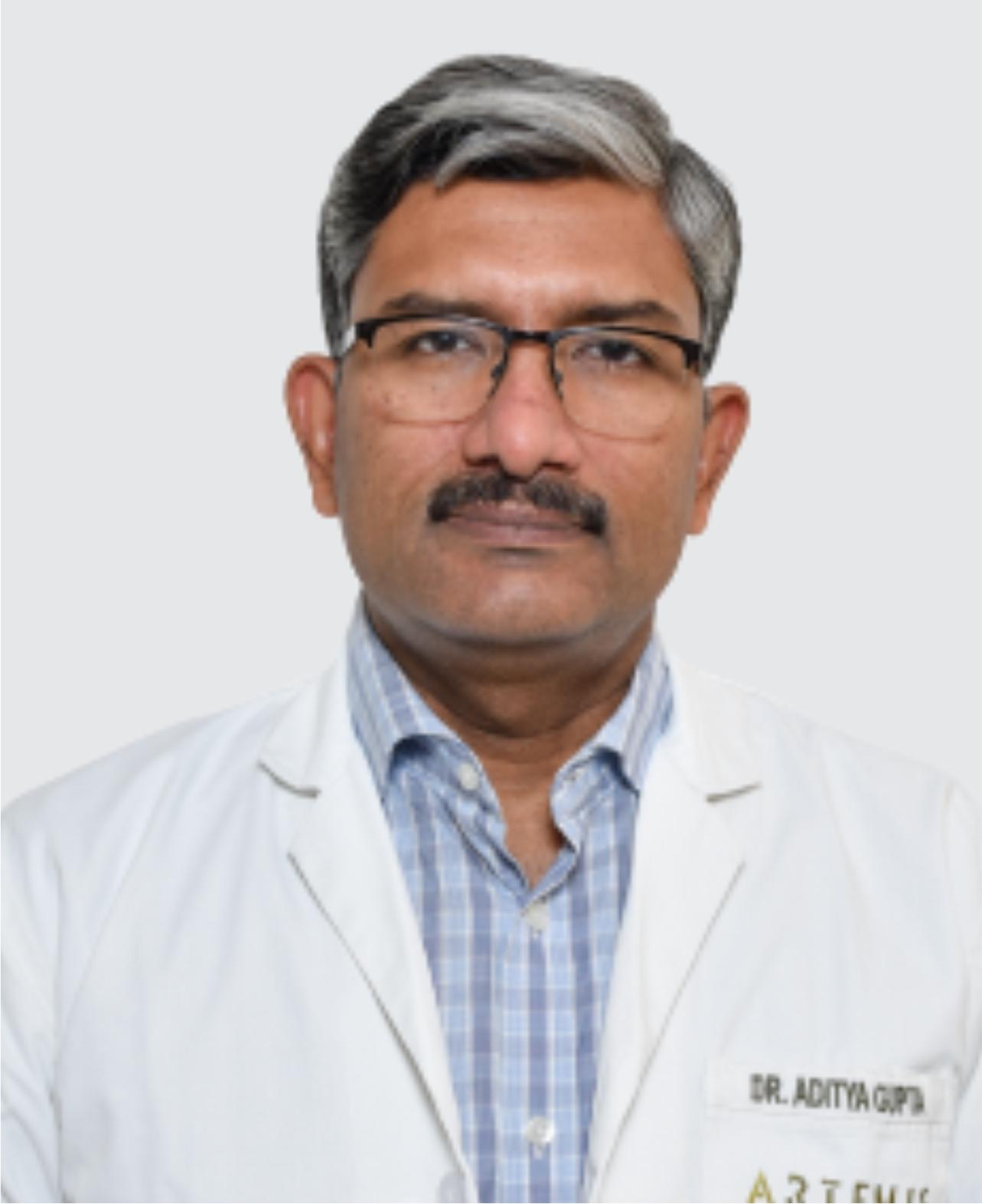
Dr. Aditya Gupta
Chairperson - Neurosurgery & CNS Radiosurgery & Co-Chief - Cyberknife Centre
Neurosurgery
New Delhi
32+ Years
Experience
Artemis Hospital
Hospital
1500
Fees

Dr. Deepa Maheshwari
Unit Head
Maternity, Obstetrics & Gynaecology
New Delhi
20+ Years
Experience
Artemis Hospital
Hospital
1500
Fees
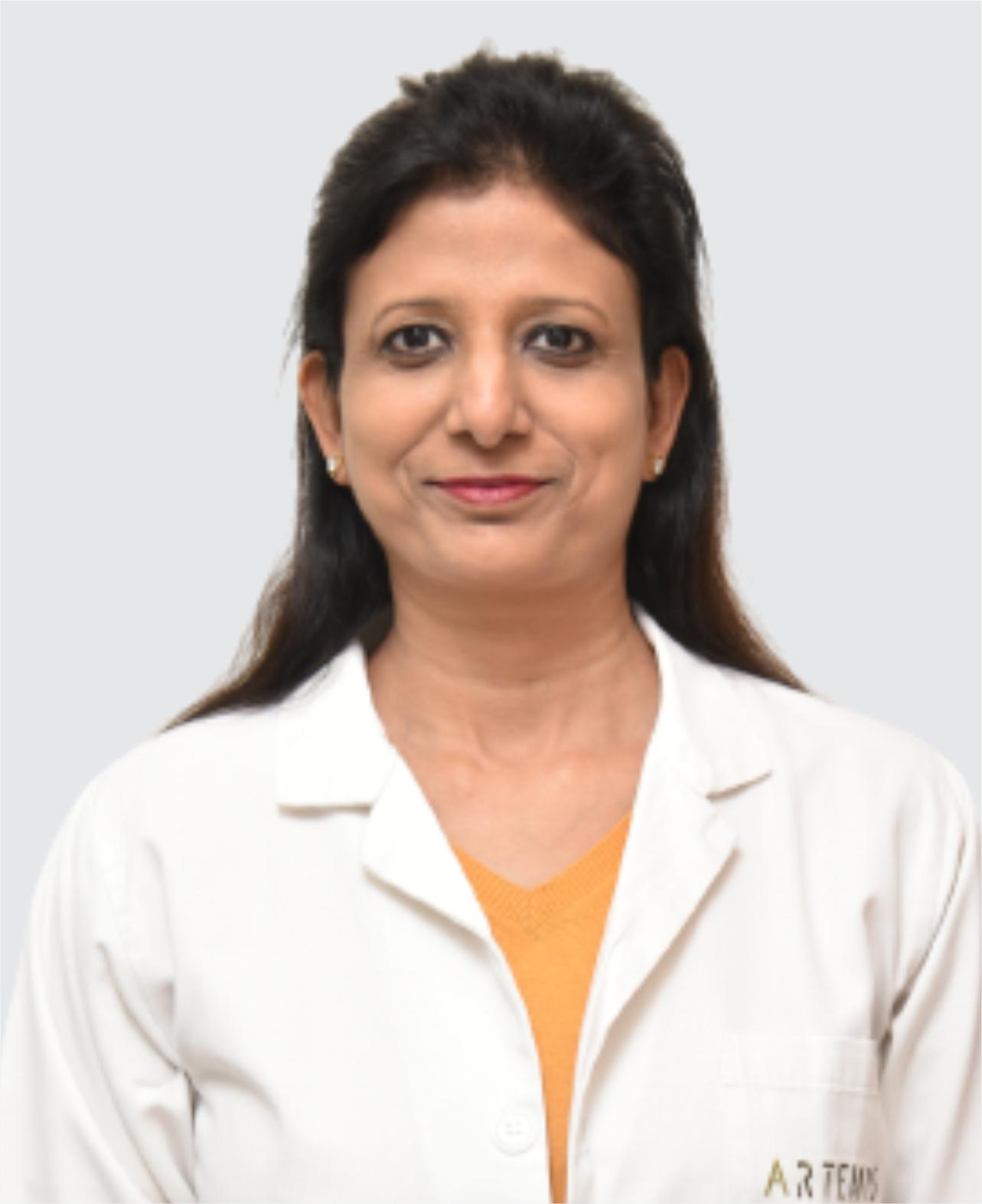
Dr. Parul Prakash
Head - Reproductive Medicine (IVF)
IVF, Reproductive Medicine, Obstetrics and Gynaecology
New Delhi
20+ Years
Experience
Artemis Hospital
Hospital
1500
Fees

Dr. Poonam Gautam
Senior Consultant - ENT
ENT and Head & Neck Surgery
New Delhi
24+ Years
Experience
Artemis Hospital
Hospital
1500
Fees
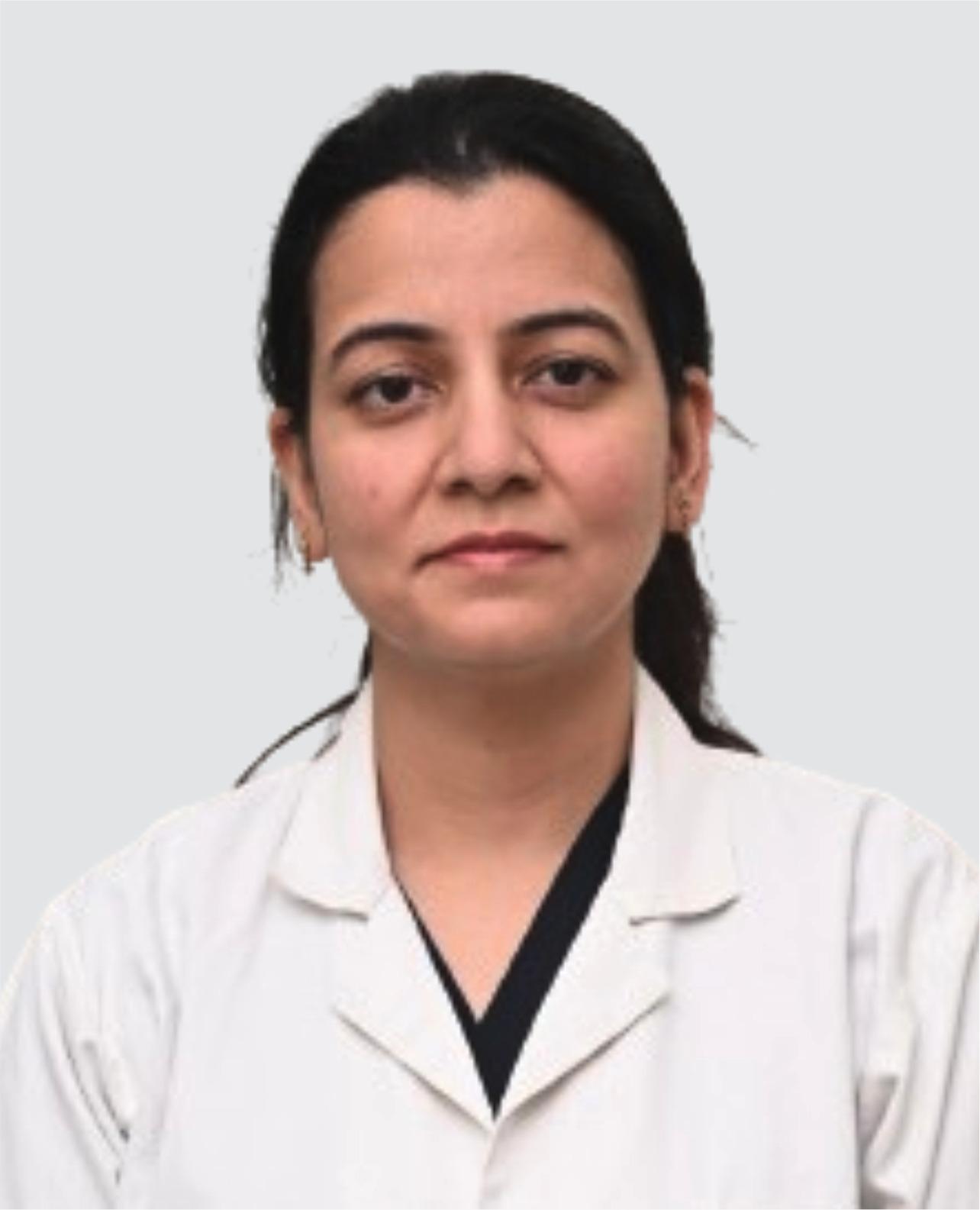
Dr. Priyanka Raina
Consultant (Head & Neck Surgery) - Surgical Oncology
Head and Neck Surgical Oncology
New Delhi
10+ Years
Experience
Artemis Hospital
Hospital
1500
Fees
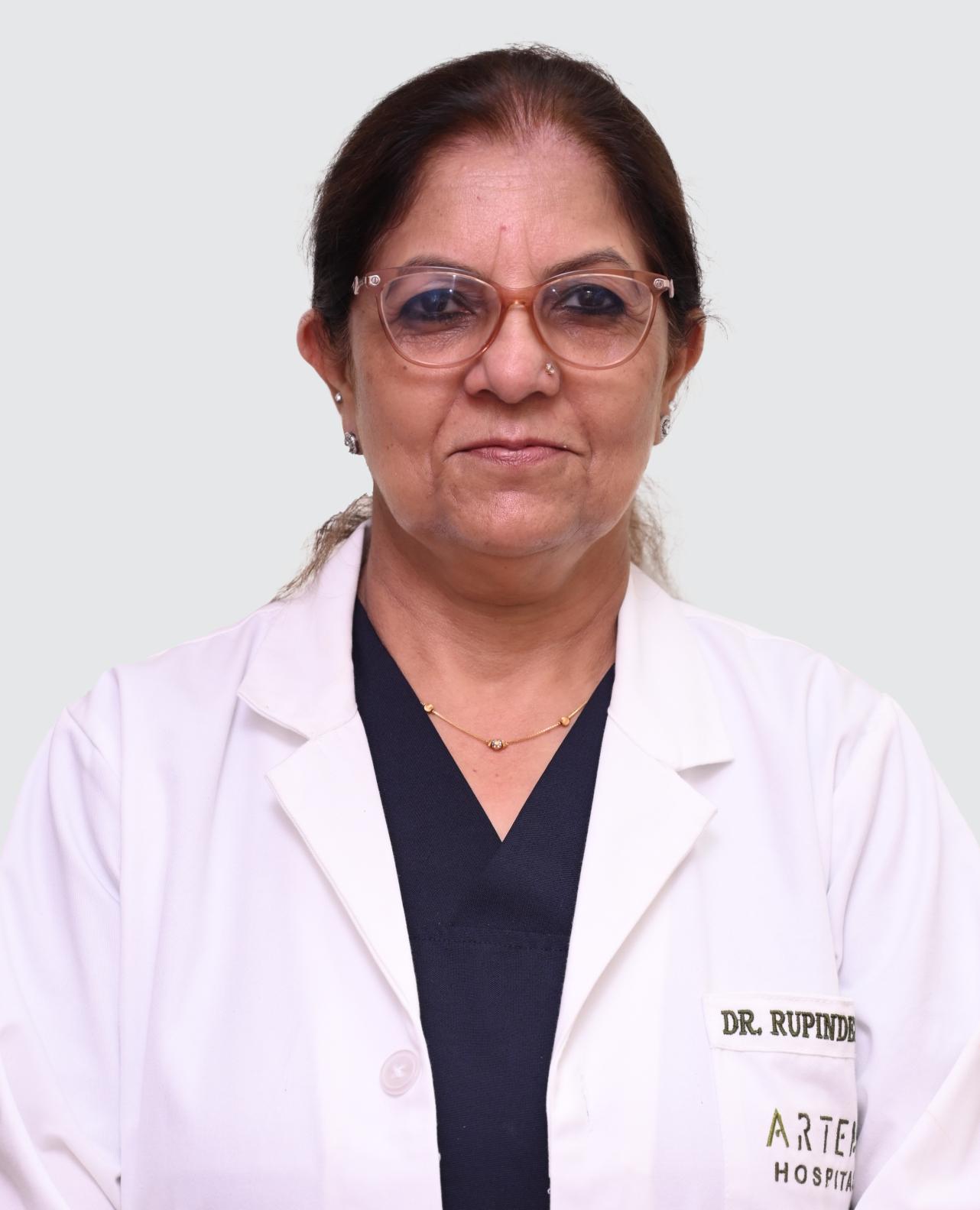
Dr. Rupinder Sekhon
Chairperson - Gynae Oncology
Gynaecological Oncology
New Delhi
16+ Years
Experience
Artemis Hospital
Hospital
1500
Fees
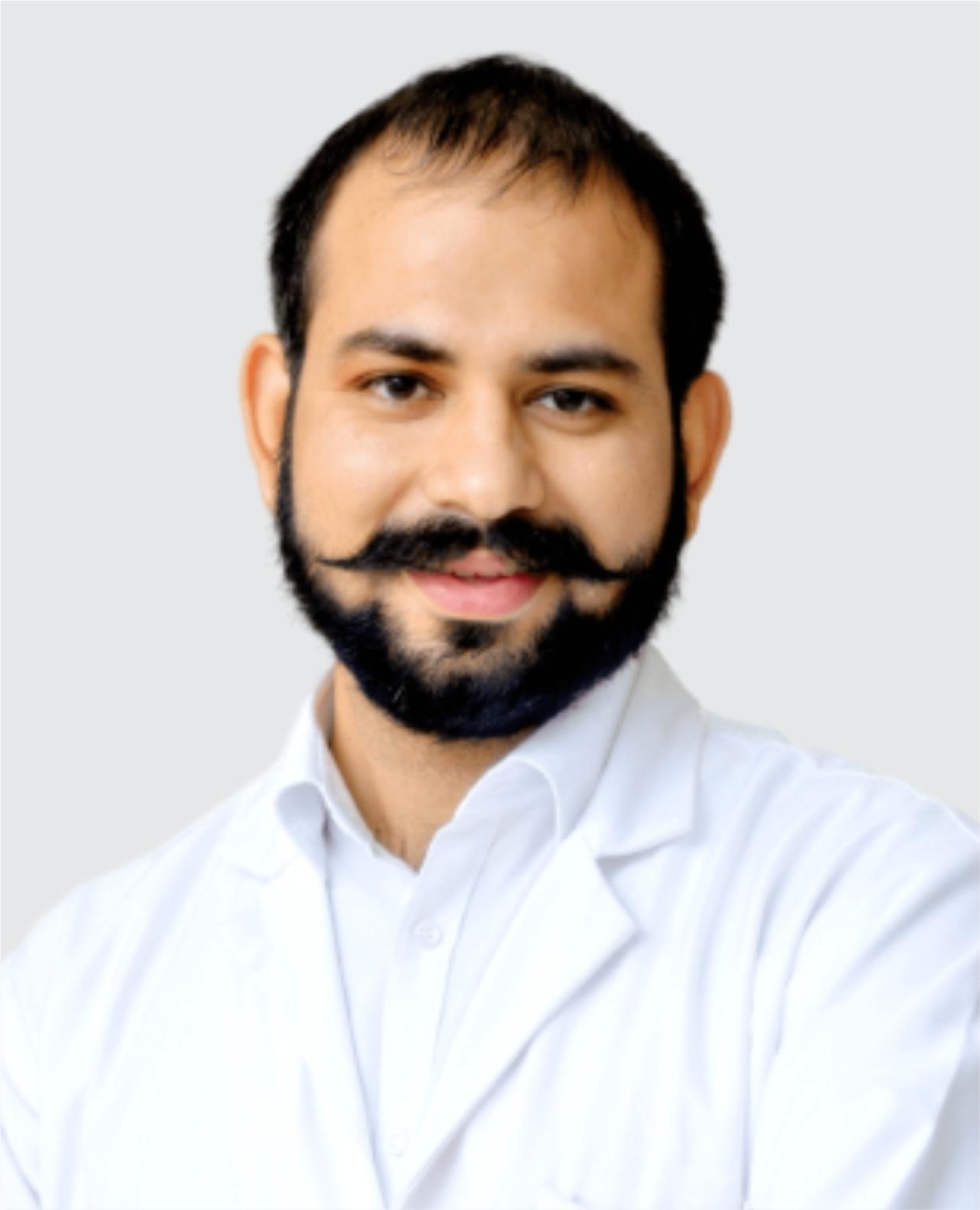
Dr. Sachin Sethi
Principal Lead - Physiotherapy
Physiotherapy and Rehabilitation
New Delhi
13+ Years
Experience
Artemis Hospital
Hospital
1500
Fees
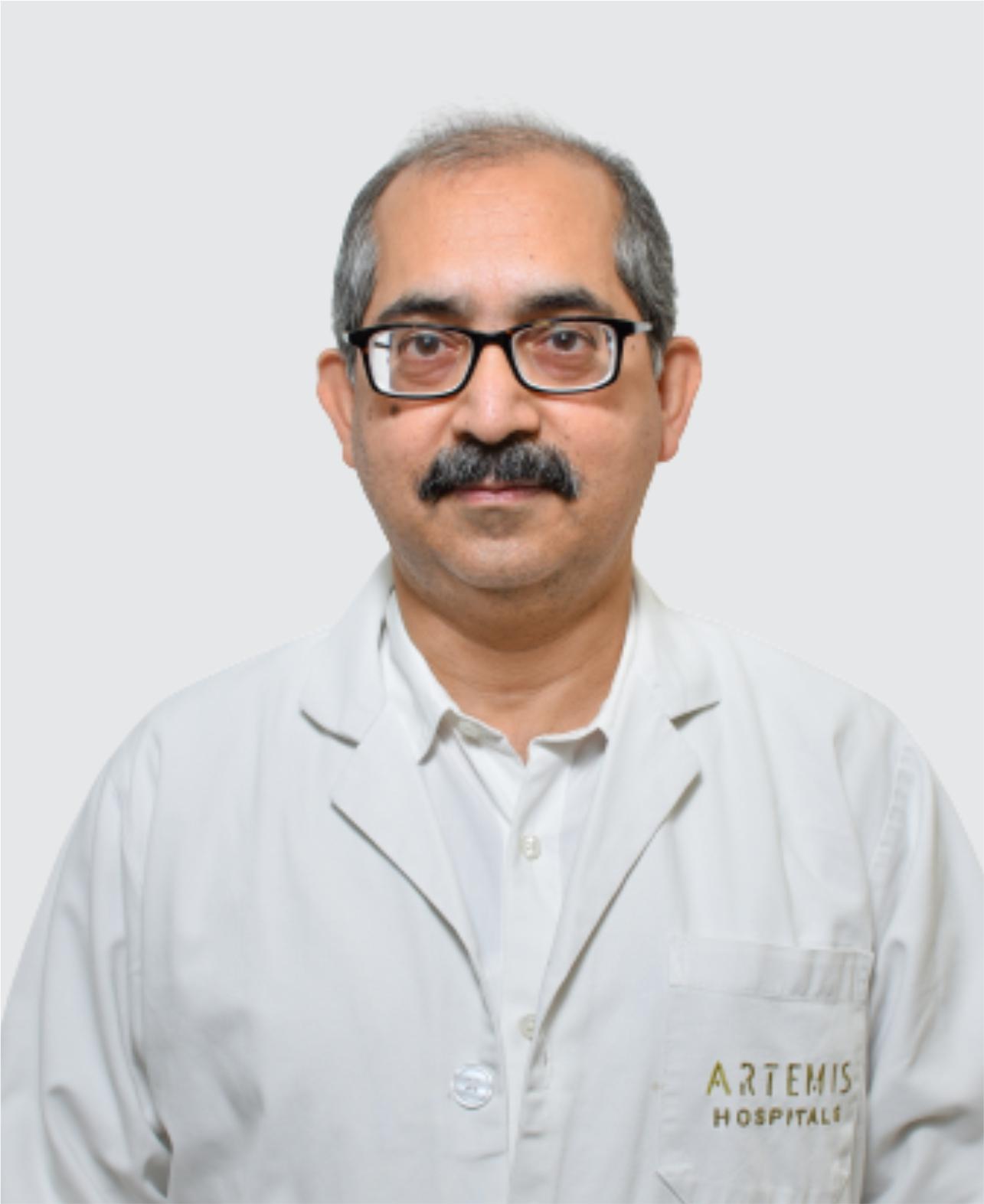
Dr. Sanjay Mehta
Chairperson
Radiology
New Delhi
28+ Years
Experience
Artemis Hospital
Hospital
1500
Fees
Related Links
Other Treatment related Information
International Patient Visiting India
- Intracytoplasmic Sperm Injection (ICSI) Treatment in India for Iraq
- Intracytoplasmic Sperm Injection (ICSI) Treatment in India for Ethiopia
- Intracytoplasmic Sperm Injection (ICSI) Treatment in India for Bangladesh
- Intracytoplasmic Sperm Injection (ICSI) Treatment in India for Nigeria
- Intracytoplasmic Sperm Injection (ICSI) Treatment in India for UAE
Ready To Start Your Healing Journey?
Get Personalized Medical Treatment Options From India's Top Hospitals. Our Medical Experts Are Ready To Assist You Every Step Of The Way.