Skip to content
DIVINHEALSimplifying Global Wellbeing
HOME
TREATMENTS
HOSPITALS
Hospital background

Intracytoplasmic Sperm Injection (ICSI) Success Rate in India

Clinical pregnancy rates after ICSI depend on maternal age, egg quality, and laboratory standards rather than geography alone.Evaluating the Intracytoplasmic Sperm Injection (ICSI) Success Rate in India involves examining clinical benchmarks across embryology centres. Published outcome statistics describe observed patient groups rather than individual results. A specialist evaluates personal medical factors to determine specific expectations.

Plan My Journey

Tell us your condition and budget - our AI matches the right destination, hospital and doctor and visa pathway

Cost calculator

I know my treatment - show me cost from 3 hospitals

5K+ International Patients Treated

40+ Source Countries Served

500+ Accredited Partner Hospitals

98% Patient Satisfaction

80% Average Savings vs USA

10K+ Doctors

NABH, JCI Accredited Hospitals

Free Treatment Plan

Free Consultation with Doctor

5+ Destinations Covered

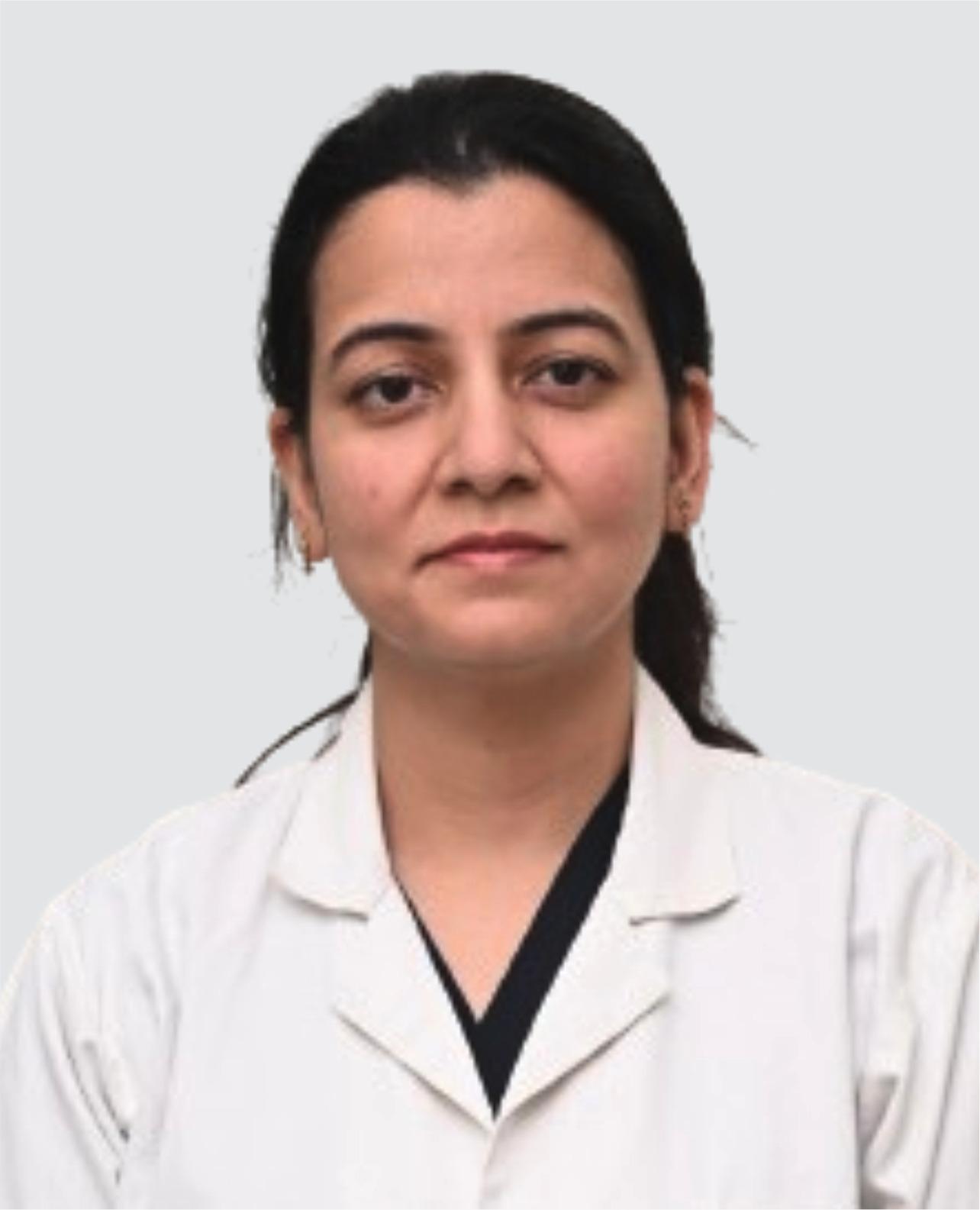
Dr Indu Priya

Written by DivinHeal Editorial Contributor, Rahul Kumar, Embryologist | Medically Reviewed by Dr Indu Priya, Gynecologist(MD) Published on: August 31, 2026

How success is measured for Intracytoplasmic Sperm Injection (ICSI)

Fertility clinics measure treatment outcomes using fertilisation rates and live birth rates per started cycle.

Reproductive medicine specialists track distinct clinical milestones during an assisted reproduction cycle. Fertilisation rate measures the proportion of mature eggs successfully injected with a single sperm. Clinical pregnancy rate requires ultrasound confirmation of a gestational sac.

Clinical reporting formats vary between independent medical centres and official health registries. Statistical definitions help patients evaluate laboratory performance alongside overall pregnancy outcomes.

MeasureWhat it counts
Fertilisation rateProportion of mature eggs successfully fertilised in the laboratory
Positive beta-hCG rateInitial blood test confirmation of embryo implantation
Clinical pregnancy rateUltrasound detection of a heartbeat and gestational sac
Live birth rateDelivery of a living infant per completed treatment cycle

Fertilization Rates vs. Clinical Pregnancy Rates per Cycle

Fertilisation rates record successful egg injection inside the lab dish. Clinical pregnancy rates per cycle track confirmed pregnancies confirmed by ultrasound scans weeks later.

Embryologists track early cell cleavage to monitor embryo development prior to transfer. Strong fertilisation rates confirm technical success in bypassing natural sperm entry barriers.

Live Birth Rate vs. Positive Beta-hCG Results

A positive beta-hCG test detects early hormone changes after embryo transfer. Live birth rate measures how often a treatment cycle results in a living baby.

Beta-hCG confirmation marks initial implantation success. Live birth metrics provide the final standard for evaluating complete reproductive outcomes.

Outcome definitions range from laboratory fertilisation to final live birth reporting.

Success rate by country (location rate: 0.45%)

National registries report outcome statistics based on patient age brackets, laboratory protocols, and reporting criteria.

Comparing outcomes across international borders requires caution. National fertility registries use varying reporting criteria and patient selection guidelines. Indian fertility clinics submit data through statutory health authorities and clinical audits.

Patient demographics and underlying clinical diagnoses heavily influence aggregate national statistics. Clinic reporting standards must be examined carefully when evaluating published data.

  • What specific outcome metric does this reported figure represent?
  • Which patient age bracket does this statistic describe?
  • Does the figure account for fresh or frozen embryo transfers?
  • How many treatment cycles formed the basis of this report?
  • Are donor oocyte cycles calculated separately from autologous cycles?

Average ICSI Success Rate in India (45% Overall per Cycle)

Clinics in New Delhi publish outcomes stratified by maternal age. Single sperm micromanipulation injection assists fertilisation when sperm parameters require focused laboratory support.

Diagnostic evaluations establish clear baselines before initiating treatment. Age-stratified reporting offers realistic perspectives for individual consultation planning.

Comparing India's ICSI Outcomes with Global Benchmarks

Direct comparisons between countries are not feasible due to differing diagnostic criteria. Patients should evaluate individual clinic audits rather than published general summaries.

Reviewing an ICSI vs IVF comparative analysis helps clarify how technical methods differ across cycles. International registries report statistics according to localized demographic guidelines.

Published outcome figures reflect specific registry methods rather than direct clinic comparisons.

What affects your outcome

Maternal age, egg health, sperm DNA integrity, and laboratory technology directly influence cycle outcomes.

Assisted reproduction success depends on multiple biological and environmental variables. Clinical teams evaluate these factors to optimise treatment protocols for each couple.

  • Maternal age and anti-Müllerian hormone levels
  • Sperm motility and structural DNA integrity
  • Quality and maturity of retrieved oocytes
  • Incubation conditions and embryo culture media
  • Uterine lining thickness at embryo transfer

Maternal Age and Ovarian Reserve Quality

Ovarian reserve testing provides information about egg quantity. Age affects egg genetic quality and embryo development potential during culture.

Ovarian response monitoring ensures appropriate follicle growth throughout ovulation stimulation. Hormonal assessments help tailor medication dosages precisely.

Sperm Motility, DNA Fragmentation, and Retrieval Techniques

Sperm motility and structural cell health affect fertilisation results. Specialised retrieval techniques harvest viable sperm directly from testicular tissue when ejaculated samples lack sufficient counts.

Advanced sperm selection methods isolate normal sperm with high chromatin integrity. Diagnostic semen evaluation guides the selection of injection protocols.

Embryology Lab Quality and Advanced Time-Lapse Imaging

Embryology laboratories maintain strictly controlled cleanroom conditions. Time-lapse imaging monitoring allows embryologists to select viable embryos without disturbing culture incubators.

Advanced incubation systems help maintain ideal temperature and gas concentrations continuously. Stable environmental controls support optimal blastocyst development.

Biological factors and laboratory incubator environments determine overall embryo development potential.

Who this treatment helps most

Micromanipulation benefits couples facing low sperm counts, poor motility, structural abnormalities, or previous fertilisation failure.

Direct egg injection provides targeted assistance for severe reproductive challenges. Reproductive specialists identify specific clinical indications before recommending micromanipulation protocols.

Severe Male Factor Infertility and Low Sperm Count

Couples with severe male factor infertility benefit when sperm counts fall below standard fertilisation thresholds. The laboratory technique places one chosen sperm straight into the egg cytoplasm.

Sperm selection tools enable specialists to identify morphologically sound sperm for injection. Bypassing natural motility obstacles significantly improves fertilisation probability.

Previous Unexplained IVF Fertilization Failure

Unexplained fertilisation failure during standard laboratory cycles prompts medical teams to recommend targeted injection. Bypassing outer egg layers helps overcome unexplained binding barriers.

Direct micromanipulation prevents recurrent fertilisation failure in subsequent treatment cycles. Laboratory intervention addresses binding defects effectively.

Couples Using Surgical Sperm Retrieval (TESA/PESA)

Men undergoing testicular sperm aspiration or epididymal extraction require micromanipulation. Surgically retrieved sperm numbers are low, making direct injection essential for fertilisation.

Extracted testicular sperm cells lack natural motility patterns. Direct intracellular injection enables successful fertilisation using retrieved tissue samples.

Targeted sperm injection resolves significant male factor obstacles and past fertilisation failures.

Safety, accreditation and where you'll be treated

Accredited fertility facilities follow rigorous laboratory protocols and clinical safety guidelines established by international monitoring bodies.

Quality assurance programs ensure high standards across embryology laboratories and clinical procedures. Accredited hospitals maintain strict infection control protocols and clinical outcome tracking.

NABH and JCI Accredited Fertility Hospitals in India

Leading centres maintain NABH accreditation alongside international healthcare certificates. You can research accredited fertility centres to verify clinical standard compliance and cleanroom environment monitoring.

Clinical safety audits monitor hygiene, equipment calibration, and patient outcome reporting standards. Regular inspections guarantee continuous quality compliance.

Specialist Qualifications of Top Indian Embryologists

Experienced embryologists hold clinical postgraduate degrees and specialised micromanipulation training. You can consult experienced fertility specialists to evaluate clinical credentials before initiating treatment.

Continuous medical education programs keep embryology staff updated on micromanipulation protocols. Certified training ensures precise laboratory handling.

Accreditation boards verify laboratory cleanroom standards and embryologist technical credentials.

What recovery looks like

Recovery after egg retrieval involves short rest, while post-transfer care focuses on monitoring early hormonal support.

Post-Egg Retrieval Recovery and Care Guidelines

Egg collection takes place under light sedation. Patients usually rest for two hours before leaving the hospital.

Mild abdominal cramping resolves quickly with prescribed rest. Clinical teams provide specific post-procedure guidelines prior to discharge.

Managing the Two-Week Wait (2WW) After Embryo Transfer

The two-week waiting period requires routine medication adherence. Blood hormone tests confirm early implantation outcomes.

Physical recovery occurs quickly after retrieval, followed by routine post-transfer hormonal monitoring.

Cost alongside success

Treatment expenses vary based on medication dosages, micromanipulation techniques, and specific laboratory procedures.

Affordable ICSI Treatment Costs in India vs. Western Nations

Medical expenses stay distinct from clinical probability statistics. Reviewing pricing options for reproductive care helps patients structure financial planning accurately.

Cost Breakdown: Lab Fertilization, ICSI Micromanipulation, and Medication

Total costs include ovulation stimulation medications, laboratory micromanipulation fees, and embryo storage options.

Itemised financial estimates clarify diagnostic tests, procedure fees, and post-transfer medications clearly.

Financial requirements reflect individual medication protocols and advanced laboratory procedures.

How DivinHeal supports your outcome

DivinHeal connects international patients with verified fertility specialists and provides clinical coordination throughout treatment.

Patient care coordinators facilitate communication between international families and accredited medical teams. Structured support ensures smooth access to diagnostics and clinical consultations.

  1. Reviewing patient medical records and reproductive diagnostic reports
  2. Evaluating ovarian reserve markers and semen analysis results
  3. Selecting appropriate stimulation protocols and laboratory micromanipulation techniques
  4. Monitoring cycle response through serial ultrasound scans
  5. Conducting embryo transfer under direct abdominal guidance

End-to-End Medical Tourism Assistance for International Patients

International patients receive complete coordination for travel schedules and hospital appointments. Exploring assisted reproductive care options enables families to organize their medical stay efficiently.

Dedicated patient coordinators guide families through clinic visits, diagnostic schedules, and travel arrangements. Comprehensive logistics reduce travel friction during treatment.

Personalized Doctor Consultations and Clinic Matching

Personal consultations ensure clinical plans fit individual medical histories. Patients seeking details regarding the Intracytoplasmic Sperm Injection (ICSI) Success Rate in India receive structured medical guidance.

Matching patients with specialized fertility clinics improves treatment alignment and clinical oversight.

Clinical coordination links patients directly with accredited embryology teams and clinical treatment strategies.

Hospitals

NABH & JCI Accredited Hospitals in India,Turkey, Thailand & UAE.

View All
Artemis Hospital

Artemis Hospital

Sector 51, Gurugram, Haryana, India

Lokmanya Hospitals

Lokmanya Hospitals

Not Specified

White Lotus Hospital

White Lotus Hospital

766, SFS 3145, SFS Road, 7th Sector, HSR Layout, Bengaluru, Karnataka 560102, India

Institute of Brain and Spine (IBS Hospital)

Institute of Brain and Spine (IBS Hospital)

Not Specified

Doctors

Meet Our Medical Specialists

View All
Aditi Dixit

Sr. Consultant – Women Imaging

Aditi Dixit

MBBS, MD

Haryana

Amit Jassal

Sr. Consultant - Anaesthesia

Amit Jassal

MBBS, MD

Haryana

Anjana Kharbanda

Sr. Consultant - Emergency

Anjana Kharbanda

MBBS, MD

India

Dr. Abhinandan Mukhopadhyay

Sr. Consultant - Urology & Kidney Transplant Program (Unit I)

Dr. Abhinandan Mukhopadhyay

MBBS, MD

India

Dr. Ajit Singh Baghela

Consultant

Dr. Ajit Singh Baghela

MBBS, MD

Gurugram

Aditi Dixit

Sr. Consultant – Women Imaging

Aditi Dixit

MBBS, MD

Haryana

Amit Jassal

Sr. Consultant - Anaesthesia

Amit Jassal

MBBS, MD

Haryana

Anjana Kharbanda

Sr. Consultant - Emergency

Anjana Kharbanda

MBBS, MD

India

Dr. Abhinandan Mukhopadhyay

Sr. Consultant - Urology & Kidney Transplant Program (Unit I)

Dr. Abhinandan Mukhopadhyay

MBBS, MD

India

Dr. Ajit Singh Baghela

Consultant

Dr. Ajit Singh Baghela

MBBS, MD

Gurugram

How DivinHeal Helps

We simplify your medical journey by providing comprehensive support and access to world-class healthcare.

Expert Specialist Matching

Connecting you with the world's top-rated medical experts.

FAQ

Everything you
need to know today

Browse through these common inquiries to better understand our patient-focused medical platform.

No, ICSI generally offers equal or higher fertilization rates than conventional IVF, particularly when treating severe male factor infertility or previous fertilization failure.

For women under 35, first-time ICSI success rates in India range between 45% and 55% per fresh embryo transfer cycle.

No medical fertility treatment guarantees a 100% success rate, as outcomes depend on maternal age, egg quality, uterine receptivity, and sperm viability.

The ICSI microinjection procedure occurs in the lab. The female patient undergoes egg retrieval under mild anesthesia, which causes minimal discomfort comparable to mild cramping.

ICSI does not alter the natural gender ratio; sperm carrying X or Y chromosomes are selected based on morphology and motility rather than sex selection.

ICSI is recommended for low sperm count, poor motility, abnormal sperm morphology, previous poor IVF fertilization, or when using frozen sperm/surgically retrieved sperm.

Many couples achieve success within 1 to 2 ICSI cycles, though success varies according to individual clinical profiles and age.

Risks are minimal but can include potential egg damage during microinjection (<5%) and standard IVF-related risks such as mild Ovarian Hyperstimulation Syndrome (OHSS).

Still have more questions?

Book a call with our friendly team to learn how DivineHeal simplifies your healthcare journey.