
Left Atrial Appendage Closure (LAAC) Treatment in Chennai for Ethiopia
Need Personalized Advice?
Our medical experts are ready to answer your questions and guide you through your treatment options.
About
Left Atrial Appendage Closure (LAAC) in Chennai for Ethiopian Patients
Many Ethiopian patients facing cardiac concerns like atrial fibrillation often worry about their stroke risk. The decision to seek specialized heart treatment can feel overwhelming, especially when considering options beyond your home country. Understanding advanced procedures like Left Atrial Appendage Closure (LAAC) and where to find reliable care is a crucial first step.
For those exploring healthcare abroad, Chennai has emerged as a preferred destination. This city offers a unique blend of world-class medical infrastructure and dedicated patient support. Its hospitals are recognized for handling complex cardiac cases with efficiency, making the process of receiving care smoother and more coordinated for international visitors.
Chennai's medical landscape boasts highly skilled cardiac specialists and state-of-the-art facilities that consistently deliver excellent outcomes for LAAC procedures. Patients from Ethiopia can confidently access comprehensive pre-treatment evaluations, advanced procedural techniques, and structured post-recovery support, ensuring continuity of care within the city.
Could Chennai be the right choice for your LAAC treatment?
What is Left Atrial Appendage Closure (LAAC)?
Left Atrial Appendage Closure (LAAC) is a medical procedure designed to reduce the risk of stroke in patients with non-valvular atrial fibrillation (AFib). AFib is an irregular heart rhythm that can cause blood to pool and clot in a small pouch off the heart’s upper left chamber, called the left atrial appendage (LAA). If these clots travel to the brain, they can cause a stroke. LAAC involves sealing off this appendage, preventing clots from forming there and subsequently reducing stroke risk, often providing an alternative to long-term blood thinner medication for suitable patients.
Are There Different Approaches to LAAC?
While the primary goal of LAAC remains consistent, the procedure can be approached in a few ways, mainly differentiated by the technique used to access the heart and the type of device implanted.
- Transcatheter LAAC: This is the most common and minimally invasive approach. It involves inserting a catheter, usually through a vein in the leg, and guiding it to the heart. A device is then deployed to close off the LAA. This method avoids open-heart surgery.
- Surgical LAAC: Less common, this approach is typically performed during other open-heart surgeries, such as bypass surgery or valve repair. The surgeon can manually ligate (tie off) or excise (remove) the LAA. This is often chosen when a patient is already undergoing another cardiac operation.
- Epicardial LAAC: A less invasive surgical option, this involves a small incision in the chest to access the outside of the heart. A device is then placed on the LAA from the exterior.
- Device Types: Several FDA-approved devices are available for transcatheter LAAC, each with slightly different designs and deployment mechanisms (e.g., Watchman, Amulet). The choice of device depends on the individual patient's anatomy and the specialist's preference.
When is Left Atrial Appendage Closure (LAAC) Recommended?
- Patients with non-valvular atrial fibrillation who are at high risk for stroke.
- Individuals who cannot take long-term oral anticoagulant medications (blood thinners) due to a history of bleeding, high bleeding risk, or other contraindications.
- Patients who have experienced serious bleeding events while on blood thinners.
- Those who prefer an alternative to daily blood thinner medication.
- Individuals with a CHA2DS2-VASc score indicating a significant stroke risk.
What Evaluations are Needed Before LAAC?
- Detailed consultation with a cardiologist specializing in electrophysiology.
- Comprehensive medical history review and physical examination.
- Electrocardiogram (ECG) to assess heart rhythm.
- Transthoracic Echocardiogram (TTE) to evaluate heart structure and function.
- Transesophageal Echocardiogram (TEE) to visualize the LAA in detail and measure its size, crucial for device selection.
- Computed Tomography (CT) scan of the heart to provide additional anatomical details.
- Blood tests, including coagulation profiles, kidney, and liver function.
- Discussion of risks, benefits, and alternative treatment options.
How is Left Atrial Appendage Closure Performed?
The LAAC procedure primarily depends on the chosen approach, with the transcatheter method being most common.
Transcatheter LAAC Procedure Steps
This minimally invasive procedure is typically performed under general anesthesia. It usually takes about one to two hours.
- Access: A small incision is made, usually in the groin, to access the femoral vein. A catheter is then inserted and guided to the heart.
- Transseptal Puncture: The catheter creates a small opening in the wall separating the two upper chambers of the heart (atrial septum) to reach the left atrium.
- LAA Access and Measurement: The catheter is advanced into the left atrial appendage. Detailed imaging, often with TEE, guides the specialist to precisely measure the LAA's size and shape.
- Device Deployment: A specially designed closure device, selected based on the LAA's dimensions, is deployed within the appendage to seal it off.
- Confirmation: Once positioned, imaging confirms the device is securely in place and completely closing the LAA. Blood flow into the LAA is checked to ensure no leaks.
- Closure: The catheter is removed, and the incision in the groin is closed.
What Does LAAC Recovery Involve?
After Left Atrial Appendage Closure, patients typically stay in the hospital for one to two days for observation. During this time, the medical team monitors for any complications and ensures a smooth immediate recovery. Patients are usually advised to limit strenuous activities for a few weeks. A specific medication regimen, often including a short course of blood thinners or antiplatelet drugs, will be prescribed, followed by regular follow-up appointments with the cardiologist. Long-term monitoring, including follow-up TEEs, may be necessary to confirm stable device placement and effective LAA closure, ensuring sustained stroke risk reduction.
What are the Risks and Success Rates of LAAC?
- Bleeding or Bruising: At the catheter insertion site.
- Pericardial Effusion: Fluid accumulation around the heart, sometimes requiring drainage.
- Device-Related Thrombus: Clot formation on the device, though rare.
- Stroke: A small risk exists during or immediately after the procedure.
- Infection: At the access site or, very rarely, of the device.
- Device Embolization: The device rarely moves from its intended position.
Left Atrial Appendage Closure procedures generally boast high success rates in terms of successful device implantation, often exceeding 95%. More importantly, clinical studies have consistently demonstrated significant reductions in stroke risk for eligible patients, comparable to or even better than long-term blood thinner therapy in certain populations. The long-term outcome is generally positive, with continued protection against stroke. Individual results can vary based on factors like the patient's overall health, LAA anatomy, and the expertise of the treating medical team.
Understanding the Cost of LAAC in Chennai
The cost of Left Atrial Appendage Closure in Chennai is influenced by several factors, including the reputation and accreditation of the hospital, the specific type of LAAC device used, the experience of the cardiac specialist, and the length of hospital stay. These elements contribute to the overall package, which typically includes pre-procedural tests, the procedure itself, and initial post-operative care.
For Ethiopian patients considering LAAC, the estimated cost in Chennai generally ranges from approximately ₹6,00,000 to ₹12,00,000.
LAAC Treatment Costs in Chennai Compared Globally
Chennai offers a distinct advantage in healthcare costs while maintaining high standards of clinical excellence. Patients from Ethiopia will find that the expenses for LAAC in Chennai are significantly lower than in many Western nations, without compromising on the quality of care or the technology utilized.
| Location | Estimated Cost (USD) |
|---|---|
| Chennai, India | $7,500 - $14,500 |
| United States | $35,000 - $60,000 |
| United Kingdom | $28,000 - $48,000 |
| Germany | $30,000 - $45,000 |
| Singapore | $25,000 - $40,000 |
| Thailand | $12,000 - $22,000 |
Ready to explore your LAAC options in Chennai? Contact us today for a personalized treatment plan and cost estimate.
Support Services for Your Treatment Journey in Chennai
- Assistance with medical visa applications and necessary paperwork.
- Arrangement of airport transfers and local transportation.
- Dedicated patient coordinators to guide you through appointments.
- Accommodation options for patients and their accompanying family members.
- Language interpretation services to ensure clear communication.
- Post-treatment follow-up scheduling and remote consultation support.
Important Medical Documents for Your Visit
- Copies of all previous medical records, including diagnostic reports and treatment summaries.
- Your current passport and any relevant visa documents.
- List of all current medications, including dosages.
- Referral letters from your primary care physician or specialist in Ethiopia.
- Any allergy information or specific health considerations.
Preparing for Your LAAC Procedure in Chennai
- Follow all dietary and medication instructions provided by your Chennai medical team.
- Arrange for a companion to travel with you, especially for post-procedure support.
- Ensure you have sufficient funds or insurance coverage for your treatment and stay.
- Disclose your full medical history and all current medications to the specialists.
- Prepare a list of questions for your doctors to ensure all your concerns are addressed.
Healing and Support After Your LAAC Treatment
- Adhere strictly to the prescribed medication schedule and follow-up care plan.
- Avoid heavy lifting and strenuous physical activities for the advised period.
- Monitor the incision site for any signs of infection or unusual swelling.
- Attend all scheduled follow-up appointments, including imaging studies.
- Maintain clear communication with your medical team about any changes in your health.
- Gradually resume normal activities as guided by your cardiologist.
Take the first step towards better heart health. Connect with Chennai's leading cardiac specialists today.
Ready to Make an Informed Decision?
Choosing Chennai for your Left Atrial Appendage Closure means opting for expert care, advanced technology, and compassionate support every step of the way. We are here to guide Ethiopian patients toward a safer, healthier future.
Hospitals Offering this treatment
India offers premium medical procedures at affordable prices. Discover our most popular treatments, delivered by the country's finest doctors.
Meet Our Doctors
Meet our team of highly qualified and experienced medical professionals dedicated to providing the best healthcare services.

Dr Aditi Dixit
Sr. Consultant – Women Imaging
Radiology
New Delhi
15+ Years
Experience
Artemis Hospital
Hospital
1500
Fees

Dr Chandrima Misra M
Co-Head Psychological Services
Mental Health and Behavioural Sciences
New Delhi
15+ Years
Experience
Artemis Hospital
Hospital
1500
Fees

Dr. Nutan Agarwal
Head of Department - Gynae Endocrinology & DNB Program Director - Obs & Gynae
Gynaecological Endocrinology, Maternity, Obstetrics & Gynaecology
New Delhi
35+ Years
Experience
Artemis Hospital
Hospital
1500
Fees

Dr. Poonam Gautam
Senior Consultant - ENT
ENT and Head & Neck Surgery
New Delhi
24+ Years
Experience
Artemis Hospital
Hospital
1500
Fees
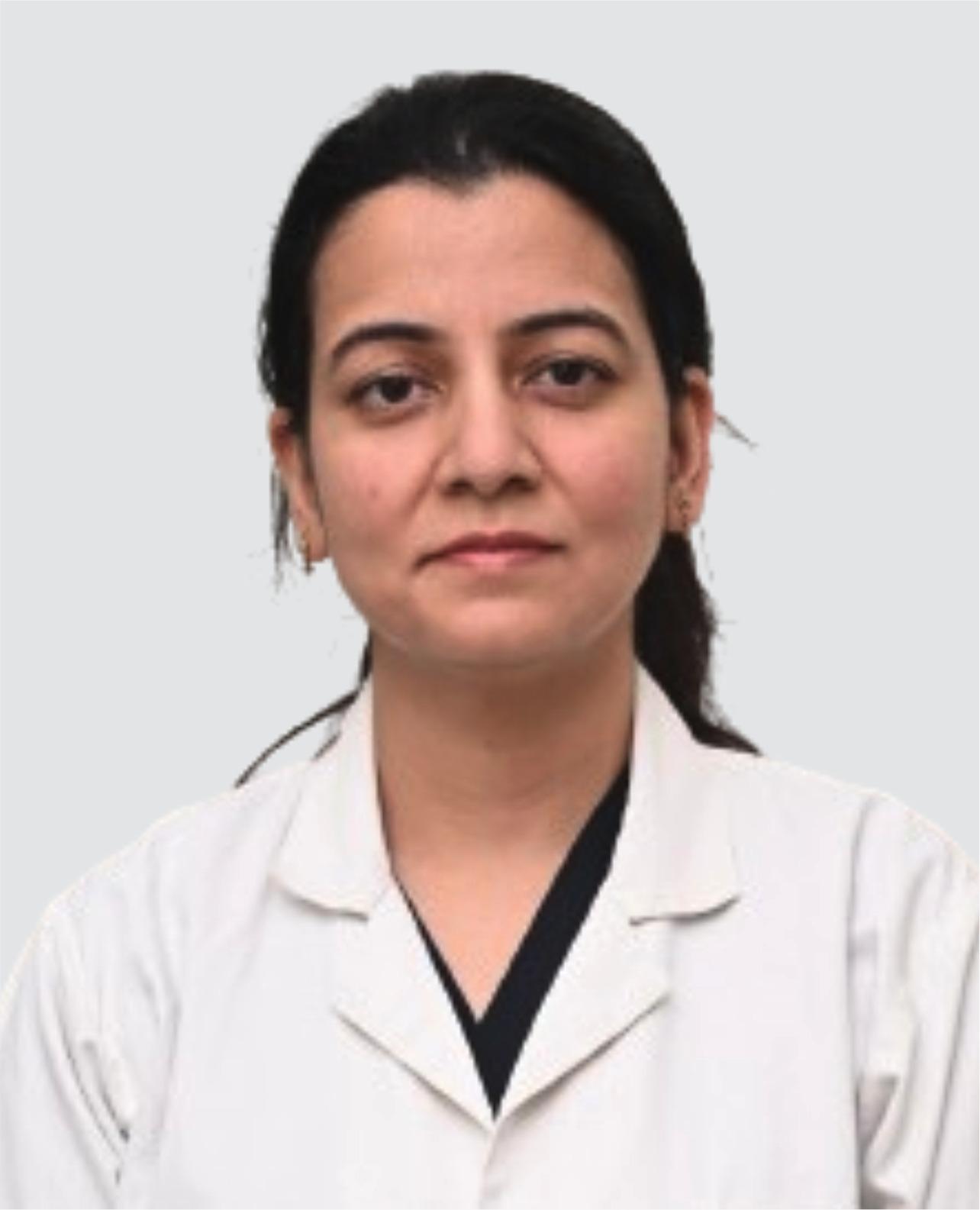
Dr. Priyanka Raina
Consultant (Head & Neck Surgery) - Surgical Oncology
Head and Neck Surgical Oncology
New Delhi
10+ Years
Experience
Artemis Hospital
Hospital
1500
Fees
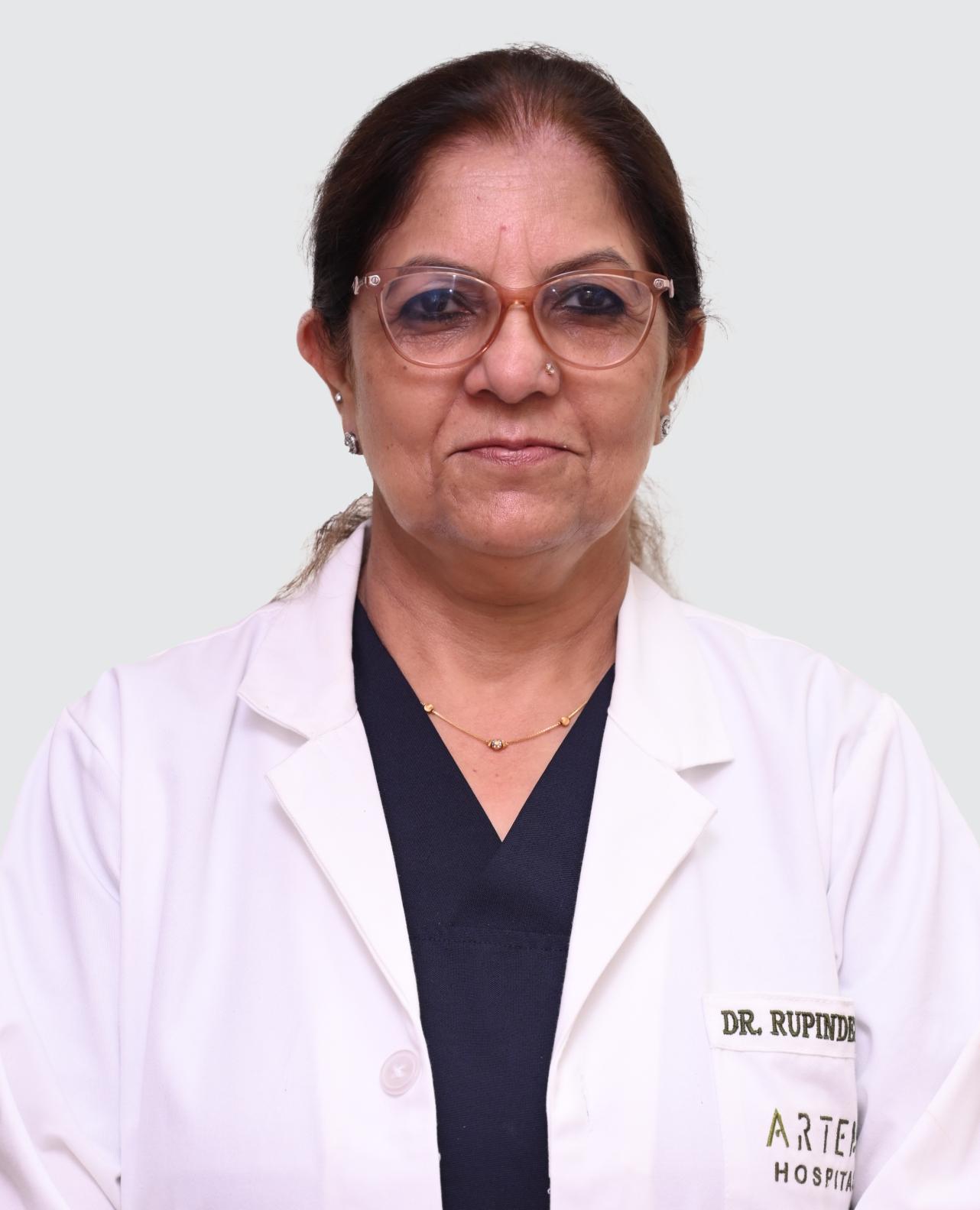
Dr. Rupinder Sekhon
Chairperson - Gynae Oncology
Gynaecological Oncology
New Delhi
16+ Years
Experience
Artemis Hospital
Hospital
1500
Fees

Dr. Kiran Arora
Unit Head - Reproductive Medicine (Unit II)
IVF, Reproductive Medicine, Obstetrics & Gynecology
New Delhi
20+ Years
Experience
Artemis Hospital
Hospital
1500
Fees

Nidhi Jain
Sr. Consultant - Obs & Gynae
Maternity, Obstetrics & Gynaecology
New Delhi
15+ Years
Experience
Artemis Hospital
Hospital
1500
Fees

Dr. Nidhi Rajotia
Unit Head - Obs & Gynae
Maternity, Obstetrics & Gynaecology
New Delhi
19+ Years
Experience
Artemis Hospital
Hospital
1500
Fees

Dr. Reshma Tewari
Director
Obstetrics and Gynaecology
New Delhi
19+ Years
Experience
Artemis Hospital
Hospital
1500
Fees
Related Links
Other Treatment related Information
- Left Atrial Appendage Closure (LAAC) cost in Chennai
- Left Atrial Appendage Closure (LAAC) cost in Bengaluru
- Left Atrial Appendage Closure (LAAC) cost in New Delhi
- Left Atrial Appendage Closure (LAAC) cost in India
- Left Atrial Appendage Closure (LAAC) cost in Hyderabad
- Left Atrial Appendage Closure (LAAC) cost in Pune
- Left Atrial Appendage Closure (LAAC) cost in Haryana
- Left Atrial Appendage Closure (LAAC) cost in Mumbai
- Left Atrial Appendage Closure (LAAC) Success Rate in India
- Left Atrial Appendage Closure (LAAC) Success Rate in New Delhi
- Left Atrial Appendage Closure (LAAC) Success Rate in Haryana
- Left Atrial Appendage Closure (LAAC) Success Rate in Pune
- Left Atrial Appendage Closure (LAAC) Success Rate in Bengaluru
- Left Atrial Appendage Closure (LAAC) Success Rate in Hyderabad
- Left Atrial Appendage Closure (LAAC) Success Rate in Mumbai
- Left Atrial Appendage Closure (LAAC) Success Rate in Chennai
- Best Left Atrial Appendage Closure (LAAC) Doctors in Gurugram
- Best Left Atrial Appendage Closure (LAAC) Doctors in Bengaluru
- Best Left Atrial Appendage Closure (LAAC) Doctors in Mumbai
- Best Left Atrial Appendage Closure (LAAC) Doctors in India
Ready To Start Your Healing Journey?
Get Personalized Medical Treatment Options From India's Top Hospitals. Our Medical Experts Are Ready To Assist You Every Step Of The Way.