
Left Atrial Appendage Closure (LAAC) Treatment in Chennai for UAE
Need Personalized Advice?
Our medical experts are ready to answer your questions and guide you through your treatment options.
About
Left Atrial Appendage Closure (LAAC) in Chennai for UAE Patients
Patients from the UAE diagnosed with atrial fibrillation often carry a constant worry about the risk of stroke. Finding a truly effective, safe, and easily accessible solution like Left Atrial Appendage Closure can feel overwhelming, especially when considering medical options outside your home country.
Many individuals from the UAE choose to explore advanced medical care in Chennai due to its well-established healthcare infrastructure and reputation for specialized treatments. The city offers a clear and streamlined path to high-quality cardiac procedures without the logistical complexities often encountered elsewhere.
Chennai is home to numerous internationally accredited hospitals and highly skilled cardiac specialists renowned for their expertise in successful LAAC procedures. Patients here benefit from a supportive care environment and excellent coordination throughout every stage of their treatment journey.
Could Chennai be the optimal location for your LAAC procedure?
What is Left Atrial Appendage Closure (LAAC)?
Left Atrial Appendage Closure (LAAC) is a minimally invasive medical procedure specifically designed to reduce the risk of stroke in patients diagnosed with non-valvular atrial fibrillation (AFib). In individuals with AFib, a small pouch in the heart's upper left chamber, known as the left atrial appendage (LAA), is where the majority of stroke-causing blood clots tend to form. If these clots break away and travel to the brain, they can lead to a stroke. LAAC involves implanting a specialized device to seal off this LAA, effectively preventing clots from forming there and migrating. This procedure offers a vital alternative for patients who cannot safely or effectively take long-term anticoagulant medications due to high bleeding risks or other medical contraindications, aiming to provide durable stroke protection without daily medication dependency.
Are There Different Types of LAAC Procedures?
While the fundamental goal of Left Atrial Appendage Closure is consistently to seal off the LAA, variations primarily relate to the type of implantable device used and the specific procedural approach. These choices are tailored to individual patient anatomy and clinical needs:
- Transcatheter Device Implantation: This is the most common technique, where a thin, flexible catheter delivers a closure device through a vein, typically in the groin, guided to the heart.
- Watchman Device: One of the most recognized options, the Watchman device is a small, parachute-shaped implant designed to permanently seal the LAA.
- Amulet Occluder: Another frequently used device, the Amulet offers a unique dual-seal design to effectively close the LAA opening more comprehensively.
- LARIAT Suture Delivery System: This less common, minimally invasive technique uses a pre-tied suture loop to externally ligate or tie off the LAA, often via a small chest incision.
- Surgical LAA Exclusion: In select cases, if a patient is already undergoing open-heart surgery for another cardiac condition, the surgeon may surgically remove or close the LAA simultaneously.
When is Left Atrial Appendage Closure (LAAC) Necessary?
- Confirmed diagnosis of non-valvular atrial fibrillation (AFib).
- Elevated risk of stroke, typically identified by a CHA2DS2-VASc score of 2 or higher.
- Inability to tolerate or take long-term oral anticoagulant medications due to significant bleeding risks.
- History of major bleeding events while on blood-thinning medication.
- Specific lifestyle factors or occupational hazards that make continuous anticoagulant use unsafe or impractical.
- A clear patient preference for an alternative to daily blood thinner therapy.
What Pre-Treatment Evaluations are Needed for LAAC?
- Thorough review of your complete medical history, including past cardiac events, current medications, and any bleeding episodes.
- Comprehensive physical examination to assess your overall health status.
- Electrocardiogram (ECG/EKG) to evaluate your heart's electrical activity and rhythm.
- Transthoracic Echocardiogram (TTE), which is an ultrasound of the heart to assess its structure and function.
- Transesophageal Echocardiogram (TEE), a more detailed ultrasound performed with a probe in the esophagus, crucial for visualizing the LAA and ensuring it is free of clots before the procedure.
- Cardiac Computed Tomography (CT) scan to create a detailed 3D map of the LAA, vital for precise device sizing and procedural planning.
- Comprehensive blood tests, including a complete blood count, kidney and liver function tests, and a coagulation profile.
How is a Left Atrial Appendage Closure (LAAC) Procedure Performed?
The LAAC procedure is typically carried out in a cardiac catheterization laboratory under general anesthesia, ensuring patient comfort. The exact steps may vary slightly depending on the chosen device and the patient's individual anatomical characteristics.
- Preparation: After receiving general anesthesia, comprehensive monitoring equipment is attached. The groin area is meticulously prepped and sterilized, as this is the usual site for catheter insertion.
- Access and Catheter Insertion: A small incision is made in the groin. A thin, flexible catheter is then carefully guided through a vein, typically in the leg, up to the right atrium of the heart.
- Transseptal Puncture: The cardiologist performs a transseptal puncture, creating a tiny, controlled opening in the wall that separates the right and left atria. This provides access to the left atrium and the LAA.
- LAA Measurement and Device Delivery: Using real-time advanced imaging techniques, such as transesophageal echocardiography (TEE) or intracardiac echo, the LAA is precisely measured. The selected LAAC device (e.g., Watchman or Amulet) is then carefully advanced through the catheter and positioned accurately to seal the LAA opening.
- Device Deployment and Confirmation: Once the device is in the optimal position, it is deployed. The medical team confirms proper placement and effective LAA sealing using imaging techniques. If satisfactory, the device is released.
- Catheter Removal and Closure: All catheters are gently removed. Pressure is applied to the access site in the groin to prevent any bleeding, and the small incision is then closed. The entire procedure generally takes approximately one to two hours.
Considering LAAC? Talk to a Chennai Specialist.
Our team can connect you with leading cardiologists in Chennai for a personalized consultation about your LAAC options.
What Does Recovery After LAAC Involve?
Recovery following a Left Atrial Appendage Closure procedure is generally straightforward, with most patients typically spending just one to two nights in a Chennai hospital for close observation. Upon discharge, you will be advised to restrict strenuous activities and heavy lifting for a few weeks to allow the access site to heal fully. It is crucial to keep the groin access site clean and dry, monitoring it for any signs of infection. You will typically be prescribed a short course of anticoagulant medication, often followed by antiplatelet therapy for several months, to ensure the device is fully integrated into your heart tissue. Regular follow-up appointments, including echocardiograms, are vital to confirm the device is functioning correctly and to assess your overall cardiac health. Most individuals can gradually resume their normal daily routines within a few weeks, with the significant long-term benefit of reduced stroke risk.
What Are the Risks and Success Rates of LAAC?
- Localized bleeding or bruising at the catheter insertion site in the groin.
- Temporary heart rhythm disturbances, such as transient arrhythmias.
- Rare instances of perforation of the heart wall or surrounding structures.
- Device embolization, where the implanted device might shift from its intended position.
- Very rare occurrence of stroke or transient ischemic attack (TIA) during the procedure.
- Possible allergic reactions to contrast dye used during imaging.
- General risk of infection, as with any invasive medical procedure.
The success rates for Left Atrial Appendage Closure in effectively preventing stroke are notably high. Studies indicate that for carefully selected patients, the outcomes are comparable to, or even superior to, long-term oral anticoagulation therapy. Initial procedural success, defined as the precise and stable implantation of the device, typically ranges from 95% to 99%. Over time, the procedure significantly reduces the risk of stroke associated with AFib, particularly beneficial for those who cannot safely take blood thinners. Long-term outcomes are generally positive, with many patients experiencing the freedom from daily anticoagulant medication and an improved quality of life. Individual results can vary based on factors such as the patient's overall health, the specific anatomy of the LAA, and the experience of the medical team.
What is the Cost of Left Atrial Appendage Closure in Chennai?
The cost for Left Atrial Appendage Closure (LAAC) in Chennai is notably competitive, especially when compared to prices in many Western countries, making it a very appealing option for international patients from the UAE. Several key factors can influence the final treatment price. These include the reputation and facilities of the chosen Chennai hospital, the experience level of the cardiac specialist performing the procedure, the specific type of LAAC device used, the duration of your hospital stay, and any additional diagnostic tests or medications required during your recovery period.
In Chennai, the estimated cost for a Left Atrial Appendage Closure procedure can typically range from INR 7,00,000 to INR 12,00,000.
Comparing LAAC Costs: Chennai vs. Other Global Destinations
Chennai offers a compelling combination of advanced medical care and cost-effectiveness for LAAC. Here’s a comparison to help patients from the UAE understand the significant value available.
| Location | Estimated Cost (USD) |
|---|---|
| Chennai, India | $8,500 - $14,500 |
| Thailand | $18,000 - $25,000 |
| Singapore | $30,000 - $45,000 |
| USA | $45,000 - $70,000 |
| UK | $35,000 - $55,000 |
| Germany | $28,000 - $40,000 |
| Australia | $40,000 - $60,000 |
Get a Personalized Cost Estimate for Your LAAC in Chennai
Contact us for a detailed breakdown of LAAC costs and hospital options tailored to your specific needs.
How We Support Your Journey to Chennai for LAAC
- Providing personalized consultation and helping you develop a tailored treatment plan with leading Chennai specialists.
- Assisting with necessary medical visa applications and facilitating your travel arrangements from the UAE.
- Coordinating all hospital admissions and managing your appointment scheduling for seamless care.
- Offering dedicated patient support services, including professional language interpretation if required.
- Guiding you on comfortable and convenient accommodation options for both patients and accompanying family members.
- Arranging post-treatment follow-up consultations and providing remote assistance after your return.
Essential Documents for Your LAAC Treatment in Chennai
- A valid passport with a minimum of six months validity remaining.
- A pre-approved medical visa for India, secured before your travel date.
- All pertinent medical reports, diagnostic imaging scans, and detailed doctor's notes related to your AFib and cardiac history.
- A formal referral letter from your local referring physician, if applicable.
- Clear proof of your financial arrangements or medical insurance coverage for the treatment costs.
- Emergency contact information for family members or trusted individuals.
Preparing for Your LAAC Procedure in Chennai
- Diligently follow all dietary and medication instructions provided by your Chennai cardiology team.
- Arrange for a trusted companion to travel with you to provide support during your stay.
- Ensure your medical team is fully informed about any existing allergies or current medications you are taking.
- Plan for adequate recovery time within Chennai before making arrangements to fly back to the UAE.
- Prioritize staying well-hydrated and ensuring sufficient rest in the days leading up to your procedure.
- Pack comfortable clothing and all essential personal items for your stay.
Your Recovery and Aftercare Journey After LAAC
- Adhere strictly to the prescribed medication regimen and attend all scheduled follow-up care appointments.
- Avoid strenuous physical activities, heavy lifting, and intense exercise for several weeks as advised.
- Maintain meticulous cleanliness and dryness of the groin incision site to prevent any potential infection.
- Attend all scheduled post-procedure echocardiograms and follow-up consultations with your cardiac specialist.
- Immediately report any unusual symptoms such as persistent chest pain, fever, or swelling to your medical team.
- Commit to a heart-healthy lifestyle, including a balanced diet and moderate physical activity as recommended.
Ready to Explore Your Treatment Options in Chennai?
Take the pivotal first step towards achieving better cardiac health and significantly reducing your stroke risk. Chennai’s leading hospitals and expert cardiologists are fully prepared to offer you world-class Left Atrial Appendage Closure care.
Hospitals Offering this treatment
India offers premium medical procedures at affordable prices. Discover our most popular treatments, delivered by the country's finest doctors.

Al Zahra Hospital, Dubai
Sheikh Zayed Road, Al Barsha 1, Dubai, UAE
Al Zahra Hospital, Dubai

Burjeel Medical City, Abu Dhabi
28th Street, Mohammed Bin Zayed City, Abu Dhabi, UAE
Burjeel Medical City, Abu Dhabi

Burjeel Hospital, Dubai
Dubai, UAE (part of Burjeel Holdings network)
Burjeel Hospital, Dubai
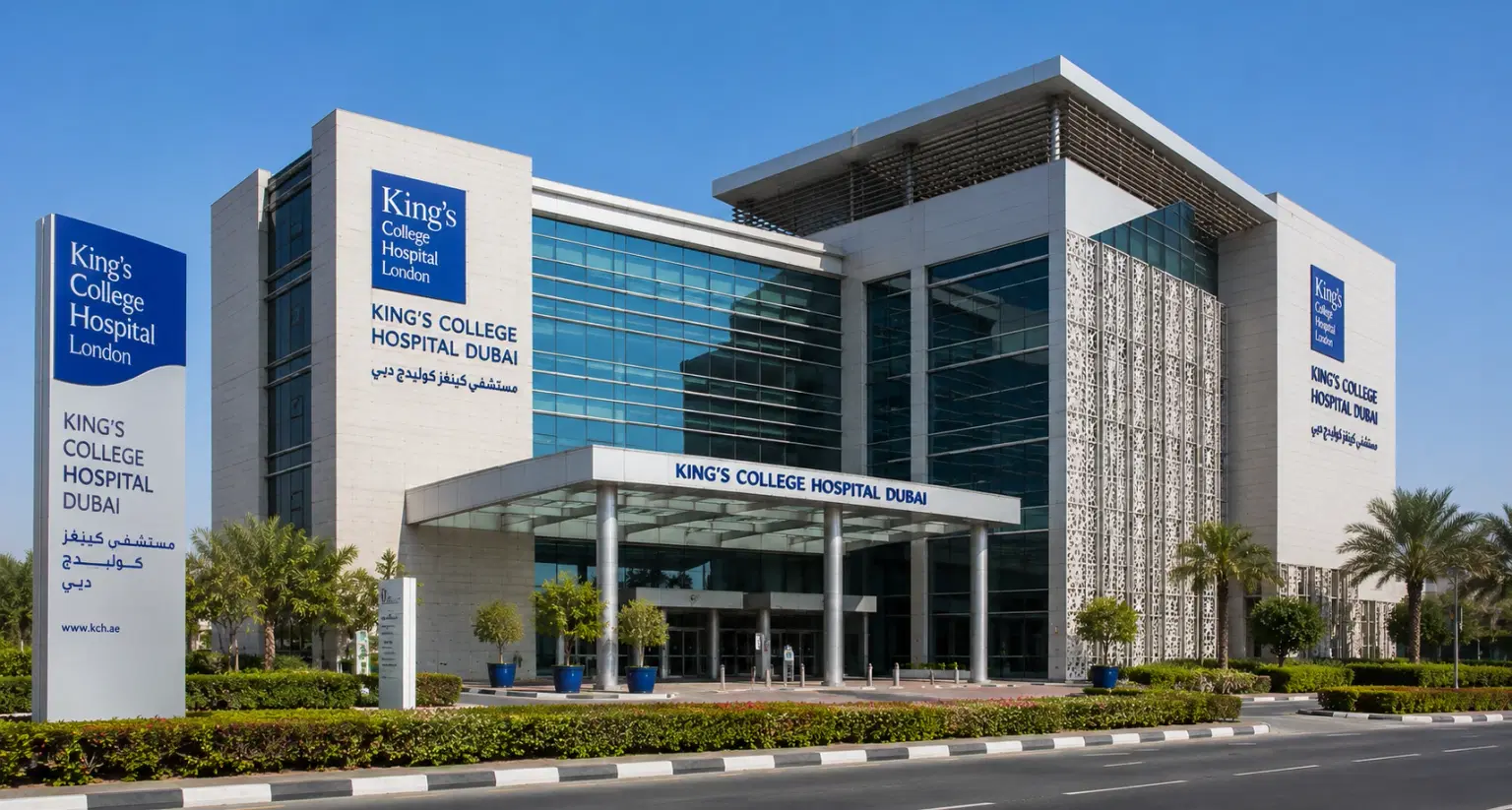
King's College Hospital, Dubai
Dubai Hills, Mohammed Bin Rashid City, Dubai, UAE
King's College Hospital, Dubai

Neuro Spinal Hospital (NSH), Dubai
Dubai Science Park, Umm Suqeim St, Al Barsha South, Dubai, UAE
Neuro Spinal Hospital (NSH), Dubai

HMS Al Garhoud Hospital, Dubai
Al Garhoud Street, Al Garhoud, Dubai, UAE
HMS Al Garhoud Hospital, Dubai
Meet Our Doctors
Meet our team of highly qualified and experienced medical professionals dedicated to providing the best healthcare services.

Dr. Yatin Kukreja
Director
Cardiology
New Delhi
14+ Years
Experience
Artemis Hospital
Hospital
1500
Fees

Dr. Ramneek Mahajan
Senior Director – Orthopaedics & Head – Joint Reconstruction (Hip & Knee), Max Smart Super Speciality Hospital, Saket, New Delhi
Orthopedics & Joint Replacement
New Delhi
26+ Years
Experience
Max Hospital,Gurgaon
Hospital
1500
Fees

Dr. Naveen Bhamri
Vice Chairman, Cardiac Sciences, Cardiology, Interventional Cardiology, Cardiac Electrophysiology-Pacemaker & Director & HOD (Interventional Cardiology) at Max Super Speciality Hospital, Shalimar Bagh, Delhi
Interventional Cardiology
New Delhi
26+ Years
Experience
Max Hospital,Gurgaon
Hospital
1500
Fees
Related Links
Other Treatment related Information
- Left Atrial Appendage Closure (LAAC) cost in Chennai
- Left Atrial Appendage Closure (LAAC) cost in Bengaluru
- Left Atrial Appendage Closure (LAAC) cost in New Delhi
- Left Atrial Appendage Closure (LAAC) cost in India
- Left Atrial Appendage Closure (LAAC) cost in Hyderabad
- Left Atrial Appendage Closure (LAAC) cost in Pune
- Left Atrial Appendage Closure (LAAC) cost in Haryana
- Left Atrial Appendage Closure (LAAC) cost in Mumbai
- Left Atrial Appendage Closure (LAAC) Success Rate in India
- Left Atrial Appendage Closure (LAAC) Success Rate in New Delhi
- Left Atrial Appendage Closure (LAAC) Success Rate in Haryana
- Left Atrial Appendage Closure (LAAC) Success Rate in Pune
- Left Atrial Appendage Closure (LAAC) Success Rate in Bengaluru
- Left Atrial Appendage Closure (LAAC) Success Rate in Hyderabad
- Left Atrial Appendage Closure (LAAC) Success Rate in Mumbai
- Left Atrial Appendage Closure (LAAC) Success Rate in Chennai
- Best Left Atrial Appendage Closure (LAAC) Doctors in Gurugram
- Best Left Atrial Appendage Closure (LAAC) Doctors in Bengaluru
- Best Left Atrial Appendage Closure (LAAC) Doctors in Mumbai
- Best Left Atrial Appendage Closure (LAAC) Doctors in India
Ready To Start Your Healing Journey?
Get Personalized Medical Treatment Options From India's Top Hospitals. Our Medical Experts Are Ready To Assist You Every Step Of The Way.