
Liver Transplant Treatment in India for UAE
Need Personalized Advice?
Our medical experts are ready to answer your questions and guide you through your treatment options.
About
Liver Transplant in India: Comprehensive Care for UAE Patients
For many patients in the UAE facing severe liver disease, the prospect of a liver transplant brings a mix of hope and significant concern. Finding timely access to a high-quality, affordable transplant program can be a considerable challenge within their home region, leading to difficult decisions and uncertainties about their future health.
This is why a growing number of patients and their families are looking beyond their immediate borders. India has emerged as a leading destination for complex medical procedures like liver transplants, offering advanced medical infrastructure and expertise available across multiple major cities, making it an appealing option for international patients.
The Indian healthcare system has earned a strong reputation for delivering world-class medical care, especially in organ transplantation. Its network of internationally accredited hospitals and highly skilled transplant specialists across the nation provides a reliable and trusted environment for patients seeking life-saving procedures.
Could India be the ideal solution for your liver transplant needs?
What is a Liver Transplant?
A liver transplant is a major surgical procedure involving the replacement of a diseased or damaged liver with a healthy liver from a deceased or living donor. This life-saving operation is primarily performed for individuals suffering from end-stage liver disease, where the liver has lost most or all of its function, and other treatments are no longer effective. Its purpose is to restore normal liver function, improving quality of life and extending survival.
Types of Liver Transplants
- Deceased Donor Liver Transplant (DDLT): This involves transplanting a whole liver from a recently deceased individual whose family has consented to organ donation.
- Living Donor Liver Transplant (LDLT): In this procedure, a portion of a healthy living person's liver (usually a family member or close friend) is surgically removed and transplanted into the recipient. Both the donor's and recipient's liver portions regenerate to full size over time.
- Split Liver Transplant: A liver from a deceased donor is divided into two parts and transplanted into two different recipients, typically one adult and one child.
- Auxiliary Liver Transplant: A rare procedure where a small, healthy portion of a donor liver is implanted alongside the recipient's diseased liver, primarily for acute liver failure cases, allowing the native liver to recover.
When is a Liver Transplant Necessary?
- End-stage liver disease (cirrhosis) due to chronic viral hepatitis (B or C).
- Cirrhosis caused by alcoholic liver disease or non-alcoholic fatty liver disease (NAFLD/NASH).
- Autoimmune hepatitis or primary biliary cholangitis (PBC).
- Acute liver failure (sudden and severe liver damage).
- Primary liver cancer (hepatocellular carcinoma) confined to the liver.
- Biliary atresia, a rare liver disease affecting newborns.
- Certain metabolic disorders that severely impact liver function.
Pre-Transplant Evaluation Process
- Comprehensive medical history review and physical examination.
- Extensive blood tests to assess liver and kidney function, viral markers, and blood compatibility.
- Advanced imaging studies such as ultrasound, CT scans, and MRI to evaluate liver damage and overall health.
- Cardiac assessment, including ECG and echocardiogram, to ensure heart health.
- Pulmonary function tests to check lung capacity.
- Nutritional assessment and psychological evaluation for overall readiness.
- Dental examination to rule out potential sources of infection.
- Social work assessment to ensure adequate support systems.
How a Liver Transplant is Performed
The liver transplant procedure is highly intricate, with specific steps that can vary based on whether the donor is deceased or living, and the patient's individual condition.
Deceased Donor Liver Transplant (DDLT)
The recipient undergoes surgery where the diseased liver is carefully removed. The healthy donor liver is then implanted, and the major blood vessels and bile ducts are reconnected. This is a lengthy and complex operation requiring highly specialized surgical teams.
Living Donor Liver Transplant (LDLT)
In LDLT, the living donor first undergoes surgery to remove a segment of their liver, usually the right lobe. Simultaneously, the recipient's diseased liver is removed. The donated liver segment is then transplanted into the recipient, with careful reattachment of blood vessels and bile ducts. Both the donor's remaining liver and the transplanted segment in the recipient will regenerate to near-full size within weeks.
Post-Surgery Care
Following the transplant, patients are moved to an intensive care unit for close monitoring. Lifelong immunosuppressant medication is crucial to prevent the body from rejecting the new liver.
The Recovery Journey After Liver Transplant
Recovery from a liver transplant is a gradual process that begins in the intensive care unit, followed by a move to a regular ward. The typical hospital stay ranges from two to four weeks, but this can vary. Patients will need to take immunosuppressant medications for the rest of their lives to prevent organ rejection. Strict adherence to medication schedules, regular follow-up appointments, and a healthy lifestyle including dietary adjustments and physical therapy are paramount for successful long-term outcomes. Full recovery and resumption of normal activities can take anywhere from six months to a year.
Potential Risks and Success Rates of Liver Transplant
- Risk of bleeding or infection during or after surgery.
- Complications related to bile ducts, such as leakage or strictures.
- Acute or chronic rejection of the transplanted liver by the body's immune system.
- Formation of blood clots in the liver's blood vessels.
- Potential side effects arising from long-term immunosuppressant medications.
- Primary non-function, where the new liver fails to work immediately.
- Surgical complications specific to the donor (in living donor transplants).
Liver transplantation boasts impressive success rates, continually improving with advances in surgical techniques and immunosuppressive therapies. One-year survival rates typically exceed 85-90%, with five-year survival rates ranging from 70-75% or even higher in many centers. The long-term outcome is influenced by factors such as the patient's overall health before transplant, the donor's liver quality, the absence of complications, and strict adherence to post-operative care and medication regimens.
Cost of Liver Transplant in India
The cost of a liver transplant in India is significantly more affordable compared to Western countries, without compromising on quality or success rates. The total expense can vary widely depending on several factors, including the chosen hospital's accreditation and facilities, the experience of the transplant surgeon, the type of transplant (deceased or living donor), the length of hospital stay, and any potential complications or additional treatments required.
In India, a liver transplant can typically range from INR 25,00,000 to INR 40,00,000.
Liver Transplant Cost in Major Indian Cities
| City | Cost Range (INR) |
|---|---|
| Delhi | 28,00,000 – 38,00,000 |
| Mumbai | 30,00,000 – 40,00,000 |
| Chennai | 27,00,000 – 37,00,000 |
| Bangalore | 29,00,000 – 39,00,000 |
| Hyderabad | 26,00,000 – 36,00,000 |
| Kolkata | 25,00,000 – 35,00,000 |
| Ahmedabad | 26,00,000 – 36,00,000 |
Global Comparison of Liver Transplant Costs
| Country | Average Cost (USD) |
|---|---|
| India | 30,000 – 50,000 |
| USA | 300,000 – 800,000 |
| UK | 150,000 – 250,000 |
| Singapore | 100,000 – 200,000 |
| UAE | 80,000 – 150,000 |
How We Support Your Medical Journey in India
- Assistance with medical visa application and travel logistics.
- Arrangement of airport transfers and local transportation during your stay.
- Guidance for comfortable accommodation options for patients and accompanying family.
- Access to professional language interpretation services if needed.
- A dedicated international patient coordinator to assist you at every step.
- Detailed financial estimates and support with billing processes.
- Coordination for post-treatment follow-up and virtual consultations.
Essential Documents for Your Liver Transplant in India
- Valid passport and Indian medical visa.
- Comprehensive medical reports, previous diagnoses, and treatment history.
- All necessary documentation for the living donor, if applicable.
- Proof of financial capacity to cover treatment expenses.
- A referral letter from your primary healthcare provider or specialist.
Preparing for Your Liver Transplant Procedure
- Ensure completion of all required pre-transplant evaluations and diagnostic tests.
- Adhere strictly to any prescribed dietary changes and lifestyle modifications.
- Discontinue specific medications as instructed by your transplant team prior to arrival.
- Confirm the availability and readiness of your identified living donor, if proceeding with LDLT.
- Organize reliable family support for your stay in India and throughout the recovery period.
Aftercare and Follow-up for Transplant Patients
- Diligently follow the lifelong immunosuppressant medication regimen without fail.
- Schedule and attend all regular monitoring appointments and required blood tests.
- Maintain a healthy diet and adhere to any specific dietary restrictions advised.
- Practice meticulous hygiene and avoid large crowds to minimize infection risk.
- Engage in any recommended physical rehabilitation or therapy programs.
- Maintain open communication with your transplant care team for ongoing guidance.
Ready for a New Beginning?
Embarking on a liver transplant journey is a profound decision, and we are committed to providing expert medical care and compassionate support to help you achieve a healthier future.
Hospitals Offering this treatment
India offers premium medical procedures at affordable prices. Discover our most popular treatments, delivered by the country's finest doctors.

Al Zahra Hospital, Dubai
Sheikh Zayed Road, Al Barsha 1, Dubai, UAE
Al Zahra Hospital, Dubai

Burjeel Medical City, Abu Dhabi
28th Street, Mohammed Bin Zayed City, Abu Dhabi, UAE
Burjeel Medical City, Abu Dhabi

Burjeel Hospital, Dubai
Dubai, UAE (part of Burjeel Holdings network)
Burjeel Hospital, Dubai
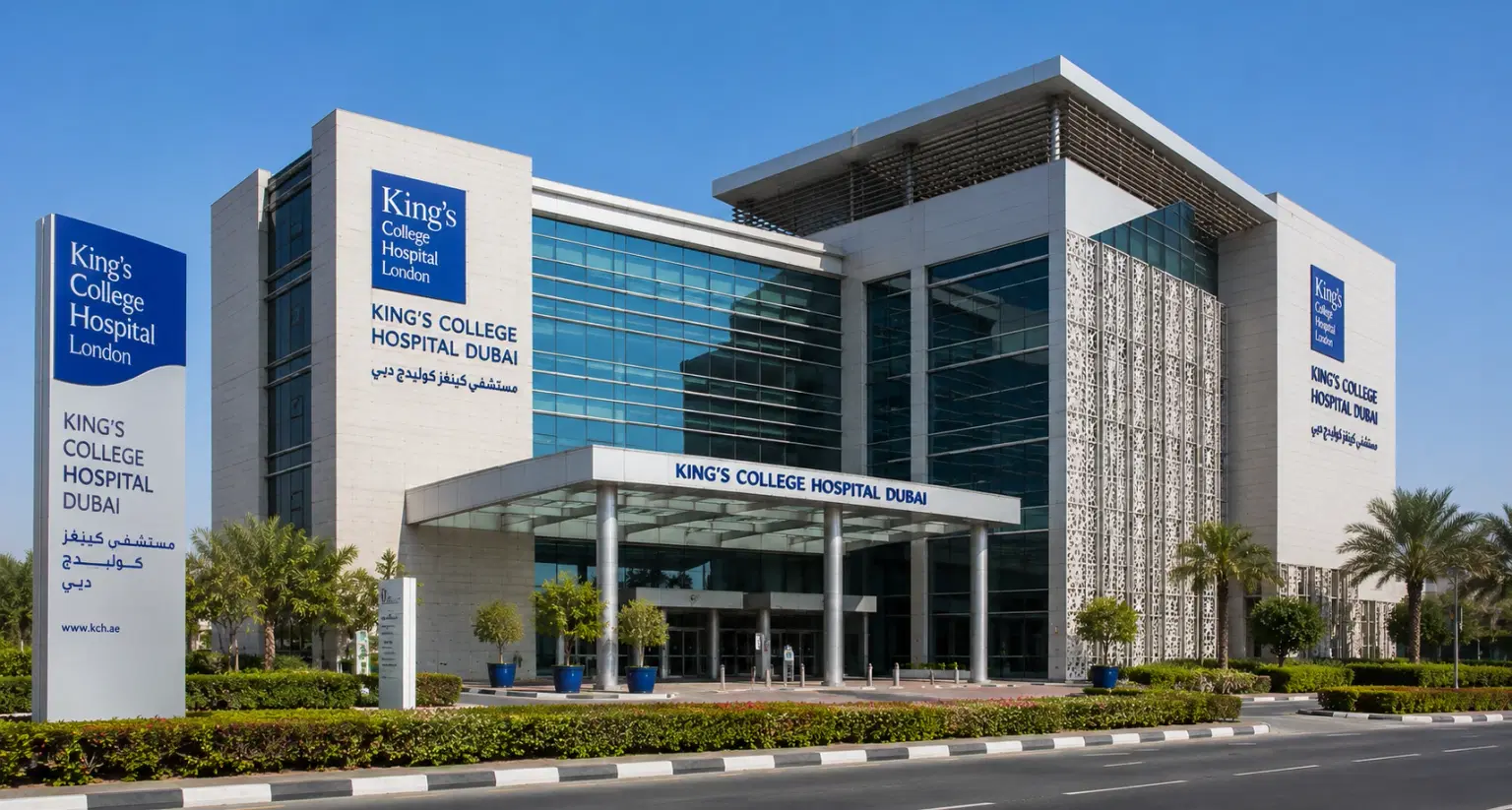
King's College Hospital, Dubai
Dubai Hills, Mohammed Bin Rashid City, Dubai, UAE
King's College Hospital, Dubai

Neuro Spinal Hospital (NSH), Dubai
Dubai Science Park, Umm Suqeim St, Al Barsha South, Dubai, UAE
Neuro Spinal Hospital (NSH), Dubai

HMS Al Garhoud Hospital, Dubai
Al Garhoud Street, Al Garhoud, Dubai, UAE
HMS Al Garhoud Hospital, Dubai
Meet Our Doctors
Meet our team of highly qualified and experienced medical professionals dedicated to providing the best healthcare services.
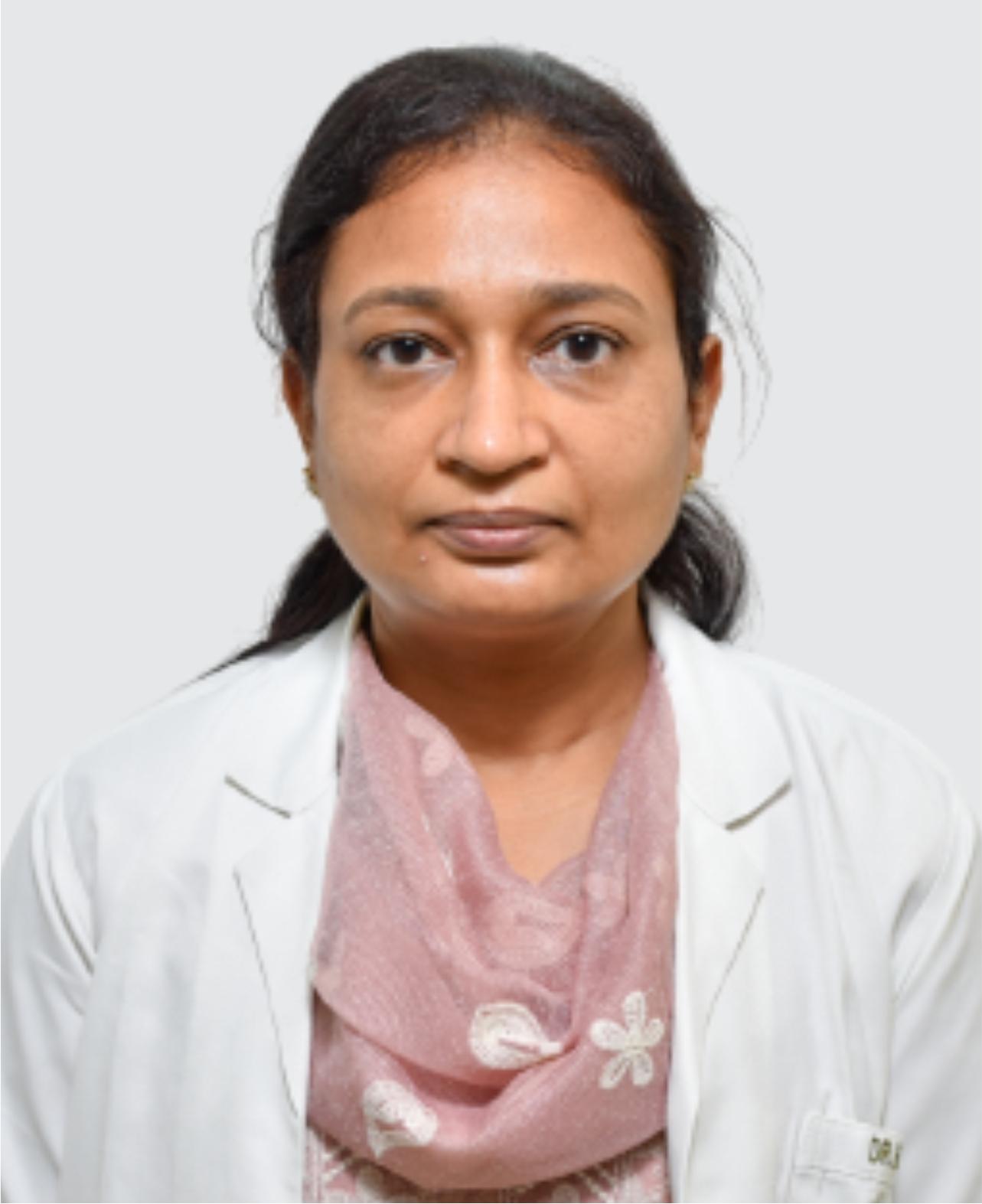
Dr. Deepa Goel
Head - Histopathology & Cytology Lab
Laboratory Services
New Delhi
21+ Years
Experience
Artemis Hospital
Hospital
1500
Fees

Dr. Devender Yadav
Senior Consultant - Orthopedics (Unit VI)
Orthopaedics
New Delhi
10+ Years
Experience
Artemis Hospital
Hospital
1500
Fees
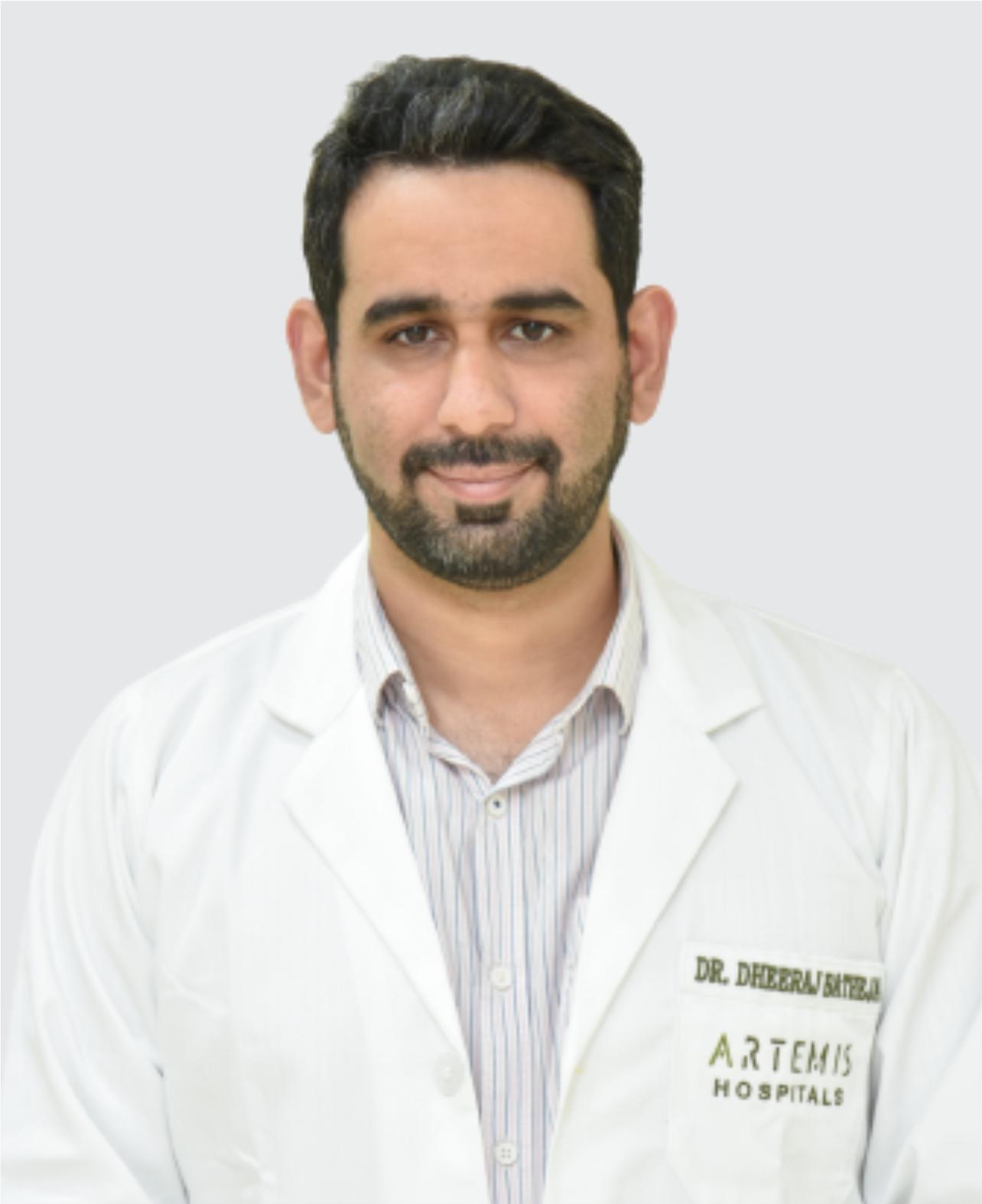
Dr. Dheeraj Batheja
Senior Consultant - Ortho Spine Surgery
Orthopaedic Surgery, Spine Surgery
New Delhi
12+ Years
Experience
Artemis Hospital
Hospital
1500
Fees

Dr. G. Arya Prakash
Head - Anesthesia for Liver transplant
Anaesthesia
New Delhi
16+ Years
Experience
Artemis Hospital
Hospital
1500
Fees
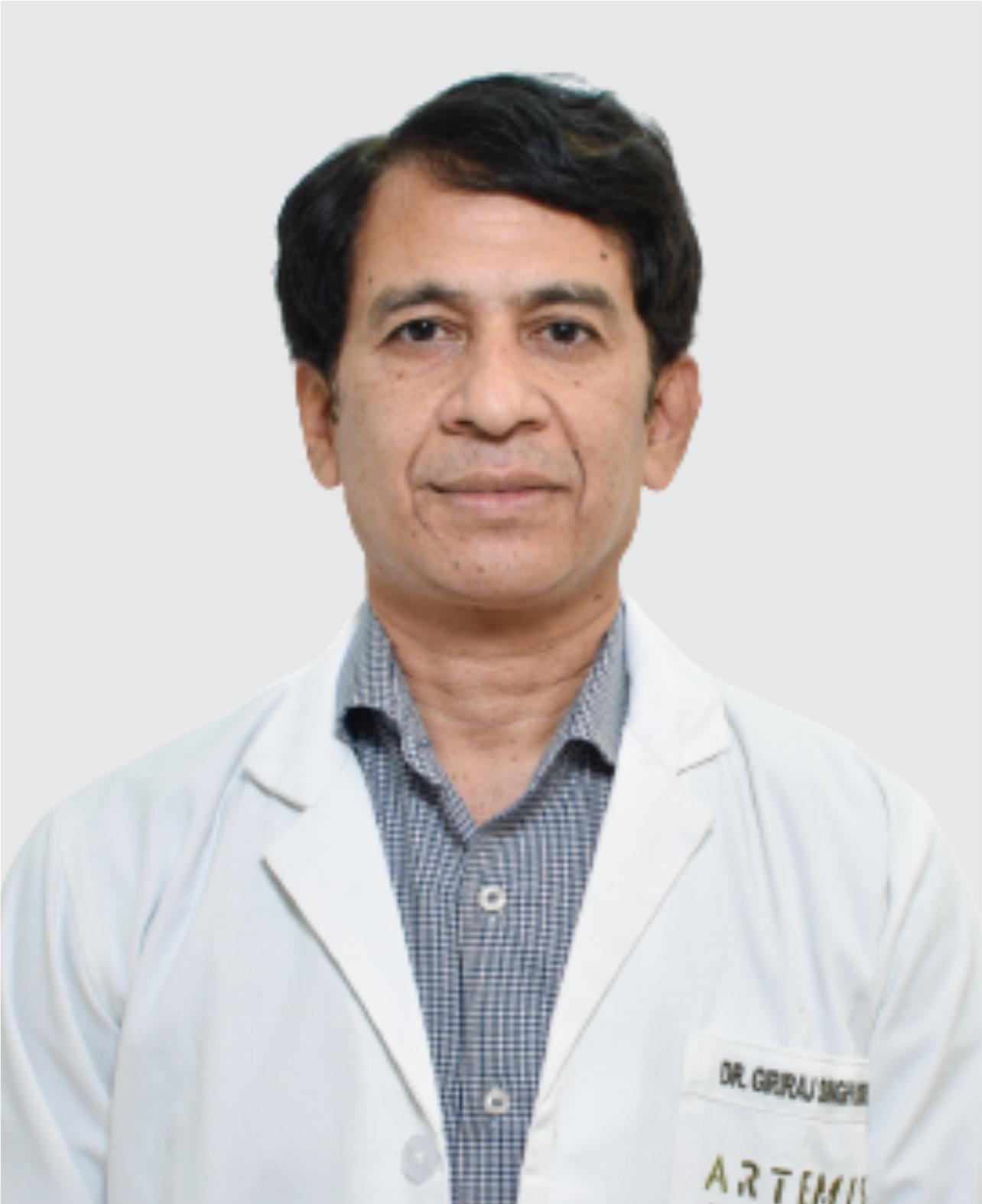
Dr. Giriraj Bora
Chief - Liver Transplant & Sr. Consultant - GI & HPB Surgery
Liver and Biliary Sciences, Organ Transplant
New Delhi
15+ Years
Experience
Artemis Hospital
Hospital
1500
Fees

Nandini Vasdev
Head Lab medicine – Head Histopathology & Cytology
Laboratory Services
New Delhi
24+ Years
Experience
Artemis Hospital
Hospital
1500
Fees
Dr. Subhash Chandra
Chairman - Interventional Cardiology - Cardiology & Structural Heart Disease
Cardiac Sciences, Cardiology, Interventional Cardiology, Cardiac Electrophysiology-Pacemaker
New Delhi
15+ Years
Experience
Max Hospital,Gurgaon
Hospital
1500
Fees

Dr. Rakhi Gupta
Senior Consultant - Paediatric Gastroenterology, Hepatology & Liver Transplant
Paediatric Gastroenterology, Hepatology & Liver Transplant
New Delhi
23+ Years
Experience
Apolo Delhi
Hospital
1500
Fees
Related Links
Recent Blogs
Other Treatment related Information
Ready To Start Your Healing Journey?
Get Personalized Medical Treatment Options From India's Top Hospitals. Our Medical Experts Are Ready To Assist You Every Step Of The Way.