
Lung Transplant Treatment in Gurugram for Bangladesh
Need Personalized Advice?
Our medical experts are ready to answer your questions and guide you through your treatment options.
About
Lung Transplant in Gurugram for Bangladesh Patients
For patients in Bangladesh facing severe lung conditions, the prospect of a lung transplant can bring both hope and significant questions. Navigating complex medical decisions and finding the right specialized care often leads families to explore international treatment options, seeking expertise and advanced facilities.
Gurugram has emerged as a preferred destination for such critical procedures. The city offers a well-integrated healthcare ecosystem, known for its leading transplant centers and commitment to coordinated patient care. This environment reassures those seeking highly specialized interventions.
Within Gurugram, patients benefit from access to renowned hospitals and highly skilled specialists who excel in lung transplant surgery. The city's medical infrastructure supports comprehensive pre and post-operative care, ensuring smooth transitions for international patients throughout their recovery journey.
Gurugram provides a dedicated and advanced environment for comprehensive lung transplant services.
What is a Lung Transplant?
A lung transplant is a complex surgical procedure to replace a diseased or failing lung with a healthy lung from a deceased donor. This life-saving treatment is considered for individuals with end-stage lung disease when all other medical therapies have failed. The goal is to improve lung function, extend lifespan, and enhance the patient's quality of life by restoring their ability to breathe effectively and participate in daily activities without severe limitations. Careful assessment ensures the patient is a suitable candidate for this demanding surgery and can commit to lifelong post-transplant care.
Types of Lung Transplant Procedures
Different approaches to lung transplantation are chosen based on the patient's specific condition and the availability of donor organs.
- Single Lung Transplant: This involves replacing only one diseased lung, typically leaving the healthier lung in place. It is often performed for conditions like pulmonary fibrosis or COPD.
- Double Lung Transplant (Bilateral Lung Transplant): Both diseased lungs are replaced with healthy donor lungs. This is frequently recommended for conditions affecting both lungs, such as cystic fibrosis, severe emphysema, or pulmonary hypertension.
- Heart-Lung Transplant: In rare cases, when both the lungs and the heart are severely diseased, a combined heart and lung transplant may be necessary.
- Living-Donor Lobar Lung Transplant: Although less common, this procedure involves transplanting a lobe (a section) from the lungs of two living donors into the recipient. It is a highly specialized and complex operation.
When is a Lung Transplant Necessary?
- Chronic Obstructive Pulmonary Disease (COPD) or Emphysema, severe forms.
- Cystic Fibrosis with advanced lung damage.
- Idiopathic Pulmonary Fibrosis and other interstitial lung diseases.
- Pulmonary Hypertension not responsive to medical treatment.
- Bronchiectasis causing significant lung failure.
- Alpha-1 Antitrypsin Deficiency emphysema.
- Severe, irreversible lung damage from other conditions.
Pre-Transplant Evaluation Process
- Comprehensive medical history review and physical examination.
- Detailed lung function tests (spirometry, lung volumes, diffusion capacity).
- Imaging studies including chest X-rays and high-resolution CT scans.
- Cardiac evaluation, including echocardiogram and cardiac catheterization.
- Blood tests to assess organ function, blood type, and viral screening.
- Immunological tests to match with potential donors.
- Psychological assessment and social support evaluation.
- Nutritional assessment and general health screening.
How a Lung Transplant is Performed
The lung transplant procedure is a highly intricate surgery. It begins only after a suitable donor lung is identified and carefully matched with the recipient. The specific steps vary slightly depending on whether one or both lungs are being transplanted.
Surgical Process
The patient receives general anesthesia. An incision is made in the chest, either across the sternum (for a double lung transplant) or on one side (for a single lung transplant). The diseased lung is carefully removed. The new donor lung is then meticulously connected to the recipient's airways and blood vessels. This involves suturing the bronchus, pulmonary artery, and pulmonary veins. In some cases, a heart-lung bypass machine may be used to maintain blood flow and oxygenation during the procedure. Once the new lung is securely in place and functioning, the chest incision is closed.
Post-Surgery Immediate Care
Following the surgery, the patient is transferred to the Intensive Care Unit (ICU) for close monitoring. They will be on a ventilator to assist breathing, and multiple drains will be in place to remove fluids from the chest. Pain management and the initiation of immunosuppressant medications are critical components of immediate post-operative care.
Recovery After Lung Transplant Surgery
Recovery from a lung transplant is a long and intensive journey requiring significant commitment. Patients typically spend several weeks in the hospital, starting in the ICU and then moving to a transplant ward. A rigorous rehabilitation program, including breathing exercises and physical therapy, begins almost immediately to help regain strength and lung function. Lifelong immunosuppressant medications are essential to prevent organ rejection. Regular follow-up appointments, blood tests, and imaging are crucial to monitor the new lung's health and adjust medications. Lifestyle changes, including strict infection control measures and a healthy diet, are vital for long-term success.
Risks and Success Rates of Lung Transplants
- Organ rejection: The body's immune system attacking the new lung.
- Infection: Increased risk due to immunosuppressant medications.
- Bleeding during or after surgery.
- Airway complications: Problems with the connection of the new airway.
- Blood clots: Risk of deep vein thrombosis or pulmonary embolism.
- Kidney dysfunction: A potential side effect of some medications.
- Development of new cancers or lymphoproliferative disorders.
- Gastrointestinal issues or diabetes from medications.
Lung transplant outcomes have significantly improved over the years. Generally, the one-year survival rate for lung transplant recipients is around 85-90%, with a five-year survival rate typically ranging from 50-60%. These rates can vary based on individual patient factors, the underlying lung disease, the quality of the donor organ, and adherence to post-transplant care. Long-term success largely depends on preventing rejection and infection, as well as maintaining a healthy lifestyle and consistent medical follow-up.
Cost of Lung Transplant in Gurugram
The cost of a lung transplant in Gurugram can vary based on several factors. These include the reputation and accreditation of the hospital, the experience of the surgical team, the complexity of the patient's condition, the length of hospital stay, any potential complications, and the type of post-operative care and medication required. The package typically covers surgeon fees, anesthesia, hospital room charges, diagnostic tests, medications, and initial rehabilitation services.
A lung transplant in Gurugram typically ranges from INR 25,00,000 to INR 40,00,000, depending on various medical factors.
Comparing Lung Transplant Costs: Gurugram vs. International
Gurugram offers a highly competitive pricing structure for lung transplant surgery, making advanced medical care accessible without compromising on quality compared to many Western countries.
| Location | Approximate Cost (USD) |
|---|---|
| Gurugram, India | $30,000 - $48,000 |
| United States | $800,000 - $1,200,000 |
| United Kingdom | $150,000 - $250,000 |
| Singapore | $120,000 - $200,000 |
| Turkey | $50,000 - $80,000 |
| Thailand | $70,000 - $110,000 |
Considering a lung transplant in Gurugram? Speak with our patient care coordinators to understand your options and receive a personalized cost estimate.
Comprehensive Support for Your Treatment Journey
- Dedicated patient care coordinator for all inquiries.
- Assistance with appointment scheduling and hospital registration.
- Guidance for medical visa application and extension processes.
- Travel and accommodation arrangements for patients and accompanying family.
- Language interpretation services throughout your hospital stay.
- Facilitation of post-treatment follow-up appointments and teleconsultations.
- Support for local transportation and logistical needs.
Required Documents for International Patients
- Valid passport and medical visa.
- All previous medical reports, imaging scans, and doctor's notes related to your lung condition.
- Referral letter from your local physician if available.
- Proof of address in your home country.
- Financial documents or proof of insurance for treatment costs.
- List of current medications and allergies.
Preparing for Your Lung Transplant
- Complete all recommended pre-transplant evaluations and tests.
- Maintain a healthy lifestyle, including a balanced diet and regular exercise.
- Cease smoking and avoid alcohol consumption completely.
- Adhere strictly to any medication schedules prescribed by your doctors.
- Ensure you have a strong support system for your recovery.
- Prepare your personal and travel documents in advance.
Aftercare and Long-Term Recovery Guidance
- Regularly take all prescribed immunosuppressant and other medications.
- Attend all scheduled follow-up appointments and diagnostic tests.
- Strictly follow infection prevention guidelines, including hand hygiene.
- Participate actively in pulmonary rehabilitation programs.
- Adopt a healthy diet and stay physically active as advised.
- Monitor for any signs of rejection or infection and report them immediately.
- Maintain open communication with your transplant team.
Ready to Explore Your Treatment Options?
Take the first step towards a healthier future with expert guidance.
Connect with top lung transplant specialists in Gurugram. We are here to guide you through every step of your treatment journey.
Hospitals Offering this treatment
India offers premium medical procedures at affordable prices. Discover our most popular treatments, delivered by the country's finest doctors.
Meet Our Doctors
Meet our team of highly qualified and experienced medical professionals dedicated to providing the best healthcare services.

Dr Shweta Bansal
Unit Head & Sr. Consultant - Respiratory Disease & Sleep Medicine (Unit II)
Pulmonology (Chest & Lungs)
New Delhi
13+ Years
Experience
Artemis Hospital
Hospital
1500
Fees

Dr. Kanika Singh
Director & Chief of Service - Respiratory, Critical Care & Sleep Medicine
Pulmonology
New Delhi
12+ Years
Experience
Artemis Hospital
Hospital
1500
Fees
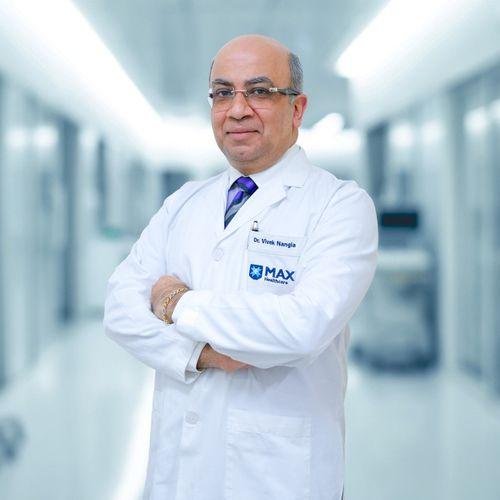
Dr. Vivek Nangia
Vice Chairman & Head, Pulmonology
Pulmonology
New Delhi
29+ Years
Experience
Max Hospital,Gurgaon
Hospital
1500
Fees

Dr. Rajeev Rathi
Director - Pulmonology
Pulmonology
New Delhi
34+ Years
Experience
Apolo Delhi
Hospital
1500
Fees
Related Links
Other Treatment related Information
Ready To Start Your Healing Journey?
Get Personalized Medical Treatment Options From India's Top Hospitals. Our Medical Experts Are Ready To Assist You Every Step Of The Way.