
Lung Transplant Treatment in Gurugram for Nigeria
Need Personalized Advice?
Our medical experts are ready to answer your questions and guide you through your treatment options.
About
Lung Transplant in Gurugram for Patients from Nigeria
Patients from Nigeria often face significant challenges when considering a lung transplant. The journey can feel overwhelming, with concerns about access to advanced medical facilities, the complexity of the procedure, and the emotional and financial strain involved in seeking specialized care far from home. Finding a trusted medical destination that offers both expertise and compassion is a primary worry for many.
Many individuals needing a lung transplant look beyond their immediate borders for world-class treatment. Gurugram, India, stands out as a preferred choice, specifically recognized for its highly specialized medical infrastructure. The city's hospitals offer dedicated lung transplant programs, providing an integrated environment where complex procedures and post-operative care are meticulously coordinated.
Gurugram’s medical community is built on a foundation of trust, featuring internationally trained specialists and state-of-the-art facilities. Patients coming to Gurugram can expect seamless care, from initial consultations to rehabilitation. The city’s healthcare ecosystem supports comprehensive follow-ups and long-term management, ensuring a continuity of care that is vital for successful lung transplantation.
Is Gurugram the clear choice for your lung transplant journey?
What is a Lung Transplant?
A lung transplant is a complex surgical procedure where diseased or failing lungs are replaced with healthy lungs from a deceased donor. This life-saving operation is typically considered for individuals with end-stage lung disease when all other medical treatments have failed. Its purpose is to improve breathing, enhance quality of life, and extend the lifespan of patients suffering from severe respiratory conditions. The procedure requires careful patient selection, meticulous surgical execution, and intensive post-operative care.
Types of Lung Transplant Procedures
Different approaches to lung transplantation are chosen based on the patient's specific condition and overall health:
- Single Lung Transplant: This involves replacing one diseased lung with a healthy donor lung. It is often performed for conditions like pulmonary fibrosis or chronic obstructive pulmonary disease (COPD).
- Double Lung Transplant: In this procedure, both diseased lungs are replaced with healthy donor lungs. It is commonly recommended for conditions such as cystic fibrosis, bronchiectasis, or alpha-1 antitrypsin deficiency, where both lungs are severely affected.
- Heart-Lung Transplant: Less common, this combined procedure replaces both the heart and lungs. It is considered when both organs are failing simultaneously and is a highly complex operation.
- Lobar Transplant: In rare cases, a portion of a lung (lobe) from a living donor might be transplanted. This is typically done for pediatric patients or specific adult cases.
- Re-transplantation: For a small number of patients, a second lung transplant may be necessary if the first transplant fails or chronic rejection occurs.
When is a Lung Transplant Required?
- Severe shortness of breath that significantly limits daily activities.
- End-stage lung diseases not responding to conventional medical therapies.
- Rapidly declining lung function despite maximum medical treatment.
- Life-threatening complications such as recurrent lung infections or pulmonary hypertension.
- Specific conditions including chronic obstructive pulmonary disease (COPD), cystic fibrosis, idiopathic pulmonary fibrosis, alpha-1 antitrypsin deficiency, and primary pulmonary hypertension.
- Poor quality of life due to lung disease.
Pre-Treatment Evaluation for Lung Transplant
- Comprehensive medical history and physical examination.
- Extensive lung function tests (spirometry, lung volumes, diffusion capacity).
- Blood tests including complete blood count, kidney and liver function, blood grouping, and tissue typing.
- Imaging studies such as chest X-rays, high-resolution CT scans of the chest, and echocardiogram.
- Cardiac evaluation, including stress tests and coronary angiogram to assess heart health.
- Nutritional assessment and psychological evaluation to ensure patient readiness.
- Screening for infections and cancer to prevent post-transplant complications.
- Assessment of social support systems and commitment to lifelong follow-up.
How the Lung Transplant is Performed
The lung transplant procedure is a highly intricate surgery performed by a team of specialized surgeons, anesthesiologists, and nurses. The exact steps vary slightly based on whether it is a single or double lung transplant.
Before the Surgery
Once a suitable donor lung becomes available, the patient is admitted to the hospital. Pre-operative checks confirm the donor lung's compatibility and quality. The patient receives general anesthesia and is connected to various monitoring devices.
During the Surgery
For a single lung transplant, an incision is made on one side of the chest. The diseased lung is carefully removed, and the new donor lung is meticulously connected to the patient's airway, blood vessels, and bronchi. For a double lung transplant, incisions might be made on both sides or across the chest, and the process is repeated for the second lung. Throughout the procedure, a heart-lung bypass machine may be used to maintain blood flow and oxygenation.
After the Surgery
Immediately after the transplant, the patient is moved to the intensive care unit (ICU) for close monitoring. They will be on a ventilator to assist breathing. Immunosuppressant medications are started immediately to prevent the body from rejecting the new lung(s). The recovery in the ICU can last several days to weeks, followed by transfer to a regular hospital ward.
Recovery Process After a Lung Transplant
The recovery period following a lung transplant is extensive and requires significant commitment. Initial recovery in the ICU is focused on stabilizing the patient, managing pain, and starting rehabilitation. Patients will then progress to a general ward, learning to manage medications, monitor for signs of rejection or infection, and participate in daily physiotherapy. Healing time typically spans several months, with restrictions on heavy lifting and strenuous activities. Lifelong follow-up appointments, medication adherence, and a tailored rehabilitation program are essential to optimize long-term outcomes and prevent complications.
Potential Risks and Success Rates of Lung Transplant
- Organ rejection: The body's immune system may attack the new lung, requiring aggressive medication adjustments.
- Infection: Immunosuppressant medications make patients more vulnerable to various bacterial, viral, and fungal infections.
- Airway complications: Problems at the surgical connection of the airways, such as narrowing or leaks.
- Bleeding or blood clots: Risks associated with any major surgery.
- Kidney dysfunction: Can be a side effect of certain immunosuppressant drugs.
- Increased risk of certain cancers: Long-term immunosuppression can elevate the risk of skin cancer and lymphoproliferative disorders.
- Side effects from medications: Including high blood pressure, diabetes, tremors, or bone thinning.
The success rates for lung transplants have significantly improved over the years due to advancements in surgical techniques, immunosuppressive therapies, and post-operative care. Survival rates can vary based on the patient's overall health, underlying disease, and adherence to post-transplant protocols. Generally, one-year survival rates range from 80-90%, while five-year survival rates are approximately 50-60%. Long-term outcomes are heavily influenced by the patient’s commitment to lifelong follow-up care and medication, as well as the absence of chronic rejection or severe infections.
Considering a Lung Transplant?
Connect with top lung transplant specialists in Gurugram. Our team can guide you through the process, answer your questions, and help you understand your treatment options.
Cost of Lung Transplant in Gurugram
The cost of a lung transplant in Gurugram is influenced by several factors, including the chosen hospital's reputation and facilities, the experience of the surgical team, the complexity of the patient's condition, and the duration of post-operative care, including any necessary ICU stay and rehabilitation. Additional costs may arise from specific medications, diagnostic tests, and unexpected complications during recovery.
A lung transplant in Gurugram typically ranges from INR 25,00,000 to INR 45,00,000.
Understanding Lung Transplant Costs in Gurugram
Gurugram offers a highly competitive cost advantage for lung transplants when compared to many developed countries, providing world-class care at a fraction of the price.
| Location | Approximate Cost (USD) |
|---|---|
| Gurugram, India | $30,000 - $55,000 |
| United States | $800,000 - $1,200,000 |
| United Kingdom | $250,000 - $400,000 |
| Singapore | $180,000 - $300,000 |
| Germany | $150,000 - $280,000 |
Request a Personalized Cost Estimate
Provide your medical reports, and our team will help you receive a tailored treatment plan and transparent cost breakdown from leading hospitals in Gurugram.
Comprehensive Support Services for International Patients
- Assistance with medical visa applications for smooth entry into India.
- Coordination of airport transfers and comfortable local accommodation.
- Language interpretation services to ensure clear communication with medical staff.
- Dedicated patient care managers to guide you through every step of your journey.
- Facilitation of online consultations with Gurugram specialists before arrival.
- Post-treatment follow-up scheduling and remote support after returning home.
Essential Documents for Your Medical Visit
- Passport and valid medical visa for all travelers.
- Comprehensive medical reports, including diagnosis, previous treatments, and recent test results.
- Current list of all medications, dosages, and any known allergies.
- Contact information for your primary physician or referring doctor in Nigeria.
- Financial documents or proof of funds to cover treatment and travel expenses.
- Copies of all relevant identification and travel insurance.
Preparing for Your Lung Transplant Journey
- Adhere strictly to all pre-operative instructions from your medical team.
- Arrange for a dedicated caregiver to accompany you and provide support.
- Ensure all necessary travel and medical documents are in order before departure.
- Maintain good nutrition and follow any specific dietary guidelines.
- Complete any recommended vaccinations or health screenings prior to travel.
- Prepare for a potentially extended stay in Gurugram for treatment and initial recovery.
Aftercare and Long-Term Healing Instructions
- Commit to a strict medication regimen, especially immunosuppressants, as prescribed.
- Participate actively in all recommended physiotherapy and pulmonary rehabilitation sessions.
- Monitor closely for any signs of infection or rejection and report them immediately.
- Attend all scheduled follow-up appointments and diagnostic tests.
- Adopt a healthy lifestyle, including a balanced diet and avoidance of smoking.
- Seek psychological support if needed to cope with the emotional aspects of recovery.
Ready to Embark on Your Healing Path?
Taking the step towards a lung transplant in Gurugram is a profound decision for your health. Our team is here to support you in every way, ensuring clarity and confidence as you navigate this vital journey.
Hospitals Offering this treatment
India offers premium medical procedures at affordable prices. Discover our most popular treatments, delivered by the country's finest doctors.
Meet Our Doctors
Meet our team of highly qualified and experienced medical professionals dedicated to providing the best healthcare services.

Dr. Ajit Singh Baghela
Consultant
Paediatric Neurology
Haryana
9+ Years
Experience
Artemis Hospital
Hospital
1500
Fees

Dr Shweta Bansal
Unit Head & Sr. Consultant - Respiratory Disease & Sleep Medicine (Unit II)
Pulmonology (Chest & Lungs)
New Delhi
13+ Years
Experience
Artemis Hospital
Hospital
1500
Fees

Dr. Kanika Singh
Director & Chief of Service - Respiratory, Critical Care & Sleep Medicine
Pulmonology
New Delhi
12+ Years
Experience
Artemis Hospital
Hospital
1500
Fees
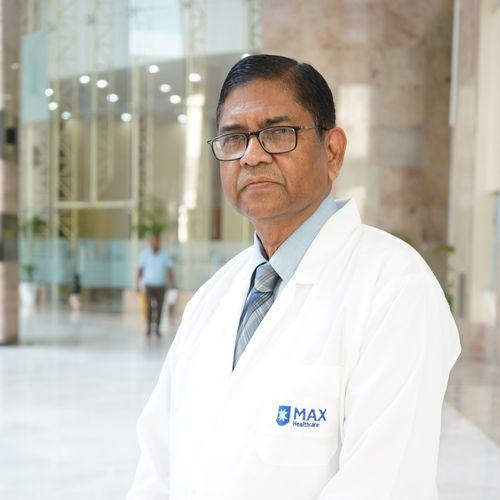
Dr. Nakul Sinha
Chairman - Cardiology
Cardiology
New Delhi
41+ Years
Experience
Max Hospital,Gurgaon
Hospital
1500
Fees
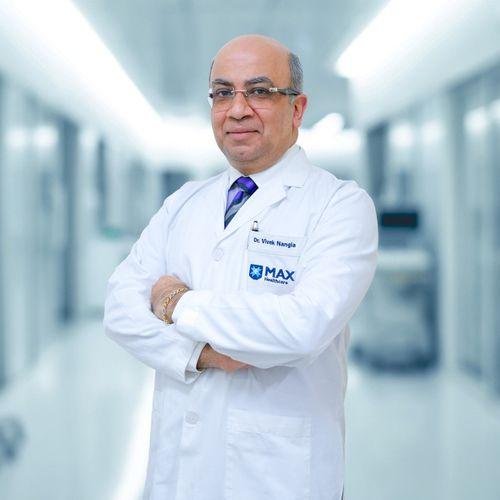
Dr. Vivek Nangia
Vice Chairman & Head, Pulmonology
Pulmonology
New Delhi
29+ Years
Experience
Max Hospital,Gurgaon
Hospital
1500
Fees

Dr. Rajeev Rathi
Director - Pulmonology
Pulmonology
New Delhi
34+ Years
Experience
Apolo Delhi
Hospital
1500
Fees
Related Links
Other Treatment related Information
Ready To Start Your Healing Journey?
Get Personalized Medical Treatment Options From India's Top Hospitals. Our Medical Experts Are Ready To Assist You Every Step Of The Way.