
Lung Transplant Treatment in Gurugram for Ethiopia
Need Personalized Advice?
Our medical experts are ready to answer your questions and guide you through your treatment options.
About
Expert Lung Transplant in Gurugram for Ethiopian Patients
Receiving a lung transplant is a profound medical decision, often accompanied by significant concerns, especially when considering treatment abroad. Ethiopian patients seeking this life-changing procedure may worry about navigating a new healthcare system, understanding the process, and ensuring comprehensive care away from home.
Gurugram has emerged as a preferred destination for complex medical procedures due to its advanced facilities and coordinated patient care. For those requiring a lung transplant, Gurugram offers a medical environment where leading specialists and modern infrastructure combine to provide high-quality treatment, attracting patients from across the globe.
The city's healthcare ecosystem includes internationally accredited hospitals staffed by highly experienced transplant surgeons and multidisciplinary teams. These institutions focus on delivering seamless care, from initial consultation to long-term follow-ups, ensuring patients receive consistent support throughout their journey in Gurugram.
Is Gurugram the right choice for your lung transplant journey?
What is a Lung Transplant?
A lung transplant is a surgical procedure to replace diseased or failing lungs with healthy lungs from a donor. This complex operation is typically considered for individuals with severe, end-stage lung disease when other treatment options have been exhausted. It aims to improve lung function, enhance quality of life, and extend life expectancy.
Types of Lung Transplants
Several types of lung transplants are performed based on the patient's condition and donor availability:
- Single Lung Transplant: One diseased lung is replaced with a healthy donor lung.
- Double Lung Transplant: Both diseased lungs are replaced with two healthy donor lungs.
- Heart-Lung Transplant: In rare cases, both lungs and the heart are replaced simultaneously.
- Lobar Transplant: A portion (lobe) of a lung from two living donors is transplanted into the recipient.
When is a Lung Transplant Needed?
- Severe Chronic Obstructive Pulmonary Disease (COPD) and emphysema
- Cystic Fibrosis (CF) causing severe lung damage
- Idiopathic Pulmonary Fibrosis (IPF) leading to irreversible lung scarring
- Pulmonary Hypertension unresponsive to other treatments
- Bronchiectasis with widespread lung damage
- Alpha-1 Antitrypsin Deficiency with advanced lung disease
Pre-Transplant Evaluation Process
- Comprehensive medical history and physical examination
- Extensive blood tests, including tissue typing and viral screens
- Imaging studies such as Chest X-rays, CT scans, and VQ scans
- Cardiac evaluation, including echocardiogram and cardiac catheterization
- Pulmonary function tests to assess lung capacity
- Nutritional assessment and psychosocial evaluation
- Vaccination status review and necessary updates
How a Lung Transplant is Performed
The lung transplant procedure is a highly complex surgery, meticulously planned and executed, tailored to the patient’s specific condition and donor lung availability.
Donor Matching and Preparation: Once a suitable donor lung becomes available, considering factors like blood type, size, and tissue match, the recipient is called to the hospital for immediate preparation.
The Surgical Procedure: Under general anesthesia, the surgical team makes an incision, typically across the chest for a double lung transplant, or on one side for a single lung transplant. The diseased lung(s) are carefully removed, and the new, healthy donor lung(s) are implanted. The airways, blood vessels, and nerves are meticulously reconnected. In some cases, a heart-lung machine may be used to support circulation and oxygenation during the surgery.
Immediate Post-Surgery Care: Following the transplant, the patient is transferred to the Intensive Care Unit (ICU). A ventilator supports breathing, and various medications, including immunosuppressants, are administered to prevent rejection of the new organ. Close monitoring is essential during this critical phase.
Recovery After Lung Transplant
Recovery from a lung transplant is a long-term commitment that typically begins with an extended hospital stay, followed by several months of intensive rehabilitation. Patients require continuous immunosuppressant medication to prevent organ rejection, along with regular follow-up appointments, physical therapy, and careful adherence to a specific lifestyle regimen. Healing time varies, but dedicated adherence to medical advice is crucial for long-term success and improved lung function.
Seeking Advanced Lung Care in Gurugram?
Connect with top specialists for a personalized evaluation of your lung transplant needs.
Risks and Success Rates of Lung Transplants
- Organ Rejection: The body's immune system may attack the new lung, requiring aggressive immunosuppression.
- Infection: Immunosuppressive drugs increase susceptibility to bacterial, viral, and fungal infections.
- Bleeding: A risk during and immediately after the surgical procedure.
- Airway Complications: Issues with the connection of the airways can occur.
- Kidney Dysfunction: Some medications can affect kidney function.
- Side Effects of Medications: Immunosuppressants can cause various side effects, including diabetes, osteoporosis, and high blood pressure.
Lung transplant success rates have significantly improved over the years due to advancements in surgical techniques and post-transplant care. While outcomes vary based on individual patient health, age, and adherence to post-operative care, many patients experience a substantial improvement in quality of life and extended survival. Long-term expectations involve continuous medical management and careful monitoring to sustain the health of the transplanted lungs.
Cost of Lung Transplant in Gurugram
The cost of a lung transplant in Gurugram can vary significantly based on several factors, including the specific hospital chosen, the experience of the surgical team, the complexity of the procedure (single vs. double lung), the duration of hospital stay, and the need for any specialized pre or post-operative care. Gurugram offers advanced medical care at a fraction of the cost found in many Western countries.
A lung transplant in Gurugram typically ranges from INR 25,00,000 to INR 45,00,000.
Comparing Lung Transplant Costs: Gurugram vs. Global
Patients from Ethiopia will find Gurugram an economically viable option without compromising on quality. Here is a comparison of average lung transplant costs across different regions:
| Location | Average Cost (USD) |
|---|---|
| Gurugram, India | $30,000 - $55,000 |
| United States | $800,000 - $1,200,000 |
| United Kingdom | $200,000 - $350,000 |
| Singapore | $150,000 - $250,000 |
| Germany | $180,000 - $300,000 |
Comprehensive Support for Your Treatment Journey
- Assistance with medical visa applications and extensions.
- Arrangement of suitable accommodation for patients and accompanying family.
- Provision of language interpreters to ensure clear communication.
- Coordination for airport transfers and local transportation.
- Dedicated patient relationship managers for continuous support.
- Guidance on local amenities and cultural nuances.
Essential Documents for Your Medical Visit
- Valid passport and medical visa.
- Detailed medical history and all relevant diagnostic reports.
- Referral letters from your primary care physician or specialist.
- Proof of financial solvency for treatment and stay.
- Any previous treatment records or medication lists.
Preparing for Your Transplant in Gurugram
- Complete all necessary medical tests and evaluations in advance.
- Consult with financial advisors regarding treatment costs and insurance.
- Organize travel arrangements, including flights and local transport.
- Plan for a support person to accompany you during your stay.
- Understand pre-operative dietary and lifestyle adjustments.
- Address any emotional and psychological preparation for the procedure.
Life After Your Lung Transplant
- Strict adherence to immunosuppressant medication schedules.
- Regular follow-up appointments and diagnostic tests.
- Participation in pulmonary rehabilitation programs.
- Adoption of a healthy lifestyle including diet and exercise.
- Awareness of infection signs and symptoms, and when to seek medical help.
- Building a strong support network for long-term emotional well-being.
Ready to Begin Your Healing Journey?
Taking the step towards a lung transplant is a significant decision. Gurugram's advanced medical facilities and expert care teams are prepared to support you through every stage, offering hope for a healthier future.
Connect with Gurugram's Leading Lung Transplant Centers
Start your journey to better health. Reach out to our patient care team today for guidance.
Hospitals Offering this treatment
India offers premium medical procedures at affordable prices. Discover our most popular treatments, delivered by the country's finest doctors.
Meet Our Doctors
Meet our team of highly qualified and experienced medical professionals dedicated to providing the best healthcare services.
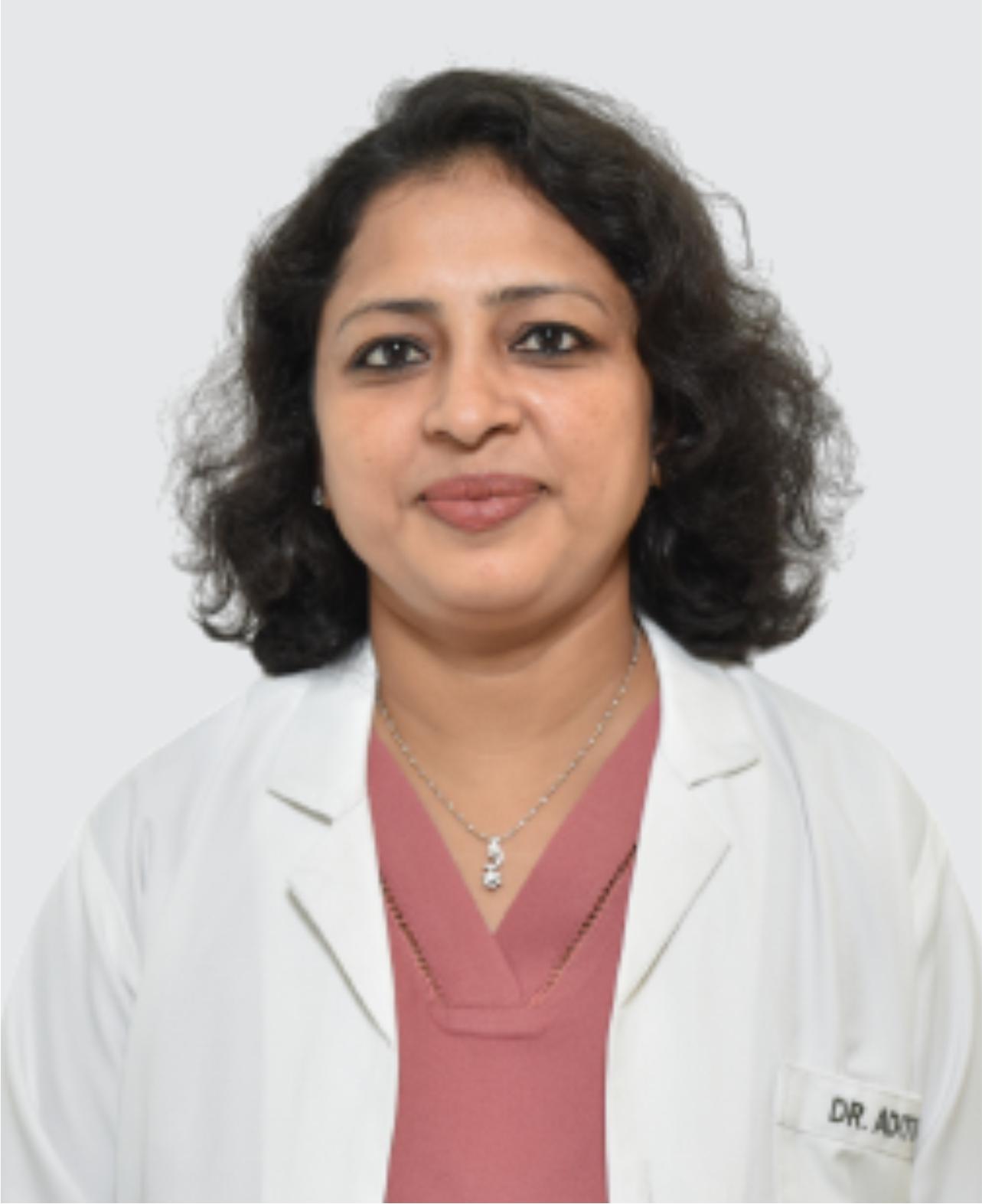
Dr Aditi Dixit
Sr. Consultant – Women Imaging
Radiology
New Delhi
15+ Years
Experience
Artemis Hospital
Hospital
1500
Fees

Dr Chandrima Misra M
Co-Head Psychological Services
Mental Health and Behavioural Sciences
New Delhi
15+ Years
Experience
Artemis Hospital
Hospital
1500
Fees
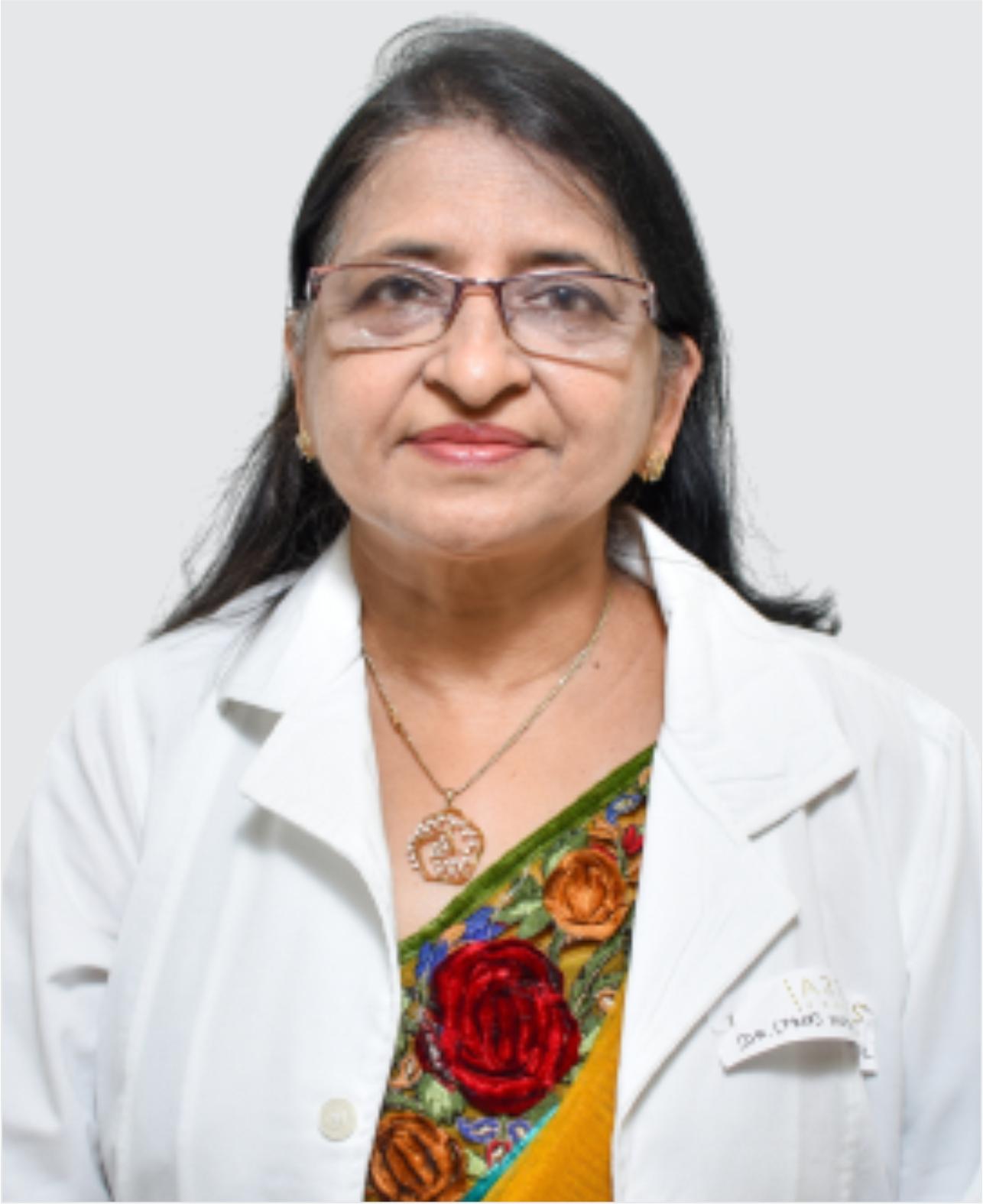
Dr. Nutan Agarwal
Head of Department - Gynae Endocrinology & DNB Program Director - Obs & Gynae
Gynaecological Endocrinology, Maternity, Obstetrics & Gynaecology
New Delhi
35+ Years
Experience
Artemis Hospital
Hospital
1500
Fees
Dr. Poonam Gautam
Senior Consultant - ENT
ENT and Head & Neck Surgery
New Delhi
24+ Years
Experience
Artemis Hospital
Hospital
1500
Fees
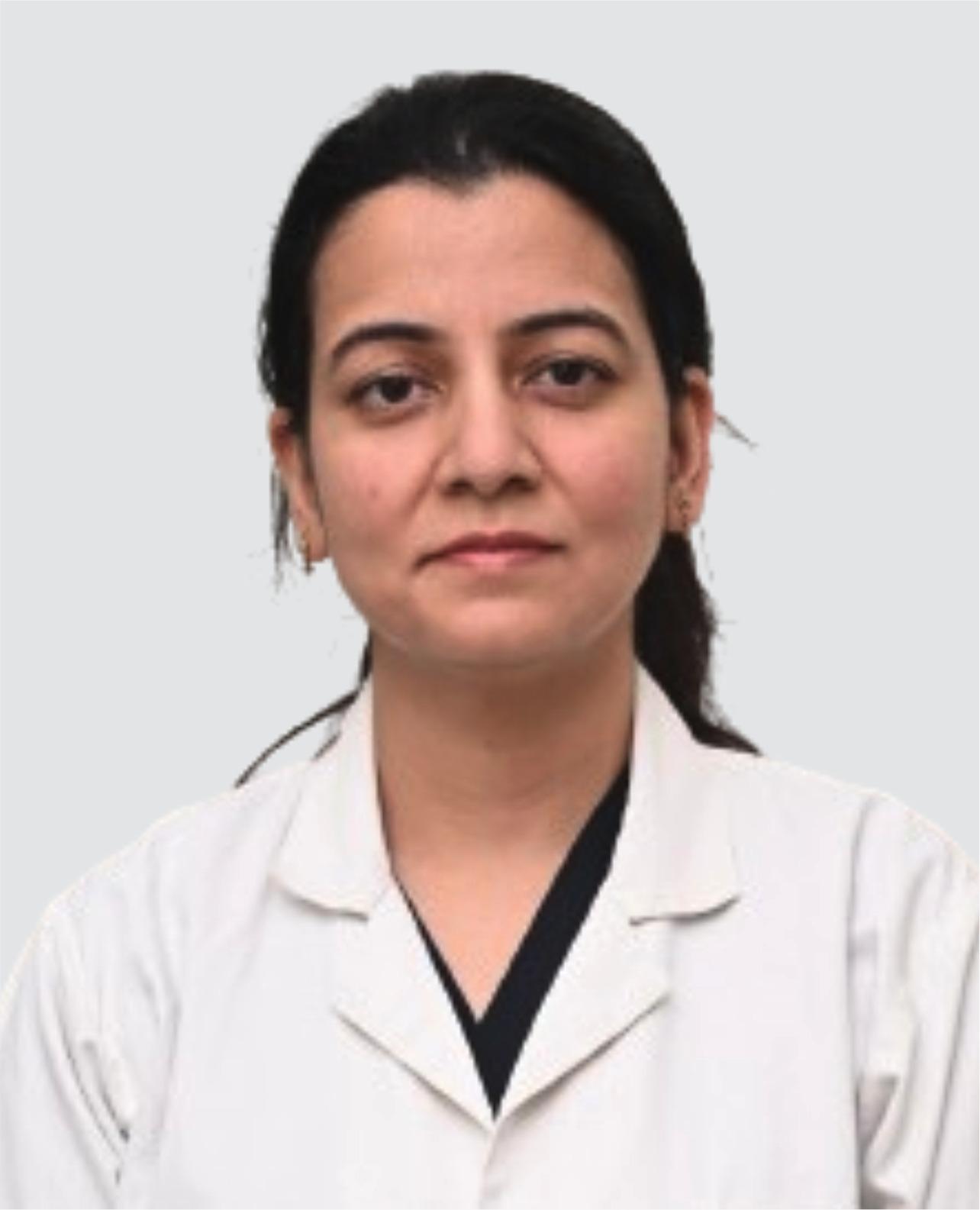
Dr. Priyanka Raina
Consultant (Head & Neck Surgery) - Surgical Oncology
Head and Neck Surgical Oncology
New Delhi
10+ Years
Experience
Artemis Hospital
Hospital
1500
Fees
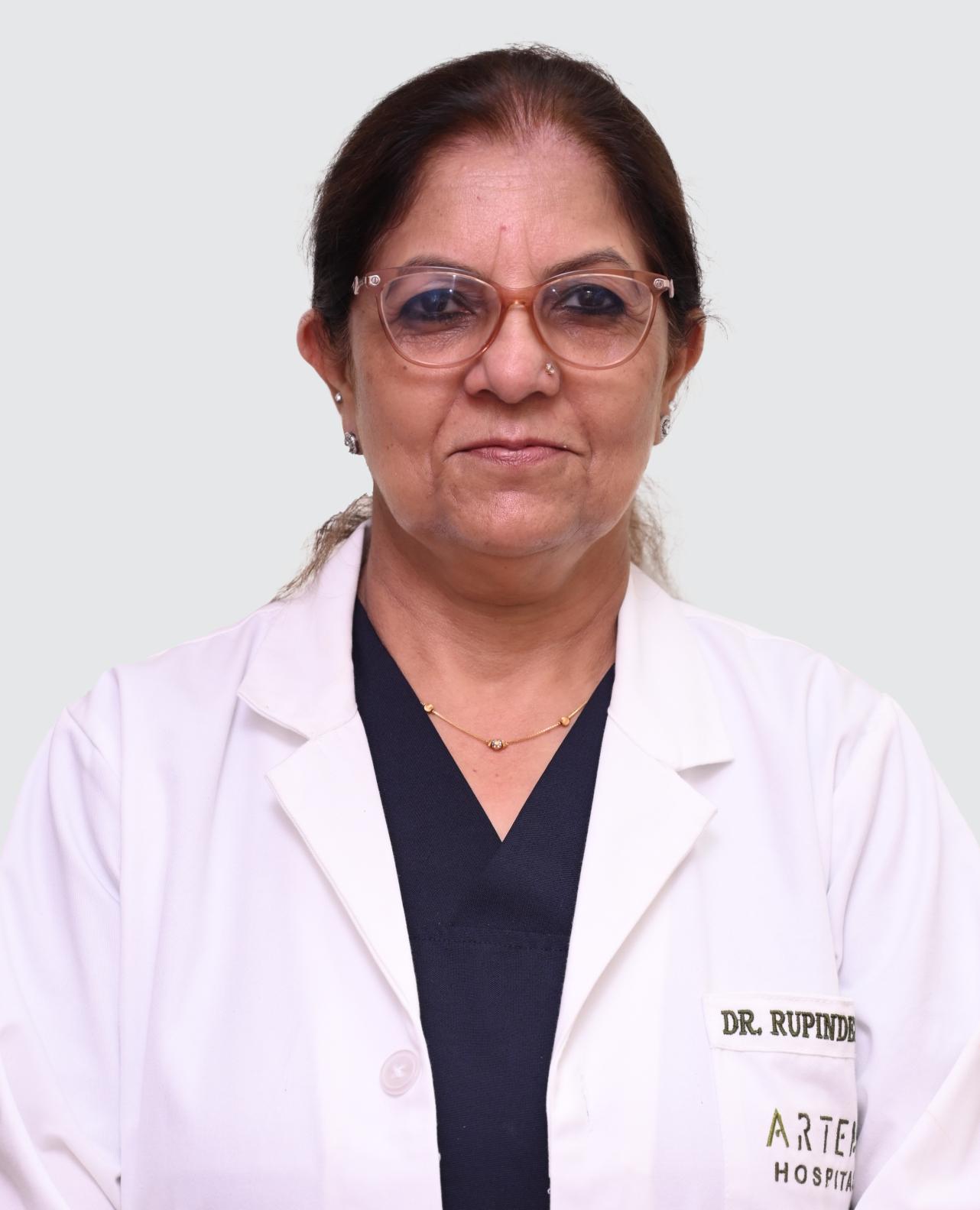
Dr. Rupinder Sekhon
Chairperson - Gynae Oncology
Gynaecological Oncology
New Delhi
16+ Years
Experience
Artemis Hospital
Hospital
1500
Fees
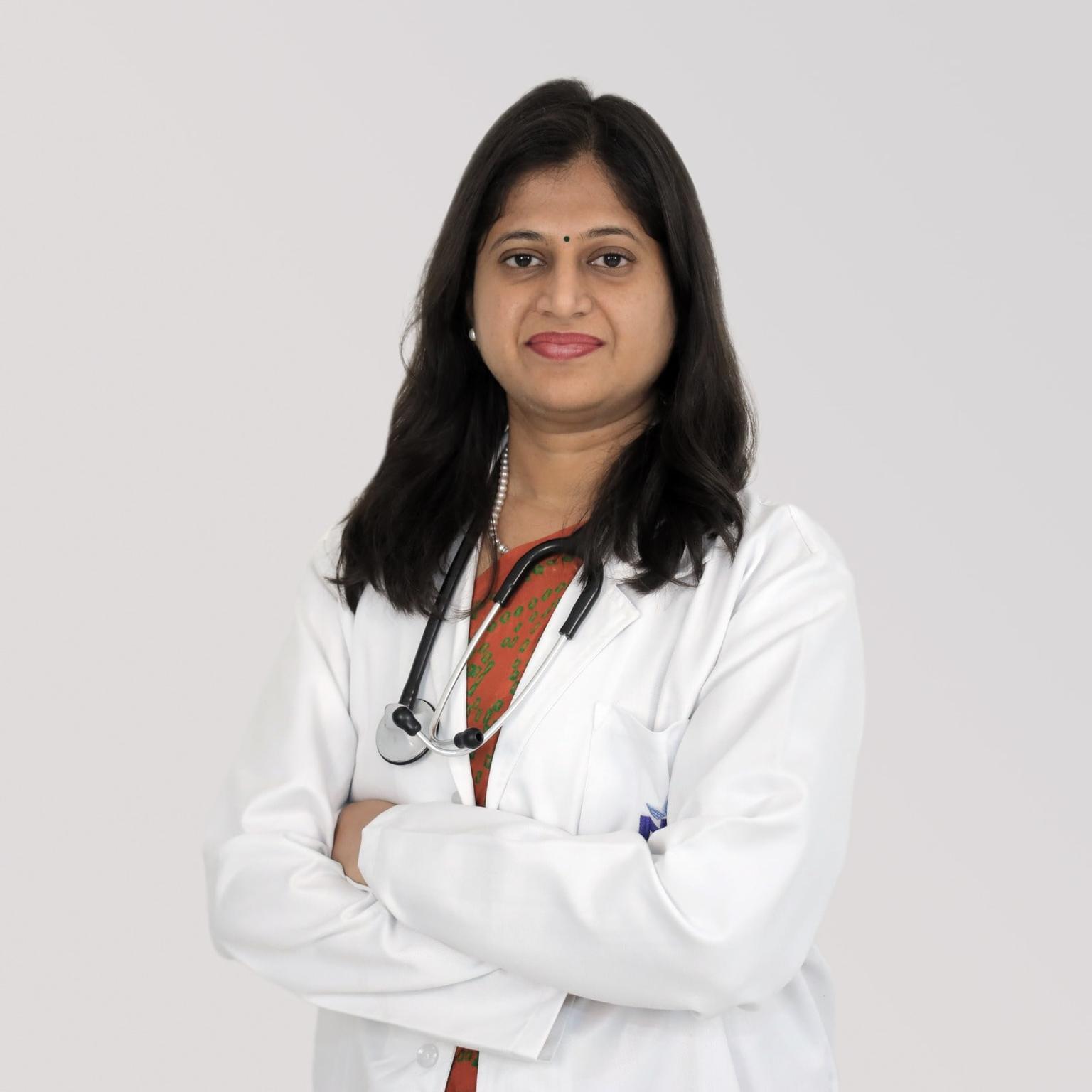
Dr Shweta Bansal
Unit Head & Sr. Consultant - Respiratory Disease & Sleep Medicine (Unit II)
Pulmonology (Chest & Lungs)
New Delhi
13+ Years
Experience
Artemis Hospital
Hospital
1500
Fees
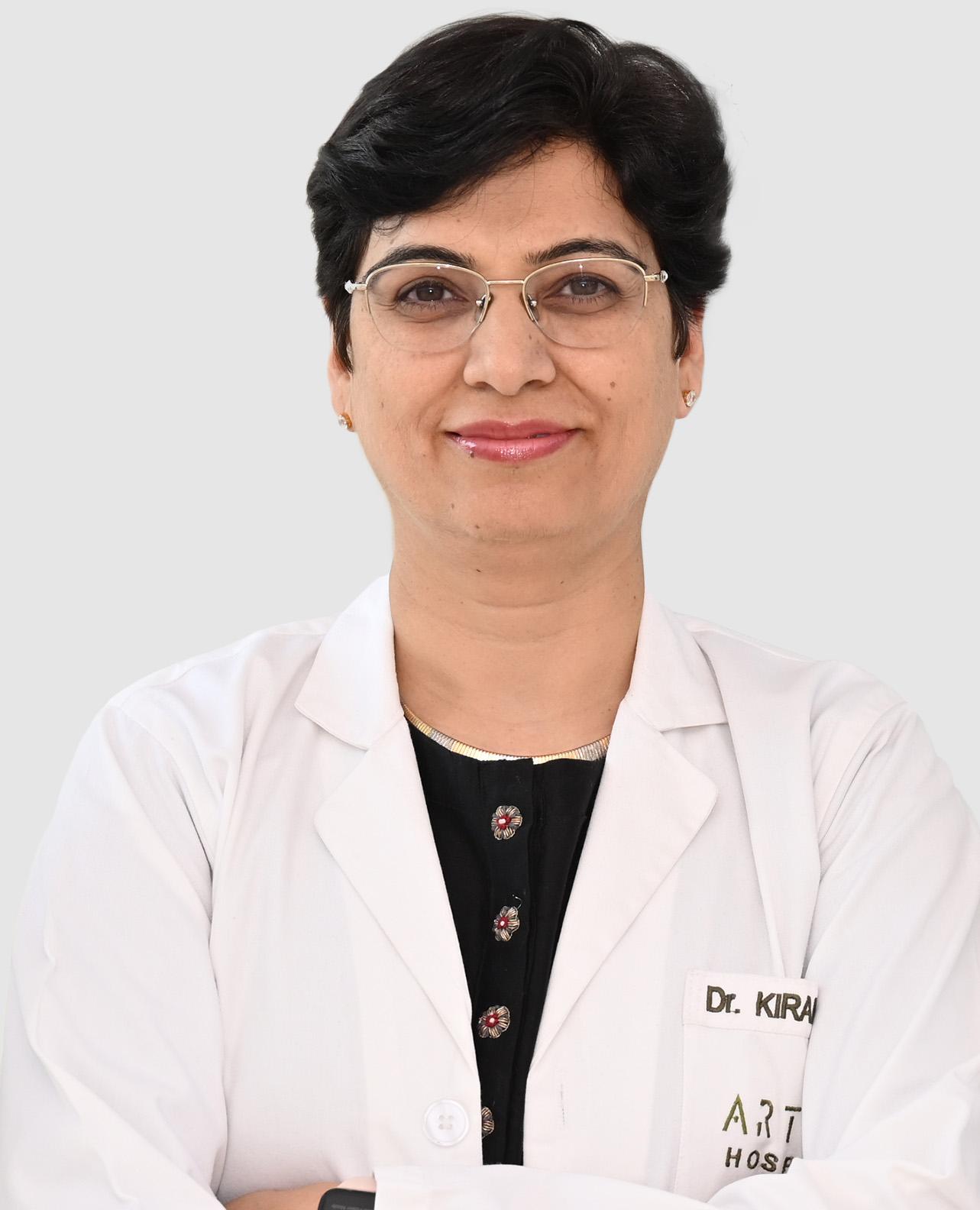
Dr. Kiran Arora
Unit Head - Reproductive Medicine (Unit II)
IVF, Reproductive Medicine, Obstetrics & Gynecology
New Delhi
20+ Years
Experience
Artemis Hospital
Hospital
1500
Fees
Nidhi Jain
Sr. Consultant - Obs & Gynae
Maternity, Obstetrics & Gynaecology
New Delhi
15+ Years
Experience
Artemis Hospital
Hospital
1500
Fees

Dr. Nidhi Rajotia
Unit Head - Obs & Gynae
Maternity, Obstetrics & Gynaecology
New Delhi
19+ Years
Experience
Artemis Hospital
Hospital
1500
Fees
Related Links
Other Treatment related Information
Ready To Start Your Healing Journey?
Get Personalized Medical Treatment Options From India's Top Hospitals. Our Medical Experts Are Ready To Assist You Every Step Of The Way.