
Lung Transplant Treatment in Hyderabad for Nigeria
Need Personalized Advice?
Our medical experts are ready to answer your questions and guide you through your treatment options.
About
Lung Transplant in Hyderabad for Nigerian Patients | Costs & Care
For many patients in Nigeria facing advanced lung disease, the thought of a lung transplant can bring hope, but also concerns about access to specialized care and the financial burden. The journey to finding the right treatment path, especially abroad, often feels complex and overwhelming.
Hyderabad has emerged as a preferred destination for international patients seeking high-quality medical interventions like lung transplants. The city offers a well-developed healthcare ecosystem with advanced infrastructure and a focus on coordinated patient care, making the experience smoother for those traveling from afar.
The medical community in Hyderabad has built a strong reputation for excellence in complex procedures. Here, patients find dedicated transplant centers and experienced specialists who collaborate to provide comprehensive care, from initial assessment through post-transplant recovery, ensuring continuity of support.
Are you ready to explore Hyderabad’s capabilities for your lung transplant journey?
Discover personalized treatment options. Contact us to start your consultation.
What is a Lung Transplant?
A lung transplant is a surgical procedure to replace diseased or failing lungs with healthy lungs, usually from a deceased donor. This life-saving operation is considered for individuals with end-stage lung disease when all other medical treatments have failed. Its purpose is to improve lung function, alleviate severe respiratory symptoms, and significantly enhance a patient's quality of life and longevity. Depending on the patient's condition, a single lung or both lungs may be replaced.
Types of Lung Transplant Procedures
Single Lung Transplant: This procedure involves replacing one diseased lung with a healthy donor lung. It is often recommended for patients with conditions like pulmonary fibrosis or emphysema where only one lung is primarily affected.
Double Lung Transplant: Also known as a bilateral lung transplant, this surgery replaces both diseased lungs with healthy donor lungs. It is typically performed for conditions such as cystic fibrosis, bronchiectasis, or severe pulmonary hypertension where both lungs are compromised.
Heart-Lung Transplant: In rare cases, for patients suffering from severe heart and lung failure, both organs may be replaced simultaneously. This complex procedure is reserved for very specific indications.
Living-Donor Lobar Lung Transplant: Although less common, this involves two living donors, each donating a lobe of one of their lungs to create a functional lung for the recipient. This is an option when a suitable deceased donor lung is not available.
When is a Lung Transplant Required?
- Severe shortness of breath despite maximum medical therapy.
- Rapid decline in lung function and overall health.
- End-stage chronic obstructive pulmonary disease (COPD) or emphysema.
- Cystic fibrosis leading to severe lung damage and frequent infections.
- Pulmonary fibrosis causing irreversible scarring of the lungs.
- Pulmonary hypertension with right heart failure.
- Bronchiectasis with extensive lung damage.
- Alpha-1 antitrypsin deficiency.
Pre-Treatment Evaluation for Lung Transplant
- Comprehensive physical examination and medical history review.
- Blood tests to check organ function, blood type, and infection markers.
- Advanced imaging studies such as chest X-rays, CT scans, and V/Q scans.
- Pulmonary function tests (PFTs) to assess lung capacity and airflow.
- Cardiac evaluation, including echocardiogram and cardiac catheterization, to ensure heart health.
- Nutritional assessment and psychological evaluation.
- Tissue typing and cross-matching for potential donor compatibility.
How the Lung Transplant is Performed
The lung transplant procedure is complex and meticulously planned, varying slightly based on whether a single or double lung transplant is performed.
Before the Surgery:
Once a suitable donor lung becomes available and the recipient is medically stable, the patient is called to the hospital. Final checks are performed, and the patient is prepared for general anesthesia.
During the Surgery:
An incision is made in the chest (thoracotomy for single lung, sternotomy or bilateral thoracotomy for double lung). The diseased lung(s) are carefully removed. The healthy donor lung(s) are then implanted, connecting the airways (bronchus), blood vessels (pulmonary artery and veins). A heart-lung bypass machine may be used to maintain circulation and oxygenation during the procedure, especially for double lung transplants or heart-lung transplants.
After the Surgery:
Following the transplant, the patient is transferred to the intensive care unit (ICU) for close monitoring. This initial period focuses on managing pain, preventing infection, and ensuring the new lungs are functioning properly. Immunosuppressant medications are administered to prevent rejection of the new organ.
Recovery Process After Lung Transplant
Recovery from a lung transplant is a long-term commitment that typically begins with several weeks in the hospital, followed by months of rehabilitation at home. Patients require careful monitoring, adherence to a strict medication regimen, and participation in pulmonary rehabilitation to regain strength and lung function. Regular follow-up appointments, including lung function tests and biopsies, are essential to detect and manage potential complications such as rejection or infection. Lifestyle adjustments and ongoing medical guidance are crucial for a successful long-term outcome.
Risks and Success Rates of Lung Transplant
- Acute rejection of the transplanted lung, where the body's immune system attacks the new organ.
- Chronic rejection, often manifesting as bronchiolitis obliterans syndrome (BOS), leading to progressive airway obstruction.
- Infections due to immunosuppressant medications weakening the immune system.
- Bleeding during or after surgery.
- Blood clots, which can lead to stroke or pulmonary embolism.
- Airway complications such as narrowing or collapse of the transplanted bronchus.
- Kidney dysfunction or failure due to medications or surgical stress.
The success rates for lung transplants have significantly improved over the years due to advancements in surgical techniques, immunosuppressive drugs, and post-operative care. Generally, the one-year survival rate for lung transplant recipients ranges from 80-85%, with a five-year survival rate typically between 50-60%. Long-term outcomes vary greatly depending on factors such as the patient's overall health, the underlying lung disease, and strict adherence to post-transplant care. Regular follow-up and prompt management of complications are vital for achieving the best possible results.
Cost of Lung Transplant in Hyderabad
The cost of a lung transplant in Hyderabad can vary based on several factors, including the chosen hospital and its facilities, the specific surgical approach (single vs. double lung), the duration of hospital stay, any associated complications, and the required post-operative care and rehabilitation. The expertise of the transplant team and the technology used also play a role in the overall expenditure.
A lung transplant in Hyderabad typically ranges from INR 25,00,000 to INR 45,00,000.
Lung Transplant Cost Comparison: Hyderabad vs. Other Global Destinations
Patients from Nigeria often find Hyderabad an economically viable choice without compromising on the quality of advanced medical care, especially when comparing it to Western countries.
| Location | Estimated Cost (USD) |
|---|---|
| Hyderabad, India | $30,000 - $55,000 |
| United States | $800,000 - $1,200,000 |
| United Kingdom | $250,000 - $400,000 |
| Singapore | $150,000 - $250,000 |
| Thailand | $70,000 - $120,000 |
Comprehensive Support Services for International Patients
- Assistance with medical visa applications and extensions.
- Arrangement of airport transfers and local transportation.
- Guidance for accommodation options suitable for long stays and recovery.
- Language interpretation services to ensure clear communication.
- Dedicated patient care coordinators for seamless hospital experience.
- Post-treatment follow-up and remote consultation support.
Essential Documents for Your Medical Journey
- Current passport with sufficient validity for your stay.
- Medical visa obtained from the Indian Embassy in Nigeria.
- All past medical records, reports, and imaging scans related to your lung condition.
- Doctor's referral letter outlining the need for lung transplant.
- Proof of financial solvency to cover treatment costs and living expenses.
- Contact details for emergency contacts both in Nigeria and India.
Preparing for Your Lung Transplant in Hyderabad
- Consult with your local physician regarding travel fitness and initial health optimization.
- Arrange for a travel companion or family member to accompany you.
- Ensure all necessary documents are organized and easily accessible.
- Discuss pre-operative dietary and medication instructions with your Hyderabad medical team.
- Plan for an extended stay in Hyderabad, encompassing evaluation, surgery, and initial recovery.
- Understand the local culture and climate to pack appropriately.
Post-Treatment Care and Long-Term Wellness
- Adherence to immunosuppressant medications as prescribed to prevent organ rejection.
- Regular follow-up appointments and diagnostic tests in Hyderabad.
- Participation in pulmonary rehabilitation programs to strengthen lung function.
- Strict infection control practices, including hygiene and avoiding crowded places.
- Nutritional counseling to support healing and overall health.
- Psychological support and counseling to aid in adjustment to life after transplant.
Have questions about lung transplant in Hyderabad? Our team is here to help.
Your Path to Renewed Health Awaits
Embark on your journey toward better health with confidence, supported by Hyderabad's advanced medical expertise and compassionate care.
Hospitals Offering this treatment
India offers premium medical procedures at affordable prices. Discover our most popular treatments, delivered by the country's finest doctors.
Meet Our Doctors
Meet our team of highly qualified and experienced medical professionals dedicated to providing the best healthcare services.

Dr. Ajit Singh Baghela
Consultant
Paediatric Neurology
Haryana
9+ Years
Experience
Artemis Hospital
Hospital
1500
Fees
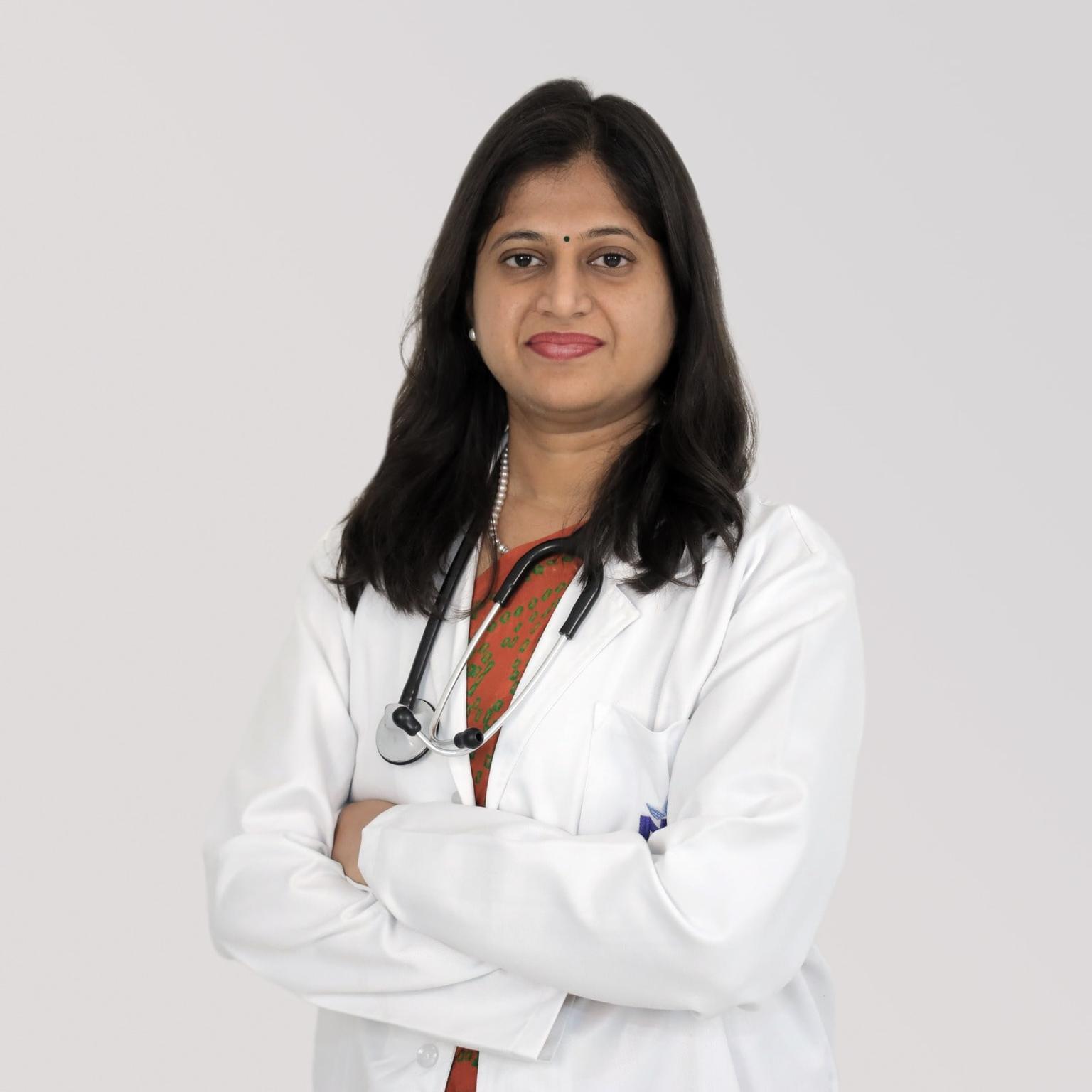
Dr Shweta Bansal
Unit Head & Sr. Consultant - Respiratory Disease & Sleep Medicine (Unit II)
Pulmonology (Chest & Lungs)
New Delhi
13+ Years
Experience
Artemis Hospital
Hospital
1500
Fees

Dr. Kanika Singh
Director & Chief of Service - Respiratory, Critical Care & Sleep Medicine
Pulmonology
New Delhi
12+ Years
Experience
Artemis Hospital
Hospital
1500
Fees
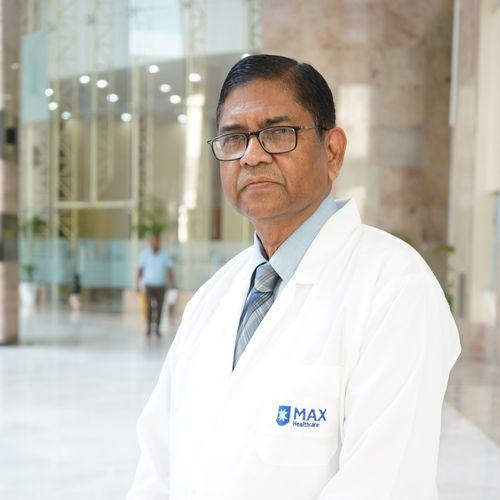
Dr. Nakul Sinha
Chairman - Cardiology
Cardiology
New Delhi
41+ Years
Experience
Max Hospital,Gurgaon
Hospital
1500
Fees
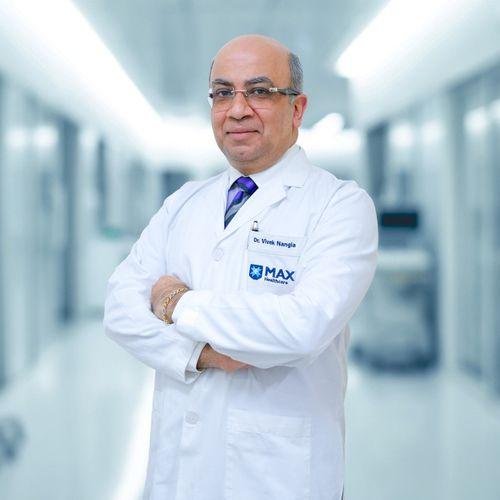
Dr. Vivek Nangia
Vice Chairman & Head, Pulmonology
Pulmonology
New Delhi
29+ Years
Experience
Max Hospital,Gurgaon
Hospital
1500
Fees
Dr. Rajeev Rathi
Director - Pulmonology
Pulmonology
New Delhi
34+ Years
Experience
Apolo Delhi
Hospital
1500
Fees
Related Links
Other Treatment related Information
- Lung Transplant cost in Mumbai
- Lung Transplant cost in Bengaluru
- Lung Transplant cost in Chennai
- Lung Transplant cost in India
- Lung Transplant cost in Pune
- Lung Transplant cost in New Delhi
- Lung Transplant cost in Hyderabad
- Lung Transplant cost in Haryana
- Lung Transplant Success Rate in Pune
- Lung Transplant Success Rate in Bengaluru
- Lung Transplant Success Rate in New Delhi
- Lung Transplant Success Rate in India
- Lung Transplant Success Rate in Mumbai
- Lung Transplant Success Rate in Hyderabad
- Lung Transplant Success Rate in Haryana
- Lung Transplant Success Rate in Chennai
- Best Lung Transplant Doctors in Chennai
- Best Lung Transplant Doctors in India
- Best Lung Transplant Doctors in Hyderabad
- Best Lung Transplant Doctors in Mumbai
Ready To Start Your Healing Journey?
Get Personalized Medical Treatment Options From India's Top Hospitals. Our Medical Experts Are Ready To Assist You Every Step Of The Way.