Lung Transplant Success Rate in Chennai
Need Personalized Advice?
Our medical experts are ready to answer your questions and guide you through your treatment options.
About
Lung Transplant Success Rate in Chennai: Key Outcomes
Understanding the Lung Transplant success rate in Chennai is crucial for individuals considering this complex procedure. Success in lung transplantation encompasses various factors, from short-term survival to long-term quality of life. Outcomes depend heavily on the patient’s overall health, the specific type of transplant, and post-operative management, making a comprehensive overview essential for informed decision-making in Chennai.
The Lung Transplant survival rate in Chennai is evaluated through aggregated clinical data, benchmarking against national and international standards. Leading centers in the region, such as major institutes, follow evidence-based protocols to optimize patient outcomes. These figures reflect the sophisticated medical infrastructure and dedicated care, though individual results will always vary based on unique patient profiles and treatment complexities.
What "Success" Means for Lung Transplants
For lung transplantation, "success" is broadly defined as the recipient's survival with a functioning graft and an improved quality of life. This includes enhanced lung function, reduced dependency on oxygen, and the ability to resume daily activities. Short-term success focuses on immediate post-operative survival and avoidance of acute rejection, while long-term outcomes consider graft longevity, the Lung Transplant recovery rate in Chennai, and overall patient well-being for many years.
Lung Transplant Success Rate Breakdown
Success rates vary depending on treatment approach and patient factors in lung transplantation.
| Treatment Type / Category | Typical Use Case | Success Rate Range (%) | What Success Indicates |
|---|---|---|---|
| Single Lung Transplant | Emphysema, Pulmonary Fibrosis, Pulmonary Hypertension | Ranges typically from 70%–85% at 1 year | Survival with improved lung function for one lung |
| Double Lung Transplant | Cystic Fibrosis, Bronchiectasis, Alpha-1 Antitrypsin Deficiency | Ranges typically from 80%–90% at 1 year | Survival with both lungs replaced, often better long-term outcomes |
| Living-Donor Lobar Transplant | Pediatric cases, urgent need where cadaveric donors are scarce | Comparable to cadaveric rates, varies by center | Survival with portions of lungs from living donors |
Stage-wise and Age-wise Lung Transplant Survival Rate in Chennai
The stage wise Lung Transplant survival rate in Chennai often correlates with the progression of the underlying lung disease and patient co-morbidities at the time of transplant. Early intervention generally associates with better outcomes. Similarly, the Lung Transplant survival rate by age in Chennai shows variations, with younger recipients typically experiencing higher one-year and five-year survival rates compared to older individuals, aligning with internationally observed clinical trends across major transplant centers globally.
| Age Group / Patient Category | Typical Impact on Outcome | Survival Rate Range (e.g., 1-Year Post-Tx) |
|---|---|---|
| Under 50 years | Generally higher tolerance to surgery, faster recovery | Ranges typically from 85%–95% |
| 50-65 years | Good candidates, but potential for more co-morbidities | Ranges typically from 75%–85% |
| Over 65 years | Careful patient selection due to increased risk factors | Ranges typically from 60%–75% |
| Early Stage Disease | Better physiological reserve, fewer complications | Higher end of general survival ranges |
| Advanced Stage Disease | Increased risk due to critical pre-operative health | Lower end of general survival ranges |
Chennai vs. Global Lung Transplant Outcomes
Success rates for Lung Transplant in Chennai are comparable with international standards when similar rigorous protocols, advanced technology, and stringent patient selection criteria are applied. Indian transplant centers are increasingly publishing data that reflects their outcomes relative to global benchmarks, showcasing ongoing advancements.
| Country | 1-Year Lung Transplant Survival Rate Range (%) |
|---|---|
| India (Chennai) | Ranges typically from 75%–85% |
| United States | Ranges typically from 80%–90% |
| United Kingdom | Ranges typically from 75%–85% |
| Germany | Ranges typically from 78%–88% |
| Canada | Ranges typically from 77%–87% |
| Australia | Ranges typically from 80%–90% |
| Singapore | Ranges typically from 75%–85% |
Success rates are indicative averages and not guarantees. Individual outcomes vary considerably based on patient-specific conditions and the precise approach to treatment.
Factors That Influence Success Rate
- Recipient's age and overall health condition before transplant.
- Severity and type of underlying lung disease requiring transplant.
- Quality and compatibility of the donor lungs.
- Experience and expertise of the surgical and post-transplant care team.
- Adherence to post-operative medication and rehabilitation regimens.
- Timeliness of transplant and absence of critical pre-operative complications.
- Availability of robust follow-up care and management of complications.
Data Sources & Methodology
- Aggregated multi-hospital outcome data from national transplant registries.
- Findings from peer-reviewed medical studies and clinical trials.
- International registries and databases providing comparative statistics.
- Insights from leading medical institutions and professional transplant societies.
Informed Choices for Lung Transplant
Understanding the nuances of lung transplant outcomes empowers patients to make confident and informed healthcare decisions. Evaluate all available information carefully to align expectations with potential results.
Hospitals Offering this treatment
India offers premium medical procedures at affordable prices. Discover our most popular treatments, delivered by the country's finest doctors.
Meet Our Doctors
Meet our team of highly qualified and experienced medical professionals dedicated to providing the best healthcare services.

Aditi Dixit
Sr. Consultant – Women Imaging
Radiology (Specializing in Women's Imaging)
Haryana
15+ Years
Experience
Artemis Hospital
Hospital
1500
Fees
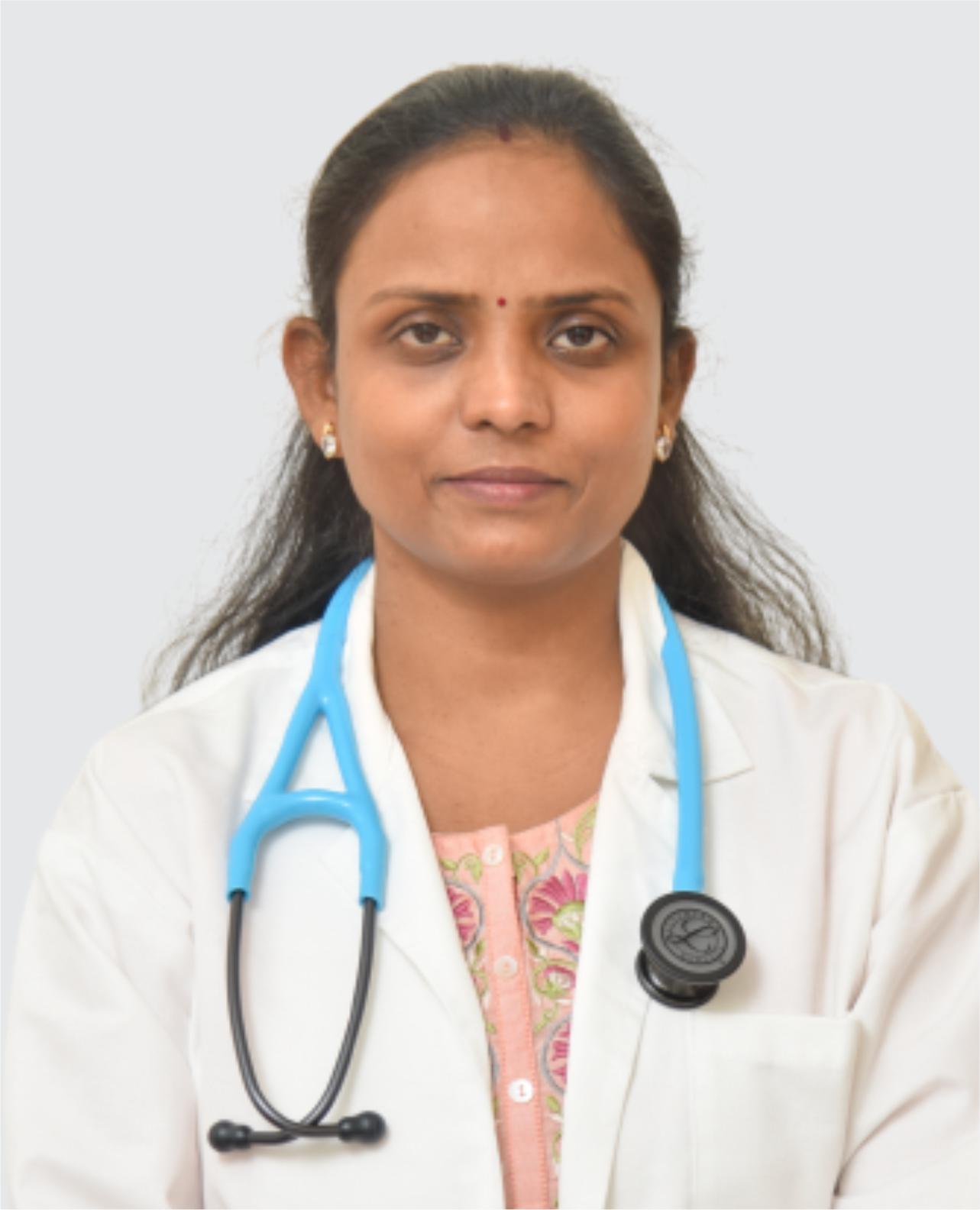
Dr. Anju Singh
Consultant - Pediatric Rheumatology
Pediatric Rheumatology
New Delhi
13+ Years
Experience
Artemis Hospital
Hospital
1500
Fees
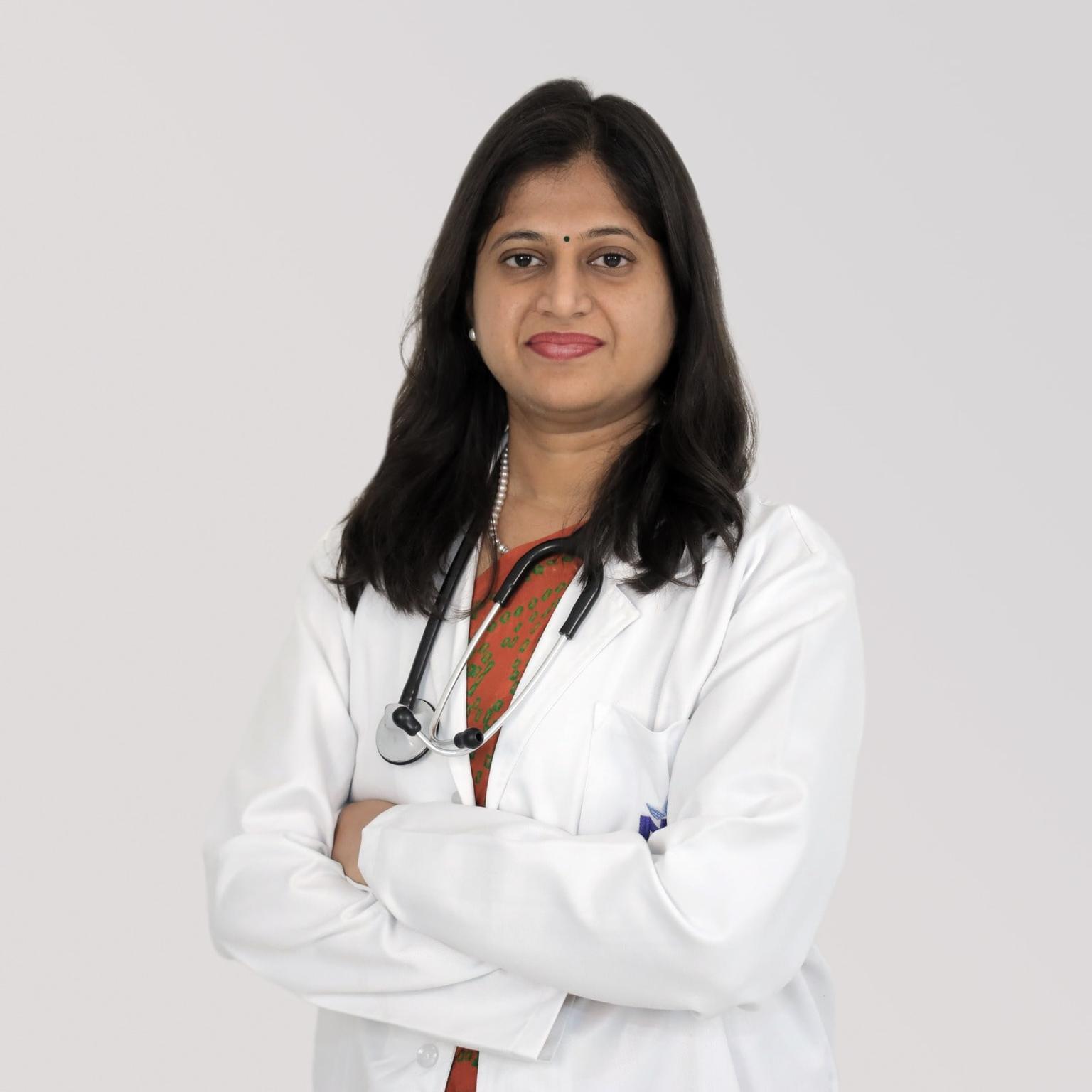
Dr Shweta Bansal
Unit Head & Sr. Consultant - Respiratory Disease & Sleep Medicine (Unit II)
Pulmonology (Chest & Lungs)
New Delhi
13+ Years
Experience
Artemis Hospital
Hospital
1500
Fees
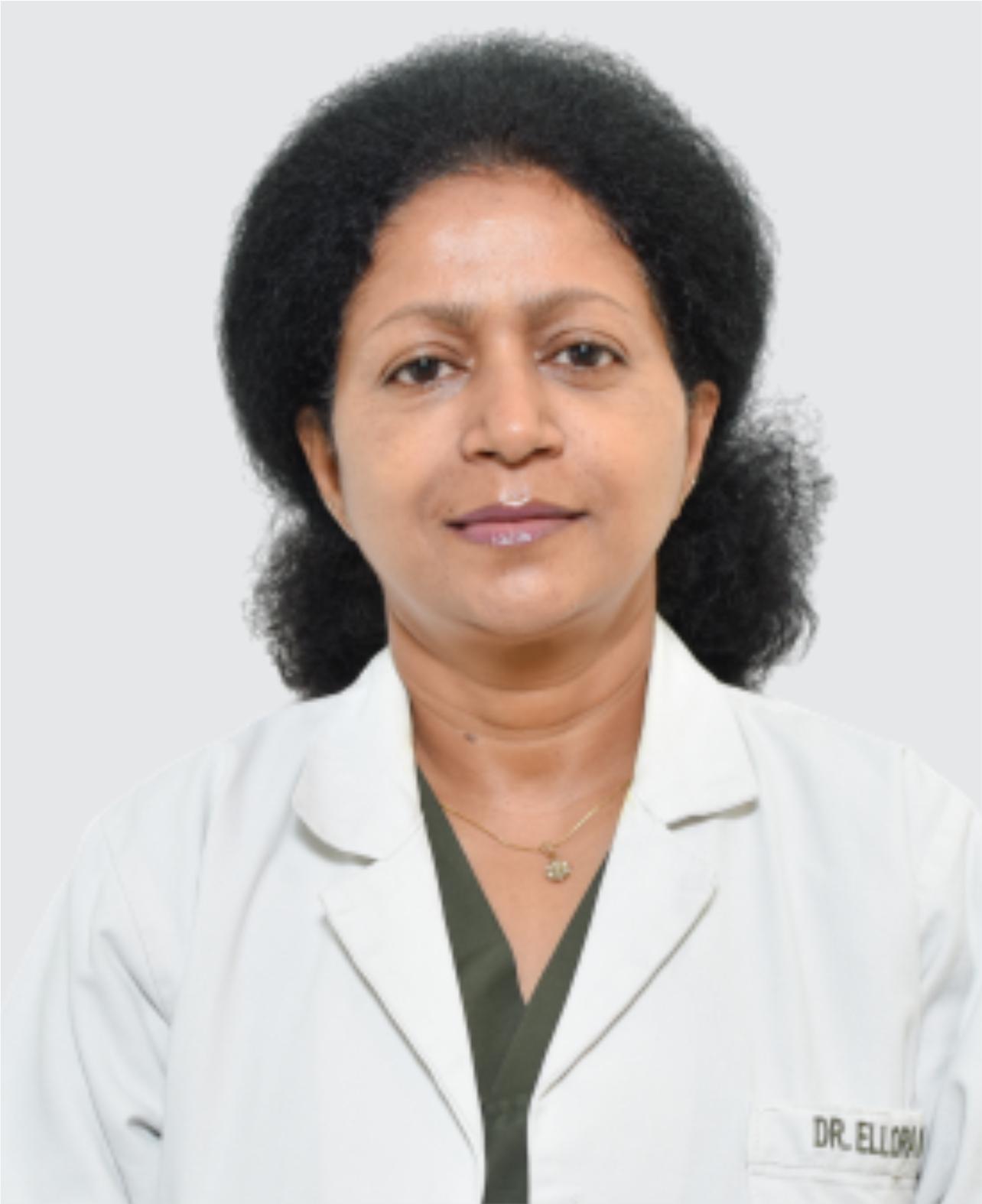
Dr. Ellora Nanda
Admin Head - Emergency
Emergency & Trauma Services
New Delhi
25+ Years
Experience
Artemis Hospital
Hospital
1500
Fees
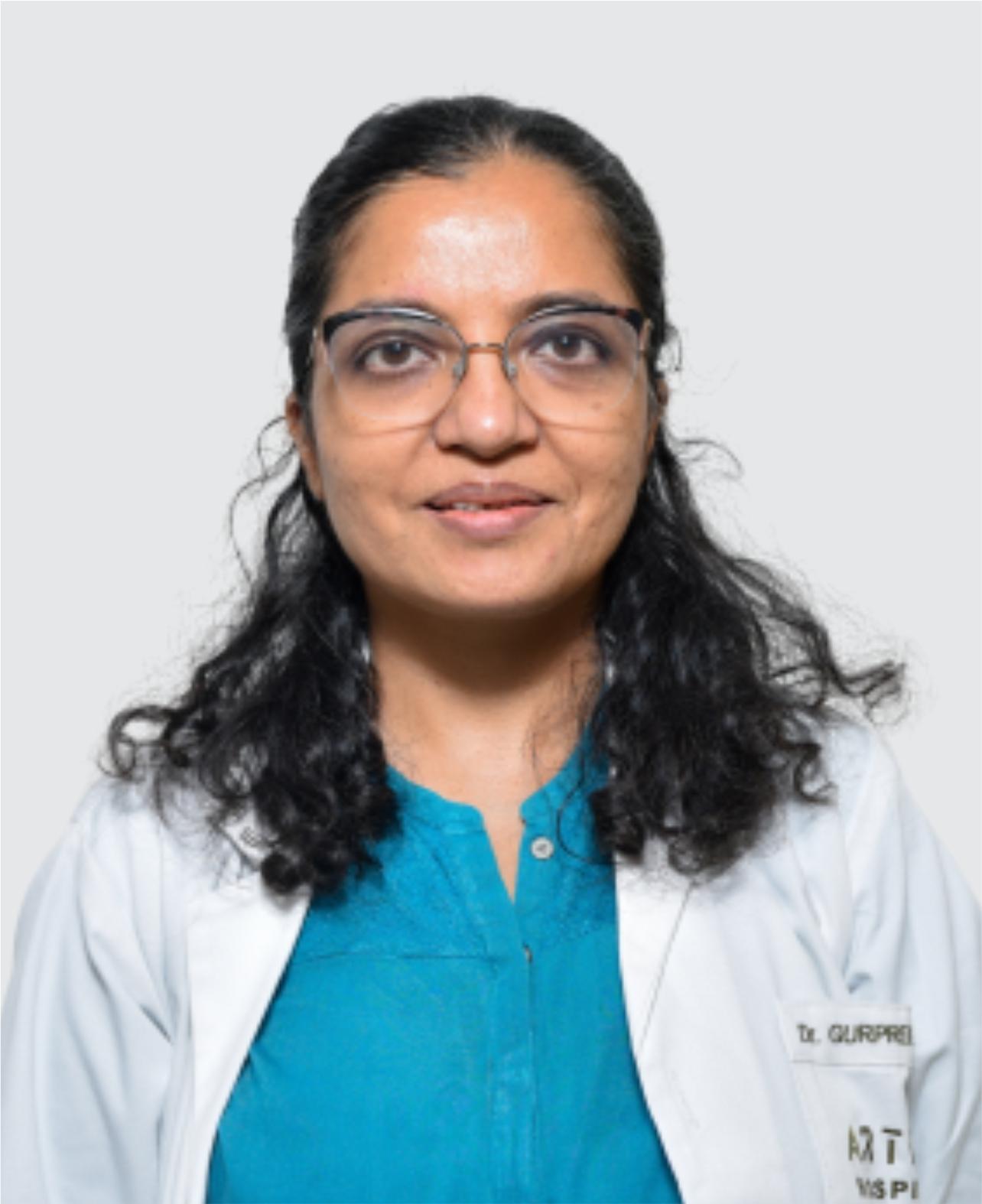
Gurpreet Makkar
Head Imaging & Chief DNB Program
Radiology
New Delhi
19+ Years
Experience
Artemis Hospital
Hospital
1500
Fees
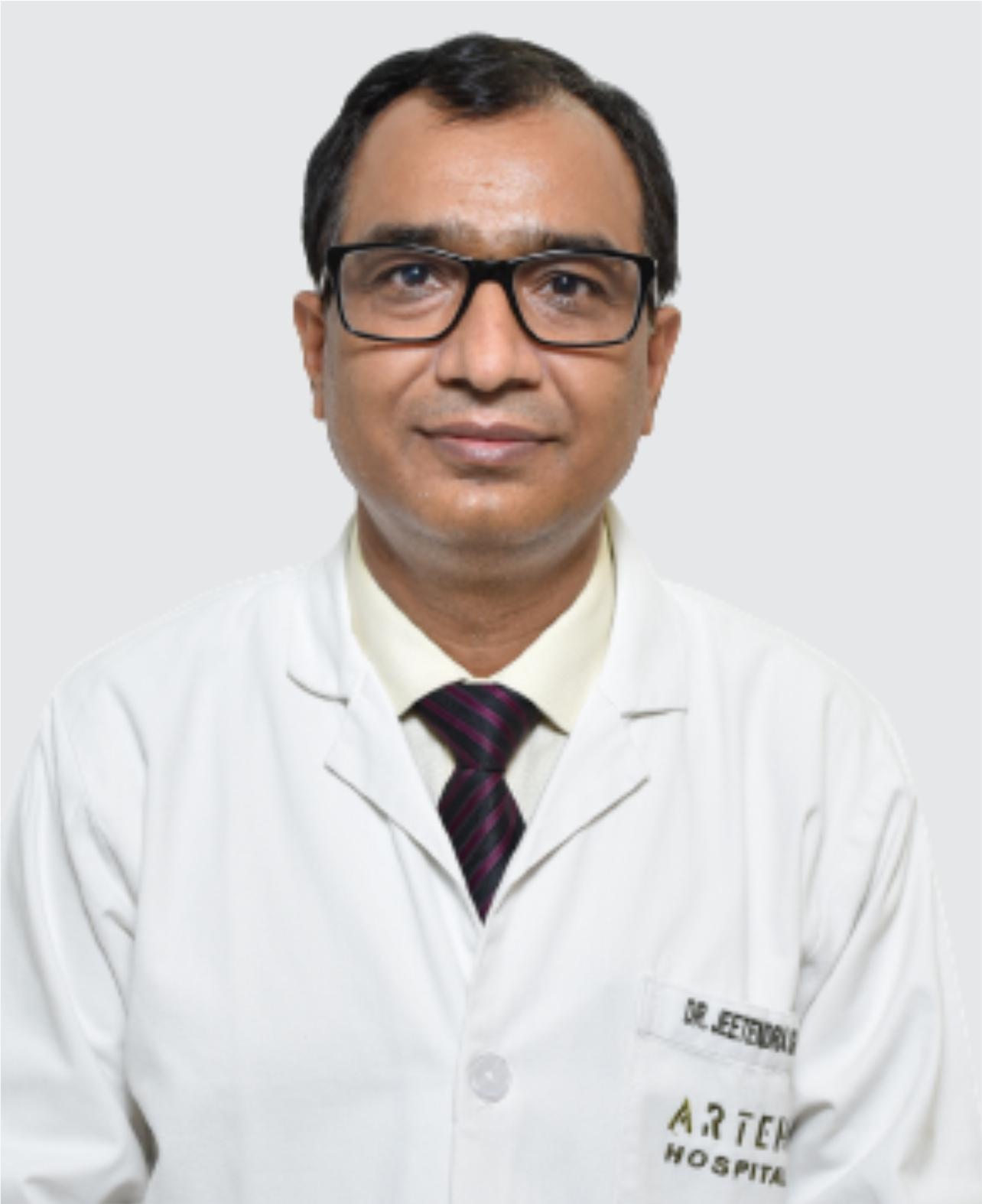
Jeetendra Sharma
Chief - Critical Care (Unit II) & Chief- Medical Quality
Critical Care & ICU
New Delhi
15+ Years
Experience
Artemis Hospital
Hospital
1500
Fees
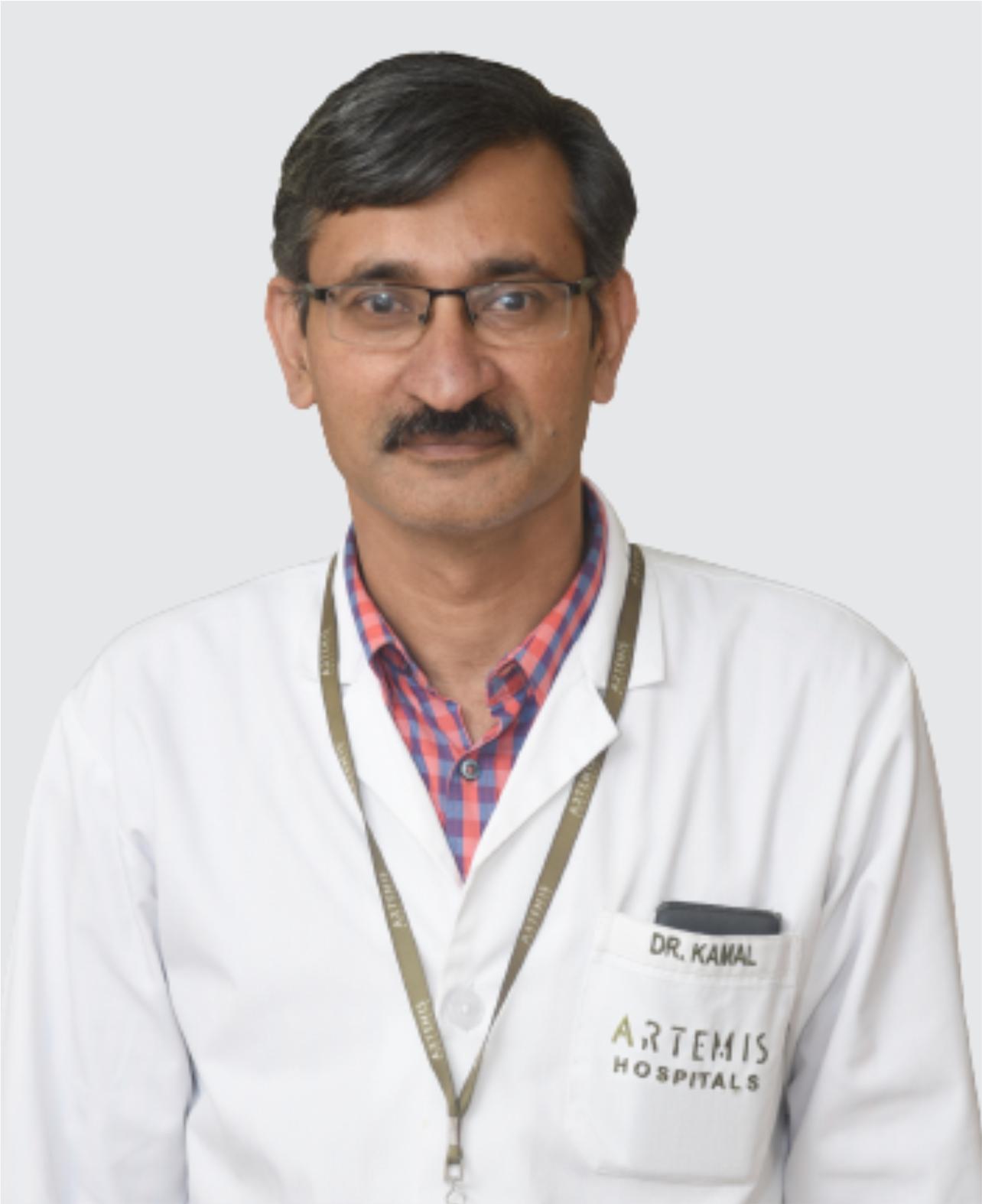
Dr. Kamal Verma
Sr. Consultant - Radiation Oncology
Radiation Oncology
New Delhi
15+ Years
Experience
Artemis Hospital
Hospital
1500
Fees
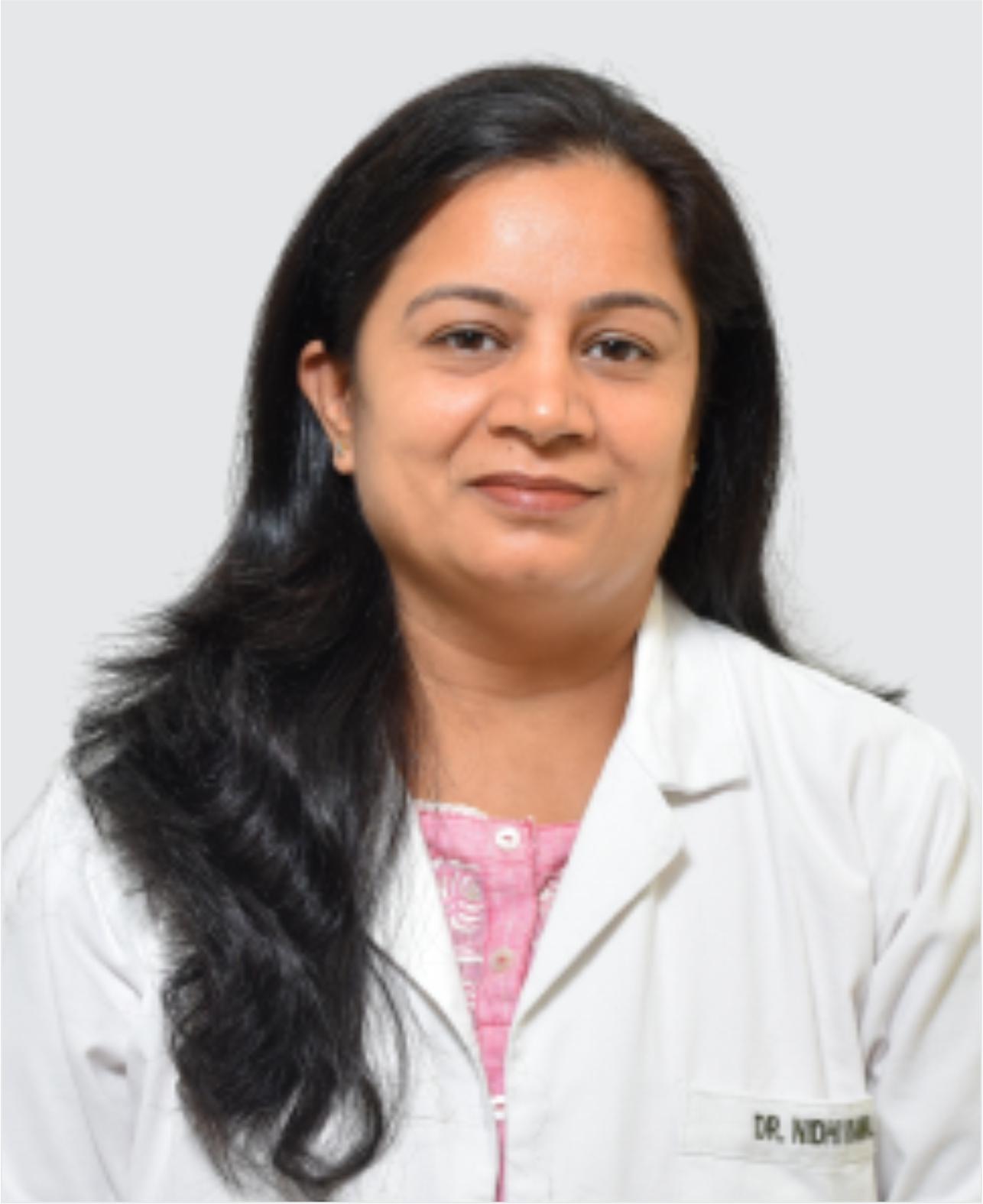
Dr Nidhi Rawal
Chief - Paediatric Cardiology
Paediatric Cardiology
New Delhi
18+ Years
Experience
Artemis Hospital
Hospital
1500
Fees
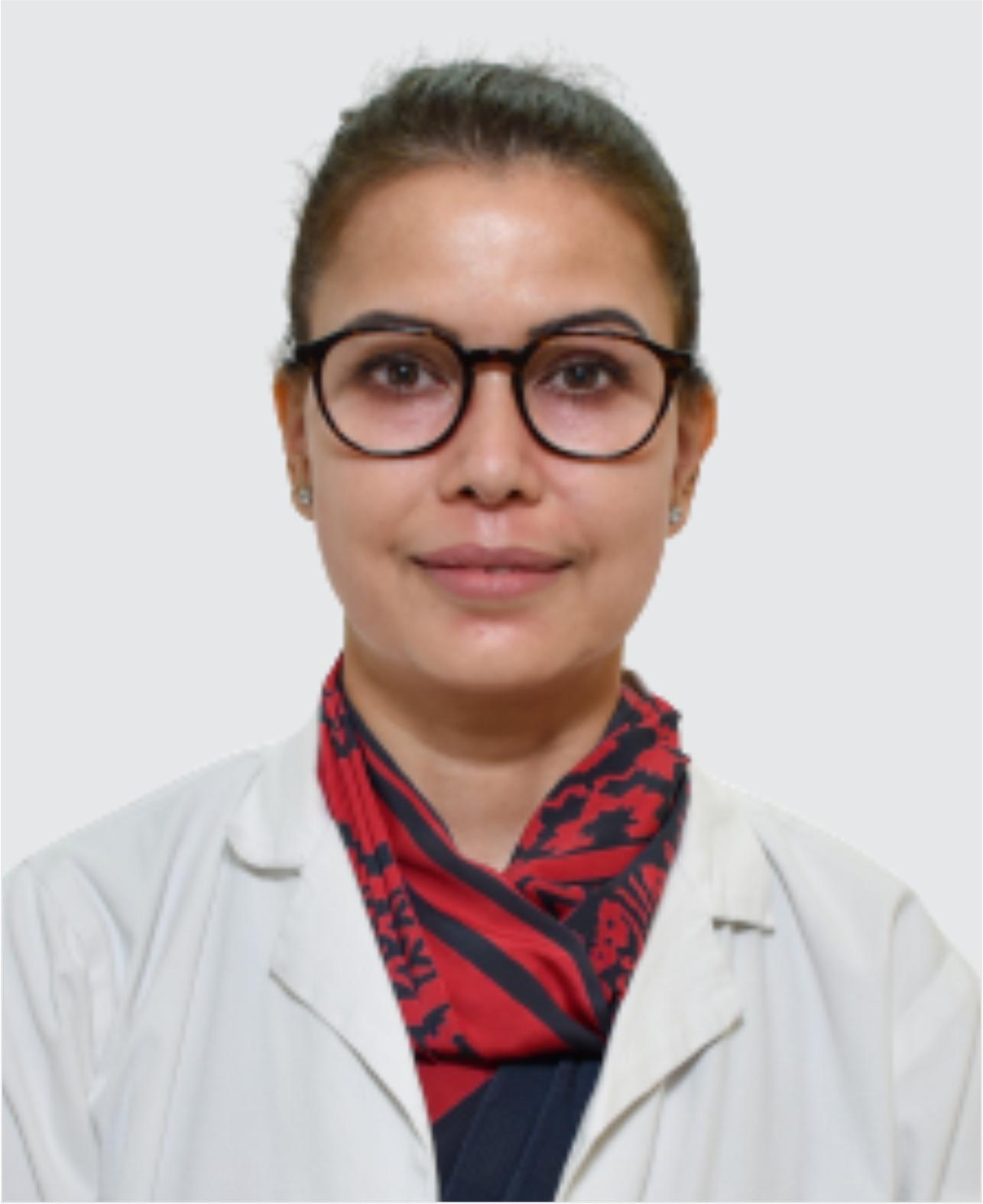
Dr. Noaline Sinha
Chairperson - Nuclear Medicine & Radio-Theranostics
Nuclear Medicine
New Delhi
15+ Years
Experience
Artemis Hospital
Hospital
1500
Fees
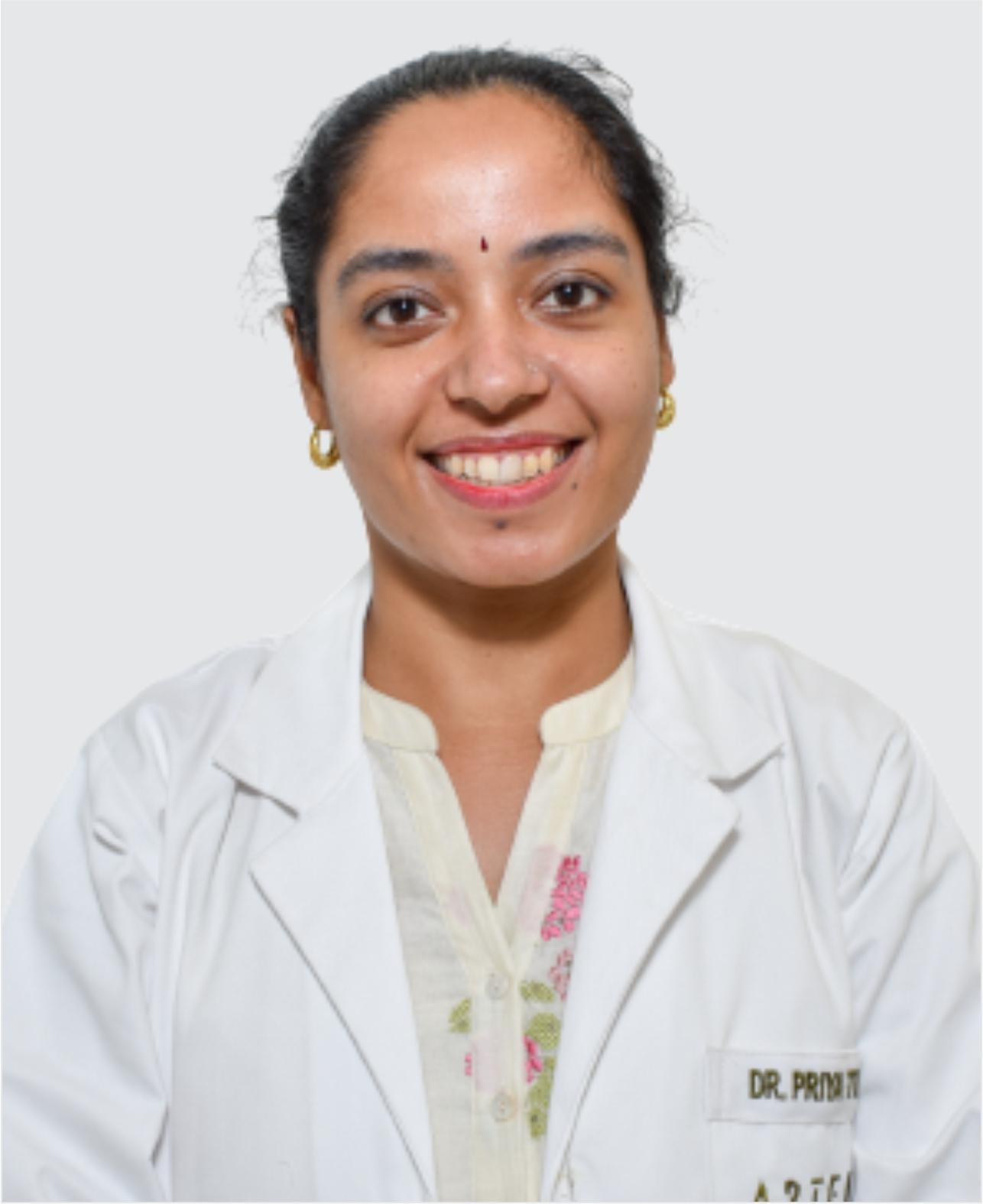
Dr. Priya Tiwari
Sr. Consultant
Radiology
New Delhi
12+ Years
Experience
Artemis Hospital
Hospital
1500
Fees
Related Links
Other Treatment related Information
Ready To Start Your Healing Journey?
Get Personalized Medical Treatment Options From India's Top Hospitals. Our Medical Experts Are Ready To Assist You Every Step Of The Way.