
Lung Transplant Treatment in Mumbai for Ethiopia
Need Personalized Advice?
Our medical experts are ready to answer your questions and guide you through your treatment options.
About
Lung Transplant in Mumbai for Ethiopian Patients | Cost & Care
For Ethiopian patients facing severe lung conditions, the possibility of a lung transplant often brings complex concerns. Questions about access to specialized care, finding experienced surgeons, and managing the overall treatment journey can feel overwhelming, especially when seeking options abroad.
Many patients look to international medical hubs for advanced procedures. Mumbai stands out as a preferred destination, offering a sophisticated healthcare environment coupled with a seamless experience for international visitors, focusing on coordinated care and patient comfort during their stay.
Mumbai's leading hospitals and highly specialized lung transplant teams have built a strong reputation. They provide comprehensive care, from initial evaluation to successful recovery and follow up, ensuring that patients receive continuous support within the city's advanced medical infrastructure.
Could Mumbai offer the lung transplant solution you need?
What is a Lung Transplant Procedure?
A lung transplant is a complex surgical procedure performed to replace a diseased or failing lung with a healthy lung from a deceased donor. This life-saving operation is considered for individuals with end stage lung diseases when other treatments are no longer effective. Its primary goal is to improve lung function, enhance quality of life, and extend life expectancy for patients suffering from severe respiratory limitations.
Understanding Types of Lung Transplants
Lung transplant procedures are tailored to the specific needs of the patient and the nature of their lung disease.
Single Lung Transplant
In this procedure, only one diseased lung is replaced with a healthy donor lung. It is commonly performed for conditions that predominantly affect one lung, such as pulmonary fibrosis, or for patients where the remaining lung is still functional enough to support the body temporarily.
Double Lung Transplant
A double lung transplant involves replacing both diseased lungs with two healthy donor lungs. This approach is often necessary for conditions like cystic fibrosis, severe COPD, or pulmonary hypertension where both lungs are severely affected. This procedure can offer a more complete restoration of lung function.
Heart Lung Transplant
In rare and specific cases, a heart lung transplant may be performed. This highly complex surgery replaces both the diseased heart and lungs with healthy donor organs. It is typically considered for patients who suffer from severe and irreversible disease affecting both their heart and lungs simultaneously.
When is a Lung Transplant Recommended?
- Severe Chronic Obstructive Pulmonary Disease (COPD) and Emphysema where lung function is critically impaired despite medication.
- Advanced Idiopathic Pulmonary Fibrosis, a progressive scarring of the lungs that significantly limits breathing.
- Cystic Fibrosis, especially when there are severe infections and widespread lung damage.
- Pulmonary Hypertension, a condition of high blood pressure in the arteries of the lungs, leading to heart failure.
- Bronchiectasis, characterized by permanent widening of the airways, often due to recurrent infections.
- Alpha 1 Antitrypsin Deficiency, a genetic disorder that can cause severe emphysema.
- Other severe, irreversible lung diseases that do not respond to conventional medical therapy.
What Pre-Transplant Evaluations are Needed?
- Comprehensive pulmonary function tests to assess lung capacity and airflow.
- High resolution CT scans and chest X rays to visualize lung damage and structure.
- Cardiac evaluations including echocardiograms and cardiac catheterization to ensure heart health.
- Extensive blood tests for organ function, infectious diseases, and tissue matching.
- Kidney and liver function tests to evaluate overall organ health and readiness for surgery.
- Psychological assessment to evaluate mental preparedness and ability to adhere to post transplant regimen.
- Nutritional assessment to optimize patient health status before the procedure.
How is a Lung Transplant Procedure Performed?
A lung transplant is a major surgical undertaking, with the exact steps depending on whether a single or double lung transplant is performed, and the patient's specific condition.
Pre-Operative Preparation
Before surgery, the patient is prepared for general anesthesia. The surgical team ensures all necessary monitoring equipment is in place. The donor lungs are carefully retrieved and transported, often on ice, to maintain their viability.
Surgical Procedure
Under general anesthesia, an incision is made in the chest. For a single lung transplant, the incision is typically on one side. For a double lung transplant, a transverse incision across the chest (clamshell incision) is common. The diseased lung or lungs are carefully removed. The new donor lung or lungs are then carefully placed into the chest cavity. The airways, blood vessels, and other connections are meticulously sutured to ensure proper function and minimize complications. During the procedure, a heart lung bypass machine may be used to maintain blood circulation and oxygenation while the lungs are being transplanted.
Post-Operative Care
Following the successful transplantation, the patient is transferred to the intensive care unit (ICU) for close monitoring. Chest tubes are often inserted to drain fluid and air. A ventilator may be used to assist breathing initially. Immunosuppressant medications are started immediately to prevent organ rejection.
What Does Lung Transplant Recovery Involve?
Recovery from a lung transplant is a gradual and intensive process. Patients typically spend several weeks in the hospital, starting in the ICU and then moving to a general ward. This period involves strict monitoring, pain management, and early mobilization. Physiotherapy and pulmonary rehabilitation are crucial components, helping patients regain strength and lung function. Lifelong adherence to immunosuppressant medication is essential to prevent organ rejection. Regular follow up appointments, blood tests, and imaging are also critical to monitor the new lungs and overall health. Lifestyle adjustments, including diet and exercise, are necessary for long term well being.
What are the Risks and Success Rates?
- Acute rejection of the transplanted lung, where the body's immune system attacks the new organ.
- Infections, particularly pneumonia, due to immunosuppression.
- Bleeding during or after surgery, potentially requiring transfusions.
- Airway complications such as narrowing or weakness of the bronchial tubes.
- Kidney dysfunction or failure, sometimes related to medications.
- Chronic rejection, known as bronchiolitis obliterans syndrome (BOS), a long term complication causing irreversible airway narrowing.
- Gastrointestinal issues or problems with blood sugar control.
Lung transplant outcomes vary depending on the patient's age, underlying condition, and adherence to post transplant care. Generally, one year survival rates after a lung transplant are around 80-85%, with five year survival rates typically ranging from 50-60%. These rates are continually improving due to advancements in surgical techniques, immunosuppressive therapies, and post operative management. Long term success is significantly influenced by preventing rejection and infection, along with maintaining a healthy lifestyle.
How Much Does a Lung Transplant Cost in Mumbai?
The cost of a lung transplant in Mumbai can vary considerably based on several factors. These include the type of transplant (single or double lung), the hospital chosen (private vs. government affiliated, accreditation level), the specific surgical team's expertise, the duration of hospital stay, and any potential complications or additional treatments required. Post operative care, including immunosuppressant medications and rehabilitation, also contributes to the overall expense.
For Ethiopian patients, the estimated cost range for a lung transplant in Mumbai generally falls between INR 25,00,000 to INR 40,00,000.
Mumbai Lung Transplant Costs Compared Globally
Patients from Ethiopia will find Mumbai offers a significant value proposition for complex procedures like lung transplants, combining world class medical standards with more accessible pricing compared to many Western countries.
| Location | Estimated Cost (USD) |
|---|---|
| Mumbai, India | $30,000 - $48,000 |
| United States | $800,000 - $1,200,000 |
| United Kingdom | $350,000 - $500,000 |
| Singapore | $250,000 - $400,000 |
| Turkey | $100,000 - $180,000 |
| South Africa | $90,000 - $150,000 |
Considering a lung transplant in Mumbai? Reach out to our patient care team for a detailed cost estimate and personalized guidance.
Comprehensive Support for Your Treatment in Mumbai
- Assistance with medical visa applications and necessary immigration formalities for Ethiopian patients.
- Coordination for comfortable accommodation options, from budget friendly stays to serviced apartments.
- Professional language interpretation services to ensure clear communication with medical staff.
- Arrangements for airport transfers and local transportation within Mumbai.
- Scheduling of all medical appointments, tests, and consultations.
- Guidance and support for cultural adjustments during your stay in India.
Essential Documents for Your Medical Journey
- Valid passport and medical visa for entry into India.
- Comprehensive medical reports, including diagnostic scans, lab results, and previous treatment summaries.
- Referral letters from your primary care physician or specialist in Ethiopia.
- Proof of financial solvency to cover treatment and living expenses.
- A list of all current medications, including dosages and frequency.
- Any previous surgical records or discharge summaries.
Preparing for Your Lung Transplant in Mumbai
- Ensure all required medical tests and evaluations are completed as advised by your medical coordinator.
- Arrange for your travel and accommodation in Mumbai well in advance.
- Follow any dietary or medication instructions provided by your transplant team.
- Pack essential personal items, comfortable clothing, and any necessary assistive devices.
- Inform your family about your travel plans and treatment schedule.
- Establish a communication plan with your medical team for any pre arrival questions.
Post-Transplant Care and Follow-Up
- Strict adherence to the prescribed immunosuppressant medication regimen to prevent organ rejection.
- Regular attendance at follow up appointments and scheduled diagnostic tests in Mumbai.
- Participation in pulmonary rehabilitation programs to optimize lung function and physical strength.
- Maintaining a healthy diet and engaging in appropriate physical activity as advised by your care team.
- Monitoring for any signs of infection or rejection and reporting them immediately.
- Preparing for your return to Ethiopia with clear instructions for ongoing care and medication.
Ready to Explore Treatment Options?
Begin your path to renewed health by connecting with Mumbai's leading lung transplant specialists.
Need more information about Lung Transplant in Mumbai? Our team is ready to assist Ethiopian patients with every step.
Hospitals Offering this treatment
India offers premium medical procedures at affordable prices. Discover our most popular treatments, delivered by the country's finest doctors.
Meet Our Doctors
Meet our team of highly qualified and experienced medical professionals dedicated to providing the best healthcare services.
Dr Aditi Dixit
Sr. Consultant – Women Imaging
Radiology
New Delhi
15+ Years
Experience
Artemis Hospital
Hospital
1500
Fees

Dr Chandrima Misra M
Co-Head Psychological Services
Mental Health and Behavioural Sciences
New Delhi
15+ Years
Experience
Artemis Hospital
Hospital
1500
Fees
Dr. Nutan Agarwal
Head of Department - Gynae Endocrinology & DNB Program Director - Obs & Gynae
Gynaecological Endocrinology, Maternity, Obstetrics & Gynaecology
New Delhi
35+ Years
Experience
Artemis Hospital
Hospital
1500
Fees
Dr. Poonam Gautam
Senior Consultant - ENT
ENT and Head & Neck Surgery
New Delhi
24+ Years
Experience
Artemis Hospital
Hospital
1500
Fees
Dr. Priyanka Raina
Consultant (Head & Neck Surgery) - Surgical Oncology
Head and Neck Surgical Oncology
New Delhi
10+ Years
Experience
Artemis Hospital
Hospital
1500
Fees
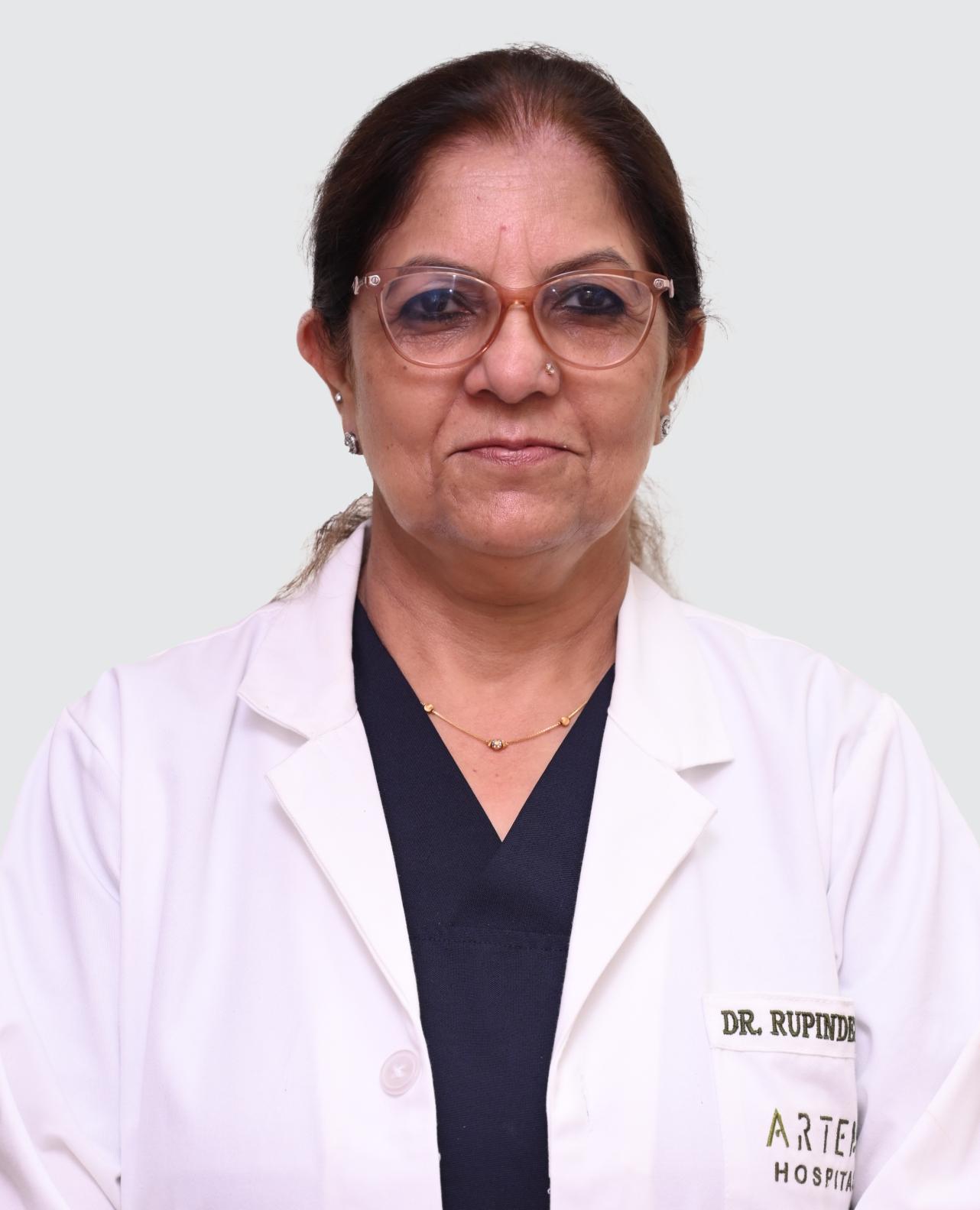
Dr. Rupinder Sekhon
Chairperson - Gynae Oncology
Gynaecological Oncology
New Delhi
16+ Years
Experience
Artemis Hospital
Hospital
1500
Fees
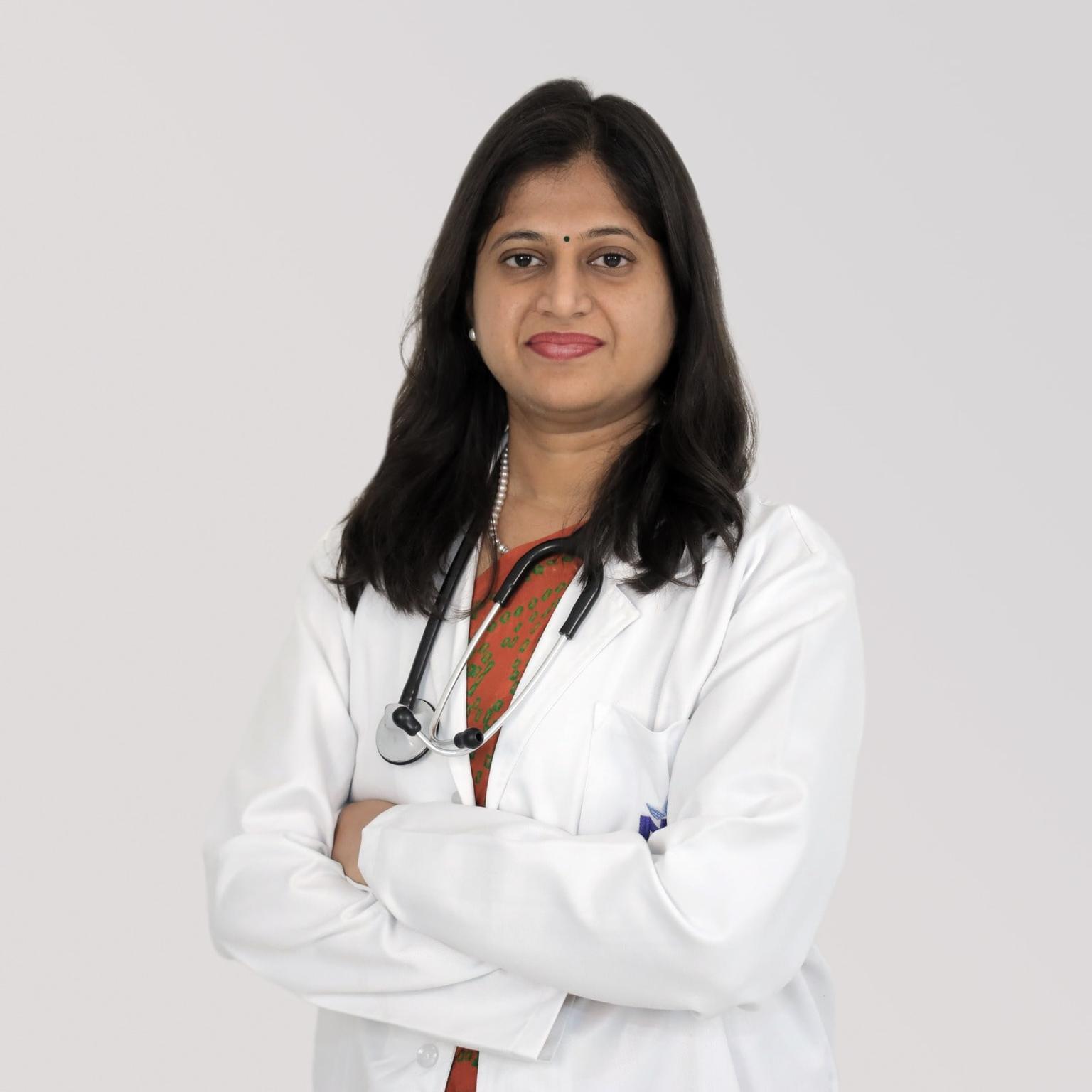
Dr Shweta Bansal
Unit Head & Sr. Consultant - Respiratory Disease & Sleep Medicine (Unit II)
Pulmonology (Chest & Lungs)
New Delhi
13+ Years
Experience
Artemis Hospital
Hospital
1500
Fees
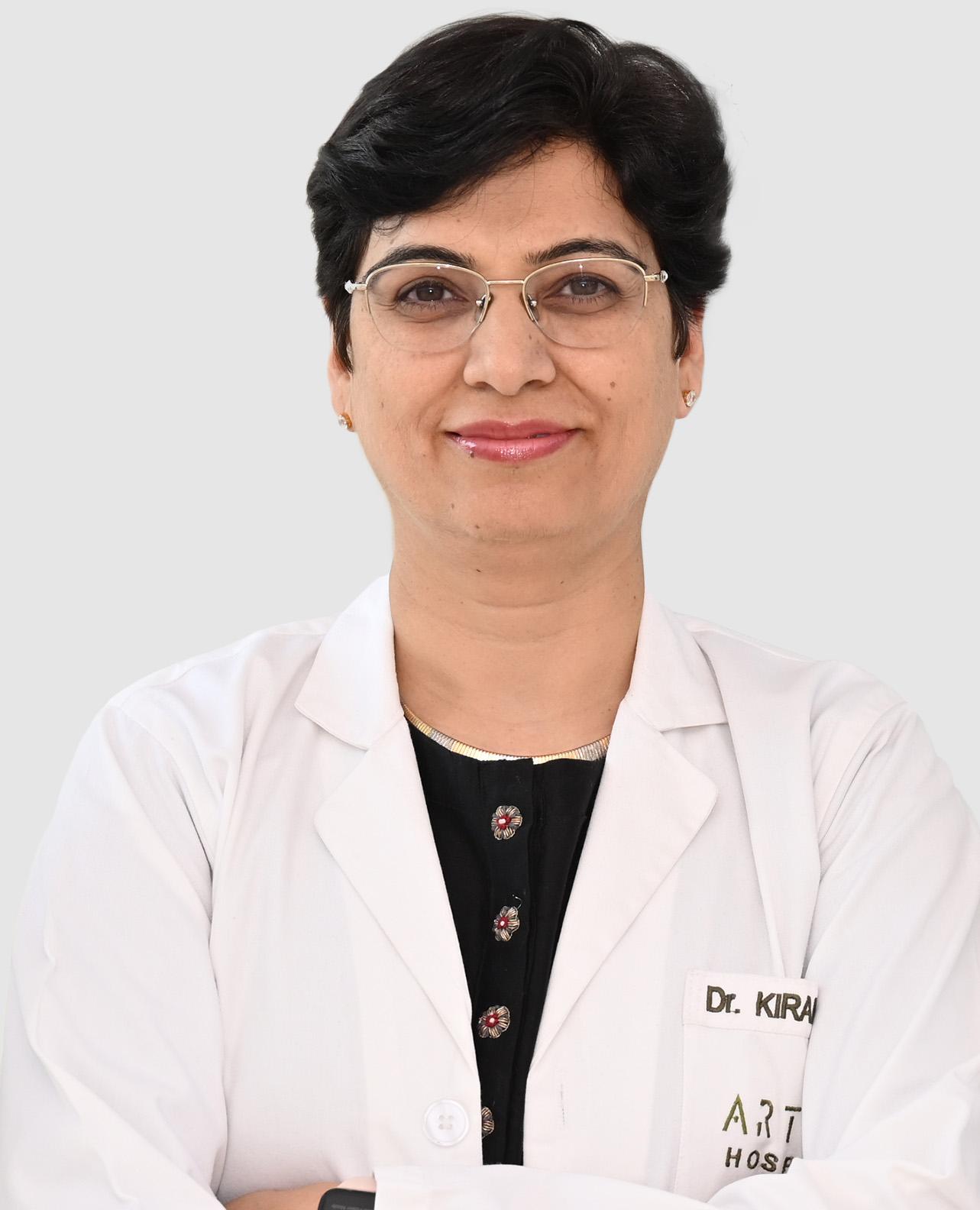
Dr. Kiran Arora
Unit Head - Reproductive Medicine (Unit II)
IVF, Reproductive Medicine, Obstetrics & Gynecology
New Delhi
20+ Years
Experience
Artemis Hospital
Hospital
1500
Fees
Nidhi Jain
Sr. Consultant - Obs & Gynae
Maternity, Obstetrics & Gynaecology
New Delhi
15+ Years
Experience
Artemis Hospital
Hospital
1500
Fees

Dr. Nidhi Rajotia
Unit Head - Obs & Gynae
Maternity, Obstetrics & Gynaecology
New Delhi
19+ Years
Experience
Artemis Hospital
Hospital
1500
Fees
Related Links
Other Treatment related Information
- Lung Transplant cost in Mumbai
- Lung Transplant cost in Bengaluru
- Lung Transplant cost in Chennai
- Lung Transplant cost in India
- Lung Transplant cost in Pune
- Lung Transplant cost in New Delhi
- Lung Transplant cost in Hyderabad
- Lung Transplant cost in Haryana
- Lung Transplant Success Rate in Pune
- Lung Transplant Success Rate in Bengaluru
- Lung Transplant Success Rate in New Delhi
- Lung Transplant Success Rate in India
- Lung Transplant Success Rate in Mumbai
- Lung Transplant Success Rate in Hyderabad
- Lung Transplant Success Rate in Haryana
- Lung Transplant Success Rate in Chennai
- Best Lung Transplant Doctors in Chennai
- Best Lung Transplant Doctors in India
- Best Lung Transplant Doctors in Hyderabad
- Best Lung Transplant Doctors in Mumbai
Ready To Start Your Healing Journey?
Get Personalized Medical Treatment Options From India's Top Hospitals. Our Medical Experts Are Ready To Assist You Every Step Of The Way.