
Orthopedics Treatment in Pune for Ethiopia
Access high-quality treatment through JCI & NABH-accredited hospitals, renowned specialists, and end-to-end medical travel support designed around your healing journey.
Plan My Journey
Tell us your condition and budget - our AI matches the right destination, hospital and doctor and visa pathway
Cost calculator
I know my treatment - show me cost from 3 hospitals
5K+ International Patients Treated
40+ Source Countries Served
500+ Accredited Partner Hospitals
98% Patient Satisfaction
80% Average Savings vs USA
10K+ Doctors
NABH, JCI Accredited Hospitals
Free Treatment Plan
Free Consultation with Doctor
5+ Destinations Covered

Written by DivinHeal Editorial Contributor, DivinHeal Medical Team, Healthcare Advisory Team Published on: February 19, 2026
About
Orthopedic Treatment in Pune for Ethiopian Patients | Cost & Hospitals
Are you an Ethiopian patient seeking clarity on orthopedic care? Dealing with joint pain or mobility issues can be challenging, especially when exploring medical options abroad. Understanding your treatment choices and the potential costs involved is a natural concern.
Many patients from Ethiopia choose Pune for its established medical infrastructure and dedicated patient support. This city offers a harmonious blend of advanced healthcare and a supportive environment for international visitors, simplifying the logistics of medical travel.
Pune's hospitals are renowned for their highly skilled orthopedic specialists and modern facilities. Patients benefit from comprehensive treatment plans and integrated recovery support, ensuring a seamless experience from initial consultation to post-operative care within the city.
Could Pune be the right choice for your orthopedic treatment journey?
What is Orthopedic Treatment?
Orthopedic treatment focuses on the musculoskeletal system, which includes bones, joints, ligaments, tendons, muscles, and nerves. Its goal is to diagnose, treat, prevent, and rehabilitate injuries and diseases that affect movement and function. This field addresses a wide range of conditions, from fractures and sprains to chronic degenerative diseases like arthritis, aiming to restore mobility and improve quality of life.
What Types of Orthopedic Treatments Are Available?
Orthopedic care encompasses various approaches, tailored to the specific condition and patient needs:
- Surgical Interventions: This includes joint replacement (knee, hip, shoulder), fracture repair, arthroscopy, spinal surgeries, and ligament reconstruction.
- Non-Surgical Treatments: Often the first line of defense, these involve medication, injections (steroids, platelet-rich plasma), casting or bracing, and physical therapy.
- Physical Therapy and Rehabilitation: Essential for restoring strength, flexibility, and function after injury or surgery, often involving exercises, massage, and specialized equipment.
- Pain Management: Techniques focused on alleviating chronic or acute pain through medication, nerve blocks, or other interventional procedures.
- Sports Medicine: Specialized care for athletes and active individuals, addressing sports-related injuries and optimizing performance.
- Regenerative Medicine: Newer therapies like stem cell injections or PRP for tissue repair and pain reduction.
When is Orthopedic Treatment Required?
- Persistent joint pain or stiffness affecting daily activities.
- Limited range of motion in a joint.
- Swelling, bruising, or deformity around a joint or bone.
- Chronic back or neck pain unresponsive to conservative treatments.
- Numbness, tingling, or weakness in limbs.
- Acute injuries such as fractures, dislocations, sprains, or ligament tears.
- Degenerative conditions like osteoarthritis or rheumatoid arthritis.
- Difficulty walking or performing weight-bearing activities.
- Loss of balance or recurrent falls due to musculoskeletal issues.
Pre-Treatment Evaluation Process
- Medical History Review: A detailed discussion about your symptoms, past injuries, medical conditions, and medications.
- Physical Examination: Assessing range of motion, strength, reflexes, and identifying tender areas.
- Imaging Tests: X-rays for bone structure, MRI for soft tissues (ligaments, tendons, cartilage), CT scans for detailed bone images, and sometimes ultrasound.
- Laboratory Tests: Blood tests to check for inflammation, infection, or specific conditions like rheumatoid arthritis.
- Nerve Studies: Electromyography (EMG) or nerve conduction studies (NCS) if nerve compression or damage is suspected.
- Diagnostic Injections: Sometimes, an injection of anesthetic into a specific area can help pinpoint the source of pain.
How Orthopedic Treatment is Performed
The precise procedure for orthopedic treatment depends entirely on the diagnosed condition, its severity, and the patient's overall health and treatment plan.
Surgical Procedures
For conditions requiring surgery, the process often involves anesthesia, an incision to access the affected area, repair or replacement of damaged tissues or bones, and then closing the incision. Common surgeries include:
- Joint Replacement: Removing damaged joint surfaces and replacing them with prosthetic components.
- Arthroscopy: Minimally invasive surgery using a small camera and instruments inserted through tiny incisions.
- Fracture Repair: Using plates, screws, rods, or pins to stabilize broken bones.
- Spinal Surgery: Procedures like discectomy, laminectomy, or spinal fusion to address back and neck issues.
Non-Surgical Methods
Many orthopedic conditions are managed without surgery. These methods might include:
- Medication: Anti-inflammatory drugs, pain relievers, or muscle relaxants.
- Injections: Corticosteroids or hyaluronic acid directly into joints for pain and lubrication.
- Physical Therapy: A structured program of exercises, stretches, and manual therapy to improve strength, flexibility, and function.
- Bracing or Casting: Immobilizing an injured area to promote healing.
Recovery Process After Orthopedic Treatment
Recovery from orthopedic treatment varies significantly based on the procedure and individual patient factors. Post-surgery, initial healing typically involves managing pain and swelling. Physical therapy is often a crucial component, beginning soon after treatment to restore strength, range of motion, and function. Patients usually follow specific restrictions regarding weight-bearing activities or movements for a prescribed period. Regular follow-up appointments with the orthopedic specialist are scheduled to monitor progress, assess healing, and adjust rehabilitation plans as needed. The full recovery timeline can range from a few weeks for minor issues to several months or even a year for major surgeries like joint replacements. Adherence to medical advice and rehabilitation protocols is key for optimal long-term outcomes.
Potential Risks and Expected Success Rates
- Infection: Any invasive procedure carries a risk of infection at the surgical site.
- Bleeding: Post-operative bleeding or hematoma formation.
- Nerve or Blood Vessel Damage: Although rare, injury to surrounding structures can occur.
- Anesthesia Complications: Risks associated with general or regional anesthesia.
- Blood Clots: Deep vein thrombosis (DVT) or pulmonary embolism (PE), especially after lower limb surgeries.
- Scarring: Formation of scar tissue which can sometimes limit movement.
- Hardware Issues: In cases of implants, there's a small risk of loosening, fracture, or wear over time.
- Persistent Pain or Stiffness: Despite successful treatment, some degree of discomfort or reduced mobility might remain.
- Delayed or Non-Union: Bones not healing properly after fracture repair.
The success rate for orthopedic treatments is generally very high, especially for common procedures like joint replacements, where patient satisfaction and functional improvement rates often exceed 90%. However, outcomes can vary based on several factors, including the specific condition being treated, the patient's age and overall health, adherence to post-treatment care and rehabilitation, and the surgeon's expertise. Long-term expectations usually involve significant pain reduction, improved mobility, and a return to most daily activities, though some limitations may persist. A thorough discussion with your specialist will provide a realistic outlook for your individual case.
Considering Orthopedic Treatment in Pune?
Connect with leading Pune orthopedic hospitals and specialists for a personalized assessment.
Cost of Orthopedic Treatment in Pune
The cost of orthopedic treatment in Pune is influenced by several key factors. These include the specific type of procedure required, the hospital chosen (e.g., multi-specialty vs. specialized clinic), the experience and fees of the consulting orthopedic specialist, the technology utilized during diagnosis and surgery, and the duration of hospital stay and rehabilitation needed. More complex surgeries involving advanced implants or prolonged recovery will naturally incur higher costs.
For general orthopedic procedures in Pune, costs can broadly range from INR 1,50,000 to INR 6,00,000, while major surgeries like joint replacements might range from INR 2,50,000 to INR 7,50,000 or more, depending on the specifics.
Pune Orthopedic Treatment Cost vs. Global Averages
Patients from Ethiopia often find Pune to be a highly cost-effective option for orthopedic care without compromising on quality. Here’s a comparative overview of orthopedic treatment costs in Pune against various global locations:
| Orthopedic Procedure (Example) | Pune (INR) | USA (USD) | UK (GBP) | Thailand (THB) |
|---|---|---|---|---|
| Knee Arthroscopy | 1,50,000 - 2,50,000 | 5,000 - 10,000 | 3,500 - 7,000 | 1,50,000 - 3,00,000 |
| Total Knee Replacement | 2,80,000 - 5,00,000 | 25,000 - 50,000 | 12,000 - 20,000 | 4,00,000 - 8,00,000 |
| Hip Replacement | 3,00,000 - 5,50,000 | 20,000 - 45,000 | 10,000 - 18,000 | 3,80,000 - 7,50,000 |
| Spinal Fusion | 4,00,000 - 7,50,000 | 30,000 - 70,000 | 15,000 - 25,000 | 5,00,000 - 10,00,000 |
Comprehensive Support for Your Medical Journey to Pune
- Treatment Plan Coordination: Assistance with obtaining expert opinions and personalized treatment plans from Pune's top orthopedic specialists.
- Visa and Travel Assistance: Guidance and support for medical visa applications and travel arrangements to ensure a smooth journey.
- Hospital and Doctor Selection: Providing detailed information on accredited hospitals and highly experienced surgeons in Pune to help you make informed decisions.
- Accommodation and Logistics: Help with arranging suitable accommodation options and local transportation during your stay.
- Language Support: Access to interpreters to facilitate clear communication between you, your medical team, and local staff.
- Post-Treatment Care: Coordination for follow-up appointments, rehabilitation services, and ongoing support after your procedure.
Essential Documents for Your Medical Visit
- Passport and Visa: Valid passport and a medical visa obtained specifically for treatment in India.
- Medical Records: All relevant past medical reports, including diagnosis, imaging scans (X-rays, MRI, CT), lab results, and previous treatment details.
- Doctor's Referral Letter: A letter from your local physician outlining your condition and need for treatment abroad.
- Financial Documents: Proof of funds to cover your treatment and stay, or a letter from your health insurance provider.
- Accommodation Details: Confirmation of your lodging arrangements in Pune.
- Emergency Contact Information: Details of a family member or friend for emergency situations.
Important Steps to Get Ready for Orthopedic Treatment
- Consultation: Engage in virtual consultations with Pune's orthopedic specialists to discuss your case and understand the proposed treatment plan.
- Medical Preparation: Follow any pre-operative instructions from your doctor, which might include dietary changes, medication adjustments, or specific exercises.
- Financial Planning: Ensure all financial arrangements for your treatment and travel are in place.
- Travel Logistics: Confirm flights, accommodation, and ground transportation in Pune well in advance.
- Personal Essentials: Pack comfortable clothing, necessary personal items, and any comfort items for your hospital stay and recovery period.
- Communication: Inform your family and local doctor about your treatment plans and travel details.
Healing and Support After Your Orthopedic Procedure
- Adherence to Instructions: Strictly follow all post-operative care instructions regarding wound care, medication, and activity restrictions.
- Physical Therapy: Actively participate in all prescribed rehabilitation exercises and sessions to regain strength and mobility.
- Follow-up Appointments: Attend all scheduled follow-up visits with your orthopedic surgeon in Pune for monitoring and assessment.
- Pain Management: Effectively manage any post-treatment pain with prescribed medications and non-pharmacological methods.
- Gradual Activity Increase: Slowly reintroduce daily activities as advised by your medical team to prevent re-injury.
- Nutritional Support: Maintain a healthy diet to support the body's healing process.
Ready for Better Mobility and Less Pain?
Enquire today to explore your orthopedic treatment options in Pune and start your journey to recovery.
Take Your Next Step Toward Improved Health
Choosing orthopedic treatment in Pune offers a path to renewed health and improved quality of life. We are here to support every aspect of your medical journey.
Hospitals
NABH & JCI Accredited Hospitals in India,Turkey, Thailand & UAE.

Artemis Hospital
Sector 51, Gurugram, Haryana, India
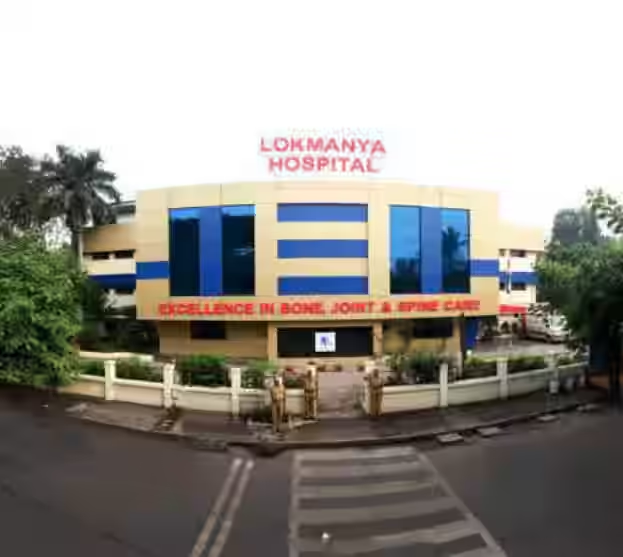
Lokmanya Hospitals
Not Specified

White Lotus Hospital
766, SFS 3145, SFS Road, 7th Sector, HSR Layout, Bengaluru, Karnataka 560102, India
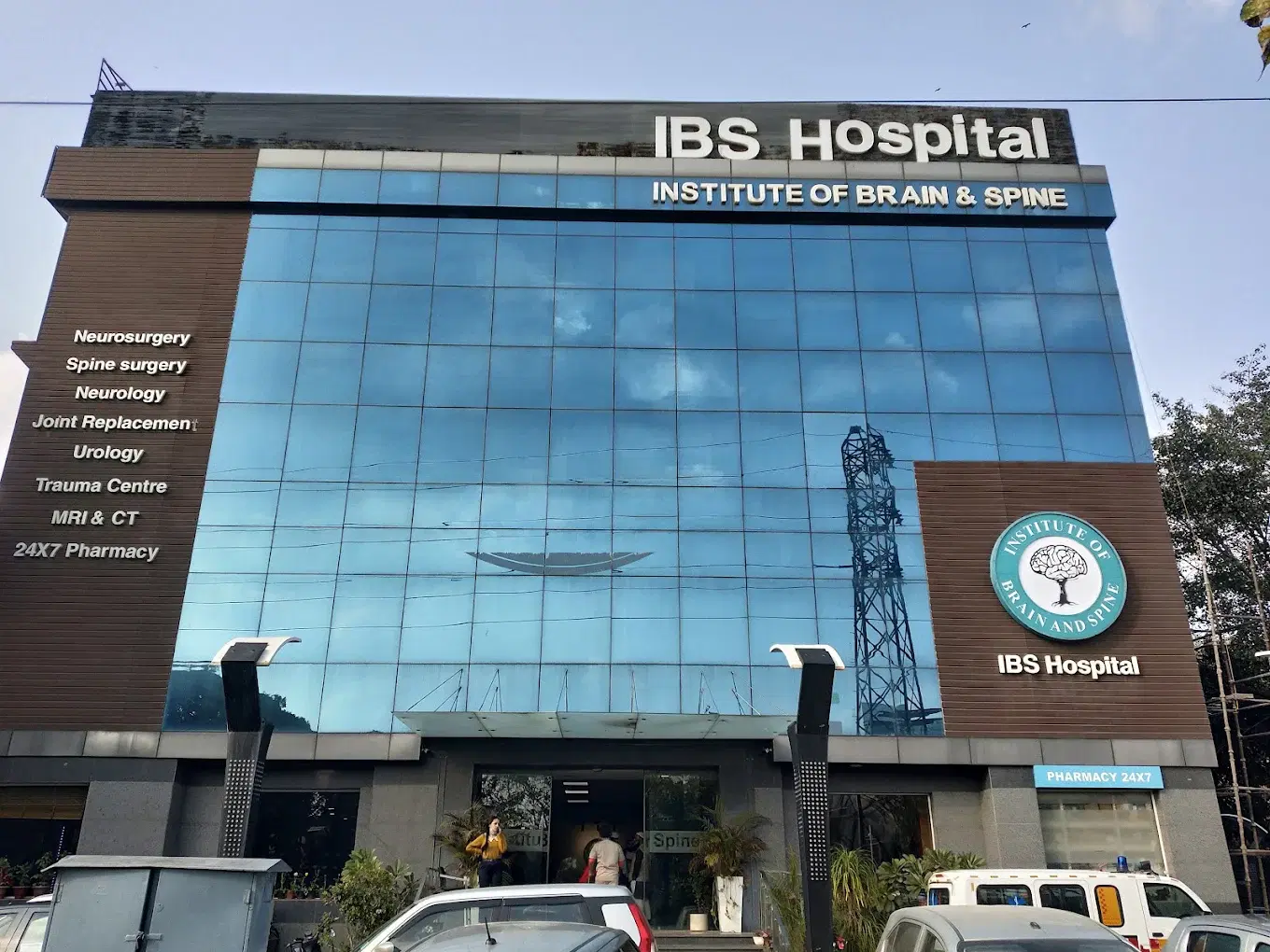
Institute of Brain and Spine (IBS Hospital)
Not Specified
Meet Our Medical Specialists




Sr. Consultant - Urology & Kidney Transplant Program (Unit I)
Dr. Abhinandan Mukhopadhyay
MBBS, MD
India

Sr. Consultant - Urology & Kidney Transplant Program (Unit I)
Dr. Abhinandan Mukhopadhyay
MBBS, MD
India
How DivinHeal Helps
We simplify your medical journey by providing comprehensive support and access to world-class healthcare.
Expert Specialist Matching
Connecting you with the world's top-rated medical experts.
Accredited Hospital Network
Access to JCI & NABH certified healthcare facilities.
Complete Travel Coordination
Hassle-free visa, stay, and local transport assistance.
24/7 Personal Care
Dedicated patient advisors supporting you at every step.
Journey Guidance
Full guidance from start to end of the patient treatment journey.
Expert Specialist Matching
Connecting you with the world's top-rated medical experts.
Everything you
need to know today
Browse through these common inquiries to better understand our patient-focused medical platform.
Yes, we work with a variety of insurance providers. Contact our team to verify your coverage.
Yes, we provide secure online consultations with experienced specialists.
Our care coordinators help match you with the most suitable specialist.
Absolutely. Your medical information is protected according to healthcare privacy standards.
Look at six things: accreditation (JCI or NABH), specialty depth, doctor credentials and experience, procedure-specific success rates, international patient support, and technology. DivinHeal's AI-driven matching evaluates every hospital in our accredited partner network on these dimensions and shortlists the best-fit options for your condition, budget, and country.
JCI (Joint Commission International) is the US-based global gold standard for hospital quality, recognised worldwide. NABH is India's national accreditation — accredited by ISQua, the same body that accredits JCI. Both signal independently verified safety and quality. Most of India's leading hospitals hold both.
Yes. All three welcome international patients through structured medical visa programs. India is the most established, treating patients from Africa, the Middle East, and South Asia at 60–80% lower cost. Thailand leads in cosmetic and dental care. The UAE is emerging in oncology and reproductive medicine.
Most patients save 50–80% on treatment costs. Heart bypass costs US $7,000–9,000 in India compared to $70,000–150,000 in the US. IVF costs $3,000–4,500 compared to $12,000–20,000 in the UK. Even after flights, visa, and accommodation, total savings remain 60–70%.
DivinHeal manages your entire non-medical journey: visa invitation letters, medical visa guidance, doctor appointments, teleconsultations, airport pickup, hospital-vetted accommodation for you and your attendant, language interpreters, local transport, cuisine preferences, and post-treatment follow-up — one dedicated coordinator from first enquiry to final follow-up.
You need a valid passport (6+ months validity), a medical visa (M-Visa for India — DivinHeal provides the hospital invitation letter), return flight tickets, recent medical reports and a doctor's referral, current prescription list, and proof of financial means. Any accompanying attendant needs their own passport and MX-Visa.
Still have more questions?
Book a call with our friendly team to learn how DivineHeal simplifies your healthcare journey.