
ovarian drilling Treatment in Bengaluru for UAE
Need Personalized Advice?
Our medical experts are ready to answer your questions and guide you through your treatment options.
About
Ovarian Drilling Treatment in Bengaluru for Patients from UAE
For many women in the UAE facing challenges like Polycystic Ovary Syndrome (PCOS) and related fertility concerns, exploring advanced treatment options is a priority. The quest for specialized care that is both effective and accessible often leads to considering medical destinations beyond local borders, seeking expertise and comprehensive solutions.
Bengaluru stands out as a preferred choice for international patients, including those from the UAE, seeking quality medical care. The city's reputation for advanced healthcare infrastructure, coupled with a well-coordinated patient care environment, makes it a compelling option. Patients often choose Bengaluru for its blend of medical innovation and patient-centric services.
Trust in Bengaluru's medical ecosystem is built upon its world-class hospitals and highly skilled specialists. The city hosts numerous accredited facilities equipped with state-of-the-art technology, ensuring precise diagnoses and effective treatments. Patients benefit from seamless care coordination, facilitating their entire medical journey from initial consultation to post-procedure follow-ups within the city.
Bengaluru offers a reliable and expert environment for specialized medical treatments.
What is Ovarian Drilling?
Ovarian drilling is a minimally invasive laparoscopic surgical procedure performed to treat Polycystic Ovary Syndrome (PCOS), especially when medication alone has not been effective in managing symptoms or restoring fertility. During the procedure, a surgeon makes tiny incisions in the abdomen to insert a laparoscope, a thin tube with a camera, and specialized instruments. Small holes are then made on the surface of the ovaries using laser or electrocautery. This process aims to reduce the production of male hormones (androgens) in the ovaries, which can improve ovulation, regulate menstrual cycles, and increase the chances of conception for women with PCOS-related infertility.
Are There Different Approaches to Ovarian Drilling?
Ovarian drilling is primarily a laparoscopic surgical procedure. While the core technique involves creating small perforations on the ovarian surface, the "approach" refers more to the method used for perforation and the overall context of its application. The most common and effective method is:
- Laparoscopic Ovarian Drilling: This is the standard approach, involving small abdominal incisions and the use of a laparoscope. Energy sources like electrocautery (most common) or laser are used to create 4-10 small holes (typically 2-4 mm deep and wide) on each ovary. The goal is to destroy hormone-producing tissue directly beneath the surface, reducing androgen levels.
- Minimally Invasive Focus: The procedure is always performed with a minimally invasive approach to reduce recovery time and scarring. Variations in technique might include the number of punctures or the energy setting used, which are tailored by the surgeon based on the individual patient's ovarian size and hormonal profile.
There are no distinct "non-surgical" or "medication" types of ovarian drilling itself, as it is inherently a surgical intervention. However, it is often considered after other treatments like lifestyle changes and fertility medications have not yielded desired results.
When is Ovarian Drilling Recommended?
- When a diagnosis of Polycystic Ovary Syndrome (PCOS) is confirmed and fertility is a primary concern.
- If ovulation induction medications, such as clomiphene citrate, have failed to stimulate ovulation successfully (clomiphene resistance).
- In cases of persistent anovulation or irregular menstrual cycles due to PCOS.
- When patients prefer a surgical approach over prolonged courses of medication.
- To help restore hormonal balance and reduce elevated androgen levels.
What Pre-Treatment Evaluation is Needed?
- Comprehensive medical history review, including menstrual cycle patterns, fertility history, and previous treatments for PCOS.
- Physical examination to assess general health and relevant clinical signs of PCOS.
- Hormonal blood tests to measure levels of testosterone, LH, FSH, prolactin, and thyroid hormones.
- Glucose tolerance test to check for insulin resistance often associated with PCOS.
- Transvaginal ultrasound to visualize ovarian morphology, count antral follicles, and confirm polycystic ovaries.
- Semen analysis for the male partner if infertility is a joint concern.
- General pre-operative blood tests such as complete blood count, kidney and liver function tests, and coagulation profile.
- Consultation with the gynecologist and anesthesiologist to discuss the procedure and address any concerns.
How is Ovarian Drilling Performed?
The ovarian drilling procedure is typically performed under general anesthesia, and its specifics are tailored to each patient's condition and treatment plan.
Pre-Procedure
Before the surgery, the patient undergoes routine pre-operative checks. General anesthesia is administered to ensure comfort and pain-free experience throughout the procedure. The surgical area is sterilized.
The Procedure
The surgeon makes a small incision, usually near the navel, through which a laparoscope (a thin, lighted tube with a camera) is inserted. This allows for a clear view of the pelvic organs on a monitor. One or two additional small incisions may be made in the lower abdomen to introduce surgical instruments. The ovaries are carefully examined. Using an electrocautery needle or laser, the surgeon makes several small holes (typically 4-10) on the surface of each ovary. These punctures destroy the androgen-producing tissue, aiming to restore normal ovarian function. Once the drilling is complete, the instruments are removed, and the small incisions are closed with sutures or surgical tape.
Post-Procedure
After the surgery, the patient is monitored in a recovery room as the anesthesia wears off. Most patients can return home on the same day or the following day, depending on their recovery progress and the surgeon's recommendation.
What Does the Recovery Process Involve?
Recovery from ovarian drilling is generally swift due to its minimally invasive nature. Most patients can expect mild discomfort, bloating, or shoulder pain for a few days, which can be managed with prescribed pain medication. It is advisable to rest for 1-2 days post-procedure and avoid strenuous activities for about a week. Gentle walking is encouraged to aid circulation. Follow-up appointments are crucial to monitor healing, assess hormonal changes, and track ovulation. Your specialist will provide specific guidance on resuming normal activities, dietary recommendations, and when to expect changes in your menstrual cycle or fertility. Full recovery and the realization of benefits, such as regular ovulation, can take several weeks or months.
What are the Risks and Success Rates of Ovarian Drilling?
- General surgical risks include bleeding, infection at the incision sites, or adverse reactions to anesthesia.
- Potential for injury to nearby organs such as the bowel or bladder during the laparoscopic procedure.
- Risk of adhesions (scar tissue formation) inside the abdomen, which could potentially affect future fertility, though this is rare with current techniques.
- Possibility of diminishing ovarian reserve if too much ovarian tissue is damaged, though careful technique minimizes this risk.
- The procedure may not always be successful in restoring ovulation or achieving pregnancy for all patients.
The success rates of ovarian drilling for inducing ovulation range from 60% to 80%, with pregnancy rates varying between 30% and 50% within a year following the procedure. These outcomes depend on several factors, including the patient's age, overall health, BMI, duration of infertility, and the presence of other infertility factors. The procedure is often most effective for women who are resistant to clomiphene. Long-term expectations typically involve improved menstrual regularity and a higher chance of natural conception or enhanced response to further fertility treatments.
Ready to explore ovarian drilling options? Consult with Bengaluru's leading fertility specialists today.
What is the Cost of Ovarian Drilling in Bengaluru?
The cost of ovarian drilling in Bengaluru is influenced by several factors. These include the choice of hospital (multi-specialty vs. specialized fertility clinic), the experience and fees of the consulting specialist, the specific laparoscopic technology used, the duration of hospital stay, and any additional pre-operative tests or post-operative medications.
In Bengaluru, the estimated cost for ovarian drilling typically ranges from INR 90,000 to INR 2,20,000.
Cost Comparison for Ovarian Drilling in Bengaluru
Bengaluru offers a significant cost advantage for ovarian drilling while maintaining high standards of medical care. Below is a comparison of typical costs for ovarian drilling in Bengaluru versus other major medical destinations globally.
| Location | Estimated Cost (USD) |
|---|---|
| Bengaluru, India | $1,100 - $2,700 |
| United States | $8,000 - $15,000 |
| United Kingdom | $7,000 - $12,000 |
| Australia | $6,000 - $10,000 |
| Singapore | $5,000 - $8,500 |
Comprehensive Support for Your Treatment Journey
- Assistance with medical visa application and documentation for international patients.
- Coordination for accommodation options, from budget-friendly stays to luxury hotels, near the hospital.
- Arrangement of local transportation, including airport transfers and commutes to medical appointments.
- Provision of language interpreters to ensure clear communication between patients and medical staff.
- Scheduled appointments with leading gynecologists and fertility specialists in Bengaluru.
- Guidance on local amenities, cultural aspects, and recreational activities for accompanying family members.
Essential Documents for Your Medical Visit to Bengaluru
- A valid passport with sufficient remaining validity for the duration of your stay.
- A valid medical visa for India, obtained from the Indian embassy or consulate in your home country.
- Detailed medical reports, including diagnostic scans, blood test results, and previous treatment records related to PCOS.
- A referral letter or recommendation from your local doctor, if available.
- Proof of financial capability to cover treatment costs and living expenses during your stay.
- Any previous consultation notes or prescriptions relevant to your condition.
Preparing for Your Ovarian Drilling Procedure
- Undergo all recommended pre-operative medical tests and evaluations as instructed by your Bengaluru specialist.
- Discuss all current medications, supplements, and herbal remedies with your doctor, as some may need to be stopped before surgery.
- Follow any specific dietary restrictions or fasting instructions provided by your medical team prior to the procedure.
- Make necessary travel arrangements and ensure your accommodation is secured for your medical visit.
- Attend pre-surgical consultations to understand the procedure, potential risks, and recovery expectations thoroughly.
- Arrange for a companion or family member to accompany you, especially for assistance during the initial recovery phase.
Post-Treatment Care and Follow-up After Ovarian Drilling
- Adhere strictly to all discharge instructions regarding wound care, activity limitations, and medication schedules.
- Take prescribed pain relievers and antibiotics as directed to manage discomfort and prevent infection.
- Attend all scheduled follow-up appointments with your gynecologist in Bengaluru to monitor your recovery and assess treatment effectiveness.
- Avoid strenuous physical activity, heavy lifting, and sexual intercourse for the period advised by your surgeon.
- Monitor for any signs of complications such as fever, severe pain, excessive bleeding, or redness at the incision sites.
- Discuss expected changes in menstrual cycles and potential fertility window with your specialist for personalized guidance.
Ready to Discuss Your Treatment Options?
Considering ovarian drilling in Bengaluru is a significant step towards managing PCOS and enhancing fertility. Our team is here to provide all necessary information and support for your journey.
Connect with our patient care team today to begin your consultation process and receive a personalized treatment plan.
Hospitals Offering this treatment
India offers premium medical procedures at affordable prices. Discover our most popular treatments, delivered by the country's finest doctors.
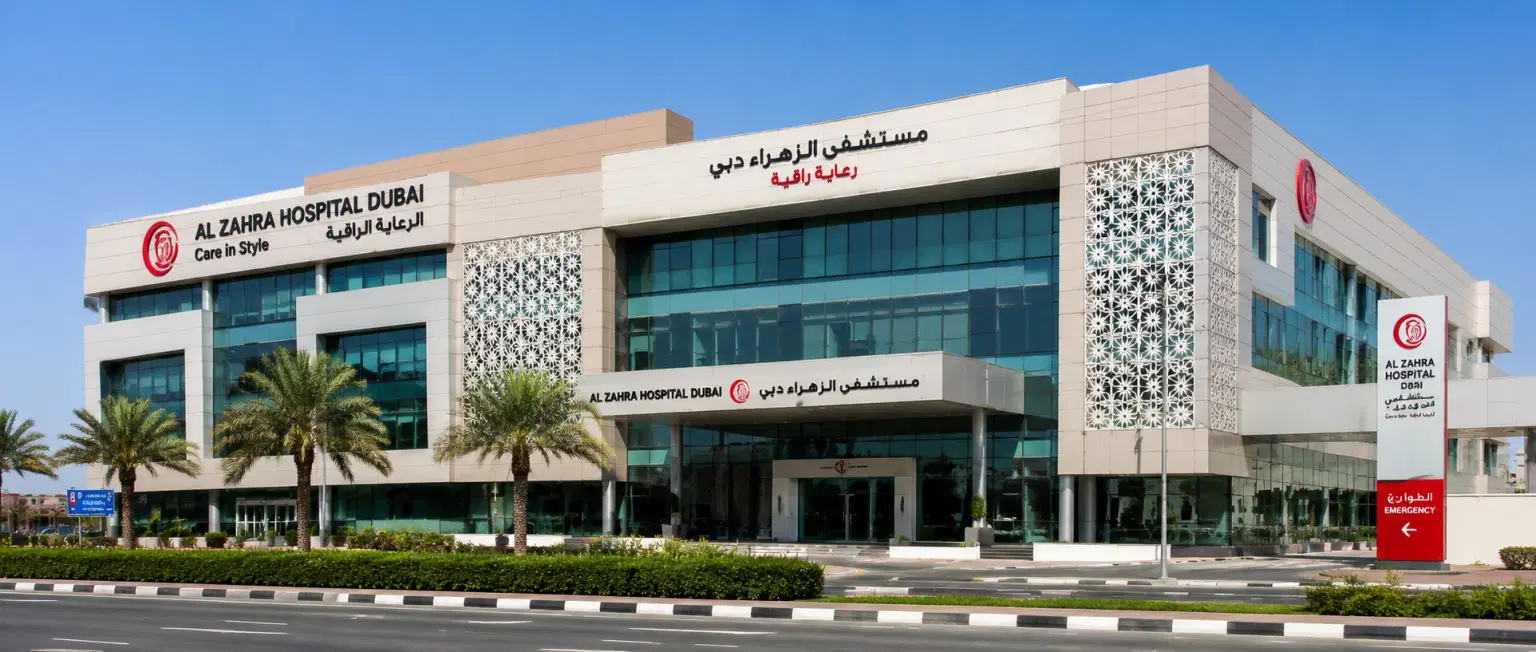
Al Zahra Hospital, Dubai
Sheikh Zayed Road, Al Barsha 1, Dubai, UAE
Al Zahra Hospital, Dubai

Burjeel Medical City, Abu Dhabi
28th Street, Mohammed Bin Zayed City, Abu Dhabi, UAE
Burjeel Medical City, Abu Dhabi
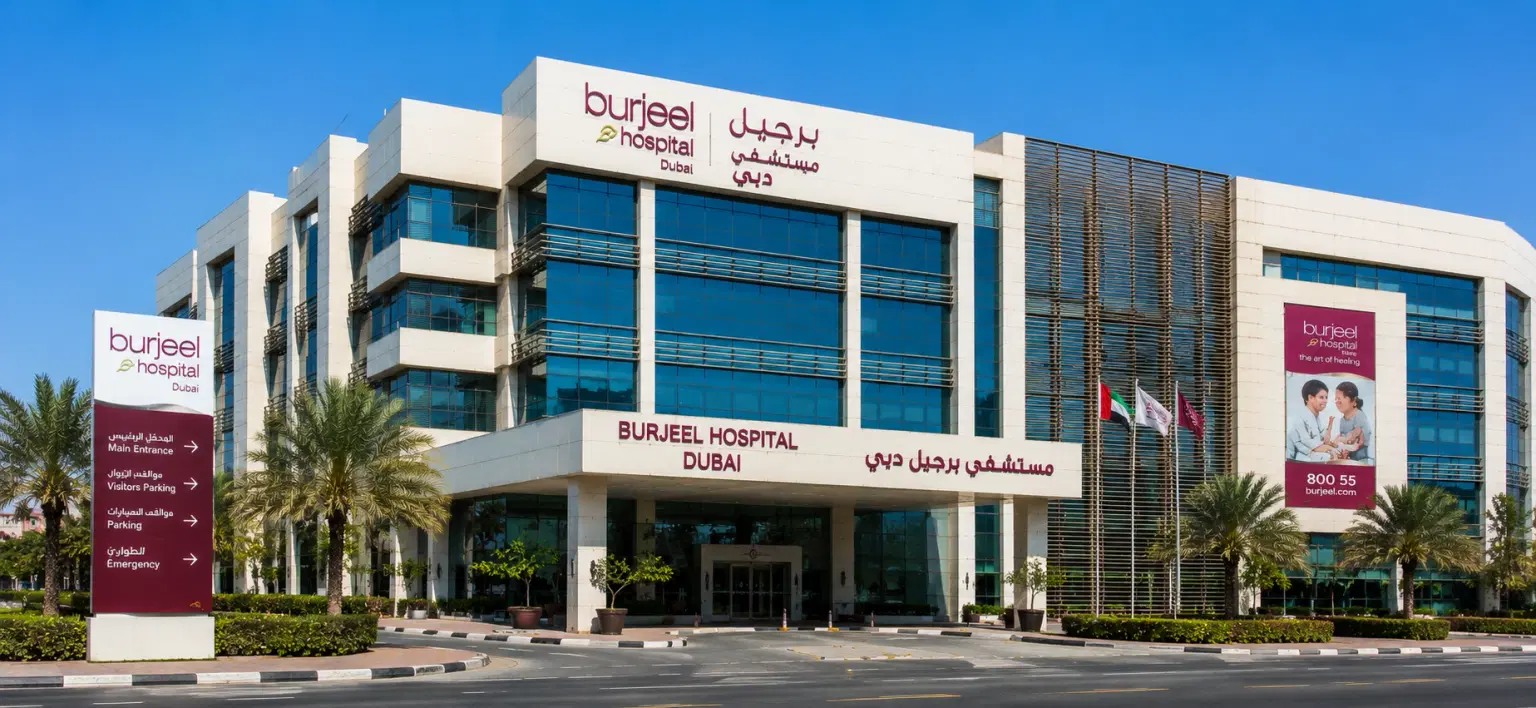
Burjeel Hospital, Dubai
Dubai, UAE (part of Burjeel Holdings network)
Burjeel Hospital, Dubai
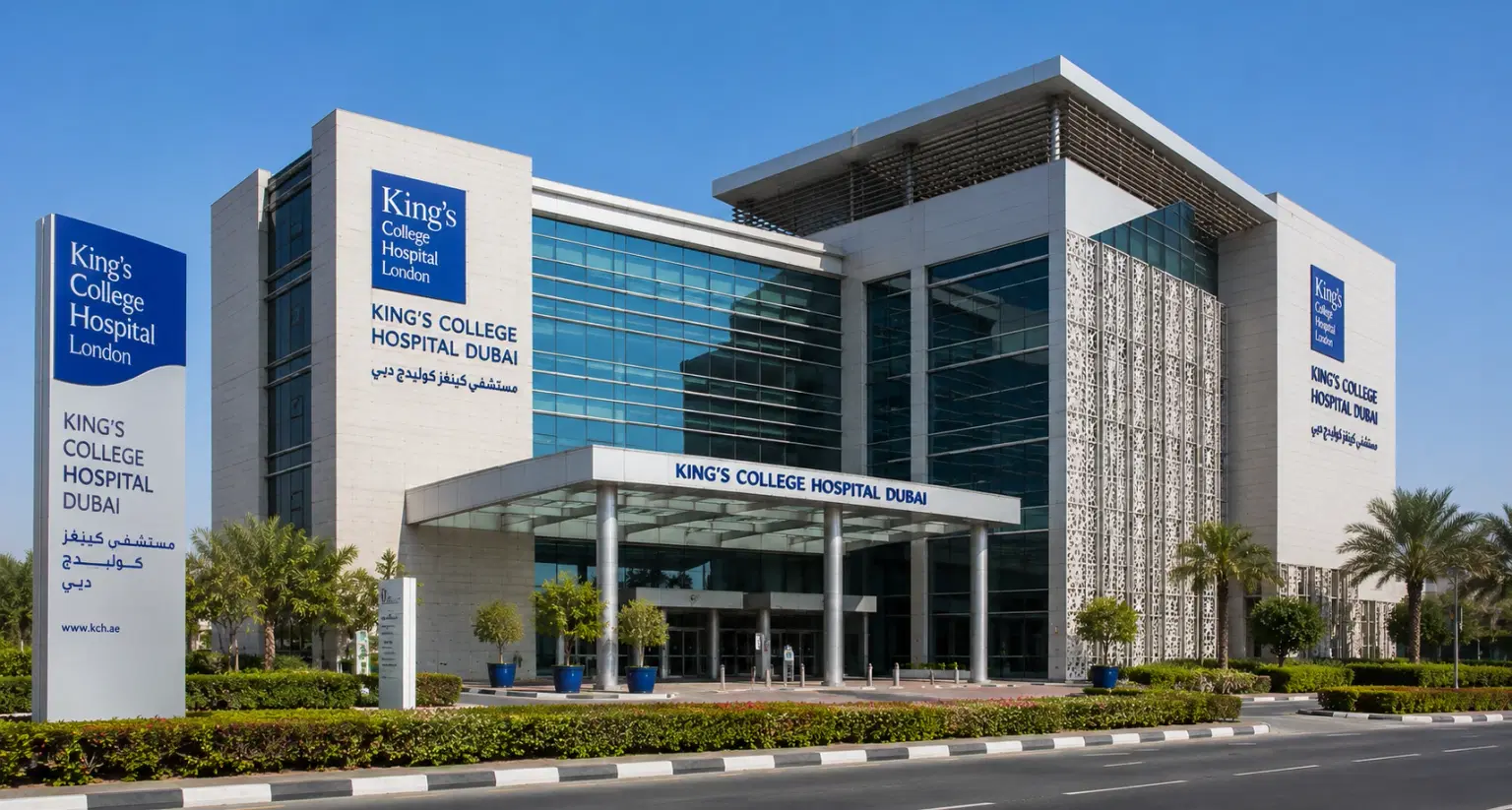
King's College Hospital, Dubai
Dubai Hills, Mohammed Bin Rashid City, Dubai, UAE
King's College Hospital, Dubai
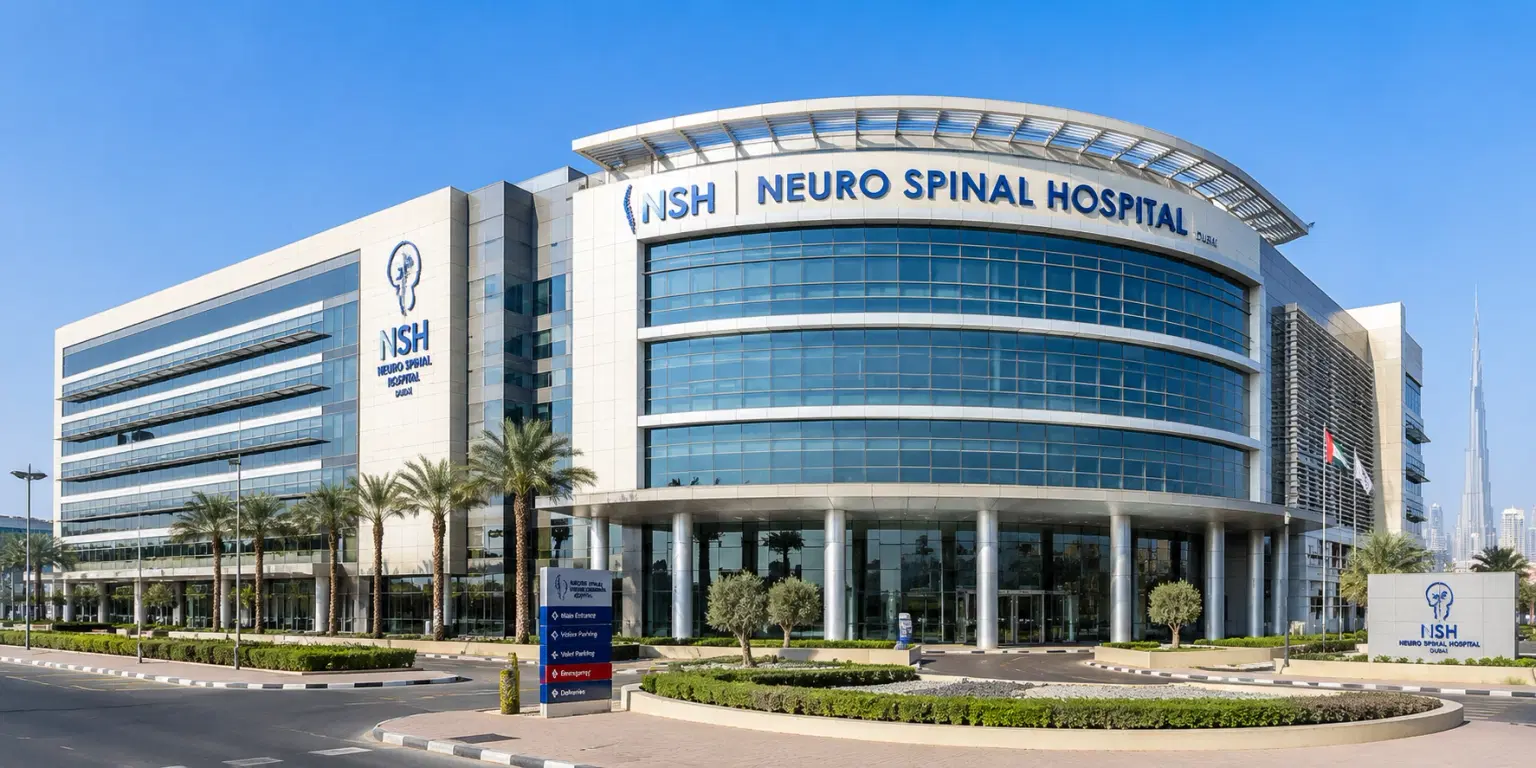
Neuro Spinal Hospital (NSH), Dubai
Dubai Science Park, Umm Suqeim St, Al Barsha South, Dubai, UAE
Neuro Spinal Hospital (NSH), Dubai
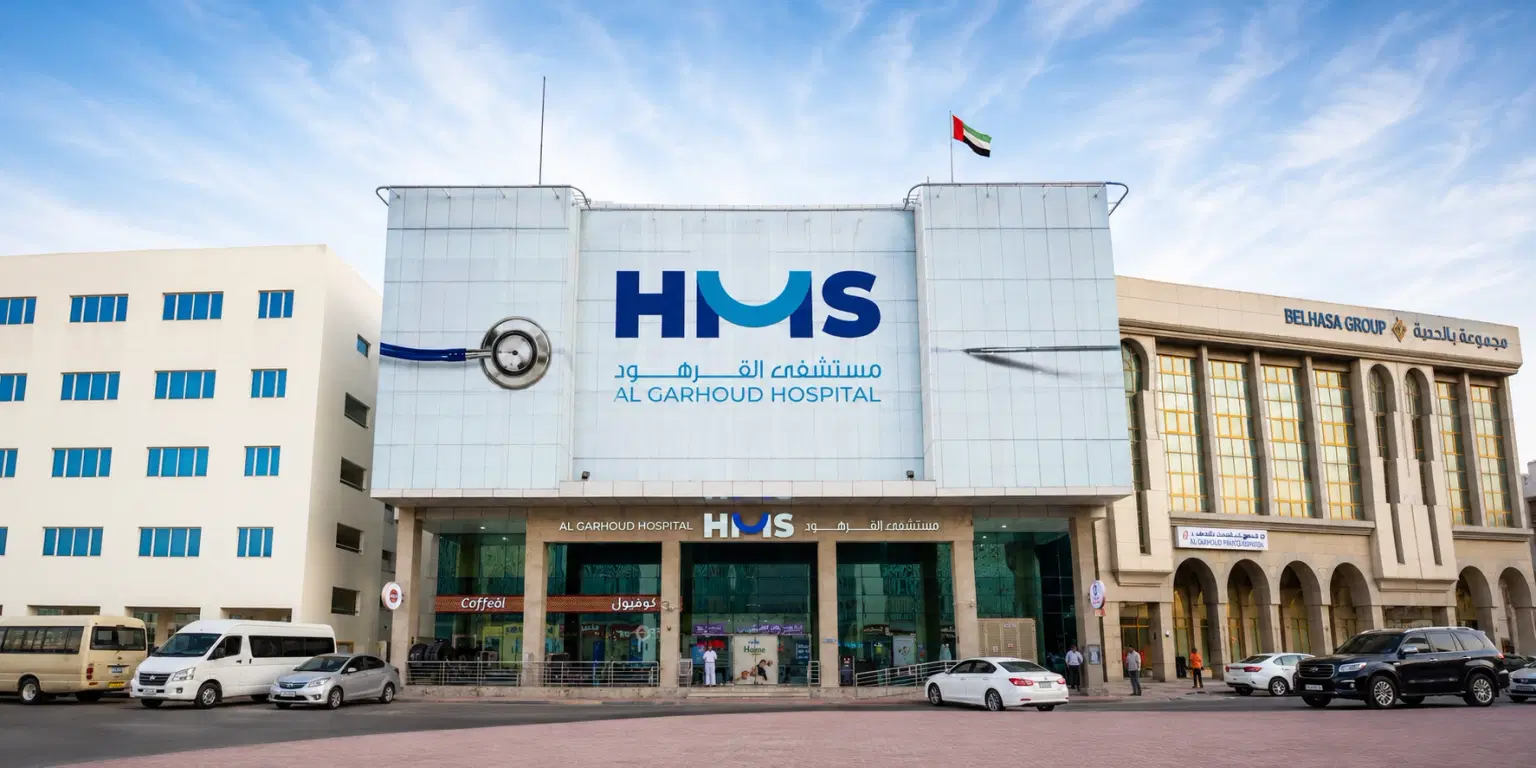
HMS Al Garhoud Hospital, Dubai
Al Garhoud Street, Al Garhoud, Dubai, UAE
HMS Al Garhoud Hospital, Dubai
Meet Our Doctors
Meet our team of highly qualified and experienced medical professionals dedicated to providing the best healthcare services.
Related Links
Other Treatment related Information
- ovarian drilling cost in Bengaluru
- ovarian drilling cost in Hyderabad
- ovarian drilling cost in Pune
- ovarian drilling cost in Mumbai
- ovarian drilling cost in Haryana
- ovarian drilling cost in Chennai
- ovarian drilling cost in New Delhi
- ovarian drilling cost in India
- ovarian drilling Success Rate in Bengaluru
- ovarian drilling Success Rate in Hyderabad
- ovarian drilling Success Rate in Haryana
- ovarian drilling Success Rate in New Delhi
- ovarian drilling Success Rate in Chennai
- ovarian drilling Success Rate in Mumbai
- ovarian drilling Success Rate in Pune
- ovarian drilling Success Rate in India
- Best ovarian drilling Doctors in New Delhi
- Best ovarian drilling Doctors in Bengaluru
- Best ovarian drilling Doctors in Mumbai
- Best ovarian drilling Doctors in Pune
Ready To Start Your Healing Journey?
Get Personalized Medical Treatment Options From India's Top Hospitals. Our Medical Experts Are Ready To Assist You Every Step Of The Way.