Pediatric Epilepsy Surgery Treatment in Gurugram for Bangladesh
Need Personalized Advice?
Our medical experts are ready to answer your questions and guide you through your treatment options.
About
Pediatric Epilepsy Surgery in Gurugram for Patients from Bangladesh
Families in Bangladesh facing pediatric epilepsy often grapple with complex decisions about their child's care. The challenge of finding specialized surgical options and managing the condition effectively can be overwhelming, leading to uncertainty about the best path forward for their child.
Many families explore options beyond their borders to access advanced medical treatments. Gurugram stands out as a preferred destination due to its modern healthcare infrastructure, experienced pediatric neurosurgeons, and comprehensive support systems tailored for international patients.
Gurugram's leading hospitals offer a trusted environment for complex procedures like pediatric epilepsy surgery. They feature dedicated teams of specialists and cutting-edge technology. The city also ensures seamless follow-up care, crucial for a child's long-term recovery journey.
Gurugram provides a robust medical ecosystem for specialized pediatric epilepsy surgery with comprehensive patient support.
What is Pediatric Epilepsy Surgery?
Pediatric epilepsy surgery is a specialized neurosurgical procedure performed on children to control or significantly reduce seizures when medication alone is not effective. The primary goal is to identify and then remove or modify the specific part of the brain responsible for generating the seizures. This intervention can profoundly improve a child's quality of life, support cognitive development, and enhance overall well-being by reducing the frequency and severity of seizures, or in some cases, achieving complete seizure freedom. It is a highly complex procedure that demands expert evaluation, precise planning, and skilled execution by a multidisciplinary team.
What Are the Types of Pediatric Epilepsy Surgery?
Various surgical approaches are employed, tailored to the child's specific condition, the nature of their epilepsy, and the precise location of the seizure origin:
- Resective Surgery: This involves carefully removing the specific brain area identified as the source of seizures. Examples include temporal lobe resection for temporal lobe epilepsy or lesionectomy for focal cortical dysplasias.
- Hemispherectomy: A more extensive procedure where a large portion or an entire hemisphere of the brain is disconnected or removed. This is typically reserved for severe, intractable epilepsy affecting predominantly one side of the brain, often seen in conditions like Rasmussen's encephalitis.
- Corpus Callosotomy: This surgery involves disconnecting the corpus callosum, the band of nerve fibers connecting the two hemispheres of the brain. Its purpose is to prevent seizures from spreading from one side to the other, commonly used for severe atonic (drop) seizures.
- Multiple Subpial Transections (MST): In cases where the seizure focus cannot be safely removed without impacting vital brain functions, MST involves making a series of shallow, parallel cuts in the brain's surface to interrupt seizure pathways while preserving cortical function.
- Vagus Nerve Stimulation (VNS): A palliative treatment rather than curative. It involves implanting a small device that sends regular electrical impulses to the vagus nerve in the neck, helping to reduce seizure frequency and severity.
- Responsive Neurostimulation (RNS): This advanced therapy involves implanting a device that continuously monitors brain activity. When it detects abnormal electrical patterns indicative of an impending seizure, it delivers targeted electrical stimulation to prevent or disrupt the seizure.
When is Pediatric Epilepsy Surgery Recommended?
- When a child's seizures are not adequately controlled despite trials of two or more appropriate anti-seizure medications, classifying it as drug-resistant epilepsy.
- If the ongoing seizures significantly impede the child's neurological development, learning abilities, or overall quality of life.
- When comprehensive diagnostic tests, such as high-resolution MRI and Video-EEG, clearly pinpoint a localized area in the brain as the origin of the seizures.
- In situations where the identified seizure focus is situated in a region of the brain that can be safely removed or modified without causing significant or unacceptable neurological deficits.
- For specific epilepsy syndromes that are known to have favorable outcomes with surgical intervention.
- To prevent potential further neurological damage or cognitive decline that can result from frequent or severe uncontrolled seizures.
What Evaluation is Needed Before Pediatric Epilepsy Surgery?
- Detailed Medical History and Neurological Examination: A comprehensive review of the child's medical background, seizure history, and a thorough neurological assessment.
- High-Resolution Brain MRI: Specialized magnetic resonance imaging to identify subtle structural abnormalities or lesions in the brain that might be causing seizures.
- Video-EEG Monitoring: Continuous electroencephalography (EEG) recording combined with video surveillance to capture seizures, accurately localize the seizure onset zone, and classify seizure types.
- PET Scan (Positron Emission Tomography) or SPECT Scan (Single-Photon Emission Computed Tomography): These imaging techniques help identify areas of abnormal brain metabolism or blood flow that may correlate with seizure activity.
- MEG (Magnetoencephalography): A non-invasive test that precisely maps brain activity by detecting magnetic fields produced by electrical currents, offering fine spatial resolution for pinpointing seizure sources.
- Neuropsychological Evaluation: A comprehensive assessment of cognitive functions, including memory, attention, language, and executive functions, crucial for surgical planning and predicting potential post-operative changes.
- Wada Test (Intracarotid Amobarbital Test): In select cases, this test helps determine which brain hemisphere is dominant for language and memory functions, aiding in surgical risk assessment.
- Multidisciplinary Consultations: Extensive discussions with a team of specialists including pediatric neurologists, neurosurgeons, neuropsychologists, neuroradiologists, and child life specialists.
How is Pediatric Epilepsy Surgery Performed?
The specific surgical procedure for pediatric epilepsy depends significantly on the child's individual condition, the identified type of epilepsy, and the precise location of the seizure focus determined during the extensive pre-surgical evaluation phase.
Surgical Process
Once the specialized surgical plan is meticulously finalized, the procedure typically involves several critical stages:
- Anesthesia Administration: The child receives general anesthesia to ensure they are completely unconscious, pain-free, and comfortable throughout the entire surgical duration.
- Craniotomy: A carefully planned portion of the skull bone is temporarily removed by the neurosurgeon to gain access and expose the underlying brain tissue.
- Brain Mapping (if indicated): Intraoperative brain mapping techniques may be employed to precisely delineate the seizure-generating area and, crucially, to safeguard eloquent brain regions responsible for vital functions like language, motor control, and sensation.
- Resection or Disconnection: The neurosurgeon then performs the designated procedure. This could involve removing the epileptogenic brain tissue (resective surgery), disconnecting critical seizure pathways (as in corpus callosotomy), or implanting devices for neuromodulation.
- Closure: Following the successful completion of the procedure, the bone flap is carefully replaced and secured, and the scalp is meticulously closed with sutures or surgical staples.
Rigorous post-operative care is paramount and includes intensive monitoring in a specialized unit before the child transitions to a regular ward for continued recovery.
Considering Pediatric Epilepsy Surgery for Your Child?
Connect with leading pediatric neurosurgery specialists in Gurugram to explore tailored treatment options and receive a comprehensive medical opinion.
Submit your child's medical reports for a personalized assessment.
What is the Recovery Process After Pediatric Epilepsy Surgery?
Recovery following pediatric epilepsy surgery is a highly individualized process, typically spanning several weeks to several months. Immediately after the operation, the child will receive intensive monitoring in a specialized intensive care unit (ICU) for a few days before being transferred to a standard hospital ward. Key aspects of post-operative care include vigilant pain management, meticulous wound care to prevent infection, and continuous neurological assessments. Children may experience varying degrees of fatigue, headaches, nausea, or temporary neurological deficits such as mild weakness or speech difficulties. Rehabilitation, often encompassing physical therapy, occupational therapy, and speech therapy, is frequently vital to help the child regain lost functions, adapt to any changes, and optimize their development. Regular follow-up appointments with the neurosurgeon and pediatric neurologist are essential for monitoring progress, adjusting anti-seizure medications, and assessing long-term seizure control and overall well-being. A full and sustainable recovery often involves ongoing therapy and robust family support for optimal developmental outcomes.
What Are the Risks and Success Rates of Pediatric Epilepsy Surgery?
- Risk of infection at the surgical site or within the brain.
- Potential for bleeding within the brain (hemorrhage).
- Possibility of stroke due to blood clot formation or damage to blood vessels.
- Temporary or, rarely, permanent neurological deficits, such as weakness on one side, changes in sensation, or speech impairments.
- Cognitive changes, including difficulties with memory, learning, or attention, which may resolve over time or persist.
- Accumulation of cerebrospinal fluid in the brain (hydrocephalus), potentially requiring a shunt placement.
- Complications related to general anesthesia.
- The chance that seizures may continue, or that new types of seizures may emerge, despite the surgery.
- Temporary or persistent mood changes or behavioral issues.
The success rate of pediatric epilepsy surgery in achieving seizure freedom or a significant reduction in seizure frequency varies, largely depending on the type of epilepsy, the child's age, the specific surgical procedure performed, and the precision with which the seizure focus was identified and targeted. Generally, studies indicate that 50-70% of children experience a significant reduction in seizures or achieve complete seizure freedom, particularly in cases of well-localized focal cortical dysplasia or temporal lobe epilepsy. For others, even if complete freedom is not achieved, the frequency and severity of seizures are dramatically reduced, leading to a markedly improved quality of life and potentially allowing for a reduction in anti-seizure medication dosages. Long-term follow-up is crucial to monitor the sustained nature of these outcomes and to address any new developmental or medical challenges that may arise.
What is the Cost of Pediatric Epilepsy Surgery in Gurugram?
The cost of pediatric epilepsy surgery in Gurugram is influenced by several critical factors. These include the specific type and complexity of the surgical procedure required, the severity and unique characteristics of the child's condition, the choice of hospital facility and its infrastructure, the experience and expertise of the surgical team, the duration of the hospital stay, and the extent of pre-operative diagnostic tests and necessary post-operative rehabilitation. The adoption of advanced medical technology and equipment during the surgery also contributes to the overall expenditure.
In Gurugram, the estimated cost for Pediatric Epilepsy Surgery can range from approximately INR 4,00,000 to INR 12,00,000, depending on the factors mentioned previously and the individualized treatment plan.
Pediatric Epilepsy Surgery Cost: Gurugram vs. International
Gurugram offers a compelling value proposition for pediatric epilepsy surgery when compared to global medical hubs, providing world-class care at a significantly lower cost without compromising on quality or outcomes.
| Location | Estimated Cost (USD) |
|---|---|
| Gurugram, India | $5,000 - $15,000 |
| United States | $40,000 - $80,000 |
| United Kingdom | $35,000 - $70,000 |
| Singapore | $25,000 - $50,000 |
| Thailand | $18,000 - $35,000 |
Ready to Discuss Treatment Costs and Options?
Receive a transparent cost estimate for pediatric epilepsy surgery in Gurugram. Our team can help you understand all inclusions and prepare for your medical journey.
Reach out for a detailed cost breakdown.
Comprehensive Support for Your Child's Treatment Journey
- Appointment Scheduling: Dedicated assistance in coordinating initial consultations and follow-up appointments with Gurugram's top pediatric neurologists and neurosurgeons.
- Medical Visa Assistance: Expert guidance and support through the entire process of obtaining necessary medical visas for the child and accompanying family members.
- Travel and Accommodation Arrangements: Comprehensive help with booking flights, organizing local transportation within Gurugram, and finding suitable lodging options conveniently located near the chosen hospital.
- Professional Language Interpretation: Access to skilled interpreters to ensure clear, precise, and empathetic communication between the medical team and international families throughout the treatment process.
- Transparent Financial Guidance: Provision of clear, upfront cost estimates and dedicated support with all payment procedures, offering full transparency.
- Post-Treatment Care Coordination: Facilitation of necessary post-operative care, rehabilitation services, and follow-up plans to ensure a smooth recovery and continued support.
Essential Documents Needed for Pediatric Epilepsy Surgery in Gurugram
- Valid passport and a valid medical visa for the child undergoing treatment and all accompanying adult guardians.
- All pertinent medical reports, including detailed diagnostic test results (such as previous MRI scans, EEG reports, PET scans, etc.) and a complete history of prior treatments.
- A formal referral letter from the child's treating primary care physician or consulting neurologist from their home country.
- Official proof of relationship for all guardians or parents accompanying the child for medical purposes.
- Relevant and up-to-date vaccination records of the child.
- Financial guarantee letters or adequate proof of funds to cover the estimated medical expenses and travel-related costs.
Preparing Your Child for Pediatric Epilepsy Surgery
- Thorough Medical Review: Upon arrival in Gurugram, all existing medical records will undergo a detailed and comprehensive review by the specialized medical team.
- Pre-Anesthetic Check-up: The child will be thoroughly evaluated by an experienced anesthesiologist to ensure suitability for general anesthesia and to finalize the anesthetic plan.
- Specific Dietary and Medication Instructions: Clear and precise guidelines will be provided regarding fasting requirements and any adjustments to regular medication intake prior to the surgical procedure.
- Psychological Support: Opportunities for the child to interact with child life specialists to help them understand the process in an age-appropriate manner and alleviate any anxieties.
- Family Counseling and Education: Structured discussions and counseling sessions for parents to fully comprehend the surgical procedure, potential outcomes, and the critical recovery phase.
Post-Operative Care and Continued Support After Surgery
- Hospital Stay Duration: Expect a stay of several days in the hospital for close monitoring and to manage the initial phase of recovery following the surgery.
- Medication Regimen Management: Clear and detailed instructions will be provided regarding the continuation of anti-seizure medications, pain relief, and any other necessary pharmacological support.
- Surgical Wound Care: Comprehensive instructions will be given for proper care of the surgical incision site to ensure cleanliness, prevent infection, and promote optimal healing.
- Activity Limitations: Advice on restricting certain physical activities and measures to avoid any trauma or impact to the head during the crucial initial recovery period.
- Personalized Rehabilitation Plan: A tailored program of physical therapy, occupational therapy, and speech therapy will be initiated as needed to support neurological recovery and functional improvement.
- Scheduled Follow-up Appointments: Regular visits with the neurosurgeon and neurologist will be scheduled to closely track the child's progress, assess seizure control, and adjust the care plan as required.
- Return Travel Planning: Assistance and guidance for arranging safe and comfortable travel back home, taking into careful consideration the child's current recovery status and specific medical needs.
Taking the Next Step Towards a Seizure-Free Future
Considering pediatric epilepsy surgery for your child is a profound and significant decision. Gurugram's advanced medical facilities, world-renowned specialists, and compassionate support teams are well-prepared and ready to provide the highly specialized care needed to guide your child towards a positive outcome and a life with improved health.
Hospitals Offering this treatment
India offers premium medical procedures at affordable prices. Discover our most popular treatments, delivered by the country's finest doctors.
Meet Our Doctors
Meet our team of highly qualified and experienced medical professionals dedicated to providing the best healthcare services.
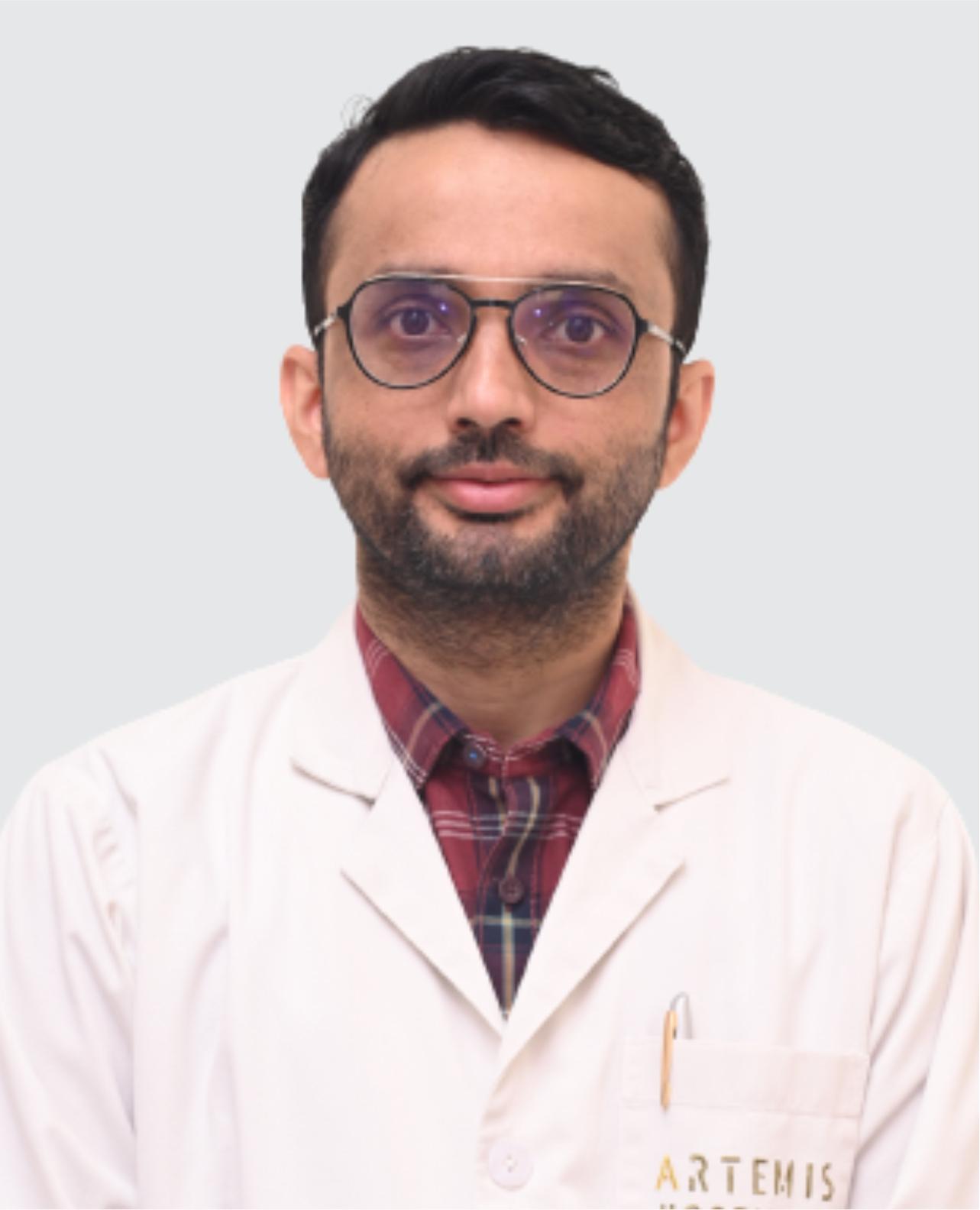
Dr. Vivek Barun
Sr. Consultant-Neurology & Epilepsy
Neurology & Epilepsy
New Delhi
15+ Years
Experience
Artemis Hospital
Hospital
1500
Fees

Dr. Ajit Singh Baghela
Consultant
Paediatric Neurology
Haryana
9+ Years
Experience
Artemis Hospital
Hospital
1500
Fees
Related Links
Other Treatment related Information
Ready To Start Your Healing Journey?
Get Personalized Medical Treatment Options From India's Top Hospitals. Our Medical Experts Are Ready To Assist You Every Step Of The Way.