Centres Of Excellence
Our Centres of Excellence bring together multidisciplinary teams to deliver precise diagnosis, advanced treatments, and superior outcomes across a wide spectrum of medical specialties.
OVERVIEW
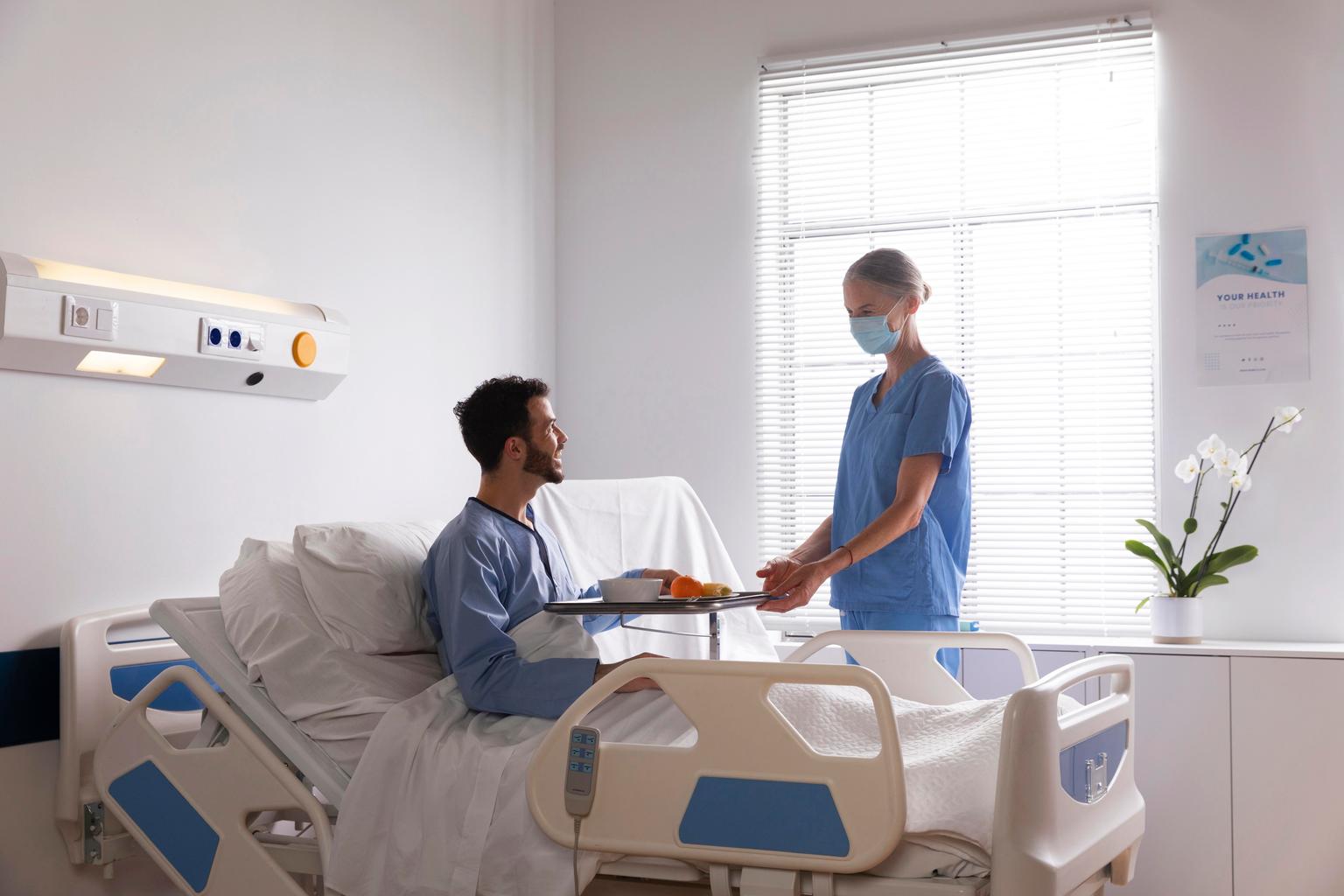
Pediatric Epilepsy Surgery involves advanced diagnostic mapping to identify the seizure-generating zone in the brain. The primary goal is to achieve lasting seizure freedom, improve neurodevelopmental outcomes, and reduce reliance on anti-epileptic medications. Techniques range from focal resections and hemispherectomies to corpus callosotomies, tailored meticulously to each child's unique neurological profile.
PROCEDURE
Pediatric Epilepsy Surgery begins with a meticulous pre-surgical evaluation phase, which includes extensive diagnostic tests like prolonged video-EEG monitoring, high-resolution brain MRI, and possibly PET or SPECT scans to precisely identify the seizure-generating zone. During surgery, the child is placed under general anesthesia. A craniotomy is performed to access the brain. Depending on the planned procedure, intraoperative electrocorticography (ECoG) may be used to confirm the epileptogenic zone, and functional mapping might be performed to spare critical areas. The identified brain tissue is then either carefully resected, or critical nerve pathways are disconnected. The bone flap is replaced, and the scalp is closed. The entire process is guided by advanced neuro-navigation systems to ensure precision and safety.
BENEFITS
Benefits of Pediatric Epilepsy Surgery
- Seizure Freedom: The primary benefit is a high chance of achieving complete seizure freedom or significantly reducing seizure frequency and severity.
- Improved Cognitive and Developmental Outcomes: By eliminating seizures, children often experience better cognitive function, speech development, and motor skills, directly addressing developmental delays caused by uncontrolled epilepsy.
- Reduced Medication Burden: Many children can reduce or even discontinue anti-epileptic medications, mitigating their associated side effects and improving overall well-being.
- Enhanced Quality of Life: Seizure control leads to greater independence, participation in school, and improved social interaction, offering a more normal and fulfilling childhood.
- Hope for the Future: Offers a profound sense of hope and a clear path towards a healthier, seizure-free future, significantly impacting the child's and family's long-term outlook.
RECOVERY
Recovery and Life After Pediatric Epilepsy Surgery
Immediate Post-Operative Care
After Pediatric Epilepsy Surgery, children typically spend a few days in the intensive care unit (ICU) for close monitoring, followed by a stay on a regular ward for approximately 7-10 days. During this time, effective pain management is a priority, and neurological function is closely observed. Early mobilization and gentle activities are encouraged as tolerated to aid recovery.
Recovery Timeline
- Hospital Stay: 7-10 days, depending on the complexity of the surgery and the child's individual recovery progress.
- Initial Home Recovery: The first few weeks at home involve rest, careful wound care, and gradual return to light activities. Monitoring for any changes in behavior or seizure patterns is important.
- Full Recovery: It can take several months for the brain to fully heal and adapt. Seizure outcomes are typically assessed over 6-12 months post-surgery, with ongoing adjustments to medication if necessary.
Rehabilitation and Long-Term Wellness
Many children benefit from comprehensive rehabilitation, including physical therapy, occupational therapy, and speech therapy, to maximize their developmental potential and address any post-surgical deficits. Ongoing follow-up with a pediatric neurologist and neuropsychologist is crucial to monitor seizure control, adjust medications, and support the child's overall well-being and academic integration. DivinHeal's care coordinators assist families in navigating these crucial post-operative phases, connecting them with expert rehabilitation services and ongoing support networks, ensuring a smooth Pediatric Epilepsy Surgery recovery time and tips are readily available.
WHAT WE TREAT
DivinHeal facilitates advanced treatment for various forms of drug-resistant pediatric epilepsy, including focal cortical dysplasia, tuberous sclerosis, Sturge-Weber syndrome, Rasmussen's encephalitis, hypothalamic hamartomas, and other structural or metabolic brain abnormalities causing intractable seizures in children.
PREPARATION
Preparation for Pediatric Epilepsy Surgery involves a rigorous pre-surgical evaluation phase, which includes extensive diagnostic tests like prolonged video-EEG monitoring, high-resolution brain MRI, and possibly PET or SPECT scans to localize the seizure focus. Neuropsychological assessments are conducted to establish baseline cognitive function. Parents will have detailed consultations with the neurosurgical team, neurologists, and neuropsychologists to understand the procedure, potential outcomes, and risks. Medications may be adjusted, and a clear fasting protocol will be provided before the surgery, along with comprehensive support from DivinHeal for all logistical aspects.
RISKS
Like any brain surgery, Pediatric Epilepsy Surgery carries potential risks, including infection, bleeding (hemorrhage), stroke, swelling of the brain, adverse reactions to anesthesia, and temporary or permanent neurological deficits such as weakness, speech problems, or visual field deficits. There is also a risk that the surgery may not achieve complete seizure freedom or that seizures may recur, requiring further management. The multidisciplinary team thoroughly discusses these risks with the family before proceeding, ensuring full transparency regarding Pediatric Epilepsy Surgery safety.
JOURNEY
The journey for Pediatric Epilepsy Surgery begins with a comprehensive pre-surgical evaluation, including detailed neurological exams, EEG, MRI, and often PET or SPECT scans to precisely localize the seizure focus. This is followed by a multidisciplinary team discussion to determine surgical candidacy and plan. The surgical procedure is then performed, followed by a critical post-operative recovery phase in the hospital. Long-term follow-up involves medication titration, rehabilitation, and monitoring of developmental progress, with DivinHeal guiding families at every step.
OUTCOMES
Patients can expect significant pain relief, improved knee function, and enhanced quality of life. Long-term prognosis is excellent, with most implants lasting 15-20 years or more, allowing a return to many pre-surgery activities.
Related Links
Doctors For Treatment in Similar Locations
- Best Pediatric Epilepsy Surgery Doctors in Bengaluru
- Best Pediatric Epilepsy Surgery Doctors in Chennai
- Best Pediatric Epilepsy Surgery Doctors in Gurugram
- Best Pediatric Epilepsy Surgery Doctors in Hyderabad
- Best Pediatric Epilepsy Surgery Doctors in India
- Best Pediatric Epilepsy Surgery Doctors in Mumbai
- Best Pediatric Epilepsy Surgery Doctors in New Delhi
- Best Pediatric Epilepsy Surgery Doctors in Pune
Best Hospital Near by for treatment
- Best Pediatric Epilepsy Surgery Hospitals in Bengaluru
- Best Pediatric Epilepsy Surgery Hospitals in Chennai
- Best Pediatric Epilepsy Surgery Hospitals in Gurugram
- Best Pediatric Epilepsy Surgery Hospitals in Hyderabad
- Best Pediatric Epilepsy Surgery Hospitals in India
- Best Pediatric Epilepsy Surgery Hospitals in Mumbai
- Best Pediatric Epilepsy Surgery Hospitals in New Delhi
- Best Pediatric Epilepsy Surgery Hospitals in Pune
Meet Our Doctors
Meet our team of highly qualified and experienced medical professionals dedicated to providing the best healthcare services.

Dr. Ajit Singh Baghela
Consultant
Paediatric Neurology
Haryana
9+ Years
Experience
Artemis Hospital
Hospital
1500
Fees
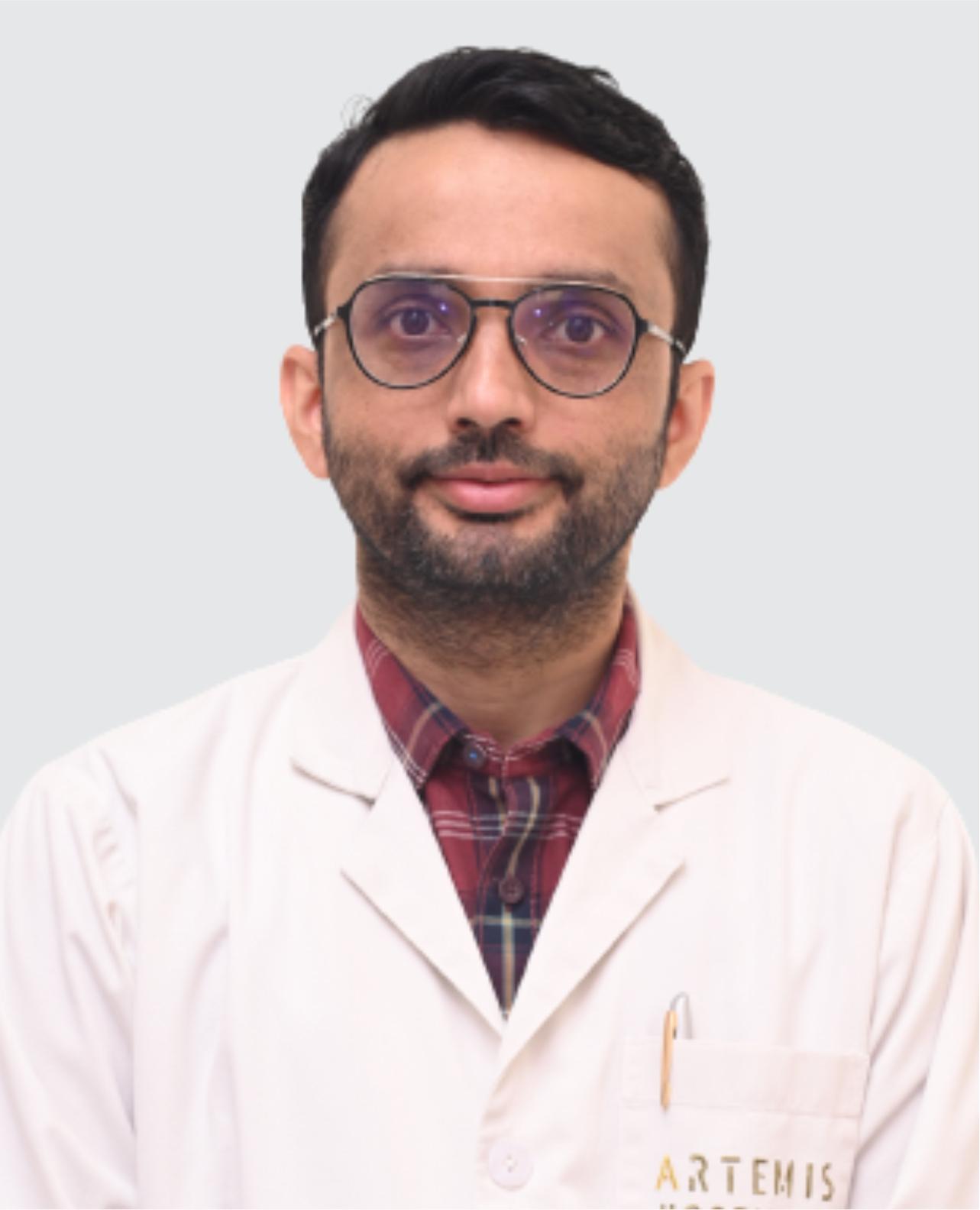
Dr. Vivek Barun
Sr. Consultant-Neurology & Epilepsy
Neurology & Epilepsy
New Delhi
15+ Years
Experience
Artemis Hospital
Hospital
1500
Fees
Booking With DIVINHEAL
Get a free consultation to understand your treatment options