
reversal of sterilization Success Rate in Haryana
Need Personalized Advice?
Our medical experts are ready to answer your questions and guide you through your treatment options.
About
Understanding Reversal of Sterilization Success Rate in Haryana
Understanding the potential for a successful outcome is crucial for individuals considering reversal of sterilization. This procedure aims to restore fertility, and its effectiveness can be influenced by numerous factors, including the original sterilization method, patient health, and surgical expertise. For those evaluating options, the reversal of sterilization success rate in Haryana provides essential data points.
Clinical data from Haryana offers insights into outcomes, allowing prospective patients to make informed decisions. Success rates are compiled from aggregated clinical data and evaluated based on specific treatment-level criteria. These outcomes, much like international trends, vary significantly depending on the particular technique used, the individual's physiological profile, and overall reproductive health.
Defining Success for Reversal of Sterilization
For reversal of sterilization, "success" is typically multi-faceted. The immediate goal is restoring tubal patency, meaning the fallopian tubes are open and functional, allowing for egg and sperm transport. The ultimate long-term success, however, is achieving a successful pregnancy and live birth. This distinction between surgical patency and subsequent conception is vital when evaluating potential outcomes.
Reversal of Sterilization Success Rate Breakdown
Success rates vary depending on treatment approach and patient factors.
| Original Sterilization Method | Typical Use Case | Patency Rate Range (%) | Pregnancy Rate Range (%) | What Success Indicates |
|---|---|---|---|---|
| Tubal Ligation (Clips/Rings) | Minimal tubal damage, often reversible | Approximately 80%–95% | Approximately 50%–70% | Restoration of tube function, potential for natural conception. |
| Bipolar Cauterization | Moderate tubal damage, more complex reversal | Approximately 60%–80% | Approximately 30%–50% | Slightly lower patency and pregnancy potential due to scarring. |
| Partial Salpingectomy | Significant tubal segment removed, most challenging reversal | Approximately 40%–60% | Approximately 15%–30% | Reduced success due to shorter tube length and extensive reconstruction. |
Reversal of Sterilization Survival Rate by Age in Haryana
Patient age significantly influences the outcome of sterilization reversal, primarily impacting subsequent pregnancy rates rather than surgical patency. As women age, factors such as ovarian reserve and egg quality naturally decline. This trend in reversal of sterilization survival rate by age in Haryana aligns with internationally observed clinical patterns in fertility treatments.
| Age Group | Primary Impact | Pregnancy Rate Range (%) |
|---|---|---|
| Under 35 years | Higher ovarian reserve, better egg quality | Approximately 50%–70% |
| 35–39 years | Moderate decline in fertility potential | Approximately 30%–50% |
| 40 years and above | Significant decline in fertility potential | Approximately 10%–25% |
Haryana vs Global Success Rate Comparison
Success rates for reversal of sterilization in India, including Haryana, are comparable with international standards when similar protocols, technology, and patient selection are applied. Advanced surgical techniques and experienced specialists contribute to competitive outcomes, mirroring those observed in leading global centers for fertility restoration. The overall reversal of sterilization survival rate in Haryana reflects this parity.
| Region/Country | Pregnancy Success Rate Range (%) |
|---|---|
| India (including Haryana) | Approximately 30%–70% |
| United States | Approximately 40%–75% |
| United Kingdom | Approximately 35%–65% |
| Canada | Approximately 35%–70% |
| Australia | Approximately 30%–60% |
| Germany | Approximately 30%–60% |
These rates are indicative and can vary based on individual patient circumstances and the specific treatment approach. Outcomes are not guaranteed.
Factors Influencing Reversal of Sterilization Success Rate
- Patient's Age: Younger individuals generally have higher pregnancy rates post-reversal.
- Original Sterilization Method: Procedures causing less tubal damage (e.g., clips) often yield better reversal outcomes. The stage wise reversal of sterilization survival rate in Haryana is heavily influenced by the extent of initial tubal disruption.
- Length of Time Since Sterilization: Shorter duration between sterilization and reversal may correlate with better success.
- Remaining Fallopian Tube Length and Health: Adequate length and minimal scarring are crucial for functional tubes.
- Surgeon's Expertise: The skill and experience of the microsurgeon performing the reversal play a significant role.
- Overall Reproductive Health: Underlying fertility issues in either partner can affect post-reversal pregnancy chances.
Data Sources & Methodology
- National registries and public health records providing aggregated surgical outcomes.
- Peer-reviewed medical studies and clinical trials focusing on tubal reversal surgery.
- Aggregated multi-hospital outcome data from accredited medical institutions in India.
- Leading centers such as AIIMS, Tata Memorial Centre, and major institutes follow evidence-based protocols.
Informed Choices for Fertility
Understanding the reversal of sterilization recovery rate in Haryana empowers individuals to make confident and informed decisions. This data helps patients consider their options and plan their family journey effectively.
Hospitals Offering this treatment
India offers premium medical procedures at affordable prices. Discover our most popular treatments, delivered by the country's finest doctors.
Meet Our Doctors
Meet our team of highly qualified and experienced medical professionals dedicated to providing the best healthcare services.

Dr. Aditya Gupta
Chairperson - Neurosurgery & CNS Radiosurgery & Co-Chief - Cyberknife Centre, Artemis Hospitals, Gurgaon
Neurosurgeon
Haryana
32+ Years
Experience
Artemis Hospital
Hospital
1500
Fees

Dr. Abhinandan Mukhopadhyay
Sr. Consultant - Urology & Kidney Transplant Program (Unit I)
Urology, Kidney Transplant, Urological Cancers
Haryana
8+ Years
Experience
Artemis Hospital
Hospital
1500
Fees

Aditi Dixit
Sr. Consultant – Women Imaging
Radiology (Specializing in Women's Imaging)
Haryana
15+ Years
Experience
Artemis Hospital
Hospital
1500
Fees

Dr. Ajit Singh Baghela
Consultant
Paediatric Neurology
Haryana
9+ Years
Experience
Artemis Hospital
Hospital
1500
Fees

Amit Jassal
Sr. Consultant - Anaesthesia
Anaesthesia
Haryana
15+ Years
Experience
Artemis Hospital
Hospital
1500
Fees

Dr. Amit Kumar Chaurasia
Chief Cath Lab & TAVI (Unit I), Director TAVI/TAVR and Structural Heart Disease and Senior Consultant Cardiology
Cardiology, Interventional Cardiology, TAVI / TAVR & Structural Heart Diseases
New Delhi
16+ Years
Experience
Artemis Hospital
Hospital
1500
Fees

Anjana Kharbanda
Sr. Consultant - Emergency
Emergency & Trauma Services
New Delhi
22+ Years
Experience
Artemis Hospital
Hospital
1500
Fees
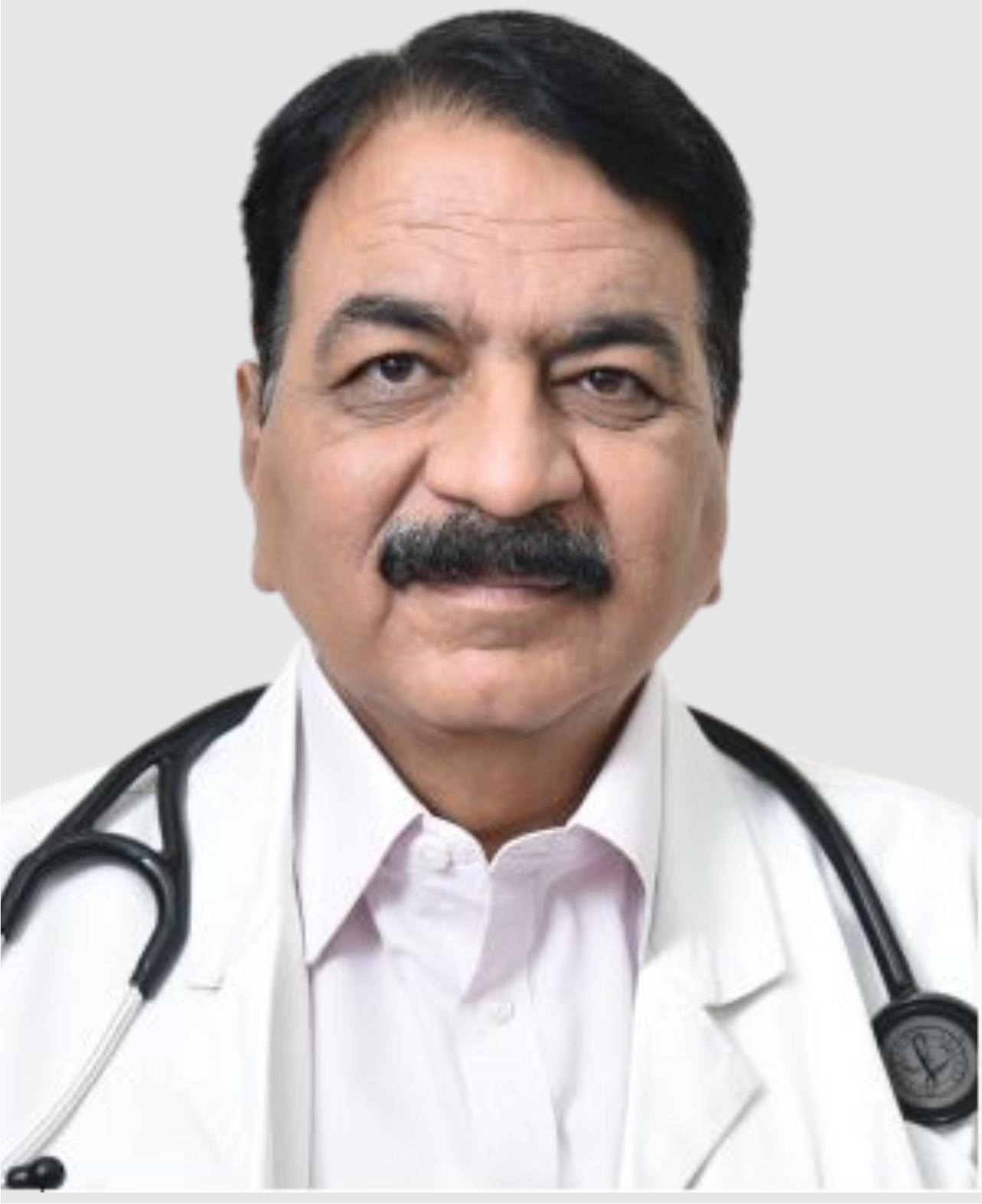
Dr. (Col) B Kalra
Associate Chief - Cardiology (NIC)
Cardiology
New Delhi
18+ Years
Experience
Artemis Hospital
Hospital
1500
Fees
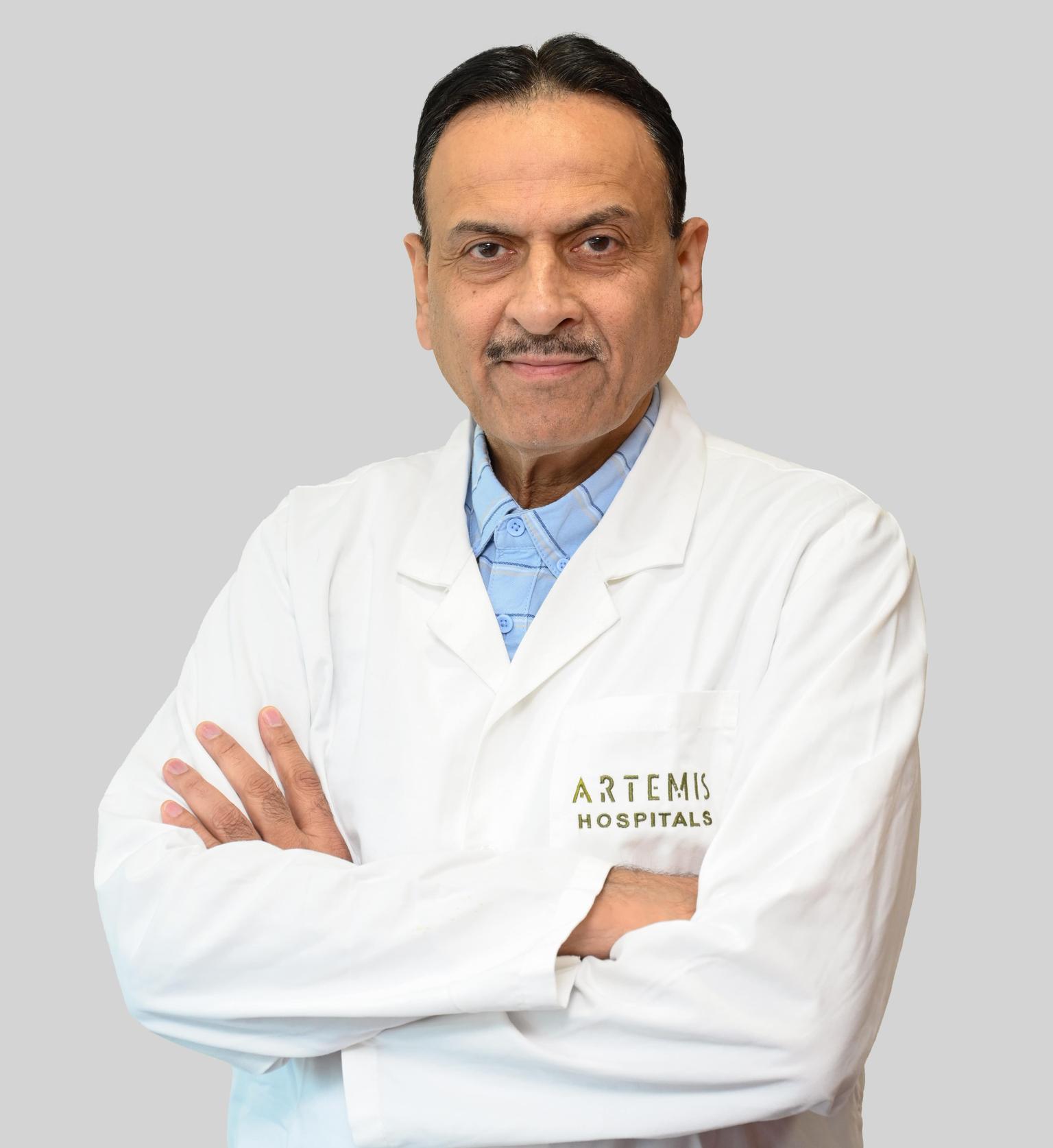
Dr. D.K. Jhamb
Chief Cardiology (Unit IV)
Cardiology
New Delhi
30+ Years
Experience
Artemis Hospital
Hospital
1500
Fees
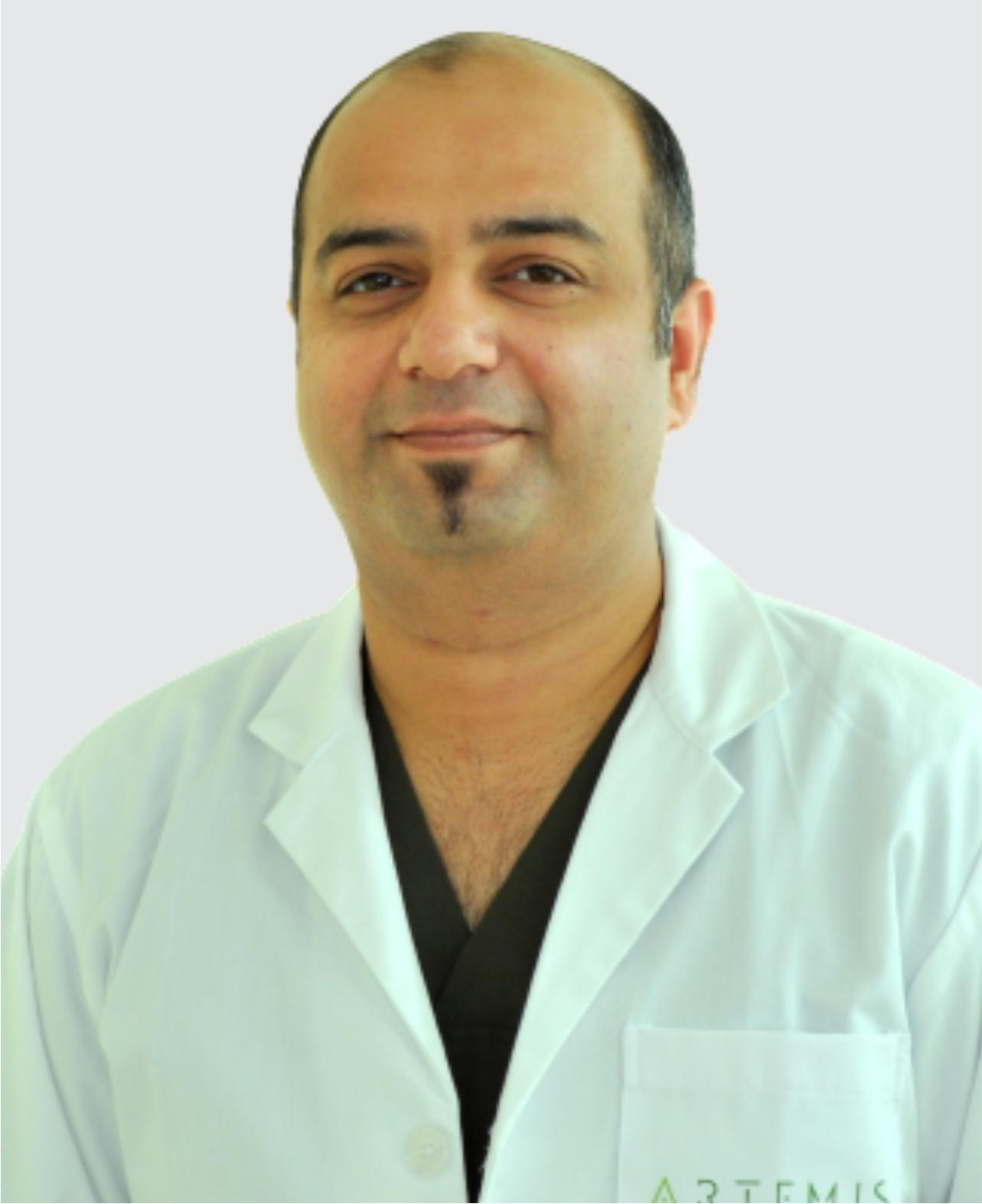
Dr Amit Jassal
Principal Consultant - Anaesthesia
Anaesthesia
New Delhi
15+ Years
Experience
Artemis Hospital
Hospital
1500
Fees
Related Links
Other Treatment related Information
Ready To Start Your Healing Journey?
Get Personalized Medical Treatment Options From India's Top Hospitals. Our Medical Experts Are Ready To Assist You Every Step Of The Way.