Spinal Cord Stimulation Treatment in India for Ethiopia
Need Personalized Advice?
Our medical experts are ready to answer your questions and guide you through your treatment options.
About
Spinal Cord Stimulation in India for Ethiopia Patients
For patients from Ethiopia living with persistent, severe pain, the challenge of finding lasting relief can be overwhelming. The prospect of advanced treatment like Spinal Cord Stimulation might raise questions about accessibility, quality of care, and overall suitability. Many worry about navigating international medical options and ensuring the best possible outcome.
When local treatment options prove insufficient, looking abroad becomes a necessary step. India stands out as a leading destination, offering specialized medical care across its major cities. Patients from Ethiopia often consider India due to its reputation for high-quality healthcare infrastructure and a diverse pool of experienced medical professionals.
India's medical system provides a robust environment for complex procedures such as Spinal Cord Stimulation. Hospitals nationwide are equipped with modern technology and staffed by internationally trained specialists. This commitment to advanced care and patient support builds trust, assuring international patients of a reliable and safe treatment journey.
Is India the right choice for your Spinal Cord Stimulation treatment?
What is Spinal Cord Stimulation?
Spinal Cord Stimulation (SCS) is an advanced procedure designed to manage chronic pain, particularly when other treatments have failed. It involves implanting a small device that sends mild electrical pulses to the spinal cord. These pulses interfere with pain signals before they reach the brain, replacing pain with a tingling sensation or, in newer systems, no sensation at all. This therapy offers a reversible way to significantly reduce chronic pain and improve quality of life.
Types of Spinal Cord Stimulation Systems
Spinal Cord Stimulation systems vary in how they deliver electrical pulses, tailored to different pain types and patient needs.
- Traditional/Conventional SCS: Delivers continuous low-frequency pulses, often resulting in a mild tingling (paresthesia) that masks the pain.
- High-Frequency SCS (HF10™): Uses high-frequency pulses (10 kHz) that typically do not produce paresthesia, aiming for pain relief without sensation.
- Burst SCS: Delivers bursts of electrical pulses, mimicking the natural firing patterns of nerve cells, which some patients find more effective and natural.
- Dorsal Root Ganglion (DRG) Stimulation: Specifically targets the dorsal root ganglia, which are nerve structures involved in transmitting pain. This is often used for localized, difficult-to-treat pain.
- Closed-Loop SCS: Newer systems that adjust stimulation in real-time based on the body's physiological responses, optimizing pain relief and energy efficiency.
When is Spinal Cord Stimulation Required?
- Chronic back pain that persists despite surgery (Failed Back Surgery Syndrome).
- Neuropathic pain, such as complex regional pain syndrome (CRPS).
- Pain in the limbs (arms or legs) due to nerve damage.
- Refractory angina (chest pain not relieved by other treatments).
- Peripheral vascular disease causing severe limb pain.
- Pain resulting from nerve damage or injury that does not respond to conventional therapies.
Pre-Treatment Evaluation for SCS
- Comprehensive medical history review and physical examination.
- Psychological evaluation to assess suitability and pain coping mechanisms.
- Diagnostic imaging such as MRI or CT scans of the spine to identify pain sources.
- Nerve conduction studies or electromyography to assess nerve function.
- Pain questionnaires and functional assessments to measure pain intensity and impact on daily life.
- Consultation with a multidisciplinary pain management team, including neurologists, neurosurgeons, and pain specialists.
How Spinal Cord Stimulation is Performed
The Spinal Cord Stimulation procedure typically involves two main phases: a trial period followed by permanent implantation. The approach chosen depends on the patient's specific condition and the tailored treatment plan.
Trial Phase
Before permanent implantation, patients undergo a trial period to determine if SCS will be effective. Thin wires, called leads, are temporarily placed in the epidural space near the spinal cord, guided by fluoroscopy (real-time X-ray). These leads are connected to an external stimulator worn by the patient for several days. This allows the patient to evaluate pain relief and stimulation comfort in their daily environment. If the trial provides significant pain relief (typically 50% or more), the patient may proceed to permanent implantation.
Permanent Implantation
During the permanent implantation, the neurosurgeon makes a small incision, usually in the lower back or abdomen, to implant the pulse generator (IPG). The leads are then carefully guided to the epidural space and connected to the IPG. The device settings are programmed to deliver optimal pain relief. The procedure is typically performed under local anesthesia with sedation, or sometimes general anesthesia. Patients usually stay in the hospital for a day or two for observation and initial programming.
Recovery Process After SCS Implantation
Recovery from Spinal Cord Stimulation implantation involves managing post-surgical discomfort and gradually resuming activities. Initial healing typically takes a few weeks, during which physical restrictions are advised, such as avoiding heavy lifting or twisting movements. Regular follow-up appointments are crucial for programming adjustments and monitoring device function. Rehabilitation and physical therapy may be recommended to optimize pain relief and regain functional mobility, supported by ongoing medical guidance to ensure a smooth and effective recovery journey.
Potential Risks and Success Rates
- Surgical Risks: Infection at the implant site, bleeding, or cerebrospinal fluid (CSF) leak.
- Lead-Related Issues: Lead migration (leads moving from their intended position), lead breakage, or nerve damage.
- Device Malfunction: Battery failure, hardware issues, or electrical problems requiring replacement or revision.
- Ineffective Pain Relief: The therapy may not provide the desired level of pain reduction for some individuals.
- Discomfort: Unpleasant stimulation sensations or skin irritation at the implant site.
The success rates for Spinal Cord Stimulation vary, with many patients experiencing a significant reduction in pain and an improvement in their quality of life. Outcomes depend on the specific pain condition, individual patient response, and adherence to post-operative care. While not a cure, SCS aims to reduce pain levels by 50% or more, allowing for decreased medication reliance and increased daily function. Long-term success is often evaluated by the sustained improvement in pain management and functional abilities over time.
Cost of Spinal Cord Stimulation in India
The cost of Spinal Cord Stimulation in India is significantly more affordable compared to many Western countries, without compromising on quality. Several factors influence the total expense, including the type of SCS system chosen, the hospital facility and its location, the complexity of the patient's condition, the surgeon's fees, and the duration of hospital stay.
For international patients, Spinal Cord Stimulation in India generally ranges from approximately 1,200,000 INR to 2,500,000 INR.
Spinal Cord Stimulation Cost Across Major Indian Cities (INR)
| City | Estimated Cost Range (INR) |
| Delhi | 1,300,000 – 2,400,000 |
| Mumbai | 1,400,000 – 2,500,000 |
| Chennai | 1,250,000 – 2,350,000 |
| Bengaluru | 1,350,000 – 2,450,000 |
| Hyderabad | 1,200,000 – 2,300,000 |
| Kolkata | 1,200,000 – 2,200,000 |
| Ahmedabad | 1,200,000 – 2,200,000 |
Global Comparison of Spinal Cord Stimulation Costs (USD)
| Country | Estimated Cost Range (USD) |
| India | 14,500 – 30,000 |
| USA | 50,000 – 100,000+ |
| UK | 40,000 – 80,000 |
| Germany | 35,000 – 70,000 |
| Australia | 45,000 – 90,000 |
| Singapore | 30,000 – 60,000 |
Comprehensive Support Services for Your Treatment Journey
- Dedicated patient coordinators to assist with all logistics, from initial inquiry to post-treatment follow-up.
- Assistance with medical visa applications and necessary travel arrangements.
- Airport pick-up and drop-off services for a smooth arrival and departure.
- Arrangements for comfortable accommodation during your stay in India.
- Language interpretation services to ensure clear communication with medical staff.
- Guidance on local transportation and essential amenities.
- Facilitation of teleconsultations with specialists before and after your visit.
Important Medical Documents to Prepare
- Copies of your passport and valid visa.
- All relevant medical reports, including diagnostic scans, blood tests, and physician notes.
- A referral letter from your local doctor, if available.
- A detailed list of current medications and allergies.
- Any previous treatment summaries or surgical reports related to your pain condition.
Steps to Get Ready for Your Procedure
- Undergo all recommended pre-operative tests and evaluations as instructed by your Indian medical team.
- Discuss any medications you are taking with your doctor, as some may need to be adjusted or stopped before surgery.
- Arrange for a companion to travel with you, as their support can be invaluable during and after treatment.
- Familiarize yourself with the hospital and surrounding area virtually, if possible.
- Prepare a list of questions for your consultation with the surgeon and pain management team.
Recovery and Follow-Up Care After Treatment
- Adhere strictly to all post-operative instructions regarding wound care and activity restrictions.
- Participate in any recommended physical therapy or rehabilitation programs.
- Attend scheduled follow-up appointments with your medical team for device adjustments and progress monitoring.
- Maintain open communication with your Indian care team, especially if you experience any unusual symptoms or concerns.
- Plan for adequate rest and avoid strenuous activities during the initial recovery period.
Begin Your Path to Sustained Pain Relief
Choosing to pursue Spinal Cord Stimulation in India offers patients from Ethiopia a chance for effective pain management through world-class medical expertise and compassionate care.
Hospitals Offering this treatment
India offers premium medical procedures at affordable prices. Discover our most popular treatments, delivered by the country's finest doctors.
Meet Our Doctors
Meet our team of highly qualified and experienced medical professionals dedicated to providing the best healthcare services.
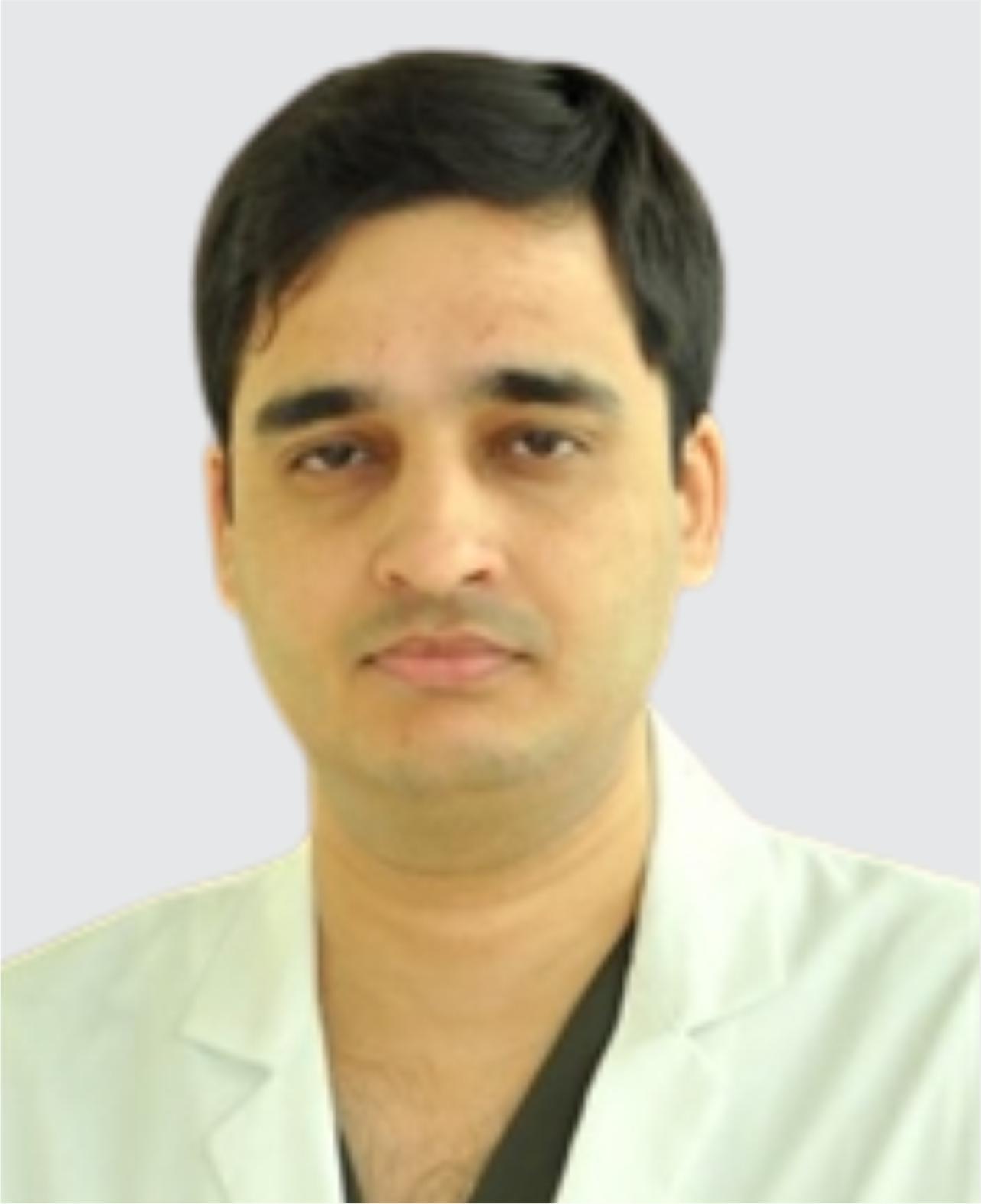
Dr. Amit Kalsotra
Sr. Consultant - Anaesthesia, Critical Care & Pain Management
Anaesthesia, Critical Care, Pain Management
New Delhi
15+ Years
Experience
Artemis Hospital
Hospital
1500
Fees
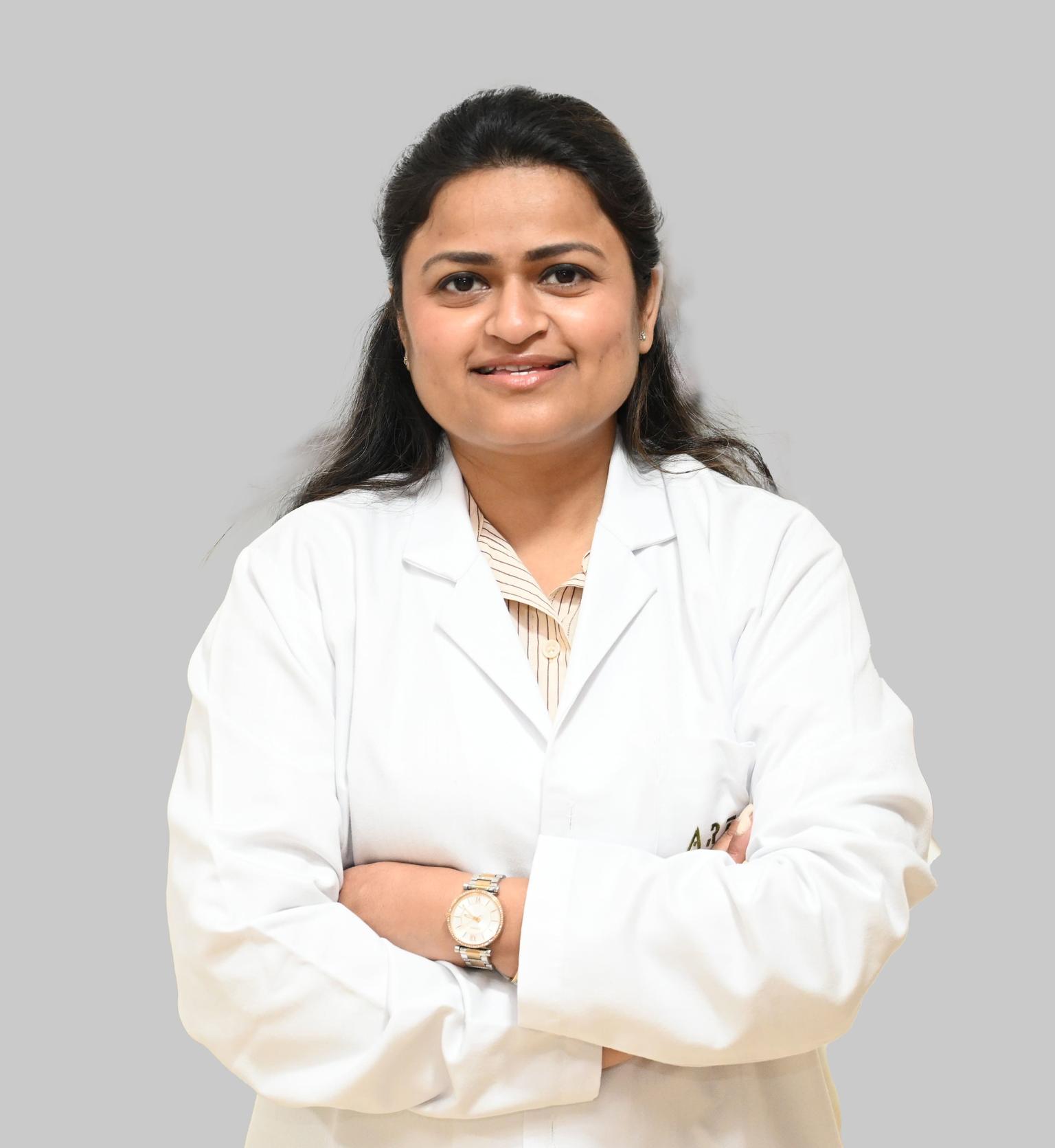
Dr. Anjali Vaish
Consultant - Physiotherapy and Rehabilitation Centre
Physiotherapy and Rehabilitation Centre
New Delhi
10+ Years
Experience
Artemis Hospital
Hospital
1500
Fees
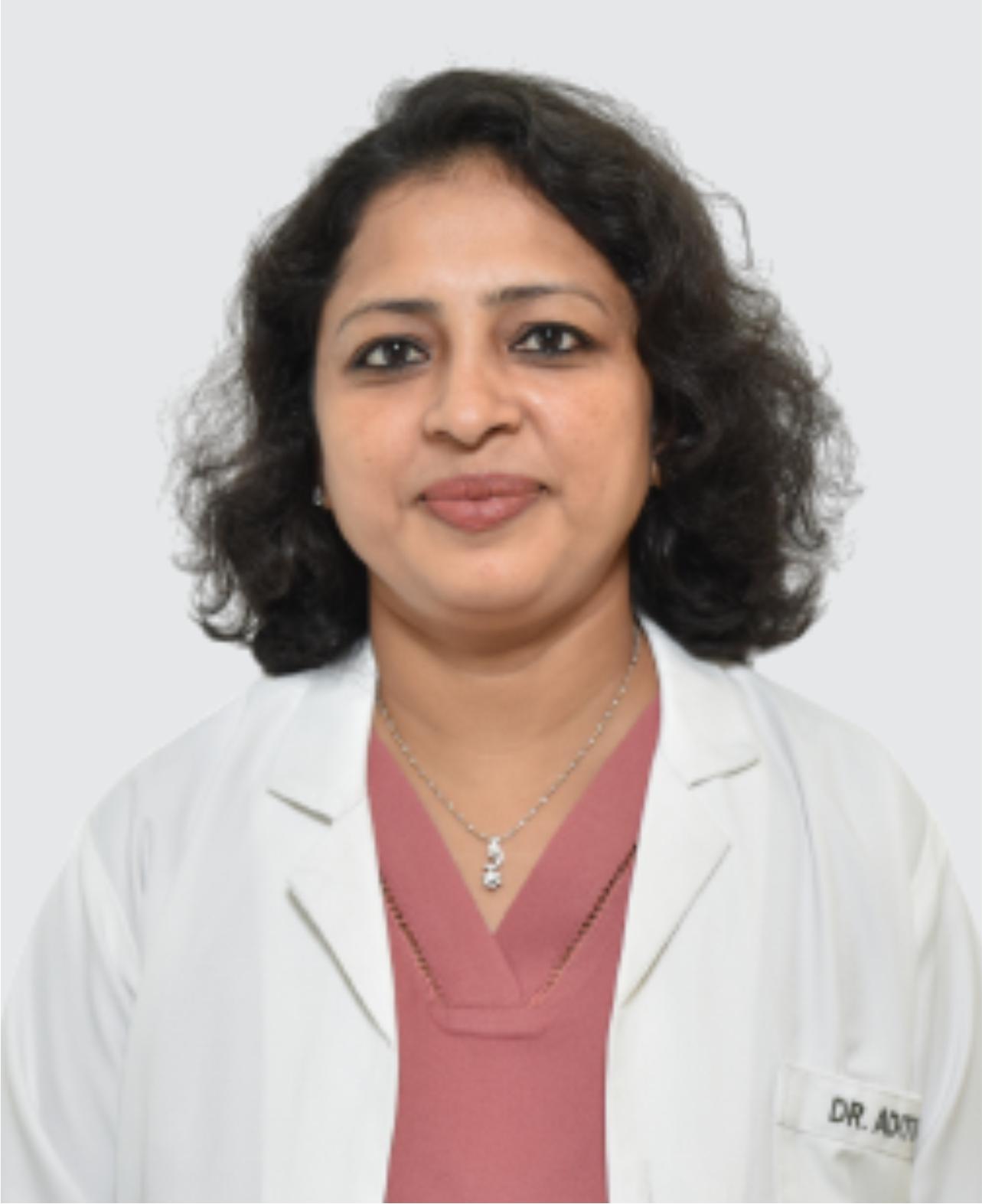
Dr Aditi Dixit
Sr. Consultant – Women Imaging
Radiology
New Delhi
15+ Years
Experience
Artemis Hospital
Hospital
1500
Fees

Dr Chandrima Misra M
Co-Head Psychological Services
Mental Health and Behavioural Sciences
New Delhi
15+ Years
Experience
Artemis Hospital
Hospital
1500
Fees
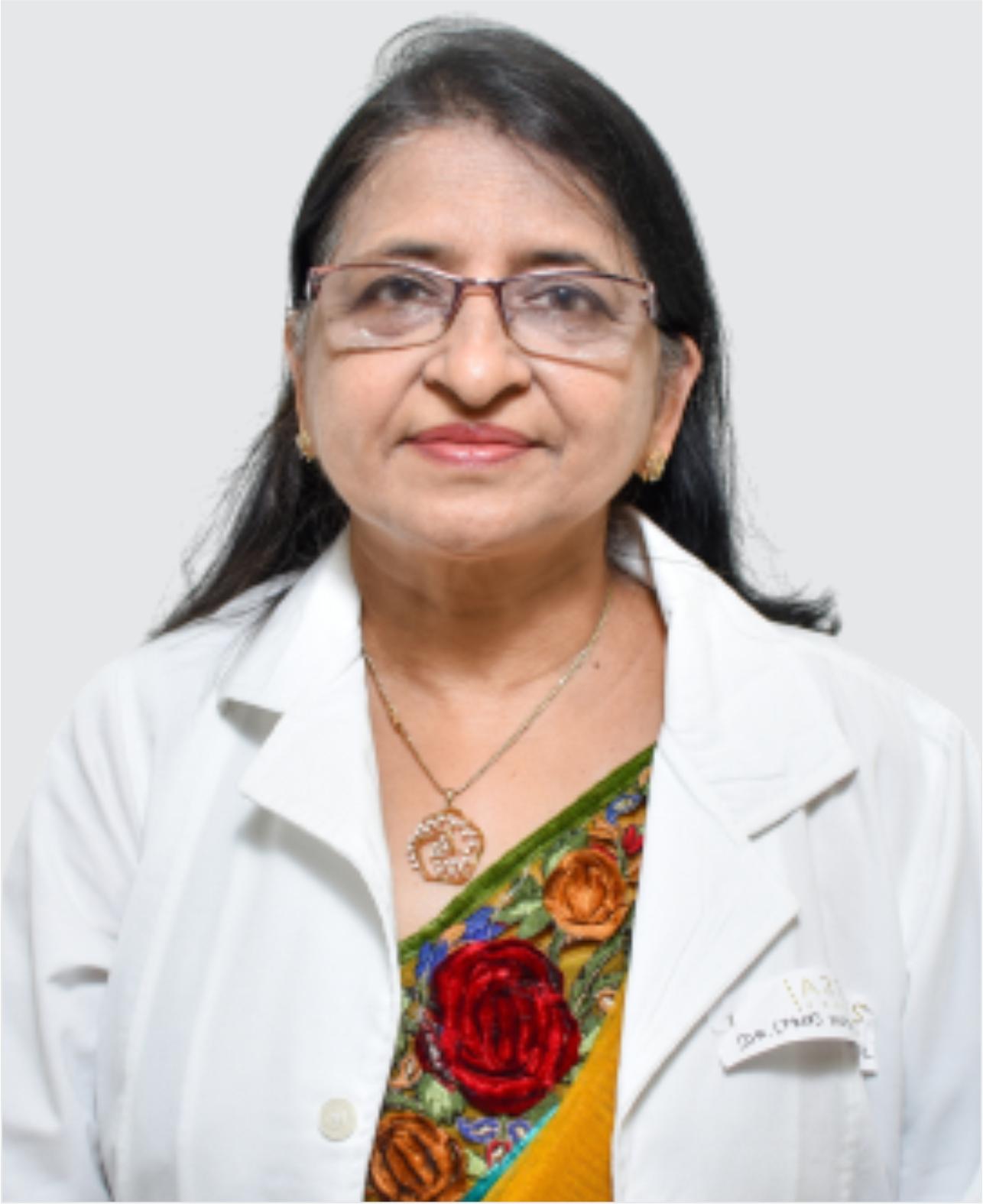
Dr. Nutan Agarwal
Head of Department - Gynae Endocrinology & DNB Program Director - Obs & Gynae
Gynaecological Endocrinology, Maternity, Obstetrics & Gynaecology
New Delhi
35+ Years
Experience
Artemis Hospital
Hospital
1500
Fees
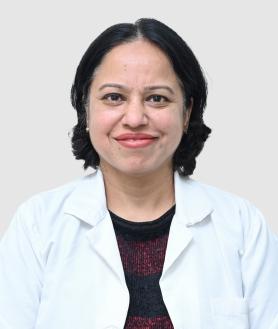
Dr. Poonam Gautam
Senior Consultant - ENT
ENT and Head & Neck Surgery
New Delhi
24+ Years
Experience
Artemis Hospital
Hospital
1500
Fees
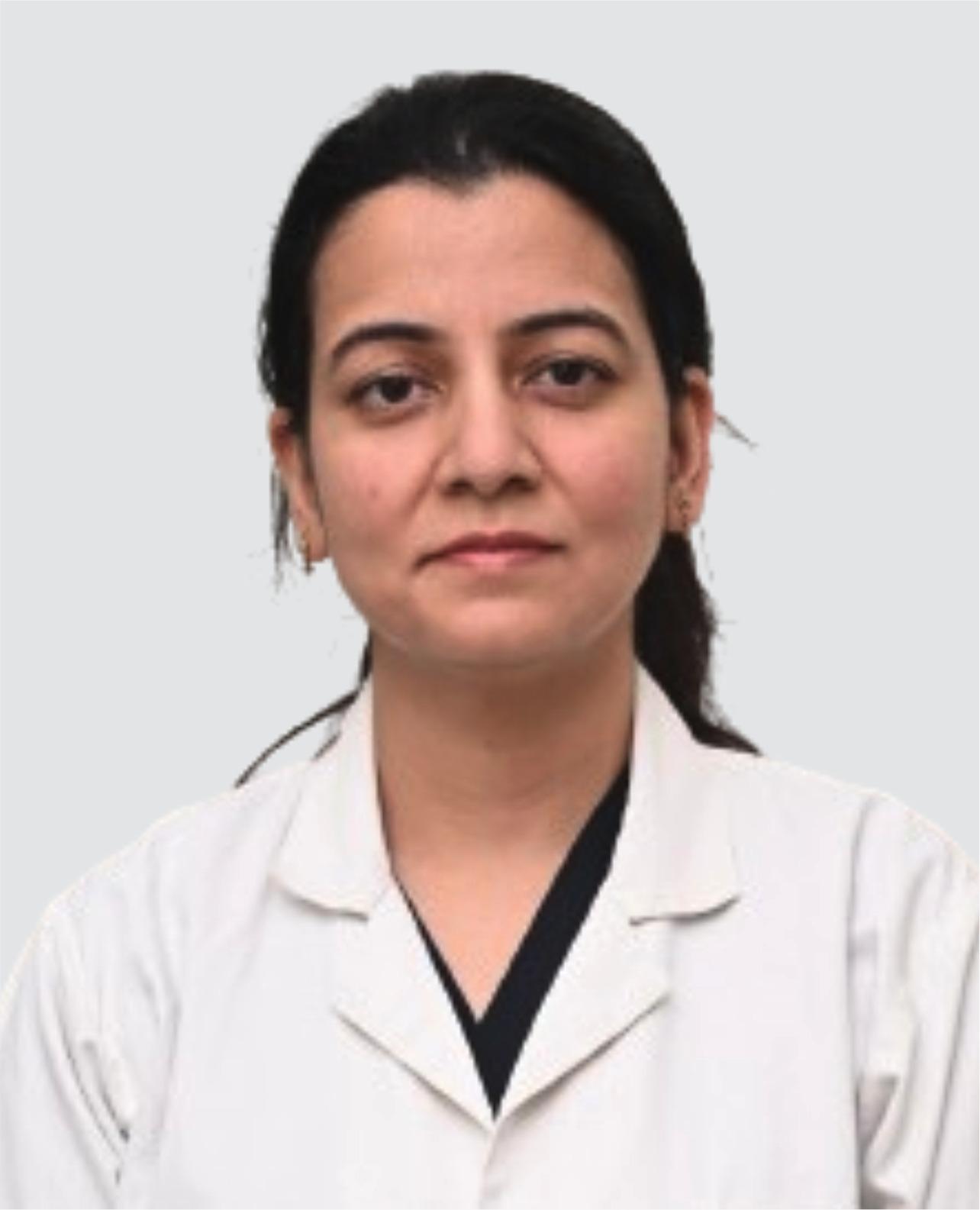
Dr. Priyanka Raina
Consultant (Head & Neck Surgery) - Surgical Oncology
Head and Neck Surgical Oncology
New Delhi
10+ Years
Experience
Artemis Hospital
Hospital
1500
Fees
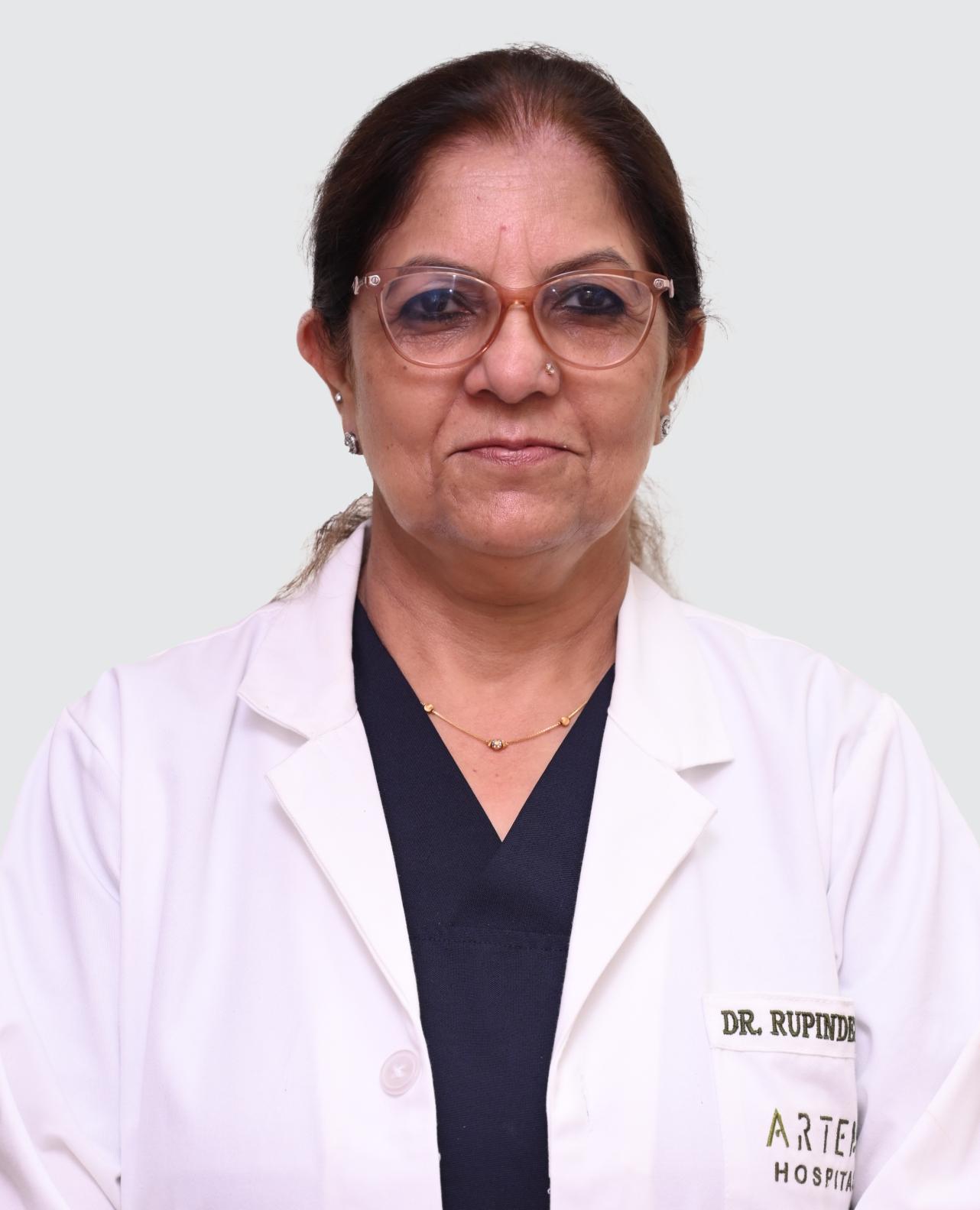
Dr. Rupinder Sekhon
Chairperson - Gynae Oncology
Gynaecological Oncology
New Delhi
16+ Years
Experience
Artemis Hospital
Hospital
1500
Fees
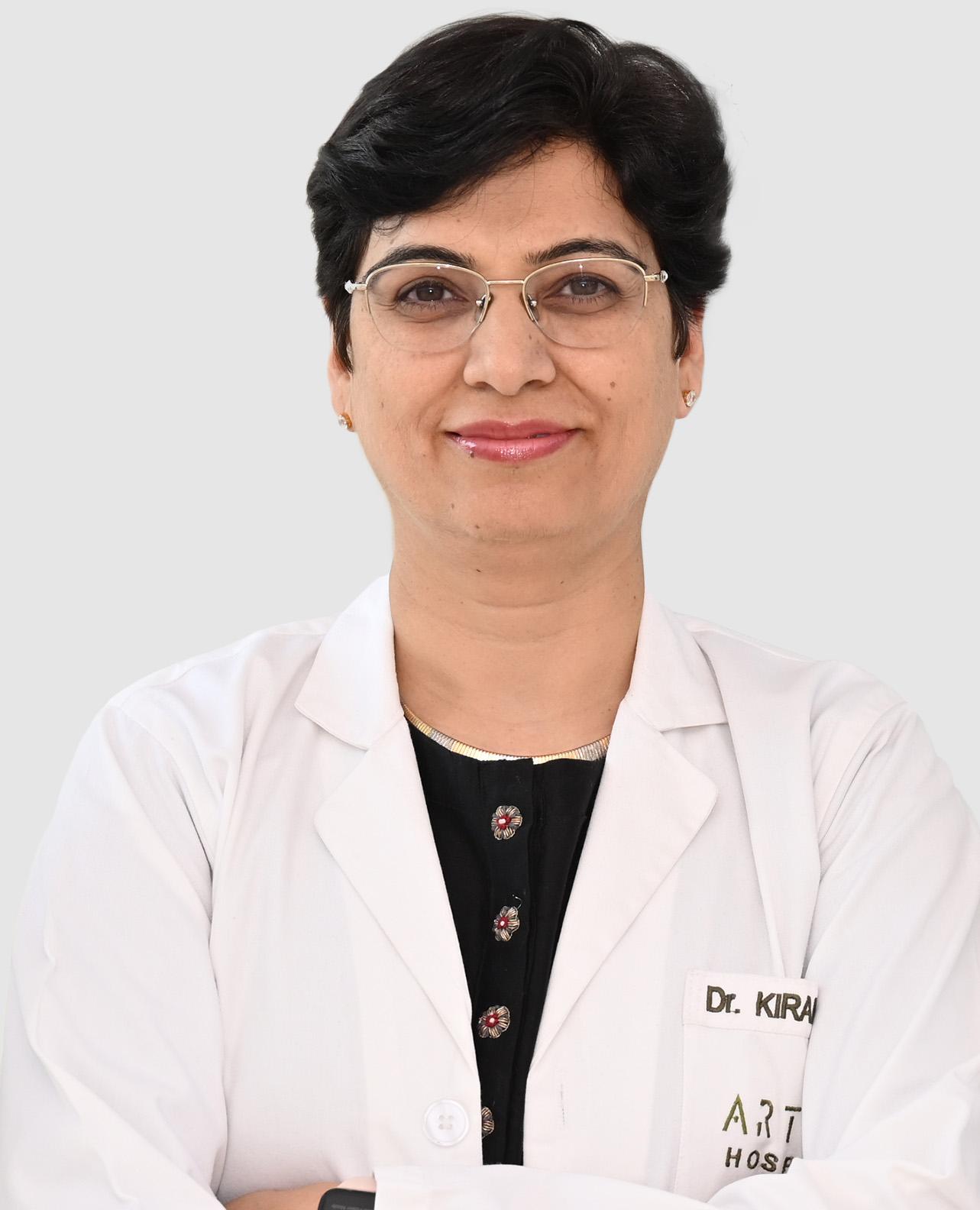
Dr. Kiran Arora
Unit Head - Reproductive Medicine (Unit II)
IVF, Reproductive Medicine, Obstetrics & Gynecology
New Delhi
20+ Years
Experience
Artemis Hospital
Hospital
1500
Fees
Nidhi Jain
Sr. Consultant - Obs & Gynae
Maternity, Obstetrics & Gynaecology
New Delhi
15+ Years
Experience
Artemis Hospital
Hospital
1500
Fees
Related Links
Other Treatment related Information
- Spinal Cord Stimulation cost in Bengaluru
- Spinal Cord Stimulation cost in Chennai
- Spinal Cord Stimulation cost in New Delhi
- Spinal Cord Stimulation cost in India
- Spinal Cord Stimulation cost in Haryana
- Spinal Cord Stimulation cost in Mumbai
- Spinal Cord Stimulation cost in Pune
- Spinal Cord Stimulation cost in Hyderabad
- Spinal Cord Stimulation Success Rate in Hyderabad
- Spinal Cord Stimulation Success Rate in Pune
- Spinal Cord Stimulation Success Rate in New Delhi
- Spinal Cord Stimulation Success Rate in Haryana
- Spinal Cord Stimulation Success Rate in India
- Spinal Cord Stimulation Success Rate in Chennai
- Spinal Cord Stimulation Success Rate in Bengaluru
- Spinal Cord Stimulation Success Rate in Mumbai
- Best Spinal Cord Stimulation Doctors in Mumbai
- Best Spinal Cord Stimulation Doctors in India
- Best Spinal Cord Stimulation Doctors in Pune
- Best Spinal Cord Stimulation Doctors in Hyderabad
Ready To Start Your Healing Journey?
Get Personalized Medical Treatment Options From India's Top Hospitals. Our Medical Experts Are Ready To Assist You Every Step Of The Way.