Spinal Cord Stimulation Treatment in India for UAE
Need Personalized Advice?
Our medical experts are ready to answer your questions and guide you through your treatment options.
About
Spinal Cord Stimulation in India for UAE Patients | Cost, Hospitals
Living with persistent, chronic pain can significantly impact daily life, often leaving patients in the UAE searching for effective and lasting solutions. The journey to relief can be complex, and many individuals consider advanced treatments when conventional methods fall short. Uncertainty about where to find the best care and what to expect often adds to this challenge.
For those exploring options for Spinal Cord Stimulation, India has emerged as a leading destination. Patients from the UAE frequently consider India due to its reputation for providing high-quality medical care at a more accessible cost. The country offers a wide network of internationally accredited hospitals and skilled specialists across various major cities.
India’s medical landscape is equipped with state-of-the-art technology and a highly experienced pool of neurosurgeons and pain management experts. These professionals are adept at performing complex procedures like Spinal Cord Stimulation, ensuring a standard of care that aligns with global best practices. The integrated healthcare system prioritizes patient safety and positive outcomes.
Is India the right choice for your pain management journey?
What is Spinal Cord Stimulation?
Spinal Cord Stimulation (SCS) is an advanced pain management technique used to treat chronic neuropathic pain that has not responded to other treatments. It involves implanting a small device, similar to a pacemaker, under the skin, usually in the abdomen or buttock. This device sends mild electrical pulses through thin wires (leads) placed near the spinal cord. These pulses interfere with the pain signals traveling to the brain, replacing pain with a tingling sensation or, in some modern systems, no sensation at all. The goal is to significantly reduce chronic pain, improve function, and enhance the patient's quality of life.
Understanding Different Spinal Cord Stimulation Options
- Conventional SCS: Delivers continuous low-frequency electrical pulses, often resulting in a mild paresthesia (tingling) sensation over the painful area.
- High-Frequency SCS: Operates at a much higher frequency, often without producing any tingling sensation, which some patients prefer.
- Burst SCS: Delivers pulses in "bursts" rather than continuously, mimicking natural neural firing patterns, which can be effective for certain types of pain.
- Dorsal Root Ganglion (DRG) Stimulation: Specifically targets the dorsal root ganglion, a cluster of nerve cells responsible for processing sensation, offering focused pain relief for specific, localized neuropathic pain.
- Trial Stimulation: Before permanent implantation, a temporary trial stimulator is used to determine if SCS is effective for the patient's pain. This crucial step helps ensure the best possible outcome.
When is Spinal Cord Stimulation Considered?
- Failed Back Surgery Syndrome (FBSS): Persistent pain after spinal surgery.
- Complex Regional Pain Syndrome (CRPS): Chronic pain typically affecting an arm or a leg.
- Neuropathic Pain: Nerve pain from various causes, including diabetes or injury.
- Ischemic Limb Pain: Pain due to poor blood flow in the limbs that is not amenable to revascularization.
- Angina Pectoris: Severe chest pain unresponsive to conventional treatments.
- Post-Herpetic Neuralgia: Chronic nerve pain following shingles.
- Arachnoiditis: Inflammation of the membrane surrounding the spinal cord.
What Preparations are Needed Before Spinal Cord Stimulation?
- Comprehensive medical history and physical examination.
- Diagnostic imaging such as MRI or CT scans of the spine to assess anatomy and rule out other conditions.
- Psychological evaluation to determine suitability, manage expectations, and assess coping mechanisms.
- Consultation with a pain management specialist or neurosurgeon to discuss the procedure and potential benefits.
- Medication review and adjustment, including temporary discontinuation of blood thinners.
- A successful trial stimulation period to confirm the effectiveness of SCS for your specific pain.
How is Spinal Cord Stimulation Performed?
The Spinal Cord Stimulation procedure typically involves two main stages: a trial phase and, if successful, permanent implantation.
Trial Phase
Initially, temporary leads are placed in the epidural space near the spinal cord, usually under local anesthesia with conscious sedation. These leads are connected to an external battery worn on a belt. Patients undergo a trial period, typically 3-7 days, to evaluate the effectiveness of pain relief. If significant pain reduction (usually 50% or more) and functional improvement are observed, the patient can proceed to permanent implantation.
Permanent Implantation
The permanent implantation is a surgical procedure, often performed under general anesthesia. The leads are carefully inserted into the epidural space, similar to the trial, but are then secured to prevent migration. The leads are tunneled under the skin to connect to the implantable pulse generator (IPG), which is typically placed in a pocket created under the skin in the abdomen or upper buttock. After implantation, the device is programmed by a specialist to deliver optimal stimulation settings, which can be adjusted over time to maximize pain relief.
What Does Recovery from Spinal Cord Stimulation Involve?
Recovery from Spinal Cord Stimulation surgery generally involves a short hospital stay, typically 1-3 days. Patients are advised to limit strenuous activities, heavy lifting, and sudden twisting movements for several weeks to allow the incision sites to heal and the leads to settle. Pain at the incision sites is common and managed with medication. Follow-up appointments are crucial for checking the healing process, adjusting device programming, and monitoring pain relief. Physical therapy and rehabilitation may be recommended to help regain strength and flexibility, supporting a comprehensive return to daily activities and improved quality of life. Long-term management involves periodic check-ups and potential battery replacements, depending on the device type.
Understanding Risks and Expected Outcomes of SCS
- Infection at the surgical site or around the device.
- Lead migration, where the wires move from their intended position, potentially reducing effectiveness.
- Device malfunction, requiring revision or replacement.
- Bleeding or hematoma at the surgical site.
- Spinal fluid leak, which can cause headaches.
- Nerve damage, though rare, could lead to weakness or numbness.
- Pain at the IPG implantation site.
Spinal Cord Stimulation offers significant pain relief for a substantial number of patients, with success rates varying based on the type of pain, patient selection, and device technology. Many patients report a 50-70% reduction in pain, leading to decreased reliance on pain medication and improved functional capacity. Individual outcomes can differ, influenced by factors such as the underlying condition, patient adherence to post-operative care, and ongoing device programming adjustments. Long-term expectations typically involve better pain management and a more active lifestyle, though it's important to understand that SCS aims to manage, not entirely eliminate, chronic pain.
Cost of Spinal Cord Stimulation in India for UAE Patients
The cost of Spinal Cord Stimulation in India for patients from the UAE is notably more affordable compared to Western countries, without compromising on quality of care. Several factors influence the final cost, including the specific hospital chosen (private multi-specialty vs. smaller facility), the experience and reputation of the pain specialist or neurosurgeon, the type of SCS system implanted (conventional, high-frequency, DRG), the duration of hospital stay, and any additional services like rehabilitation.
Generally, the cost for Spinal Cord Stimulation in India can range from INR 1,200,000 to INR 3,000,000 (approximately $14,000 to $36,000 USD), depending on the complexity and chosen device.
Spinal Cord Stimulation Cost Across Indian Cities
| City | Estimated Cost (INR) |
| Delhi / NCR | 1,300,000 - 2,900,000 |
| Mumbai | 1,400,000 - 3,000,000 |
| Chennai | 1,250,000 - 2,800,000 |
| Bengaluru | 1,350,000 - 2,950,000 |
| Hyderabad | 1,200,000 - 2,750,000 |
| Kolkata | 1,150,000 - 2,600,000 |
| Ahmedabad | 1,100,000 - 2,500,000 |
Global Comparison: SCS Costs
| Country | Estimated Cost (USD) |
| India | $14,000 - $36,000 |
| USA | $40,000 - $100,000+ |
| UK | $35,000 - $70,000 |
| Singapore | $30,000 - $60,000 |
| Thailand | $20,000 - $45,000 |
Comprehensive Support for Your Treatment Journey
- Assistance with medical visa application and extension processes.
- Arrangement of suitable accommodation near the hospital for patients and their companions.
- Provision of language interpreters to ensure clear communication with medical staff.
- Guidance for local transportation and logistics during your stay.
- Dedicated patient care coordinators to assist with appointments and administrative tasks.
- Facilitation of post-treatment follow-up consultations and remote medical advice.
Essential Documents for Your Medical Visit to India
- Valid passport with at least six months validity.
- Medical visa obtained from the Indian embassy or consulate in the UAE.
- All relevant medical reports, imaging scans, and prescriptions from your home country.
- A referral letter from your local physician, if available.
- Proof of funds or financial arrangements for treatment.
- Photocopies of all important documents for emergencies.
Preparing for Your Spinal Cord Stimulation Procedure
- Undergo all pre-operative evaluations and tests as advised by your Indian medical team.
- Discuss all current medications, including supplements, with your doctor; certain medications may need to be stopped.
- Follow fasting instructions precisely before the procedure.
- Arrange for a companion to accompany you throughout your medical journey.
- Ensure all travel and accommodation logistics are confirmed before your departure from the UAE.
- Understand the procedural steps and recovery expectations clearly to alleviate anxieties.
Aftercare and Long-Term Wellness Following SCS
- Adhere strictly to wound care instructions to prevent infection at the incision sites.
- Attend all scheduled follow-up appointments for device programming adjustments and clinical review.
- Avoid activities that involve excessive stretching, bending, or twisting during the initial recovery period.
- Learn how to manage your SCS device, including recharging (if applicable) and adjusting settings within prescribed limits.
- Engage in recommended physical therapy or rehabilitation to optimize functional recovery.
- Maintain regular communication with your Indian medical team for any concerns or questions post-discharge.
Ready to Explore a Pain-Free Future?
Choosing to pursue Spinal Cord Stimulation in India can be a life-changing decision for individuals suffering from chronic pain. With expert care, advanced technology, and comprehensive support, Indian hospitals offer a pathway to improved quality of life.
Hospitals Offering this treatment
India offers premium medical procedures at affordable prices. Discover our most popular treatments, delivered by the country's finest doctors.
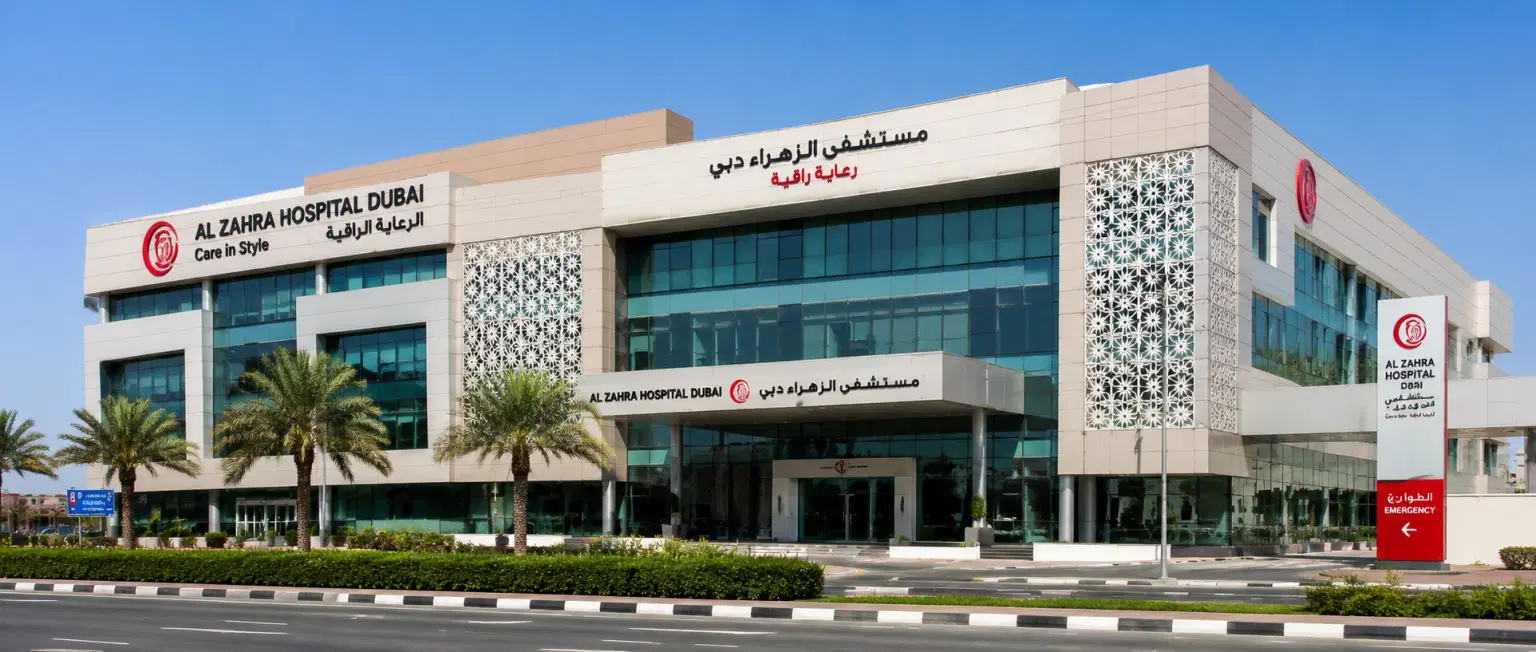
Al Zahra Hospital, Dubai
Sheikh Zayed Road, Al Barsha 1, Dubai, UAE
Al Zahra Hospital, Dubai
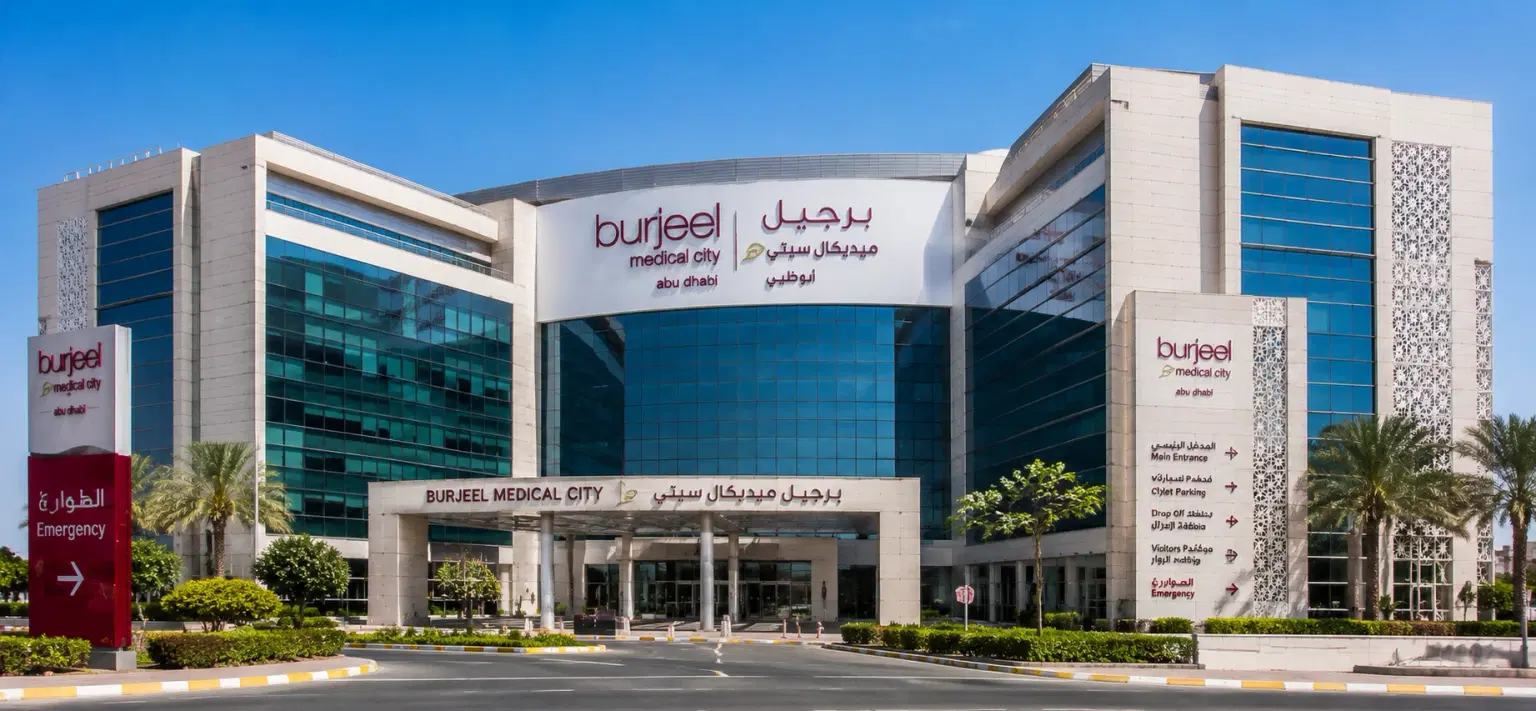
Burjeel Medical City, Abu Dhabi
28th Street, Mohammed Bin Zayed City, Abu Dhabi, UAE
Burjeel Medical City, Abu Dhabi
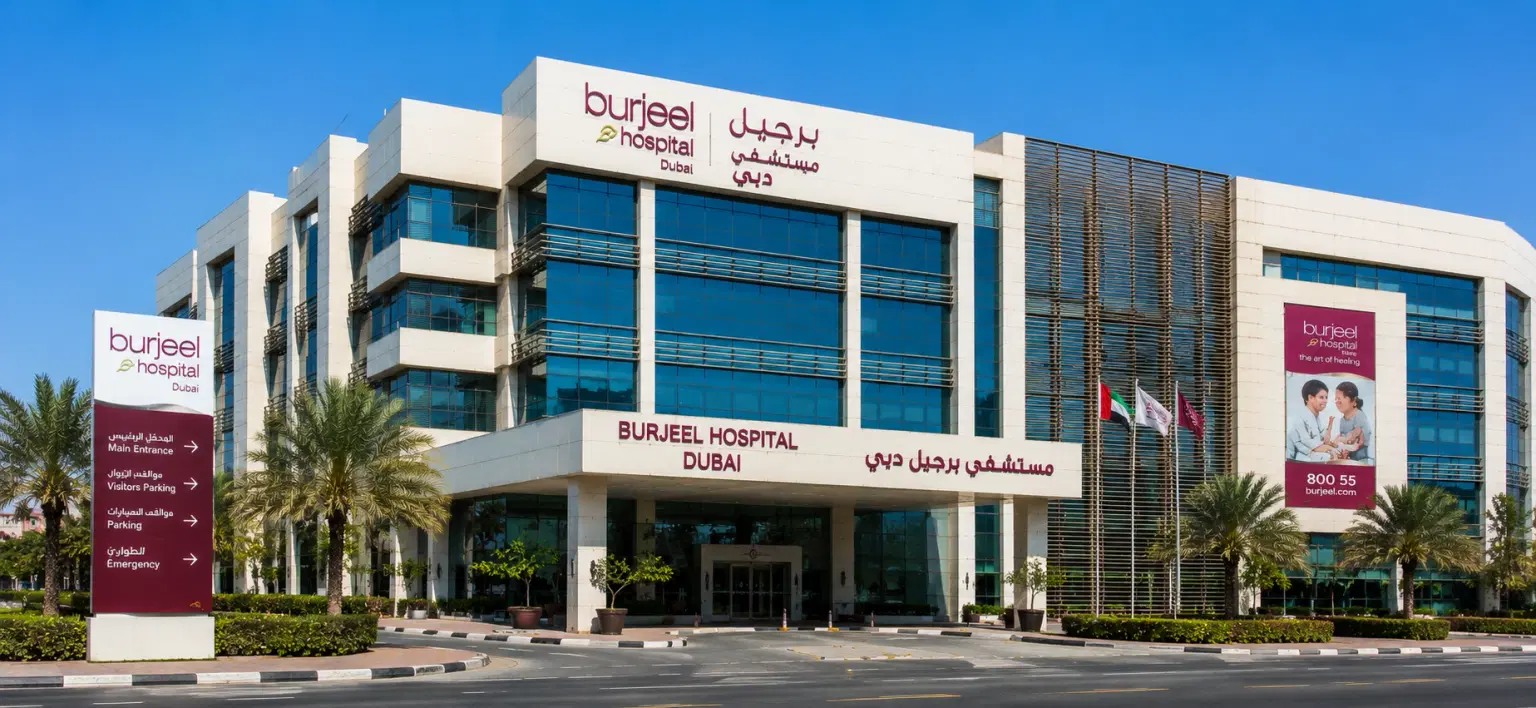
Burjeel Hospital, Dubai
Dubai, UAE (part of Burjeel Holdings network)
Burjeel Hospital, Dubai
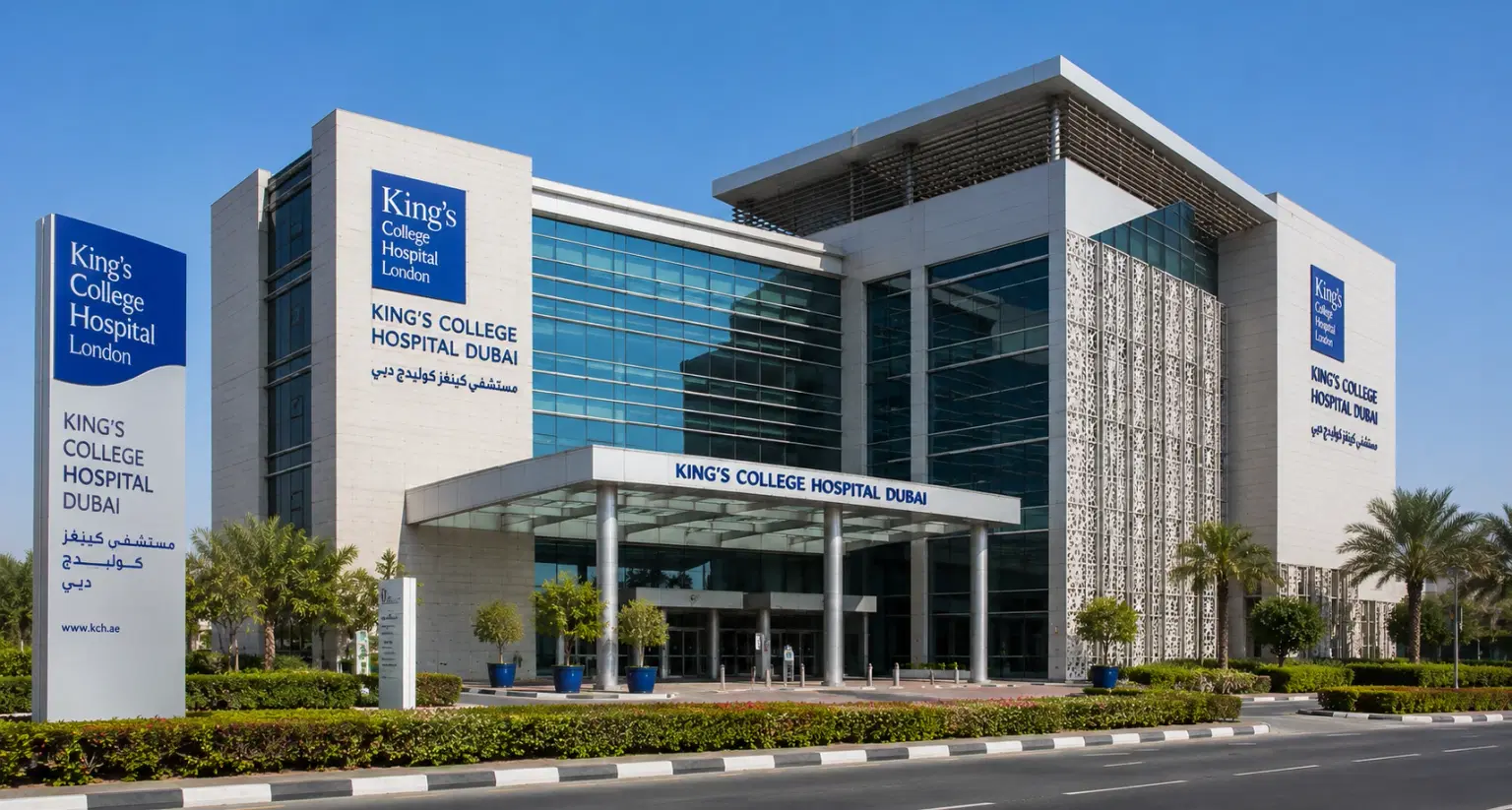
King's College Hospital, Dubai
Dubai Hills, Mohammed Bin Rashid City, Dubai, UAE
King's College Hospital, Dubai
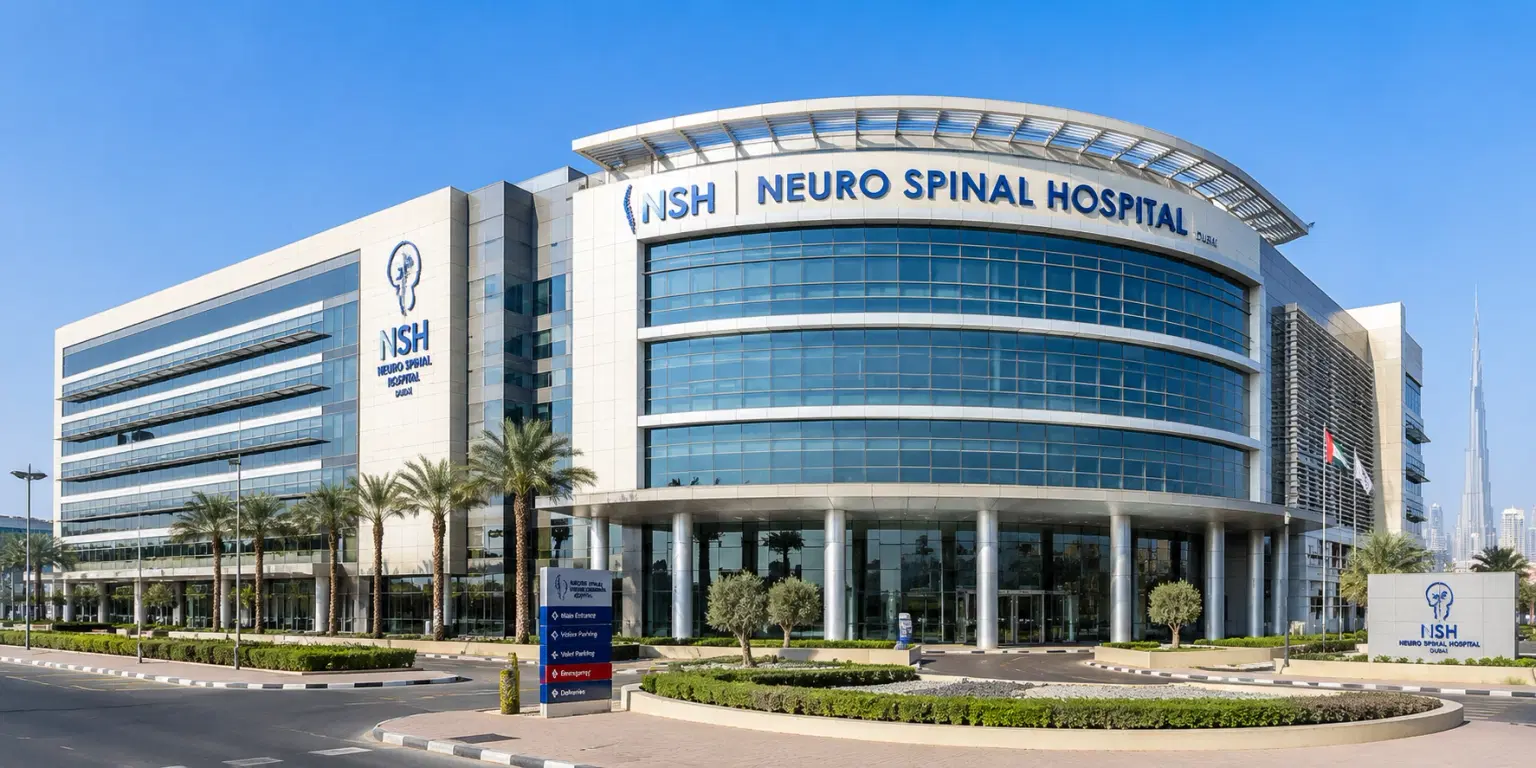
Neuro Spinal Hospital (NSH), Dubai
Dubai Science Park, Umm Suqeim St, Al Barsha South, Dubai, UAE
Neuro Spinal Hospital (NSH), Dubai
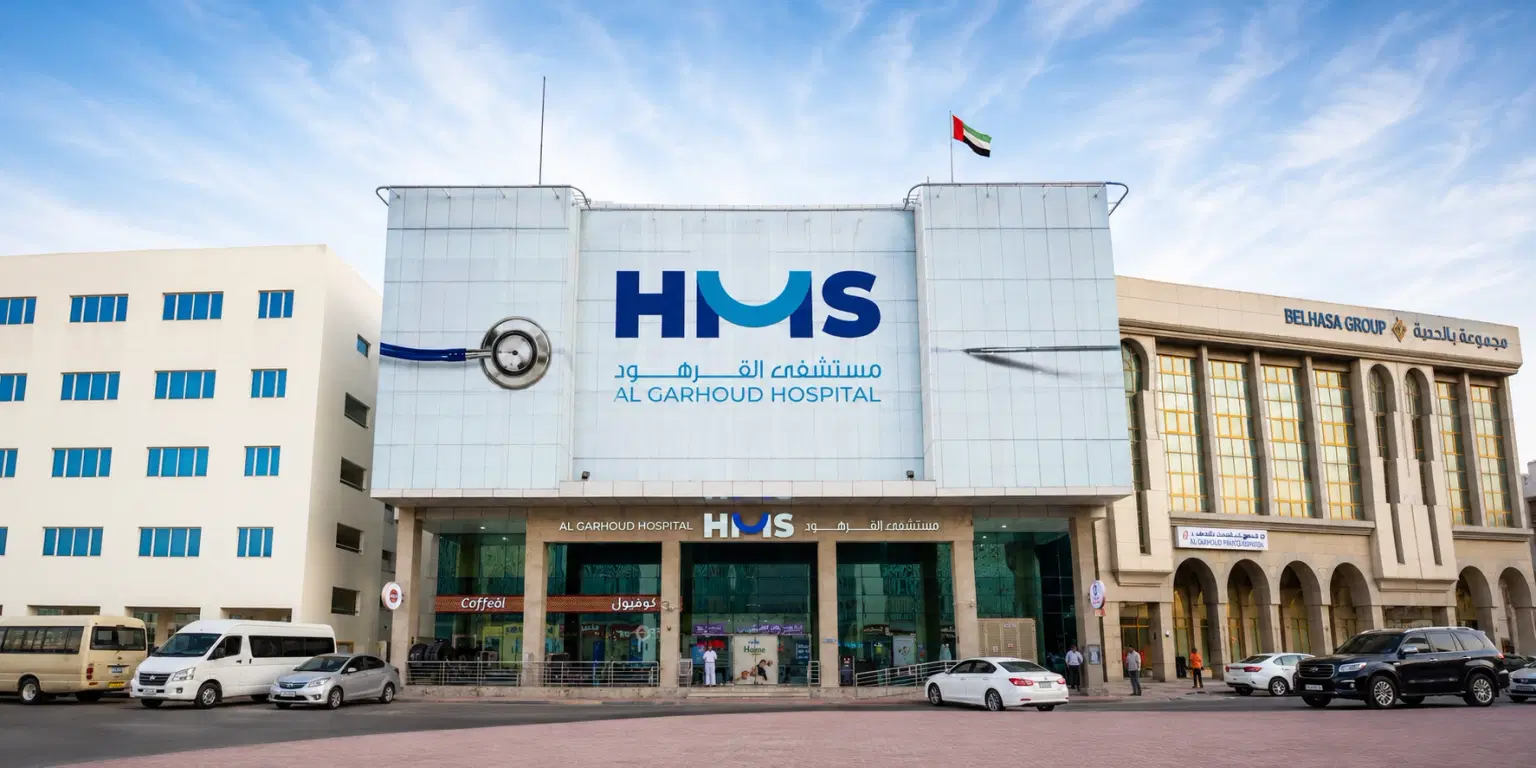
HMS Al Garhoud Hospital, Dubai
Al Garhoud Street, Al Garhoud, Dubai, UAE
HMS Al Garhoud Hospital, Dubai
Meet Our Doctors
Meet our team of highly qualified and experienced medical professionals dedicated to providing the best healthcare services.
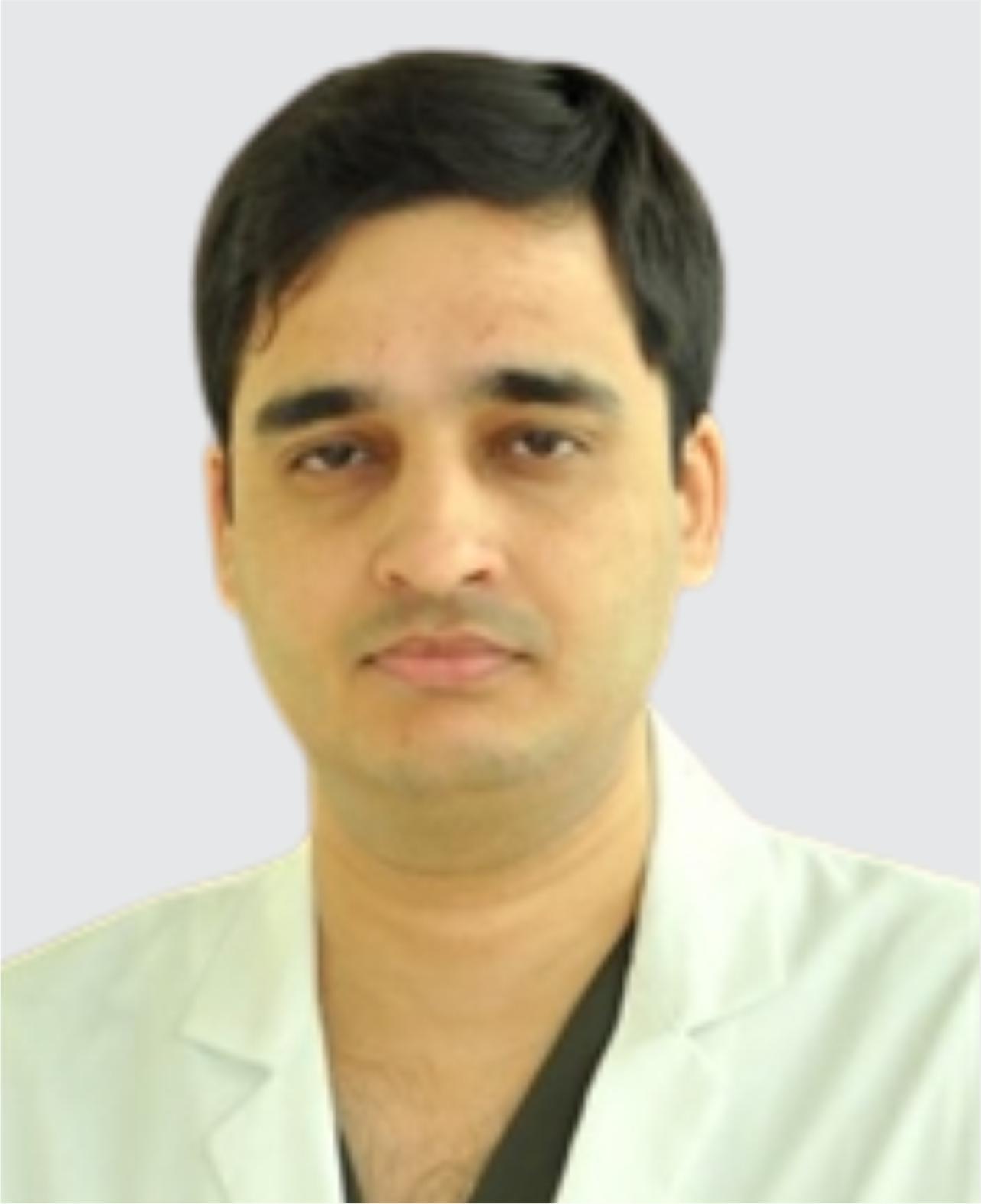
Dr. Amit Kalsotra
Sr. Consultant - Anaesthesia, Critical Care & Pain Management
Anaesthesia, Critical Care, Pain Management
New Delhi
15+ Years
Experience
Artemis Hospital
Hospital
1500
Fees
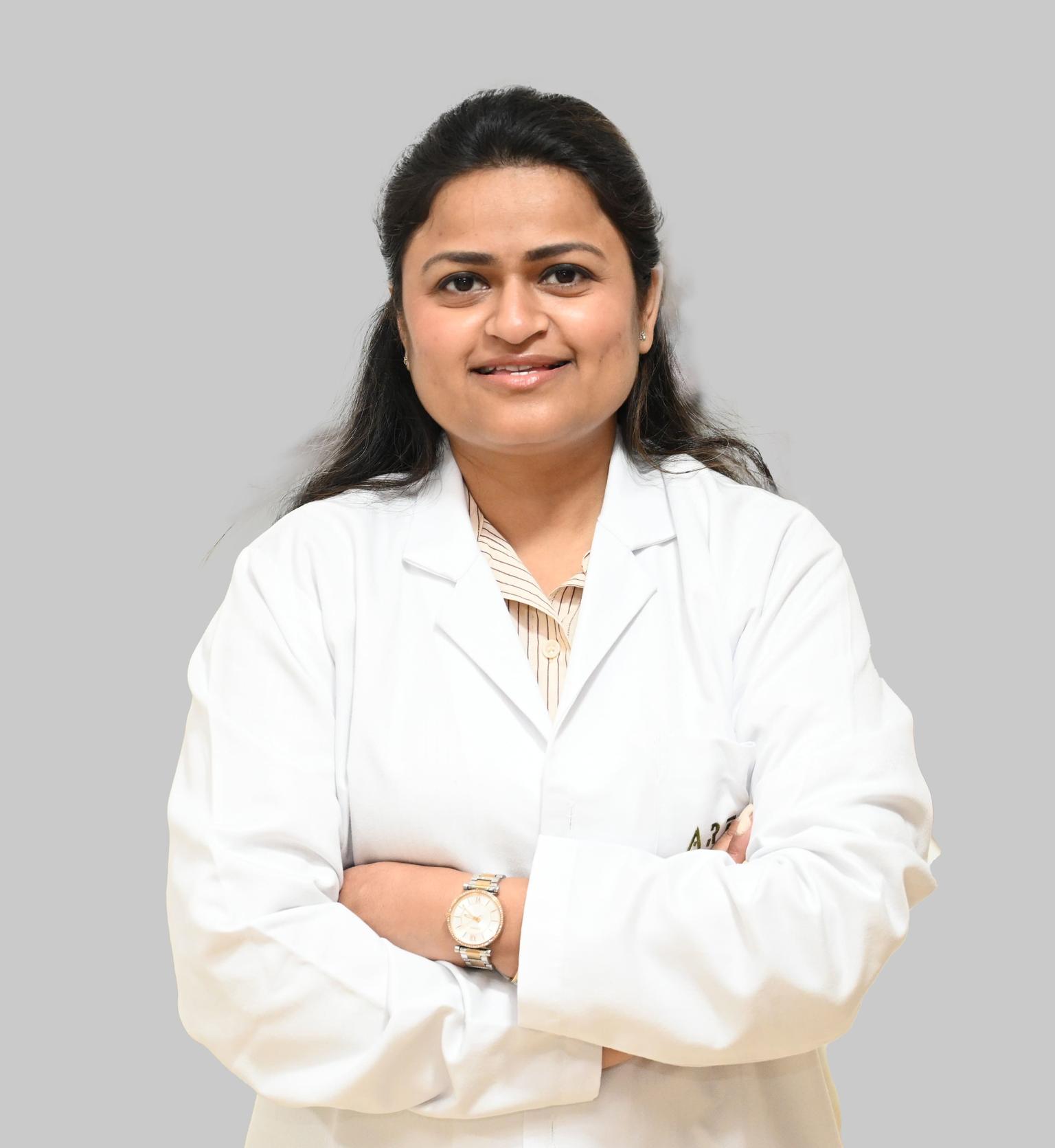
Dr. Anjali Vaish
Consultant - Physiotherapy and Rehabilitation Centre
Physiotherapy and Rehabilitation Centre
New Delhi
10+ Years
Experience
Artemis Hospital
Hospital
1500
Fees
Dr. Ajay Lall
Principal Director - Pulmonology
Pulmonology
New Delhi
40+ Years
Experience
Max Hospital,Gurgaon
Hospital
1500
Fees
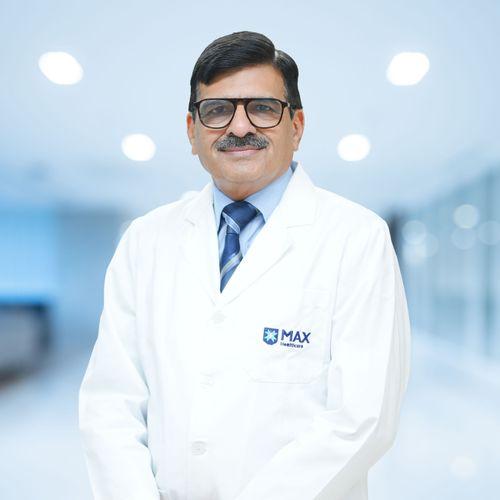
Dr. Alok Joshi
Director
Neurosciences
New Delhi
14+ Years
Experience
Apolo Delhi
Hospital
1500
Fees
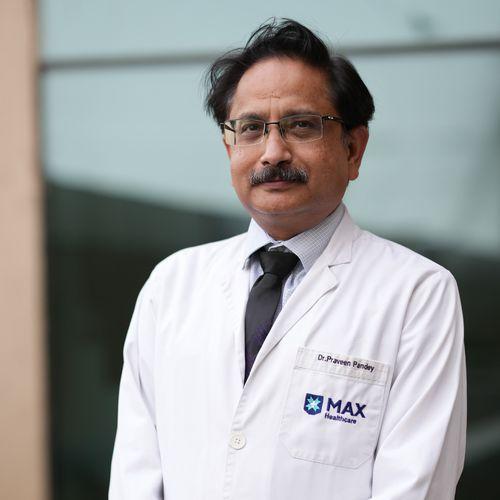
Dr. Praveen Kumar Pandey
Director
Neuroscience
New Delhi
17+ Years
Experience
Apolo Delhi
Hospital
1500
Fees
Related Links
Other Treatment related Information
- Spinal Cord Stimulation cost in Bengaluru
- Spinal Cord Stimulation cost in Chennai
- Spinal Cord Stimulation cost in New Delhi
- Spinal Cord Stimulation cost in India
- Spinal Cord Stimulation cost in Haryana
- Spinal Cord Stimulation cost in Mumbai
- Spinal Cord Stimulation cost in Pune
- Spinal Cord Stimulation cost in Hyderabad
- Spinal Cord Stimulation Success Rate in Hyderabad
- Spinal Cord Stimulation Success Rate in Pune
- Spinal Cord Stimulation Success Rate in New Delhi
- Spinal Cord Stimulation Success Rate in Haryana
- Spinal Cord Stimulation Success Rate in India
- Spinal Cord Stimulation Success Rate in Chennai
- Spinal Cord Stimulation Success Rate in Bengaluru
- Spinal Cord Stimulation Success Rate in Mumbai
- Best Spinal Cord Stimulation Doctors in Mumbai
- Best Spinal Cord Stimulation Doctors in India
- Best Spinal Cord Stimulation Doctors in Pune
- Best Spinal Cord Stimulation Doctors in Hyderabad
Ready To Start Your Healing Journey?
Get Personalized Medical Treatment Options From India's Top Hospitals. Our Medical Experts Are Ready To Assist You Every Step Of The Way.