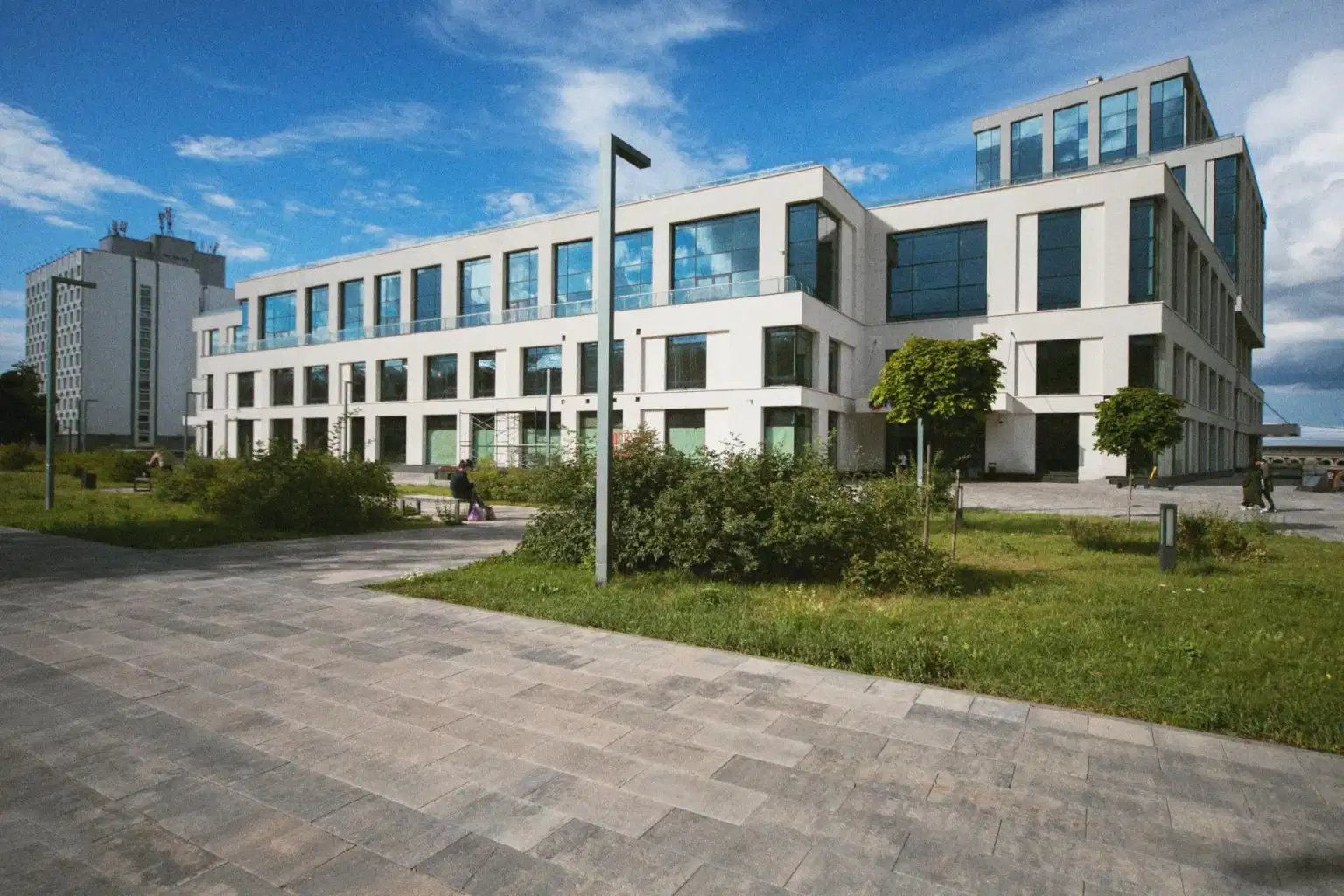
Spinal Cord Stimulation Treatment in Mumbai for Bangladesh
Need Personalized Advice?
Our medical experts are ready to answer your questions and guide you through your treatment options.
About
Spinal Cord Stimulation in Mumbai for Bangladesh Patients
For many patients in Bangladesh facing persistent chronic pain, finding effective and accessible treatment options can be a significant concern. The journey to alleviate discomfort, especially when local therapies have not yielded desired results, often involves considering advanced medical solutions in reputable centers abroad.
Mumbai has emerged as a preferred destination for international patients seeking specialized care like Spinal Cord Stimulation. The city offers a well-developed healthcare infrastructure, where medical expertise and patient-focused environments converge to provide advanced treatment pathways for complex conditions.
Patients coming to Mumbai can rely on a network of accredited hospitals and highly skilled neurosurgeons specializing in pain management. These facilities are equipped with modern technology and staffed by multidisciplinary teams, ensuring comprehensive care and coordinated follow-up support throughout the treatment process.
Mumbai provides an established and reliable framework for Spinal Cord Stimulation treatment.
What is Spinal Cord Stimulation?
Spinal Cord Stimulation (SCS) is an advanced medical procedure designed to manage chronic neuropathic pain that has not responded to other treatments. It involves implanting a small device under the skin, usually in the abdomen or buttock. This device delivers mild electrical impulses to the spinal cord through thin wires called leads. These impulses interfere with the pain signals traveling to the brain, replacing pain sensations with a tingling feeling, or in some newer systems, no sensation at all. The goal is to significantly reduce pain and improve quality of life.
Exploring Spinal Cord Stimulation Options
Spinal Cord Stimulation is not a one-size-fits-all solution; various types of systems and stimulation patterns are available to best suit individual patient needs:
- Traditional Tonic Stimulation: Delivers continuous low-frequency electrical pulses, often resulting in a mild paresthesia (tingling) that masks pain.
- Burst Stimulation: Mimics natural neural firing patterns by delivering short, high-frequency bursts of electrical pulses, aiming to provide pain relief without paresthesia.
- High-Frequency Stimulation (HF10™): Utilizes very high frequencies (10 kHz) to achieve pain relief without any tingling sensation.
- Dorsal Root Ganglion (DRG) Stimulation: Targets specific nerve clusters (dorsal root ganglia) responsible for pain in particular body areas, often used for localized and intractable pain conditions.
- Closed-Loop SCS Systems: These advanced systems measure the spinal cord's response to stimulation and automatically adjust the energy output, aiming for more consistent and optimized pain relief.
When Is Spinal Cord Stimulation Recommended?
- Chronic neuropathic pain lasting more than six months.
- Failed back surgery syndrome (FBSS) or post-laminectomy syndrome.
- Complex regional pain syndrome (CRPS).
- Peripheral neuropathy, especially painful diabetic neuropathy.
- Intractable angina pectoris (chest pain due to heart disease).
- Painful peripheral vascular disease.
- Pain caused by nerve damage following trauma or surgery.
Pre-Treatment Evaluation Steps
- Comprehensive physical examination by a pain specialist and neurosurgeon.
- Detailed review of medical history and previous pain treatments.
- Diagnostic imaging such as MRI, CT scans, or X-rays to assess spinal anatomy.
- Psychological evaluation to ensure suitability for the procedure and manage expectations.
- Temporary SCS trial, where leads are placed for a few days to assess pain relief.
How the Spinal Cord Stimulation Procedure is Performed
The Spinal Cord Stimulation procedure typically involves two main stages: a trial phase and a permanent implant phase. The exact approach depends on the individual condition and the patient’s response.
Trial Phase
During the trial, temporary leads are carefully placed in the epidural space near the spinal cord, usually through a needle. These leads are connected to an external generator worn by the patient for approximately 5 to 7 days. This period allows both the patient and the medical team to evaluate the effectiveness of the stimulation in reducing pain. If a significant reduction in pain (typically 50% or more) is achieved, the patient is considered a good candidate for permanent implantation.
Permanent Implant Phase
If the trial is successful, a permanent procedure is scheduled. This involves a minimally invasive surgery where the leads are carefully positioned along the spinal cord and then connected to a small, implantable pulse generator (IPG). The IPG is typically placed under the skin in the abdomen or upper buttock. The entire system is then programmed to deliver specific electrical pulses that optimize pain relief. Patients are often awake during parts of the procedure to provide feedback on lead placement and sensation.
Understanding the Recovery Process
After the permanent SCS implant, patients typically have a short hospital stay, often overnight. Recovery involves managing the incision sites, avoiding strenuous activities, and gradually returning to normal routines. Physical restrictions like lifting, bending, and twisting are usually in place for several weeks to allow the leads to settle. Regular follow-up appointments are crucial for device programming adjustments, wound care, and monitoring pain relief. Physical therapy may be recommended to help regain strength and flexibility.
Potential Risks and Success Rates
- Infection: Risk at the surgical site or around the implanted device.
- Lead migration: The leads may shift position, potentially reducing effectiveness.
- Device malfunction: Issues with the battery or internal components of the IPG.
- Pain at implant site: Discomfort or irritation where the generator is placed.
- Neurological changes: Though rare, potential for nerve damage or spinal fluid leak.
- Battery depletion: The IPG battery will eventually need replacement, though rechargeable devices last longer.
Spinal Cord Stimulation generally offers good to excellent outcomes for appropriately selected patients. Success rates, often defined as a 50% or greater reduction in pain, range from 60% to 80%. Results can vary significantly based on the patient's underlying condition, type of pain, adherence to post-operative guidelines, and individual physiological responses. Many patients experience improved functionality, reduced reliance on pain medication, and a better overall quality of life. Long-term expectations typically involve ongoing management and potential device adjustments.
Cost of Spinal Cord Stimulation in Mumbai
The cost of Spinal Cord Stimulation in Mumbai is influenced by several factors, including the chosen hospital, the specific type of SCS device implanted (rechargeable vs. non-rechargeable, tonic vs. burst/high-frequency), the neurosurgeon's fees, duration of hospital stay, and any additional pre or post-operative care required. Mumbai's competitive healthcare market offers a range of options suitable for different budgets while maintaining high standards of care.
For international patients, the estimated cost for Spinal Cord Stimulation in Mumbai typically ranges from INR 8,00,000 to INR 18,00,000.
Comparing Spinal Cord Stimulation Costs: Mumbai vs. Global Destinations
Patients from Bangladesh often find Mumbai to be a cost-effective choice for advanced medical treatments when comparing it with healthcare expenses in many Western and even some Asian countries.
| Location | Estimated Cost (USD) |
|---|---|
| Mumbai, India | $10,000 - $22,000 |
| Bangkok, Thailand | $15,000 - $30,000 |
| Istanbul, Turkey | $12,000 - $25,000 |
| Singapore | $30,000 - $55,000 |
| United Kingdom | $40,000 - $70,000 |
| United States | $60,000 - $120,000 |
Considering Spinal Cord Stimulation in Mumbai? Connect with our patient support team today to understand your options and get personalized cost estimates.
Comprehensive Assistance for Your Medical Journey
- Expert coordination for visa applications and travel logistics.
- Arrangement of suitable accommodation near the hospital.
- Professional interpretation services to ensure clear communication.
- Facilitation of local transportation for appointments and recovery.
- Guidance for post-treatment follow-up and virtual consultations.
Essential Papers for Your Treatment Visit
- Valid passport and medical visa for entry into India.
- Comprehensive medical reports, including diagnostic scans and previous treatment summaries.
- Referral letter from your local physician in Bangladesh, if applicable.
- Proof of financial capacity to cover treatment and travel expenses.
- Any relevant insurance documents.
Key Preparations Before Your Procedure
- Thorough medical review by the Mumbai specialist upon arrival.
- Adherence to any dietary restrictions or medication adjustments advised by your doctor.
- Arranging for a companion to accompany you during your stay, if possible.
- Familiarizing yourself with the hospital facilities and local surroundings.
- Ensuring all necessary paperwork and financial arrangements are in order.
Guidance for Your Recovery and Aftercare
- Strict adherence to wound care instructions and hygiene.
- Gradual resumption of daily activities as advised by your medical team.
- Regular device programming sessions to optimize pain relief.
- Maintaining contact with the medical team for any concerns or adjustments.
- Attending all scheduled follow-up appointments, both in-person and virtually.
Ready to Explore Your Path to Pain Relief?
Taking the next step towards managing chronic pain can significantly improve your quality of life. Our team is here to support you in making informed decisions for your health.
Reach out today for a consultation or to learn more about Spinal Cord Stimulation in Mumbai. We are dedicated to guiding you through every stage of your treatment journey.
Hospitals Offering this treatment
India offers premium medical procedures at affordable prices. Discover our most popular treatments, delivered by the country's finest doctors.
Meet Our Doctors
Meet our team of highly qualified and experienced medical professionals dedicated to providing the best healthcare services.
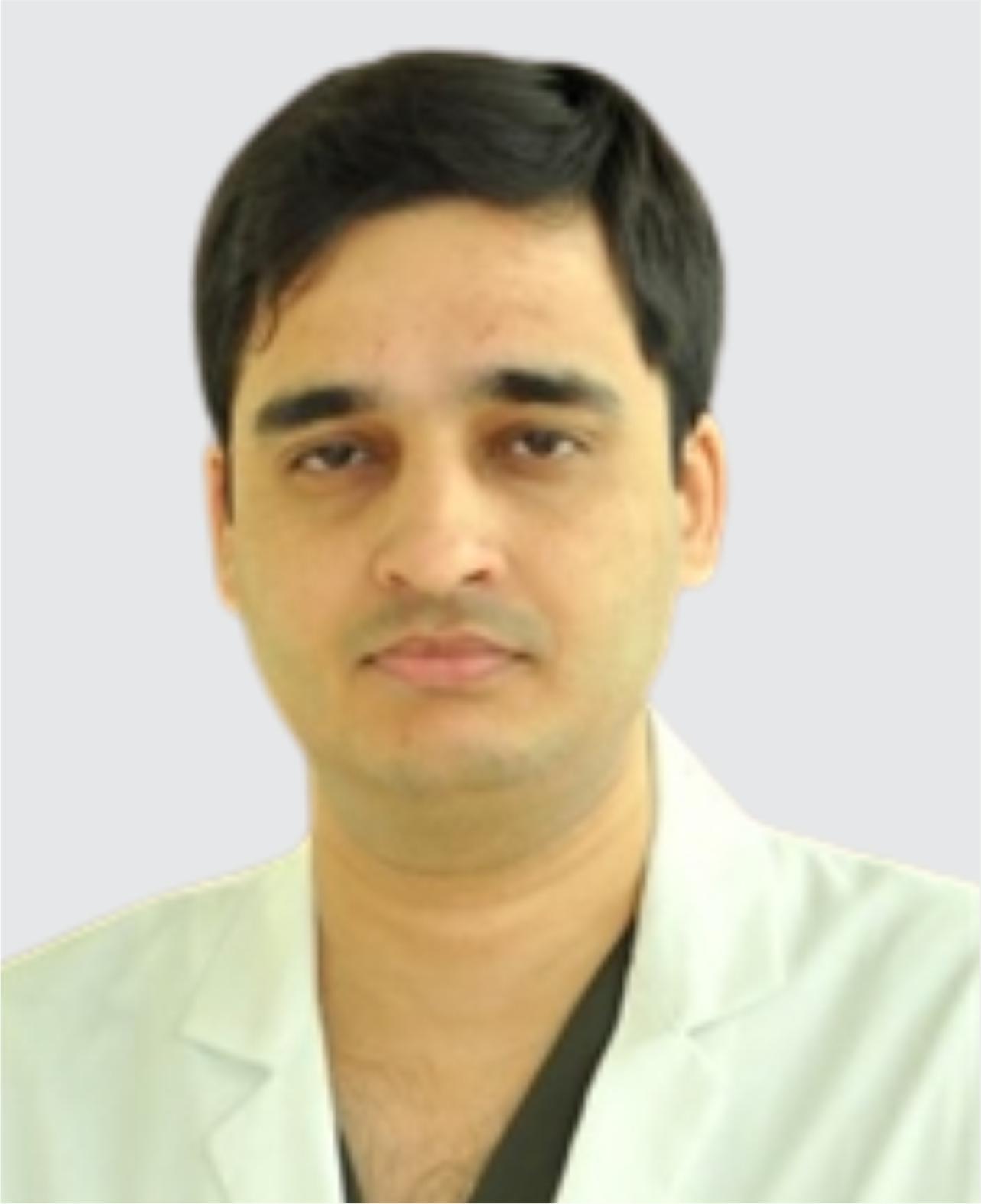
Dr. Amit Kalsotra
Sr. Consultant - Anaesthesia, Critical Care & Pain Management
Anaesthesia, Critical Care, Pain Management
New Delhi
15+ Years
Experience
Artemis Hospital
Hospital
1500
Fees
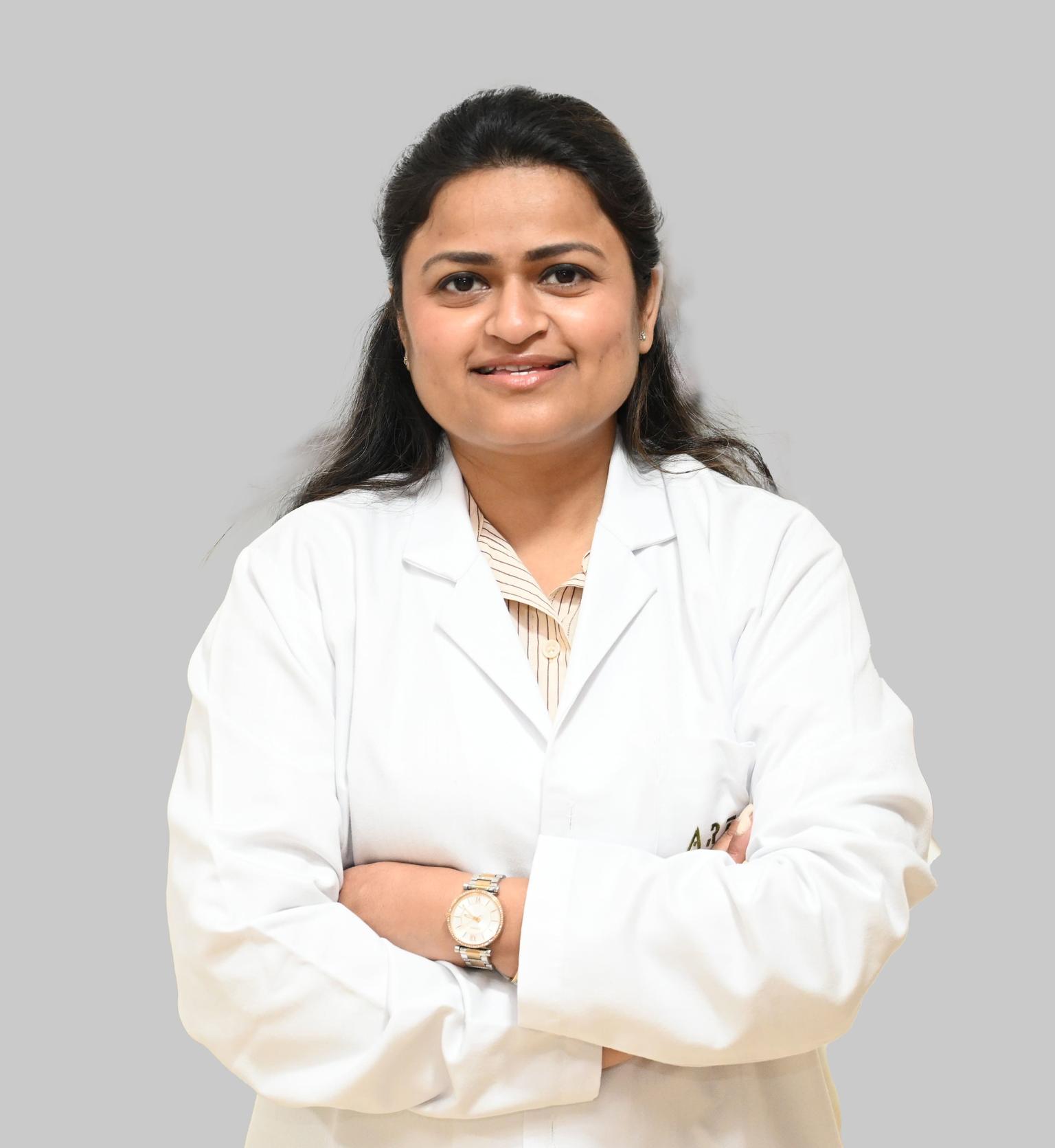
Dr. Anjali Vaish
Consultant - Physiotherapy and Rehabilitation Centre
Physiotherapy and Rehabilitation Centre
New Delhi
10+ Years
Experience
Artemis Hospital
Hospital
1500
Fees
Dr. Ajay Lall
Principal Director - Pulmonology
Pulmonology
New Delhi
40+ Years
Experience
Max Hospital,Gurgaon
Hospital
1500
Fees
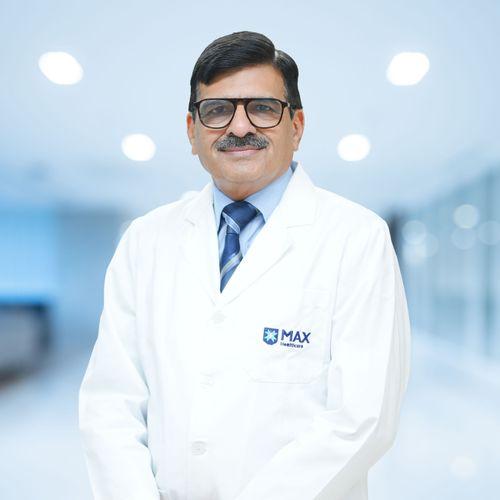
Dr. Alok Joshi
Director
Neurosciences
New Delhi
14+ Years
Experience
Apolo Delhi
Hospital
1500
Fees
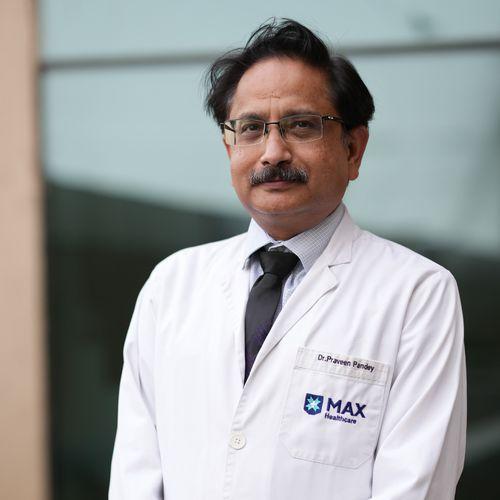
Dr. Praveen Kumar Pandey
Director
Neuroscience
New Delhi
17+ Years
Experience
Apolo Delhi
Hospital
1500
Fees
Related Links
Other Treatment related Information
- Spinal Cord Stimulation cost in Bengaluru
- Spinal Cord Stimulation cost in Chennai
- Spinal Cord Stimulation cost in New Delhi
- Spinal Cord Stimulation cost in India
- Spinal Cord Stimulation cost in Haryana
- Spinal Cord Stimulation cost in Mumbai
- Spinal Cord Stimulation cost in Pune
- Spinal Cord Stimulation cost in Hyderabad
- Spinal Cord Stimulation Success Rate in Hyderabad
- Spinal Cord Stimulation Success Rate in Pune
- Spinal Cord Stimulation Success Rate in New Delhi
- Spinal Cord Stimulation Success Rate in Haryana
- Spinal Cord Stimulation Success Rate in India
- Spinal Cord Stimulation Success Rate in Chennai
- Spinal Cord Stimulation Success Rate in Bengaluru
- Spinal Cord Stimulation Success Rate in Mumbai
- Best Spinal Cord Stimulation Doctors in Mumbai
- Best Spinal Cord Stimulation Doctors in India
- Best Spinal Cord Stimulation Doctors in Pune
- Best Spinal Cord Stimulation Doctors in Hyderabad
Ready To Start Your Healing Journey?
Get Personalized Medical Treatment Options From India's Top Hospitals. Our Medical Experts Are Ready To Assist You Every Step Of The Way.