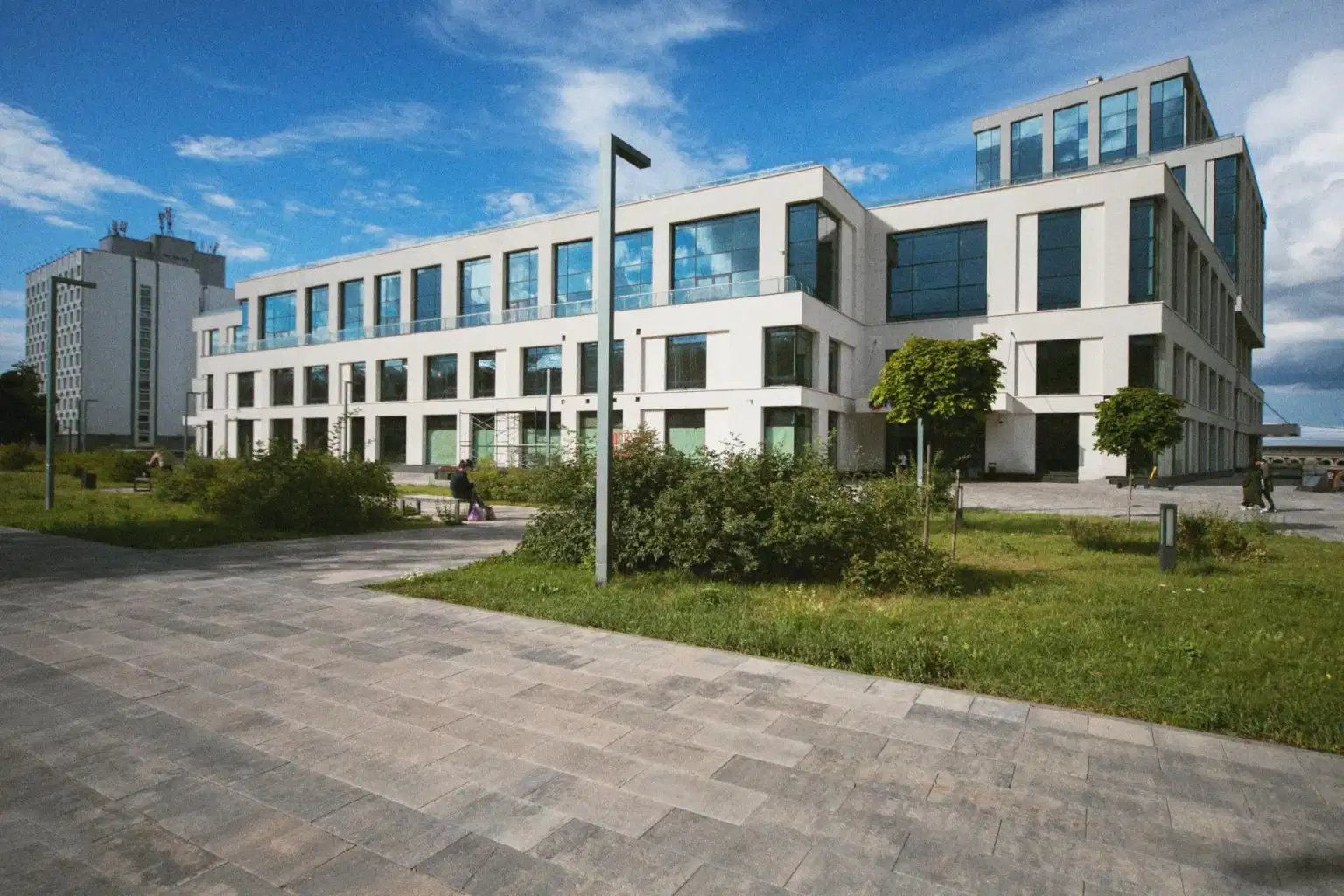
Spinal Cord Stimulation Treatment in Mumbai for Nigeria
Need Personalized Advice?
Our medical experts are ready to answer your questions and guide you through your treatment options.
About
Spinal Cord Stimulation in Mumbai for Nigerian Patients
For many Nigerian patients living with persistent chronic pain, finding effective and lasting relief can be a challenging journey. The constant discomfort impacts daily life, often leading to a search for advanced treatment options beyond familiar borders. Uncertainty about where to find expert care and reliable medical solutions is a common concern.
Patients increasingly consider Mumbai as a leading destination for specialized procedures like Spinal Cord Stimulation. The city offers a unique combination of cutting-edge medical technology, highly skilled specialists, and integrated care pathways. This environment ensures a smoother patient experience from initial consultation through recovery, making complex medical decisions more manageable.
Mumbai's medical infrastructure is built on a foundation of trust, featuring internationally accredited hospitals and neurologists with extensive experience in pain management. These institutions prioritize patient safety and positive outcomes. The city’s healthcare ecosystem supports seamless follow-ups and comprehensive post-procedure care within the same trusted environment.
Could Mumbai be the dedicated medical hub for your chronic pain management?
What is Spinal Cord Stimulation?
Spinal Cord Stimulation (SCS) is an advanced pain management therapy designed to alleviate chronic neuropathic pain that has not responded to other treatments. It involves implanting a small device that sends mild electrical pulses to the spinal cord. These pulses interfere with the pain signals traveling to the brain, replacing pain with a more tolerable tingling sensation, or in some newer systems, no sensation at all. The goal is to significantly reduce pain, improve function, and enhance quality of life for patients struggling with debilitating, long-term pain conditions.
Types of Spinal Cord Stimulation Systems
Different types of Spinal Cord Stimulation systems offer varied approaches to pain relief, tailored to individual patient needs and pain profiles:
- Conventional SCS: Delivers continuous low-frequency electrical pulses, often resulting in a tingling sensation (paresthesia) over the painful area.
- High-Frequency SCS (HF10™ Therapy): Operates at a higher frequency without producing the paresthesia sensation, offering a different mechanism of pain modulation.
- Burst SCS: Delivers pulses in "bursts" that mimic natural neural firing patterns, potentially providing more profound and natural-feeling pain relief.
- Dorsal Root Ganglion (DRG) Stimulation: Specifically targets the dorsal root ganglion, a cluster of nerve cells involved in pain transmission, offering precise pain relief for localized conditions.
- Closed-Loop SCS: Systems that automatically adjust stimulation based on changes in the patient's posture or activity, optimizing therapy delivery.
When is Spinal Cord Stimulation Required?
- Chronic neuropathic pain lasting more than three months.
- Failed Back Surgery Syndrome (FBSS), also known as post-laminectomy syndrome.
- Complex Regional Pain Syndrome (CRPS) in a limb.
- Ischemic limb pain where surgery is not an option.
- Refractory angina pectoris that cannot be treated by revascularization.
- Diabetic neuropathy causing severe, intractable pain.
- Pain conditions unresponsive to conventional treatments like medication, physical therapy, or injections.
Pre-Treatment Evaluation for SCS
- Comprehensive medical history review and physical examination.
- Neurological assessment to identify the source and nature of pain.
- Diagnostic imaging such as MRI or CT scans of the spine to rule out other causes.
- Psychological evaluation to assess mental health and suitability for implantable devices.
- Consultation with a pain management specialist or neurosurgeon.
- Review of previous treatments and their effectiveness.
- Blood tests and other routine lab investigations to ensure overall health for surgery.
How Spinal Cord Stimulation is Performed
The Spinal Cord Stimulation procedure typically involves two main stages, tailored to the patient's specific condition and pain management plan.
Trial Stimulation Phase
Before permanent implantation, patients undergo a trial period to determine if SCS will be effective. Thin, flexible wires (leads) are temporarily inserted into the epidural space near the spinal cord, usually in the lower back, through a needle. The leads are connected to an external generator worn on a belt. This trial typically lasts 3 to 7 days, allowing the patient to assess pain relief and sensation. If the trial provides significant pain reduction (typically 50% or more), the patient may proceed to permanent implantation.
Permanent Implantation Phase
During the permanent procedure, performed under local or general anesthesia, the leads are surgically implanted in the epidural space. These leads are then connected to a small neurostimulator device (IPG) similar to a pacemaker. The IPG is typically implanted under the skin, often in the abdomen or upper buttock area. The entire system is then carefully programmed by the medical team to deliver optimal electrical pulses for pain relief. Patients are usually discharged within a day or two after the permanent implant.
Recovery Process After Spinal Cord Stimulation
The recovery period following Spinal Cord Stimulation involves managing surgical site discomfort, gradually resuming activities, and optimizing device settings. Patients typically experience some soreness at the incision sites for a few weeks. Activity restrictions, such as avoiding heavy lifting or twisting, are usually in place for 6-8 weeks to allow the leads to settle and prevent migration. Regular follow-up appointments are crucial for programming adjustments, wound care, and monitoring pain relief. Physical therapy may be recommended to help regain strength and flexibility, supporting the overall goal of improved functionality and reduced pain.
Risks and Success Rates of Spinal Cord Stimulation
- Infection at the surgical site requiring antibiotics or, in rare cases, device removal.
- Lead migration, where the implanted leads move from their optimal position, potentially reducing effectiveness or causing new sensations.
- Device malfunction, including battery depletion or issues with the stimulator hardware.
- Pain or discomfort at the implant site where the generator is placed.
- Neurological injury, though rare, such as bleeding or nerve damage during lead placement.
- Dural puncture causing a spinal headache.
- Unsatisfactory pain relief, despite a successful trial.
Spinal Cord Stimulation typically achieves success rates ranging from 50% to 70% in providing significant pain relief. The outcome depends heavily on patient selection, the specific pain condition being treated, and adherence to post-operative care. While results can vary, most successful patients report a substantial reduction in pain, allowing for decreased reliance on oral pain medications and improved daily functioning. Long-term expectations include sustained pain management and a better quality of life, though device adjustments or revisions may be needed over time.
Cost of Spinal Cord Stimulation in Mumbai
The overall cost of Spinal Cord Stimulation in Mumbai is influenced by several factors, including the specific hospital chosen, the experience of the treating neurosurgeon or pain specialist, the type of SCS system implanted, and the duration of hospital stay. Additional costs may arise from pre-operative evaluations, post-operative rehabilitation, and any necessary follow-up care.
For Nigerian patients considering Spinal Cord Stimulation, the estimated cost in Mumbai typically ranges from INR 1,500,000 to INR 2,500,000.
Mumbai vs. Global Spinal Cord Stimulation Costs
Mumbai offers a compelling cost advantage compared to many Western countries, without compromising on medical expertise or facility standards.
| Location | Estimated Cost (USD) |
|---|---|
| Mumbai, India | $18,000 - $30,000 |
| United States | $50,000 - $100,000 |
| United Kingdom | $40,000 - $75,000 |
| Canada | $35,000 - $65,000 |
| Singapore | $30,000 - $60,000 |
Explore Advanced Pain Relief in Mumbai
Ready to learn more about Spinal Cord Stimulation and how it can help manage your chronic pain? Contact our patient care team today for a personalized consultation and treatment plan.
Dedicated Support for Your Medical Journey in Mumbai
- Assistance with medical visa applications and necessary travel documents.
- Arrangement of suitable accommodation options for patients and their companions.
- Professional language translation services for effective communication.
- Coordination of airport transfers and local transportation within Mumbai.
- Scheduling of all medical appointments, from initial consultations to follow-up visits.
- Guidance on pre-treatment preparations and post-treatment care instructions.
Essential Documents for Your Spinal Cord Stimulation Treatment
- Valid passport and medical visa for India.
- Comprehensive medical reports, including previous diagnostic tests and treatment history.
- Referral letter from your local physician in Nigeria.
- Proof of funds or medical insurance details.
- List of current medications, including dosages.
- Contact information for emergency purposes.
Preparing for Your Spinal Cord Stimulation Procedure
- Detailed medical review by the Mumbai specialist team to confirm suitability.
- Discussion of all travel logistics and accommodation arrangements.
- Instructions regarding cessation of certain medications, especially blood thinners, prior to surgery.
- Guidance on dietary restrictions and fasting protocols before the procedure.
- Opportunity to ask any remaining questions about the treatment plan.
- Emotional preparation and understanding of the expected outcomes.
Aftercare and Recovery Post-Spinal Cord Stimulation
- Scheduled follow-up appointments for device programming and pain assessment.
- Specific instructions for wound care and monitoring for signs of infection.
- Guidelines on activity levels and restrictions to prevent lead displacement.
- Education on how to manage your SCS device and its remote control.
- Referral to physical therapy or rehabilitation as needed.
- Clear communication channels for any post-operative concerns or questions.
Take the Next Step Towards Pain Relief
Our team in Mumbai is ready to support you. Reach out today to discuss your Spinal Cord Stimulation options and begin your journey to a life with less pain.
Ready for a New Chapter of Pain Relief?
Begin your path to lasting comfort and improved well-being with expert care in Mumbai.
Hospitals Offering this treatment
India offers premium medical procedures at affordable prices. Discover our most popular treatments, delivered by the country's finest doctors.
Meet Our Doctors
Meet our team of highly qualified and experienced medical professionals dedicated to providing the best healthcare services.

Dr. Ajit Singh Baghela
Consultant
Paediatric Neurology
Haryana
9+ Years
Experience
Artemis Hospital
Hospital
1500
Fees
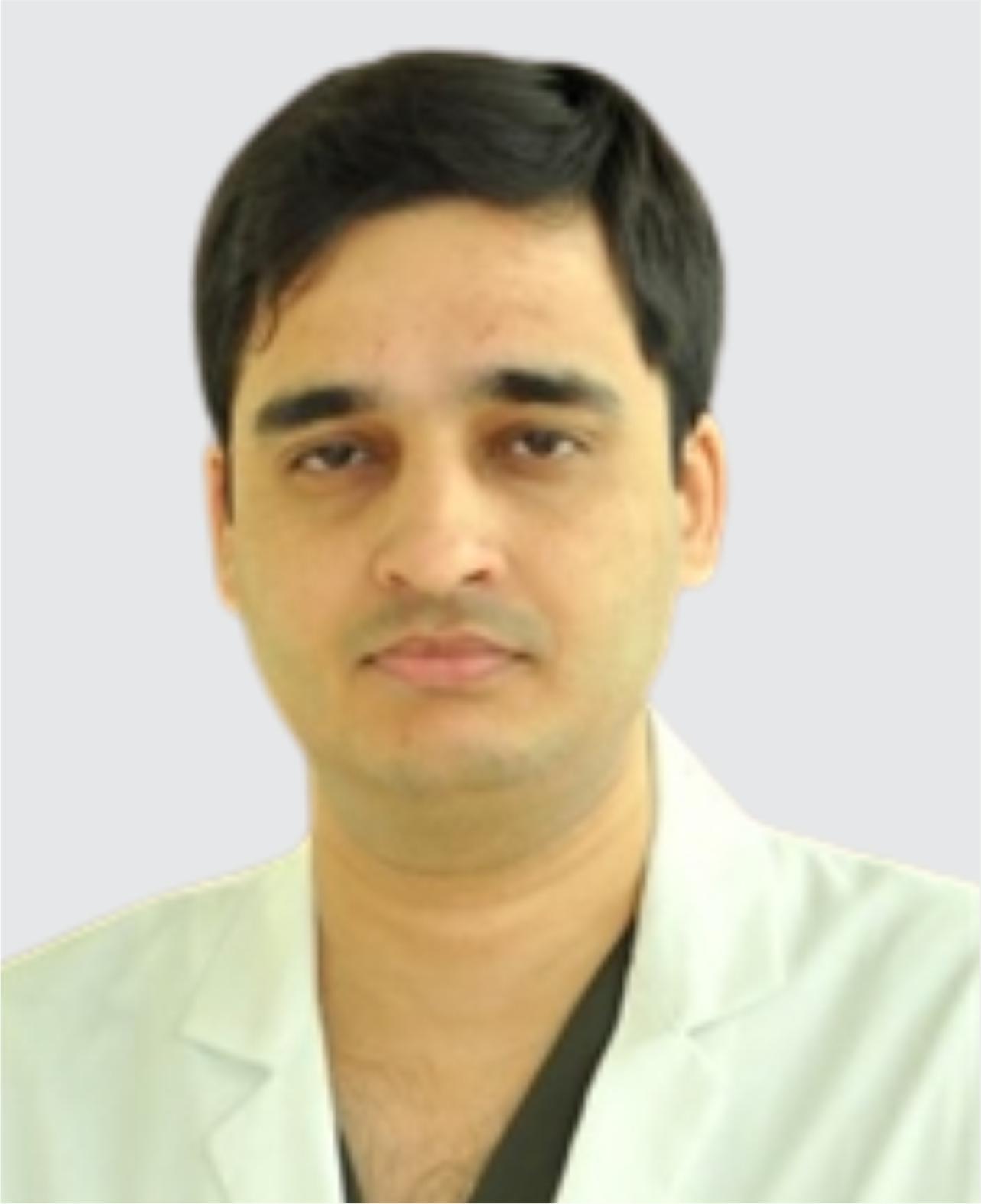
Dr. Amit Kalsotra
Sr. Consultant - Anaesthesia, Critical Care & Pain Management
Anaesthesia, Critical Care, Pain Management
New Delhi
15+ Years
Experience
Artemis Hospital
Hospital
1500
Fees

Dr. Anjali Vaish
Consultant - Physiotherapy and Rehabilitation Centre
Physiotherapy and Rehabilitation Centre
New Delhi
10+ Years
Experience
Artemis Hospital
Hospital
1500
Fees
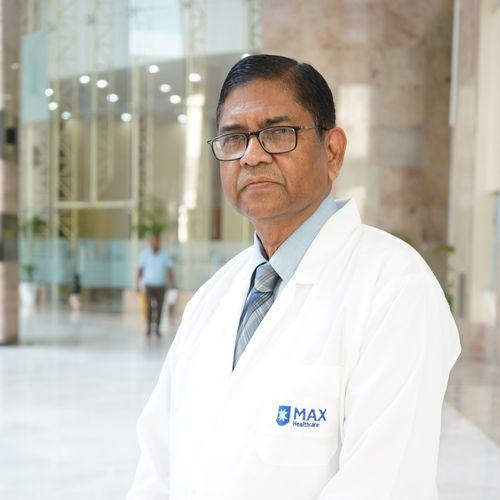
Dr. Nakul Sinha
Chairman - Cardiology
Cardiology
New Delhi
41+ Years
Experience
Max Hospital,Gurgaon
Hospital
1500
Fees
Dr. Ajay Lall
Principal Director - Pulmonology
Pulmonology
New Delhi
40+ Years
Experience
Max Hospital,Gurgaon
Hospital
1500
Fees
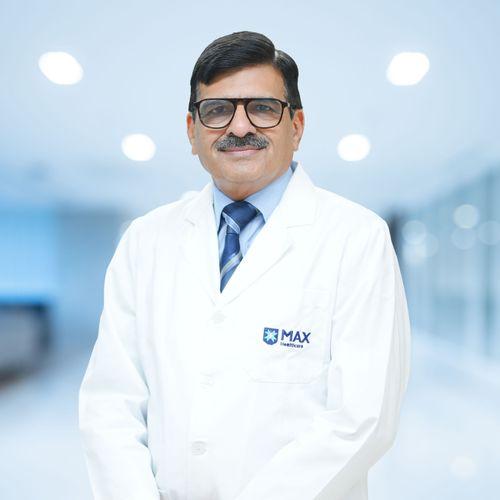
Dr. Alok Joshi
Director
Neurosciences
New Delhi
14+ Years
Experience
Apolo Delhi
Hospital
1500
Fees
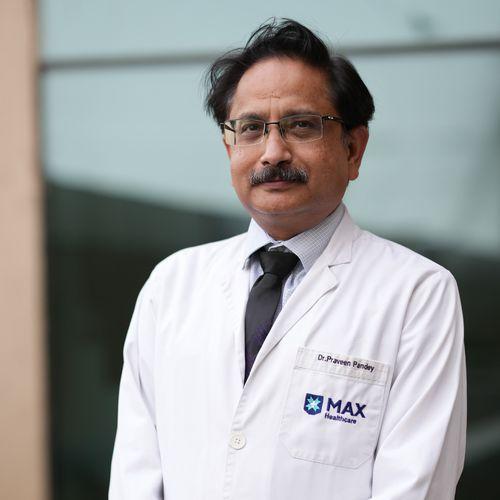
Dr. Praveen Kumar Pandey
Director
Neuroscience
New Delhi
17+ Years
Experience
Apolo Delhi
Hospital
1500
Fees
Related Links
Other Treatment related Information
- Spinal Cord Stimulation cost in Bengaluru
- Spinal Cord Stimulation cost in Chennai
- Spinal Cord Stimulation cost in New Delhi
- Spinal Cord Stimulation cost in India
- Spinal Cord Stimulation cost in Haryana
- Spinal Cord Stimulation cost in Mumbai
- Spinal Cord Stimulation cost in Pune
- Spinal Cord Stimulation cost in Hyderabad
- Spinal Cord Stimulation Success Rate in Hyderabad
- Spinal Cord Stimulation Success Rate in Pune
- Spinal Cord Stimulation Success Rate in New Delhi
- Spinal Cord Stimulation Success Rate in Haryana
- Spinal Cord Stimulation Success Rate in India
- Spinal Cord Stimulation Success Rate in Chennai
- Spinal Cord Stimulation Success Rate in Bengaluru
- Spinal Cord Stimulation Success Rate in Mumbai
- Best Spinal Cord Stimulation Doctors in Mumbai
- Best Spinal Cord Stimulation Doctors in India
- Best Spinal Cord Stimulation Doctors in Pune
- Best Spinal Cord Stimulation Doctors in Hyderabad
Ready To Start Your Healing Journey?
Get Personalized Medical Treatment Options From India's Top Hospitals. Our Medical Experts Are Ready To Assist You Every Step Of The Way.