Minimally Invasive Spine Surgery Treatment in New Delhi for Bangladesh
Need Personalized Advice?
Our medical experts are ready to answer your questions and guide you through your treatment options.
About
Minimally Invasive Spine Surgery in New Delhi for Bangladesh Patients
For many patients in Bangladesh facing persistent back pain and spinal issues, the thought of surgery can bring uncertainty. Concerns about complex procedures, lengthy recovery times, and high costs often make seeking effective treatment a challenging decision. You are looking for a solution that offers relief without extensive disruption to your life.
This search often leads patients to look beyond their local options, specifically towards medical hubs known for advanced care. New Delhi stands out as a destination that combines world-class medical infrastructure with a patient-centric approach. Its hospitals are equipped to provide specialized treatments like Minimally Invasive Spine Surgery.
New Delhi’s medical ecosystem offers a reassuring environment for international patients. Its hospitals feature highly skilled spine specialists and modern facilities dedicated to complex procedures. Patients benefit from coordinated care, easy access to follow-up appointments, and comprehensive support throughout their medical journey within the city.
New Delhi provides a reliable option for advanced spine care.
What is Minimally Invasive Spine Surgery?
Minimally Invasive Spine Surgery (MIS) is a set of advanced techniques used to treat various spinal conditions through smaller incisions compared to traditional open surgery. This approach reduces muscle damage, blood loss, and typically leads to less postoperative pain and a faster recovery. It allows surgeons to address issues like herniated discs, spinal stenosis, and spinal instability with enhanced precision using specialized instruments and advanced imaging.
What Are the Types of Minimally Invasive Spine Surgery?
Different types of Minimally Invasive Spine Surgery are tailored to specific conditions:
- Minimally Invasive Lumbar Microdiscectomy: For removing herniated disc fragments pressing on nerves.
- Minimally Invasive Laminectomy/Decompression: To relieve pressure on the spinal cord or nerves caused by spinal stenosis.
- Minimally Invasive Spinal Fusion: Stabilizing the spine by joining two or more vertebrae, often using small rods and screws.
- Endoscopic Spine Surgery: Utilizes an endoscope (a thin, flexible tube with a camera) for highly precise visualization and treatment.
- Vertebroplasty and Kyphoplasty: Used to treat vertebral compression fractures by injecting bone cement into the fractured vertebra.
- Minimally Invasive Foraminotomy: Enlarging the opening where nerve roots exit the spinal canal to relieve compression.
When is Minimally Invasive Spine Surgery Recommended?
- Chronic back or leg pain that has not improved with conservative treatments
- Herniated or bulging discs causing nerve compression (sciatica)
- Spinal stenosis, a narrowing of the spinal canal
- Spondylolisthesis, where one vertebra slips over another
- Degenerative disc disease leading to instability or pain
- Spinal fractures, often due to osteoporosis
- Spinal deformities such as scoliosis, in select cases
What Pre-Treatment Evaluation is Needed?
- Comprehensive medical history review and physical examination
- Neurological assessment to check nerve function, reflexes, and strength
- Magnetic Resonance Imaging (MRI) to visualize soft tissues like discs and nerves
- Computed Tomography (CT) scan for detailed bone imaging
- X-rays of the spine to assess alignment and stability
- Blood tests to check overall health and rule out infections or other conditions
- Electromyography (EMG) and nerve conduction studies (NCS) to evaluate nerve damage
How is Minimally Invasive Spine Surgery Performed?
The specific steps for Minimally Invasive Spine Surgery depend on the patient’s condition, the type of surgery, and the surgeon’s approach. However, certain general principles apply to most MIS procedures.
Before the Procedure
Patients receive general anesthesia. The surgeon uses fluoroscopy (real-time X-ray imaging) to precisely locate the surgical site on the spine. A small incision, typically 1-2 centimeters, is made over the affected area.
Surgical Technique
Through the small incision, specialized instruments are inserted. These might include tubular retractors that gently push aside muscle tissue rather than cutting through it. An endoscope or a surgical microscope is used to provide a magnified, high-definition view of the surgical area, allowing the surgeon to operate with extreme precision.
Using custom-designed micro-surgical tools, the surgeon addresses the underlying problem. This could involve carefully removing a herniated disc fragment, decompressing a nerve by removing bone or ligament, or placing screws and rods for fusion. The goal is to achieve the same surgical outcome as open surgery but with minimal disruption to surrounding healthy tissues.
Completion
Once the surgical objective is met, the instruments are carefully removed. The small incision is then closed with sutures or surgical tape, often resulting in a very discreet scar.
What Does Recovery From Spine Surgery Involve?
Recovery from Minimally Invasive Spine Surgery is typically faster than traditional open surgery. Most patients spend 1 to 3 days in the hospital, depending on the complexity of the procedure. Pain management is provided to ensure comfort. Early mobilization is encouraged, often with assistance from physical therapists. Patients receive specific instructions on activity restrictions, such as avoiding heavy lifting or twisting movements, for several weeks. A structured physical therapy program is usually prescribed to regain strength, flexibility, and improve overall spinal health. Regular follow-up appointments with the surgeon are crucial to monitor progress and adjust the recovery plan.
What are the Risks and Success Rates of MIS Spine Surgery?
- Potential for infection at the surgical site
- Risk of bleeding during or after the procedure
- Possible temporary or permanent nerve damage
- Anesthetic complications, as with any surgery
- Dural tear (leakage of spinal fluid)
- Persistent pain or symptoms in some cases
- Hardware malfunction if implants are used
Minimally Invasive Spine Surgery generally boasts high success rates, often ranging from 85% to 95% for conditions like disc herniation and spinal stenosis. The outcome varies significantly based on the specific condition being treated, the patient's overall health, adherence to post-operative rehabilitation, and the surgeon’s experience. Many patients experience substantial relief from pain and improved function, allowing them to return to daily activities with a better quality of life. Long-term success also depends on maintaining a healthy lifestyle and following all medical advice.
Considering Minimally Invasive Spine Surgery? Reach out today for personalized information and to connect with leading specialists in New Delhi.
Get a Free Consultation
How Much Does Minimally Invasive Spine Surgery Cost in New Delhi?
The cost of Minimally Invasive Spine Surgery in New Delhi can vary significantly based on several factors. These include the specific spinal condition being treated, the complexity of the procedure, the type of MIS technique used, the choice of hospital (private vs. corporate), the surgeon's fees, and the duration of the hospital stay. Additional costs may arise from pre-operative diagnostics, post-operative rehabilitation, and any specific implants or instrumentation required.
In New Delhi, the estimated cost for Minimally Invasive Spine Surgery typically ranges from approximately $3,500 to $7,500 USD. This provides a general bracket, but a precise quote will always be provided after a full medical evaluation.
What is the Cost Comparison for Minimally Invasive Spine Surgery?
New Delhi offers highly competitive pricing for Minimally Invasive Spine Surgery without compromising on the quality of care or advanced medical technology. This makes it a financially attractive option for international patients seeking high-standard treatment.
| Location | Estimated Cost Range (USD) |
|---|---|
| New Delhi | $3,500 - $7,500 |
| USA | $35,000 - $85,000 |
| United Kingdom | $28,000 - $70,000 |
| Singapore | $18,000 - $45,000 |
| Thailand | $12,000 - $30,000 |
Support Services for Your Spine Treatment Journey
- Assistance with medical visa applications and extensions
- Arrangement of comfortable accommodation options near the hospital
- Coordination of local transportation for hospital visits and appointments
- Provision of language interpreters to facilitate clear communication
- Dedicated patient coordinator to guide you through every step of the process
- Help with booking follow-up appointments and post-treatment check-ups
What Documents Are Needed for Your Medical Visit?
- Valid passport with at least six months validity
- Medical visa specifically issued for treatment purposes
- All relevant medical reports, imaging scans (MRI, CT), and diagnostic test results
- Referral letter or medical opinion from your local doctor
- Proof of sufficient funds for treatment and stay
- Copy of your itinerary and accommodation details
How to Prepare for Your Minimally Invasive Spine Surgery
- Follow your surgeon's specific instructions regarding diet and medication before surgery
- Disclose all current medications, supplements, and allergies to your medical team
- Arrange for comfortable travel to New Delhi and local transport to the hospital
- Complete any necessary pre-operative tests as advised by the doctors
- Ensure you have a companion or family member for support during your stay
- Abstain from eating or drinking for a specified period before the surgery, usually overnight
Understanding Your Recovery After Minimally Invasive Spine Surgery
- Adhere strictly to all discharge instructions provided by your surgeon and hospital staff
- Actively participate in prescribed physical therapy and rehabilitation exercises
- Attend all scheduled follow-up appointments to monitor your healing progress
- Manage pain effectively with prescribed medications and non-pharmacological methods
- Avoid strenuous activities, heavy lifting, and sudden movements as advised
- Ensure proper wound care to prevent infection and promote healing
Ready to Discuss Your Spine Care Options?
Taking the first step towards relief from spinal pain is significant. Our team is here to provide clear, compassionate guidance and help you connect with top spine specialists in New Delhi.
Explore your treatment possibilities in New Delhi for Minimally Invasive Spine Surgery.
Contact Us for Expert Guidance
Hospitals Offering this treatment
India offers premium medical procedures at affordable prices. Discover our most popular treatments, delivered by the country's finest doctors.
Meet Our Doctors
Meet our team of highly qualified and experienced medical professionals dedicated to providing the best healthcare services.

Dr. Aditya Gupta
Chairperson - Neurosurgery & CNS Radiosurgery & Co-Chief - Cyberknife Centre, Artemis Hospitals, Gurgaon
Neurosurgeon
Haryana
32+ Years
Experience
Artemis Hospital
Hospital
1500
Fees

Dr. Amit Kalsotra
Sr. Consultant - Anaesthesia, Critical Care & Pain Management
Anaesthesia, Critical Care, Pain Management
New Delhi
15+ Years
Experience
Artemis Hospital
Hospital
1500
Fees

Dr. (Brig.) Anil Khetarpal
Deputy Chief - Medical Services & Chairperson -Department of Blood Centre and Transfusion medicine
Blood Centre & Transfusion Medicine
New Delhi
33+ Years
Experience
Artemis Hospital
Hospital
1500
Fees

Dr. Rajiv Chhabra
Chief
Paediatric
New Delhi
15+ Years
Experience
Artemis Hospital
Hospital
1500
Fees

Dr. Rakesh Durkhure
Head - General, MI & Bariatric Surgery (Unit IV)
General & Minimally Invasive Surgery
New Delhi
25+ Years
Experience
Artemis Hospital
Hospital
1500
Fees

Dr. Sachin Sethi
Principal Lead - Physiotherapy
Physiotherapy and Rehabilitation
New Delhi
13+ Years
Experience
Artemis Hospital
Hospital
1500
Fees

Dr. Sanjay Mehta
Chairperson
Radiology
New Delhi
28+ Years
Experience
Artemis Hospital
Hospital
1500
Fees

Dr. Sumit Kumar
Consultant - Orthopaedics & Spine Surgery
Orthopaedic & Spine Surgery
New Delhi
10+ Years
Experience
Artemis Hospital
Hospital
1500
Fees

Dr. Varun Khanna
Consultant - Orthopaedics & Spine Surgery
Orthopaedic and Spine Surgery
New Delhi
10+ Years
Experience
Artemis Hospital
Hospital
1500
Fees
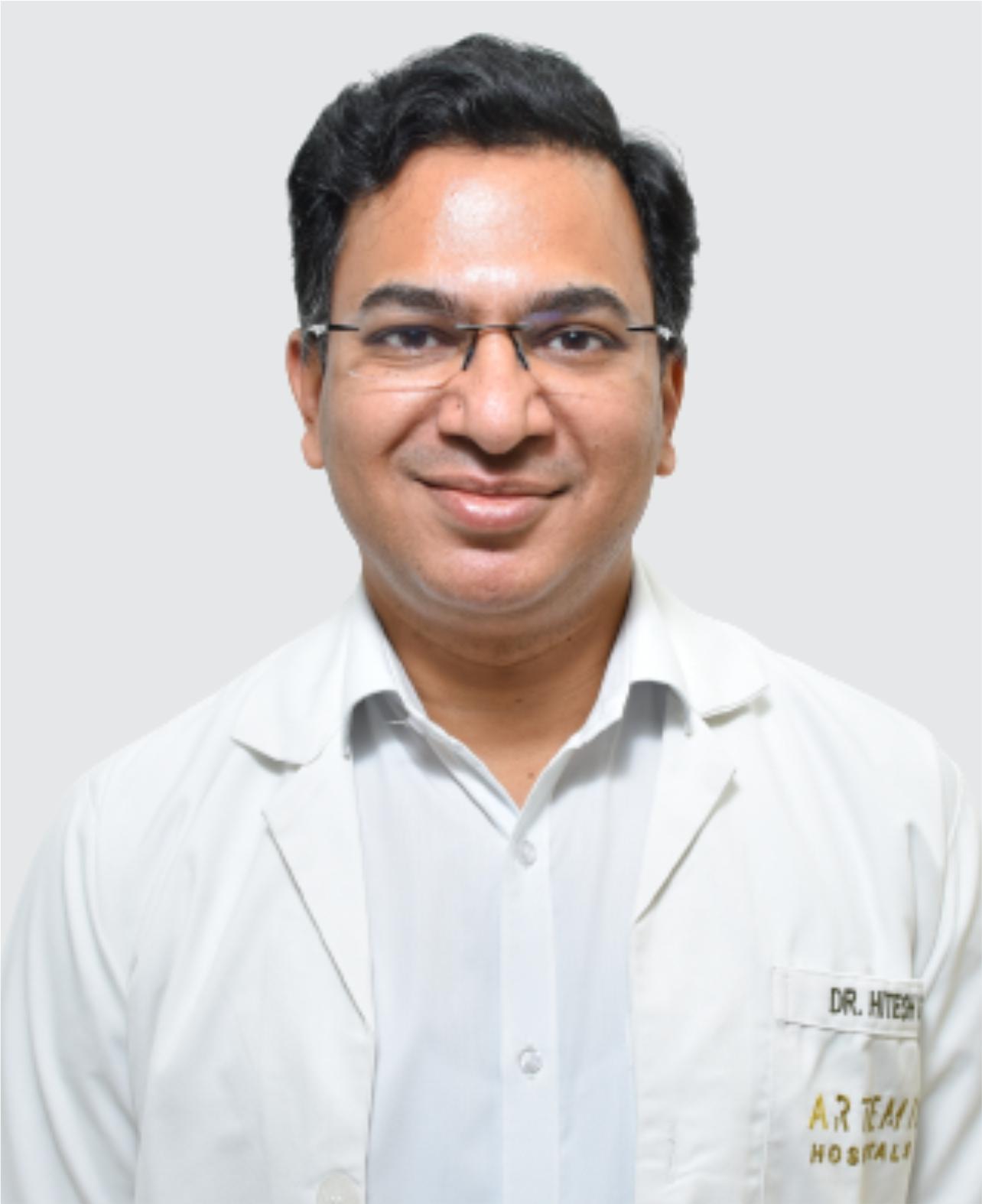
Dr. Hitesh Garg
Head - Ortho Spine Surgery
Spine Surgery, Orthopaedic Surgery
New Delhi
15+ Years
Experience
Artemis Hospital
Hospital
1500
Fees
Related Links
Recent Blogs
Other Treatment related Information
- Minimally Invasive Spine Surgery cost in Bengaluru
- Minimally Invasive Spine Surgery cost in India
- Minimally Invasive Spine Surgery cost in Chennai
- Minimally Invasive Spine Surgery cost in Mumbai
- Minimally Invasive Spine Surgery cost in Pune
- Minimally Invasive Spine Surgery cost in New Delhi
- Minimally Invasive Spine Surgery cost in Haryana
- Minimally Invasive Spine Surgery cost in Hyderabad
- Minimally Invasive Spine Surgery Success Rate in New Delhi
- Minimally Invasive Spine Surgery Success Rate in Hyderabad
- Minimally Invasive Spine Surgery Success Rate in Pune
- Minimally Invasive Spine Surgery Success Rate in Chennai
- Minimally Invasive Spine Surgery Success Rate in Bengaluru
- Minimally Invasive Spine Surgery Success Rate in Haryana
- Minimally Invasive Spine Surgery Success Rate in India
- Minimally Invasive Spine Surgery Success Rate in Mumbai
- Best Minimally Invasive Spine Surgery Doctors in India
- Best Minimally Invasive Spine Surgery Doctors in Chennai
Ready To Start Your Healing Journey?
Get Personalized Medical Treatment Options From India's Top Hospitals. Our Medical Experts Are Ready To Assist You Every Step Of The Way.