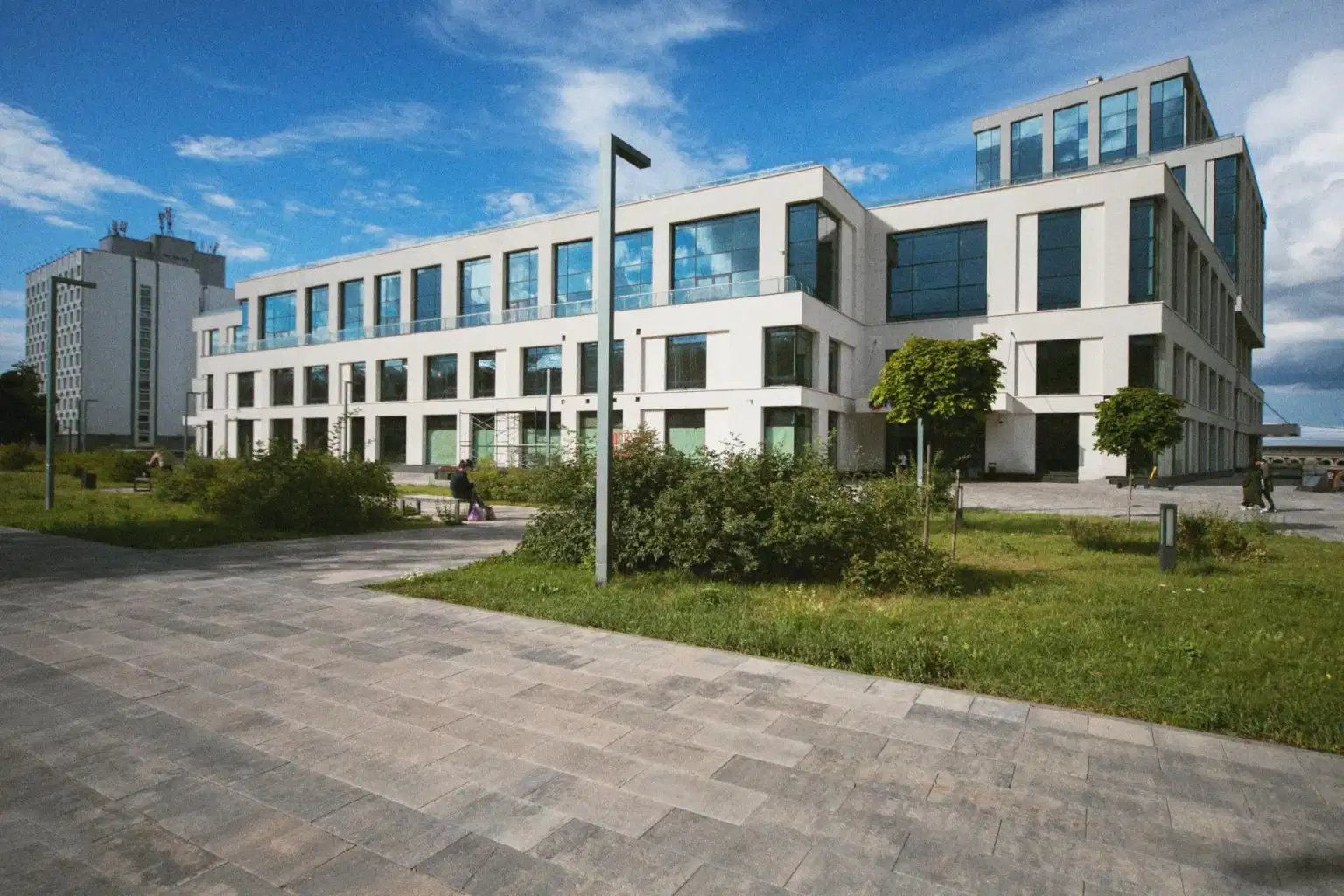
Endovascular Thrombectomy for Stroke Treatment in Gurugram for Bangladesh
Need Personalized Advice?
Our medical experts are ready to answer your questions and guide you through your treatment options.
About
Endovascular Thrombectomy for Stroke in Gurugram for Bangladesh
For patients in Bangladesh facing a stroke, the suddenness and severity of the condition often bring significant worry. The search for immediate and effective treatment, like Endovascular Thrombectomy, can feel overwhelming, especially when considering options abroad. Ensuring the best possible outcome for a loved one is the primary concern during such a critical time.
Many international patients, including those from Bangladesh, choose Gurugram for specialized medical care. This city stands out for its rapidly developing healthcare infrastructure and a strong focus on advanced medical technologies. Patients benefit from a supportive environment designed to facilitate complex procedures and seamless hospital stays.
Gurugram’s hospitals are equipped with world-class facilities and staffed by highly experienced neuro-interventional specialists. These medical teams are accustomed to managing time-sensitive conditions like acute stroke with precision. The city's medical ecosystem ensures comprehensive care, from initial diagnosis through to recovery support, all within a coordinated system.
Gurugram offers a reliable destination for advanced stroke treatment.
What is Endovascular Thrombectomy for Stroke?
Endovascular Thrombectomy for Stroke is a minimally invasive procedure designed to remove a blood clot from an artery in the brain, restoring blood flow. This intervention is crucial for acute ischemic stroke, where a clot blocks blood supply, potentially causing irreversible brain damage. Performed by neuro-interventional radiologists or neurosurgeons, it typically involves guiding a catheter through an artery, often in the groin, up to the brain to extract the clot using specialized devices.
Types of Acute Stroke Interventions
While Endovascular Thrombectomy is a specific procedure, it is part of a broader acute stroke management strategy. Other related or complementary interventions include:
- Mechanical Thrombectomy: This is the most common form of Endovascular Thrombectomy, using stent retrievers or aspiration devices to physically remove the clot.
- Aspiration Thrombectomy: A technique where suction is used through a catheter to remove the clot.
- Pharmacological Thrombolysis (IV tPA): Intravenous tissue plasminogen activator, a clot-dissolving medication, often administered before or in conjunction with endovascular procedures for eligible patients.
- Intra-arterial Thrombolysis: Delivering clot-dissolving medication directly into the blocked artery during an endovascular procedure, sometimes used in specific cases.
- Supportive Medical Management: Alongside interventional treatments, managing blood pressure, blood sugar, and ensuring brain protection are critical for overall patient outcome.
When is Endovascular Thrombectomy Required?
- Acute ischemic stroke caused by a large vessel occlusion in the brain.
- Symptoms such as sudden weakness or numbness on one side of the body.
- Sudden difficulty speaking or understanding speech.
- Acute vision problems in one or both eyes.
- Severe sudden headache, often with other stroke symptoms.
- Imaging studies (CT, MRI) confirming a treatable clot within a specific time window, usually within 6-24 hours of symptom onset.
- Patients who meet specific clinical and imaging criteria for intervention.
Pre-Treatment Evaluation for Stroke
- Neurological examination to assess stroke severity.
- CT scan of the brain to rule out hemorrhage and identify early ischemic changes.
- CT angiography (CTA) or MR angiography (MRA) to visualize blood vessels and locate the clot.
- Perfusion imaging (CTP or MRP) to identify salvageable brain tissue.
- Blood tests including complete blood count, coagulation profile, and blood sugar levels.
- Electrocardiogram (ECG) and chest X-ray to assess cardiac and pulmonary status.
- Comprehensive medical history review to identify co-existing conditions.
How Endovascular Thrombectomy is Performed
The Endovascular Thrombectomy procedure is a critical intervention for acute stroke, carefully planned and executed based on the patient's specific condition.
Before the Procedure
Patients are stabilized and receive initial medical management. Imaging confirms the clot location and extent of brain at risk. Anesthesia is administered, usually general anesthesia, to ensure patient comfort and immobility during the delicate procedure.
During the Procedure
A small incision is made, typically in the groin, to access the femoral artery. A catheter is then carefully threaded through the arterial system, guided by real-time X-ray imaging, up to the blocked artery in the brain. Once at the clot site, a specialized device, such as a stent retriever or aspiration catheter, is deployed to capture and remove the blood clot. Blood flow restoration is confirmed via angiography.
After the Procedure
The catheter is withdrawn, and pressure is applied to the incision site to prevent bleeding. The patient is moved to an intensive care unit for close monitoring. Post-procedure imaging may be performed to confirm successful reperfusion and assess for any complications.
Recovery Process After Thrombectomy
Recovery from Endovascular Thrombectomy begins immediately in the ICU, where vital signs and neurological status are closely monitored. The initial hospital stay can range from a few days to weeks, depending on stroke severity and any complications. Patients typically require post-stroke rehabilitation, which may include physical therapy, occupational therapy, and speech therapy to regain lost functions. Regular follow-up appointments with neurologists are essential to manage risk factors, monitor progress, and adjust medications. Full recovery timelines vary greatly among individuals.
Risks and Success Rates of Endovascular Thrombectomy
- Potential for bleeding at the access site or within the brain.
- Risk of blood vessel damage or dissection during catheter navigation.
- Possibility of a new stroke or clot formation.
- Infection risk, though uncommon with sterile procedures.
- Adverse reactions to anesthesia or contrast dye.
- Residual neurological deficits despite successful clot removal.
- Delayed complications like hydrocephalus or seizures in some cases.
The success rate for achieving reperfusion (restoring blood flow) with Endovascular Thrombectomy is high, often exceeding 80-90% in experienced centers. Clinical outcomes, however, vary based on factors like the patient's age, stroke severity, time to treatment, and extent of brain damage before intervention. Studies show that patients receiving thrombectomy within appropriate time windows have significantly better chances of functional independence compared to those receiving standard medical care alone. Long-term expectations focus on rehabilitation to maximize recovery, with continuous efforts to prevent future strokes.
Considering Endovascular Thrombectomy in Gurugram? Speak with our specialists to understand your options.
Cost of Endovascular Thrombectomy for Stroke in Gurugram
The cost of Endovascular Thrombectomy for Stroke in Gurugram varies depending on several factors. These include the choice of hospital, the specific neuro-interventional specialist performing the procedure, the technology and devices used, the duration of hospital stay, and any additional medications or rehabilitation required. The complexity of the individual case also plays a significant role in the overall expenditure.
In Gurugram, Endovascular Thrombectomy for Stroke typically ranges from INR 6,00,000 to INR 12,00,000.
Gurugram vs. Global Treatment Costs
Patients from Bangladesh often find Gurugram's advanced stroke care to be a cost-effective alternative compared to many Western countries, without compromising on quality or expertise.
| Location | Estimated Cost (USD) |
|---|---|
| Gurugram, India | $7,200 - $14,400 |
| USA | $30,000 - $80,000 |
| United Kingdom | $25,000 - $60,000 |
| Singapore | $20,000 - $45,000 |
| Thailand | $15,000 - $30,000 |
Support Services for Your Treatment Journey
- Assistance with medical visa applications and necessary documentation.
- Coordination of travel arrangements and airport transfers.
- Guidance for selecting suitable hospitals and specialists in Gurugram.
- Personalized treatment plans and second opinion consultations.
- Language interpretation services throughout your hospital stay.
- Arrangements for accommodation for patient and accompanying family members.
- Post-treatment follow-up and rehabilitation support.
Important Papers Required for Your Visit
- Valid passport and medical visa for India.
- Detailed medical reports, including all diagnostic scans and previous treatments.
- Referral letter from your local doctor, if available.
- Proof of address and identity from your home country.
- Financial documents or proof of funds to cover treatment costs.
- Travel insurance details, if applicable.
- List of current medications and allergies.
Preparing for Your Procedure
- Follow all dietary restrictions provided by your medical team.
- Discontinue certain medications, such as blood thinners, as advised by your doctor.
- Arrange for a responsible adult to accompany you, especially for post-procedure care.
- Ensure all necessary medical reports are organized and accessible.
- Familiarize yourself with the hospital environment and your care team.
- Prepare questions for your doctors regarding the procedure and recovery.
- Get adequate rest before the scheduled treatment day.
Healing and Support After Treatment
- Adhere strictly to all medication schedules and follow-up instructions.
- Participate actively in prescribed rehabilitation therapies to maximize recovery.
- Monitor for any signs of complications and report them immediately to your medical team.
- Maintain a healthy lifestyle with balanced nutrition and gentle exercise as advised.
- Attend all scheduled follow-up appointments with your neurologist.
- Ensure a safe and supportive home environment conducive to healing.
- Seek emotional support from family and healthcare professionals if needed.
Ready to Take the Next Step Toward Recovery?
Begin your consultation with leading neuro-interventional specialists in Gurugram.
Connect with us to plan your Endovascular Thrombectomy in Gurugram today.
Hospitals Offering this treatment
India offers premium medical procedures at affordable prices. Discover our most popular treatments, delivered by the country's finest doctors.
Meet Our Doctors
Meet our team of highly qualified and experienced medical professionals dedicated to providing the best healthcare services.
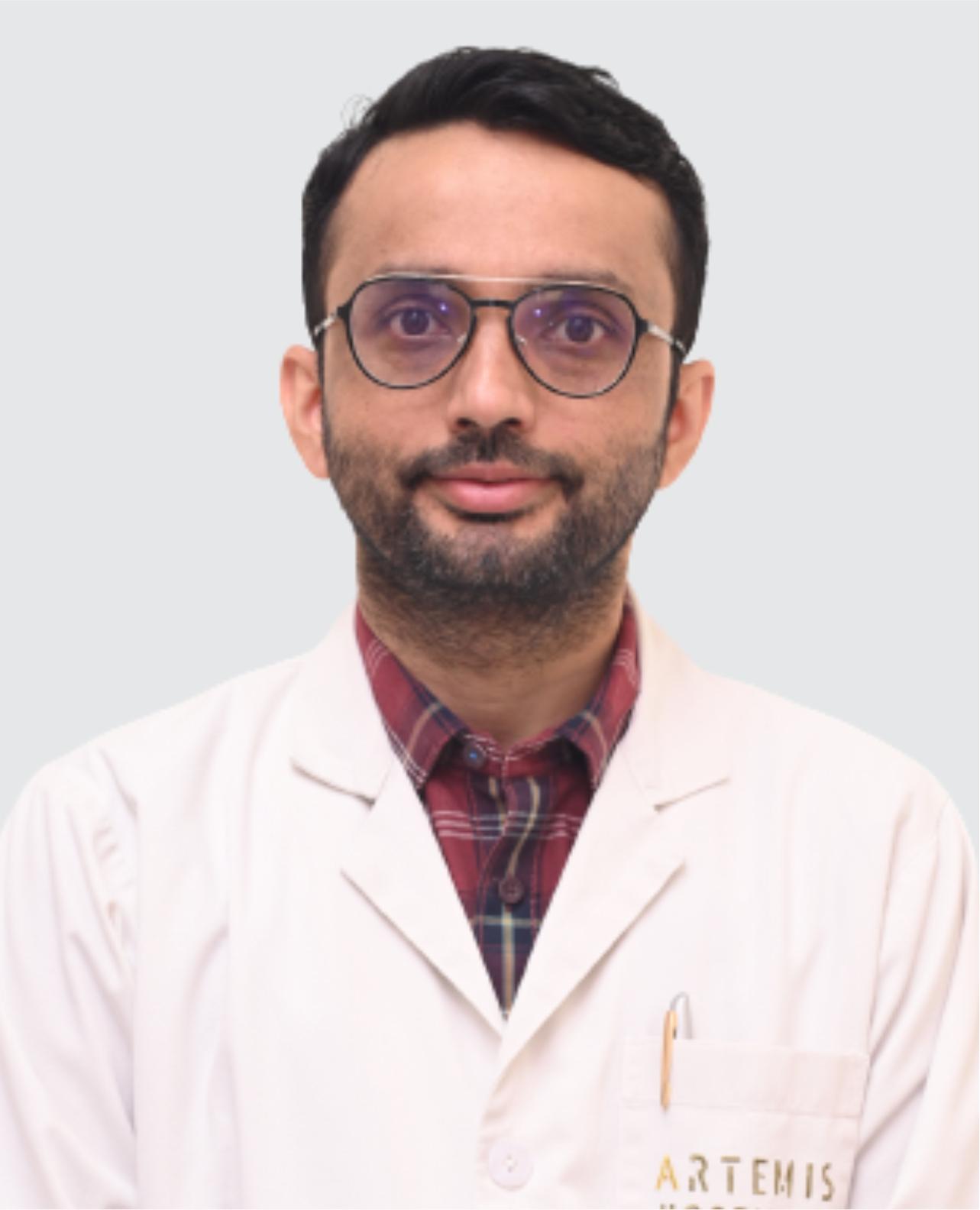
Dr. Vivek Barun
Sr. Consultant-Neurology & Epilepsy
Neurology & Epilepsy
New Delhi
15+ Years
Experience
Artemis Hospital
Hospital
1500
Fees
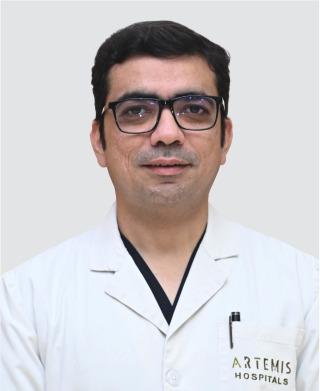
Dr. Tariq Matin
Director & Chief
Neurointerventional Surgery
New Delhi
15+ Years
Experience
Artemis Hospital
Hospital
1500
Fees
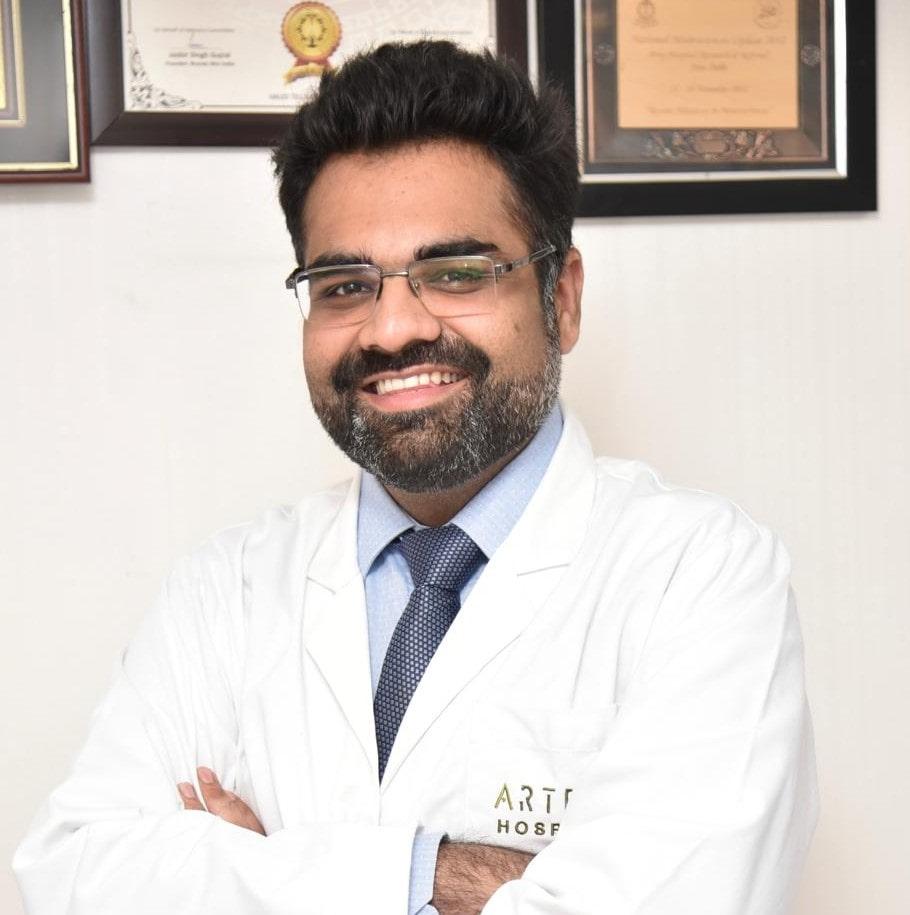
Dr. Mohit Anand
Consultant - Neurology & Movement Disorders
Neurology
New Delhi
15+ Years
Experience
Artemis Hospital
Hospital
1500
Fees
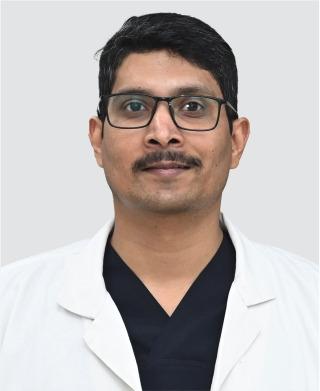
Dr. Mukesh Kumar
Additional Consultant - Neuro Interventional Surgery
Neurointerventional Surgery
New Delhi
20+ Years
Experience
Artemis Hospital
Hospital
1500
Fees
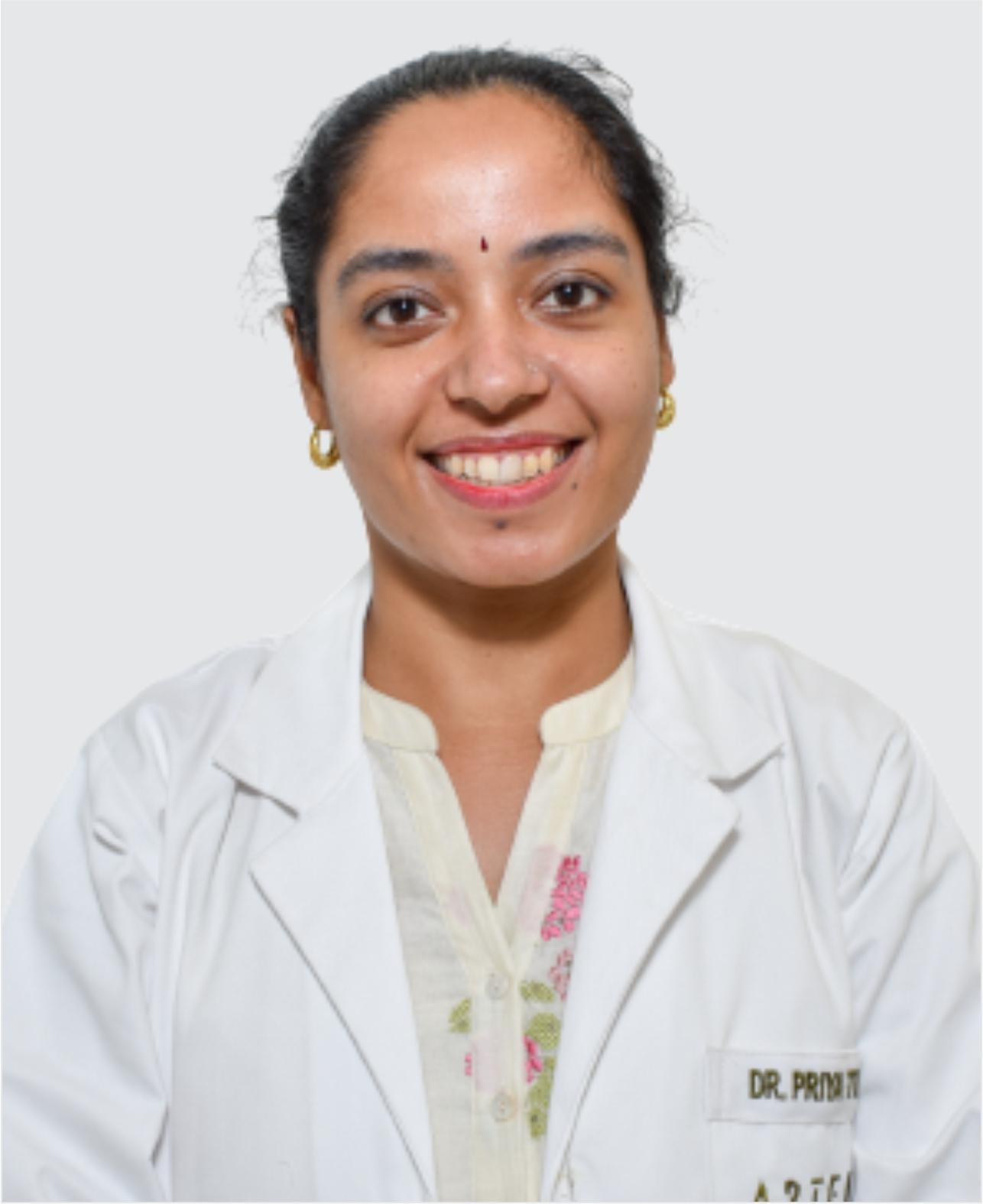
Dr. Priya Tiwari
Sr. Consultant
Radiology
New Delhi
12+ Years
Experience
Artemis Hospital
Hospital
1500
Fees
Dr. Gopal Sharma
Senior Medical Oncologist
Medical Oncology, Haemato-medical Oncology
New Delhi
15+ Years
Experience
Max Hospital,Gurgaon
Hospital
1500
Fees
Dr. Ajay Lall
Principal Director - Pulmonology
Pulmonology
New Delhi
40+ Years
Experience
Max Hospital,Gurgaon
Hospital
1500
Fees
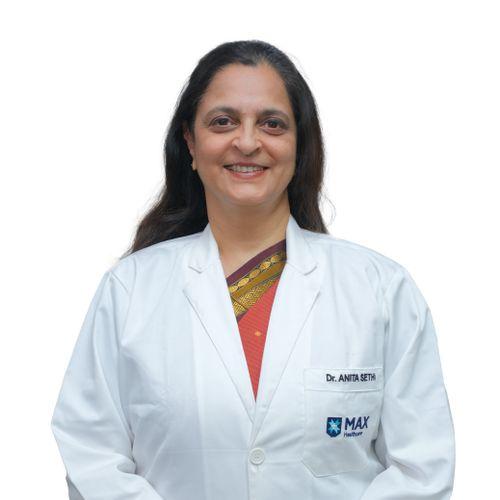
Dr. Anita Sethi
Director
Neurology
New Delhi
28+ Years
Experience
Apolo Delhi
Hospital
1500
Fees
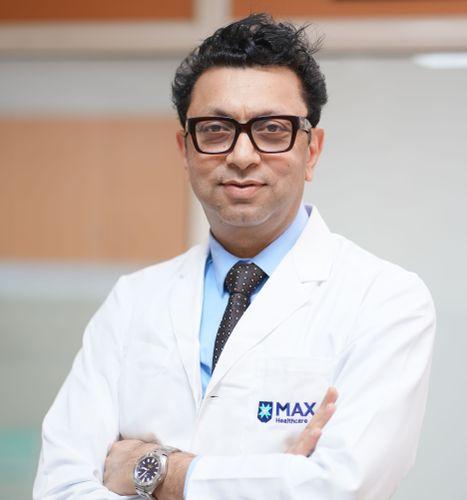
Dr. Vaibhav Mishra
Senior Consultant - Neurology
Neurology
New Delhi
12+ Years
Experience
Apolo Delhi
Hospital
1500
Fees
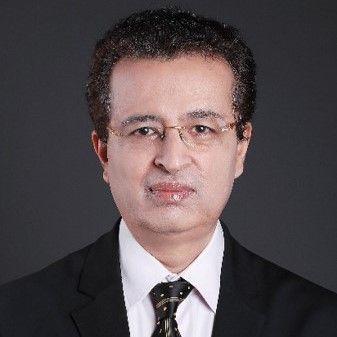
Dr. Anil Sharma
Director
Neurology
New Delhi
30+ Years
Experience
Apolo Delhi
Hospital
1500
Fees
Related Links
Other Treatment related Information
International Patient Visiting India
Ready To Start Your Healing Journey?
Get Personalized Medical Treatment Options From India's Top Hospitals. Our Medical Experts Are Ready To Assist You Every Step Of The Way.