Centres Of Excellence
Our Centres of Excellence bring together multidisciplinary teams to deliver precise diagnosis, advanced treatments, and superior outcomes across a wide spectrum of medical specialties.

OVERVIEW
Endovascular Thrombectomy: Restoring Life-Saving Blood Flow to the Brain
Endovascular Thrombectomy for Stroke is a revolutionary interventional neurovascular procedure aimed at rapidly removing large vessel occlusions (LVOs) in the brain, which are responsible for the most severe forms of ischemic stroke. The primary goal is to re-establish blood flow to the brain within the critical 'golden hour' window – often up to 24 hours in selected cases – minimizing brain damage and improving neurological recovery. This procedure involves threading a catheter through an artery, typically in the groin, up to the brain to physically extract or aspirate the clot, offering hope for significantly reduced disability.
PROCEDURE
Endovascular Thrombectomy for Stroke: Step-by-Step Procedure Details
The Endovascular Thrombectomy for Stroke procedure is a highly complex, time-sensitive intervention performed by specialized neurointerventionalists in a sterile neuro-interventional suite or cath lab:
- Patient Preparation and Anesthesia: The patient is positioned, draped, and often sedated or given general anesthesia. The groin area is prepped and sterilized, and local anesthesia is applied at the puncture site (usually the femoral artery).
- Arterial Access: A small incision or puncture is made in the femoral artery. A guiding catheter and guidewire are inserted into the artery.
- Catheter Navigation to the Brain: Under continuous fluoroscopic (real-time X-ray) guidance, the guiding catheter is carefully advanced through the aorta, into the major arteries of the neck (carotid or vertebral arteries), and then into the cerebral arteries of the brain, precisely reaching the site of the blood clot.
- Clot Retrieval or Aspiration: Once the guiding catheter is positioned near the clot, a microcatheter is advanced through it, and one of two primary methods is typically employed:
- Stent Retriever: A self-expanding mesh stent retriever is deployed through the microcatheter, extending across and beyond the clot. It is left in place for several minutes to allow the clot to integrate into the stent's mesh. Then, the stent and the captured clot are slowly and carefully retrieved into a larger aspiration catheter, effectively removing the blockage.
- Direct Aspiration: A large-bore aspiration catheter is advanced directly to the face of the clot. Powerful vacuum suction is then applied to aspirate (suck out) the clot fragments directly into the catheter. Sometimes, these methods are combined for optimal results.
- Confirmation of Recanalization: After clot removal, angiography is performed again to confirm successful recanalization (restored blood flow) to the affected brain region and to check for any residual blockages, vessel damage, or complications.
- Closure of Access Site: Once successful recanalization is confirmed and the catheters are withdrawn, the access site in the groin is closed using a specialized closure device or manual compression.
Throughout the procedure, the patient's vital signs, brain activity, and neurological status are closely monitored. The entire process typically takes 30 minutes to a few hours, depending on the clot's complexity and vessel anatomy, but every minute is critical for preserving brain tissue.
BENEFITS
Key Benefits of Endovascular Thrombectomy for Stroke
Significantly Improved Neurological Outcomes
For eligible patients, Endovascular Thrombectomy for Stroke dramatically increases the chances of functional independence, leading to better long-term quality of life compared to conventional treatments alone.
Reduced Long-Term Disability
By rapidly restoring blood flow to brain tissue at risk, the procedure minimizes permanent brain damage, thereby reducing severe long-term disability, including motor, speech, and cognitive impairments.
Higher Chance of Full Recovery
Many patients who undergo timely Endovascular Thrombectomy for Stroke experience a significant reduction in stroke-related deficits, with a higher probability of returning to a near-normal, independent lifestyle.
Minimally Invasive Approach
This catheter-based procedure involves only a small incision, typically in the groin, resulting in less pain, fewer complications, and a faster initial recovery compared to traditional open surgical interventions.
Life-Saving Intervention
In cases of acute large vessel occlusion, Endovascular Thrombectomy for Stroke is often the only intervention capable of preventing severe, debilitating, or fatal outcomes, making it a critical, life-saving treatment.
RECOVERY
Endovascular Thrombectomy for Stroke: Recovery Time and Rehabilitation Tips
Immediate Post-Procedure Monitoring (1-3 days)
Patients typically spend 1-3 days in a specialized neuro-intensive care unit (NICU) or stroke unit for continuous neurological monitoring, blood pressure control, and management of any potential complications. Early signs of neurological improvement are closely observed.
Hospital Stay (3-7 days)
The total hospital stay usually ranges from 3 to 7 days, during which time early mobilization, swallowing assessments, and initial rehabilitation assessments begin to tailor a personalized recovery plan.
Rehabilitation Phase (Weeks to Months)
Depending on the extent of neurological deficit, patients may require intensive inpatient or outpatient rehabilitation, including physical therapy (PT), occupational therapy (OT), and speech therapy (ST). Early, consistent, and specialized rehabilitation is crucial for optimizing functional recovery and regaining lost abilities.
Long-Term Follow-up & Prevention
Regular follow-up appointments with neurologists are essential to monitor progress, manage stroke risk factors (e.g., hypertension, diabetes, high cholesterol), and adjust medications. Lifestyle modifications, including a healthy diet, regular exercise, and smoking cessation, play a vital role in preventing future strokes.
Emotional & Psychological Support
Recovering from a stroke can be emotionally challenging for both patients and their families. Access to support groups, psychological counseling, and resources for coping with post-stroke depression or anxiety can be invaluable. DivinHeal assists in connecting patients with comprehensive rehabilitation and long-term support services.
WHAT WE TREAT
Conditions Treated by Endovascular Thrombectomy for Stroke
Acute Ischemic Stroke due to Large Vessel Occlusion (LVO)
This procedure is specifically designed for acute ischemic strokes caused by a blockage in a major artery in the brain (e.g., internal carotid artery, middle cerebral artery, basilar artery). It is most effective when performed within 6 to 24 hours of symptom onset for carefully selected patients, based on advanced imaging findings and neurological assessment.
Stroke with Significant Neurological Deficit
Patients presenting with severe symptoms, indicating a large area of brain at risk of irreversible damage, are primary candidates for Endovascular Thrombectomy for Stroke, offering the best chance for functional recovery.
PREPARATION
Preparing for Endovascular Thrombectomy for Stroke: Critical Steps
Preparation for Endovascular Thrombectomy for Stroke is a highly expedited process due to its emergent nature. 'Time is brain,' and rapid assessment is key:
- Emergency Medical Assessment & Imaging: This is the initial and most critical step. Upon arrival at the hospital, an expert stroke team (neurologists, emergency physicians) will perform a rapid neurological assessment. Urgent brain imaging, including a CT scan, CT angiography (CTA), and often CT perfusion, will be conducted immediately to confirm acute ischemic stroke, pinpoint the location of the large vessel occlusion, and assess the extent of salvageable brain tissue.
- Medical History & Medication Review: The medical team will quickly gather information about the patient's medical history, any known allergies, and current medications, especially blood thinners or anticoagulants, which are crucial for procedural planning.
- Informed Consent: Due to the emergent and life-threatening nature of acute stroke, consent for the procedure is typically obtained from the patient or their legally authorized representative under urgent circumstances.
- Anesthesia Consultation: An anesthesiologist will rapidly evaluate the patient to determine the most suitable type of anesthesia, which could range from conscious sedation to general anesthesia, based on the patient's condition and the procedure's expected duration.
- Fasting Status: While fasting is usually required for elective procedures, in an emergency stroke situation, time is paramount, and the procedure often proceeds without a prolonged fasting period.
- Intravenous Access: Several intravenous lines will be established for fluid administration, emergency medications, and contrast agents used during imaging.
- Pre-Procedure Blood Tests: Blood tests are rapidly performed to check blood count, clotting factors, kidney function, and blood sugar levels.
The entire preparation phase is optimized for speed and efficiency to minimize delays and ensure the best possible outcome for the stroke patient.
RISKS
Potential Risks and Complications of Endovascular Thrombectomy for Stroke
While Endovascular Thrombectomy for Stroke is a life-saving intervention, like any complex medical procedure, it carries potential risks and complications. The neurovascular team takes extensive precautions to minimize these, and patients are closely monitored throughout and after the procedure:
- Intracranial Hemorrhage (Brain Bleed): This is a serious risk. Blood vessels in the brain can be damaged during the procedure, or the reperfused brain tissue may bleed (hemorrhagic transformation), potentially worsening neurological outcomes or even being fatal.
- Vessel Injury: The catheters or devices can potentially injure, dissect (tear), or perforate the blood vessels in the neck or brain during navigation or clot retrieval.
- Distal Embolization: Small fragments of the clot may break off during retrieval and travel to block smaller, more distant blood vessels, potentially causing new or expanded areas of stroke.
- Reperfusion Injury: Damage to brain tissue that occurs after blood flow is restored following a period of ischemia. This can sometimes lead to swelling or hemorrhagic transformation.
- Groin Site Complications: Potential issues at the arterial access site in the groin include bleeding, bruising, hematoma formation, infection, or pseudoaneurysm.
- Allergic Reaction: Adverse reactions to contrast dyes used during imaging or to medications administered during the procedure.
- Anesthesia Risks: General risks associated with anesthesia, including respiratory depression, cardiac issues, or allergic reactions.
- Vasospasm: Narrowing of blood vessels which can reduce blood flow, potentially occurring after clot removal.
- Stroke Recurrence: While the procedure treats the immediate blockage, underlying causes of stroke (e.g., atrial fibrillation, carotid stenosis) still need to be managed effectively to prevent future ischemic events.
The benefits of rapidly restoring blood flow typically outweigh these risks for eligible patients with large vessel occlusions, but thorough discussion of potential complications is always part of informed consent.
JOURNEY
Your Journey to Recovery: Endovascular Thrombectomy for Stroke Care with DivinHeal
Emergency Assessment & Diagnosis
Upon arrival at the hospital, rapid neurological assessment, advanced imaging (CT scan, CT angiography, MRI perfusion imaging), and laboratory tests confirm acute ischemic stroke and identify suitable candidates for thrombectomy, emphasizing the critical 'time is brain' principle.
Pre-Procedure Preparation
Stabilization of vital signs, a clear explanation of the procedure, and obtaining informed consent are critical steps. Anesthesia (often conscious sedation or general anesthesia) is administered by experienced anesthesiologists.
The Thrombectomy Procedure
A small incision is made, usually in the groin, and a catheter is guided through the blood vessels to the clot in the brain. Using specialized devices like stent retrievers or aspiration catheters, the clot is carefully removed, restoring vital blood flow.
Post-Procedure Care & Monitoring
Patients are closely monitored in an intensive care unit (ICU) or specialized stroke unit for potential complications and to assess neurological improvement. Blood pressure management and appropriate medication administration are crucial for optimal outcomes.
Rehabilitation & Recovery Planning
Following the acute phase, a tailored rehabilitation program (physical, occupational, speech therapy) begins, helping patients regain lost functions and adapt. DivinHeal supports this entire journey, ensuring continuity of care and access to top rehabilitation centers globally.
OUTCOMES
Expected outcomes include significant reduction in stroke-related disability, improved functional independence, and enhanced quality of life. Successful clot removal can lead to dramatic neurological recovery, especially when performed within the critical treatment window.
Related Links
Doctors For Treatment in Similar Locations
- Best Endovascular Thrombectomy for Stroke Doctors in Bengaluru
- Best Endovascular Thrombectomy for Stroke Doctors in Chennai
- Best Endovascular Thrombectomy for Stroke Doctors in Gurugram
- Best Endovascular Thrombectomy for Stroke Doctors in Hyderabad
- Best Endovascular Thrombectomy for Stroke Doctors in India
- Best Endovascular Thrombectomy for Stroke Doctors in Mumbai
- Best Endovascular Thrombectomy for Stroke Doctors in New Delhi
- Best Endovascular Thrombectomy for Stroke Doctors in Pune
Best Hospital Near by for treatment
- Best Endovascular Thrombectomy for Stroke Hospitals in Bengaluru
- Best Endovascular Thrombectomy for Stroke Hospitals in Chennai
- Best Endovascular Thrombectomy for Stroke Hospitals in Gurugram
- Best Endovascular Thrombectomy for Stroke Hospitals in Hyderabad
- Best Endovascular Thrombectomy for Stroke Hospitals in India
- Best Endovascular Thrombectomy for Stroke Hospitals in Mumbai
- Best Endovascular Thrombectomy for Stroke Hospitals in New Delhi
- Best Endovascular Thrombectomy for Stroke Hospitals in Pune
Hospitals Offering this treatment
India offers premium medical procedures at affordable prices. Discover our most popular treatments, delivered by the country's finest doctors.

Hisar Intercontinental Hospital
Saray Mah. Siteyolu Cad. No:7, Umraniye, 34768, Istanbul, Turkey
Hisar Intercontinental Hospital

Medical Park Group, Istanbul
Fahrettin Kerim Gokay Cad. Tıbbiye Cd., Kadikoy, Istanbul, Turkey
Medical Park Group, Istanbul

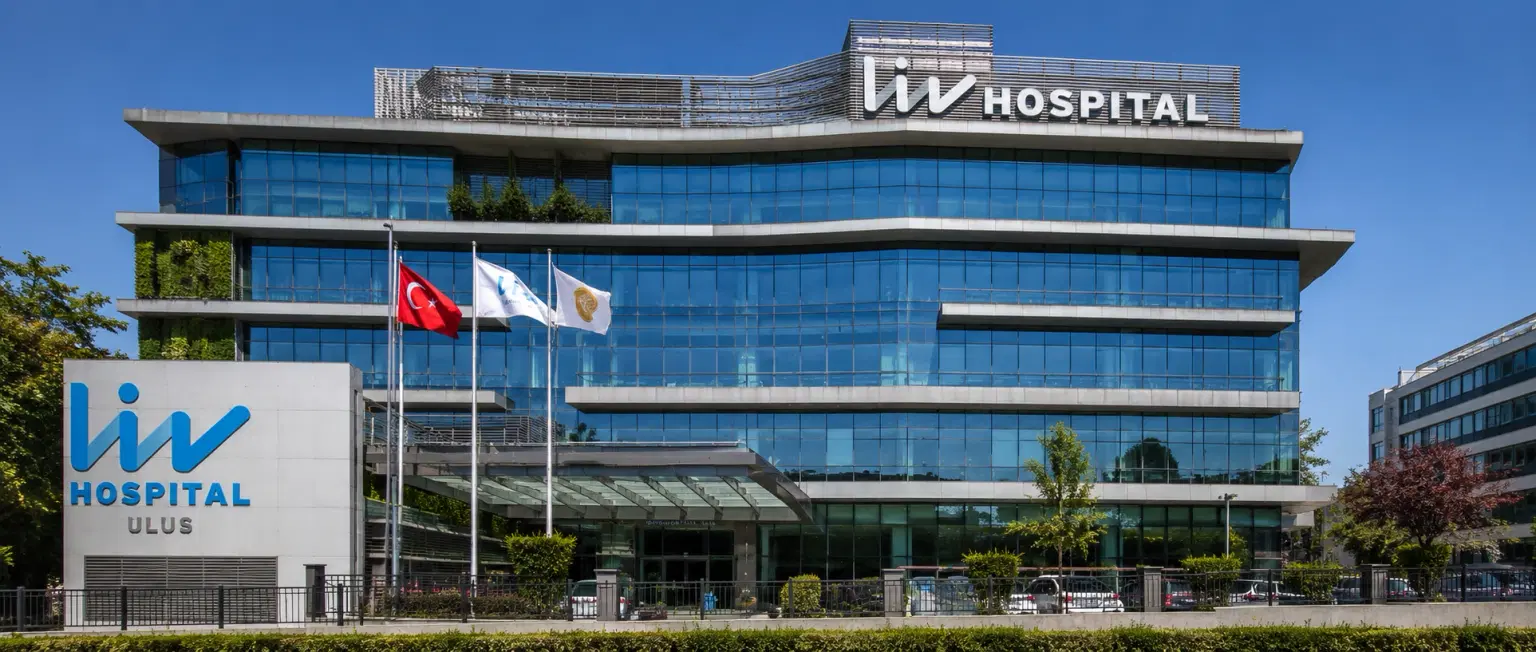
Emsey Hospital, Pendik, Istanbul
Çamlık, Selçuklu Cd. No:22, 34912 Pendik/İstanbul, Türkiye
Emsey Hospital, Pendik, Istanbul
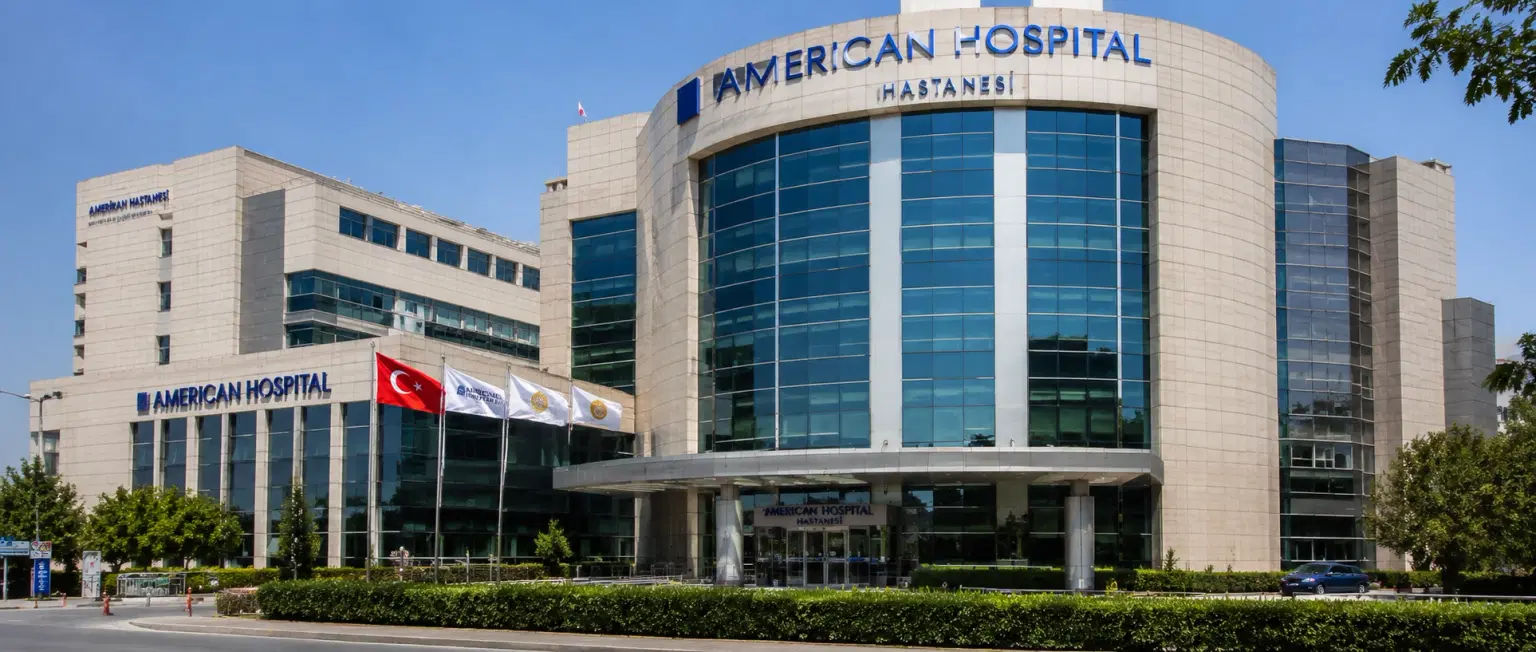
American Hospital, Istanbul
Guzelbahce Sk. No:20, 34365, Nisantasi, Istanbul, Turkey
American Hospital, Istanbul

Memorial Hospitals Group
Burhaniye, Nagehan Sokağı No:4/A D:1, 34676 Üsküdar/İstanbul, Türkiye
Memorial Hospitals Group

Florence Nightingale Hospital Istanbul
Abide-i Hürriyet Cd No:166, 34381 Sisli, Istanbul
Florence Nightingale Hospital Istanbul
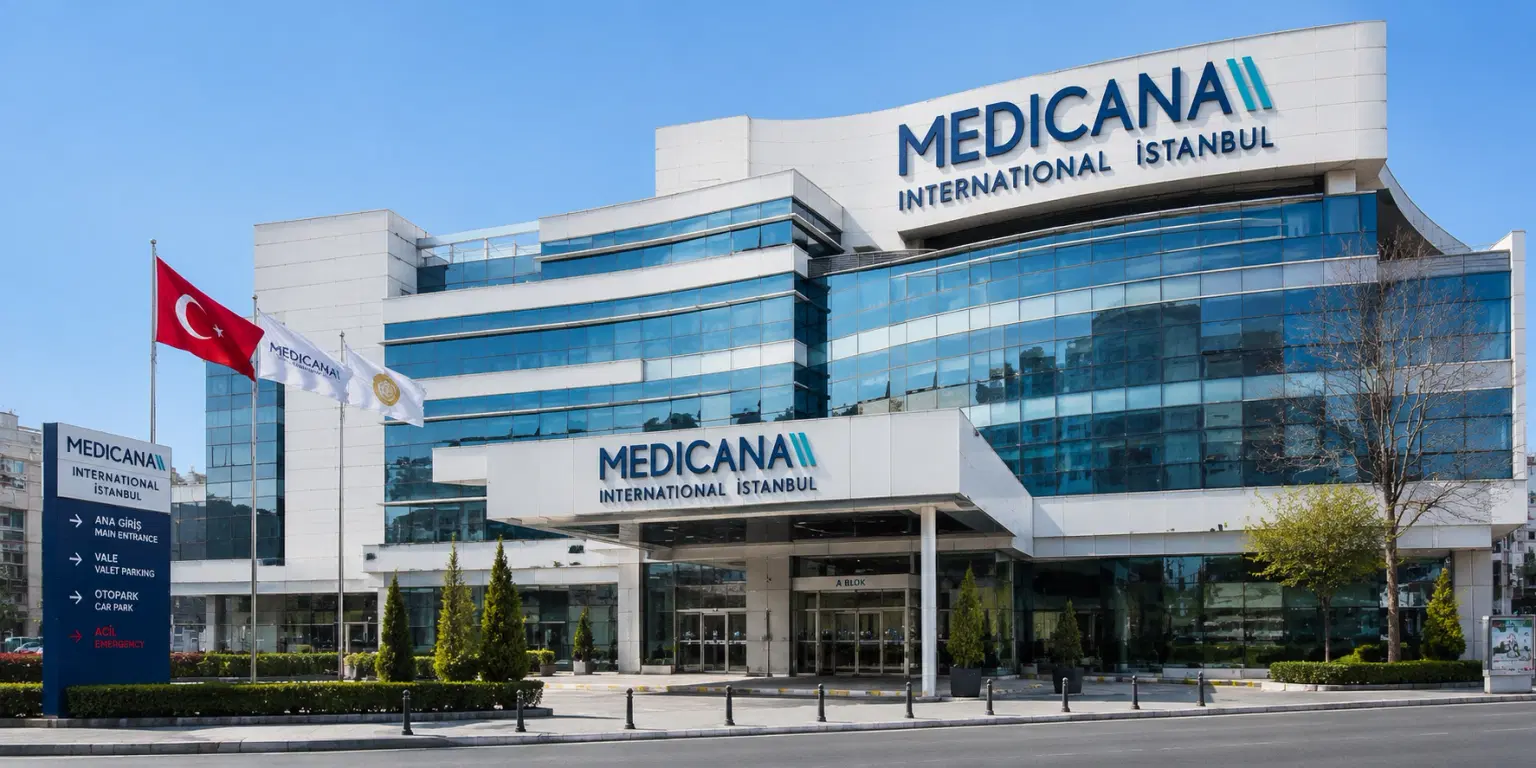
Medicana International Hospital, Istanbul
Halit Ziya Turkkani Mah. Medikal Park Cd. No:1, Beylikdüzü, İstanbul
Medicana International Hospital, Istanbul

Okan University Hospital Istanbul
Icmeler Mah. Aydınlıyolu Cd. No:2, 34947 Icmeler-Tuzla, Istanbul
Okan University Hospital Istanbul

Kolan International Hospital, Istanbul
Kaptanpasa Mah. Okmeydan Kavsagi, Darulaceze Cd. No:14, 34384 Sisli, Istanbul
Kolan International Hospital, Istanbul
Meet Our Doctors
Meet our team of highly qualified and experienced medical professionals dedicated to providing the best healthcare services.
Dr. Ajay Lall
Principal Director - Pulmonology
Pulmonology
New Delhi
40+ Years
Experience
Max Hospital,Gurgaon
Hospital
1500
Fees

Dr. Alok Joshi
Director
Neurosciences
New Delhi
14+ Years
Experience
Apolo Delhi
Hospital
1500
Fees

Dr. Amit Shrivastava
Director
Neurology
New Delhi
20+ Years
Experience
Apolo Delhi
Hospital
1500
Fees
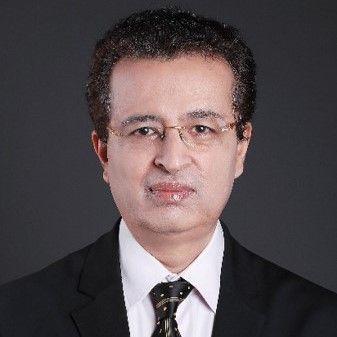
Dr. Anil Sharma
Director
Neurology
New Delhi
30+ Years
Experience
Apolo Delhi
Hospital
1500
Fees

Dr. Anita Sethi
Director
Neurology
New Delhi
28+ Years
Experience
Apolo Delhi
Hospital
1500
Fees
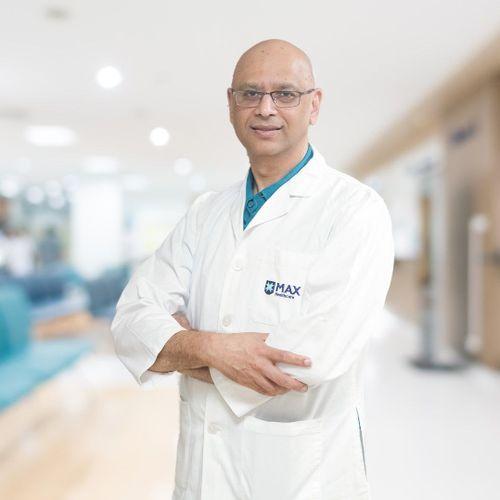
Dr. Ashish Jain
Director - Neuro Sciences
Neurology
New Delhi
18+ Years
Experience
Apolo Delhi
Hospital
1500
Fees

Dr. Gopal Sharma
Senior Medical Oncologist
Medical Oncology, Haemato-medical Oncology
New Delhi
15+ Years
Experience
Max Hospital,Gurgaon
Hospital
1500
Fees

Dr. Mohit Anand
Consultant - Neurology & Movement Disorders
Neurology
New Delhi
15+ Years
Experience
Artemis Hospital
Hospital
1500
Fees
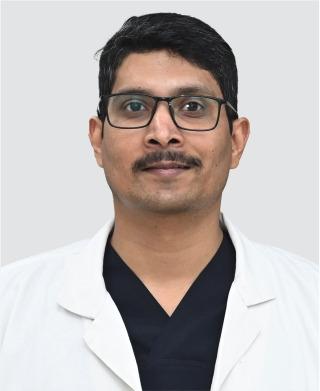
Dr. Mukesh Kumar
Additional Consultant - Neuro Interventional Surgery
Neurointerventional Surgery
New Delhi
20+ Years
Experience
Artemis Hospital
Hospital
1500
Fees

Dr. Praveen Kumar Pandey
Director
Neuroscience
New Delhi
17+ Years
Experience
Apolo Delhi
Hospital
1500
Fees
Booking With DIVINHEAL
Get a free consultation to understand your treatment options