TAVR (Transcatheter Aortic Valve Replacement) Treatment in Bengaluru for Bangladesh
Need Personalized Advice?
Our medical experts are ready to answer your questions and guide you through your treatment options.
About
TAVR in Bengaluru for Bangladesh Patients: Cost & Hospitals
Patients from Bangladesh facing severe aortic stenosis often grapple with the challenge of accessing advanced cardiac care, particularly complex procedures like TAVR. The uncertainty of finding quality treatment at an accessible cost can be a significant concern for families seeking the best health outcomes.
Many find themselves exploring options beyond their immediate vicinity, and Bengaluru emerges as a prominent medical hub. Its reputation for cutting-edge cardiovascular interventions and a supportive environment for international patients draws considerable attention. Patients narrow down on Bengaluru for its proven expertise.
The city of Bengaluru boasts a network of JCI and NABH accredited hospitals, home to highly experienced cardiologists and cardiac surgeons specializing in TAVR. This focused medical ecosystem offers comprehensive pre-treatment evaluations, advanced surgical suites, and dedicated post-procedure care units, ensuring a seamless treatment journey for patients.
Bengaluru thus offers a focused and reliable option for TAVR treatment.
What is TAVR (Transcatheter Aortic Valve Replacement)?
Transcatheter Aortic Valve Replacement (TAVR) is a minimally invasive procedure designed to replace a diseased aortic valve that has narrowed, a condition known as aortic stenosis. Unlike traditional open-heart surgery, TAVR involves inserting a new valve into the heart through a catheter, typically threaded through an artery in the leg. This innovative approach allows the new valve to expand and take over the function of the old, failing valve, improving blood flow and alleviating symptoms without the need for a large chest incision. It is primarily recommended for patients who are at intermediate or high risk for conventional surgical valve replacement.
Are There Different Approaches to TAVR Procedures?
While TAVR is a singular procedure for aortic valve replacement, the approach used to insert the new valve can vary based on patient anatomy and medical condition. The primary goal is always to deliver the new valve safely and effectively to the heart.
- Transfemoral Approach: This is the most common method, involving a small incision in the groin area to access the femoral artery. The catheter is guided through this artery to the heart.
- Transapical Approach: Used when the femoral arteries are not suitable, this method involves a small incision in the chest, through which the catheter is inserted directly into the apex of the heart.
- Transaortic Approach: Another alternative access route, this involves a small incision in the upper chest to access the aorta directly, where the catheter is then advanced to the heart.
- Transcarotid Approach: In select cases, the catheter may be introduced through an artery in the neck.
The choice of approach is carefully determined by the cardiac team in Bengaluru after thorough pre-operative evaluation, ensuring the safest and most effective outcome for each patient.
When is TAVR (Transcatheter Aortic Valve Replacement) Recommended?
- Patients diagnosed with severe aortic stenosis.
- Individuals experiencing symptoms related to aortic stenosis, such as chest pain, shortness of breath, dizziness, or fainting spells.
- Those considered to be at intermediate or high risk for conventional open-heart surgery due to age, other medical conditions, or frailty.
- Patients who have previously undergone open-heart surgery and require a new aortic valve.
- When medical therapy alone is insufficient to manage the symptoms of severe aortic stenosis.
What Pre-Treatment Evaluations are Needed for TAVR in Bengaluru?
- Comprehensive physical examination and review of medical history.
- Echocardiogram (transthoracic and/or transesophageal) to assess valve function and heart structure.
- Computed Tomography (CT) scan of the chest, abdomen, and pelvis to map arteries and measure the aortic valve annulus.
- Cardiac catheterization and coronary angiography to evaluate coronary arteries and measure heart pressures.
- Blood tests, including complete blood count, kidney function, and liver function tests.
- Pulmonary function tests and lung assessment.
- Consultations with a multidisciplinary heart team, including cardiologists, cardiac surgeons, and anesthesiologists.
How is a TAVR Procedure Performed in Bengaluru Hospitals?
The TAVR procedure is carefully planned and executed, with specific steps depending on the patient's condition and the chosen access route.
Before the Procedure
Patients receive detailed instructions regarding fasting and medication adjustments. The cardiac team will review all scans and evaluations to finalize the approach and valve size. Anesthesia, usually general or local with sedation, is administered to ensure patient comfort.
Access and Catheter Insertion
A small incision is made, typically in the groin for the transfemoral approach, to access the chosen artery. A catheter, a thin, flexible tube, is then carefully guided through the blood vessels up to the heart. Advanced imaging techniques, such as fluoroscopy and echocardiography, are used to precisely navigate the catheter.
Valve Deployment
Once the catheter reaches the diseased aortic valve, the new, collapsible prosthetic valve is advanced through the catheter. The new valve is then carefully positioned within the existing diseased valve. It is deployed and expanded, either by inflating a balloon or using a self-expanding frame, pushing aside the old valve leaflets and taking over the function of regulating blood flow.
Completion and Recovery
After successful deployment, the catheter is withdrawn, and the access site is closed. Patients are then moved to a recovery area for close monitoring. The entire procedure typically takes 1 to 2 hours, though preparation and recovery time will extend the overall hospital stay.
What is the Recovery Process After TAVR?
Recovery after TAVR is generally faster and less intensive compared to open-heart surgery. Patients typically spend 1 to 3 days in the hospital, often starting to walk within 24 hours. The initial healing period involves monitoring the access site and ensuring stable heart function. Restrictions on heavy lifting and strenuous activities are usually advised for a few weeks. Follow-up appointments with the Bengaluru cardiac team are crucial to monitor valve performance and overall recovery. Most patients can return to normal daily activities within a few weeks, with a gradual improvement in energy levels and reduced symptoms.
Understanding TAVR Risks and Expected Success Rates
- Bleeding or Vascular Complications: Risks at the catheter insertion site, such as bruising or more significant bleeding.
- Stroke: A small risk of stroke due to dislodged plaque during the procedure.
- Kidney Problems: Potential for kidney injury, especially in patients with pre-existing kidney issues.
- Valve Leakage (Paravalvular Leak): New valve may not seal perfectly, leading to a small leak around its edges.
- Need for Pacemaker: The new valve can sometimes interfere with the heart's electrical system, requiring a temporary or permanent pacemaker.
- Infection: Risk of infection at the access site or within the heart.
- Valve Malfunction: Rare instances of the new valve not functioning optimally.
TAVR generally boasts high success rates, with studies consistently showing significant improvement in symptoms and quality of life for suitable patients. The outcome ranges vary based on individual patient health, age, and severity of aortic stenosis, but success rates typically exceed 90%. Long-term expectations for TAVR include sustained valve function, improved heart efficiency, and a reduction in severe symptoms, allowing patients to lead more active lives. Regular follow-ups are essential to ensure the continued success of the procedure.
What is the Cost of TAVR in Bengaluru for International Patients?
The cost of TAVR in Bengaluru can vary depending on several factors, including the specific hospital chosen, the type of prosthetic valve used, the complexity of the patient's case, the length of hospital stay, and any additional medical services required. Bengaluru's advanced medical infrastructure, coupled with competitive pricing, makes it an attractive option for high-quality cardiac care.
For international patients, the estimated cost of TAVR in Bengaluru typically ranges from INR 18,00,000 to INR 28,00,000.
TAVR Cost Comparison: Bengaluru vs. Other International Destinations
Comparing the cost of TAVR across different medical tourism destinations highlights Bengaluru's affordability while maintaining high standards of care and technology.
| Location | Estimated TAVR Cost (USD) |
|---|---|
| Bengaluru, India | $22,000 - $34,000 |
| Turkey | $30,000 - $45,000 |
| Thailand | $35,000 - $50,000 |
| United States | $60,000 - $80,000+ |
Comprehensive Support Services for Your TAVR Journey in Bengaluru
- Assistance with medical visa applications and extensions for Bangladesh patients.
- Arrangements for comfortable accommodation options, including hotels and serviced apartments.
- Interpretation services to ensure clear communication between patients and medical staff.
- Local transportation support for hospital visits and other essential needs.
- Dedicated international patient coordinators to manage appointments and hospital logistics.
- Guidance on local SIM cards, currency exchange, and other travel essentials.
Essential Documents for TAVR Treatment in Bengaluru
- Valid passport and medical visa for India.
- Copies of all relevant medical reports, diagnostic tests, and referral letters from your home country.
- A detailed medical summary translated into English.
- Proof of financial solvency to cover treatment and travel expenses.
- Contact information for emergency contacts in Bangladesh and Bengaluru.
- Any previous treatment records, medication lists, and allergy information.
Preparing for Your TAVR Procedure in Bengaluru
- Consult with your local doctor regarding travel fitness and necessary vaccinations.
- Organize travel and accommodation well in advance of your scheduled procedure.
- Inform your Bengaluru medical team of any current medications, supplements, or dietary restrictions.
- Arrange for a companion to travel with you for support during your stay.
- Ensure all necessary documents are prepared and easily accessible for your arrival.
- Maintain a healthy diet and lifestyle as advised by your doctor leading up to the procedure.
Aftercare and Follow-Up: Your Journey Post-TAVR in Bengaluru
- Adhere strictly to all prescribed medications and dietary recommendations.
- Attend all scheduled follow-up appointments with your cardiac specialist in Bengaluru.
- Gradually increase physical activity as guided by your medical team.
- Monitor for any unusual symptoms or complications and report them immediately.
- Implement lifestyle changes such as a heart-healthy diet and regular exercise after full recovery.
- Carry your medical summary and contact information for the Bengaluru hospital for reference.
Considering TAVR in Bengaluru for Your Heart Health?
Embarking on a medical journey requires careful consideration and reliable support. Bengaluru's advanced cardiac care facilities and experienced specialists are ready to provide expert guidance and treatment for your TAVR needs.
Ready to Discuss Your TAVR Options in Bengaluru?
Our patient support team is available to help you understand the procedure, compare hospitals, and get personalized cost estimates.
Connect with our expert medical coordinators today to begin your journey towards better heart health.
Looking for a Second Opinion or Detailed Treatment Plan?
Receive comprehensive information and a customized treatment strategy from leading TAVR specialists in Bengaluru's top hospitals.
Submit your medical reports for a free consultation and evaluation.
Hospitals Offering this treatment
India offers premium medical procedures at affordable prices. Discover our most popular treatments, delivered by the country's finest doctors.
Meet Our Doctors
Meet our team of highly qualified and experienced medical professionals dedicated to providing the best healthcare services.
Dr. Amit Kumar Chaurasia
Chief Cath Lab & TAVI (Unit I), Director TAVI/TAVR and Structural Heart Disease and Senior Consultant Cardiology
Cardiology, Interventional Cardiology, TAVI / TAVR & Structural Heart Diseases
New Delhi
16+ Years
Experience
Artemis Hospital
Hospital
1500
Fees

Dr. D.K. Jhamb
Chief Cardiology (Unit IV)
Cardiology
New Delhi
30+ Years
Experience
Artemis Hospital
Hospital
1500
Fees
Dr Amit Jassal
Principal Consultant - Anaesthesia
Anaesthesia
New Delhi
15+ Years
Experience
Artemis Hospital
Hospital
1500
Fees
Dr. Abhinandan
Sr. Consultant - Urology & Kidney Transplant Program (Unit I)
Organ Transplant, Urology
New Delhi
8+ Years
Experience
Artemis Hospital
Hospital
1500
Fees
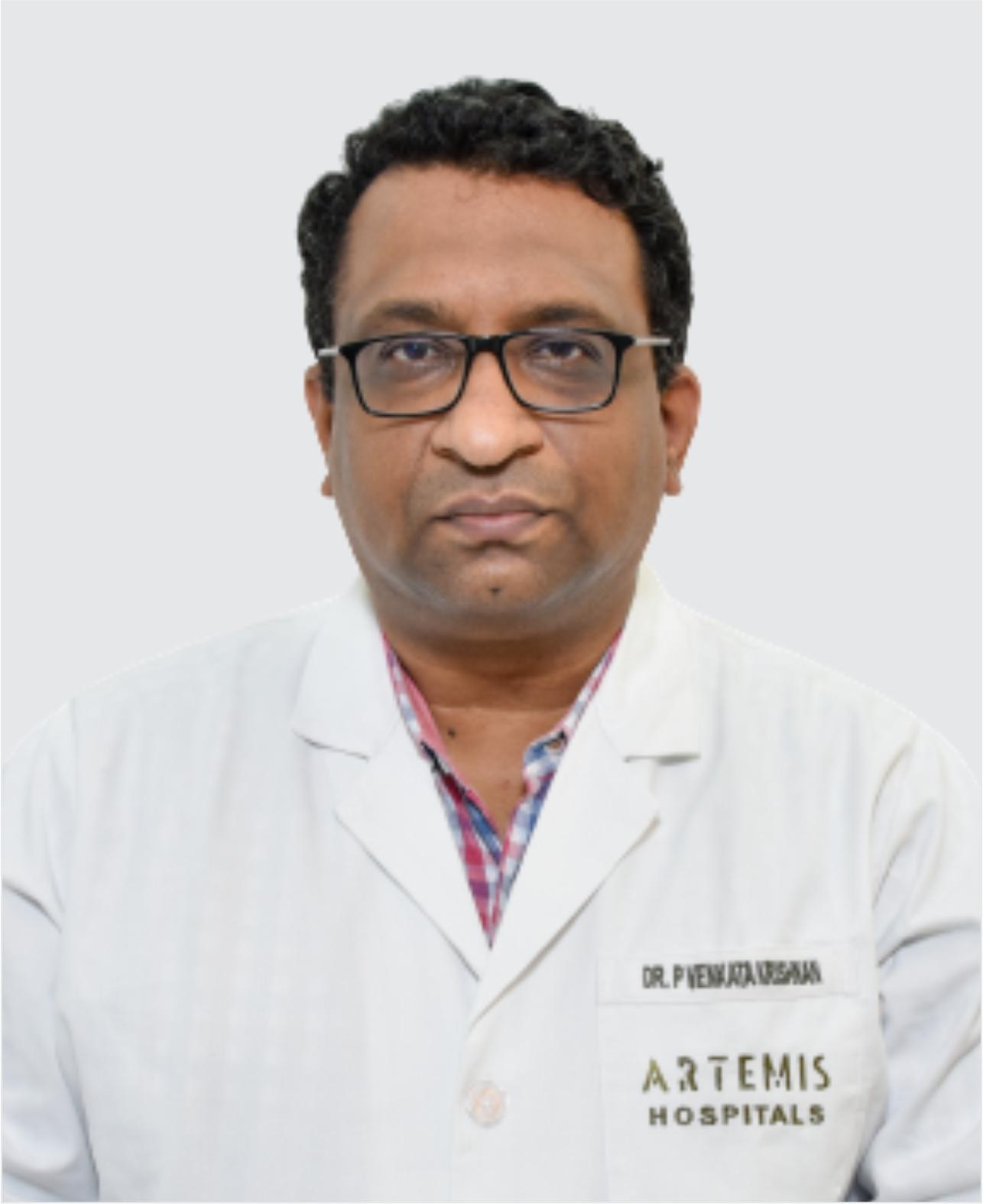
Dr. P. Venkata Krishnan
Sr. Consultant
Internal Medicine
New Delhi
12+ Years
Experience
Artemis Hospital
Hospital
1500
Fees
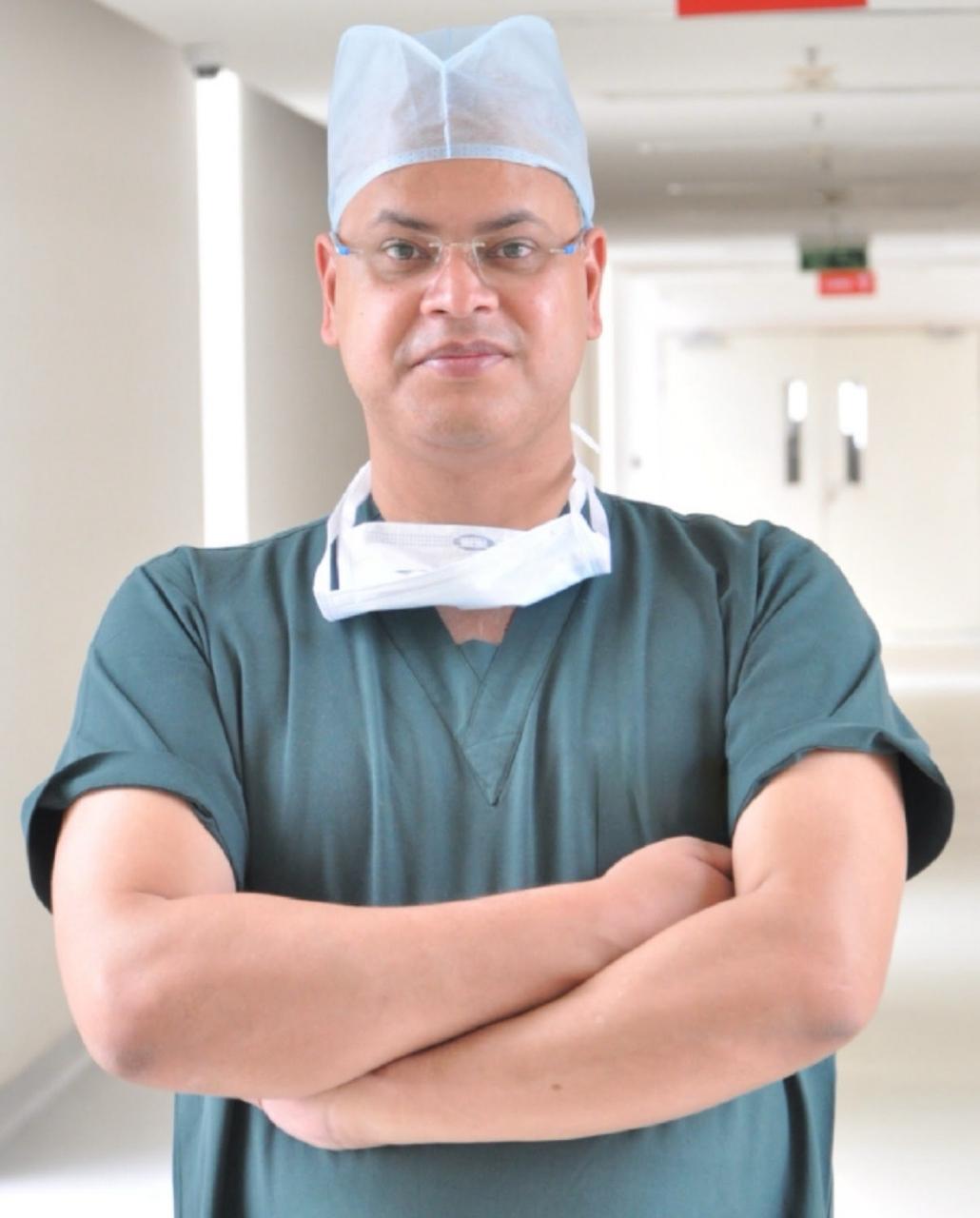
Dr. Ramkinkar Jha
Chief and Unit Head - Orthopaedics (Unit III)
Orthopaedic Surgery, Orthopaedics, Robotic Surgery
New Delhi
20+ Years
Experience
Artemis Hospital
Hospital
1500
Fees

Dr. Sushant Mishra
Consultant
Cardiology, Interventional Cardiology
New Delhi
15+ Years
Experience
Artemis Hospital
Hospital
1500
Fees

Dr. M.A. Mir
Head - Gastroenterology - Liver & Digestive Diseases (Unit III)
Gastroenterology, Gastrointestinal Surgery
New Delhi
17+ Years
Experience
Artemis Hospital
Hospital
1500
Fees
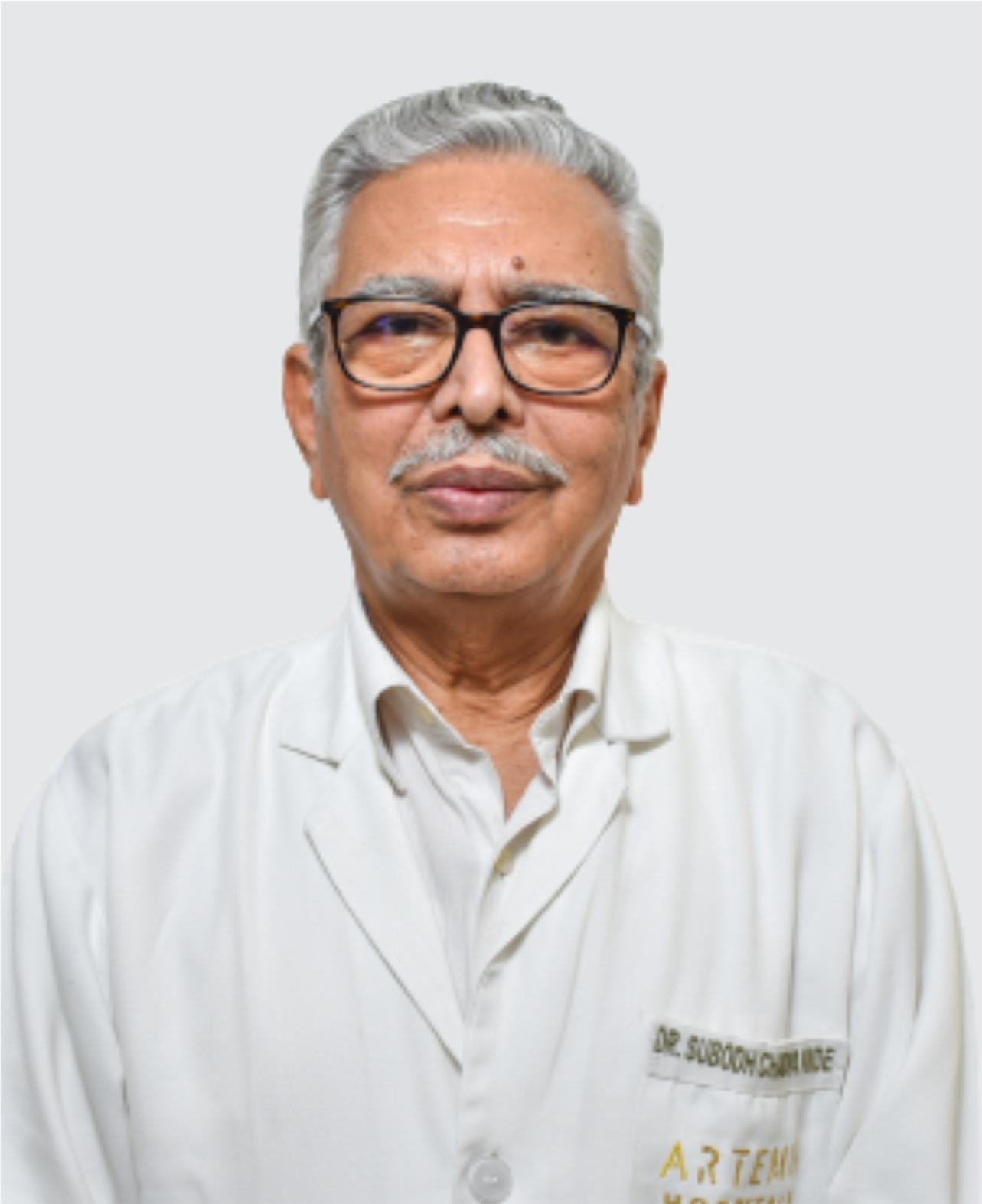
Dr. Subodh Pande
Chief - Radiation Oncology & Co-Chief - Cyberknife Centre
Oncology
New Delhi
15+ Years
Experience
Artemis Hospital
Hospital
1500
Fees
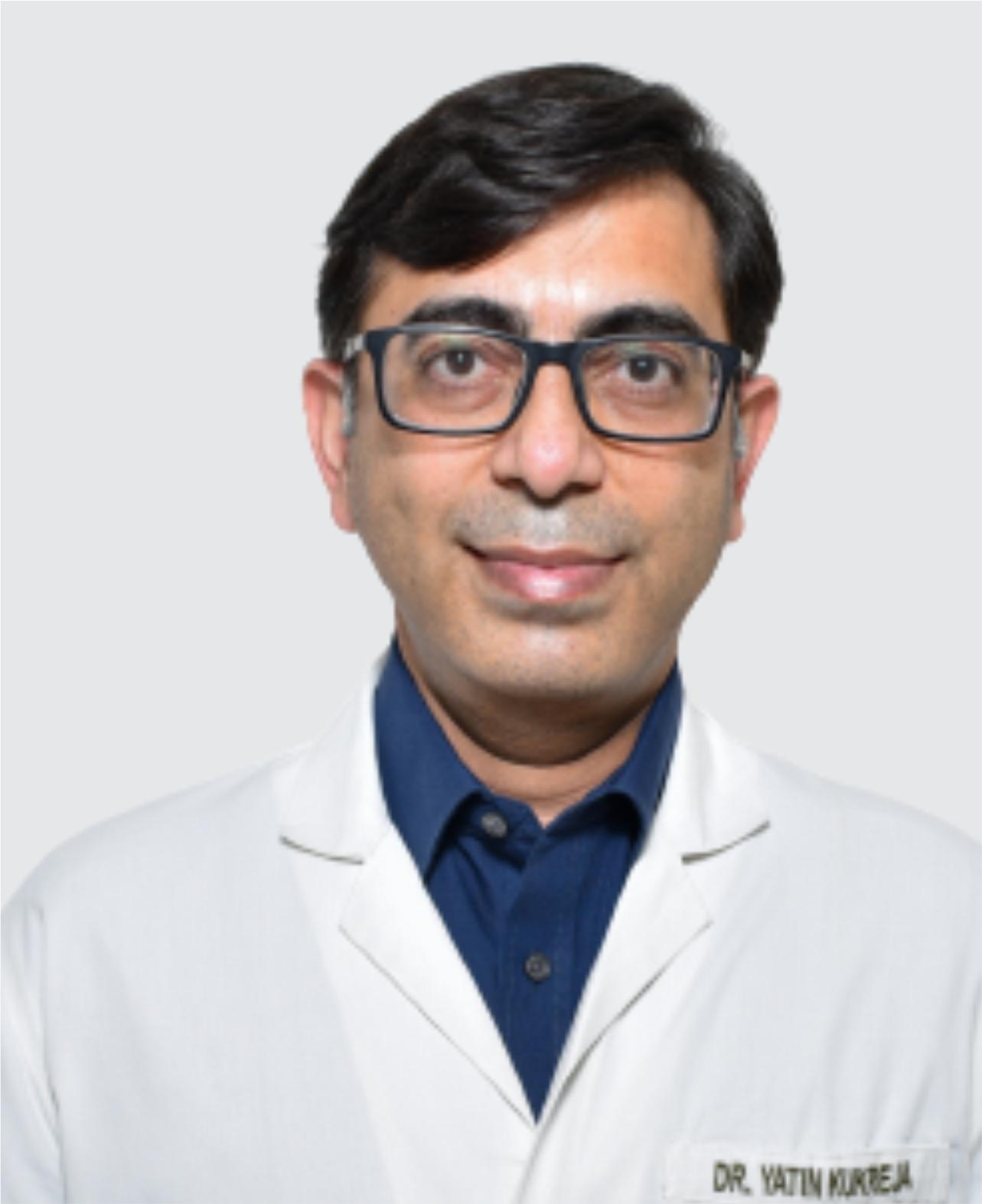
Dr. Yatin Kukreja
Director
Cardiology
New Delhi
14+ Years
Experience
Artemis Hospital
Hospital
1500
Fees
Related Links
Other Treatment related Information
- TAVR (Transcatheter Aortic Valve Replacement) cost in Bengaluru
- TAVR (Transcatheter Aortic Valve Replacement) cost in Pune
- TAVR (Transcatheter Aortic Valve Replacement) cost in Mumbai
- TAVR (Transcatheter Aortic Valve Replacement) cost in Haryana
- TAVR (Transcatheter Aortic Valve Replacement) cost in Hyderabad
- TAVR (Transcatheter Aortic Valve Replacement) cost in India
- TAVR (Transcatheter Aortic Valve Replacement) cost in Chennai
- TAVR (Transcatheter Aortic Valve Replacement) cost in New Delhi
- TAVR (Transcatheter Aortic Valve Replacement) Success Rate in Pune
- TAVR (Transcatheter Aortic Valve Replacement) Success Rate in New Delhi
- TAVR (Transcatheter Aortic Valve Replacement) Success Rate in Hyderabad
- TAVR (Transcatheter Aortic Valve Replacement) Success Rate in Mumbai
- TAVR (Transcatheter Aortic Valve Replacement) Success Rate in Haryana
- TAVR (Transcatheter Aortic Valve Replacement) Success Rate in Chennai
- TAVR (Transcatheter Aortic Valve Replacement) Success Rate in Bengaluru
- TAVR (Transcatheter Aortic Valve Replacement) Success Rate in India
- Best TAVR (Transcatheter Aortic Valve Replacement) Doctors in India
- Best TAVR (Transcatheter Aortic Valve Replacement) Doctors in Bengaluru
- Best TAVR (Transcatheter Aortic Valve Replacement) Doctors in New Delhi
- Best TAVR (Transcatheter Aortic Valve Replacement) Doctors in Gurugram
Ready To Start Your Healing Journey?
Get Personalized Medical Treatment Options From India's Top Hospitals. Our Medical Experts Are Ready To Assist You Every Step Of The Way.