
TAVR (Transcatheter Aortic Valve Replacement) Treatment in Pune for Bangladesh
Need Personalized Advice?
Our medical experts are ready to answer your questions and guide you through your treatment options.
About
TAVR in Pune for Bangladesh Patients | Cost & Top Hospitals
Considering TAVR for a heart condition can bring many questions for patients in Bangladesh. You might wonder about the procedure's success, safety, and whether accessing high-quality care is possible outside your home country. This uncertainty is natural when facing a significant health decision.
Many patients from Bangladesh explore options beyond their borders to find advanced medical treatments. Pune, a prominent medical hub in India, offers a compelling choice for specialized cardiac care. Patients often choose Pune for its established healthcare infrastructure and experienced medical teams.
Pune's hospitals are equipped with modern technology and staffed by skilled cardiologists and cardiac surgeons dedicated to international patient care. The city provides a structured environment where post-procedure follow-ups and recovery support are well-coordinated, ensuring a smooth treatment journey.
Pune stands as a reliable destination for advanced TAVR procedures.
Ready to Explore Your TAVR Options in Pune?
Our team is here to guide you through every step. Receive personalized information about hospitals, specialists, and cost estimates for TAVR in Pune. Let us simplify your medical journey.
Contact us today for a free consultation.
What is TAVR (Transcatheter Aortic Valve Replacement)?
Transcatheter Aortic Valve Replacement (TAVR) is a minimally invasive procedure designed to replace a diseased aortic valve. This treatment is primarily for patients with severe aortic stenosis, a condition where the heart's aortic valve narrows, restricting blood flow. Unlike traditional open-heart surgery, TAVR involves delivering a new valve through a catheter, usually inserted via an artery in the leg, without opening the chest. This approach aims to restore proper blood flow from the heart to the rest of the body, improving heart function and alleviating symptoms.
Approaches to TAVR Procedure
While TAVR itself is a specific procedure, there are different access routes or approaches used by surgeons:
- Transfemoral Approach: This is the most common method, where the catheter is inserted through an artery in the groin (femoral artery).
- Transapical Approach: For patients where the femoral artery is unsuitable, the catheter may be inserted through a small incision in the chest, directly into the heart's apex.
- Transaortic Approach: Another alternative involves making a small incision in the upper chest and inserting the catheter directly into the aorta.
- Subclavian Approach: The catheter can sometimes be inserted through an artery in the shoulder area.
When is TAVR Recommended?
- Severe aortic stenosis: A narrowing of the aortic valve opening that significantly restricts blood flow.
- Symptoms of aortic stenosis: Including chest pain, shortness of breath, fatigue, dizziness, or fainting spells.
- High surgical risk: Patients who are considered too frail or have other medical conditions that make traditional open-heart surgery too risky.
- Elderly patients: Often chosen for older individuals who benefit from a less invasive procedure and faster recovery.
Pre-TAVR Evaluation in Pune
- Comprehensive physical examination and review of medical history.
- Echocardiogram: To assess heart structure, valve function, and blood flow.
- Cardiac CT scan: Provides detailed images of the aorta and surrounding structures to plan valve size and access route.
- Coronary angiogram: Checks for blockages in the coronary arteries.
- Blood tests: To evaluate kidney function, liver function, and overall health.
- Lung function tests: To assess respiratory health.
- Consultations with a multidisciplinary heart team: Including cardiologists, cardiac surgeons, and anesthesiologists.
How is TAVR Performed?
The TAVR procedure is typically performed under general anesthesia, though sometimes local anesthesia with sedation may be used. The exact method depends on the chosen access route and the patient's specific condition.
Steps involved in a typical transfemoral TAVR procedure:
- Access: A small incision is made, usually in the groin, to access the femoral artery.
- Catheter Insertion: A thin, flexible catheter containing the collapsed replacement valve is guided through the artery up to the heart.
- Valve Positioning: Using advanced imaging guidance, the new valve is precisely positioned within the diseased aortic valve.
- Valve Deployment: The new valve is then expanded, pushing aside the old valve leaflets and taking over its function.
- Catheter Removal: Once the new valve is securely in place and functioning correctly, the catheter is carefully withdrawn, and the access site is closed.
Recovery Process After TAVR
The recovery after TAVR is generally faster compared to open-heart surgery. Most patients spend 1-3 days in the hospital for observation. Patients are encouraged to mobilize soon after the procedure. You will receive detailed instructions on wound care, medication management, and activity restrictions. Regular follow-up appointments with your cardiologist are essential to monitor the new valve's function and your overall heart health. A cardiac rehabilitation program might be recommended to help regain strength and stamina effectively.
Risks and Success Rates of TAVR
- Vascular complications at the access site.
- Stroke or mini-stroke.
- Kidney problems.
- Bleeding requiring transfusion.
- New pacemaker requirement due to conduction abnormalities.
- Paravalvular leak (blood leakage around the new valve).
- Infection.
TAVR has demonstrated high success rates, particularly in carefully selected patients who are at high or intermediate risk for traditional surgery. The procedure significantly improves symptoms and quality of life for many. Success rates can vary based on individual patient health, the skill of the medical team, and the specific characteristics of the valve replacement. Long-term outcomes continue to be studied, but current data indicate durable results for many years.
Understanding TAVR Cost in Pune
The cost of TAVR in Pune can fluctuate based on several factors. These include the specific hospital chosen, the experience of the treating cardiologist, the type of valve used, the duration of hospital stay, and any additional medical services required during recovery. Different hospitals may offer varying packages, which can influence the final expense.
In Pune, the estimated cost for TAVR typically ranges from INR 15,00,000 to INR 25,00,000.
How Much Does TAVR Cost in Pune?
Patients from Bangladesh often find TAVR in Pune to be a cost-effective alternative compared to many Western countries, without compromising on quality. Here is a comparison:
| Location | Estimated Cost (USD) |
|---|---|
| Pune, India | $18,000 - $30,000 |
| United States | $55,000 - $80,000+ |
| United Kingdom | $40,000 - $65,000 |
| Thailand | $35,000 - $45,000 |
Connect with Pune's Leading TAVR Specialists
Ready to take the next step towards better heart health? Our network includes top cardiologists and state-of-the-art hospitals in Pune specializing in TAVR. We can help you arrange consultations and get second opinions.
Enquire now for expert medical advice.
Comprehensive Support Services for International Patients
- Assistance with medical visa applications and extensions.
- Airport pickup and drop-off services in Pune.
- Accommodation arrangements for patients and accompanying family members.
- Language interpretation services to ensure clear communication.
- Dedicated patient coordinators to manage appointments and hospital logistics.
- Guidance on local travel and sightseeing in Pune, if desired.
Essential Documents for Your TAVR Treatment in Pune
- A valid passport and medical visa.
- All relevant medical reports, diagnostic scans, and previous treatment records.
- Referral letter from your treating physician in Bangladesh, if available.
- Proof of address and identity.
- Financial documents or proof of funds for treatment expenses.
Preparing for Your TAVR Procedure in Pune
- Follow all dietary and medication instructions provided by your doctor.
- Inform your medical team about all medications, supplements, and allergies.
- Arrange for a companion to accompany you for support during your stay.
- Ensure all necessary documents are in order before travel.
- Prepare a list of questions for your medical consultations.
Aftercare and Follow-Up Guidance Post-TAVR
- Adhere strictly to all prescribed medications and dosage instructions.
- Attend all scheduled follow-up appointments with your cardiologist.
- Monitor your incision site for any signs of infection or unusual changes.
- Gradually increase physical activity as advised by your medical team.
- Maintain a heart-healthy diet and lifestyle.
- Report any new or worsening symptoms to your doctor immediately.
Take Your Next Step Towards Better Heart Health
Embarking on a TAVR journey in Pune offers access to world-class cardiac care and positive outcomes.
Hospitals Offering this treatment
India offers premium medical procedures at affordable prices. Discover our most popular treatments, delivered by the country's finest doctors.
Meet Our Doctors
Meet our team of highly qualified and experienced medical professionals dedicated to providing the best healthcare services.

Dr. Amit Kumar Chaurasia
Chief Cath Lab & TAVI (Unit I), Director TAVI/TAVR and Structural Heart Disease and Senior Consultant Cardiology
Cardiology, Interventional Cardiology, TAVI / TAVR & Structural Heart Diseases
New Delhi
16+ Years
Experience
Artemis Hospital
Hospital
1500
Fees

Dr. D.K. Jhamb
Chief Cardiology (Unit IV)
Cardiology
New Delhi
30+ Years
Experience
Artemis Hospital
Hospital
1500
Fees
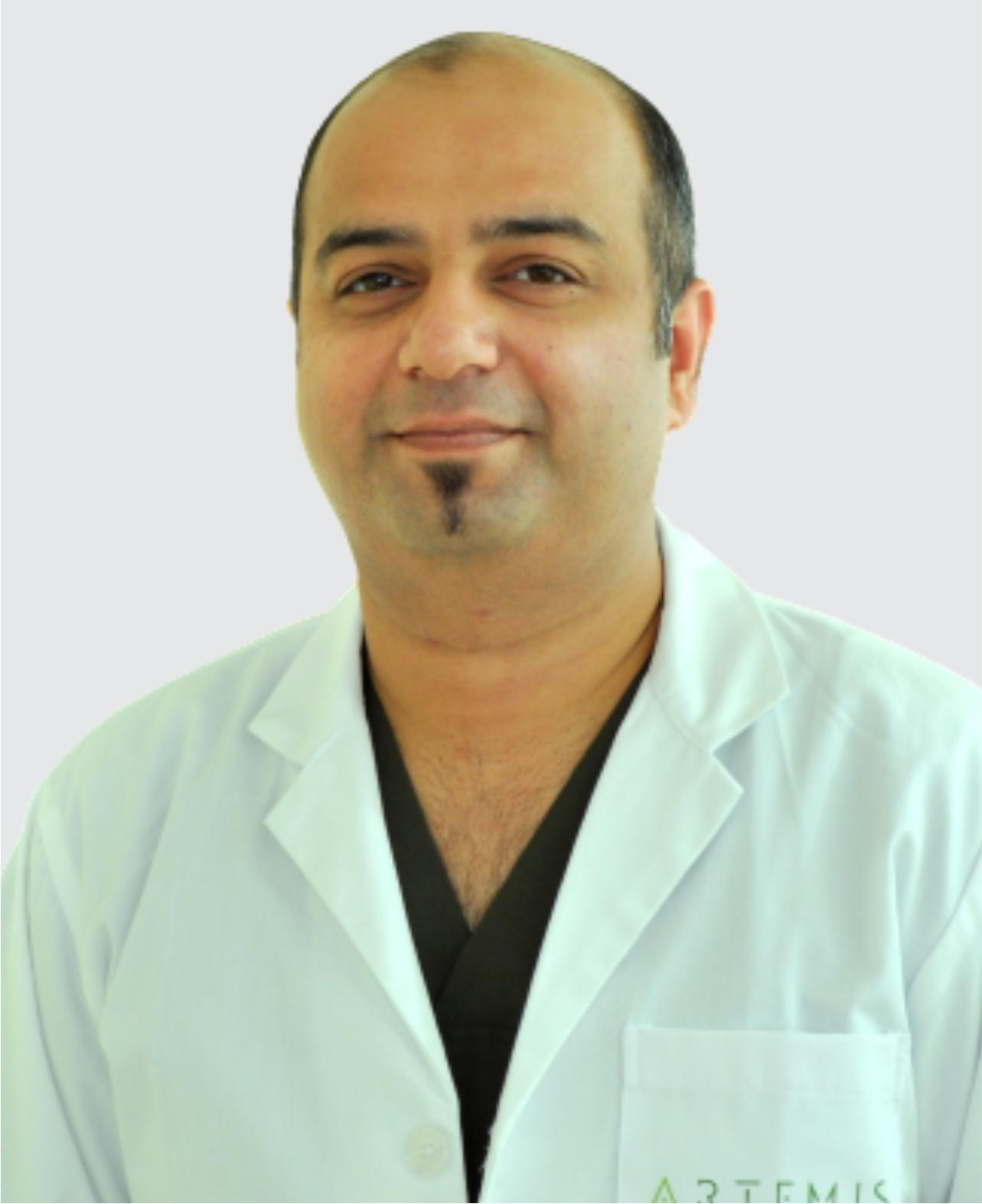
Dr Amit Jassal
Principal Consultant - Anaesthesia
Anaesthesia
New Delhi
15+ Years
Experience
Artemis Hospital
Hospital
1500
Fees
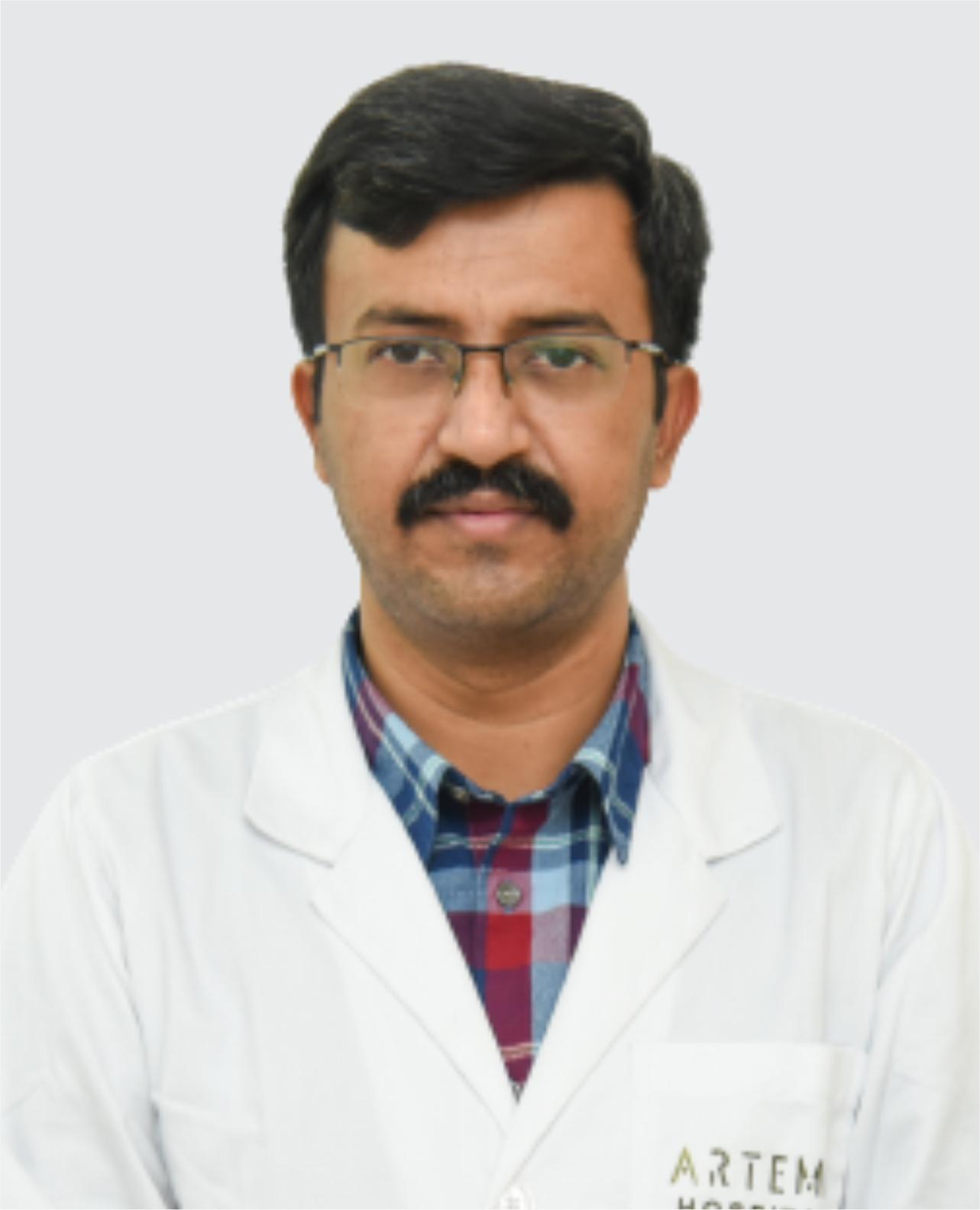
Dr. Abhinandan
Sr. Consultant - Urology & Kidney Transplant Program (Unit I)
Organ Transplant, Urology
New Delhi
8+ Years
Experience
Artemis Hospital
Hospital
1500
Fees
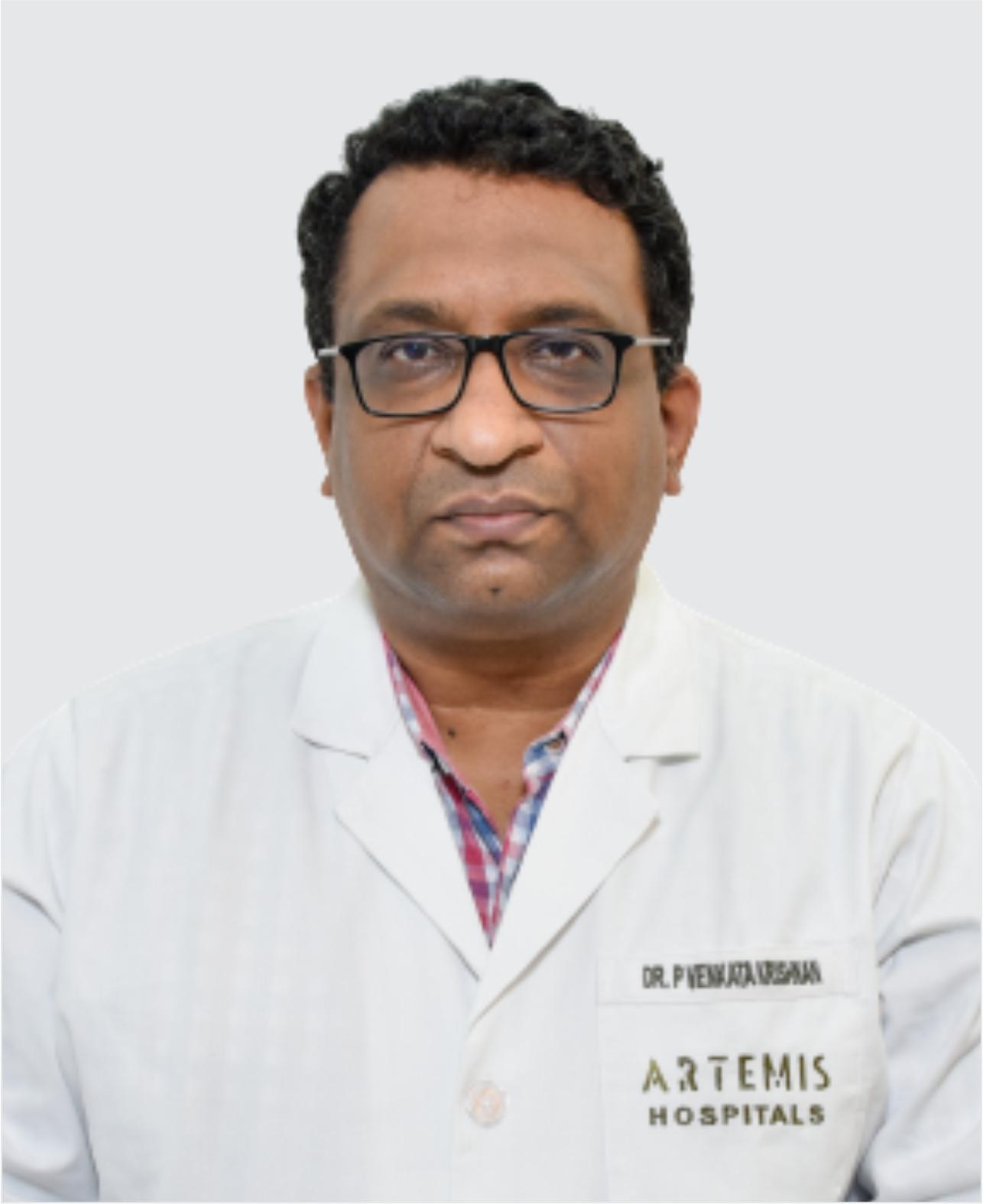
Dr. P. Venkata Krishnan
Sr. Consultant
Internal Medicine
New Delhi
12+ Years
Experience
Artemis Hospital
Hospital
1500
Fees
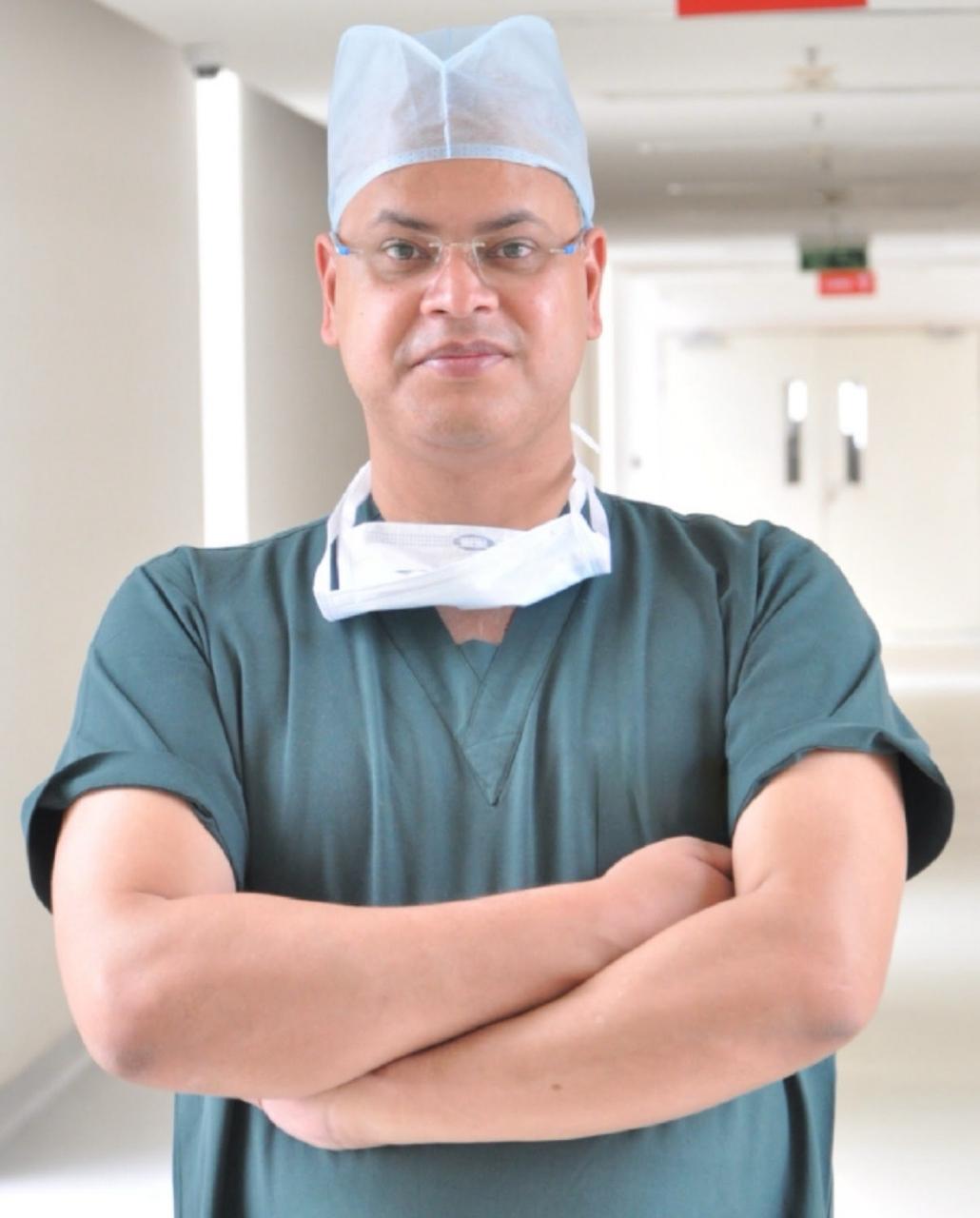
Dr. Ramkinkar Jha
Chief and Unit Head - Orthopaedics (Unit III)
Orthopaedic Surgery, Orthopaedics, Robotic Surgery
New Delhi
20+ Years
Experience
Artemis Hospital
Hospital
1500
Fees

Dr. Sushant Mishra
Consultant
Cardiology, Interventional Cardiology
New Delhi
15+ Years
Experience
Artemis Hospital
Hospital
1500
Fees

Dr. M.A. Mir
Head - Gastroenterology - Liver & Digestive Diseases (Unit III)
Gastroenterology, Gastrointestinal Surgery
New Delhi
17+ Years
Experience
Artemis Hospital
Hospital
1500
Fees
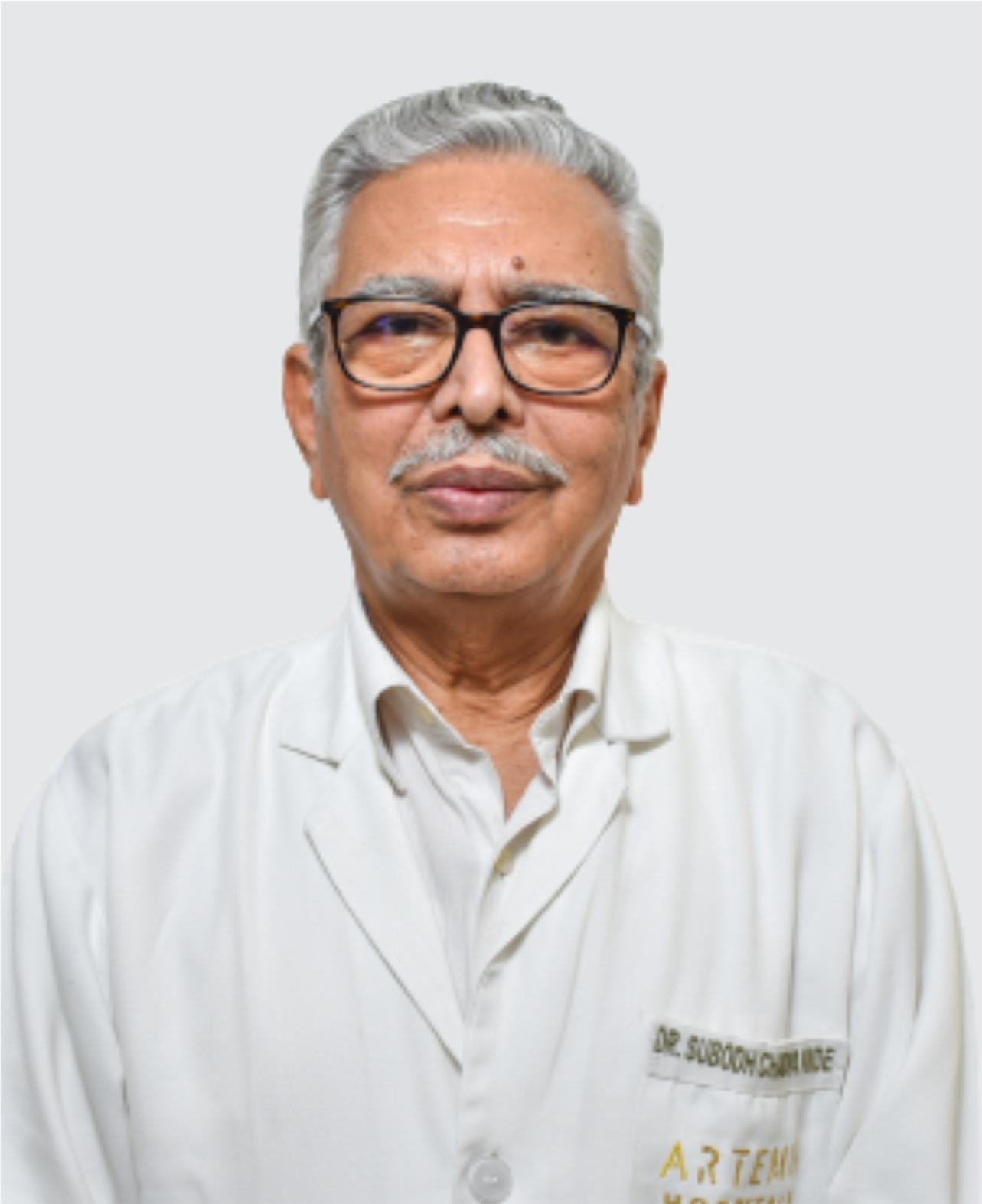
Dr. Subodh Pande
Chief - Radiation Oncology & Co-Chief - Cyberknife Centre
Oncology
New Delhi
15+ Years
Experience
Artemis Hospital
Hospital
1500
Fees

Dr. Yatin Kukreja
Director
Cardiology
New Delhi
14+ Years
Experience
Artemis Hospital
Hospital
1500
Fees
Related Links
Other Treatment related Information
- TAVR (Transcatheter Aortic Valve Replacement) cost in Bengaluru
- TAVR (Transcatheter Aortic Valve Replacement) cost in Pune
- TAVR (Transcatheter Aortic Valve Replacement) cost in Mumbai
- TAVR (Transcatheter Aortic Valve Replacement) cost in Haryana
- TAVR (Transcatheter Aortic Valve Replacement) cost in Hyderabad
- TAVR (Transcatheter Aortic Valve Replacement) cost in India
- TAVR (Transcatheter Aortic Valve Replacement) cost in Chennai
- TAVR (Transcatheter Aortic Valve Replacement) cost in New Delhi
- TAVR (Transcatheter Aortic Valve Replacement) Success Rate in Pune
- TAVR (Transcatheter Aortic Valve Replacement) Success Rate in New Delhi
- TAVR (Transcatheter Aortic Valve Replacement) Success Rate in Hyderabad
- TAVR (Transcatheter Aortic Valve Replacement) Success Rate in Mumbai
- TAVR (Transcatheter Aortic Valve Replacement) Success Rate in Haryana
- TAVR (Transcatheter Aortic Valve Replacement) Success Rate in Chennai
- TAVR (Transcatheter Aortic Valve Replacement) Success Rate in Bengaluru
- TAVR (Transcatheter Aortic Valve Replacement) Success Rate in India
- Best TAVR (Transcatheter Aortic Valve Replacement) Doctors in India
- Best TAVR (Transcatheter Aortic Valve Replacement) Doctors in Bengaluru
- Best TAVR (Transcatheter Aortic Valve Replacement) Doctors in New Delhi
- Best TAVR (Transcatheter Aortic Valve Replacement) Doctors in Gurugram
Ready To Start Your Healing Journey?
Get Personalized Medical Treatment Options From India's Top Hospitals. Our Medical Experts Are Ready To Assist You Every Step Of The Way.