


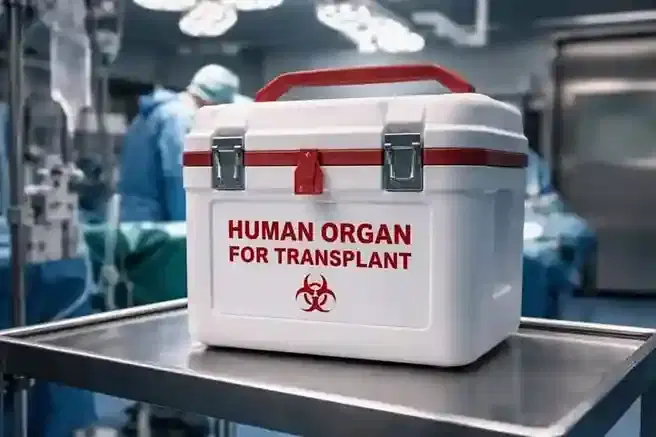
Multi-Organ Transplant Program
5K+ International Patients Treated
40+ Source Countries Served
500+ Accredited Partner Hospitals
98% Patient Satisfaction
80% Average Savings vs USA
10K+ Doctors
NABH, JCI Accredited Hospitals
Free Treatment Plan
Free Consultation with Doctor
5+ Destinations Covered
About Multi-Organ Transplant Program
Sources and Guidelines Referenced
Organ Procurement and Transplantation Network (OPTN) / United Network for Organ Sharing (UNOS) Guidelines (2023); International Society for Heart and Lung Transplantation (ISHLT) Guidelines (2023); American Society of Transplantation (AST) Clinical Practice Guidelines (2022); European Society for Organ Transplantation (ESOT) Consensus Statements (2021); Kidney Disease: Improving Global Outcomes (KDIGO) Clinical Practice Guideline on Transplant Candidates (2020); American Association for the Study of Liver Diseases (AASLD) Practice Guidelines (2023); Starzl et al., Historic Multi-Organ Protocols and Immune Tolerance Analysis (2019); Gruessner et al., International Pancreas and Kidney Transplant Registry Reports (2021).
Multi-Organ Transplant Program: A Comprehensive Patient Guide
1. Definition and Medical Identity
A multi-organ transplant program is a specialized clinical intervention involving the simultaneous or sequential surgical implantation of two or more healthy donor organs into a patient with multi-system organ failure. Its main goal is to replace non-functioning tissue, restore metabolic and circulatory stability, and prolong patient survival when conventional therapies fail.
Multi-organ transplantation is an advanced field within transplant surgery and clinical immunology. Patients with complex disease processes often experience failure in more than one organ system. For instance, severe diabetes can damage both the kidneys and the pancreas. Advanced liver failure can cause secondary damage to the kidneys, a condition known as hepatorenal syndrome (kidney failure caused by severe liver disease). In these cases, transplanting a single organ leaves the patient vulnerable to ongoing failure in the second organ. Performing a multi-organ procedure addresses the root cause across all impacted systems at once.
2. The Underlying Condition or Need
Multi-organ transplants treat end-stage disease affecting two or more vital organ systems. When multiple organ systems fail, the body loses its ability to regulate fluid, clear cellular waste, oxygenate tissue, or maintain metabolic balance. Without surgical intervention, combined end-stage organ disease leads to severe disability and progressive, terminal illness.
The biological problems requiring multi-organ transplantation typically stem from systemic medical conditions. Chronic metabolic conditions, such as type 1 diabetes mellitus, frequently cause microvascular damage that leads to concurrent end-stage renal disease and pancreatic islet collapse. Advanced cirrhosis of the liver can impair blood flow, triggering severe kidney dysfunction. Patients with end-stage lung disease may develop severe pulmonary hypertension that causes permanent right-sided heart failure. Typical clinical symptoms include severe shortness of breath, profound fluid retention, systemic metabolic acidosis, severe fatigue, and intractable jaundice.
If untreated, multi-system organ failure follows a downward clinical path. Medical support, such as dialysis (an artificial process to filter waste from the blood) or continuous mechanical ventilation, can maintain life temporarily. However, these treatments do not replace true biological organ function. Over time, secondary organ failure stresses the vascular system, increases susceptibility to severe infections, and reduces long-term survival expectations.
3. How the Treatment Works — Mechanism
A multi-organ transplant works by surgically removing diseased native organs and replacing them with viable donor organs connected to the patient's vascular and structural systems. This restores natural physiological filtration, hormonal regulation, gas exchange, or circulatory pumping. Lifelong immunosuppressive drugs prevent the recipient's immune system from attacking the new tissues.
The biological mechanism relies on precise vascular, structural, and immunological integration. During surgery, transplant specialists create anastomoses (surgical connections between blood vessels or hollow structures) to join donor arteries and veins to the host circulation. For example, in a combined kidney-pancreas transplant, donor renal and pancreatic blood vessels are reconnected to the recipient's iliac vessels. This allows blood to flow immediately through the new organs, restoring filtration in the kidney and insulin production in the pancreas.
At the immune level, the recipient's body recognizes the donor organ tissue as foreign due to major histocompatibility complex differences. To prevent cell-mediated and antibody-mediated rejection, clinicians administer continuous immunosuppressive drugs. These medications block T-cell activation and cytokine release, allowing the donor organs to function without immune-mediated damage.
4. Types and Variations
Multi-organ transplants vary according to the specific combination of donor organs required, the timing of implantation, and the donor source. Surgical protocols are customized to match the patient's precise underlying pathology, immune profile, and physiological stability during the procedure.
Common variations include simultaneous procedures, where all organs are implanted during a single surgical operation, and staged procedures, where organs are implanted in separate surgical sessions. Living-donor options exist for specific multi-organ combinations, such as living-donor liver and kidney procedures, though most multi-organ transplants rely on deceased donors. The choice of protocol depends on organ availability, surgical urgency, and the patient's ability to tolerate extended anesthesia.
| Transplant Type | Target Organs | Primary Indications | Ischemic Window | Surgical Approach |
|---|---|---|---|---|
| Simultaneous Pancreas-Kidney (SPK) | Pancreas and Kidney | Type 1 diabetes with end-stage renal disease | 12–18 hours | Single incision; concurrent pelvic implantation |
| Simultaneous Liver-Kidney (SLK) | Liver and Kidney | End-stage liver disease with hepatorenal syndrome or chronic kidney disease | 8–12 hours | Sequential implantation; liver vascularized first |
| Heart-Lung Transplant (HLT) | Heart and Both Lungs | End-stage cardiopulmonary disease; severe Eisenmenger syndrome | 4–6 hours | En bloc midline thoracic sternotomy |
| Heart-Kidney Transplant (HKT) | Heart and Kidney | End-stage heart failure with irreversible renal failure | 4–6 hours (Heart) | Sequential implantation; heart completed first |
| Multivisceral Transplant | Stomach, Liver, Pancreas, Small Intestine | Intestinal failure with severe liver injury or extensive thrombosis | 6–8 hours | En bloc abdominal implantation |
5. Who the Treatment Is For — Indications
Multi-organ transplantation is indicated for patients with concurrent, irreversible failure of two or more vital organ systems who are medically stable enough to undergo complex, prolonged surgery. Candidates must complete a detailed medical evaluation to confirm that single-organ transplantation or medical therapy is insufficient.
Specific clinical indications depend on the organ combination:
- Simultaneous Pancreas-Kidney: Indicated for individuals with type 1 diabetes mellitus who have end-stage renal disease and a high risk of diabetic complications (AST Guidelines 2022).
- Simultaneous Liver-Kidney: Indicated for patients with end-stage liver disease and severe kidney dysfunction (defined by prolonged dialysis dependency or low glomerular filtration rates) under AASLD and OPTN criteria (AASLD Guidelines 2023).
- Heart-Lung: Indicated for end-stage lung disease with concurrent irreversible left or right ventricular heart failure (ISHLT Guidelines 2023).
- Multivisceral: Indicated for extensive short bowel syndrome with secondary end-stage liver disease resulting from long-term parenteral nutrition.
Diagnostic evaluation includes tissue matching through human leukocyte antigen typing (a test identifying genetic markers on cell surfaces) and assessing panel reactive antibodies (a screen evaluating recipient sensitivity to donor tissues). Optimal timing requires listing patients before irreversible systemic debility or vascular calcification occurs.
6. Who the Treatment Is NOT For — Contraindications
Multi-organ transplantation is contraindicated when underlying medical conditions prevent safe anesthesia, severely limit post-transplant survival, or make severe immune rejection highly likely. Clinicians categorize these non-eligibility factors into absolute and relative contraindications according to international transplant standards.
Absolute contraindications include active systemic sepsis, untreated metastatic or non-curable malignancies, severe irreversible neurological damage, and active, untreated substance abuse. Additionally, an inability to understand or adhere to complex lifelong medical regimens is an absolute contraindication, as non-adherence leads to organ rejection.
Relative contraindications require careful clinical evaluation and include:
- Advanced chronological age with significant frailty or vascular disease.
- Severe, uncontrolled active psychiatric conditions that impair treatment compliance.
- Severe peripheral vascular disease that prevents successful vascular connection.
- Active systemic infections requiring ongoing antimicrobial therapy.
- Recent historical malignancies requiring a defined cancer-free observation period (KDIGO Guidelines 2020).
7. Alternatives and Clinical Comparison
Alternatives to multi-organ transplantation include single-organ transplantation, mechanical circulatory or filtration support, long-term pharmacological support, and palliative care protocols. The chosen strategy depends on organ availability, surgical risk profiles, and specific disease progression.
For patients with kidney and pancreas failure, an alternative is receiving a kidney transplant alone while managing diabetes with continuous insulin infusion pumps. For cardiac and renal failure, mechanical support like a ventricular assist device (a mechanical pump that helps the heart pump blood) can stabilize cardiac output while the patient undergoes single-organ kidney transplantation or remains on medical therapy. However, mechanical devices carry risks of infection and thrombosis over time.
| Treatment Strategy | Mechanism | Invasiveness | Long-Term Survival Profile | Key Trade-Offs |
|---|---|---|---|---|
| Multi-Organ Transplant | Complete biological replacement of multiple organs | Extremely High (Extended multi-site surgery) | High long-term survival if rejection is controlled | Requires lifelong immunosuppression; high early surgical risk |
| Single-Organ Transplant + Medical Therapy | Replacement of one organ; medical management of second organ | High (Single-site surgery) | Moderate; unaddressed organ failure continues to progress | Lower early surgical complexity; persistent disease in secondary organ |
| Mechanical Organ Support (Dialysis / VAD) | Artificial mechanical filtration or circulatory assistance | Moderate to High (Device implantation or line access) | Lower long-term survival compared to successful transplant | Avoids donor waiting lists; carries high infection and stroke risk |
| Medical Management Alone | Pharmacological stabilization without structural replacement | Low (Non-invasive or minimally invasive) | Limited for end-stage diseases | No surgical risk; fails to halt underlying organ failure |
8. Pre-Treatment Phase
The pre-treatment phase involves extensive diagnostic testing, candidate listing on national donor registries, and physical optimization. This stage ensures that the patient is medically and psychologically prepared to tolerate major surgery and lifelong recovery protocols.
The evaluation phase includes testing across multiple specialties. Diagnostics include structural cardiac imaging, pulmonary function testing, comprehensive vascular mapping, and extensive infectious disease screening. Crossmatching tests ensure recipient blood and tissue compatibility with potential donors, reducing the risk of hyperacute rejection. Patients also meet with transplant social workers, psychologists, and dietitians to assess personal support systems and mental readiness.
Pre-treatment optimization focuses on maintaining nutrition, improving physical conditioning through rehabilitation, and treating active infections. Pharmacological management is adjusted to preserve remaining organ function. Once cleared by the transplant committee, the patient is placed on the national organ waitlist under organ allocation algorithms (OPTN/UNOS 2023).
9. The Procedure — Step-by-Step Clinical Detail
A multi-organ transplant is a major surgical procedure performed in a specialized hospital operating room under general anesthesia. It requires a coordinated surgical team, advanced monitoring, and continuous blood transfusion support.
The standard surgical sequence for a multi-organ transplant includes the following distinct steps:
- Anesthesia and Monitoring: Induction of general anesthesia, followed by placement of central venous lines, arterial monitoring lines, and pulmonary artery catheters to track hemodynamics continuously.
- Donor Organ Retrieval and Preservation: Specialized surgical teams retrieve donor organs, flush them with preservation solutions, and transport them under cold static storage or continuous ex vivo machine perfusion.
- Recipient Incision and Exposure: Surgical access is achieved via midline sternotomy, bilateral thoracotomy, or abdominal incisions, depending on the organs being replaced.
- Native Organ Excision: Native organs are dissected free from surrounding tissues, blood supply, and structural attachments, then removed while the patient is supported with bypass circuits if necessary.
- Implantation Phase: Donor organs are placed in position. Surgeons complete main vascular anastomoses, connecting major arteries and veins using ultra-fine suture materials.
- Reperfusion and Hemostasis: Vascular clamps are released, allowing blood to re-enter the donor organs. The surgical team checks for tissue perfusion, bleeding, and structural integrity.
- Reconstruction of Secondary Conduits: Non-vascular connections, such as ureter-to-bladder implantation, biliary duct reconstruction, or intestinal anastomoses, are carefully re-established.
- Closure and Drain Placement: Surgical drains are placed around the transplant sites to prevent fluid collection, and the incisions are closed in multiple tissue layers.
10. Immediate Post-Procedure Period
The immediate post-procedure period covers the first 24 to 72 hours following surgery. Patients are transferred directly from the operating room to an intensive care unit (ICU) for continuous organ monitoring and stabilization.
Critical ICU management focuses on maintaining blood pressure, oxygenation, and tissue perfusion. Mechanical ventilation is continued until the patient wakes up and can breathe independently. Drains, central lines, and urinary catheters monitor fluid output and bleeding. Blood tests are performed every few hours to evaluate graft function, electrolyte balance, blood clotting, and organ-specific markers like serum creatinine and liver enzymes.
Induction of immunosuppression therapy begins immediately in the operating room or early ICU phase. Intravenous medications, such as antithymocyte globulin, basiliximab, or high-dose corticosteroids, are administered to prevent acute host-versus-graft immune reactions (AST Guidelines 2022). Pain management is delivered through patient-controlled intravenous analgesia.
11. Recovery — Short and Long Term
Recovery from a multi-organ transplant progresses over several months. It is divided into an inpatient acute recovery phase and a long-term outpatient rehabilitation phase focused on monitoring organ function and immune stability.
The inpatient hospital stay ranges from 14 to 30 days, depending on surgical complexity and graft function. Patients transition from the ICU to a step-down unit as organ function stabilizes. Physical therapy begins early in recovery to prevent muscle weakness and chest infections. Patients are educated on their daily drug schedules, infection control strategies, and home health tracking.
Outpatient recovery requires frequent clinical follow-up during the first year:
- Months 1–3: Weekly clinical evaluations, daily blood tests, organ biopsy monitoring if indicated, and tight medication dose adjustments.
- Months 4–6: Bi-weekly clinical visits, gradual reduction of immunosuppressive drug doses to maintenance levels, and progressive return to light physical activity.
- Months 7–12: Monthly clinical monitoring, gradual return to work, and long-term functional assessments.
- Long-Term (Year 2+): Regular clinic visits every 3 to 6 months to monitor graft health, screen for complications, and manage medication regimens indefinitely.
12. Risks, Side Effects, and Complications
Multi-organ transplantation carries significant risks related to major surgery, acute or chronic rejection, and long-term immunosuppression. Complications are classified by frequency and severity to guide preventive clinical care.
Surgical risks include post-operative hemorrhage, blood clots in major transplant vessels, and fluid leakage at urinary or biliary connection sites. Immunological risks include graft rejection, where the host immune system targets the donor organs. Long-term drug risks stem from immunosuppression, which increases the likelihood of severe infections and metabolic side effects.
| Risk Category | Complication Name | Clinical Description | Management Strategy |
|---|---|---|---|
| Common / Mild-Moderate | Incision Infections & Seromas | Localized wound breakdown or subcutaneous fluid collection | Wound care, targeted oral antibiotics, surgical drainage if required |
| Common / Mild-Moderate | Drug-Induced Tremors & Cytopenias | Side effects from calcineurin inhibitors or anti-proliferatives | Dosage adjustments, therapeutic drug monitoring, supportive drugs |
| Uncommon / Serious | Acute Graft Rejection | Cellular or antibody-mediated immune attack against donor organ tissue | High-dose pulse steroids, anti-T-cell antibodies, plasmapheresis |
| Uncommon / Serious | Vascular Thrombosis | Blood clot formation in donor organ arteries or veins | Emergency endovascular intervention or surgical thrombectomy |
| Rare / Critical | Hyperacute Rejection | Immediate antibody-mediated destruction of donor tissue during surgery | Pre-transplant crossmatching prevention; emergency graft removal |
| Rare / Critical | Post-Transplant Lymphoproliferative Disorder (PTLD) | Uncontrolled B-cell growth associated with Epstein-Barr Virus and immune suppression | Reduction of immunosuppression, rituximab therapy, targeted chemotherapy |
13. Lifestyle and Behavioural Considerations
Living with a multi-organ transplant requires lifelong lifestyle changes to protect donor organ function and avoid opportunistic infections. Patients must adopt strict safety habits regarding diet, environmental exposure, medication routines, and physical activity.
Infection prevention is critical due to reduced immune function. Patients must avoid consuming unpasteurized dairy products, raw or undercooked meats, and unwashed produce. Proper hand hygiene, avoiding crowds during high infection seasons, and drinking safe, filtered water reduce the risk of environmental infections. Exposure to specific foods like grapefruit must be avoided, as grapefruit compounds alter blood levels of calcineurin inhibitors (key immunosuppressive drugs like tacrolimus or cyclosporine).
Long-term health strategies include maintaining daily physical activity to rebuild cardiovascular fitness and counter weight gain caused by corticosteroid medications. Patients must monitor their blood pressure, blood glucose, body temperature, and daily fluid intake at home, contacting their transplant team if abnormalities develop.
14. How Outcomes Are Measured
Transplant success is measured through short-term and long-term clinical markers. Key goals include graft survival, overall patient survival, resolution of organ failure symptoms, and restoration of independent daily functioning.
Organ function is monitored through regular laboratory and imaging tests:
- Kidney Function: Tracked via serum creatinine, blood urea nitrogen, and estimated glomerular filtration rate (eGFR).
- Pancreas Function: Assessed via fasting blood glucose levels, glycated hemoglobin (HbA1c), and C-peptide levels.
- Liver Function: Evaluated through serum bilirubin, alanine aminotransferase (ALT), aspartate aminotransferase (AST), and international normalized ratio (INR) blood clotting times.
- Heart Function: Monitored using echocardiography, endomyocardial biopsies, and donor-specific antibody screens.
- Lung Function: Evaluated using spirometry measuring forced expiratory volume (FEV1) and arterial blood gas analyses.
Multi-organ donor registries, such as the OPTN/UNOS registry, show 1-year patient survival rates ranging from 85% to 95% depending on the specific multi-organ combination (OPTN Report 2023). Repeat transplantation may be considered if a graft fails, though secondary procedures carry higher surgical and immunological risks.
15. Recent Advances and Current Standard of Care
Advances in transplant surgery over the last decade have improved organ preservation, refined immune monitoring, and reduced surgical complications. Current standards of care emphasize individualized patient treatment and organ preservation technology.
A major advance is the development of normothermic machine perfusion (a technology that pumps warm, oxygenated, nutrient-rich liquid through donor organs outside the body). This technology keeps organs functioning during transport, extends cold ischemic storage limits, and allows surgical teams to assess donor organ viability before transplantation. This approach has safely expanded the donor organ pool (ISHLT Guidelines 2023).
Modern diagnostic monitoring now uses donor-derived cell-free DNA testing (a non-invasive blood test that detects donor genetic material released by damaged organ cells). This test detects subtle organ rejection earlier than traditional blood tests, reducing the need for invasive tissue biopsies. Current drug protocols also use steroid-sparing regimens to lower long-term risks of metabolic disease, bone loss, and cardiovascular complications (AST Guidelines 2022).
16. Common Myths and Misconceptions
Myth: Multi-organ transplantation requires organs from multiple different donors.
Reality: Multi-organ transplants are usually performed using multiple organs retrieved from a single deceased donor. This reduces immunological exposure, as the recipient receives tissue matching a single immune profile.
Myth: Immunosuppressive medications can be stopped once graft function normalizes.
Reality: Immunosuppressive medications must be taken strictly for life. Stopping these drugs allows the immune system to recognize the donor organ as foreign, leading to acute organ rejection and graft loss (KDIGO Guidelines 2020).
Myth: Receiving a combined liver-kidney transplant increases kidney rejection risk.
Reality: Research shows that transplanting a donor liver alongside a donor kidney helps protect the kidney from rejection. The transplanted liver absorbs and clears donor-specific antibodies, providing immunologic protection to the co-transplanted kidney (AASLD Guidelines 2023).
Myth: Transplant recipients cannot engage in physical exercise or work after surgery.
Reality: Physical rehabilitation helps most patients return to work, regular exercise, and standard daily activities within 6 to 12 months after successful recovery.
Myth: A multi-organ transplant permanently cures the underlying disease process.
Reality: While multi-organ transplantation replaces failed organs, the underlying disease process (such as systemic autoimmune conditions or genetic metabolic disorders) can recur or require ongoing clinical management.
Myth: Living donors can easily donate multiple internal organs simultaneously.
Reality: Multi-organ transplants almost always use organs from deceased donors due to safety constraints. Living donor multi-organ procedures are extremely rare and limited to specialized kidney and partial liver donations.
17. Frequently Asked Questions
What is the typical hospital stay after a multi-organ transplant?
The standard hospital stay ranges from 14 to 30 days. Patients typically spend 5 to 10 days in the intensive care unit for close monitoring, followed by 10 to 20 days on a specialized transplant inpatient ward to stabilize health and manage medication schedules.
How long is the waitlist time for multi-organ transplantation?
Waitlist times vary widely based on organ availability, geographical location, recipient blood type, tissue compatibility, and medical urgency. Wait times range from a few weeks for urgent heart-lung cases to several months or years for kidney-pancreas combinations.
Can I receive organs from different donors during one operation?
While possible in rare clinical situations, almost all multi-organ transplants use organs from a single deceased donor. Using one donor simplifies surgical planning and minimizes immune exposure by matching the recipient to a single set of donor tissue markers.
How does immunosuppressive medication prevent organ rejection?
Immunosuppressive drugs work by suppressing specific white blood cells, mainly T-lymphocytes. By blocking T-cell activation, these medications prevent the immune system from identifying foreign proteins on donor organs, stopping the body from triggering an immune attack against the new tissues.
What are the signs of acute organ rejection?
Signs of organ rejection include unexplained fever, fluid retention, decreased urine output, pain or swelling over the transplant site, yellowing of the skin or eyes, extreme fatigue, and sudden changes in blood pressure or heart rate. Immediate medical evaluation is required if these symptoms occur.
Will I need to follow a special diet after my transplant?
Yes. Patients must follow food safety guidelines to avoid infections from raw or unpasteurized foods. Additionally, patients should limit sodium and refined sugars to manage medication side effects and avoid grapefruit, which alters immunosuppressive drug levels in the blood.
When can I safely return to work and normal physical activity?
Most patients can resume light physical activity within 2 to 3 months post-surgery. Returning to work typically occurs between 6 and 12 months, depending on job demands, overall recovery, physical strength, and doctor recommendations.
How often will I need blood tests after leaving the hospital?
Blood tests are required twice weekly during the first month after hospital discharge. As organ function and drug levels stabilize, testing frequency decreases to weekly, then bi-weekly, and eventually settles into a monthly routine long-term.
Can a multi-organ transplant be repeated if one organ fails?
Yes. If a single transplanted organ fails while the second continues to function normally, a single-organ re-transplant can be evaluated. However, secondary transplants carry higher surgical risks due to scar tissue and existing immune sensitivities.
Are vaccines safe to receive after a multi-organ transplant?
Inactivated (non-live) vaccines, such as the annual influenza shot, are recommended to protect immune-compromised patients. Live-attenuated vaccines are strictly contraindicated, as weakened viruses can cause active disease in people taking immunosuppressive drugs.
What is the difference between cellular and antibody-mediated rejection?
Cellular rejection occurs when T-cells directly invade and damage transplanted organ tissue. Antibody-mediated rejection occurs when circulating antibodies target blood vessels within the donor organ. Both types require different medical treatments, such as targeted steroids or plasma filtration.
How does age impact eligibility for a multi-organ transplant?
Chronological age alone is not an absolute barrier to transplantation. Clinicians evaluate biological age, cardiac fitness, vascular health, frailty scores, and overall physical reserve to determine if older patients can safely tolerate major surgery and recovery.
Booking With DIVINHEAL
Get a free consultation to understand your treatment options
Cost Calculator
I know my treatment - show me cost from 3 hospitals
Plan My Journey
Tell us your condition and budget - our AI matches the right destination, hospital and doctor and visa pathway
Recommended Article

Booking With DIVINHEAL
Get a free consultation to understand your treatment options
Cost Calculator
I know my treatment - show me cost from 3 hospitals
Plan My Journey
Tell us your condition and budget - our AI matches the right destination, hospital and doctor and visa pathway
Recommended Article
Our Speciality and Treatments
oculoplastic surgery
Macular Degeneration Treatment (AMD)
Pediatric Ophthalmology
Squint / Strabismus Surgery (Adult)
ICL / Phakic IOL Implantation
LASIK / SMILE / PRK (Refractive Surgery)
Keratoconus Treatment (CXL / Rings)
Corneal Transplant (Keratoplasty)
Pediatric Squint Surgery
Diabetic Retinopathy Laser / Anti-VEGF Injections
Vitrectomy
Retinal Detachment Repair
Pterygium Surgery
Glaucoma Surgery (Trabeculectomy / MIGS)
Cataract Surgery (Phaco with IOL)






Meet Our Medical Specialists
Hospitals
NABH & JCI Accredited Hospitals in India,Turkey, Thailand & UAE.

Hisar Intercontinental Hospital
Saray Mah. Siteyolu Cad. No:7, Umraniye, 34768, Istanbul, Turkey

Medical Park Group, Istanbul
Fahrettin Kerim Gokay Cad. Tıbbiye Cd., Kadikoy, Istanbul, Turkey

Emsey Hospital, Pendik, Istanbul
Çamlık, Selçuklu Cd. No:22, 34912 Pendik/İstanbul, Türkiye
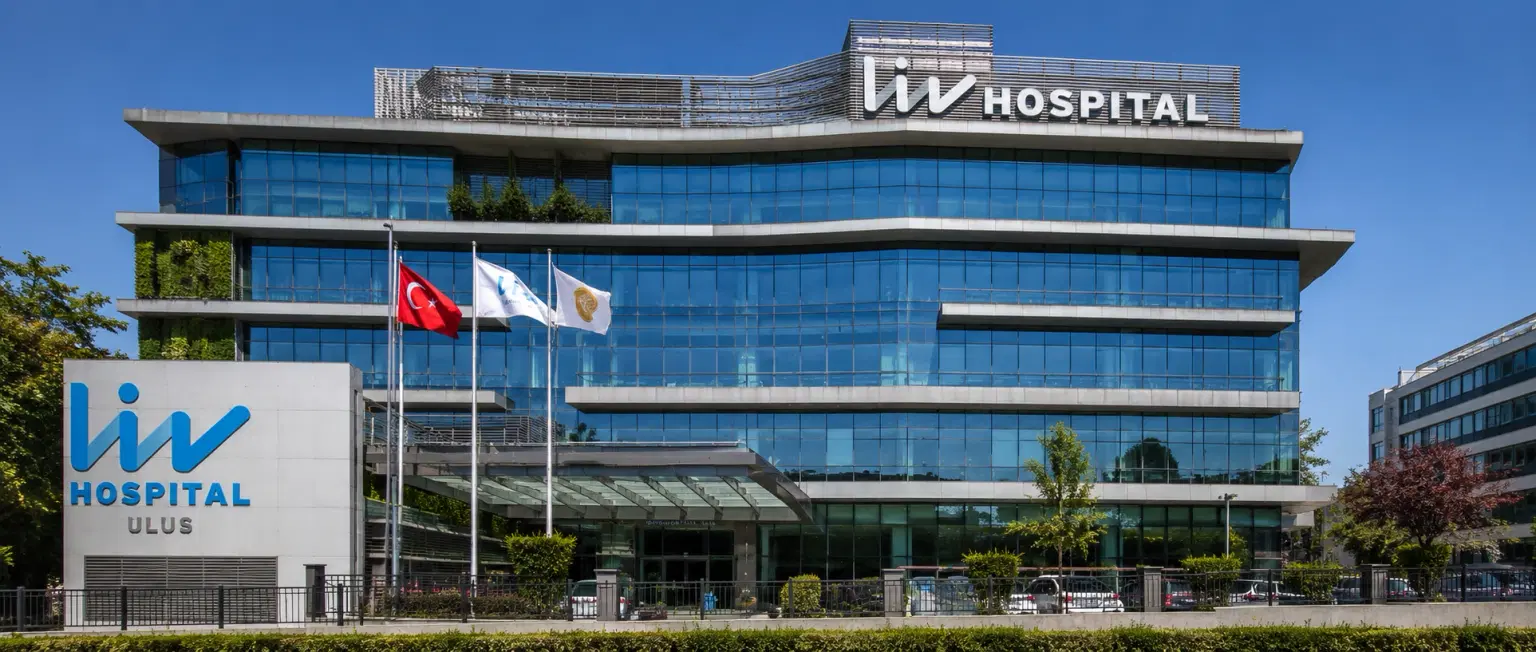
LIV Hospital, Istanbul
How DivinHeal Helps
We simplify your medical journey by providing comprehensive support and access to world-class healthcare.
Expert Specialist Matching
Connecting you with the world's top-rated medical experts.
Accredited Hospital Network
Access to JCI & NABH certified healthcare facilities.
Complete Travel Coordination
Hassle-free visa, stay, and local transport assistance.
24/7 Personal Care
Dedicated patient advisors supporting you at every step.
Journey Guidance
Full guidance from start to end of the patient treatment journey.
Expert Specialist Matching
Connecting you with the world's top-rated medical experts.
Everything you
need to know today
Browse through these common inquiries to better understand our patient-focused medical platform.
Yes, we work with a variety of insurance providers. Contact our team to verify your coverage.
Yes, we provide secure online consultations with experienced specialists.
Our care coordinators help match you with the most suitable specialist.
Absolutely. Your medical information is protected according to healthcare privacy standards.
Look at six things: accreditation (JCI or NABH), specialty depth, doctor credentials and experience, procedure-specific success rates, international patient support, and technology. DivinHeal's AI-driven matching evaluates every hospital in our accredited partner network on these dimensions and shortlists the best-fit options for your condition, budget, and country.
JCI (Joint Commission International) is the US-based global gold standard for hospital quality, recognised worldwide. NABH is India's national accreditation — accredited by ISQua, the same body that accredits JCI. Both signal independently verified safety and quality. Most of India's leading hospitals hold both.
Yes. All three welcome international patients through structured medical visa programs. India is the most established, treating patients from Africa, the Middle East, and South Asia at 60–80% lower cost. Thailand leads in cosmetic and dental care. The UAE is emerging in oncology and reproductive medicine.
Most patients save 50–80% on treatment costs. Heart bypass costs US $7,000–9,000 in India compared to $70,000–150,000 in the US. IVF costs $3,000–4,500 compared to $12,000–20,000 in the UK. Even after flights, visa, and accommodation, total savings remain 60–70%.
DivinHeal manages your entire non-medical journey: visa invitation letters, medical visa guidance, doctor appointments, teleconsultations, airport pickup, hospital-vetted accommodation for you and your attendant, language interpreters, local transport, cuisine preferences, and post-treatment follow-up — one dedicated coordinator from first enquiry to final follow-up.
You need a valid passport (6+ months validity), a medical visa (M-Visa for India — DivinHeal provides the hospital invitation letter), return flight tickets, recent medical reports and a doctor's referral, current prescription list, and proof of financial means. Any accompanying attendant needs their own passport and MX-Visa.
Still have more questions?
Book a call with our friendly team to learn how DivineHeal simplifies your healthcare journey.