TURP (Transurethral Resection of Prostate) Treatment in Hyderabad for Bangladesh
Need Personalized Advice?
Our medical experts are ready to answer your questions and guide you through your treatment options.
About
TURP Treatment in Hyderabad for Bangladesh Patients | Hospitals & Costs
For many individuals from Bangladesh facing prostate issues, finding effective and accessible treatment can be a significant concern. The discomfort and disruption caused by conditions like an enlarged prostate often lead patients to seek specialized care beyond their borders, ensuring they receive the best possible medical solutions.
Patients considering medical treatment abroad often narrow their search to cities known for advanced healthcare. Hyderabad stands out as a preferred destination due to its robust medical infrastructure, state-of-the-art facilities, and a concentration of highly experienced urologists, making it an attractive choice for specialized procedures like TURP.
Trust in Hyderabad's medical ecosystem is built on its internationally accredited hospitals and a strong network of specialists dedicated to patient well-being. The city offers a seamless healthcare experience, from initial consultation to post-treatment follow-ups, ensuring comprehensive and coordinated care for all international visitors.
Hyderabad offers a comprehensive and accessible medical environment for prostate care.
What is TURP Treatment?
Transurethral Resection of the Prostate, commonly known as TURP, is a surgical procedure used to treat benign prostatic hyperplasia (BPH), or an enlarged prostate. During TURP, a specialized instrument called a resectoscope is inserted through the urethra to trim away excess prostate tissue that is obstructing urine flow. This procedure helps alleviate uncomfortable urinary symptoms and significantly improves the patient's quality of life. It is considered a gold standard for surgical management of BPH.
Types of TURP and Related Procedures
While TURP itself is a specific surgical technique, variations exist, and other treatments are available for BPH. Understanding these can help patients consider their options:
Monopolar TURP
This traditional method uses a single electrode to cut and coagulate tissue. It requires a non-conductive irrigation solution, which carries a small risk of "TURP syndrome" due to fluid absorption.
Bipolar TURP
A more modern approach, bipolar TURP uses two electrodes and a saline irrigation solution. This significantly reduces the risk of TURP syndrome and allows for safer treatment in patients with certain health conditions, offering enhanced safety and efficiency.
Laser Prostatectomy (e.g., GreenLight Laser PVP, HoLEP)
Although not TURP, these laser-based procedures are common alternatives for BPH. They use laser energy to vaporize or remove prostate tissue, often resulting in less blood loss and a shorter hospital stay compared to traditional TURP.
When is TURP Treatment Required?
- Significant urinary symptoms that impact quality of life, such as frequent urination, urgency, weak stream, or incomplete bladder emptying.
- Failure of medication to control BPH symptoms.
- Recurrent urinary tract infections caused by prostate enlargement.
- Bladder stones due to urinary obstruction.
- Kidney damage or renal insufficiency linked to severe urinary blockage.
- Inability to urinate (urinary retention) requiring a catheter.
- Blood in the urine (hematuria) originating from the prostate.
Pre-Treatment Evaluation for TURP
- Digital Rectal Exam (DRE): To assess prostate size and consistency.
- Prostate-Specific Antigen (PSA) Blood Test: To screen for prostate cancer.
- Urinalysis: To check for infection or blood in the urine.
- Uroflowmetry and Post-Void Residual Volume: To measure urine flow rate and how much urine remains in the bladder after voiding.
- Ultrasound of Kidneys and Bladder: To check for complications like hydronephrosis or bladder stones.
- Cystoscopy: Insertion of a thin scope to visualize the urethra and bladder directly.
- Blood tests: Including complete blood count, kidney function tests, and coagulation profile.
- Electrocardiogram (ECG) and Chest X-ray: For overall cardiac and lung health assessment.
How the TURP Treatment is Performed
The TURP procedure is a carefully planned surgical intervention, with steps designed to ensure patient safety and optimal outcomes.
Before the Procedure
Patients typically receive general or spinal anesthesia to ensure comfort. The surgical area is sterilized, and a catheter may be inserted temporarily before the procedure begins.
During the Procedure
A resectoscope, a thin, rigid tube with a light, camera, and a wire loop, is inserted into the urethra. The surgeon uses the wire loop to precisely cut and remove small pieces of the enlarged prostate tissue. The removed tissue fragments are flushed into the bladder and then removed at the end of the procedure. The goal is to create a wider channel for urine flow.
After the Procedure (Immediate)
A Foley catheter is usually inserted into the bladder to drain urine and continuously irrigate the bladder, preventing blood clots. The patient will recover in a hospital room under close monitoring.
Recovery Process After TURP
After TURP, patients typically stay in the hospital for one to three days. The urinary catheter usually remains in place for 1-3 days to drain urine and flush out any blood clots. Patients may experience some discomfort, urgency, or blood in their urine, which is normal initially. Gradually increasing activity, avoiding heavy lifting, and staying well-hydrated are crucial. Most patients can return to light activities within a few weeks and full normal activity within 4-6 weeks. Follow-up appointments with the urologist are essential to monitor healing and assess long-term outcomes.
Risks and Success Rates of TURP
- Bleeding: Some bleeding is expected, but excessive bleeding requiring a blood transfusion is a potential, though uncommon, risk.
- Infection: Urinary tract infections are possible, managed with antibiotics.
- Retrograde Ejaculation: Semen flows backward into the bladder during orgasm, a common side effect affecting fertility but not sexual sensation.
- TURP Syndrome: A rare complication with traditional monopolar TURP due to excessive fluid absorption, leading to electrolyte imbalance.
- Erectile Dysfunction: Although uncommon, it can occur in a small percentage of patients.
- Urinary Incontinence: Temporary leakage is more common; persistent, severe incontinence is rare.
- Urethral Stricture: Scar tissue narrowing the urethra can occur over time.
TURP has a high success rate in relieving BPH symptoms, with over 80-95% of patients experiencing significant improvement in urinary flow and comfort. Individual outcomes can vary based on prostate size, overall health, and the surgeon's experience. While immediate relief is common, the full benefits often become apparent within a few months. Long-term results are generally good, though some patients may require further treatment years later if prostate tissue regrows.
Considering TURP in Hyderabad?
Reach out to our patient support team for personalized information about top hospitals and leading specialists for your prostate treatment journey.
What is the Cost of TURP Treatment in Hyderabad?
The cost of TURP treatment in Hyderabad is influenced by several factors, including the chosen hospital's accreditation and facilities, the surgeon's experience, the type of TURP procedure (monopolar or bipolar), and the duration of hospital stay. Pre-operative evaluations and post-operative care also contribute to the overall expenditure.
For Bangladesh patients, the estimated cost for TURP treatment in Hyderabad typically ranges from INR 1,50,000 to INR 3,50,000.
TURP Treatment Cost Comparison: Hyderabad vs. International Cities
Hyderabad offers a compelling cost advantage for TURP procedures when compared to many Western and even some Asian countries, making advanced care more accessible without compromising quality. The table below illustrates a typical comparison.
| Location | Estimated Cost (USD) |
|---|---|
| Hyderabad, India | $1,800 - $4,200 |
| United States | $10,000 - $25,000 |
| United Kingdom | $8,000 - $15,000 |
| Singapore | $7,000 - $12,000 |
| Thailand | $4,000 - $8,000 |
Comprehensive Support for International Patients in Hyderabad
- Assistance with medical visa applications and necessary documentation.
- Coordination of appointments with leading urologists and hospital admissions.
- Arrangement of comfortable accommodation for patients and accompanying family.
- Language support and dedicated patient facilitators for seamless communication.
- Guidance on local travel and transportation within Hyderabad.
- Facilitation of post-treatment follow-up consultations.
Essential Documents for Your Medical Visit to Hyderabad
- Valid passport and medical visa for entry into India.
- All relevant medical reports, diagnostic scans, and physician referrals.
- Proof of financial solvency for treatment and stay.
- Details of any existing health insurance coverage.
- Contact information for emergency contacts in Bangladesh.
Preparing for Your TURP Procedure in Hyderabad
- Adhere to all dietary restrictions and fasting instructions provided by your medical team.
- Disclose all medications, supplements, and herbal remedies to your doctor.
- Arrange for a companion to accompany you throughout your medical journey.
- Ensure comfortable clothing for your hospital stay and recovery period.
- Prepare a list of questions for your surgeon regarding the procedure and recovery.
Post-TURP Recovery and Aftercare Guidance
- Follow all medication instructions, including pain relief and antibiotics.
- Maintain good hydration by drinking plenty of fluids to aid bladder flushing.
- Avoid strenuous physical activities, heavy lifting, and sexual activity for several weeks.
- Monitor for any signs of complications such as excessive bleeding, fever, or severe pain.
- Attend all scheduled follow-up appointments with your urologist in Hyderabad.
- Plan for a comfortable return journey and continued rest upon returning home.
Ready to Start Your Journey to Better Health?
Connect with our expert team to understand your TURP treatment options in Hyderabad and get a personalized cost estimate.
Begin Your Path to Recovery
Making an informed decision about your health is paramount, and Hyderabad's medical facilities are ready to provide the advanced care you need.
Hospitals Offering this treatment
India offers premium medical procedures at affordable prices. Discover our most popular treatments, delivered by the country's finest doctors.
Meet Our Doctors
Meet our team of highly qualified and experienced medical professionals dedicated to providing the best healthcare services.

Dr. Abhinandan Mukhopadhyay
Sr. Consultant - Urology & Kidney Transplant Program (Unit I)
Urology, Kidney Transplant, Urological Cancers
Haryana
8+ Years
Experience
Artemis Hospital
Hospital
1500
Fees
Dr. Anil Prasad Bhatt
Principal Consultant
Urology, Uro-Oncology, Renal Transplant
New Delhi
30+ Years
Experience
Apolo Delhi
Hospital
1500
Fees
Dr. A. J. Chitkara
Senior Director - Urology, Uro-Oncology, Robotics & Kidney Transplant
Urology
New Delhi
30+ Years
Experience
Apolo Delhi
Hospital
1500
Fees
Dr. Amit K Devra
Senior Director - Urology & Kidney Transplant
Urology, Kidney Transplant
New Delhi
24+ Years
Experience
Apolo Delhi
Hospital
1500
Fees
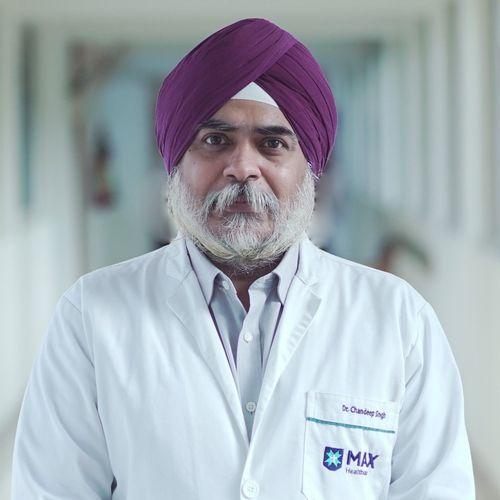
Dr. Chandeep Singh
Director
Urology
New Delhi
15+ Years
Experience
Apolo Delhi
Hospital
1500
Fees
Related Links
Other Treatment related Information
- TURP (Transurethral Resection of Prostate) cost in Bengaluru
- TURP (Transurethral Resection of Prostate) cost in Chennai
- TURP (Transurethral Resection of Prostate) cost in Mumbai
- TURP (Transurethral Resection of Prostate) cost in Hyderabad
- TURP (Transurethral Resection of Prostate) cost in New Delhi
- TURP (Transurethral Resection of Prostate) cost in Pune
- TURP (Transurethral Resection of Prostate) cost in India
- TURP (Transurethral Resection of Prostate) cost in Haryana
- TURP (Transurethral Resection of Prostate) Success Rate in Haryana
- TURP (Transurethral Resection of Prostate) Success Rate in Mumbai
- TURP (Transurethral Resection of Prostate) Success Rate in New Delhi
- TURP (Transurethral Resection of Prostate) Success Rate in Pune
- TURP (Transurethral Resection of Prostate) Success Rate in Bengaluru
- TURP (Transurethral Resection of Prostate) Success Rate in Chennai
- TURP (Transurethral Resection of Prostate) Success Rate in India
- TURP (Transurethral Resection of Prostate) Success Rate in Hyderabad
- Best TURP (Transurethral Resection of Prostate) Doctors in Chennai
- Best TURP (Transurethral Resection of Prostate) Doctors in Hyderabad
- Best TURP (Transurethral Resection of Prostate) Doctors in New Delhi
- Best TURP (Transurethral Resection of Prostate) Doctors in Gurugram
Ready To Start Your Healing Journey?
Get Personalized Medical Treatment Options From India's Top Hospitals. Our Medical Experts Are Ready To Assist You Every Step Of The Way.